
Toyota’s hydrogen push backfires
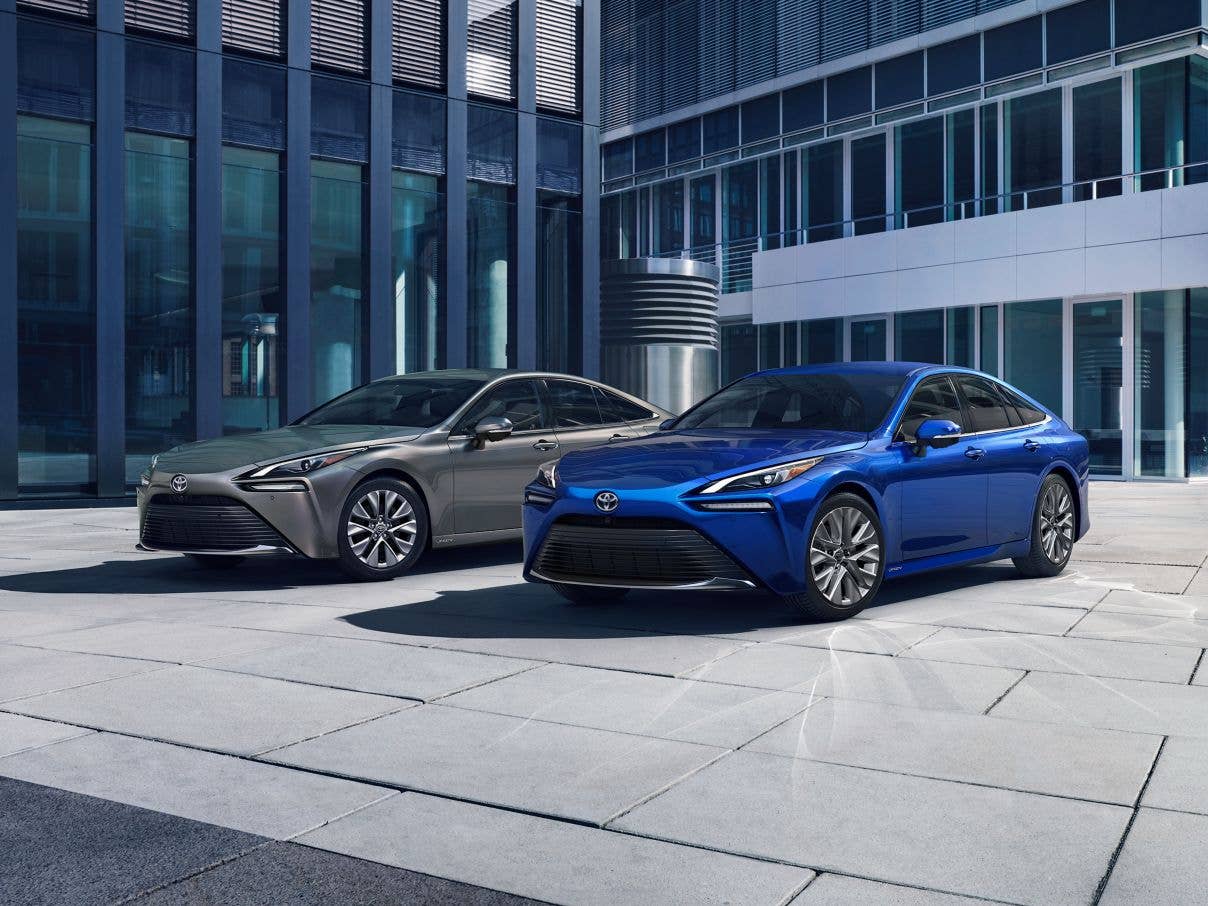
Three owners of Toyota’s Mirai hydrogen-fuel-cell vehicle have filed a class-action lawsuit against the Japanese manufacturer on behalf of all California-based Mirai buyers and lessees from 2016 to 2025. The complaint demands at least $5.7 billion in damages, marking one of the biggest legal challenges yet to hydrogen-powered mobility.

Toyota
Allegations of Concealment and False Promises
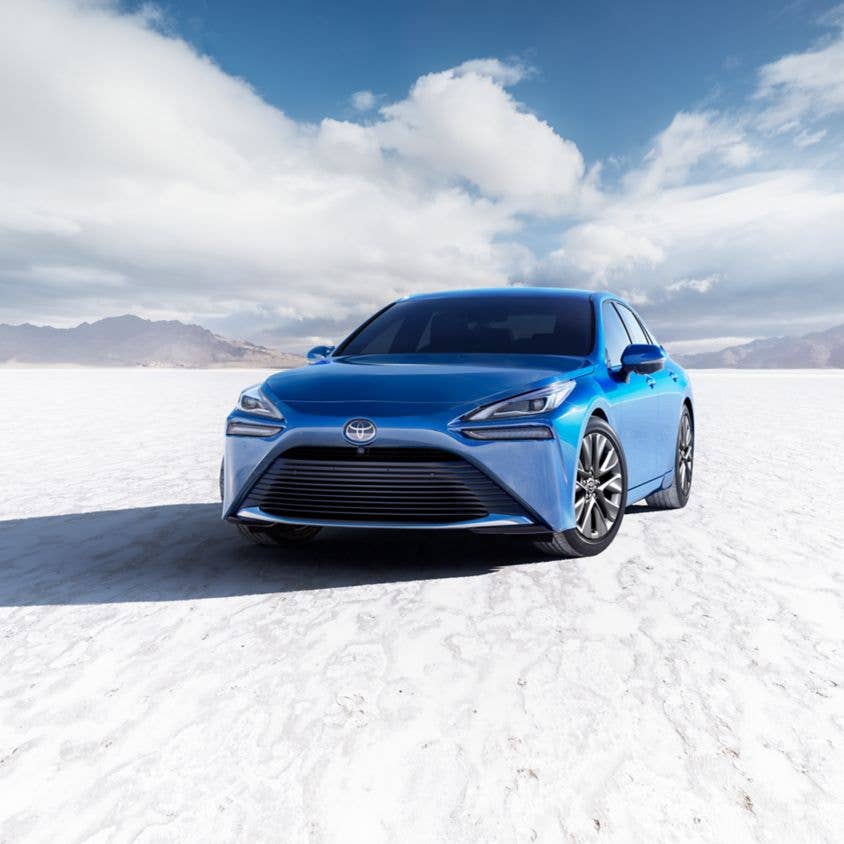
Filed in California, the complaint accuses Toyota, its dealerships, and its credit division of knowingly promoting and selling vehicles that depended on a fragile and inadequate hydrogen ecosystem. Plaintiffs say the company also hid reliability concerns, including fuel leaks, failed refuelling, and acceleration issues, that made the Mirai unsafe and unsuitable for everyday use. The lawsuit also alleges that Toyota continued to market and sell the Mirai despite the knowledge that owners and drivers of these cars were finding it extremely difficult to find working refuelling stations. This lack of infrastructure, claim the plaintiffs, has turned what was promised as a practical zero-emission car into a vehicle that could not be reliably used.
Toyota
Toyota’s ‘Five-Minute Fill’ Promise
One of the central aspects of the case is Toyota’s advertising around the Mirai’s quick refuelling, which claimed that it takes about five minutes to tank up. In reality, however, hydrogen fuelling stations were frequently down for maintenance or out of fuel, with several being permanently shuttered.
The problem was exacerbated with Shell closing down their network of hydrogen stations last year; the resultant long lines at the few remaining working stations meant that some drivers had to drive miles and wait hours just to refuel. The lawsuit also cites the U.S. federal RICO (Racketeer Influenced and Corrupt Organizations) Act, accusing Toyota of scheming to defraud customers through misleading communications and marketing.

Toyota
Toyota Responds
Toyota has acknowledged that the hydrogen network has faced serious disruptions and says it has paused Mirai sales in some regions, including Sacramento. The company insists it is supporting customers through service credits, rental cars, and case-by-case assistance. Many owners, however, do not feel that these measures offset the frustration of paying for and possessing cars that they can’t really use for fear of being left stranded.

Toyota
Broader Implications for Hydrogen Mobility
This lawsuit puts a spotlight on the challenges of promoting hydrogen-fuel-cell vehicles to private consumers. Toyota has led the charge in hydrogen mobility, aggressively marketing their zero-emission vehicle as a practical alternative, while the infrastructure seems unable to support large-scale deployment. Moving forward, these proceedings and their outcome could shape public trust in the viability of hydrogen as a mobility solution for years to come.
About the author

Anosh Khumbatta
News Editor