
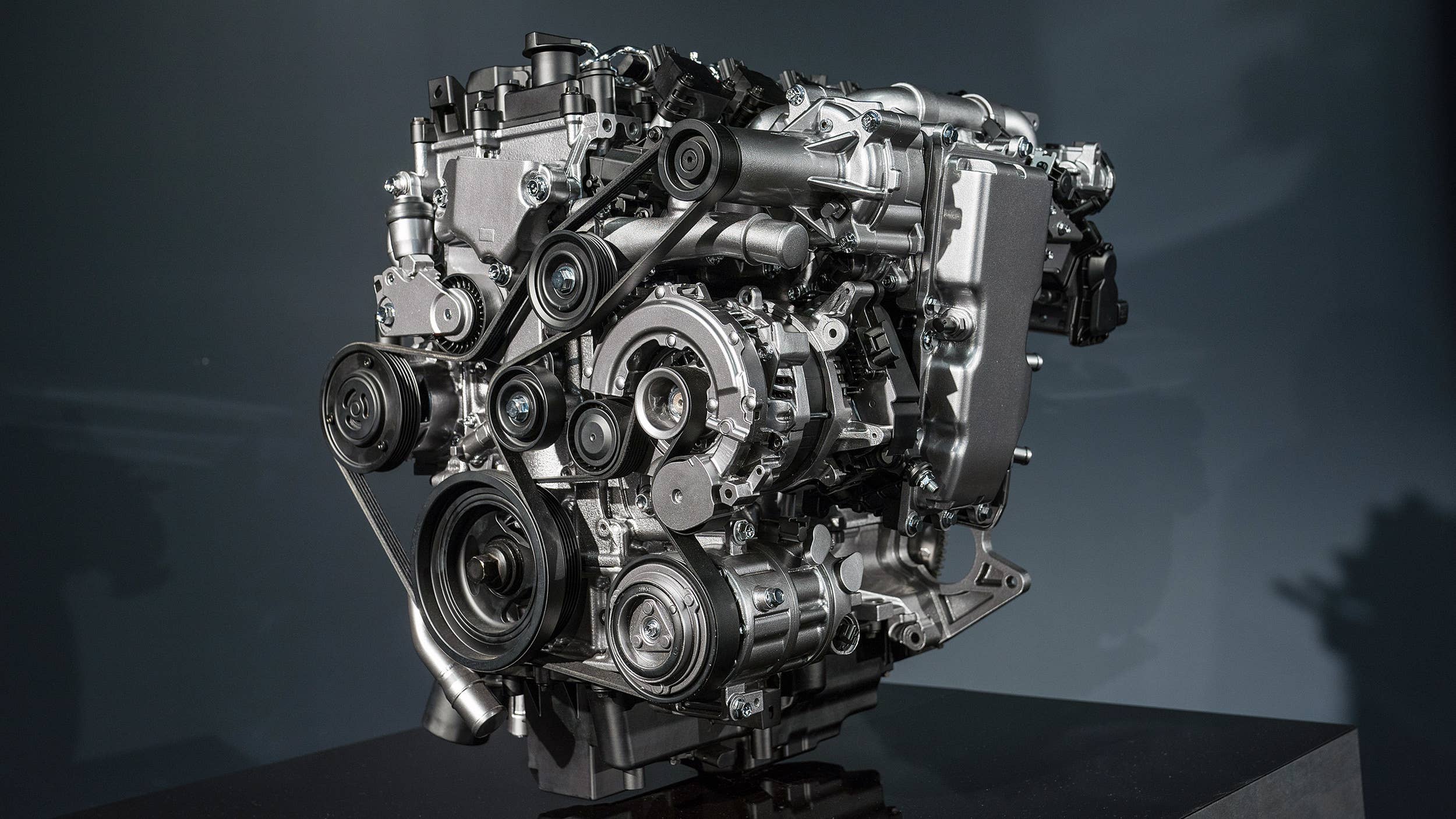
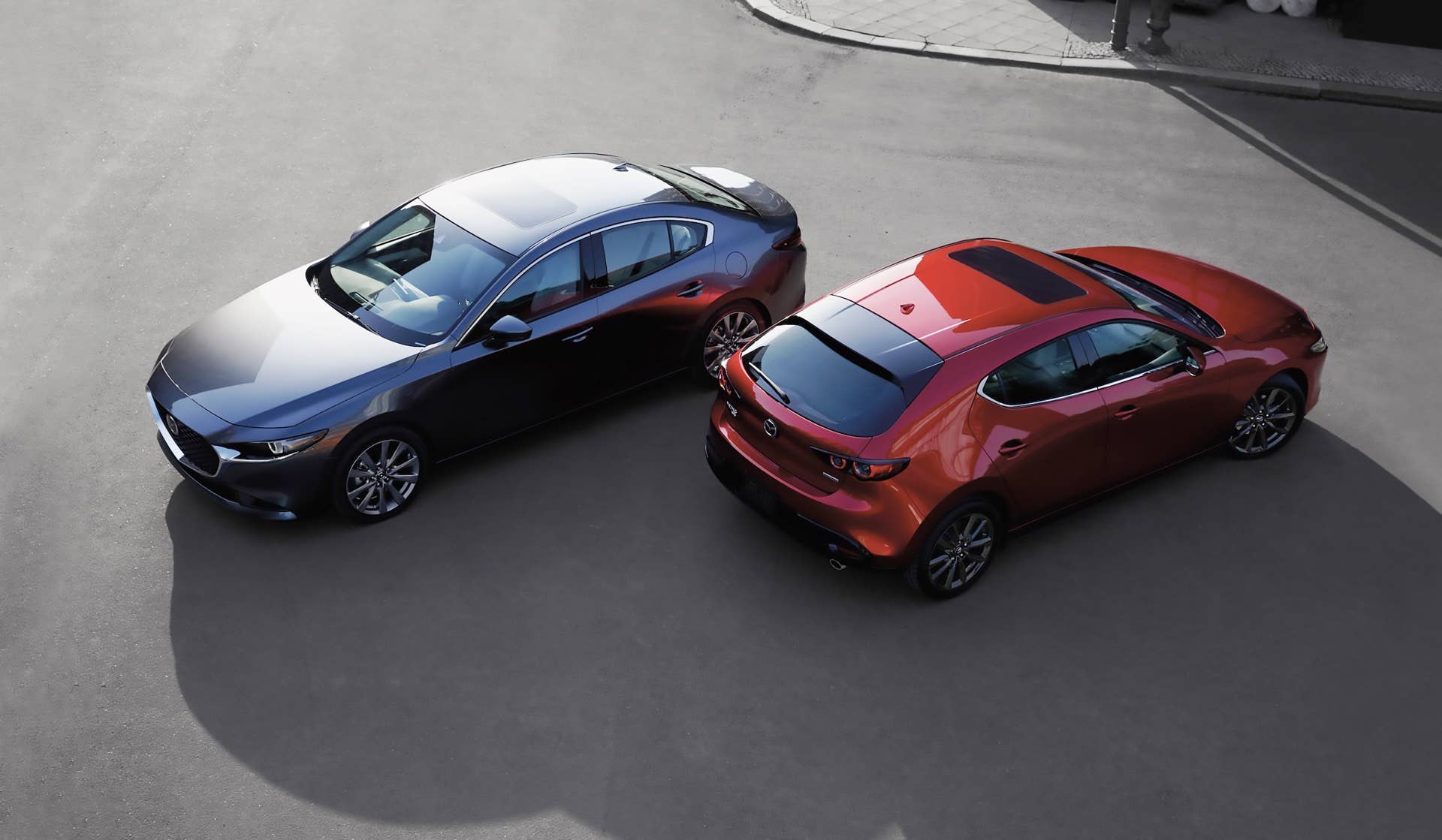
Mazda is officially pulling the plug on one of the modern automotive industry’s most fascinating engineering experiments. The Japanese automaker is quietly dropping the highly unusual Skyactiv-X engine from the European Mazda3 lineup. As the company streamlines its global powertrain offerings, this change will officially take effect for the upcoming 2027 model year, marking the quiet end of an incredibly ambitious developmental chapter for the brand’s popular compact hatchback.
This innovative 2.0-liter powertrain originally made massive waves across the industry by successfully blending the high-compression, spark-controlled ignition of a diesel with the cleaner emissions of a traditional gasoline engine. Moving forward, overseas hatchback buyers will be restricted to the standard 2.5-liter e-Skyactiv G engine. To help offset the mechanical loss, the 2027 model will feature new interior technology and a premium Homura Plus trim that avoids any base price increases.
Never Even Reached the USA
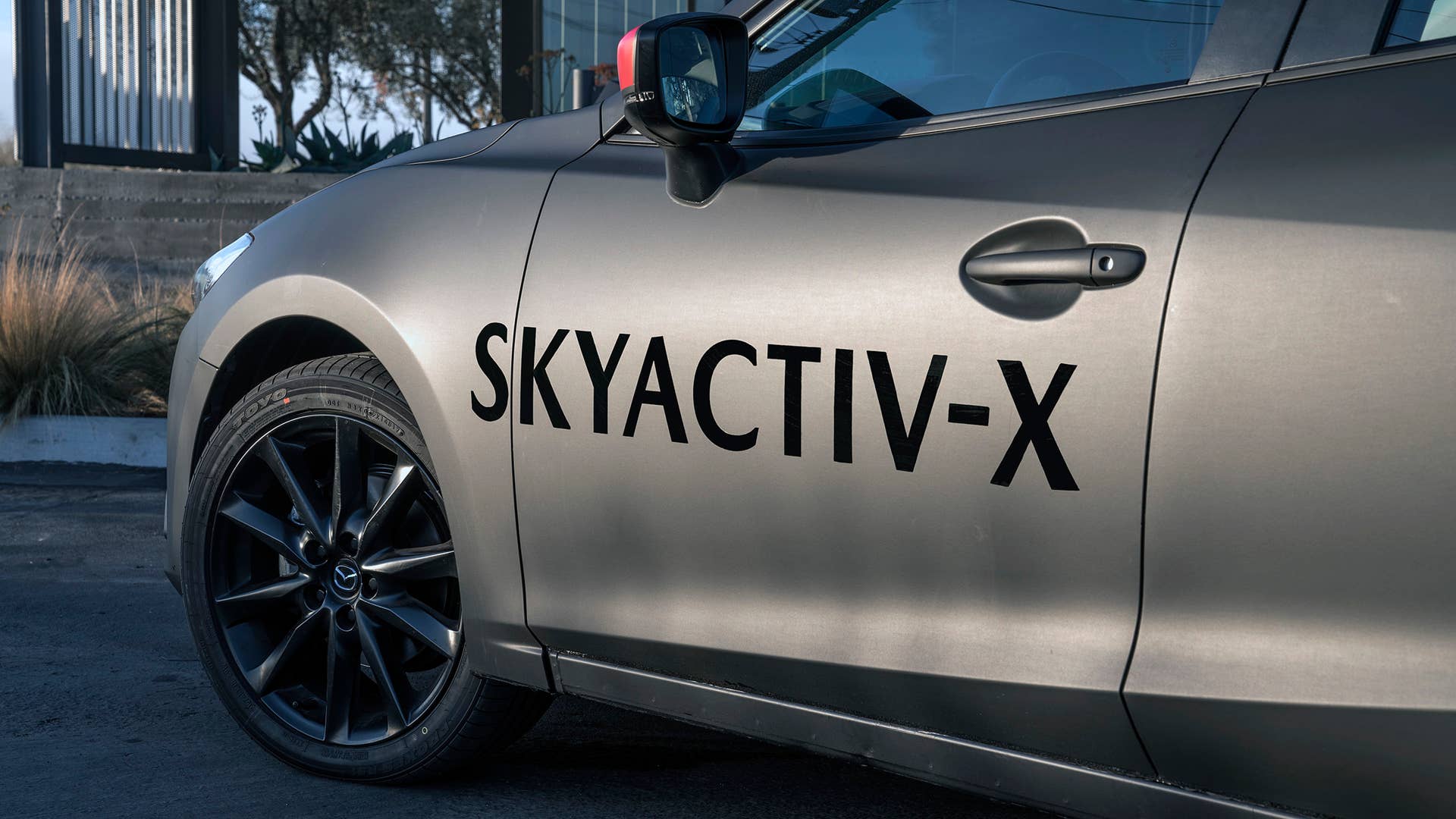
For American consumers, this mechanical retirement is largely moot. According to a recent report from Auto Express, despite years of intense speculation and immense hype from automotive enthusiasts, the engine’s U.S. market launch never officially happened. Executive management correctly assumed that domestic buyers would absolutely refuse to pay a premium sticker price for incremental fuel efficiency, especially if it meant sacrificing overall horsepower and passing-lane acceleration on the highway.
Even without this cutting-edge engine on the options list, the brand’s conventional powertrains have proven highly successful in America. Driven by strong consumer demand for reliable, fun-to-drive commuter cars that offer premium interiors at an accessible price point, standard Mazda3 sales jumped 147% recently. This massive growth occurred right as Detroit’s Big Three continued to lose significant ground in the broader compact car segment.
Headed Toward a Hybrid Future
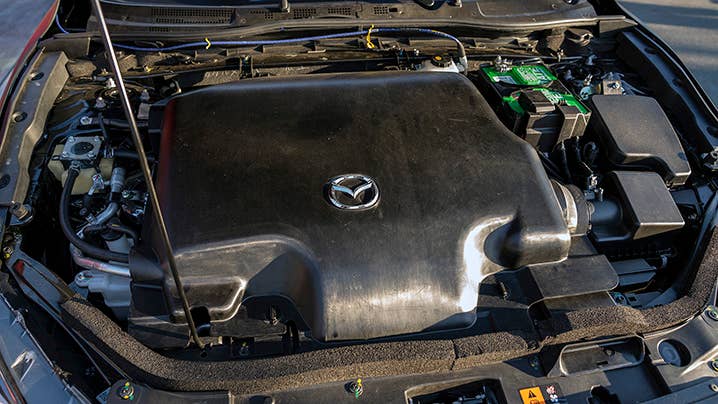
While the complex Skyactiv-X powertrain is disappearing from the hatchback, it will remain available in the European CX-30 crossover for the immediate future. However, its days are undeniably numbered on a global scale. Mazda has already publicly confirmed that both the current “X” and “G” internal combustion engine families will eventually be replaced by an all-new, highly efficient Skyactiv-Z architecture, which is expected to begin rolling out by 2027.
In the meantime, the automaker is aggressively pivoting its powertrain strategy for North America. Rather than relying on ultra-complex internal combustion designs, Mazda is betting on hybrids as it chases another domestic sales record. This strategic shift toward electrified powertrains in larger, premium SUVs is already paying massive dividends, driving Mazda’s impressive sales surge. The Skyactiv-X was a brilliant piece of engineering, but the market has clearly spoken in favor of straightforward hybridization.
About the author

Roy Robles
News Editor