
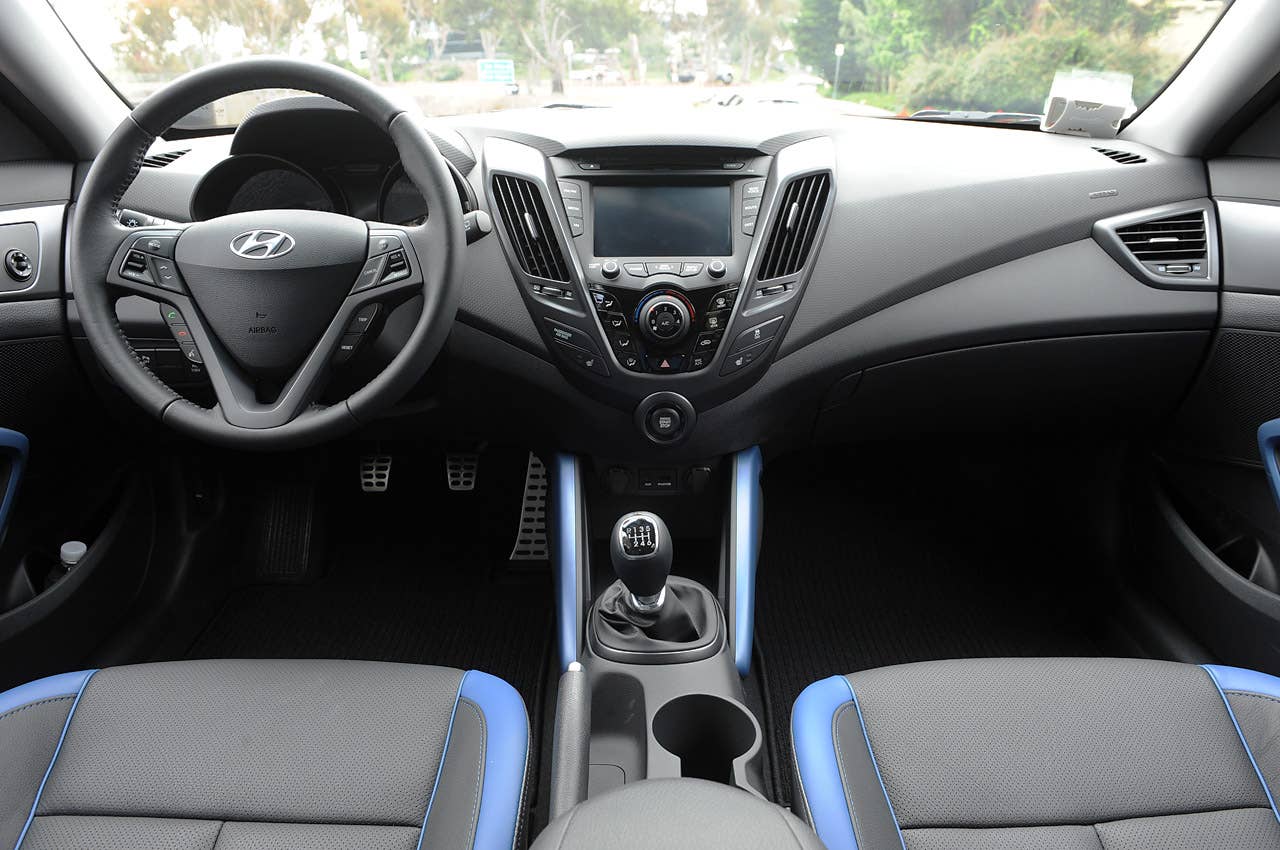
According to Hyundai’s European technical chief Tyrone Johnson, the manual gearbox is not dying — it’s already dead. In a recent interview with Car Magazine, the longtime Ford and Jaguar performance engineer declared, “Nobody wants manual gearboxes and handbrakes anymore, or analogue instruments.” As blunt as it sounds, the data and direction of the industry seem to back him up.
Johnson now leads Hyundai’s European development center in Germany, and he’s not one to mourn the passing of what he sees as outdated tech. From his perspective, the driving experience offered by EVs like the Ioniq 5 N has already surpassed most combustion-engine performance cars. And while some purists still seek out stick shifts for their engagement and mechanical tactility, Johnson argues those drivers are now the exception, not the rule.
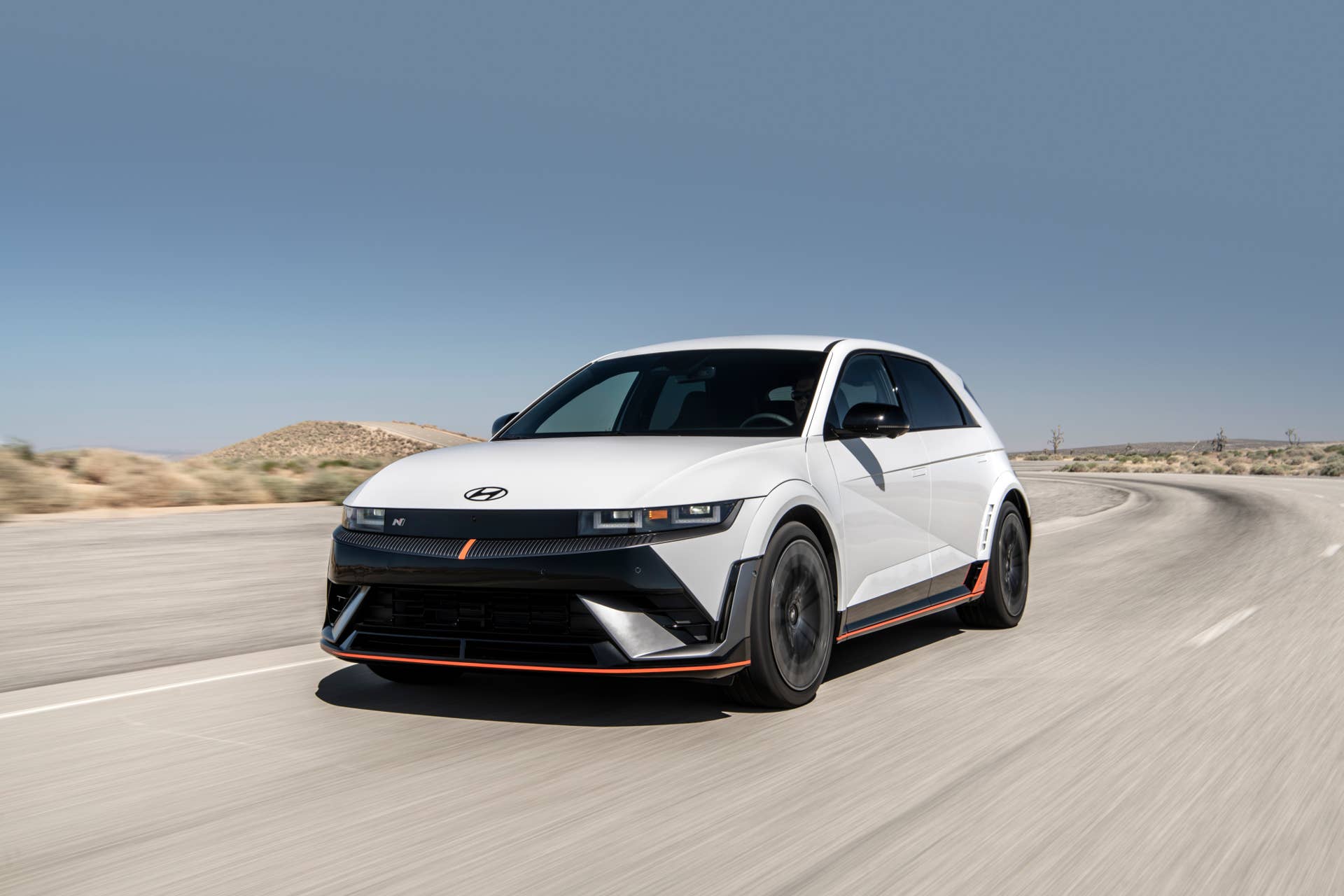
2025 Hyundai
Why the Manual Is Disappearing
It’s not just consumer preference steering the shift. Developing a car with both manual and automatic options introduces engineering complexity and cost — particularly in an era of increasingly sophisticated driver assistance systems and global emissions targets. Automatic transmissions, especially modern dual-clutch and CVT systems, often outperform manuals on efficiency tests. With fewer people opting for the third pedal, the investment simply doesn’t make sense.
Even Hyundai’s own enthusiast offerings reflect this shift. In the U.S., the Elantra N’s manual take rate was just 30% last year — still higher than average, but not enough to reverse the trend. And as these models disappear from the lineup, the list of new cars even offering a manual continues to shrink.
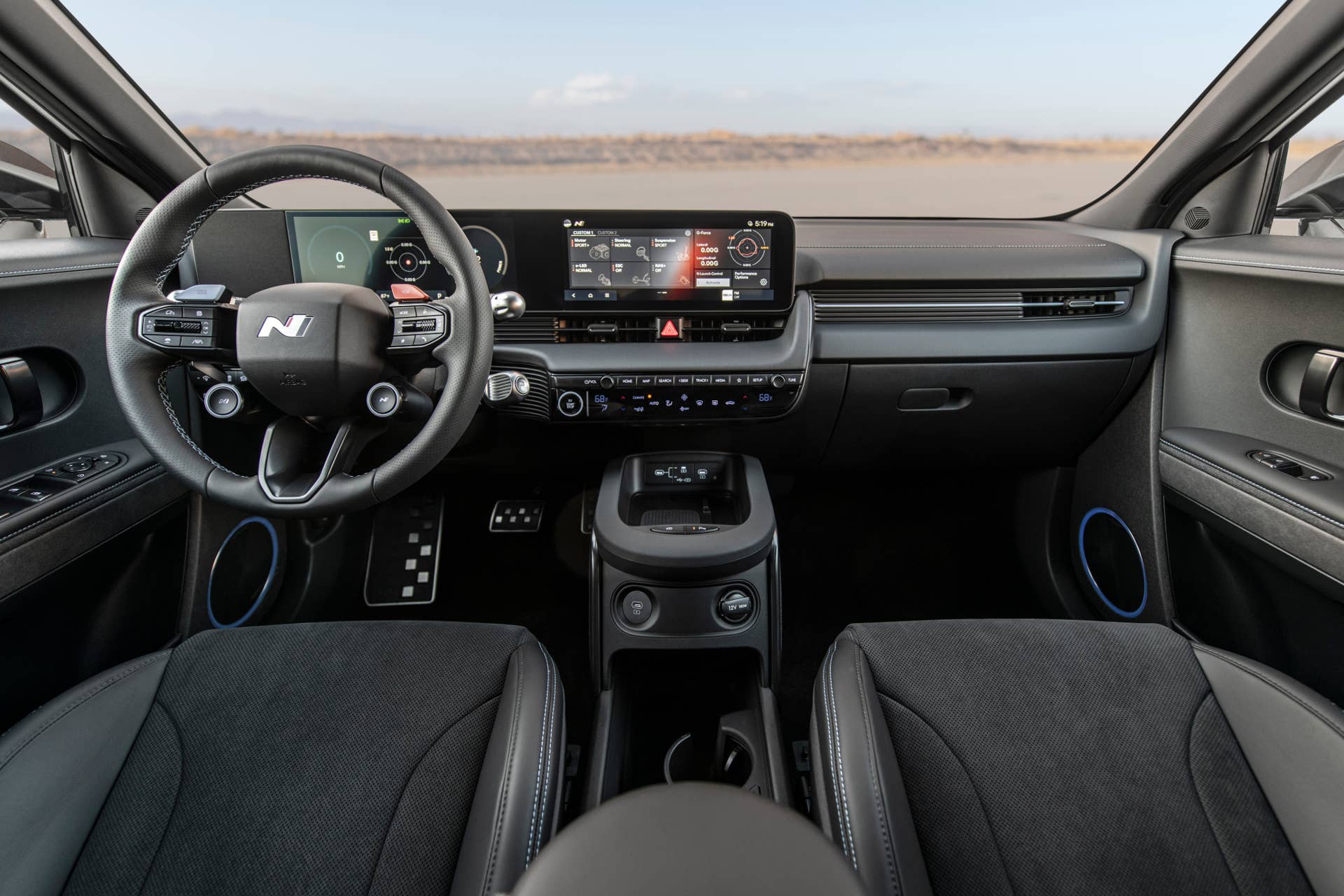
Johnson also highlighted how modern buyers — especially those under 40 — expect digital interfaces and seamless tech integration. Traditional gear levers, handbrakes, and needle gauges are being phased out in favor of electronic selectors, drive-by-wire systems, and fully digital dashboards. Even performance models like the Ioniq 5 N now feature fake gear changes and synthetic engine sounds to simulate the sensations of traditional driving.
What Replaces the Experience?
Hyundai’s electric N cars include a feature called N e-shift, designed to replicate the feeling of an eight-speed dual-clutch gearbox. It’s a software-driven system with paddle shifters and artificial powertrain noise piped through the speakers. Johnson says it’s not nostalgia, but sensory feedback — vibrations, engine sounds, gear transitions — that help drivers feel connected to the machine. “You can do some really clever things,” he added, pointing to the pace of EV development and the expanding role of software in suspension tuning and performance behavior.
Whether this approach resonates with enthusiasts is another matter. For those still chasing that old-school feel, there are still affordable options, but they’re dwindling fast. The gap between what enthusiasts want and what the broader market will buy is only growing.
The Future of the Gear Stick
Johnson doesn’t buy into the narrative that performance cars are in decline. “If you want to go fast, there’s nothing better than an EV,” he told Car. That said, he’s aware of the emotional appeal of a manual — the sense of control, the raw connection — but insists that EVs are advancing at a rate combustion cars never could. And as more manufacturers prioritize global platforms and digital experiences, the manual transmission risks becoming less a driver’s choice and more a collector’s quirk.
For now, manuals survive in pockets of the market, often thanks to enthusiast demand or brand tradition. Some of the best stick-shift cars of 2025 still make a strong case for the format, even if they’re no longer mainstream. But as Johnson’s comments suggest, the real question may not be whether manuals are worth saving — it’s whether the industry can afford to keep them around at all.