
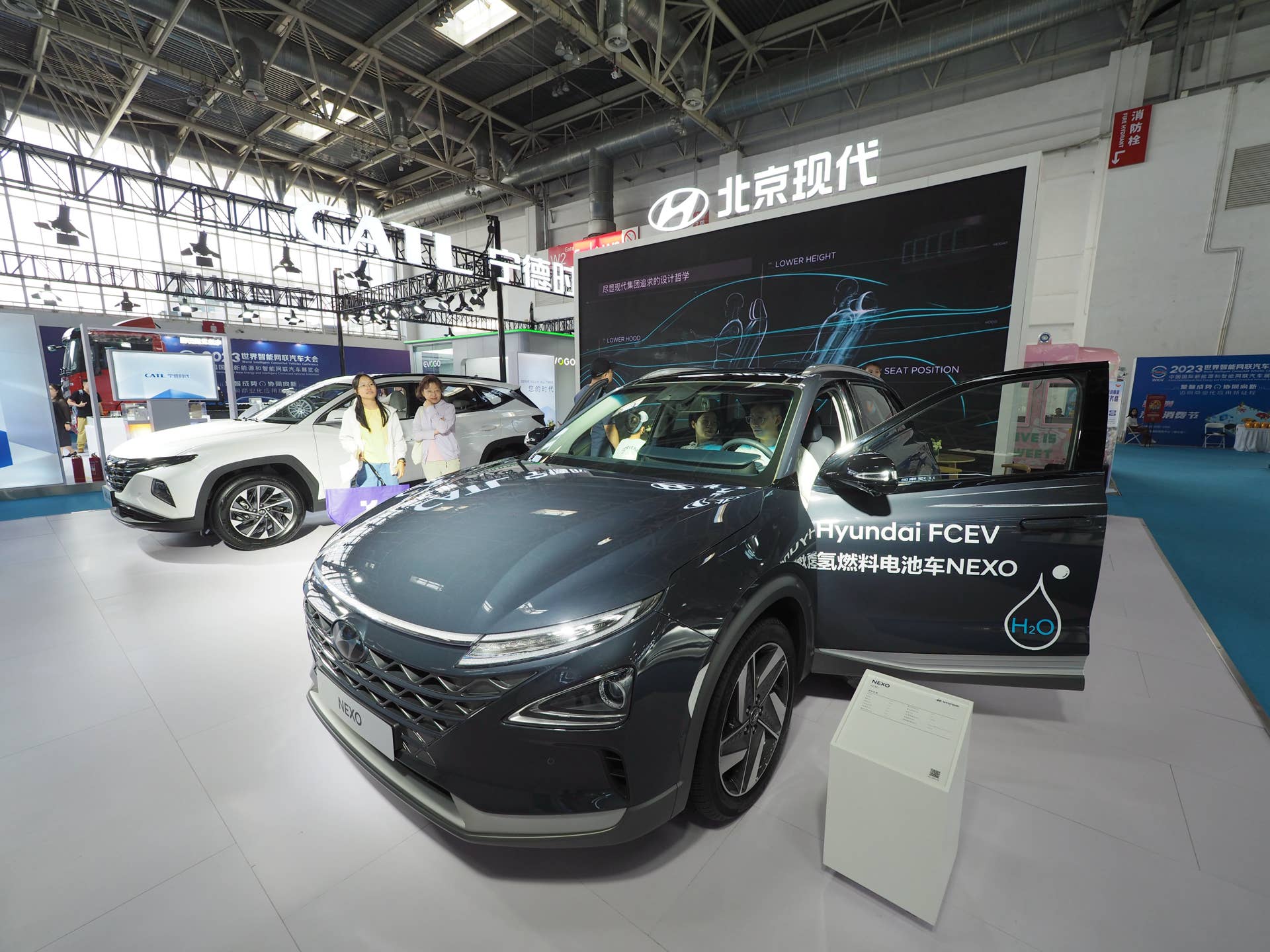
Hyundai and BAIC, a Chinese state-owned automobile manufacturer, are doubling down on their China operations, together injecting $1.1 billion into their joint venture, Beijing Hyundai Motor Co. The move aims to stabilize the company’s finances and pivot towards electric vehicles (EVs) amid plummeting sales in the world’s largest auto market.
A market in crisis for Hyundai
The joint venture, owned equally by Hyundai and BAIC subsidiary BAIC Investment, has seen its fortunes decline sharply. Sales through October 2024 reached only 137,300 vehicles, a staggering 41% drop from the same period in 2023, according to Gasgoo, a Chinese auto media outlet.
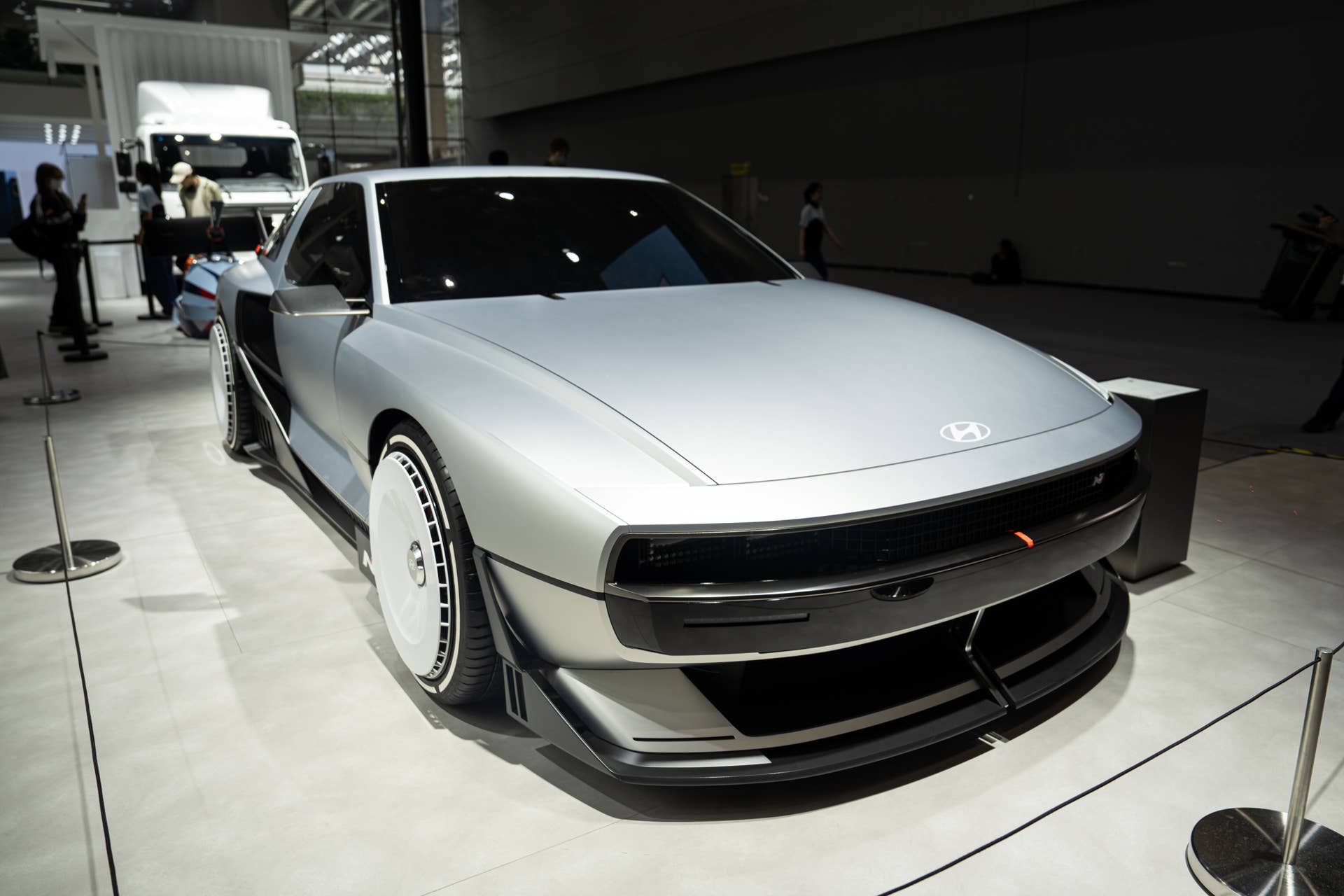
The sales plunge is part of a broader trend impacting foreign automakers in China. The rapid rise of domestic EV manufacturers like BYD Co. has undercut legacy brands, leaving Hyundai and its sister brand Kia struggling to maintain relevance.
Adding to the challenges, Beijing Hyundai reported losses of 2.6 billion yuan ($358 million) for the first nine months of 2024, following a 5.4 billion yuan after-tax deficit in 2023. The joint venture has seen the value of its assets shrink by nearly 14 billion yuan from the end of 2022 to September this year.
Strategic moves for survival and expansion
The $1.1 billion capital injection is aimed at more than just plugging financial gaps. Hyundai plans to develop new technologies and expand its product offerings to better meet the demands of Chinese consumers. It also intends to leverage China as an export hub for international markets, although trade tensions between Beijing, the EU, and the U.S. could complicate those ambitions.
BAIC echoed these intentions, emphasizing the importance of introducing products tailored to Chinese tastes while boosting export volumes.
However, even bold moves have failed to reverse past setbacks. Hyundai’s attempts to scale back operations in China by selling underperforming assets have fallen flat. Earlier this year, the company sold its Chongqing plant for half its original price.
Final thoughts
China’s auto market is undergoing a seismic shift, with consumers increasingly opting for EVs over traditional gas-powered cars. Domestic champions like BYD and Nio have quickly adapted to this trend, leaving international brands like Hyundai struggling to catch up.
Hyundai’s bet on EVs could reinvigorate its presence, but the path to profitability remains uncertain. Hyundai and Kia have seen significant success with a range of innovative EVs in North America, but have struggled to translate that to the world’s largest automotive market. This fact underscores just how competitive the Chinese market has become for foreign automakers.
For Hyundai and BAIC, the $1.1 billion question is whether this investment will lead to a sustainable turnaround—or just buy time in an increasingly competitive market.
About the author

Elijah Nicholson-Messmer
Contributing Writer, Autoblog