
V8s may be disappearing, but GM’s apparently aren’t going anywhere
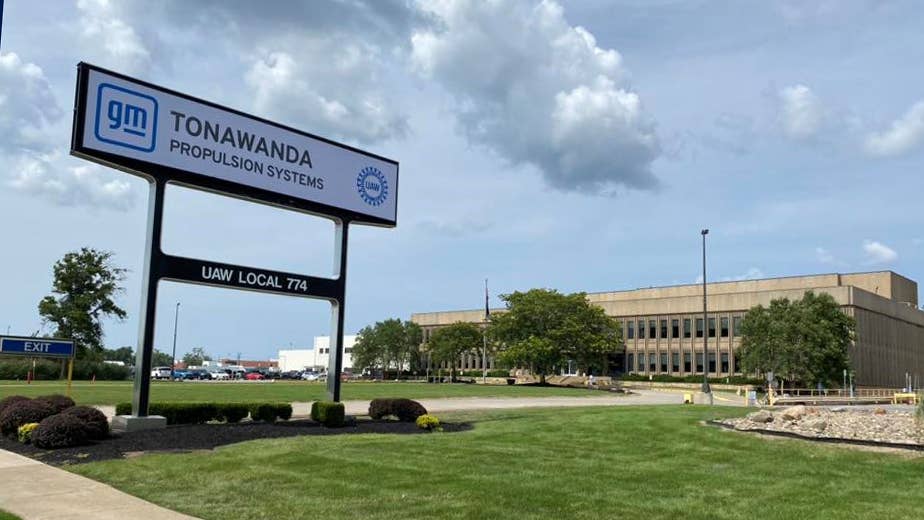
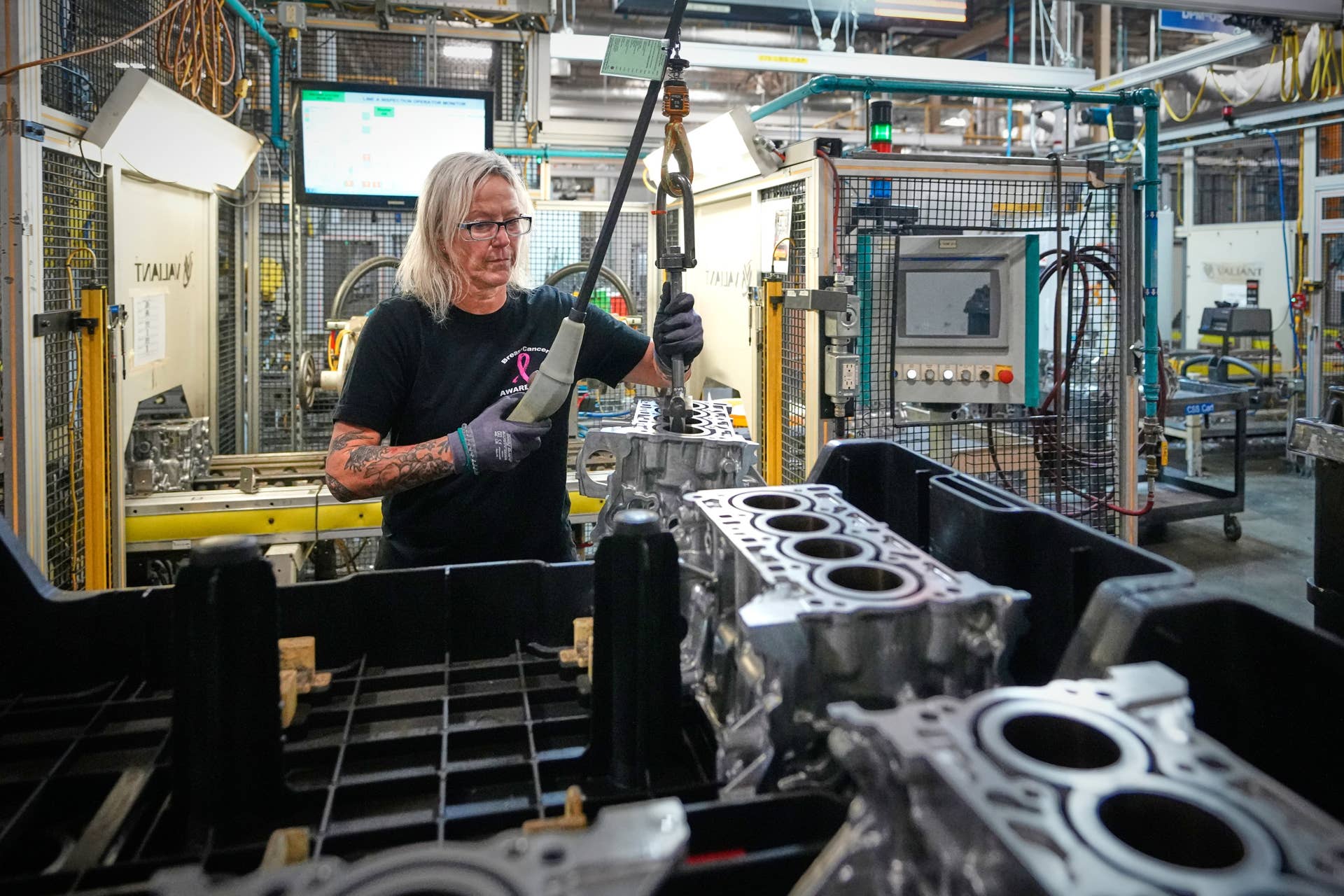
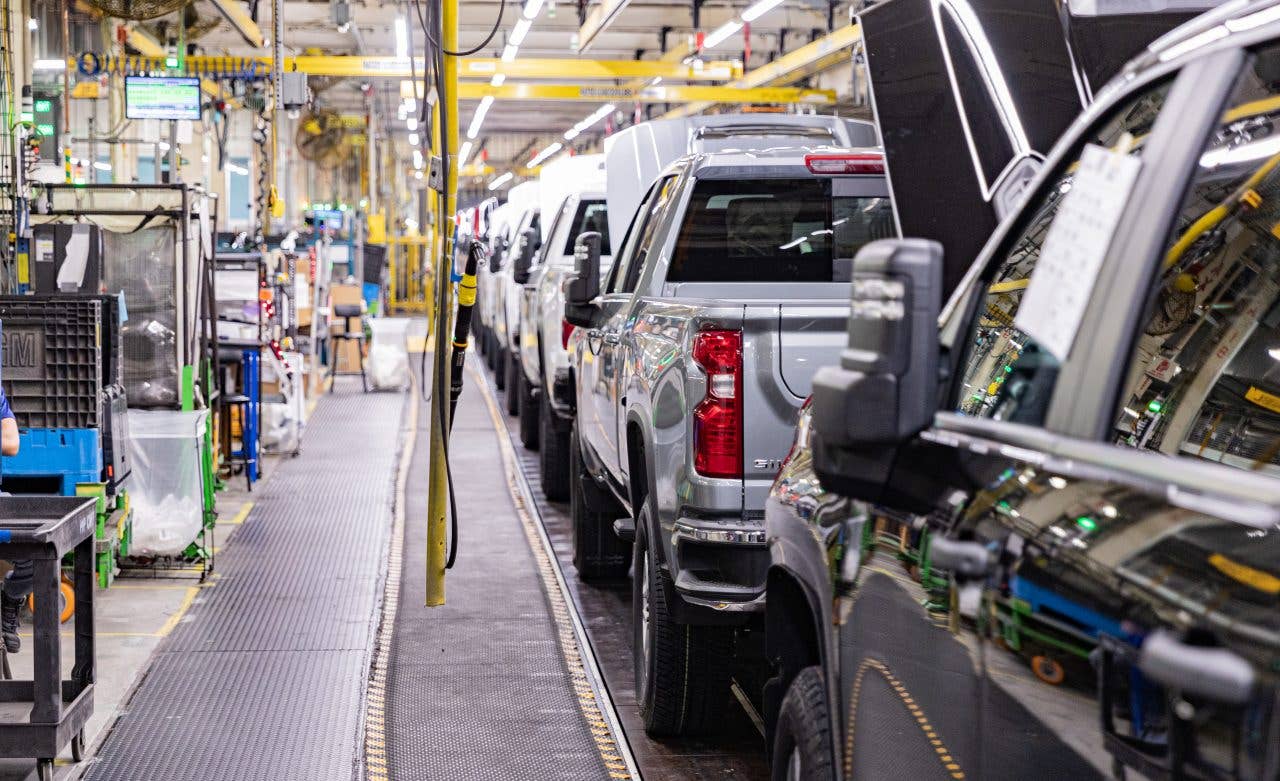
GM’s been resolute, for the most part, on electrification. With the Silverado EV released and a mix of electric SUVs across the Chevy and Cadillac brands (Escalade iQ and Lyriq, Chevy Equinox and Blazer EV), the brand has committed harder than any other American automaker. That’s not to say the automaker’s commitment to internal combustion is gone, though. Tonawanda Propulsion, a GM-owned plant covering 190 acres and comprising three separate facilities, has received nearly $900 million in funding, securing over 850 jobs and production of GM’s sixth-generation V8 engine.
GM
GM

The investment is a “new chapter” for the plant, but it’s also a change of direction for GM
The investment is important to a lot of people. “This investment marks an exciting new chapter for our plant,” said Tara Wasik, the plant’s director. “This is a testament to the hard work of the membership of Local 774,” said Raymond Jensen Jr. in an interview with local news. “It’s extremely important to the community, to the surrounding areas, and to New York State itself.” The impressive sum of $888 million will go towards new machinery, equipment, tools, and renovations as part of the more than $1.5 billion GM has invested in New York State in the last 15 years. It’s also hardly the first time in recent memory that GM has extended the V8’s lifespan. In 2023, GM invested $579 million in its Flint, Michigan production site. There, too, V8 production will continue to chug along.
GM
General Motors
However, it doesn’t account for the $300 million commitment made two years ago in union negotiations to produce electric vehicles, specifically at Tonawanda. And it’s not the first area where GM has had to pump the brakes on EV endorsements. The company has sold off its stake in a battery production facility to its partner, LG Energy. In other areas, GM has pushed back against California’s 2035 plan to eliminate sales of gas-only vehicles, which is now, by the way, completely dead. On the other hand, GM pushed into the number two spot for April EV sales, capturing nearly 15% of EV sales. Getting mixed signals? Us too, but we blame the current political and economic climate, not necessarily GM.
CEO Mary Barra emphasizes the importance of heritage and US jobs
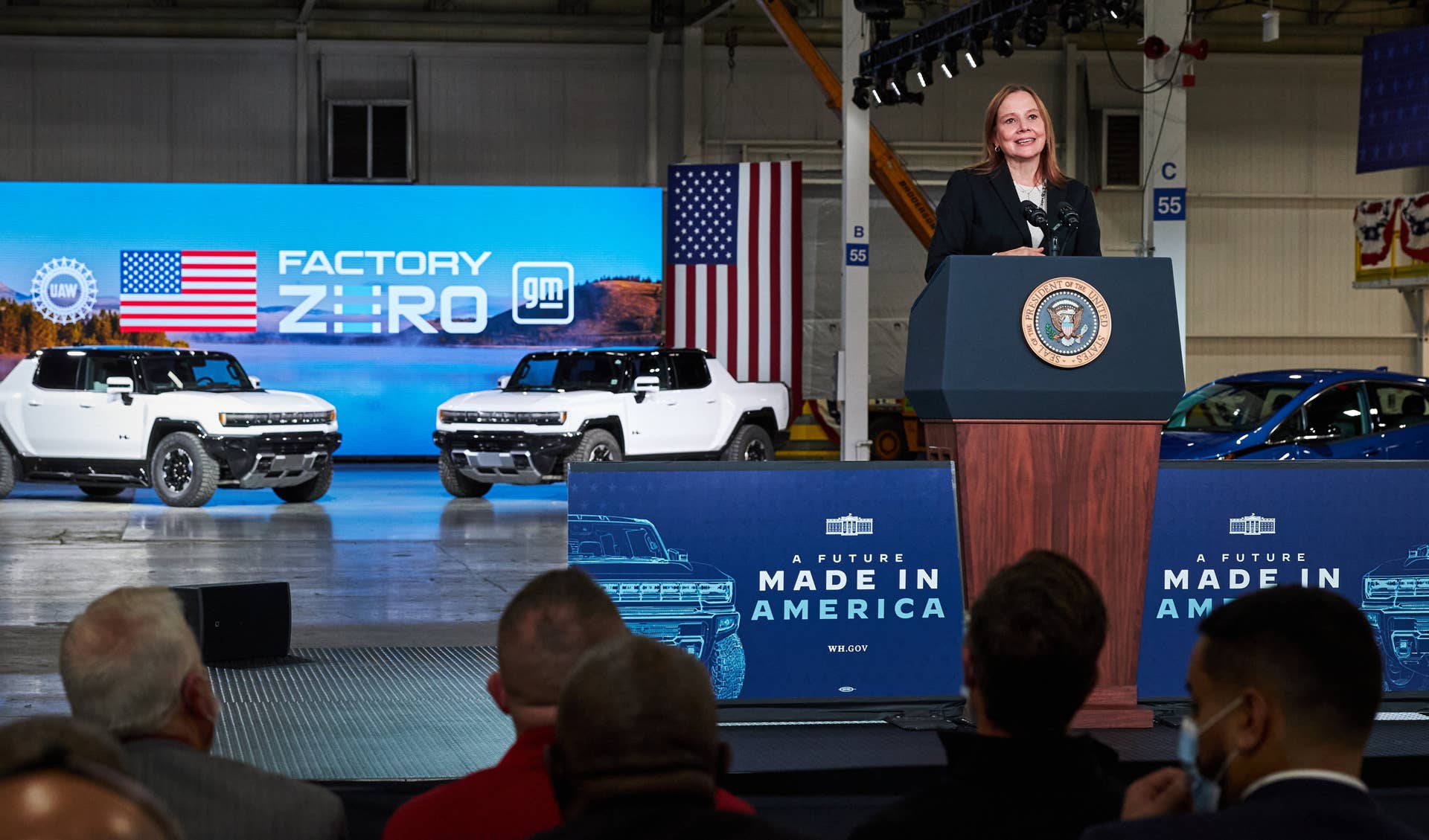
Outfitting the plant for V8 production is important for CEO Mary Barra, too. “Our significant investments in GM’s Tonawanda Propulsion plant show our commitment to strengthening American manufacturing and supporting jobs in the U.S.,” she said in a press release. She further emphasized the plant’s importance to the brand, citing its 87 years of operation. The plant will finish production of GM’s fifth-gen V8 before commencing work on the sixth-gen product.
Final thoughts
This $888 million investment marks the largest single investment GM has ever made in an engine-producing facility. The fact that it happens to make V8s is almost irrelevant; it implies the combustion engine at large still has several decades of work ahead of it. GM isn’t faring poorly in the EV arena, either, so unlike other automakers that have rekindled V8 production, this isn’t a crutch. GM’s going where the money is, and that’s just good business.
About the author

Steven Paul
Contributing Writer, Autoblog