
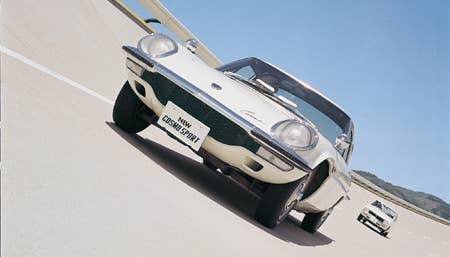
Click image for a gallery of the Mazda Cosmo Sport
The good old internal combustion engine has been in service since the 17th century when Sir Samuel Morland rather impractically used gunpowder to drive water pumps. It was not until 1876 when Nikolaus Otto invented the modern four stroke engine that the internal combustion engine became practical for automobiles, however. Those same four cycles, intake, compression, combustion and exhaust are used in the Wankel rotary engine, although instead of the strokes of a piston the rotary creates it’s cycles as a roughly triangular shaped rotor spins inside its housing. Doesn’t make sense? Click here.
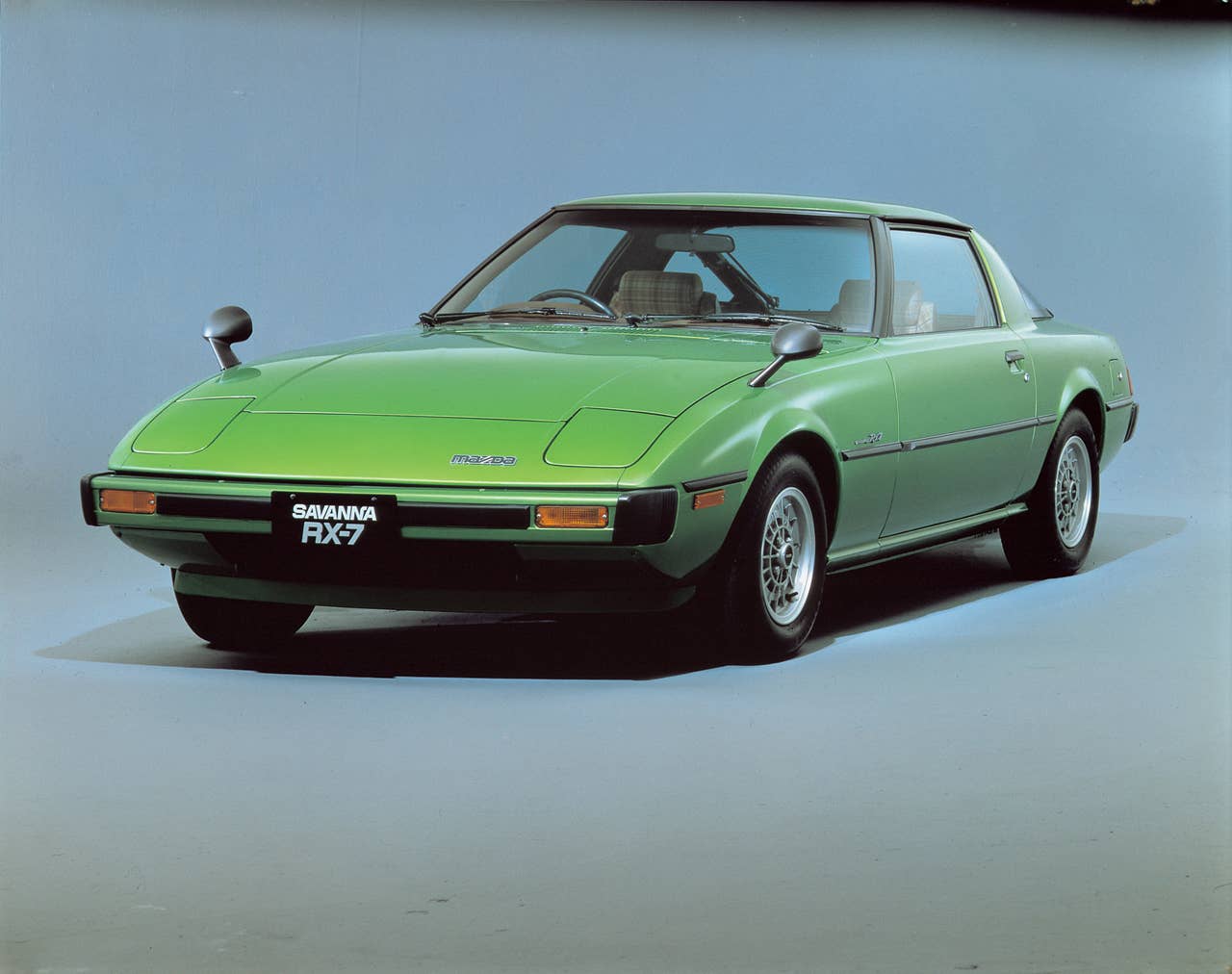
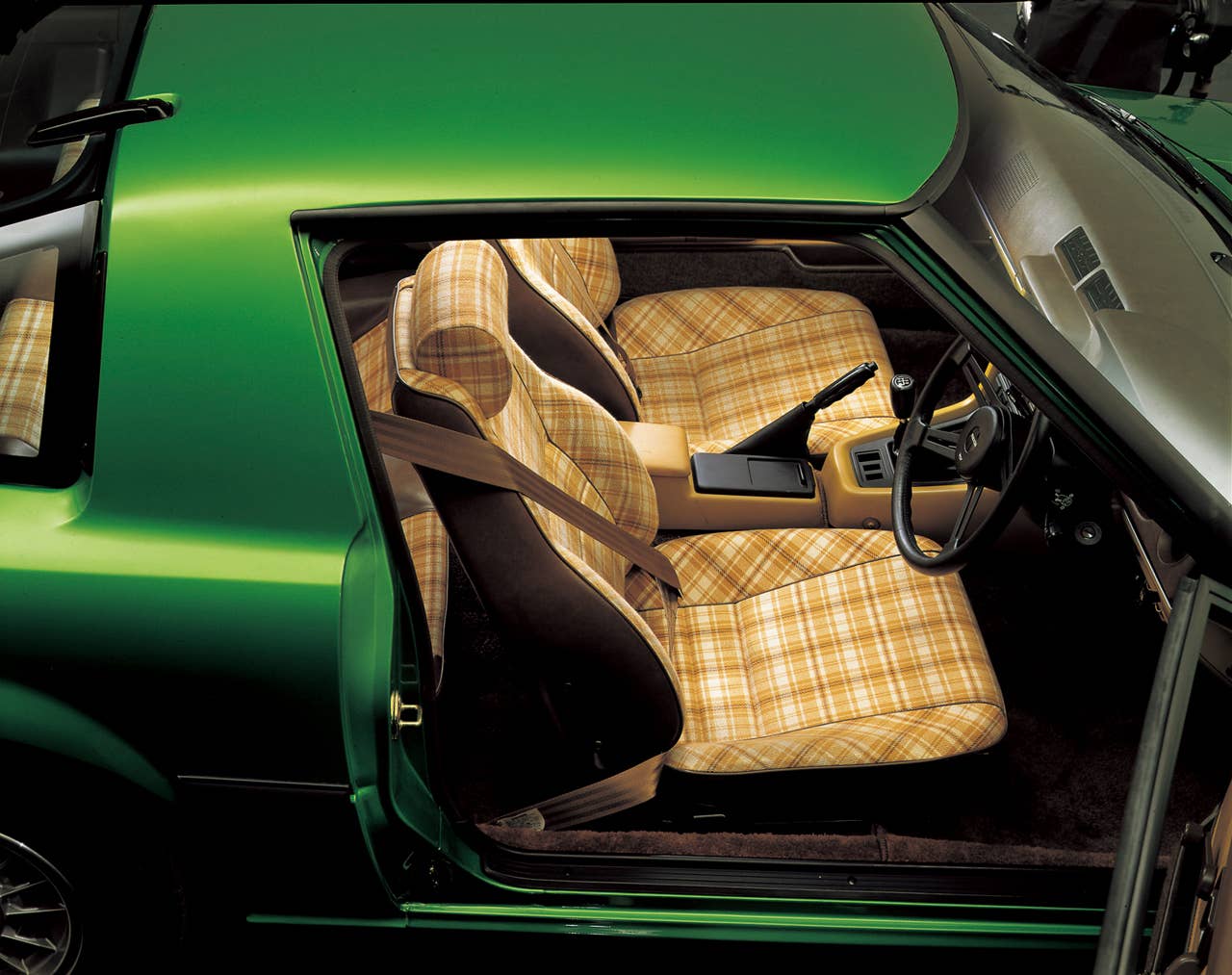
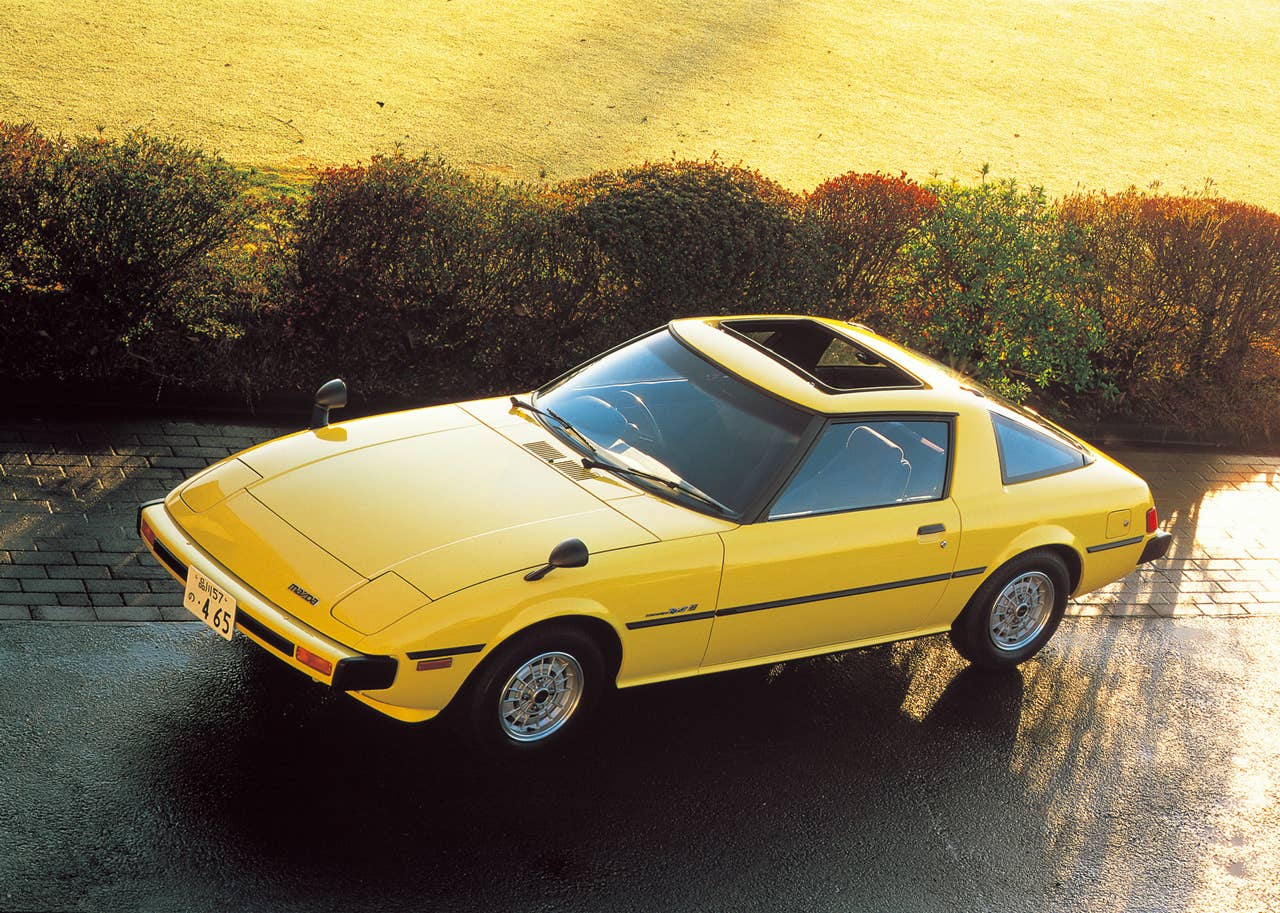
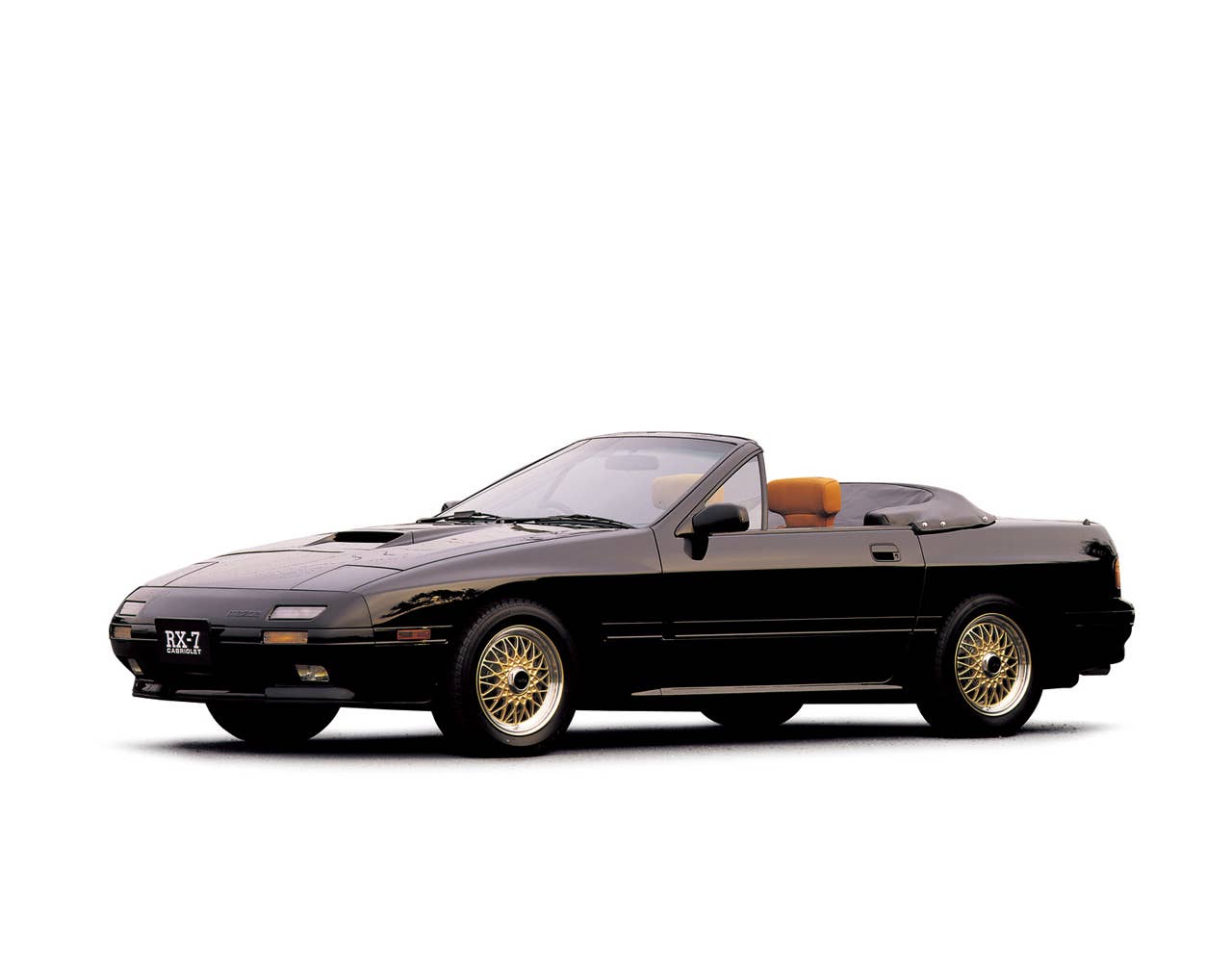
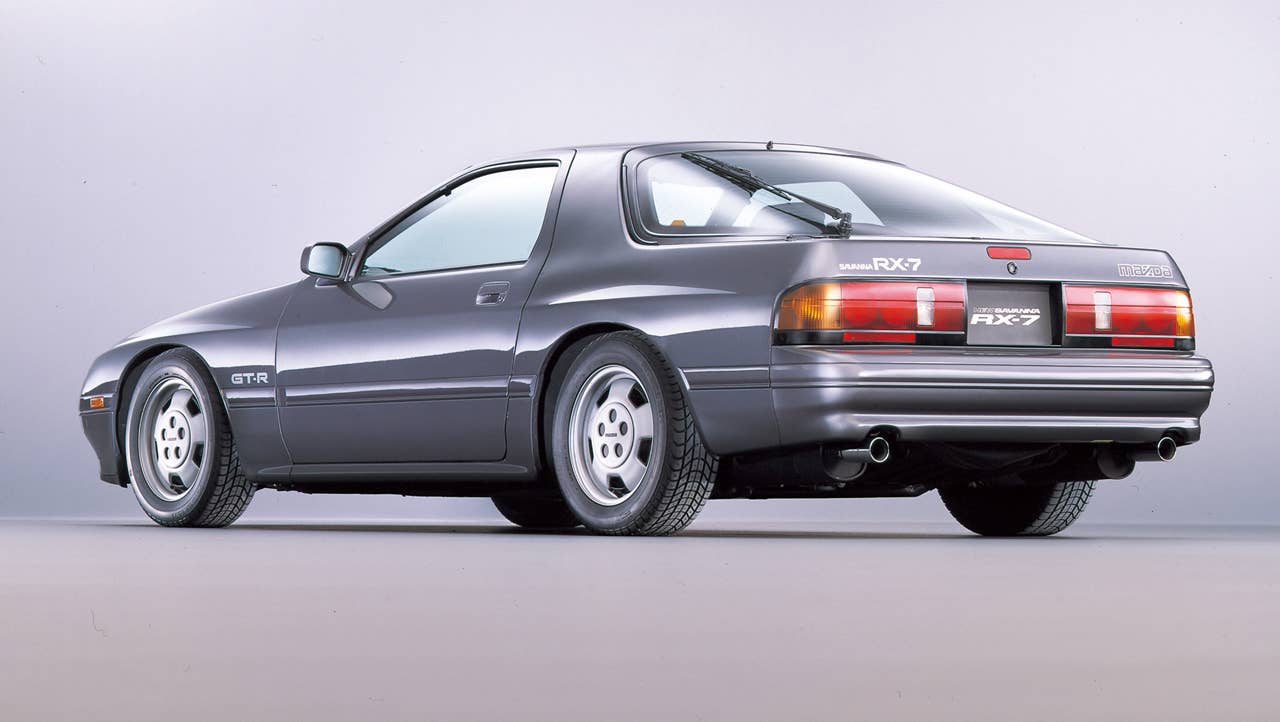
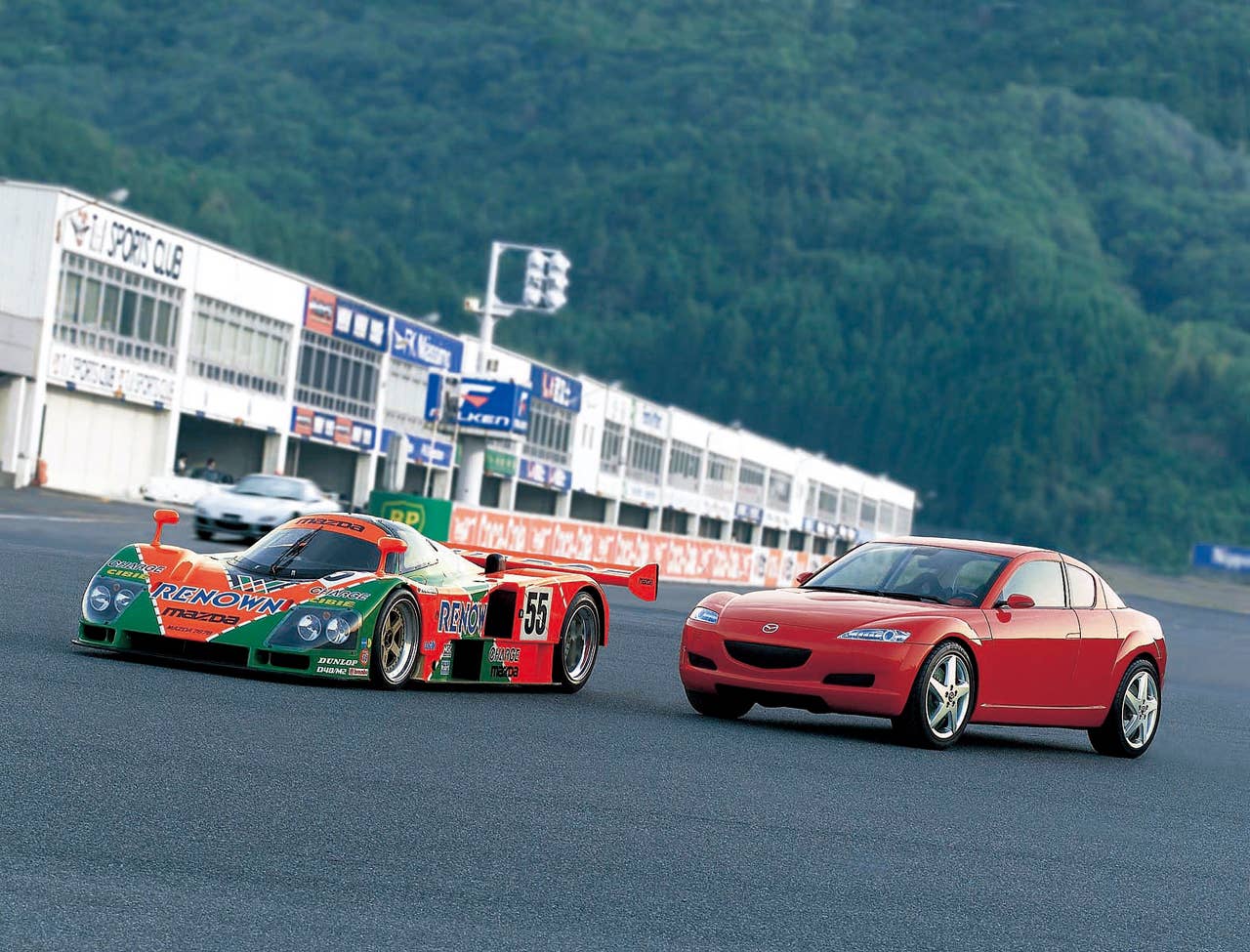
2007 marks Mazda’s 40th in using the rotary engine. Our favorite application of it would have to be the CosmoSport, of course. Many of you will choose the RX-7 as a personal favorite. It’s also alive in the current RX-8, which even sports a hydrogen-powered version for the alternative fuel crowd. And we’d be remiss if we forgot to mention the jaw-dropping four-rotor 787B racer that won the 24 Hours of Le Mans. Those of us who own, or have owned, a rotary engined vehicle and loved it can take this moment to say “thanks” to Felix Wankel and to Mazda for its commitment to the rotary. Forty years and going strong!
We’ve assembled four galleries of famous Mazda rotaries, including the Cosmo Sport gallery below, as well as galleries of the RX-7, RX-8 and 787B Le Mans racer.
[Source: Mazda]
Featured Gallery

Advertising has been remarkably effective at convincing consumers that SUVs and Crossovers are the vehicle of choice for families that need versatility. In commercials, we often see SUV owners loading up with all kinds of cargo, driving through the woods and buckling up their families in a roomy backseat.
Most SUVs do come with a lot of cargo space, passenger room and are well-suited to tackling different climates and driving styles.
But they’re not the only type of vehicle capable of doing so. Hatchbacks, minivans and even some sedans offer high levels of versatility as well, often with better fuel economy and lower starting prices.
Here are some of our favorite versatile non-SUVs. They’re fuel efficient, fun, roomy, affordable and can handle a wide variety of lifestyles.

MSRP: $19,995 – $29,995
Invoice: $19,745 – $28,545
Fuel Economy: 17 mpg city, 25 mpg highway
Minivans are inherently versatile vehicles, but the Dodge Grand Caravan receives special mention because of its stellar Stow ‘n Go seats. Instead of having to fumble around while removing the second and third row seats, Grand Caravan owners can simply fold them into the floor, creating tons of room for basically any form of cargo you can imagine.
Research the Dodge Grand Caravan
Dodge Grand Caravan Photos & Information
Dodge Grand Caravan Best Deals
Dodge Grand Caravan Local Dealer Price Quote

MSRP: $19,940 – $24,470
Invoice: $19,073 – $23,401
Fuel Economy: 21 mpg city, 28 mpg highway
Technically, this is a subcompact crossover, which is sort of breaking the no-SUV rule for this gallery. But, come on. If you asked around, 99 percent of people would say the Mazda5 is a minivan. The Mazda5 is a little smaller than other minivans, but it still has a lot of room and, thus versatility. It is also remarkably enjoyable to drive, making trips to Home Depot and the grocery store pretty darn fun.
Research the Mazda5
Mazda5 Photos & Information
Mazda5 Best Deals
Mazda5 Local Dealer Price Quote

MSRP: $17,895 – $22,995Invoice: $17,104 – $21,792Fuel Economy: 25 mpg city, 34 mpg highway
With a great all-wheel drive system and a nice, big rear hatch, the Impreza offers versatility for almost every climate and lifestyle. Subaru isn’t known for their interiors and the Impreza leaves something to be desired on the inside. But, all in all, car shoppers looking for something small that can handle almost everything you throw at it would be well served to give this hatchback a shot.Research the Subaru ImprezaSubaru Impreza Photos & InformationSubaru Impreza Best DealsSubaru Impreza Local Dealer Price Quote

MSRP: $15,425 – $17,160
Invoice: $15,023 – $16,704
Fuel Economy: 27 mpg city, 33 mpg highway
Honda engineers and designers seem to somehow eschew physics and create these big cavernous interiors and cargo areas in smaller vehicles like the CR-V and Fit. The Honda Fit is a favorite vehicle of car shoppers and critics alike. It’s reliable, fuel efficient and a family of four can easily be comfortable inside. The fact that it can be had for well under $20,000 is icing on the cake.
Research the Honda Fit
Honda Fit Photos & Information
Honda Fit Best Deals
Honda Fit Local Dealer Price Quote

Sticker Price: $26,750 – $30,395
Invoice Price: $24,902 – $28,295
Fuel Economy: 44 mpg city, 40 mpg highway
TheToyota Prius v is one of those cars that can save you both time and money. With its large cargo area and roomy interior, you don’t have to worry about taking multiple trips to get your shopping done. And with its stellar 44 mpg city, 40 mpg highway, you’re not going to be paying to fill up very often either.
Research the Toyota Prius v
Toyota Prius v Photos & Information
Toyota Prius v Best Deals
Toyota Prius v Local Dealer Price Quote

Sticker Price: $24,115
Invoice Price: $22,486
Fuel Economy: 23 mpg city, 32 mpg highway
TheFord Focus ST is fast, fun and functional (not to mention alliterative). Its 2.0L turbocharged engine and sporty handling dynamics make this car an absolute blast to drive and its large cargo area gives it versatility. The unsung feature of the Focus ST, though, is its fuel economy. It’s one of the few sports cars you can buy that will exceed 30 mpg.
Research the Ford Focus ST
Ford Focus ST Photos & Information
Ford Focus ST Best Deals
Ford Focus ST Local Dealer Price Quote

Sticker Price: $16,945 – $26,495
Invoice Price: $16,464 – $25,335
Fuel Economy: 29 mpg city, 41 mpg highway
The redesignedMazda3 is arguably the most attractive hatchback on the market right now. Its sharp looks are combined with Mazda’s classic sporty driving dynamics, remarkable fuel economy and large storage space to create one of the best packages you can buy.
Research the Mazda3
Mazda3 Photos & Information
Mazda3 Best Deals
Mazda3 Local Dealer Price Quote

Sticker Price: $40,700Invoice Price: $37,852Fuel Economy: 20 mpg city, 27 mpg highway
All-wheel drive? Check. Luxurious interior? Check. Sporty driving dynamics, great looks and a big cargo area? Check, check, check. The Audi allroad is a fantastic alternative to a luxury SUV if you’re looking for something that will achieve better fuel economy and give you a bit of a thrill on the road.Research the Audi allroadAudi allroad Photos & InformationAudi allroad Best DealsAudi allroad Local Dealer Price Quote

Sticker Price: $21,900 – $32,500
Invoice Price: $20,422 – $29,981
Fuel Economy: 22 mpg city, 34 mpg highway
The handsomeFord Fusion is a versatile family sedan. It is somewhat lacking when it comes to storage capacity, especially when you compare it to some of the hatchbacks and wagons on this list, but it’s still quite roomy and comfortable on the inside. Its fuel efficiency and available all-wheel drive system make it great for road trips and inclement weather, as well.
Research the Ford Fusion
Ford Fusion Photos & Information
Ford Fusion Best Deals
Ford Fusion Local Dealer Price Quote
Featured Gallery







Featured Gallery
Not every car can be a hit. Sometimes, even an automaker’s best effort can fail to generate interest, critical acclaim or, most importantly, sales.
These are a few examples of cars that didn’t quite cut it. Either because their sales were sluggish, their engines underpowered or they were made redundant by newer, sexier models, these cars were officially discontinued after their 2012 model year. If you’re back in the market today after buying or leasing one of these vehicles a few years ago, we’ve got options for cars you’ll want to consider.
Click through to see some well-known vehicles you won’t find on dealer lots this year and our choices for good replacements.
MSRP: $52,690 – $53,840
Invoice: $49,002 – $50,071
Fuel Economy: 16 mpg city, 21 mpg highway
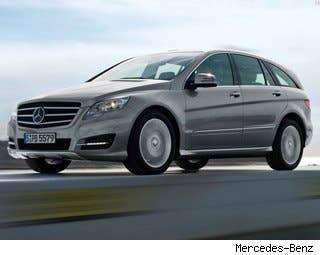
TheMercedes-Benz R-Class was retired after the 2012 model year. Although it employed a rather odd exterior design (it kind of looked like a hearse), it was a great luxury vehicle for people who needed room for six passengers and cargo. Interestingly, the R-Class will continue to be built at the Mercedes-Benz plant in Tuscaloosa, Ala., and exported to other markets around the world.
Research the Mercedes-Benz R-Class
Mercedes-Benz R-Class Photos & Information
Mercedes-Benz R-Class Specs
Mercedes-Benz R-Class Local Dealer Price Quote
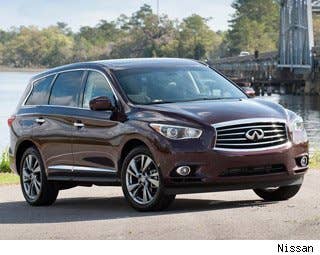
MSRP: $41,250 – $42,650
Invoice: $38,205 – $39,499
Fuel Economy: 18 mpg city, 24 mpg highway
An all-new vehicle for 2013, we think that theInfiniti JX35 is a great alternative to the R-Class. With seating for seven, great technology features, a nice interior and very reasonable starting price, this crossover is a stellar combination of luxury and versatility.
Research the Infiniti JX35
Infiniti JX35 Photos & Information
Infiniti JX35 Best Deals
Infiniti JX35 Local Dealer Price Quote
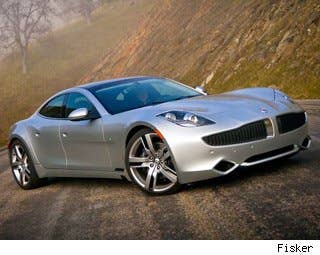
MSRP: $102,000 – $115,000
Invoice: NA
Fuel Economy: 54 mpg combined
The sexy and luxurious Fisker Karma plug-in hybrid sports sedan had a short ride marred by quality issues. The company is now on the verge of bankruptcy and while the car is technically still in production, it is not expected to be around for much longer. The good news out of all of this is you can get one for a huge discount right now.
Research the Fisker Karma
Fisker Karma Photos & Information
Fisker Karma Best Deals
Fisker Karma Local Dealer Price Quote
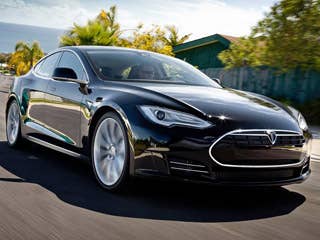
MSRP: $59,900 – $94,900
Invoice: NA
Fuel Economy: 89 mpge combined
The Tesla Model S recently received the distinction from Consumer Reports as the highest-rated vehicle the company has ever tested. The fully electric luxury sedan can go up to 300 miles on a single charge, depending on which battery is employed. Inside, the car is dripping in luxury, with a host of comfort and technology features.
Research the Tesla Model S
Tesla Model S Photos & Information
Tesla Model S Best Deals
Tesla Model S Local Dealer Price Quote
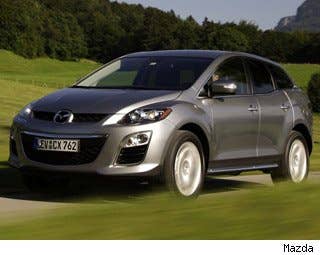
MSRP: $22,190 – $33,540
Invoice: $21,555 – $32,066
Fuel Economy: 20 mpg city, 27 mpg highway
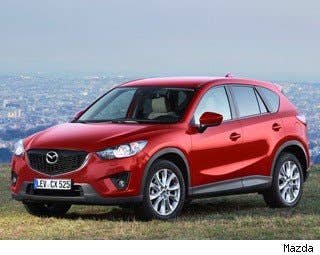
The CX-7 was made redundant by the introduction of a new vehicle: The Mazda CX-5. The CX-5 comes with about the same versatility as the CX-7, but has better fuel economy, looks and driving dynamics.
Research the Mazda CX-7
Mazda CX-7 Photos & Information
Mazda CX-7 Specs
Mazda CX-7 Local Dealer Price Quote
MSRP: $21,195 – $28,870
Invoice: $20,589 – $28,039
Fuel Economy: 26 mpg city, 35 mpg highway
Recently released for the 2013 model year, the Mazda CX-5, which has replaced the CX-7, is one of our favorite crossovers on the road right now. With great fuel economy, superb driving dynamics and attractive sheet metal, crossover buyers should absolutely give this car a test drive.
Research the Mazda CX-5
Mazda CX-5 Photos & Information
Mazda CX-5 Best Deals
Mazda CX-5 Local Dealer Price Quote
MSRP: $39,490 – $44,080
Invoice: $38,503 – $42,317
Fuel Economy: 20 mpg city, 33 mpg highway
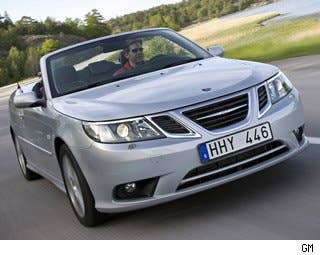
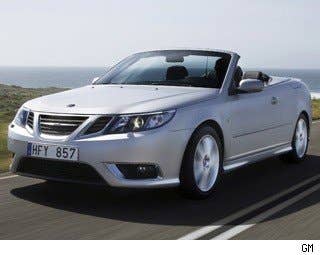
Saab was sent to the chopping block during GM’s restructuring, resulting in the death of a cult favorite: The Saab 9-3 Convertible. Sporty, attractive, safe and with a nice interior, the 9-3 was a solid sports sedan. Although GM probably made the right move in decreasing the size of its brand portfolio, we were all a little sad to see it go.
Research the Saab 9-3 Convertible
Saab 9-3 Convertible Photos & Information
Saab 9-3 Convertible Specs
Saab 9-3 Convertible Local Dealer Price Quote
MSRP: $41,200 – $45,000
Invoice: $38,728 – $42,300
Fuel Economy: 19 mpg city, 28 mpg highway
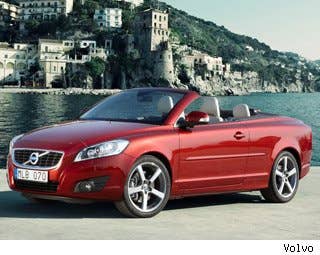
Although Saab is long gone, you can still get into a Scandinavian drop top with the Volvo C70. It may not be quite as sporty or refined as its German competition, but the C70 is sharp-looking, fun, well-appointed and safe — a fitting alternative to the 9-3.
Research the Volvo C70
Volvo C70 Photos & Information
Volvo C70 Best Deals
Volvo C70 Local Dealer Price Quote
MSRP: $23,395 – $28,995
Invoice: $22,722 – $27,960
Fuel Economy: 16 mpg city, 22 mpg highway
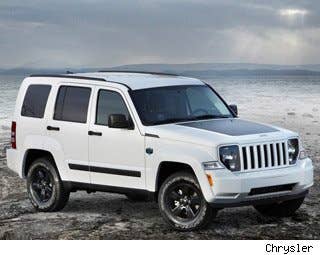
The Jeep Liberty SUV hasn’t done well in sales and has been criticized for its engine, transmission, gas mileage and reliability. Its replacement, the odd-looking Jeep Cherokee, will be here soon. We’re all very curious about how it will perform.
Research the Jeep Liberty
Jeep Liberty Photos & Information
Jeep Liberty Specs
Jeep Liberty Local Dealer Price Quote

MSRP: $24,700 – $29,700
Invoice: $23,728 – $28,182
Fuel Economy: 21 mpg city, 29 mpg highway
The Hyundai Santa Fe Sport is another one of our favorite CUVs. Available in all-wheel drive, it’s versatile enough for you daily commute and some adventurous off-road pursuits, much like the Liberty. The Santa Fe Sport is fuel efficient, very attractive and has a great low starting sticker price.
Research the Hyundai Santa Fe Sport
Hyundai Santa Fe Sport Photos & Information
Hyundai Santa Fe Sport Best Deals
Hyundai Santa Fe Sport Local Dealer Price Quote
Featured Gallery



PRESS RELEASE:
Mazda Celebrates the 40th Anniversary of the Rotary Engine Vehicle
Today marks the 40th anniversary of Mazda’s first rotary engine powered vehicle. As of the end of April 2007, Mazda has manufactured approximately 1,970,000 rotary vehicles since production first began.
Mazda’s Representative Director, Chairman of the Board, President and CEO, Hisakazu Imaki, said, “The rotary engine symbolizes Mazda. It was born from the tireless efforts of our past leaders and a corporate culture which embraces tough challenges. Keeping this proud tradition going forward, we will continue our research and development of the rotary engine in accordance with the Sustainable Zoom-Zoom plan that we announced in March 2007. As Mazda’s next generation eco-engine, the hydrogen rotary engine holds great promise and, in fact, is already running on public roads. Mazda will aspire to adding new value to our rotary technologies by investing further in hydrogen rotary engine Research & Development.”
Near the end of the 1950s, many automakers around the world dedicated considerable Research & Development resources for the development of the rotary engine (RE), but most discontinued their efforts because they were unable to surmount the formidable technical challenges inherent to the technology. Mazda alone persevered, eventually overcoming these obstacles and successfully achieved RE mass production. On May 30, 1967, Mazda commenced sales of the world’s first dual-rotor RE car, the Cosmo Sport. Following this, Mazda introduced other RE vehicles to the market, including the Familia Rotary Coupe, Savanna, RX-7 and Eunos Cosmo. With a number of improvements in fuel economy and environmental performance over the years, sales of Mazda vehicles equipped with RE engines continue to be produced.
Mazda began its involvement in motor sports in 1968, following the release of the Cosmo Sport, when RE cars started participating in car races. In 1991, the Mazda 787B made rotary engine history when it became the only Japanese car ever to claim victory at the Le Mans 24 hour endurance race. Additionally, with over 100 wins in both the touring car series in Japan and in the International Motor Sports Association (IMSA) series in the United States, RE-equipped racecars have enjoyed a glittering record of success.
The RX-8 sports car was launched in April 2003. It is powered by the new generation, naturally-aspirated RENESIS rotary engine, which is more compact, powerful and environmentally friendly than its predecessors. Britain’s specialist technology magazine, Engine Technology International, awarded the RENESIS its coveted International Engine of the Year award in 2003 as well as successive awards for its engine class in 2003 and 2004, to show its high regard for this engine.
Currently, Mazda is advancing with its development of the hydrogen RE, which emits no carbon dioxide (CO2), one of the gases responsible for global warming. Development of the hydrogen RE started in 1991 and has thus far resulted in the RX-8 Hydrogen RE, which in February 2006 became the world’s first hydrogen RE vehicle to be commercially leased. Currently, seven hydrogen RE vehicles are on the road in Japan under commercial lease.