
Featured Gallery
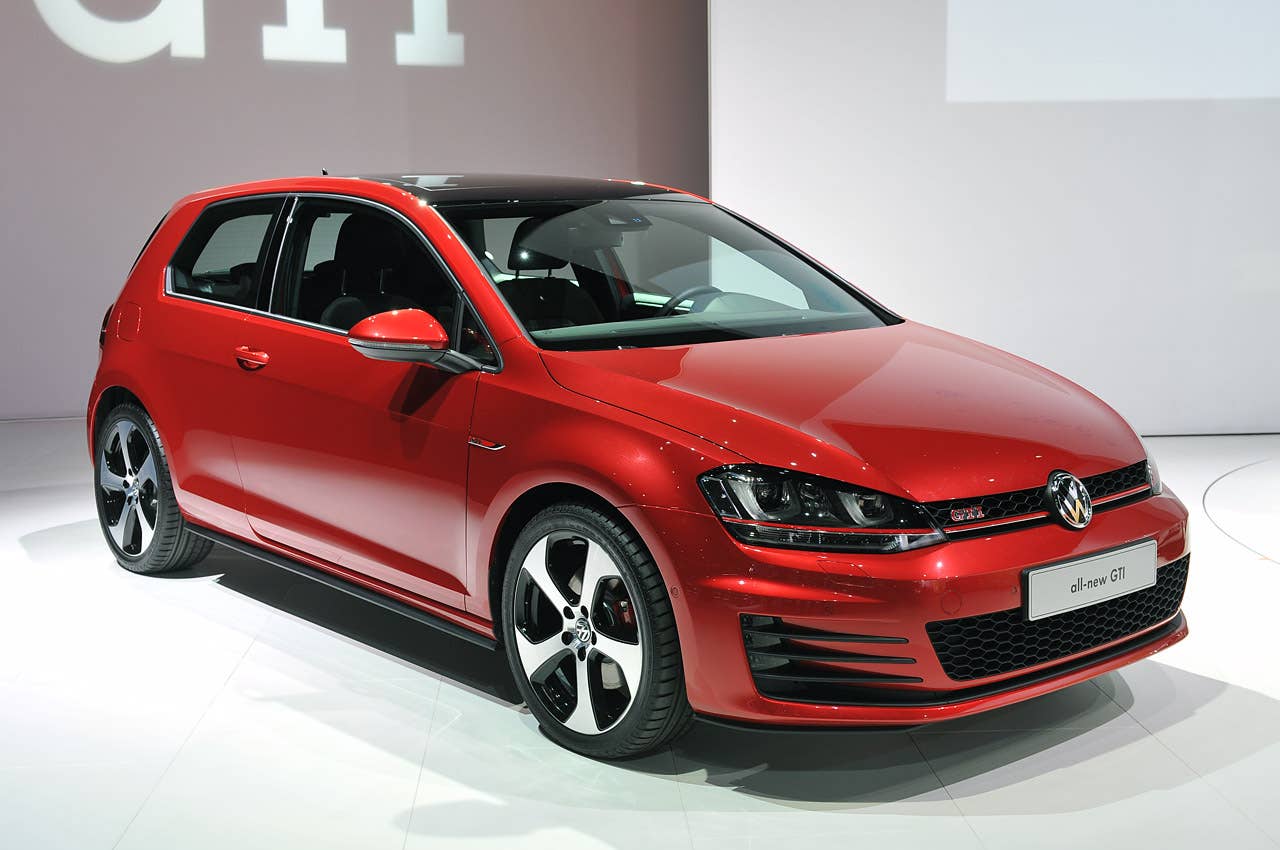
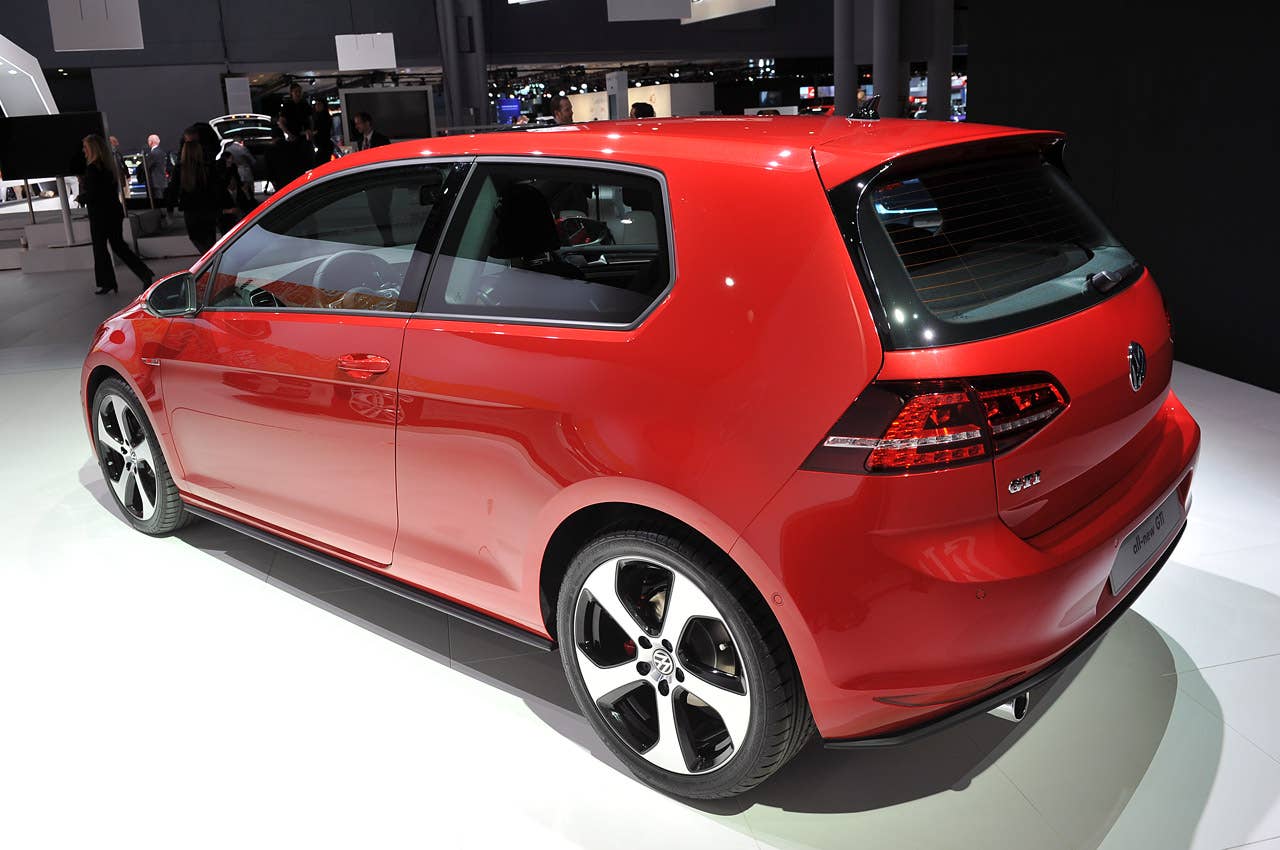
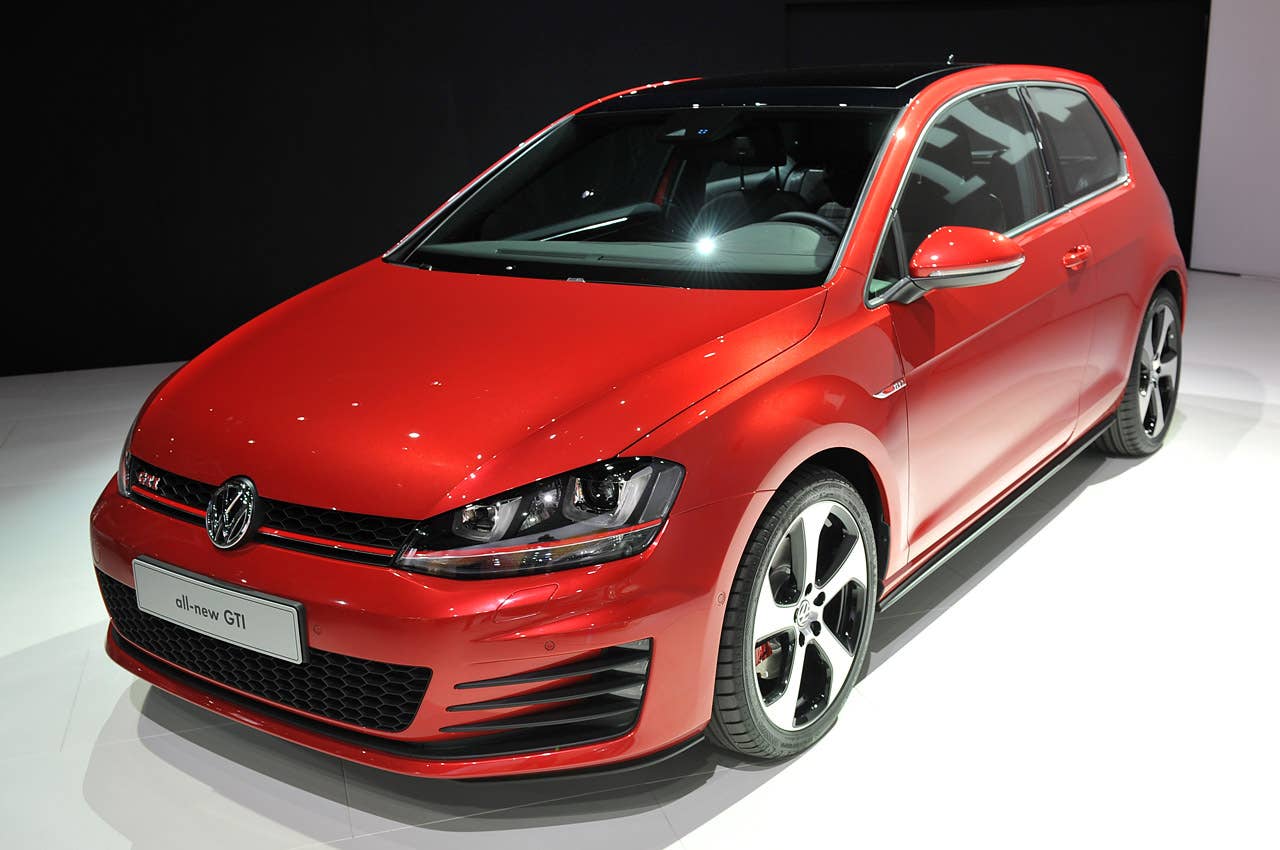
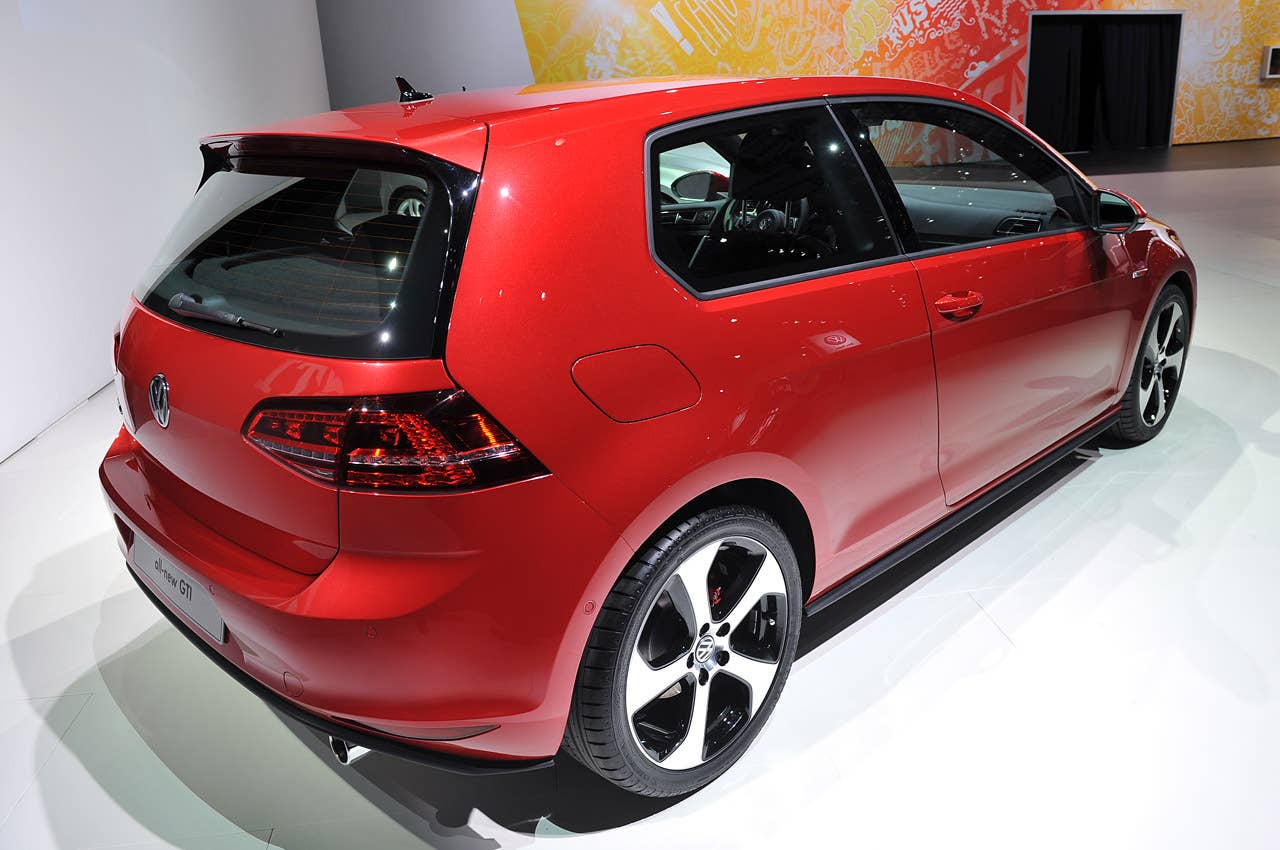
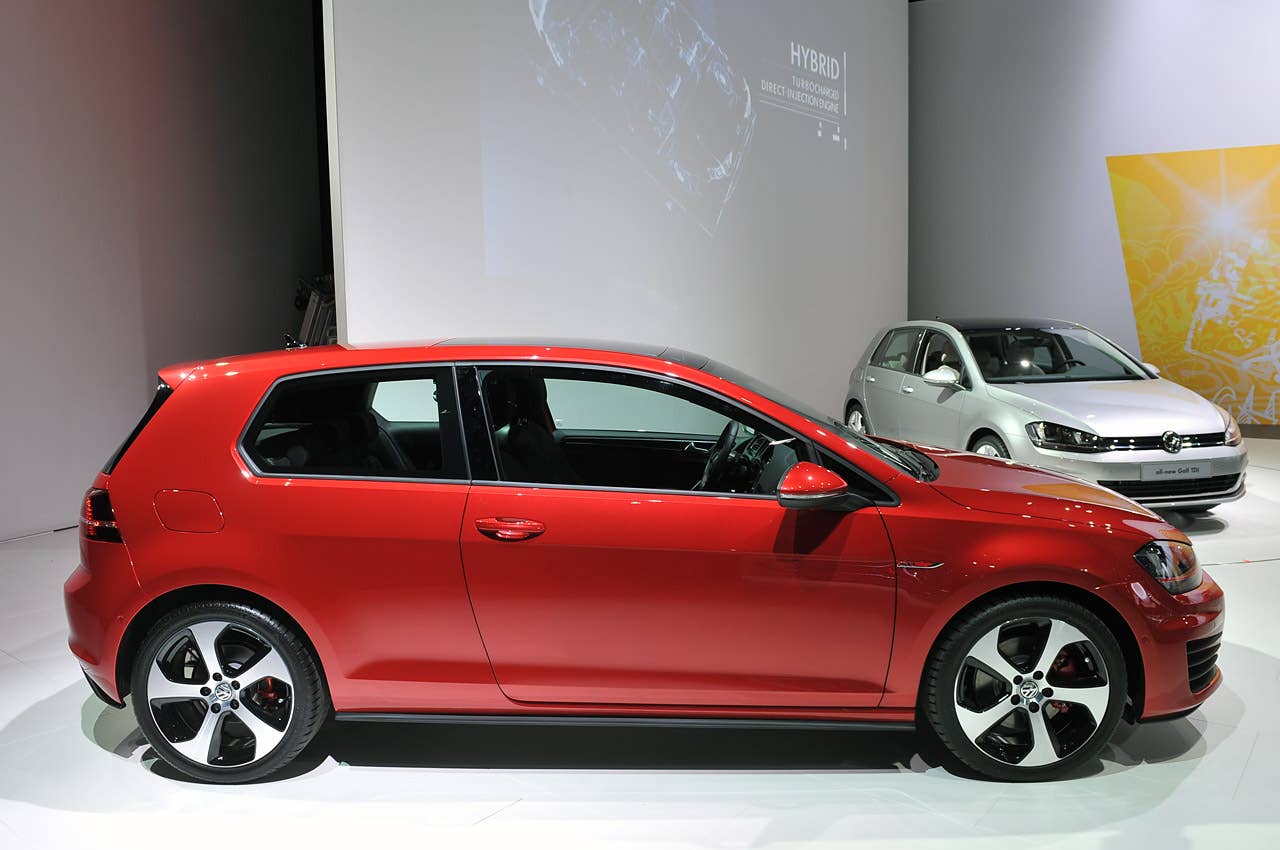
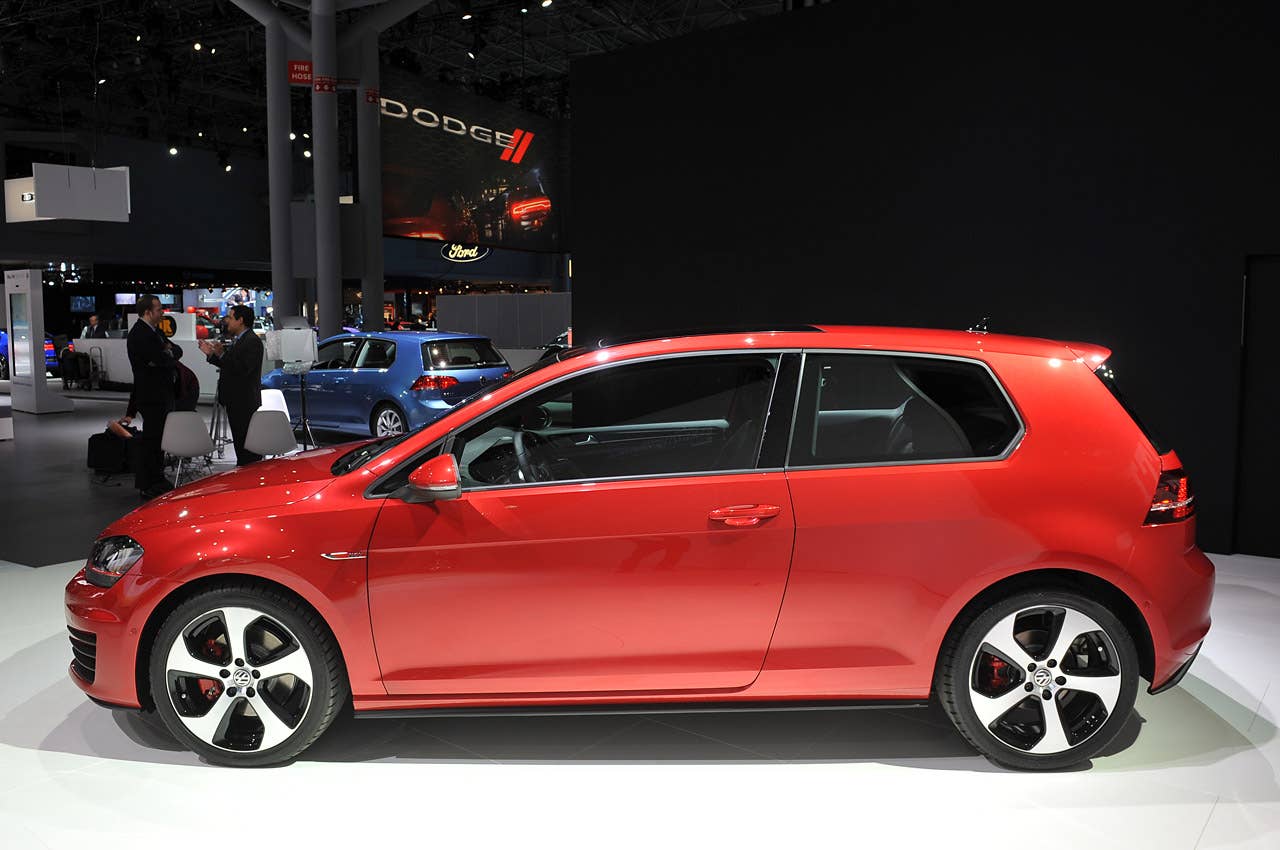
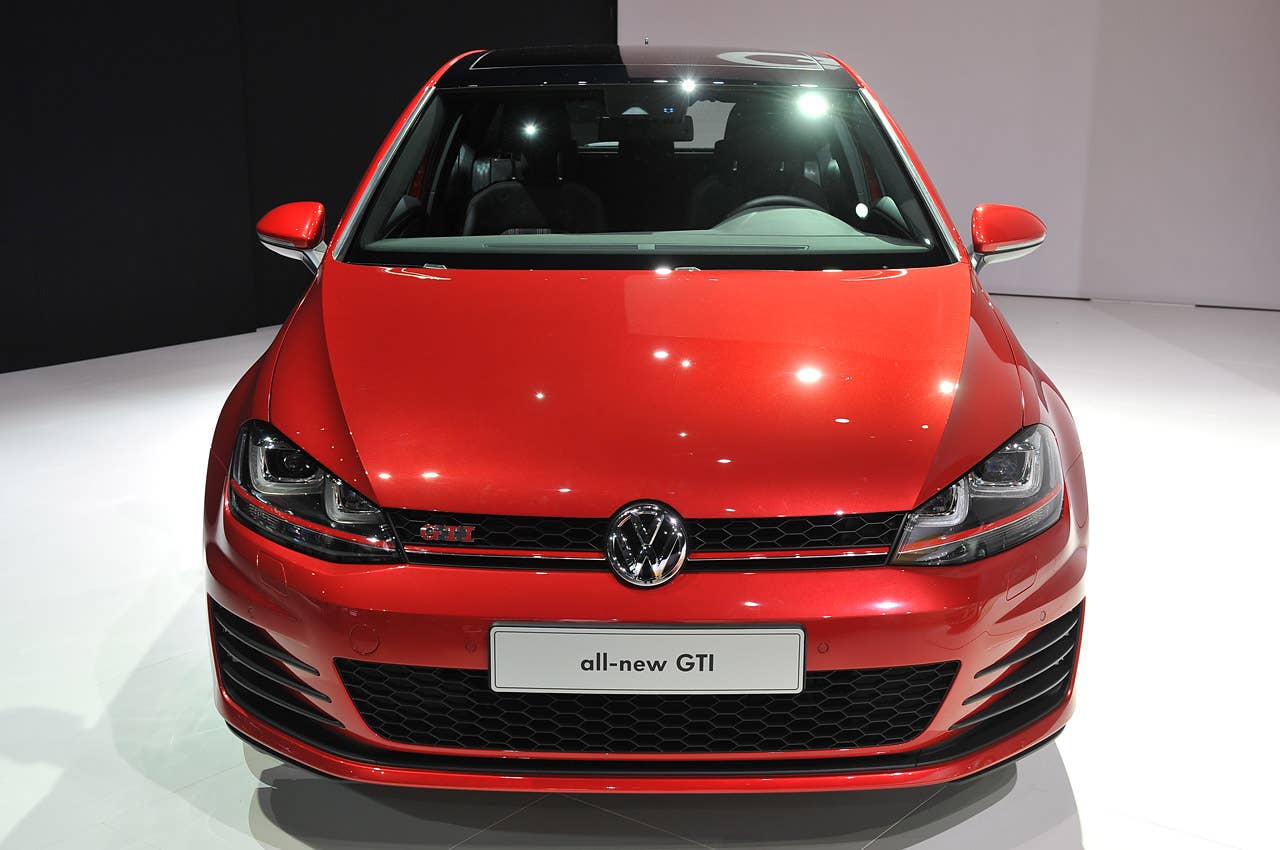
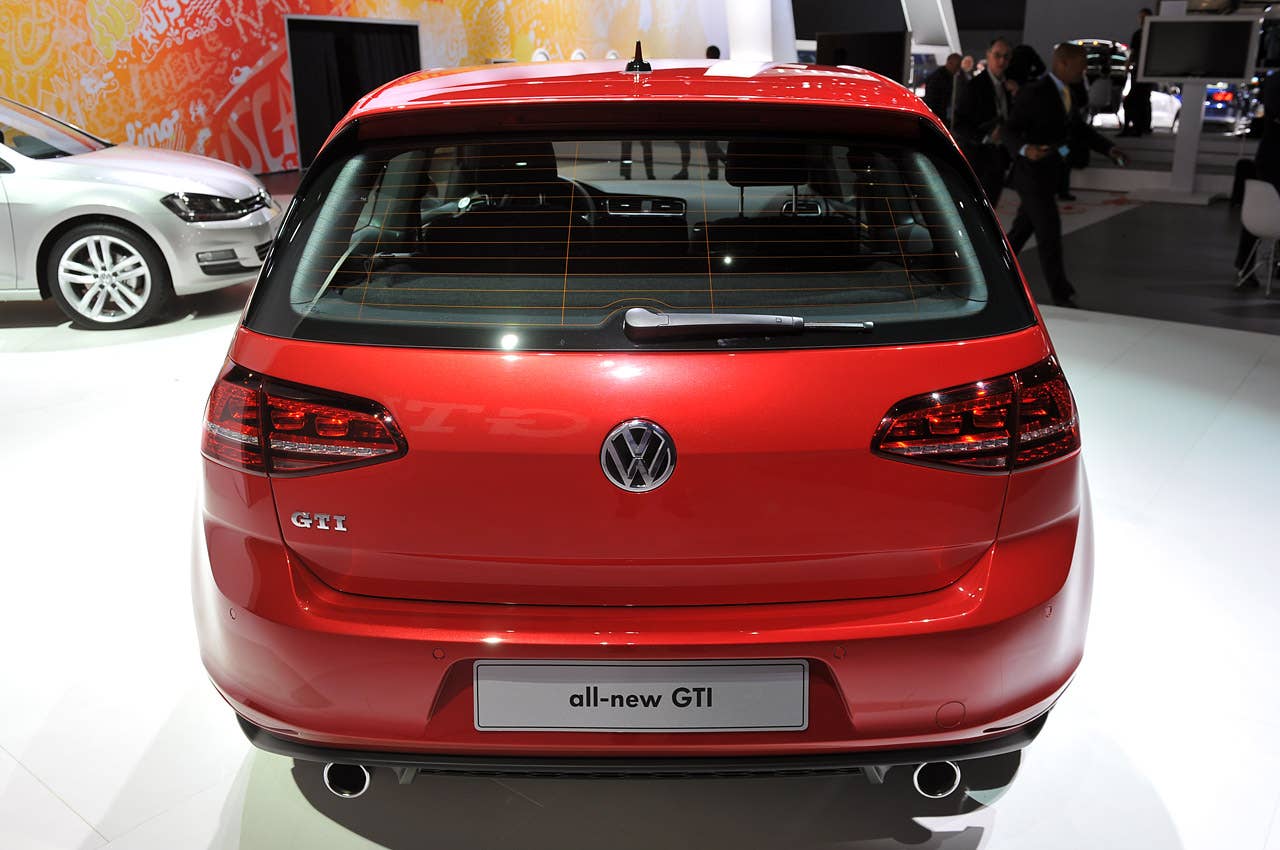
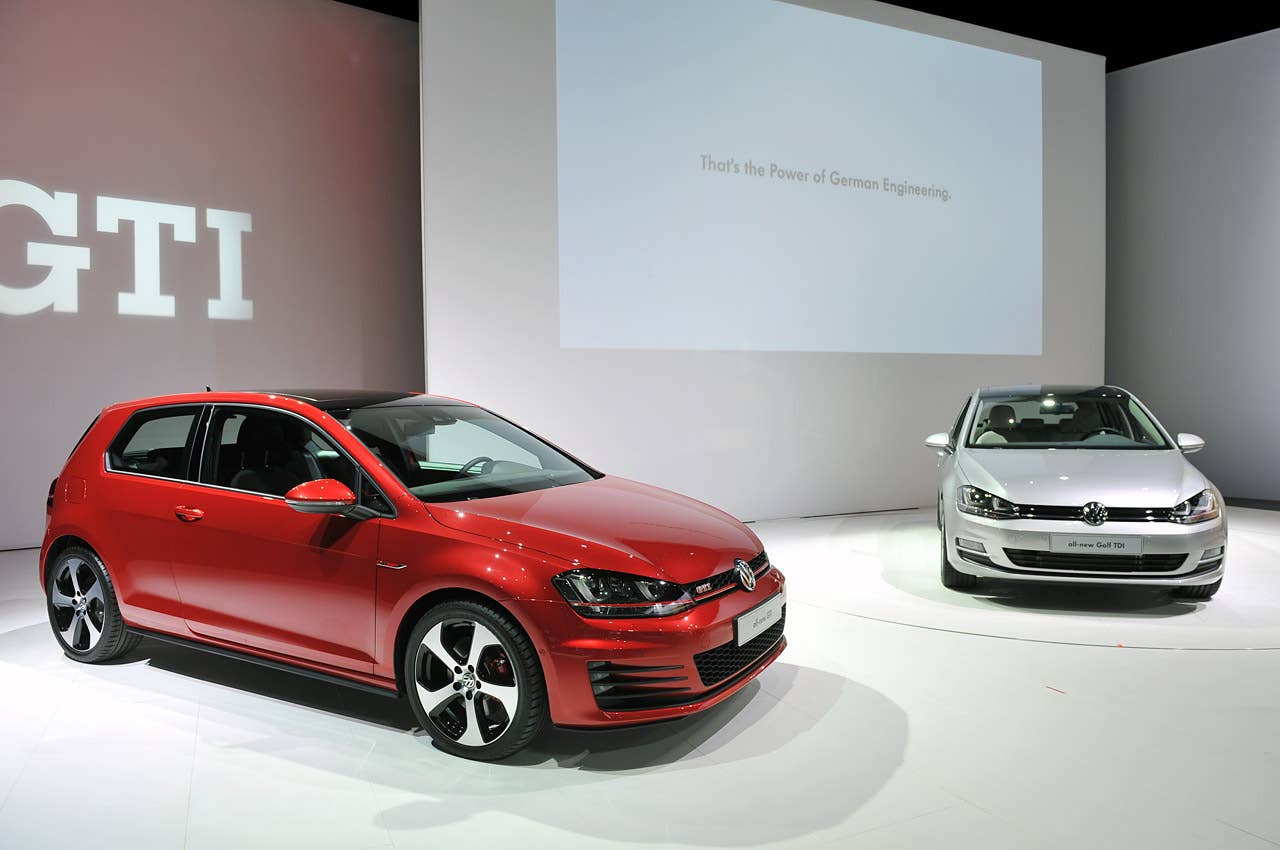
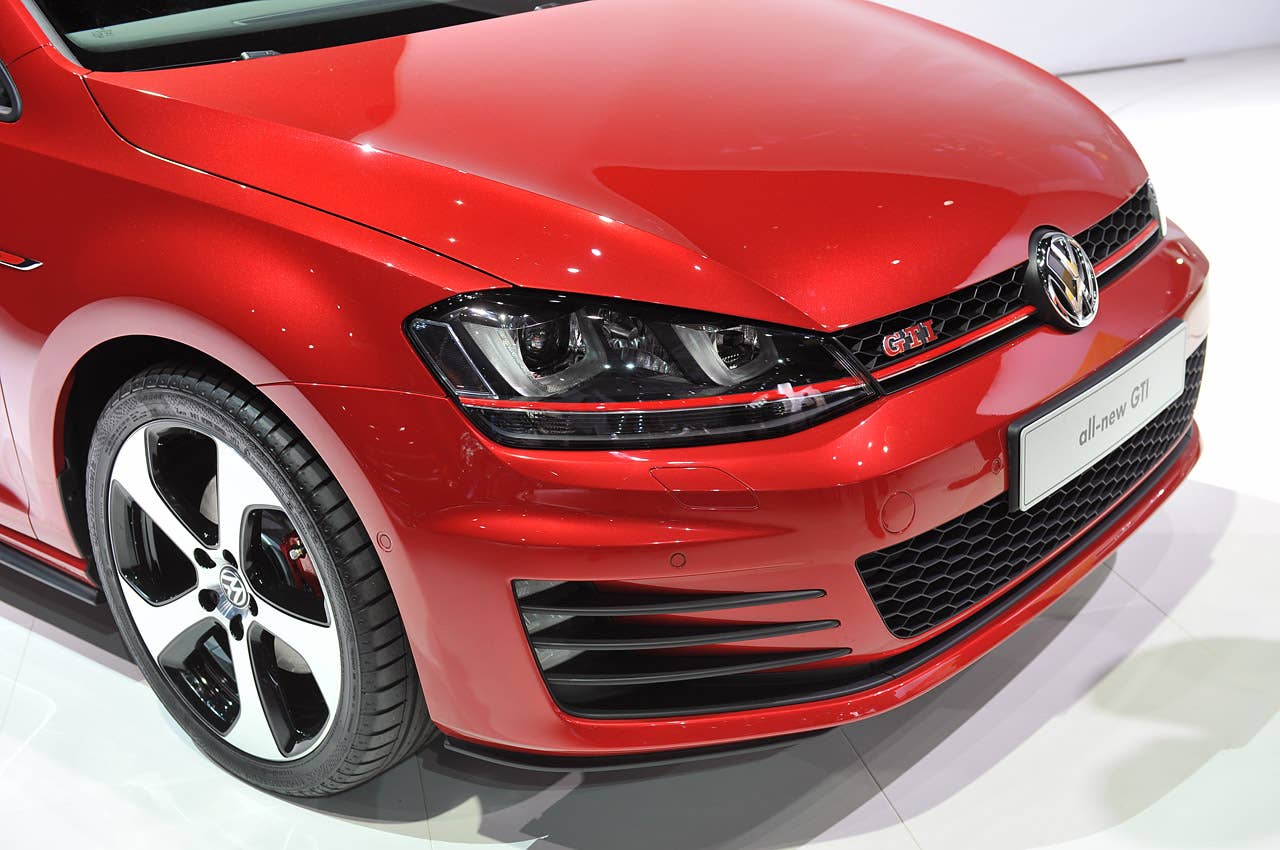
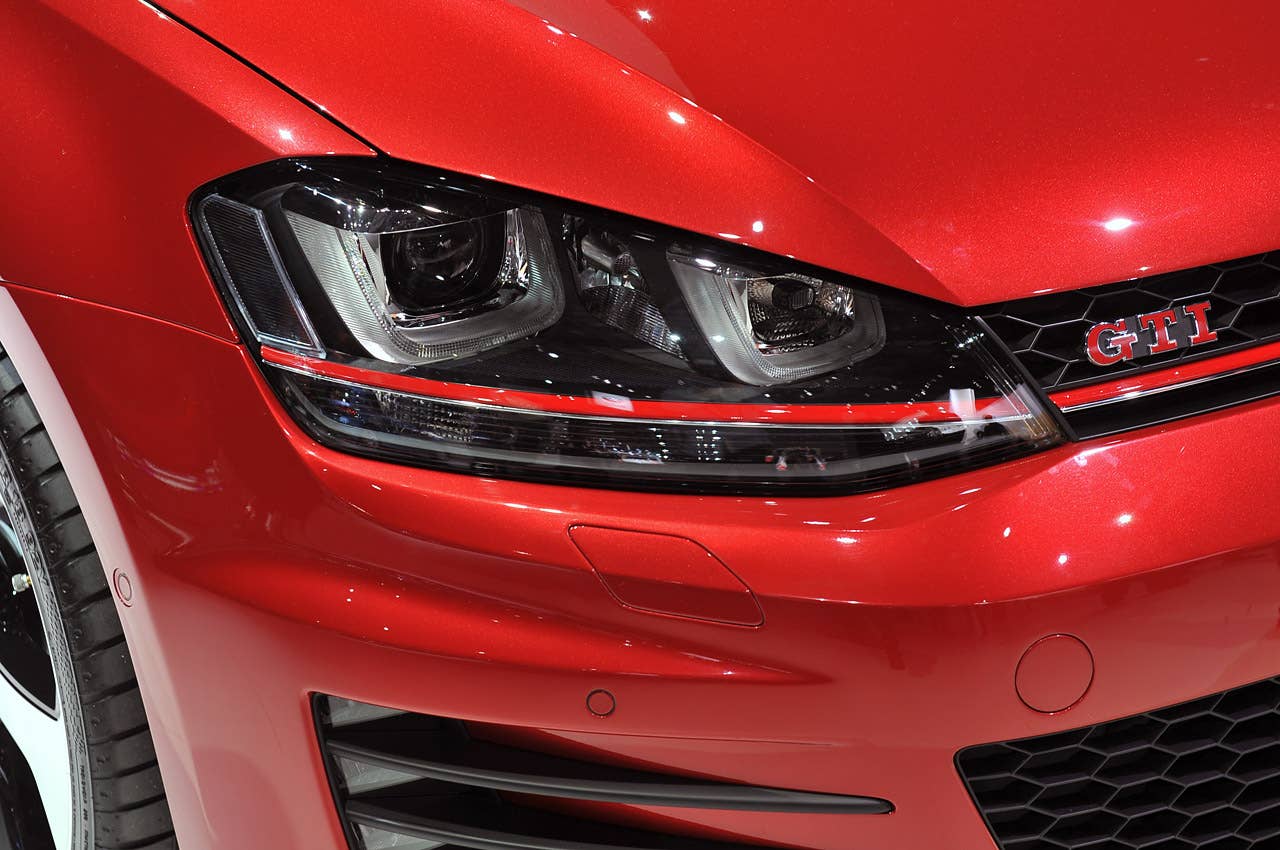
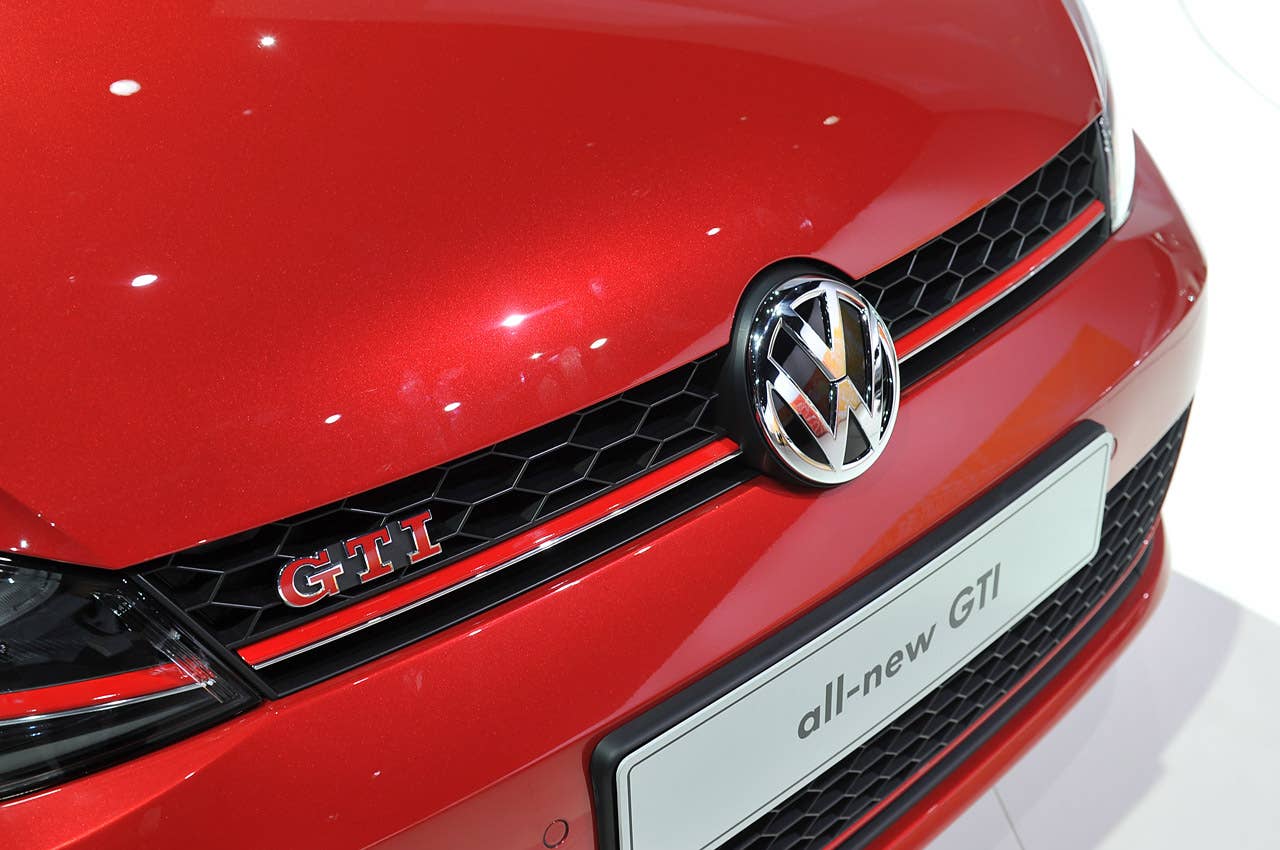

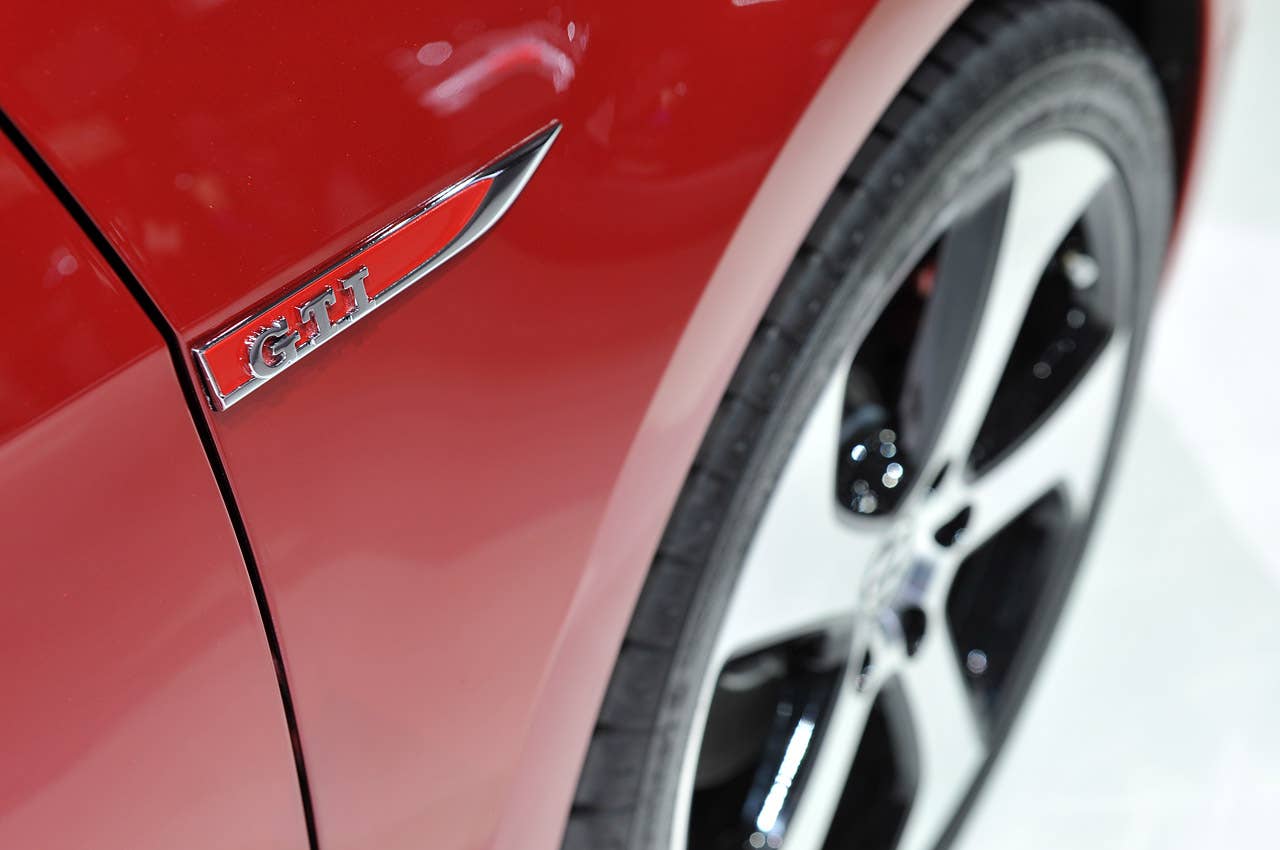
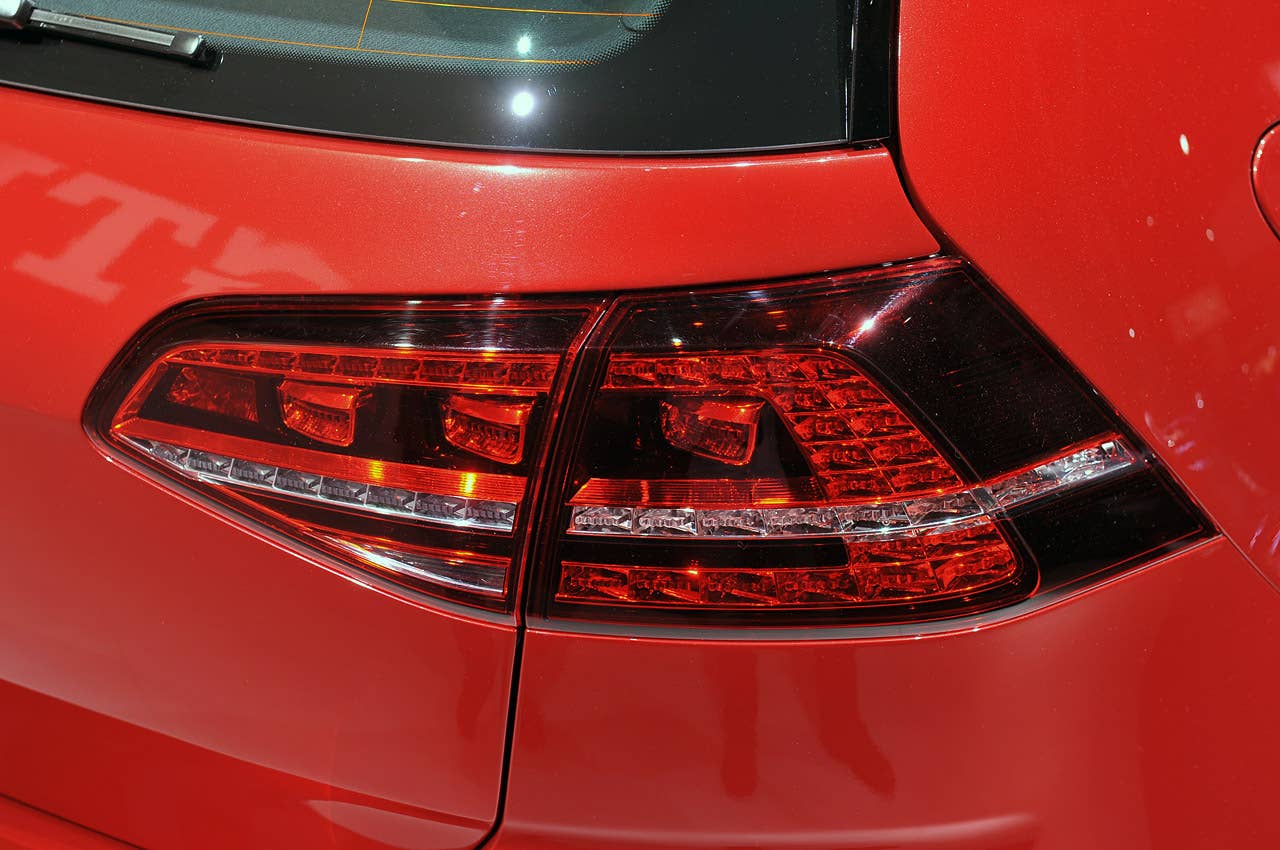


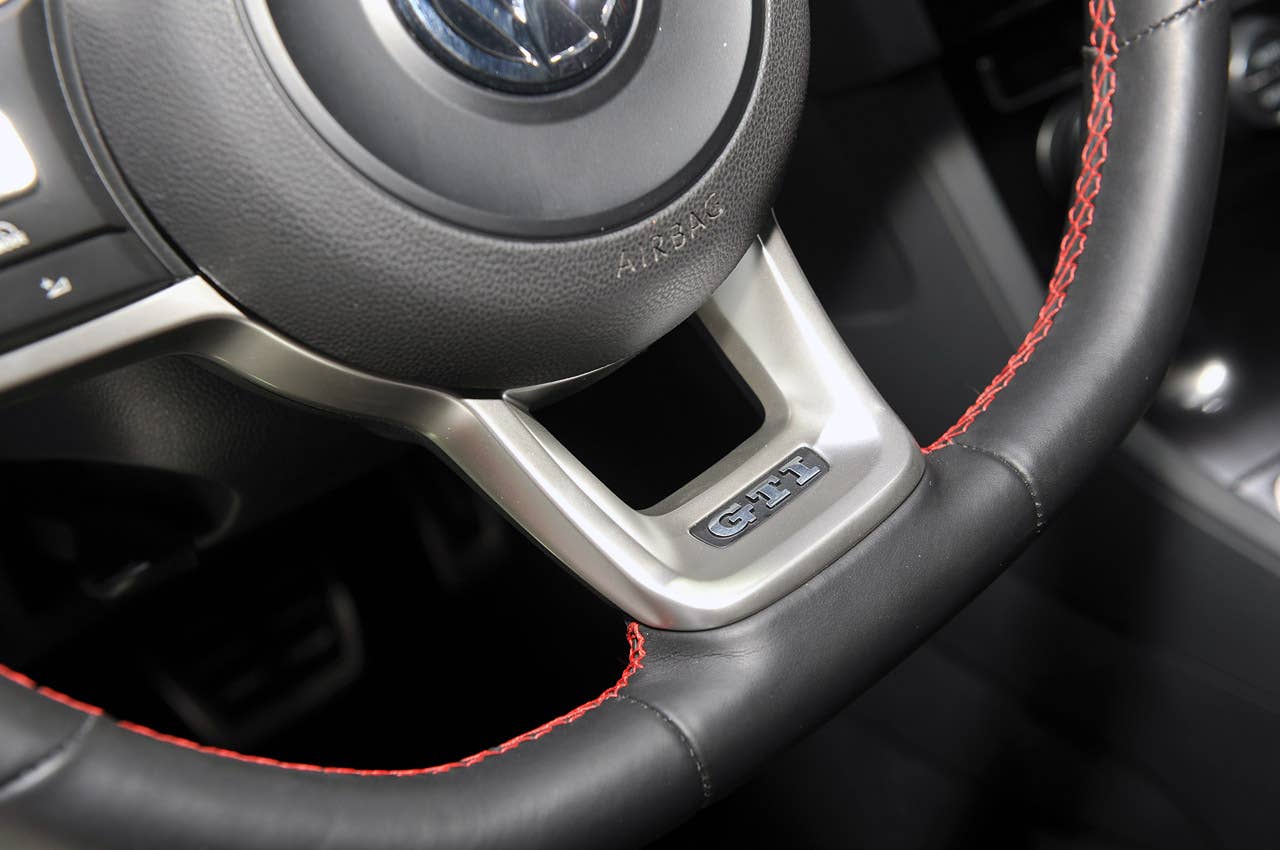

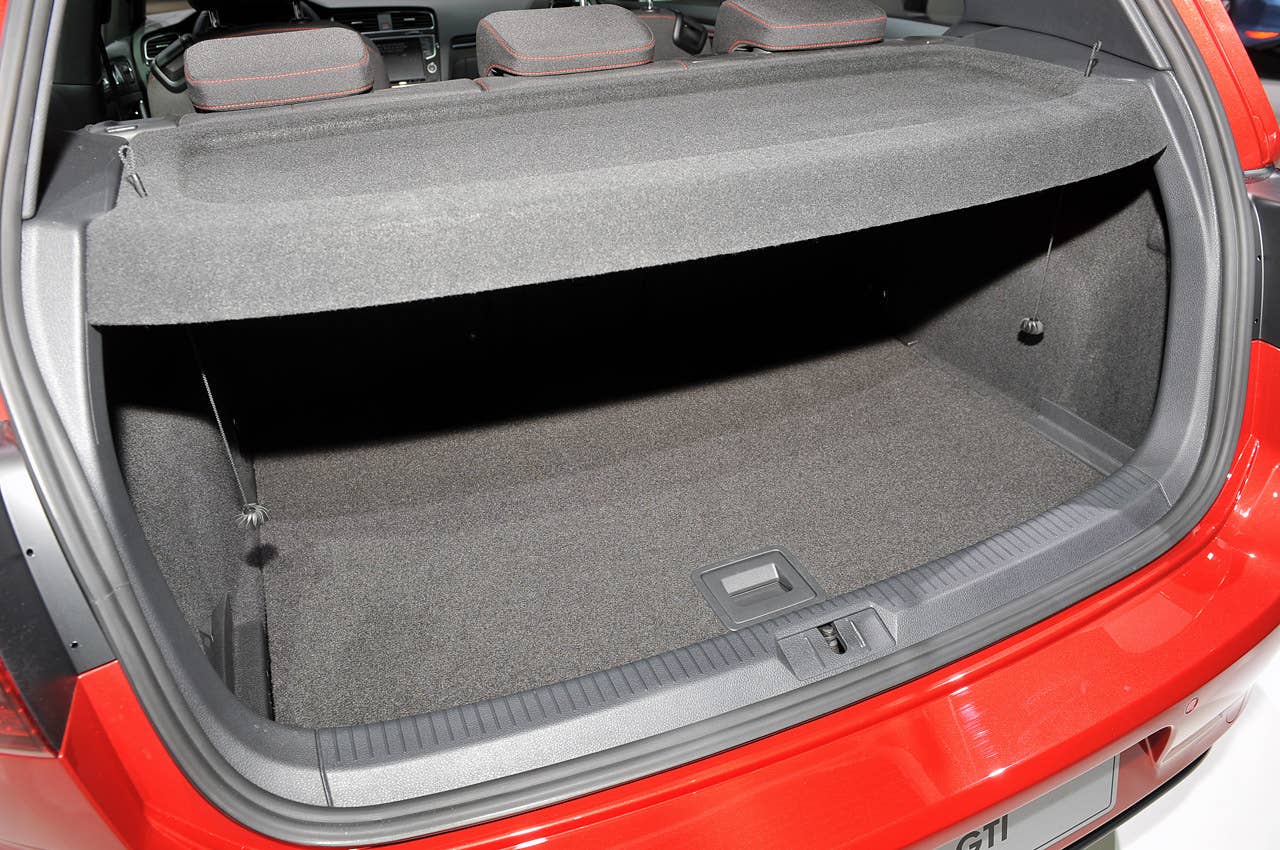
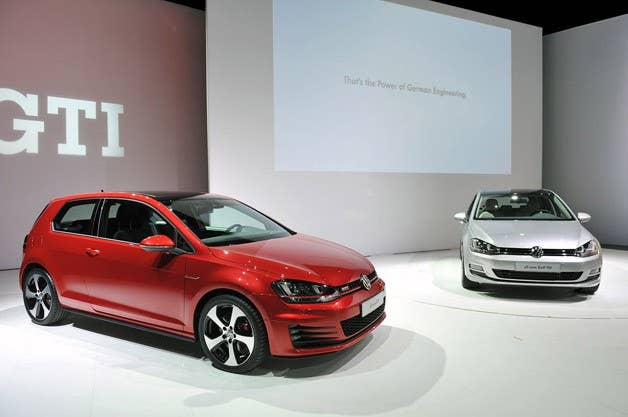
The seventh-generation Volkswagen Golf in US-specification officially debuts at the 2013 New York Auto Show. The new model is the first VW in the States to ride on the company’s MQB architecture, and as such, it makes use of plenty of high-strength and ultra-high-strength steel to keep weight down. All told, the new shell is 51 pounds lighter than the outgoing generation, despite the fact that the finished car is a full 2.2 inches longer and .5 inches wider than the 2013 model.
Buyers can expect to find a base model powered by a 1.8-liter turbocharged four-cylinder engine (blue car above) with 170 horsepower and 184 pound-feet of torque. That means the powerplant delivers the same horsepower as the old naturally aspirated 2.5-liter four-cylinder while weighing less and producing seven extra pound-feet of torque. TDI (silver car above) buyers, meanwhile, will enjoy a new 2.0-liter turbo diesel four-cylinder mill. VW says the engine yields 10 more horsepower than the old lump, which means the Golf TDI now boasts 150 hp and 236 lb-ft of torque.
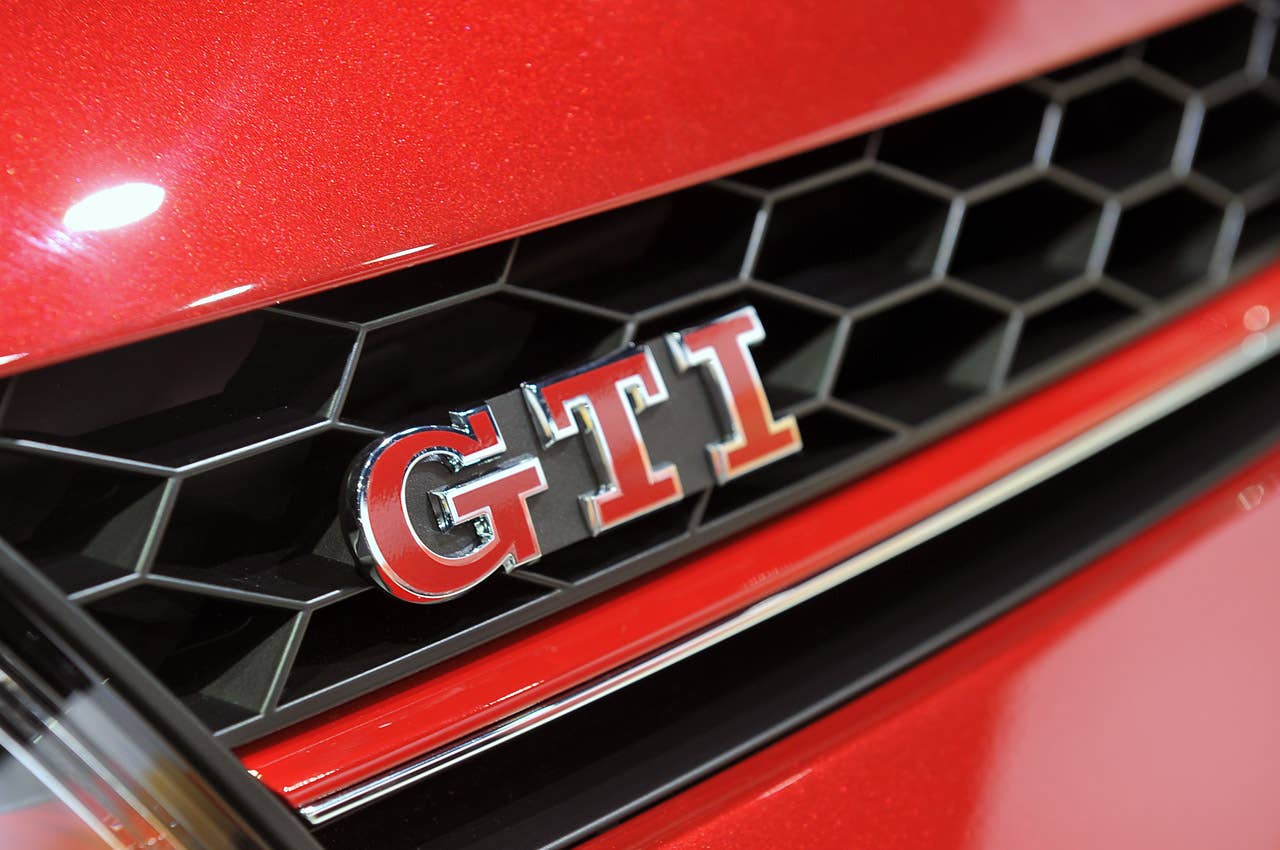
GTI (red car above) buyers will now get their hands on a revised 2.0-liter turbocharged four-cylinder with approximately 210 hp and 258 lb-ft of torque – Volkswagen hasn’t finalized power numbers for that machine. We’re happy to see that the GTI still features its trademark plaid seats. Volkswagen says the new Golf and GTI will go on sale as a 2015 model, but doesn’t say when the car will actually hit dealerships.
Check out the press release below for more information.
Show full PR text
SEVENTH-GENERATION VOLKSWAGEN GOLF MAKES ITS NORTH AMERICAN DEBUT AT THE NEW YORK INTERNATIONAL AUTO SHOW
lighter, and more fuel-efficient
. Sporty GTI®, thrifty TDI® Clean Diesel, and turbocharged Golf will be offered
. First U.S.-market Volkswagen to use the new MQB modular architecture
. All models are lighter than the cars they replace
. Seventh-generation Golf A7 will go on sale in the U.S. as a 2015 Model
. 2015 Golf models are currently estimated to improve fuel efficiency by as
The latest version of VW’s popular compact hatchback is bigger, more spacious,
much as 15 percent over current Golf sixth-generation models
Herndon, VA – The seventh-generation Volkswagen Golf manages to do the seemingly impossible. While it’s bigger and more spacious than the car that it will replace, it’s also lighter and more fuel-efficient. Based on the new MQB (modular transverse matrix) architecture, the 2015 Golf ends the cycle whereby new versions of a car end up heavier than the models they replace.
Thanks to the extensive use of high- and ultra-high strength steels, the new Golf bodyshell is
51 pounds lighter than the current sixth-generation Golf, and offering an enhanced crash structure. Throughout the car, incredible attention to detail has seen optimization of components-such as the seats, air conditioning unit, and even the electrical architecture-to
save weight.
The 2015 Golf is 2.2 inches longer and 0.5 inches wider than the current car. It is also 1.1
inches lower, which benefits both aerodynamic performance and the car’s proportions: the CdA number has been reduced by almost 10 percent compared with the Golf A6. The interior package has been optimized to give 0.6 inches more rear-seat legroom and 1.2 inches of additional shoulder room in the back.
Like the current car, the 2015 Golf will come in three guises. The Golf will be powered by a
1.8-liter turbocharged, direct-injection four-cylinder TSI® engine, built at a brand-new plant in Silao, Mexico, that is part of Volkswagen’s ongoing $5 billion investment in the North
American market. The Golf TDI Clean Diesel model will be powered by a new 2.0-liter common-rail, turbocharged, direct-injection diesel engine. And the sporty GTI will also receive a new Silao-built EA888 engine.
The seventh-generation Golf will go on sale as a 2015 model. It will be built at Volkswagen’s
Puebla, Mexico factory.
Design
The design team, led by Walter de Silva (Group Design) and Klaus Bischoff (VW Brand
Design), created a timeless and sophisticated new Golf, using the principles of Volkswagen’s
Design DNA. This design language creates cars that are modern and progressive yet have a
familiar feel. In the case of the new Golf, the car incorporates the classic C-pillars and other elements that hark back to previous generation Golf models, such as the side windows, the roofline, and wheel arches that are redolent of the Golf A4.
According to Klaus Bischoff, the form language is: “logical, product-focused, pure and
precise. The Golf’s proportions have completely changed with the seventh generation, making
the car look more confident than ever.”
Thanks to the MQB architecture, which dictates a fixed relationship between the front wheel
centerline and the pedalbox, the car’s proportions have changed. The front wheels, for
example, are now 1.7 inches further forward than on the current Golf design. This has created
what Bischoff calls “a cab backward impression”. That’s what we call the proportions of
premium-class vehicles, where the hood is long and the passenger compartment is a long way
towards the back.”
Compared with the Golf A6, the new car’s front end looks completely different, thanks to the
way that the hood slopes down into the front fenders instead of the fender peaks being higher
than the hood. The front end of the Golf has a very strong horizontal graphic, with a relatively narrow radiator grille.
The new Golf has a strong character line that flows all the way around the car beneath the
door handles, being interrupted only by the wheel arches. The line in the side of the car is
picked up by the chrome bars in the radiator grille and in the white lateral bars of the taillight clusters. The line is designed to lower the car’s visual center of gravity and give it a more solid stance on the road. There’s a second line along the shoulder that runs under the mirrors from the headlamps back to the rear side window, which emphasizes the car’s premium proportions.
At the back, the clean surface around the VW badge, the wide rear window, and the
geometric taillights are typical Golf features, even though the lines are completely different. The tailgate, for instance, allows for a lower load height than before, at just 26.2 inches, while the overall effect emphasizes the additional width of the new car.
The sporty nature of the Golf is enhanced with the GTI model. Its mission is reflected by
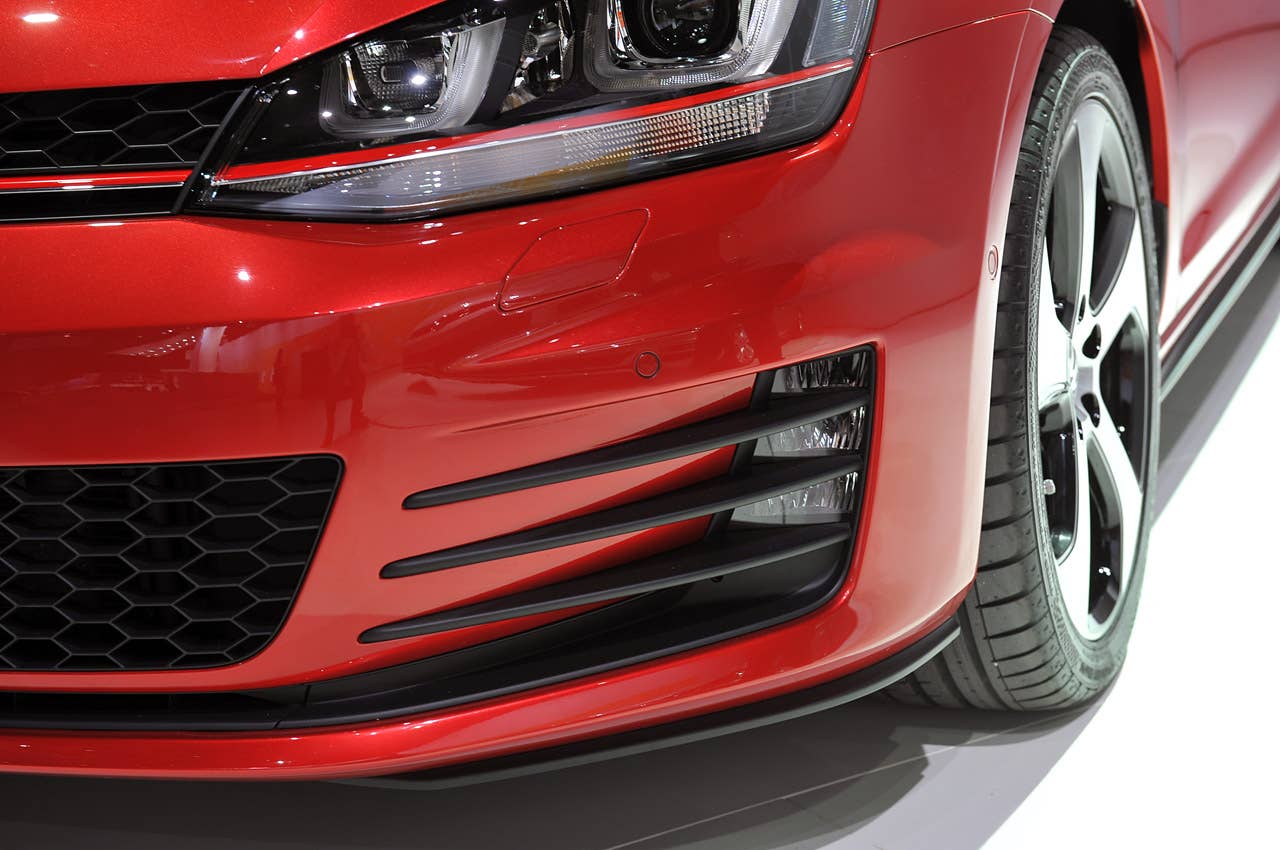
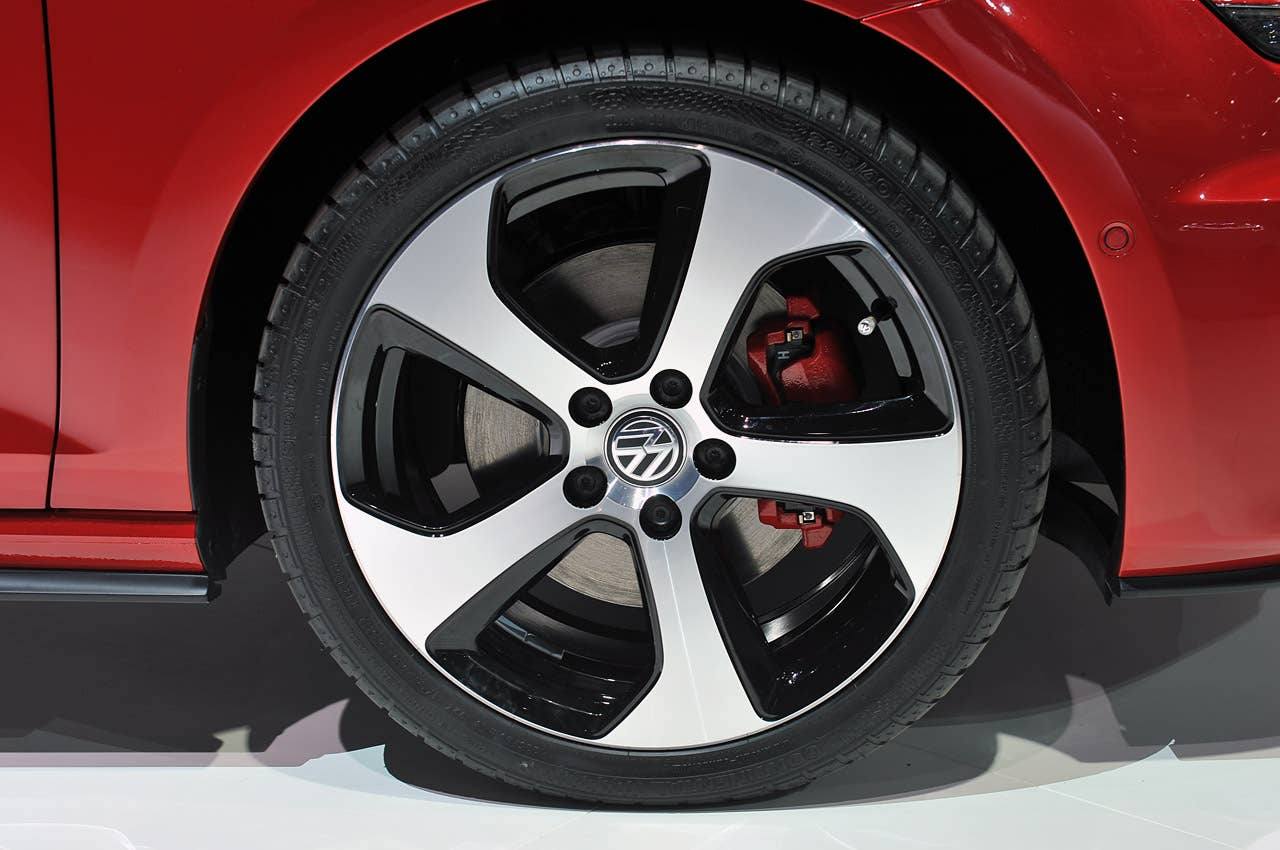
its red-painted brake calipers, twin chrome tailpipes, and a lowered sport suspension. The exterior of the compact hatchback also scores with GTI-specific wheels and low-profile tires, special side skirts, a rear diffuser, and smoked LED taillights with LED license-plate illumination.
Interior
The new Golf interior package is larger, despite the car having a lower roofline. The interior is now 0.6 inches longer, which is reflected in 0.6 inches more rear-seat legroom. In the front, the shoulder- and elbow room are increased by 1.2 and 0.9 inches, with commensurate
improvements in the back by 1.2 and 0.8 inches. The cargo capacity is eight percent greater,
too, and the floor of the trunk area can be removed to further increase stowage space.
The new interior also benefits the driver ergonomics. The seat position has been shifted back
by 0.8 inches and the steering wheel adjustment range has been modified. Simple things that
make a big difference have been optimized by use of the MQB architecture: the space between the brake and gas pedals has been increased by 0.6 inches and the shifter position has been raised by a similar amount, so it now rests better in the driver’s hand.
Every element of the interior has been redeveloped and redesigned. The wide center console is
now oriented towards the driver, a feature that’s more typical of premium vehicles rather than
compacts. In the middle of the console, beneath the hazard warning light switch, is the
infotainment screen. For the first time, Volkswagen is using touchscreens with a proximity
sensor, allowing drivers to change functions with a swipe of the hand, just like a smartphone.
Even the base radio has a 5.8-inch touchscreen. The new navigation systems are DVD-based
with a 3D display.
Located beneath the infotainment module are simple, well laid-out controls for the climate
control system. Beneath it, the lower section of the center console has a stowage compartment
that integrates the Media Device Interface/iPod® cable. The new Golf has improved stowage
all around the cabin, with a sliding tray underneath the driver’s seat (manual seats only), six cupholders (counting the pair integrated into the rear armrest), and a large glovebox that
houses the CD changer and SD-card slot.
The whole interior is finished in high-quality materials. Soft-touch plastics abound, along with chrome, aluminum, and piano black surfaces that have a premium feel and look. The cruise
control is now operated though steering wheel buttons rather than the column stalk. New white
lighting for the buttons and switches underscores the interior’s upscale look and feel.
The GTI, as with previous model years, has a number of interior differences to the Golf. The
interior is highlighted by sport seats with distinctive GTI plaid pattern, a black headliner, and red ambient lighting. The car also offers classic GTI features such as a sport steering wheel, GTI shifter knob grip and instrument cluster, special trim inserts, and stainless-steel pedals and foot rest.
Engines and Transmissions
Volkswagen pioneered the use of small displacement, highly efficient turbocharged engines in
the U.S., starting with the 1.8T engine in the 1998 Passat. Since then, Volkswagen’s 2.0-liter
four-cylinder has set the benchmark for small displacement turbocharged engines.
The Golf will feature a new EA888 Gen 3 turbocharged and direct-injected four-cylinder
engine made in Silao, Mexico. This 1.8-liter engine will produce 170 horsepower and 184
pound-feet of torque and will offer highly competitive fuel economy. The engine makes the
same power as the 2.5-liter five-cylinder engine used in the Golf A6, but produces an
additional seven pound-feet of torque, delivered lower in the engine speed range. It will be
mated to manual and automatic transmissions.
The EA888 Gen 3 engine family is designed to be lighter and more fuel-efficient than the Gen
2 units, such as the 2.0-liter unit fitted in the current GTI. Engine weight has been reduced by eight pounds, to 290 pounds overall. Among the improvements on this engine are: a thinwall
crankcase casting; exhaust headers that are integrated into the cylinder head; smaller diameter main bearings; roller bearings for the twin balancer shafts; and a crankshaft that has four counterweights instead of eight.
The TDI Clean Diesel model will use the new EA288 turbocharged, common-rail, direct-
injection four-cylinder engine that makes 150 horsepower-an increase of 10 hp over the
current engine-and 236 pound-feet of torque. This powerplant shares only the bore spacing
with the previous diesel engine that shared the same designation. A number of changes have
been made to help reduce emissions, such as: use of a complex exhaust gas recirculation
system (with a cooled low-pressure AGR); integration of the intercooler with the intake
manifold, which also improves throttle response; and packaging the exhaust after-treatment
components close to the engine.
The engine also has a number of modifications to help minimize friction and optimize fuel
economy: there are low-friction bearings for the camshaft and balancer shafts, piston rings
that have less pre-tension, and the oil pump is a two-stage device with volumetric flow
regulation. As with the current Golf, the new TDI model will have a standard six-speed manual
transmission with the option of a DSG® dual-clutch automatic transmission.
The GTI will also use an uprated version of the EA888 2.0-liter turbocharged TSI engine. Final
horsepower and torque figures have yet to be released, but it is expected to make about 210
hp and 258 lb-ft of torque. Like the current GTI, the engine will drive the front wheels via
either a six-speed manual or six-speed DSG transmission. It is expected that the European
Performance Pack will be offered during the GTI’s lifecycle.
Chassis
All versions of the new Golf have the XDS® electronic differential lock, a feature that was
developed for the current GTI. This system electronically monitors input from various wheel
sensors and, in the event of slippage, transfers extra torque to the front wheel with the most
traction, thus helping to improve handling and traction.
Another new feature is progressive steering, which incorporates a new steering rack and a
more powerful electric motor. Where “normal” steering racks have teeth that are spaced
consistently, the progressive system has a different tooth pitch in the center than it has on the outside. The lower steering ratio in the center means that the car responds more quickly when entering a turn, while the higher ratio at the ends of the rack reduces the amount of effort needed near full steering lock, such as when you’re parking.
Safety and Security
As well as offering no fewer than six standard airbags, the new Golf features as standard a
new safety system called Automatic Post-Collision Braking System. The new system
automatically brakes the vehicle when it is involved in a collision in order to help reduce
residual kinetic energy. The system is triggered when the airbag sensors detect a primary
collision and it is limited to a maximum retardation rate of 0.6g by the electronic stability
control (ESC) unit. The driver can effectively override the system at any time; for example, it is disabled if it recognizes that the driver is accelerating. The system is also deactivated if the driver initiates braking at a higher rate than 0.6g.
About Volkswagen of America, Inc.
Founded in 1955, Volkswagen of America, Inc., an operating unit of Volkswagen Group of
America, Inc. (VWoA) is headquartered in Herndon, Virginia. It is a subsidiary of Volkswagen
AG, headquartered in Wolfsburg, Germany. VWoA’s operations in the United States include
research and development, parts and vehicle processing, parts distribution centers, sales,
marketing and service offices, financial service centers, and its state-of-the-art manufacturing facility in Chattanooga, Tennessee. The Volkswagen Group is one of the world’s largest producers of passenger cars and Europe’s largest automaker. VWoA sells the Beetle, Beetle Convertible, Eos, Golf, Golf R, GTI, Jetta, Jetta SportWagen, Passat, CC, Tiguan, Touareg, and Routan vehicles through approximately 600 independent U.S. dealers. Visit Volkswagen of America online at www.vw.com or media.vw.com to learn more.