
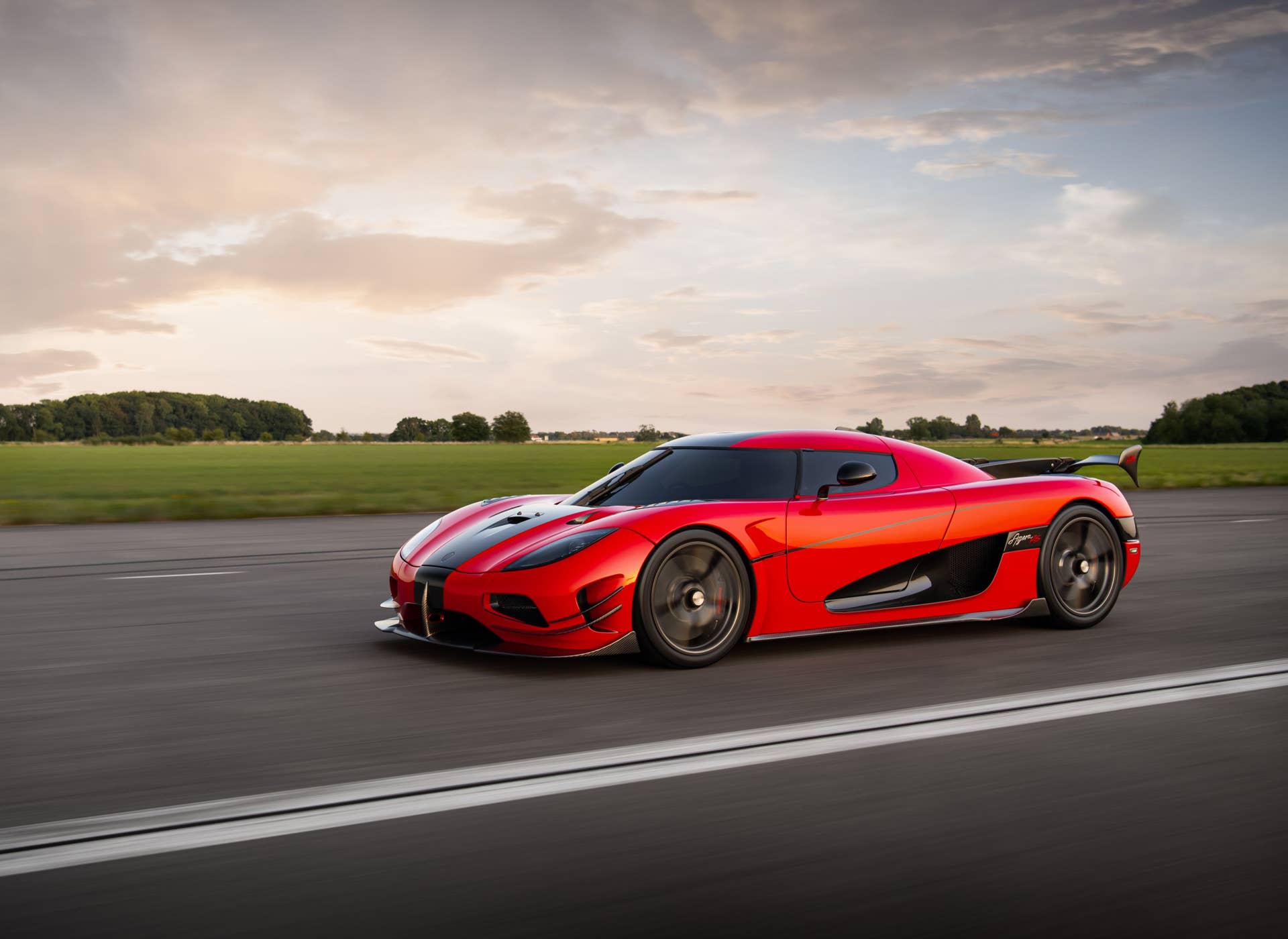
It wasn’t that long ago that the notion of reaching 200 miles per hour in a car, on a road, seemed basically impossible. As you likely know by now, that time has passed. Once that threshold was crossed, the automotive world immediately began eyeing the next triple-digit benchmark: 300 miles per hour.
The Fédération Internationale de l’Automobile (FIA) sets the rules for measuring top-speed runs. This international organization advocates the interests of many groups in the automotive industry and governs numerous motorsport races, including Formula One. According to its website, “Record Attempts may be attempted on straight-line playa, salt or tarmac courses, where they are averaged over two runs in opposing directions, or over distance or time endurance runs on closed racetracks.”
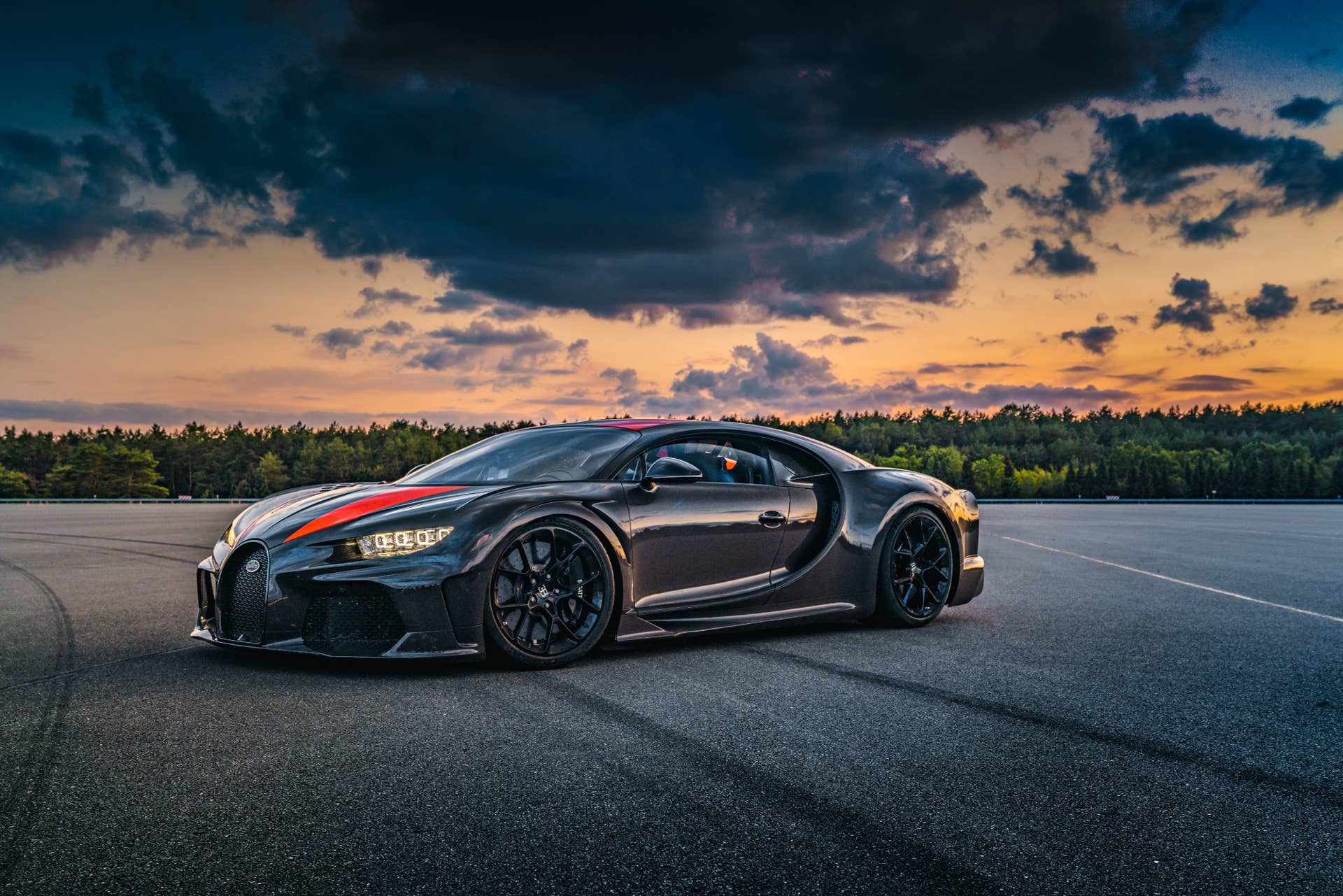
While the Bugatti Chiron Super Sport 300+ did cross the 300 mph mark, it did so in a unidirectional run rather than the “legal” two runs in opposing directions. According to the FIA’s rules, that means it is not eligible to be considered the fastest car in the world, although it is the fastest by proven top speed.
Koenigsegg
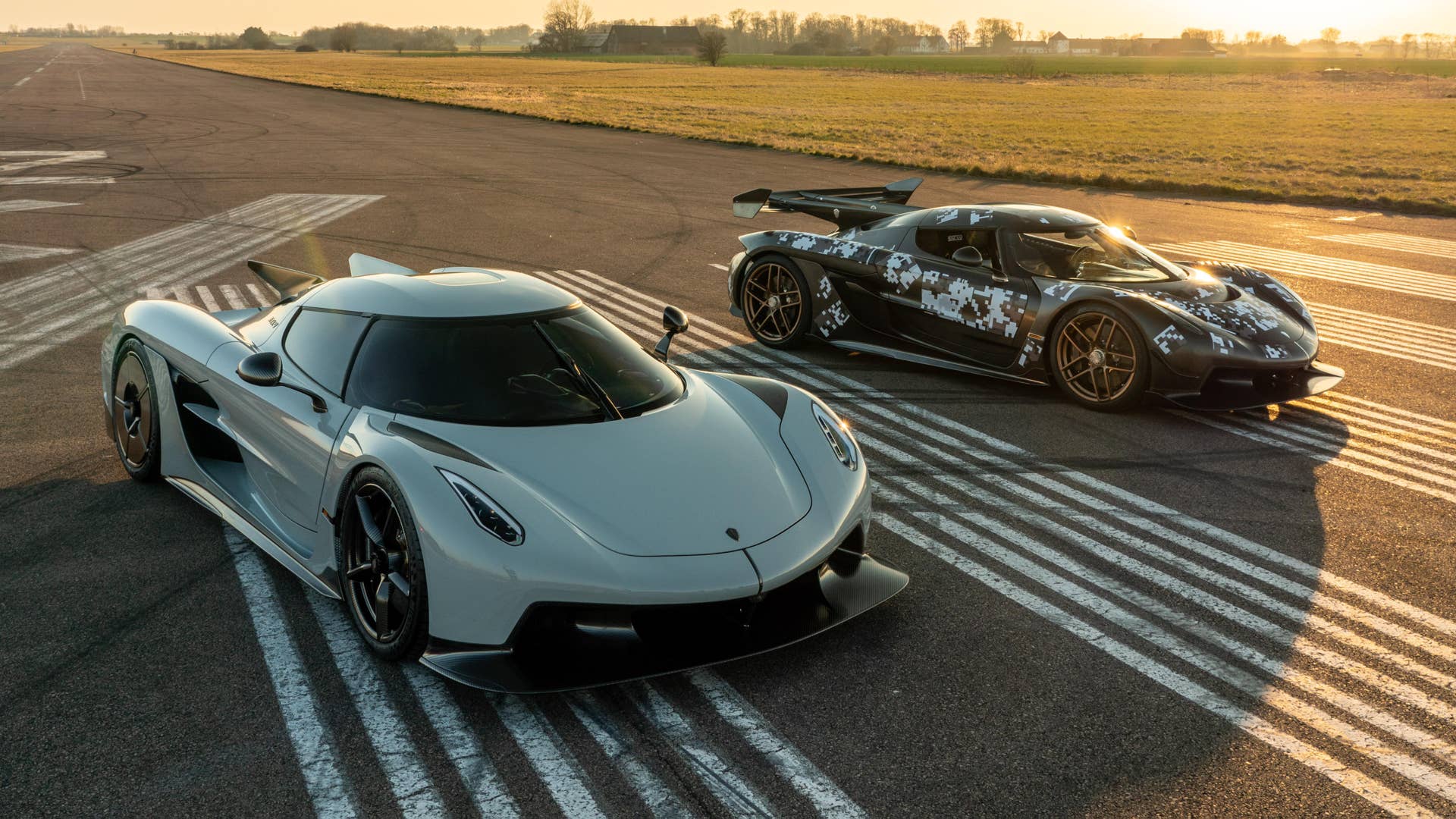
Others, like the Koenigsegg Jesko Absolut, have an “estimated” top speed of over 300 mph, or 330 mph in this case. That has yet to be proven, given the difficulty of finding a long enough road and good enough tires. Since calculations don’t set records, it is not eligible to be considered the fastest car in the world.
For our purposes, we’ll consider the car that followed the FIA’s rules and set a world record to be “The Fastest Car in the World.”
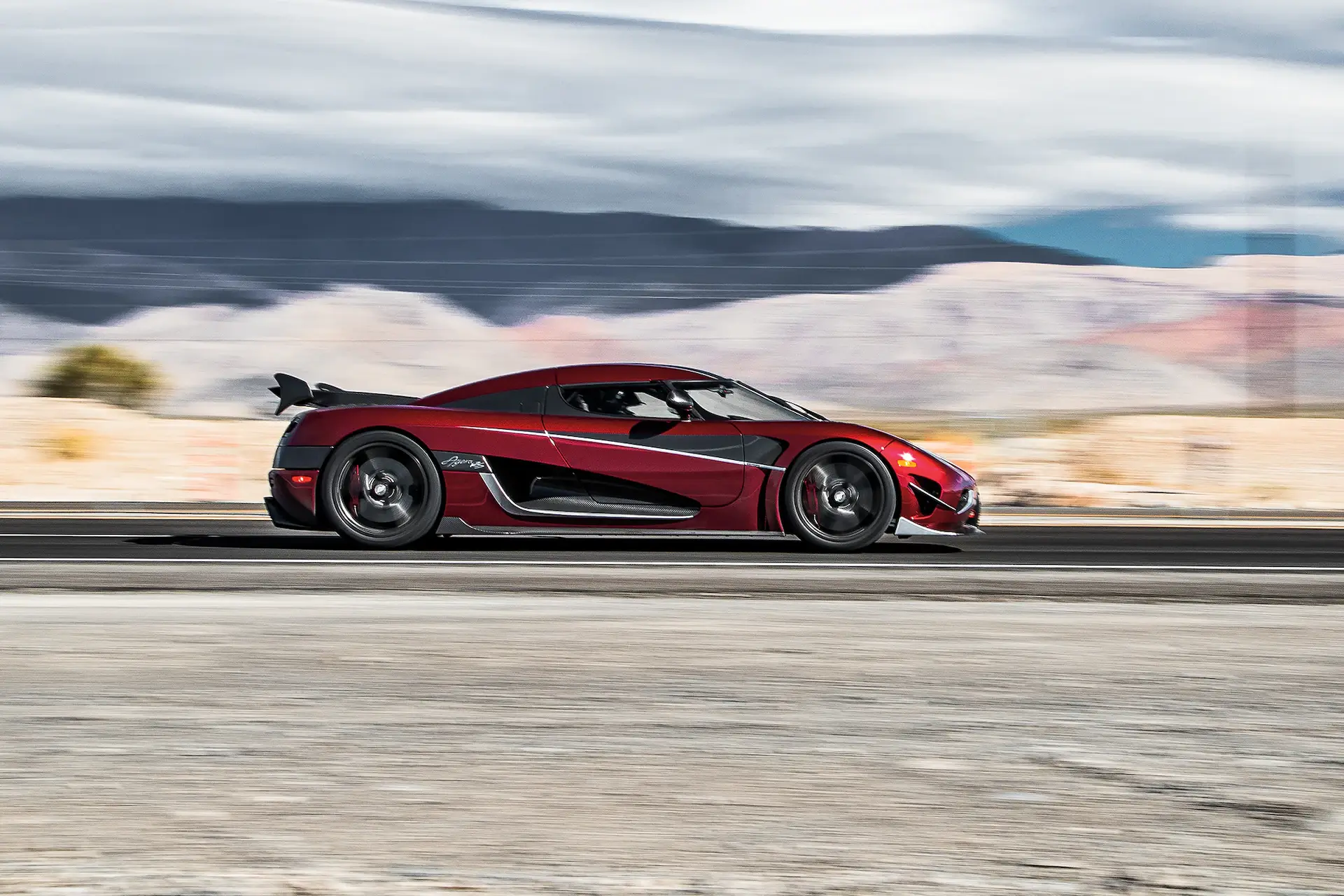
The fastest car in the world is the Koenigsegg Agera RS (277.87 MPH)
Koenigsegg
The Koenigsegg Agera RS is, by all definitions, a beast. The RS was the definitive production Agera, combining the technology of the One:1 with the features of the Agera R and Agera S. From the factory, the RS’s 5.0-litre V8 engine makes 1,160 hp on regular pump gas. If that’s not enough power, the optional “1-megawatt” package brings that horsepower figure to 1,341 hp.
Factory test driver Niklas Lilja took a Koenigsegg Agera RS with the 1 MW package to a top speed of 277.87 mph on Nevada’s State Route 160, just outside of Pahrump. Not only did this run abide by the FIA’s rules, but the Swedes went through months of paperwork and meetings with Nevada officials before they got the state’s seal of approval.
The Agera RS produces 992.08 lb of downforce at 155.34 mph, a staggering figure that undoubtedly helped it in its high-speed run. The model was technically limited to 25 units, although two more served as a factory development car and as a replacement for a damaged customer car. Each one could be modified by its owner to their heart’s content.
How expensive is the Koenigsegg Jesko Absolut?
The Koenigsegg Agera RS had an MSRP of $2.5 million when it was released. That is a pretty penny, but one that each of the 25 lucky enthusiasts was more than happy to pay. After all, how often do you get the chance to buy a record-breaking car?
Other cars that drive faster than 300 mph
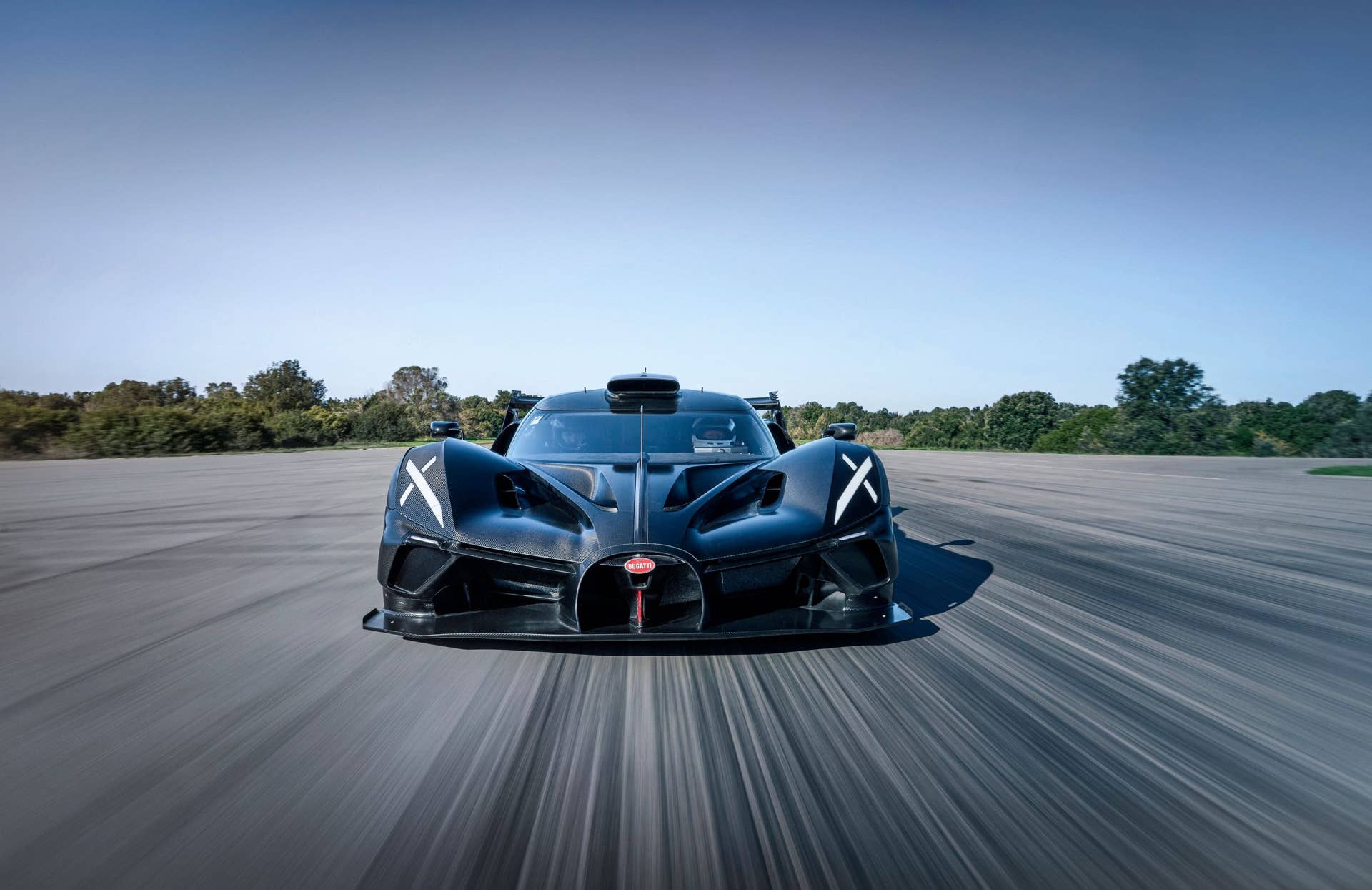
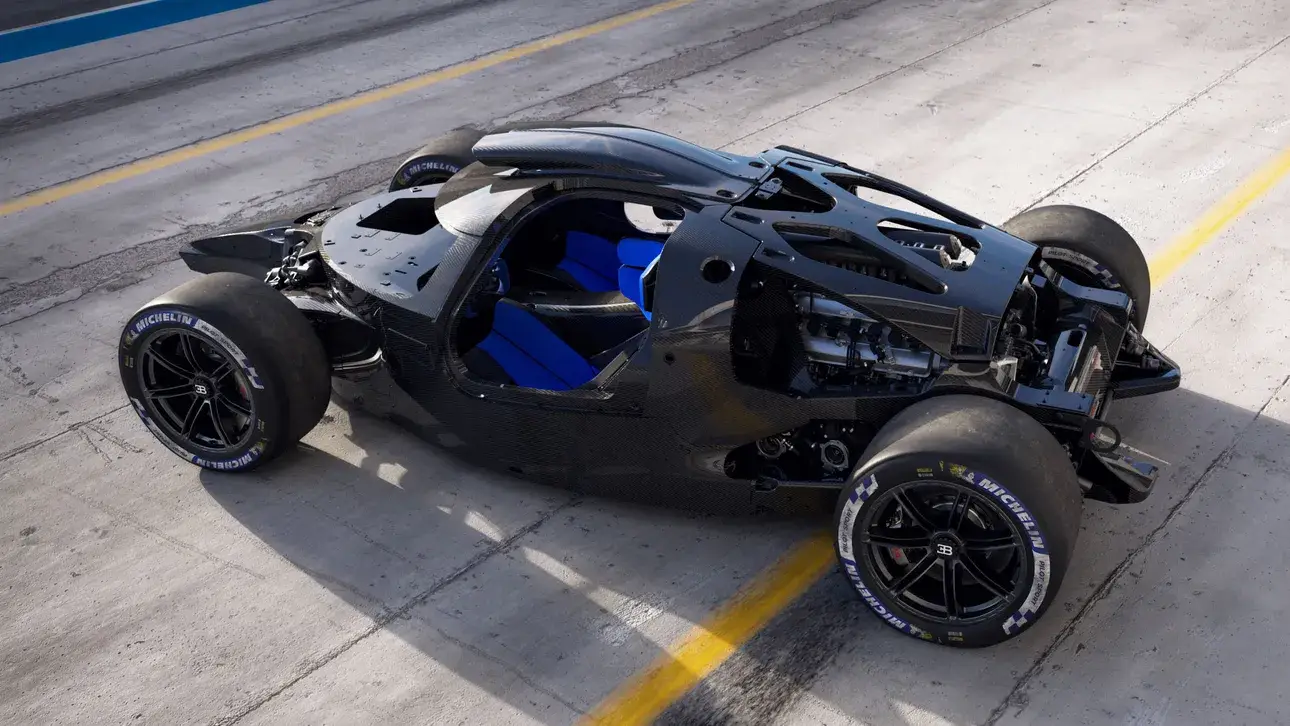
The Bugatti Bolide’s quad-turbo 8.0-liter W16 produces 1,847 horsepower and 1,365 pound-feet of torque. Its top speed is 311 mph, and its styling is just as wild and exaggerated.
Bugatti
However, unlike the Koenigsegg, the Bugatti is a track-only affair. Though it shares an engine and some of its underlying structure with the road-legal Chiron, Bugatti opted to keep the Bolide limited to track duty. While that’s a bummer, especially at the roughly $4.4 million price tag, not having to build a car to meet road car regulations gave Bugatti the freedom to create a brutal car with speed that defies logic. The Bolide is also far more exclusive than the Koenigsegg, as Bugatti produced just 40 of the extreme cars.
The car’s suspension is far stiffer than the Chiron’s, and the car rides on Michelin slicks. It utilizes a revised carbon monocoque and is built using an array of 3D-printed parts. Without the need to worry about curbs, speed bumps, and pedestrians, Bugatti could go wild with aerodynamics and bodywork, resulting in a car that looks like it could cut you.
What goes into creating a car that can go faster than 300 mph?
The Bugatti Chiron Super Sport 300+ and Bolide make reaching 300-plus mph sound easy, which you’d expect for their multiple-seven-digit price tags, but there’s a lot that goes into hitting their mind-blowing top speeds. Beyond the fact that it takes miles of flat tarmac, the cars have to be exceptionally aerodynamic and be able to consume gobs of air, and fuel consumption at those speeds is immense. Engineers have to shape a car that easily slices through the air while also creating tremendous downforce to keep it on the ground.
Bugatti
Adding thousands of pounds of downforce stresses almost every part of the car, especially the suspension and tires. The dampers have to be able to support the temporarily heavier car while also keeping the tires in contact with the tarmac. At 300 mph, even subtle imperfections in the road surface come faster and much harder, so the car has to be able to cope.
Tires take a particularly brutal beating during top-speed runs, as their sidewalls are compressed by all the downforce. They’re also subjected to extreme temperatures due to the friction from rubber clawing against the pavement at 300 mph.
Bugatti
At that speed, the tires rotate thousands of times per minute, so they must also be sturdy enough to hold their shape through the harsh rotational forces. Finally, high speeds do funny things with the weights of vehicle components, such as the tire pressure monitoring sensors, which can weigh several times their normal amount when rotating at 300 mph and cause wheel imbalances and other issues.
What about the previously fastest cars from Ferrari and Porsche?
Chrysler
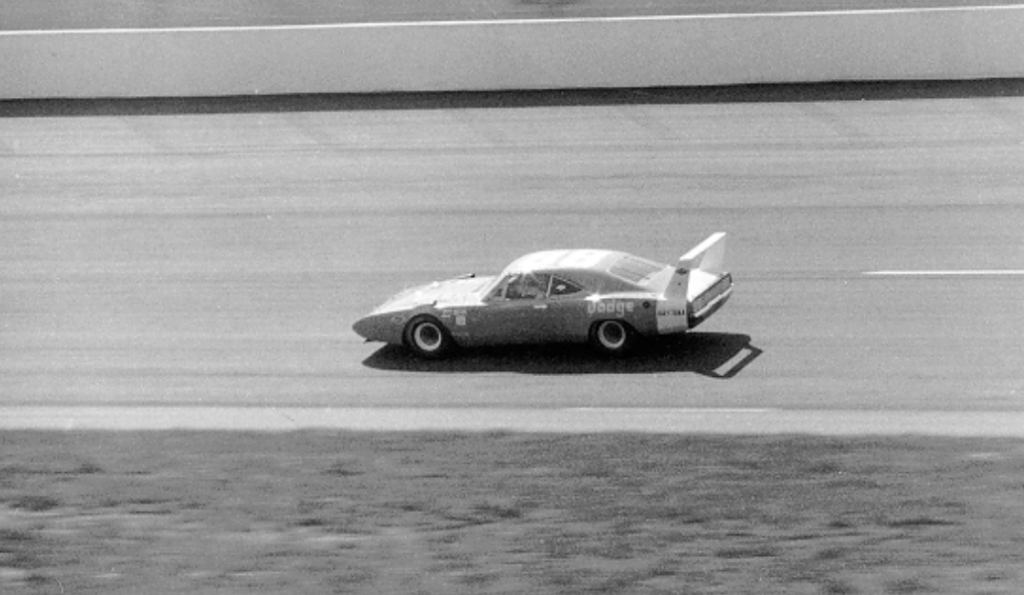
While we’re now talking about cars reaching speeds in excess of 300 mph, the first car to cross 200 mph did so more than 50 years ago. The 1969 Dodge Charger Daytona hit 200 mph in March 1970 at Talladega in Alabama.
That’s right, the first car to 200 wasn’t wearing an Italian name on its nose, though many of the most well-known cars in the 200 club do. That said, the Charger Daytona, like the Bugatti Bolide today, was not street-legal, and the first road-going car to hit the benchmark was a Ferrari.
RM Sotheby's
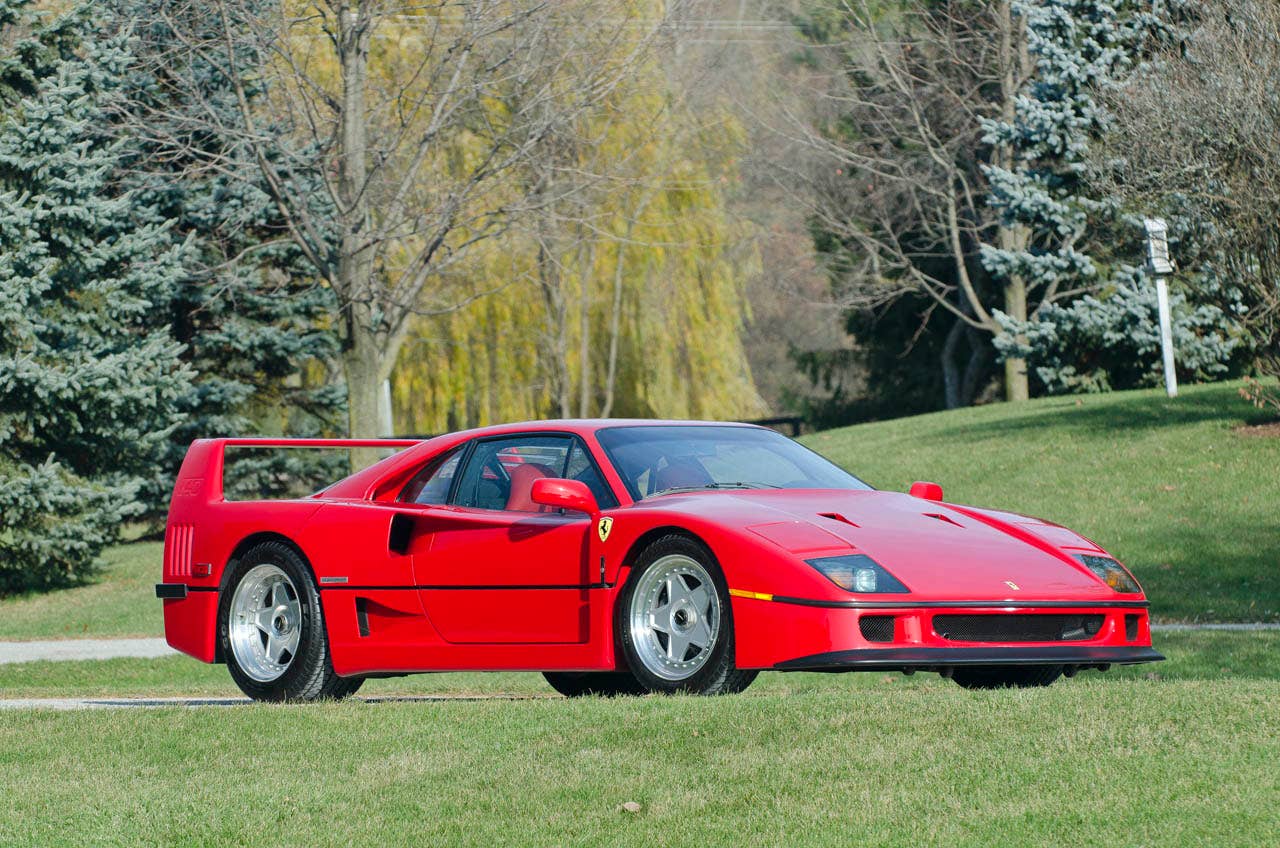
Several years after the Dodge’s record-setting run, the Ferrari F40 reached 200 mph as the first production car with the record. Its twin-turbocharged 2.9-liter V8 cranked out 471 horsepower, giving it a 0-60 mph time of 3.8 seconds and a top speed of 201 mph. Interestingly, the most impressive Porsche at the time, the 959, fell just short of the F40’s speed, reaching “just” 197 mph.

Barrett-Jackson
Electric power could change everything
As the automotive world moves toward full electrification, questions arise about EVs’ top speed and battery power. At least five models on sale today can achieve a top speed of more than 200 mph.
The slick Lucid Air Sapphire offers a 200-mph top speed and a 0-60 time of under 2 seconds. It tied the Tesla Model S Plaid’s top speed but did 0-60 quicker, as the Tesla takes 2.1 seconds to do the deed. The Lotus Evija also promises a 200-mph top speed, but the top two cars are helping move the EV performance needle close to the extreme numbers seen from today’s fastest gas cars. The Pininfarina Battista offers a 217-mph top speed and a crazy 1.8-second 0-60 time, and at the tippy-top of the performance hill is the Rimac Nevera, which offers a 258-mph top speed and a 1.9-second 0-60 mph time.
The five fastest cars in the world in 2025 by FIA standards
- Koenigsegg Agera RS: 277.87 mph
- Bugatti Veyron 16.4 Super Sport: 267.856 mph
- SSC Ultimate Aero: 256.14 mph
- Bugatti Veyron EB 16.4: 253.81 mph
- Dauer 962 Le Mans: 251.4 mph
About the author

Gabriel Ionica
Senior Editor, Autoblog