
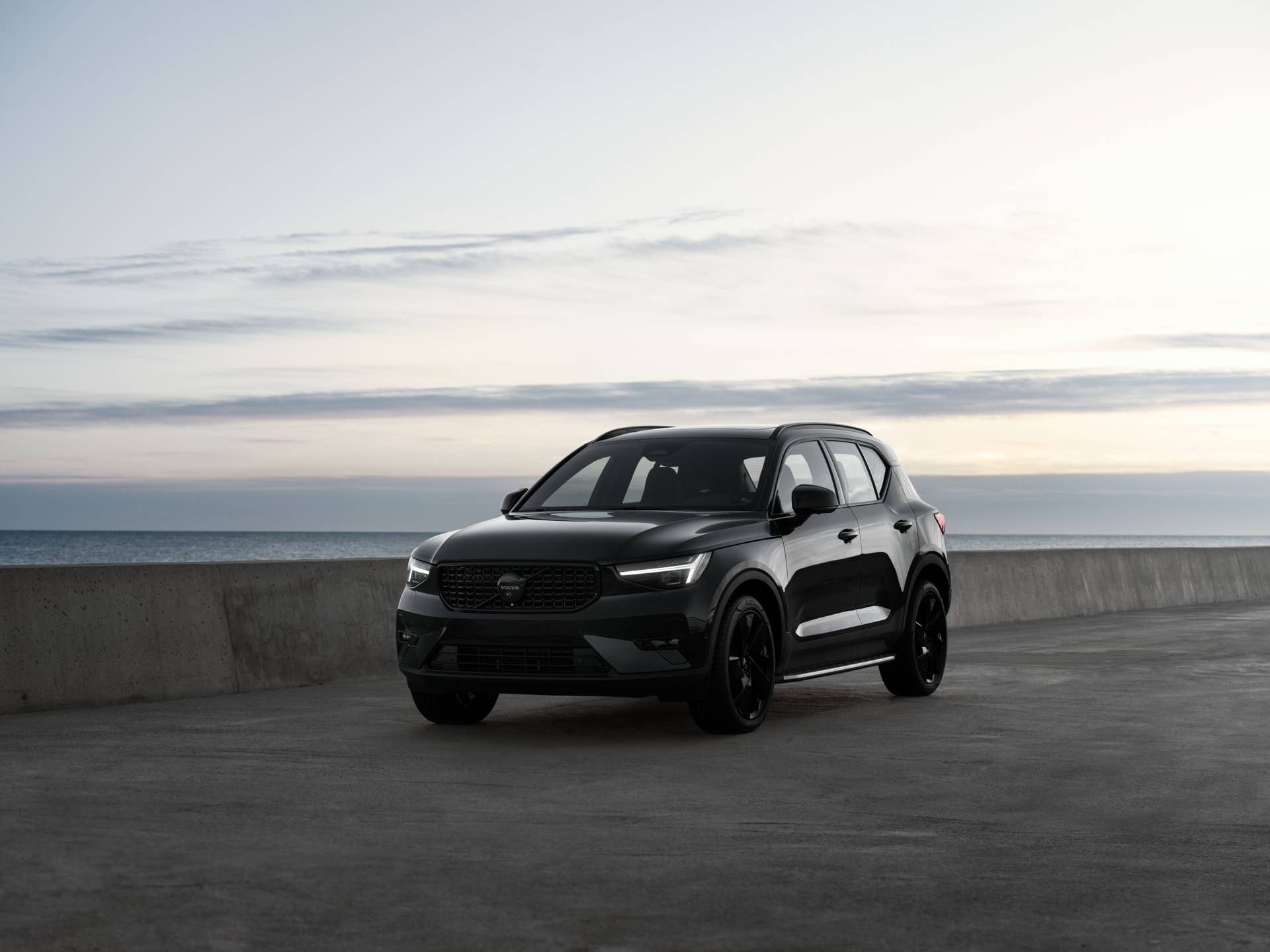
If there’s one thing American politicians have managed to agree on, it’s blocking Chinese vehicles from coming to the United States. Unfortunately for them, more than 100 companies ranging from automakers to parts suppliers with Chinese connections are already present and operating within the United States automotive industry. Among them is Zhejiang Geely Holding Group, which has major stakes in three automakers present in the United States.
Geely
Geely’s holdings and Volvo
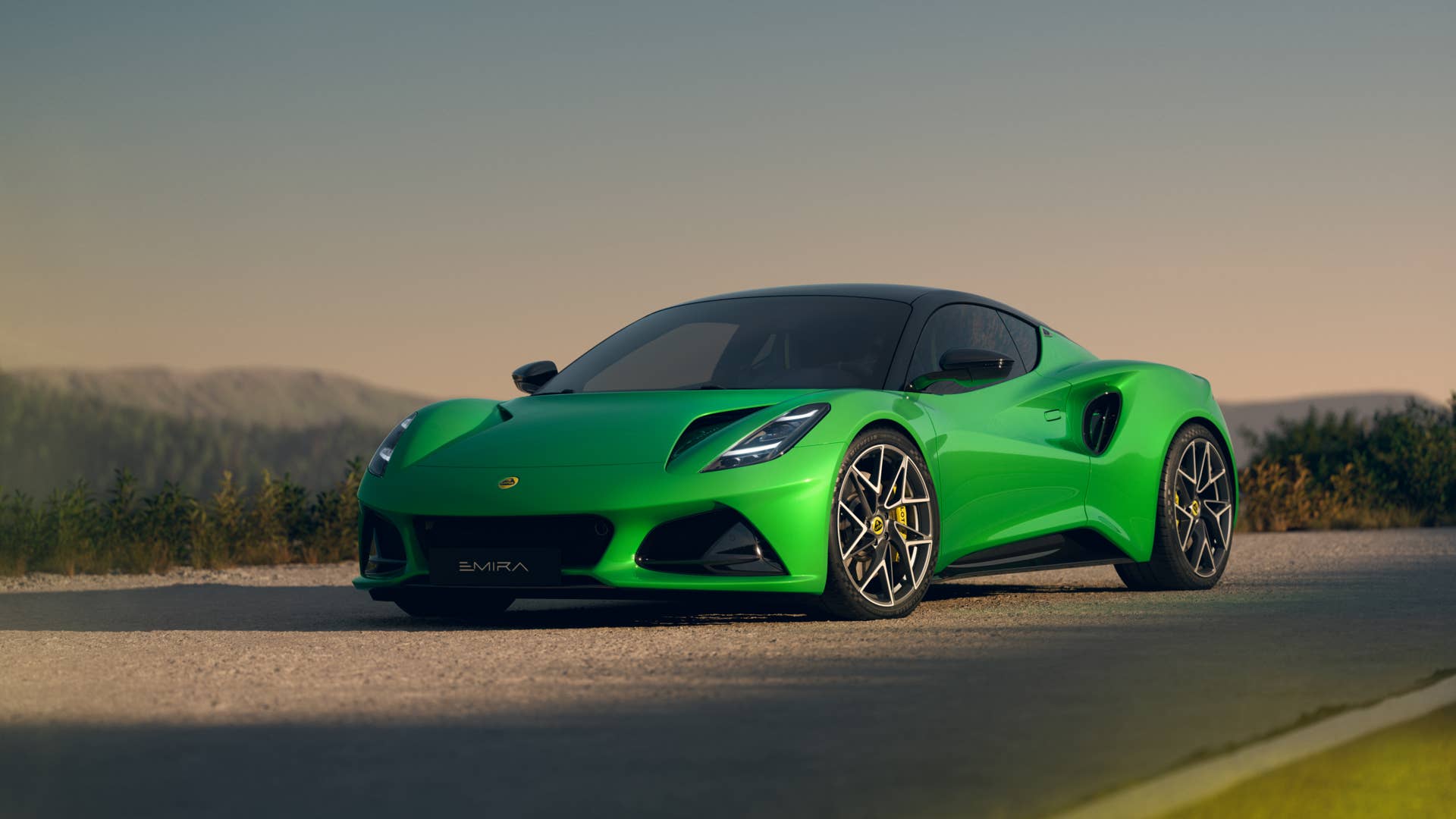
With large investments in Volvo and Lotus, Geely is arguably one of the most well-positioned Chinese companies doing business in the United States. Volvo and Geely also co-founded Polestar, repositioning the brand as a standalone all-electric automaker. To date, Geely owns Volvo outright, has a 66% stake in Polestar, and a 51% stake in Lotus. Notably, Geely holds smaller stakes in Mercedes-Benz, 9.69%, and Aston Martin, 17%. Geely and Mercedes-Benz also have a 50:50 joint venture in the all-electric Smart automotive brand.
Lotus
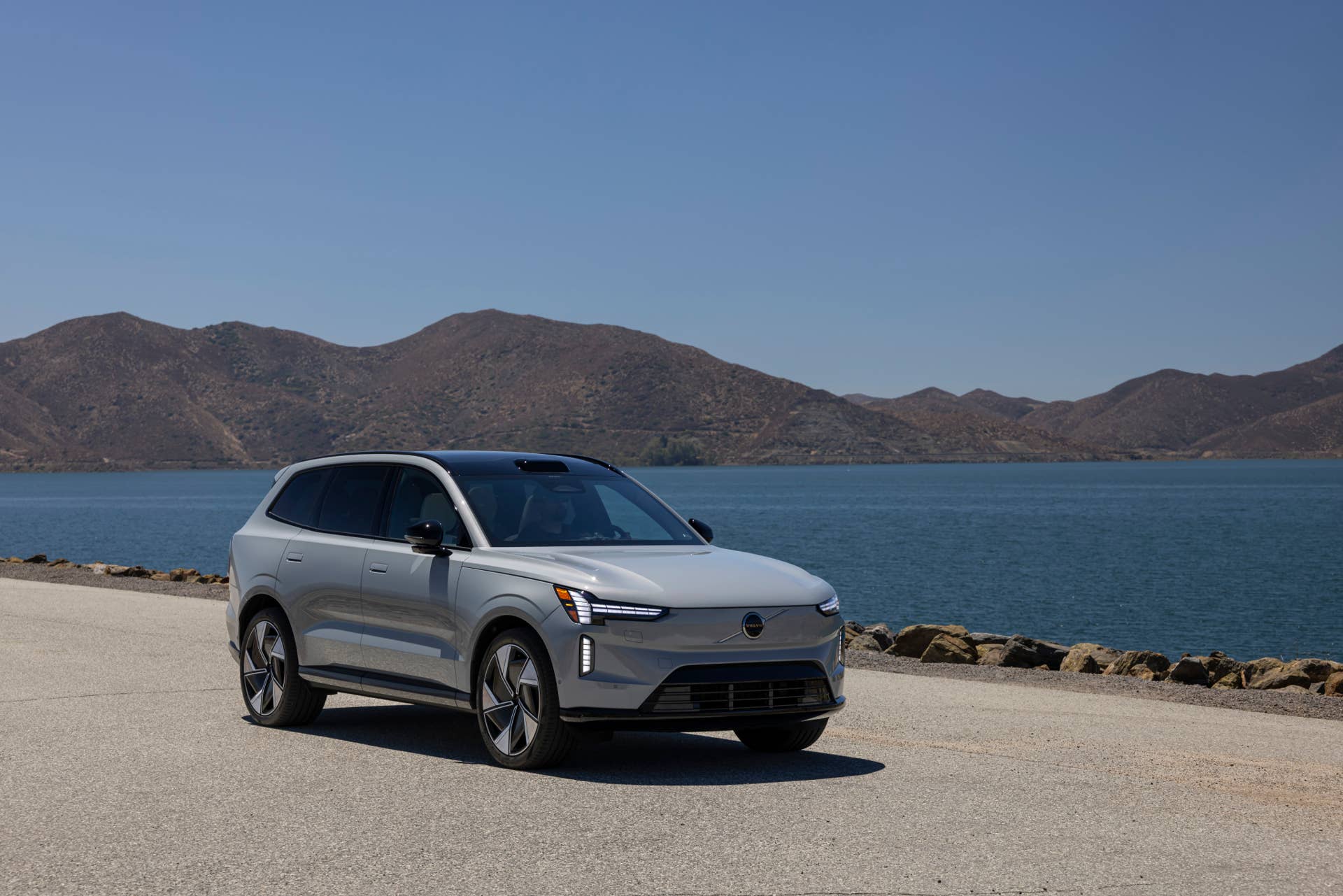
Thanks to its major stakes in its various automakers, Volvo in particular, Geely has the potential for production of Chinese-branded vehicles in the United States. Currently, Volvo’s production facility in Charleston, South Carolina, can produce up to 150,000 vehicles per year. In 2025, however, the plant saw just 18,500 units roll off the line. The Charleston facility currently builds the EX90 SUV and Polestar 3 EV.
According to Business Insider, Volvo CEO Hakan Samuelsson is open to using the facility’s open production capacity to bring Chinese cars to the United States. Earlier this year, Geely executives indicated that the Chinese company could plan to expand into the United States within the next two to three years.
Volvo
Volvo isn’t the only automaker they’re considering working with, though. Geely also has a potential partnership with Ford in the works. If the two reach an agreement, the American automaker could utilize Geely’s technology in future vehicles.
Thinking about selling your car? Get an instant cash offer online now. Click here to get started.
The Polestar Situation
Earlier this year, the Department of Commerce denied Polestar, an EV manufacturer operating alongside Volvo, the authorization to sell their new battery-electric vehicles in the United States. The reason behind the refusal lies in the company’s majority ownership by Geely Holding.
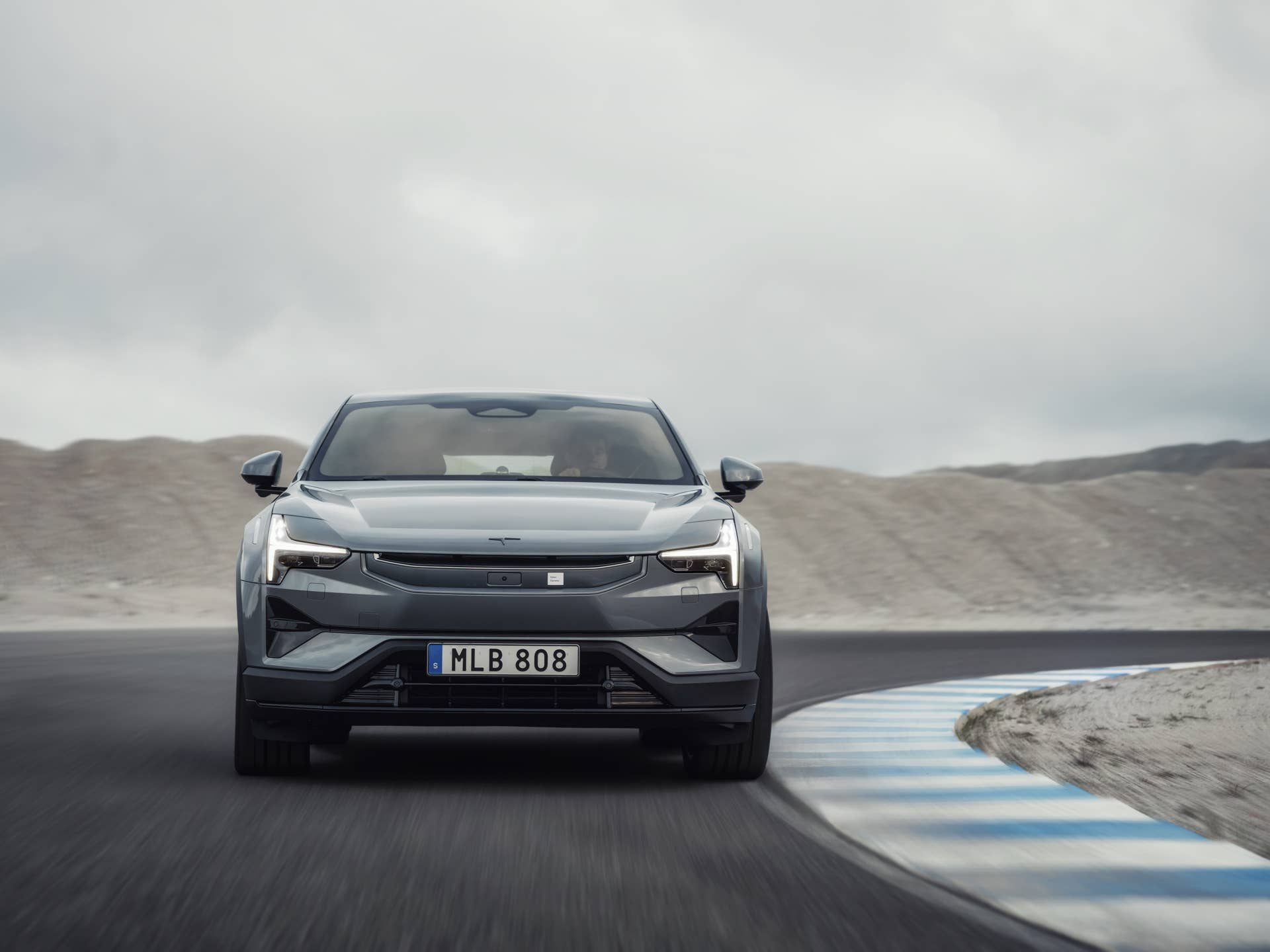
Polestar
The Department of Commerce cited the Connected Vehicles Rule, which restricts the import and sale of vehicles with connected-vehicle systems related to China. The rule, which was adopted by the Biden Administration, attempts to address national security concerns related to American drivers, their data, and China.
Notably, while Polestar can’t sell its new vehicles for the 2027 model year, the company can continue to sell their existing models. To do so, they would have to provide access to their service network. Polestar has previously indicated that connected vehicle rules wouldn’t just prohibit foreign automakers from selling their vehicles within the United States, they could also impact domestic manufacturers as well.
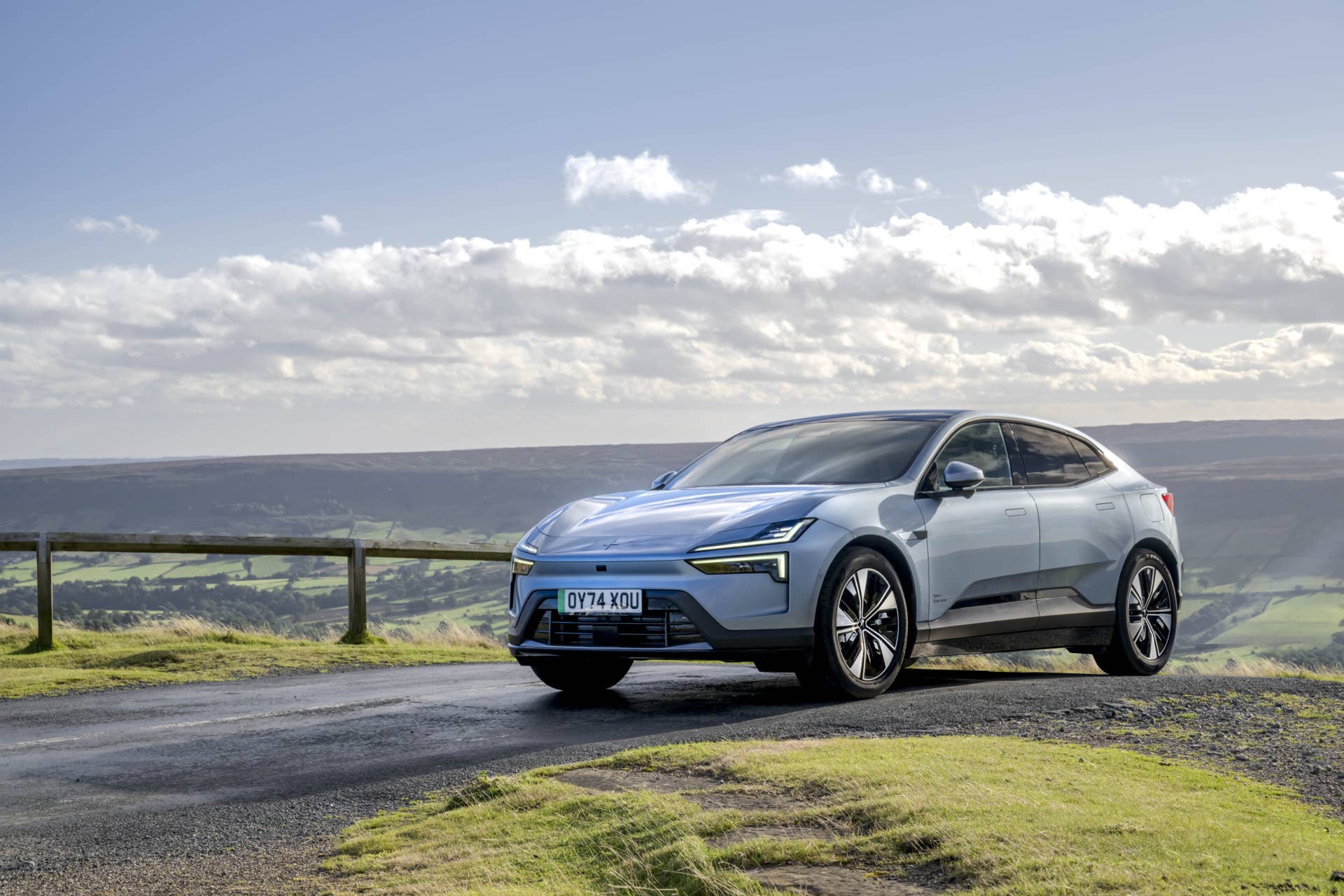
Polestar
With the Connected Vehicles Rule going into effect in 2027, domestic automakers are feeling the squeeze as well. American automakers that would be affected by the connected-vehicle systems ban are working to gain authorization from the Department of Commerce. Volvo managed to receive authorization in May, although special permission was needed due to Geely’s involvement. They also need to abide by the rule’s specifications.
Shopping for a new car? Click here to get a great deal on your next vehicle. Powered by Carvana, no haggle pricing, 100% online.
Further expansion into the United States
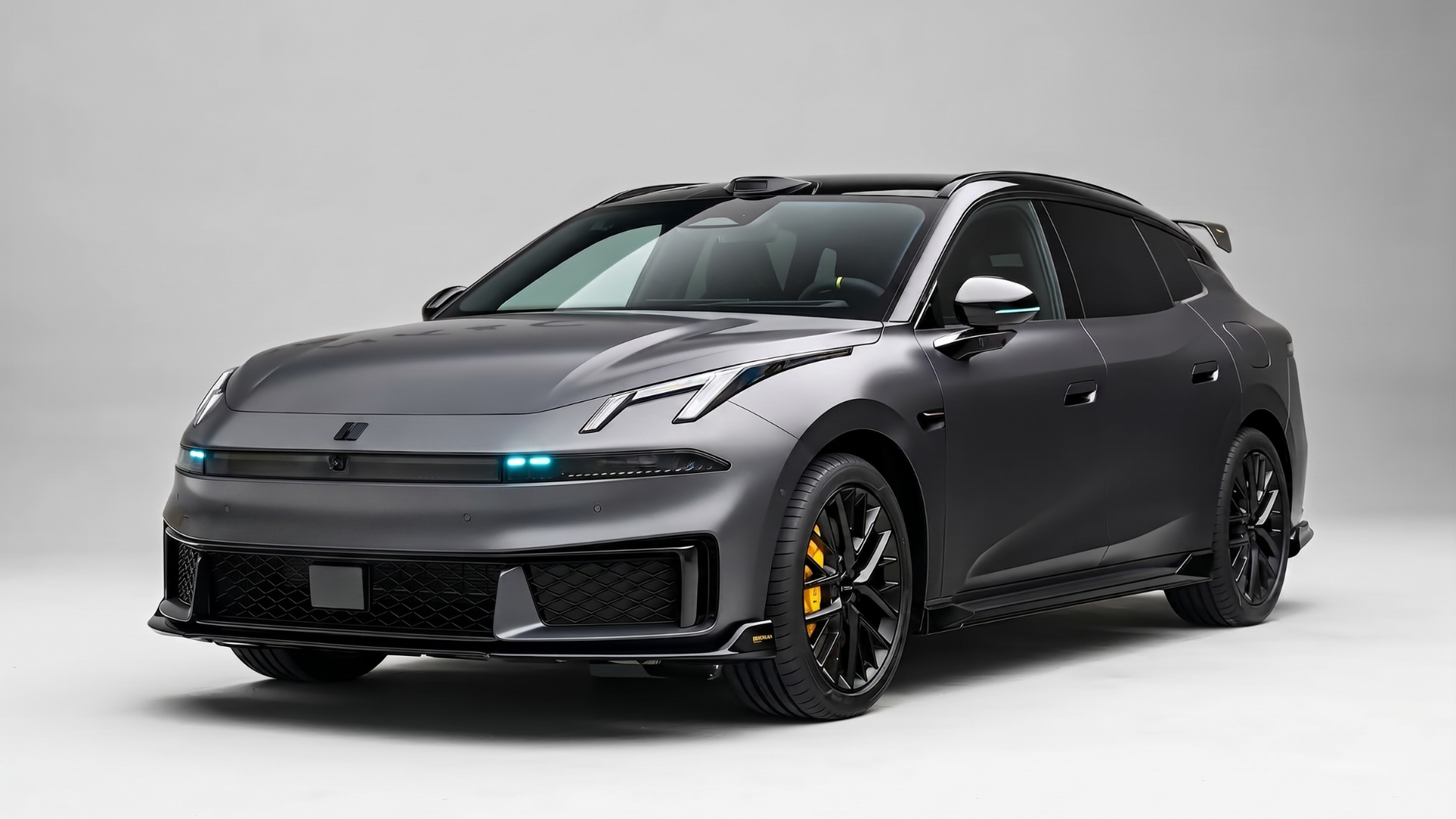
Geely can refer to both the holding company that has stakes in Volvo, Polestar, and Lotus, as well as Geely Auto, which is the subsidiary automaker. Zeekr, Lynk & Co, and the automotive brand Geely all fall under the Geely Auto umbrella. Of these, Zeekr is the marque most likely to make its way onto United States roadways.
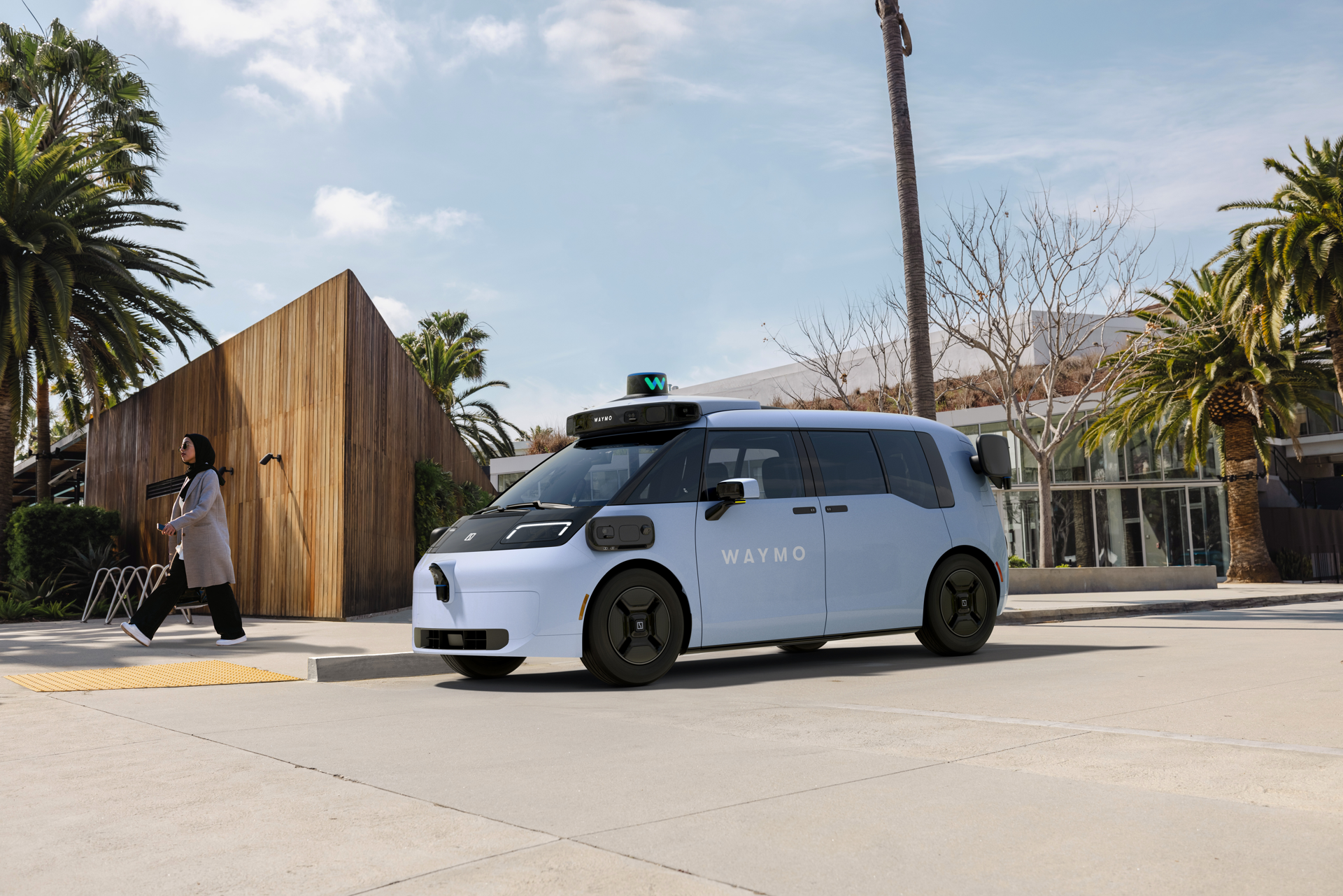
Waymo
Waymo is already using a Zeekr vehicle as the platform for its self-driving fleet in San Francisco, but they aren’t the only Chinese automotive companies operating in the United States. BYD builds buses in California, and CATL, a Chinese battery manufacturer, is supporting Ford’s battery manufacturing facility in Michigan.
While Chinese cars aren’t necessarily banned, the cost to bring them to the United States market is hefty. EVs imported from China are subject to a 100% tariff, but even that may not stop a Chinese automaker with deep pockets from entering the market. While Mexico implemented a 50% tariff on vehicles imported from China, Chinese brands accounted for 17% of new vehicle sales in the first half of 2026. According to a report obtained by Reuters, Geely has posted the strongest sales growth so far this year.
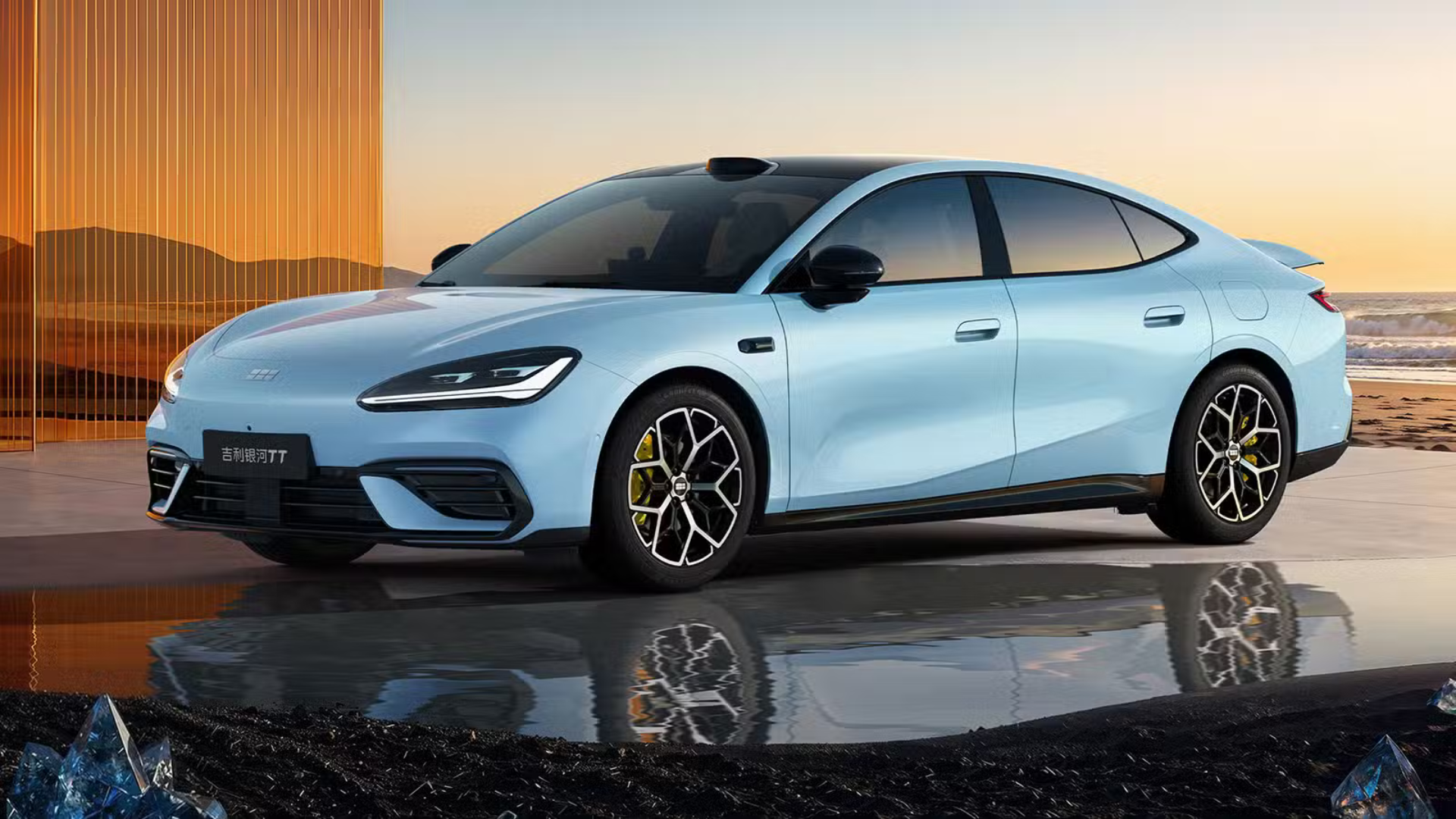
Geely
Despite the implication made by hefty tariffs, the Trump administration isn’t entirely opposed to allowing Chinese automakers entry into the United States market. To do so, however, Chinese brands will have to invest in manufacturing in the United States.
“Now, if they want to come in and build a plant and hire you and hire your friends and your neighbors, that’s great. I love that. Let China come in. Let Japan come in. They are, and they’ll be building plants, but they’re using our labor,” President Trump said in a January speech.
Final thoughts
While there are plenty of Chinese automakers that want to enter the United States, Geely Holding seems the most likely to do so. Not only does the company already own Volvo and have a majority stake in Polestar and Lotus, but they have stakes in Mercedes-Benz and Aston Martin as well. With Zeekr already underpinning Waymo’s self-driving fleet, it seems like it’s only a matter of time before a brand under the Geely Auto umbrella makes its way to American roadways.
Disclaimer: Autoblog aims to feature only the best products and services. If you buy something via one of our links, we may earn a commission.
About the author

Joseph Pudlewski
Contributing Writer, Autoblog