
Key Points
- The 2026 Ford Bronco Outer Banks balances capable off-road performance with refined styling and power.
- Everyday drawbacks include an inconvenient split tailgate, uncomfortable rear seats, and excessive highway noise.
- Its compromises suit trail-focused owners but may deter commuters and frequent long-distance travelers.
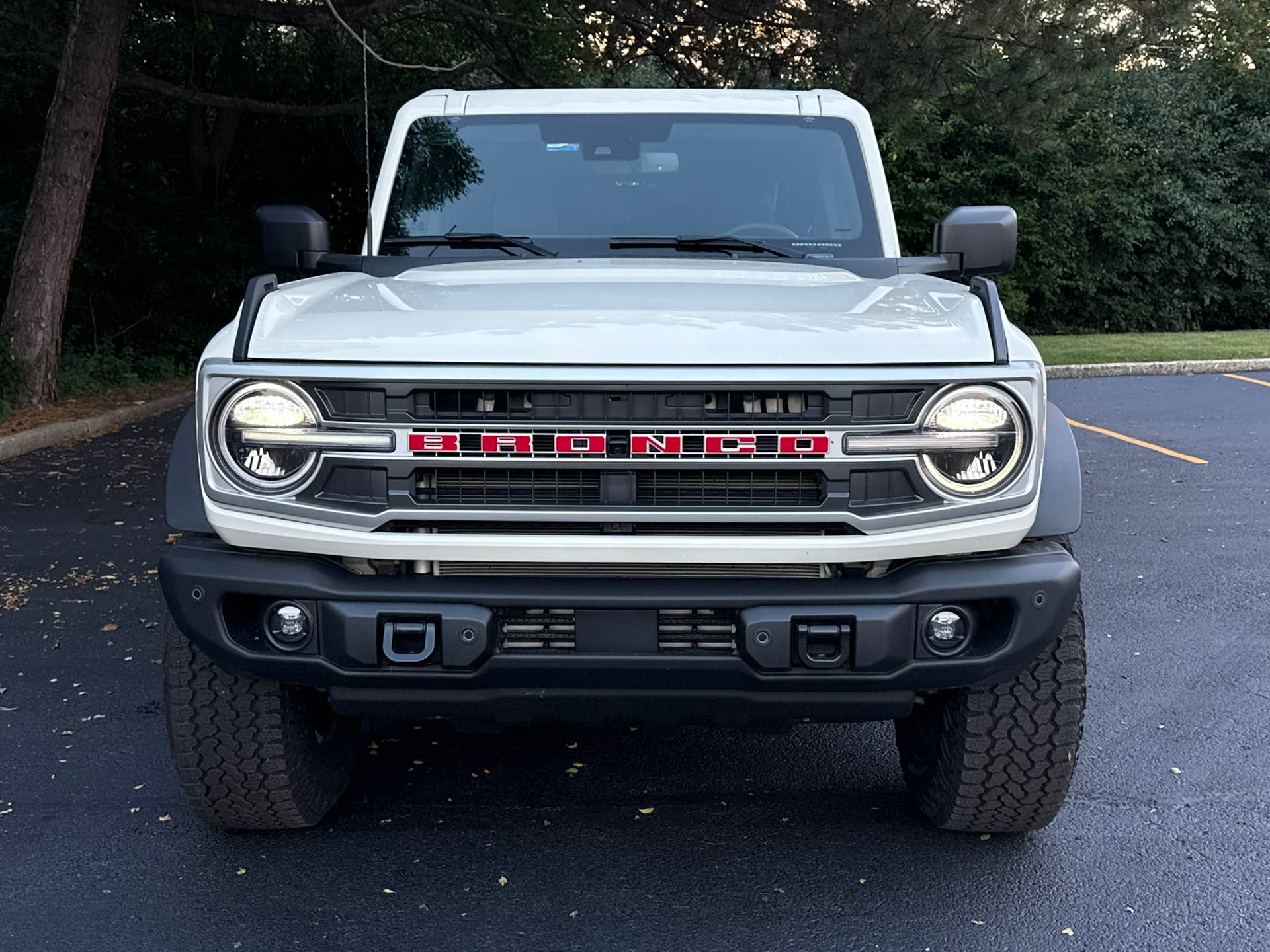
In my recent review of the 2026 Ford Bronco Outer Banks, I admitted that it feels like the best balance between street and trail that the model has to offer. It’s quieter thanks to improved sound deadening, it’s interior is more spacious and more polished than its Jeep Wrangler arch enemy, it has boss power from the EcoBoost V6 engine, and it has the kind of vintage looks that turns heads.
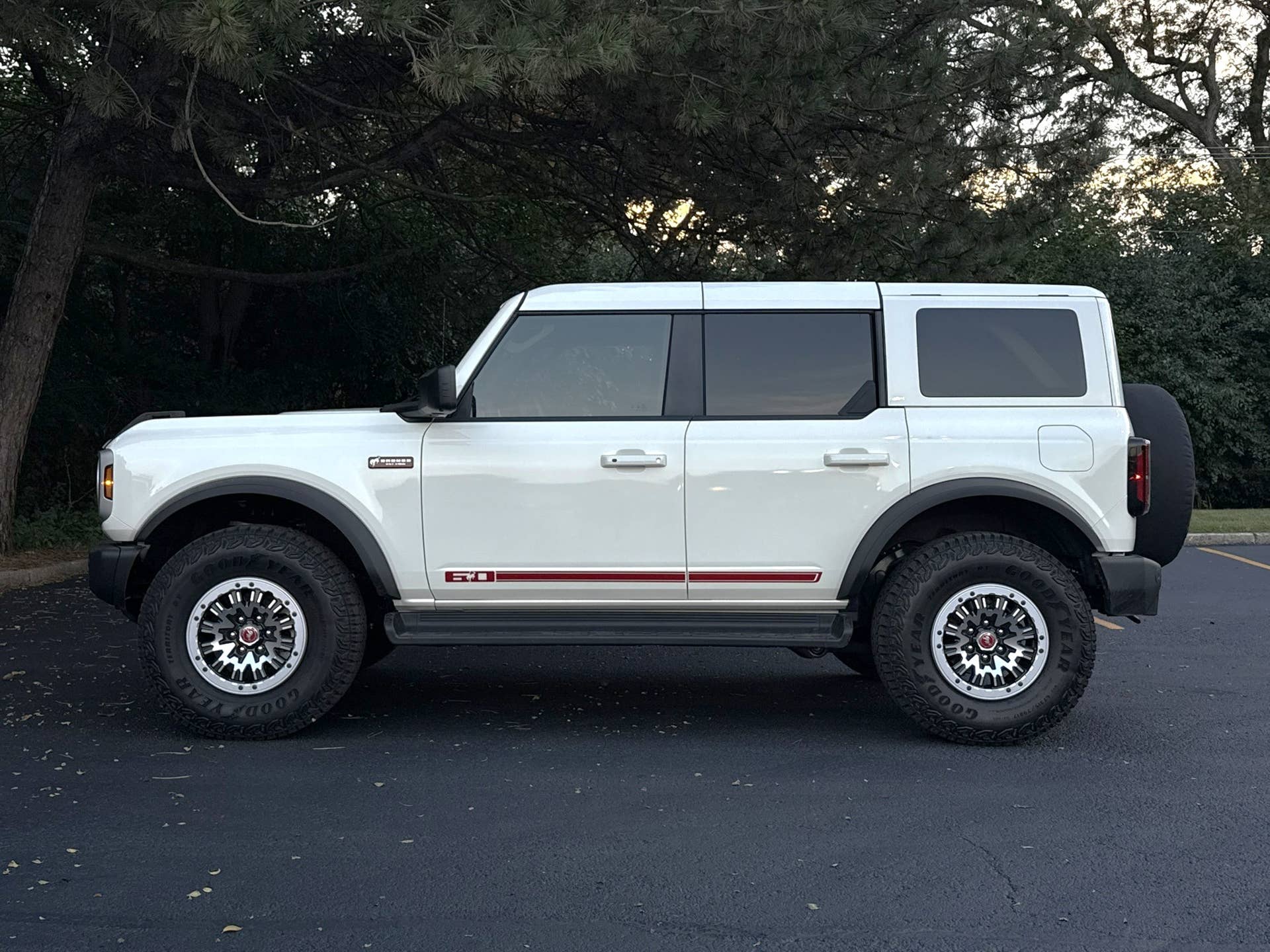
All of the wonderful things the Bronco has to offer, however, are offset by some real annoyances in everyday driving. After seven days and numerous hours of seat time, I discovered that the Bronco Outer Banks can get on your nerves. While these issues not present problems for every owner, they prove that using it as a daily commuter isn’t all it’s cracked up to be.
The Split Rear Tailgate Is Annoying
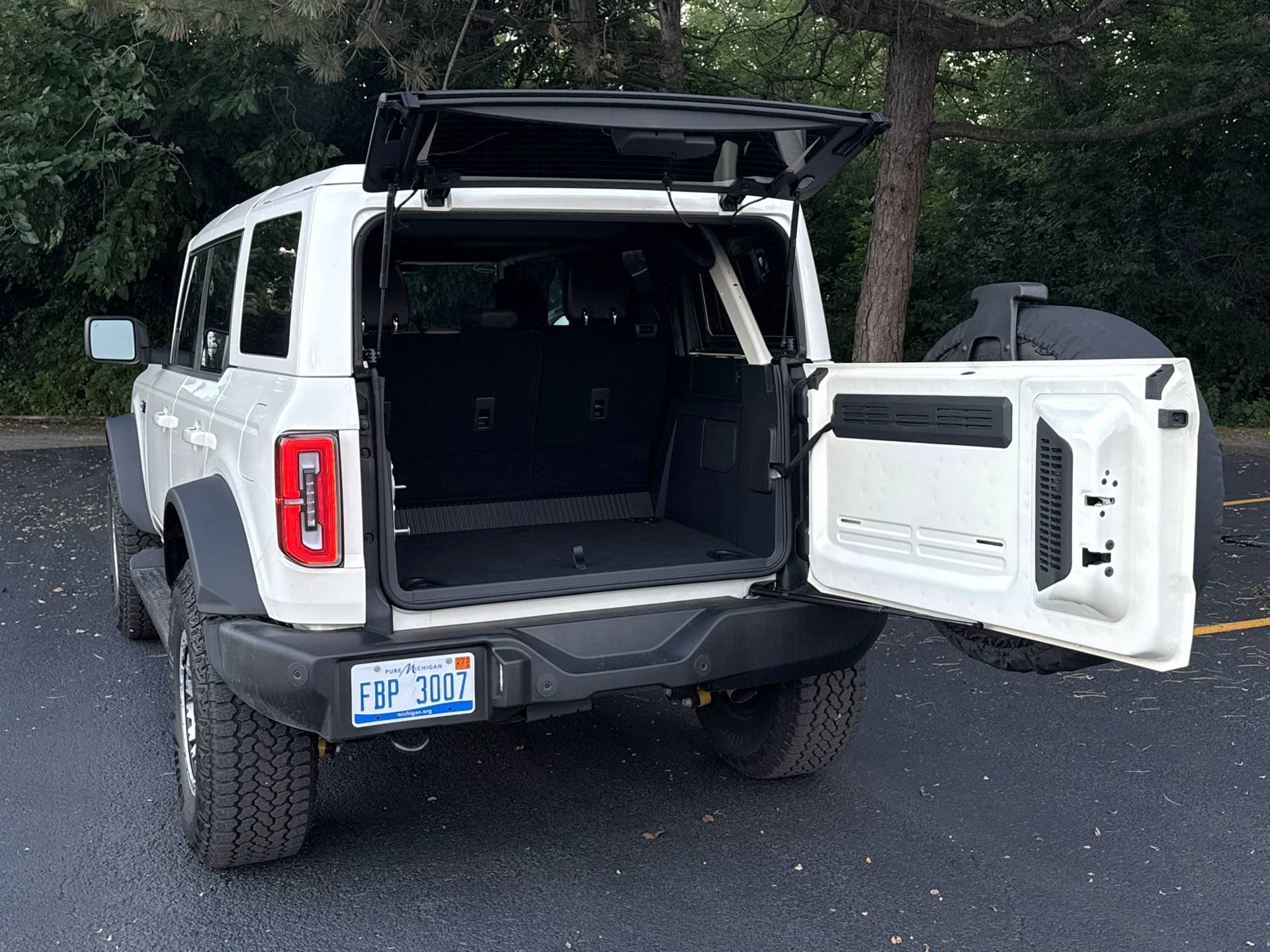
Ford’s side-hinged rear swing gate looks great, and it’s the right choice for a vehicle that wants to project old-school off-road credibility. The swing gate is used to mount heavier objects like spare tires, gas cans, etc. A conventional liftgate isn’t the right choice for the Bronco. would look out of place on the Bronco, particularly next to its Jeep Wrangler rival. But daily usability reveals the weakness of the design when it comes to non-off-road purposes.
The Bronco’s rear door swings outward rather than lifting overhead, which means it needs a surprising amount of clearance behind the vehicle. Park close to a garage wall, another car, a curbside obstacle, or even a shopping-cart corral, and accessing the cargo area becomes difficult. You cannot simply pop the hatch, reach in, and grab a bag. You need room to swing the entire door open. The mounted spare tire (with hard cover) adds weight and thickness, so the tailgate can be challenging to open and close, and it needs more room.
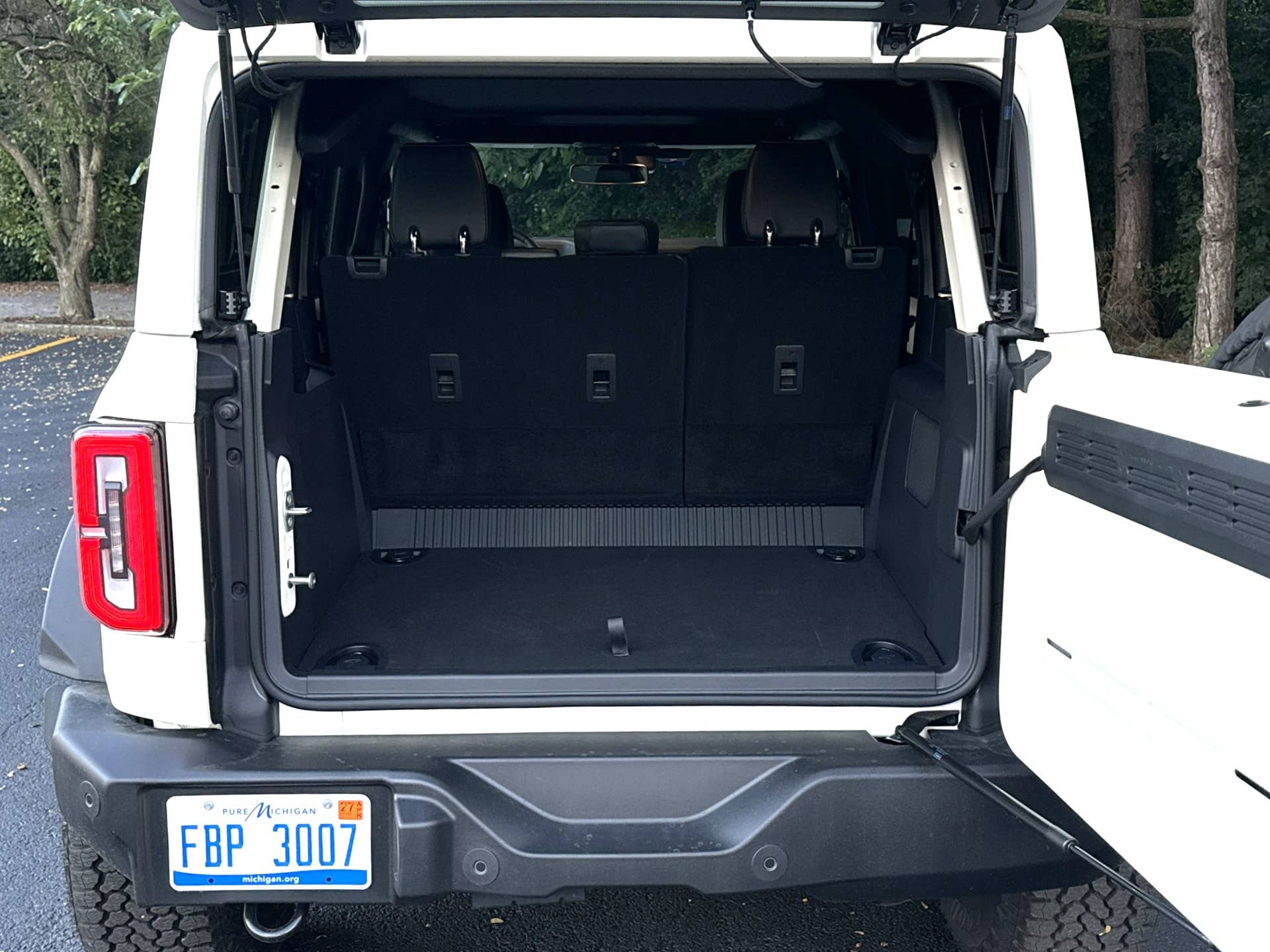
The real annoyance here is the rear glass portion, which opens separately, but you can’t open it without opening the tailgate. The Bronco should allow you to pop it open the glass section and drop a bag in without opening the swinging tailgate first. It’s decidedly inconvenient and eliminates the convenience a separate glass opening should create. Ford should’ve designed it like the Lexus GX 550’s split tailgate, where you can push a button on the frame and open the glass separately.
Thinking about selling your car? Get an instant cash offer online now. Click here to get started.
The Rear Seat Cushion Slopes the Wrong Way
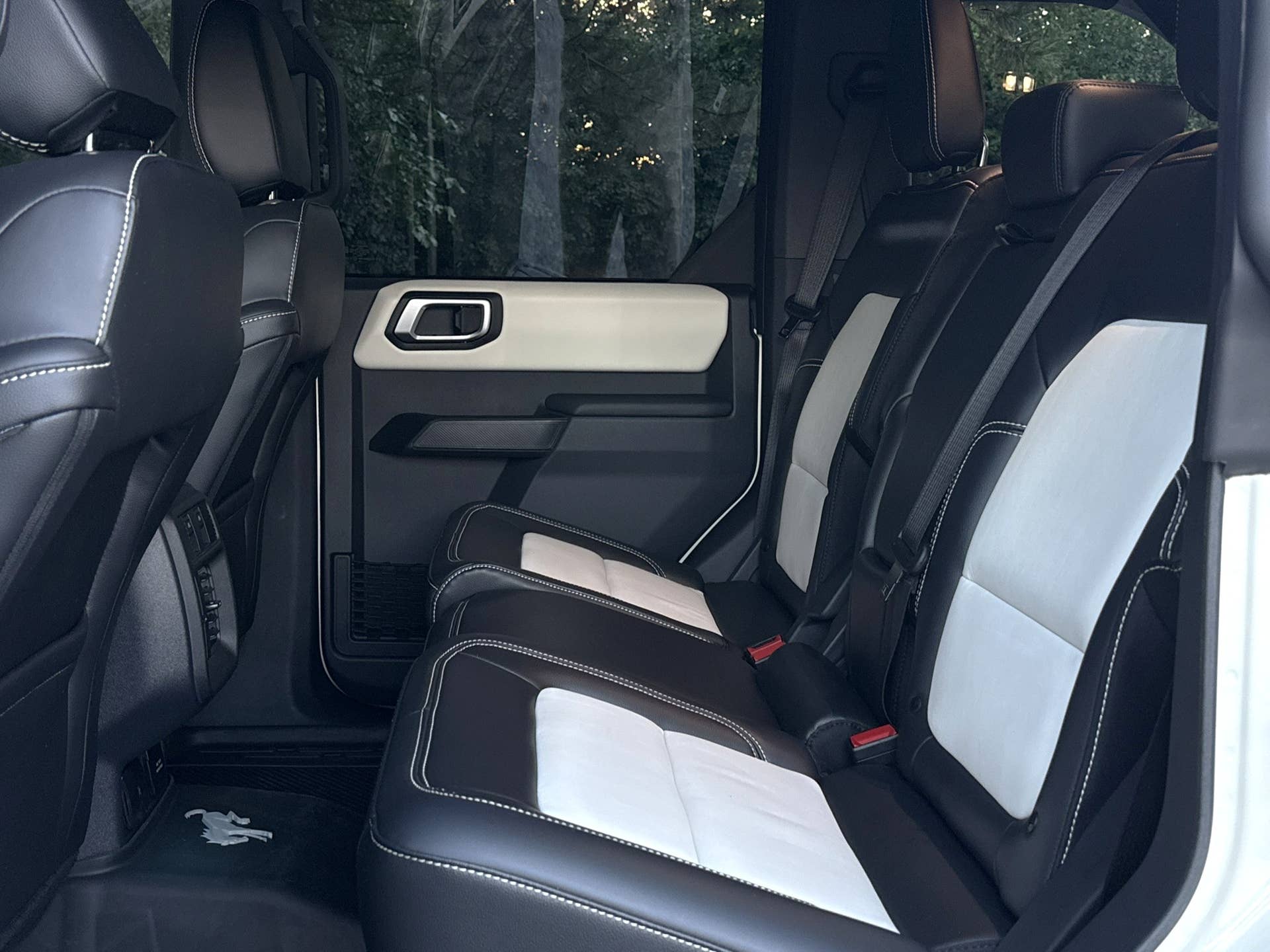
The Bronco has more room and practicality than the Jeep Wrangler, but the back seat isn’t great. The biggest problem is the cushion angle. Rather than providing a naturally supportive seating position, the rear cushion has a noticeable rearward slope that can leave occupants feeling as though they are sitting on the seat instead of settled into it.
The body position is more knees-up and less relaxed than it should be in a modern SUV, especially for taller passengers. On shorter drives, it’s just strange. On a longer highway trip, it’s downright uncomfortable and you feel yourself sliding toward the back. It also impinges on the cargo space when you fold the seats down because the angled cushions prevent them from folding completely flat.
The Highway Noise Levels Are Exhausting
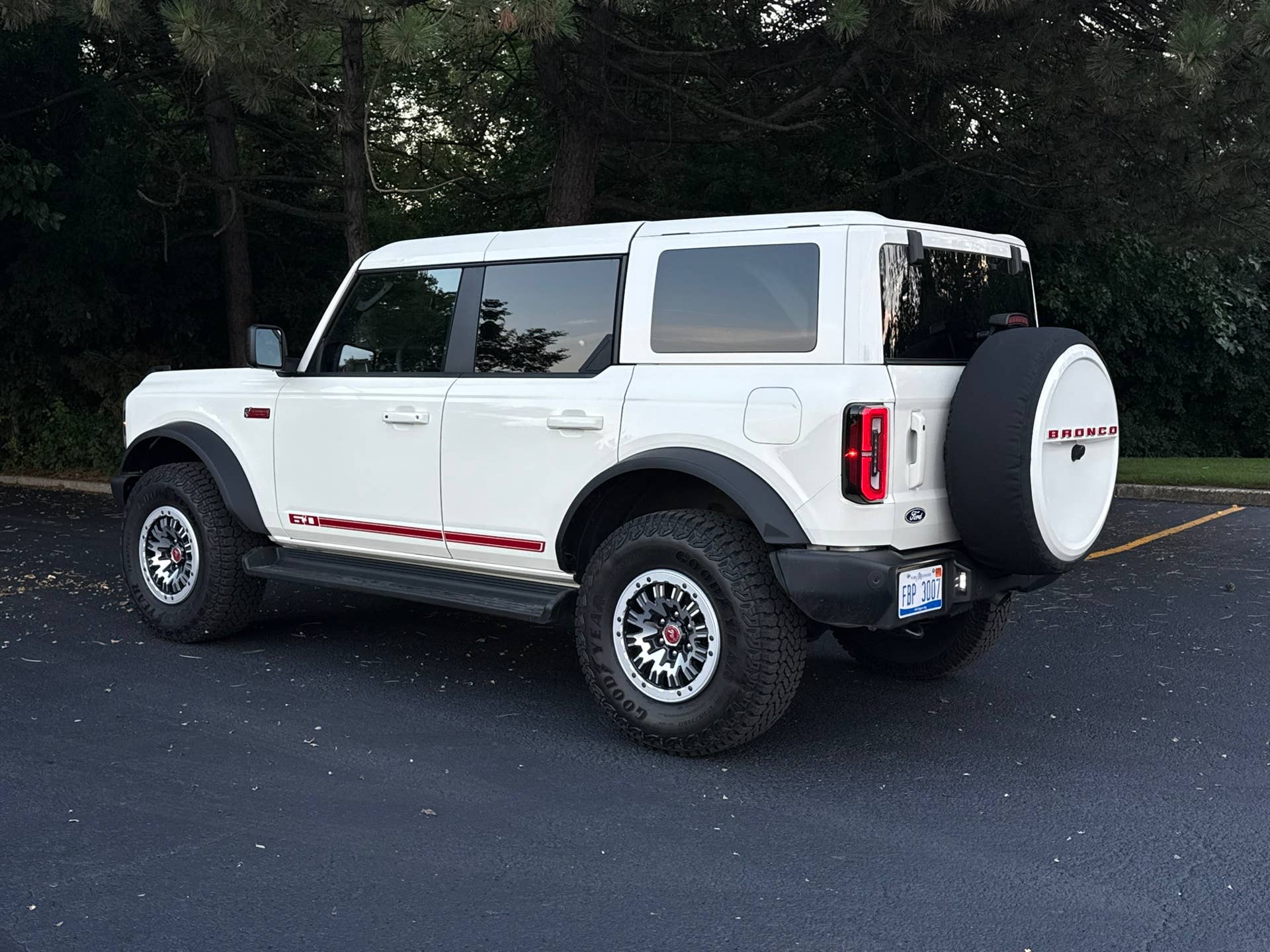
The Bronco’s highway noise is its most obvious daily-driving annoyance. Was I surprised? Not really. I’ve driven the Bronco Badlands with the soft top, and it’s excruciating. At least the Outer Banks has the hard top with extra sound insulation, so it’s quieter. But the boxy design, big mirrors, and rugged tires still make it tiresome for longer drives due to wind and road noise. This is the aspect that most directly limits its appeal in everyday usage.
At city speeds, the noise level is typically from the tires and the firm suspension. If you mostly drive in the city or ‘burbs, it’s fine. Highways are far worse. Wind noise is a major contributor. The Bronco’s removable roof panels, upright windshield, exposed hinges, squared-off mirrors, broad fenders, and boxy shape create the aerodynamic profile of a Fridigaire. There is only so much engineers can do to eliminate wind rush around a vehicle designed to be taken apart and reconfigured. The result is a steady accumulation of noise around the windshield, roofline, doors, and mirrors.
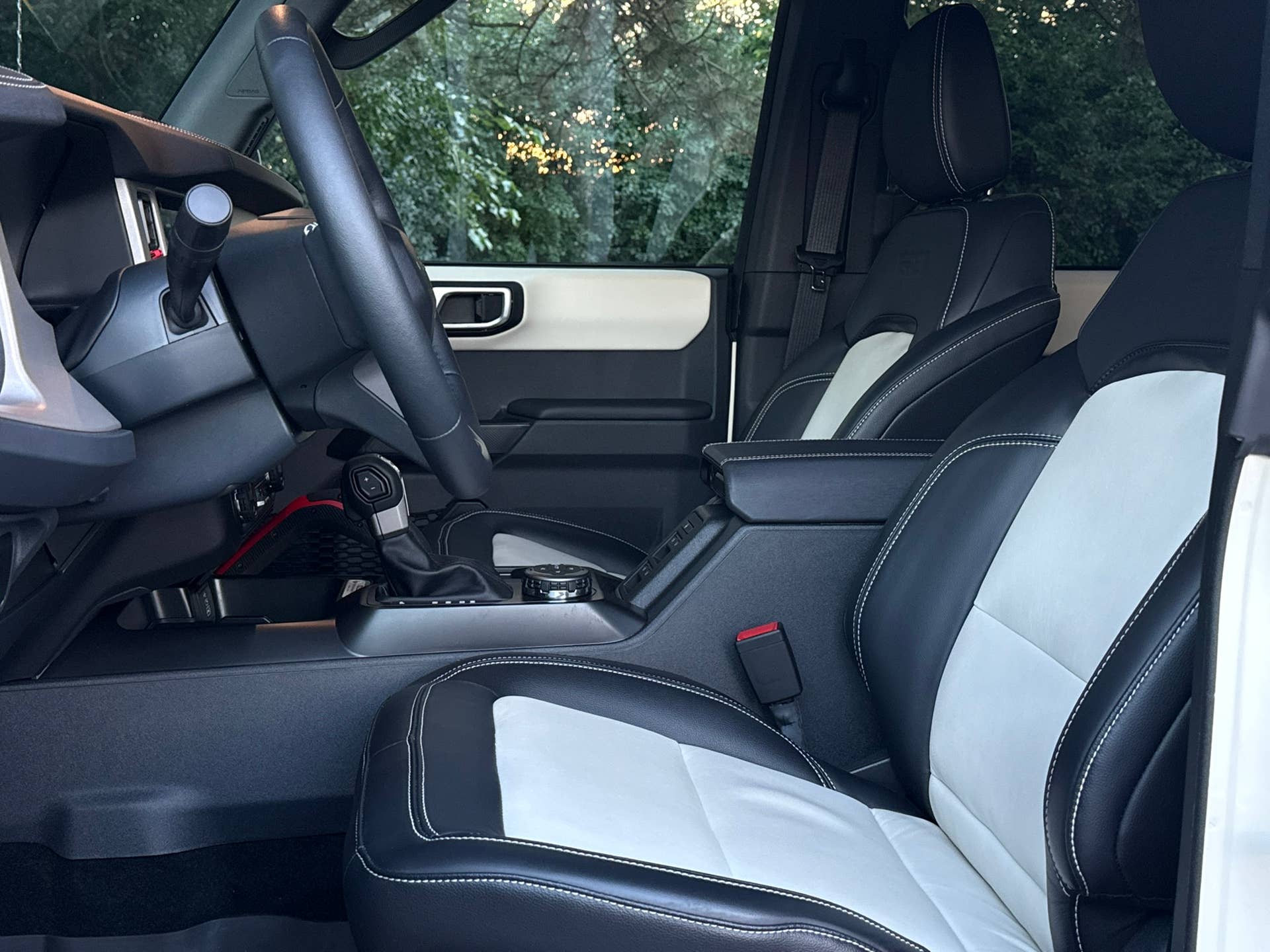
The cabin quality is good, so at least there are no rattles or creaks. It’s a proper off-roader, so there isn’t an expectation for the cabin to be hushed. The problem is if you travel at 60 mph or more on a regular basis. The noise is always present, and it can be draining if you drive for longer periods. I can’t imagine taking the family on a vacation road trip in the Bronco.
Final Thoughts
These annoyances don’t render the Bronco unusable. If your lifestyle involves regular trail use, beach driving, remote campsites, snowy roads, or just wanting to look truly rugged and capable, the compromises might just be worth it. The Bronco is a beast, and it’s more accommodating than the Wrangler. But if your Bronco’s biggest hurdles are the morning commute, the shopping mall parking lot, and 30 minutes of interstate driving, its weaknesses could be dealbreakers. The Ford Bronco is a terrific off-roader, but it’s also a daily driver that regularly makes you pay for that capability.
About the author
Amos Kwon
Contributing Writer, Autoblog