
Not the easiest question to answer
I get asked all the time, “Which Subaru Wilderness model is the best one?” The question feels like a trap—especially after having driven all three. People expect a one‑word answer, but the truth is that all three Wilderness models—the Crosstrek, Forester, and Outback—are already incredibly capable before Subaru even bolts on the lift, all‑terrain tires, and underbody armor. Once you add the StarTex upholstery, the dual‑function X‑MODE, and the reinforced roof rails, they’re all ready for soft‑roading straight off the lot. All three present buyers with a great value, making the argument of which is best one of the hardest to conclude.
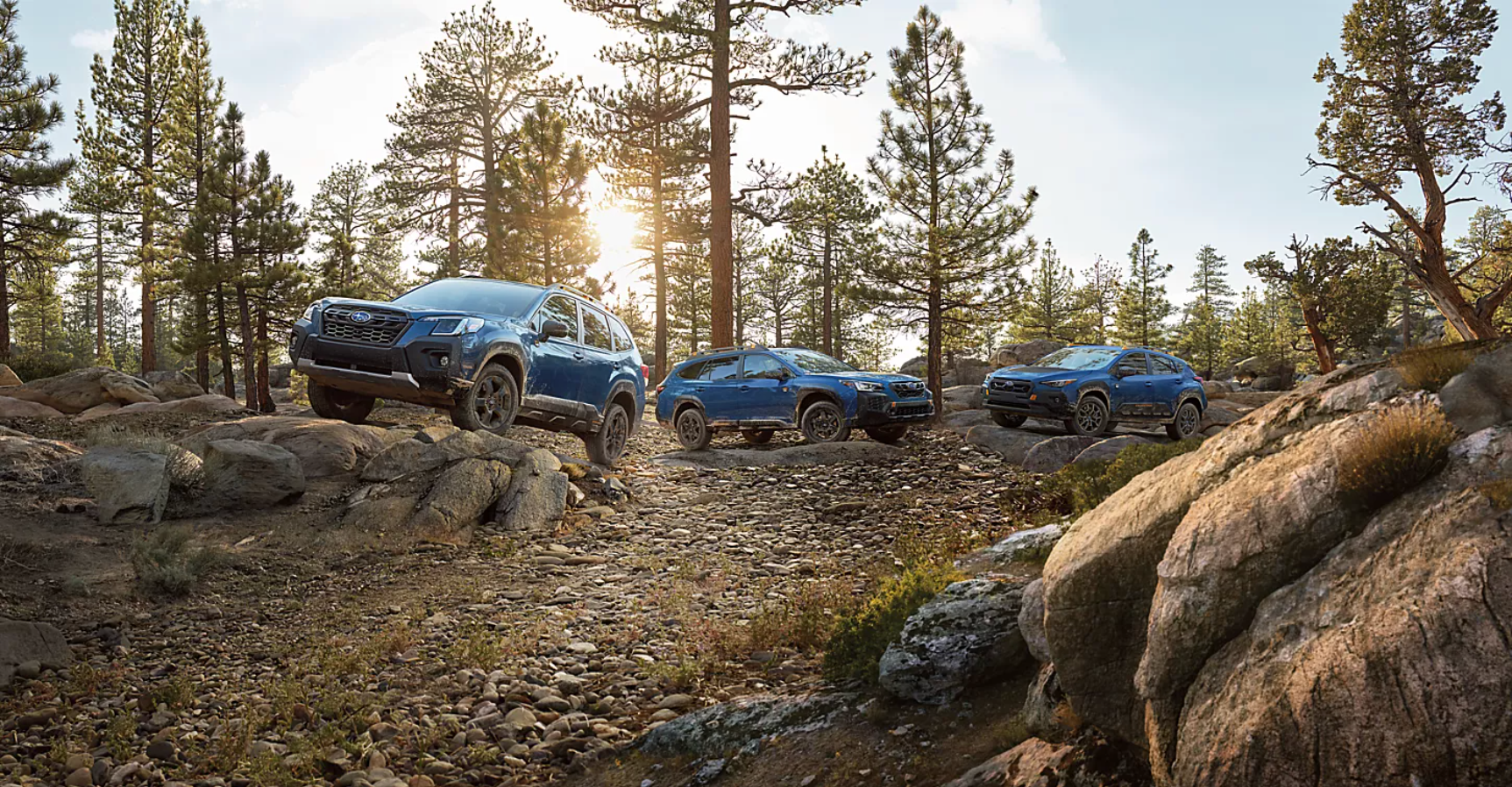
But if you’re trying to choose the best Wilderness model for real‑world use—especially if you’re hauling kids, dogs, camping gear, or all of the above—the 2026 Subaru Forester Wilderness quietly emerges as the smartest buy of the bunch. At least in my opinion. Before I get attacked in the comments, let me explain myself.
The Outback Wilderness is great, but here’s why it’s not an automatic winner
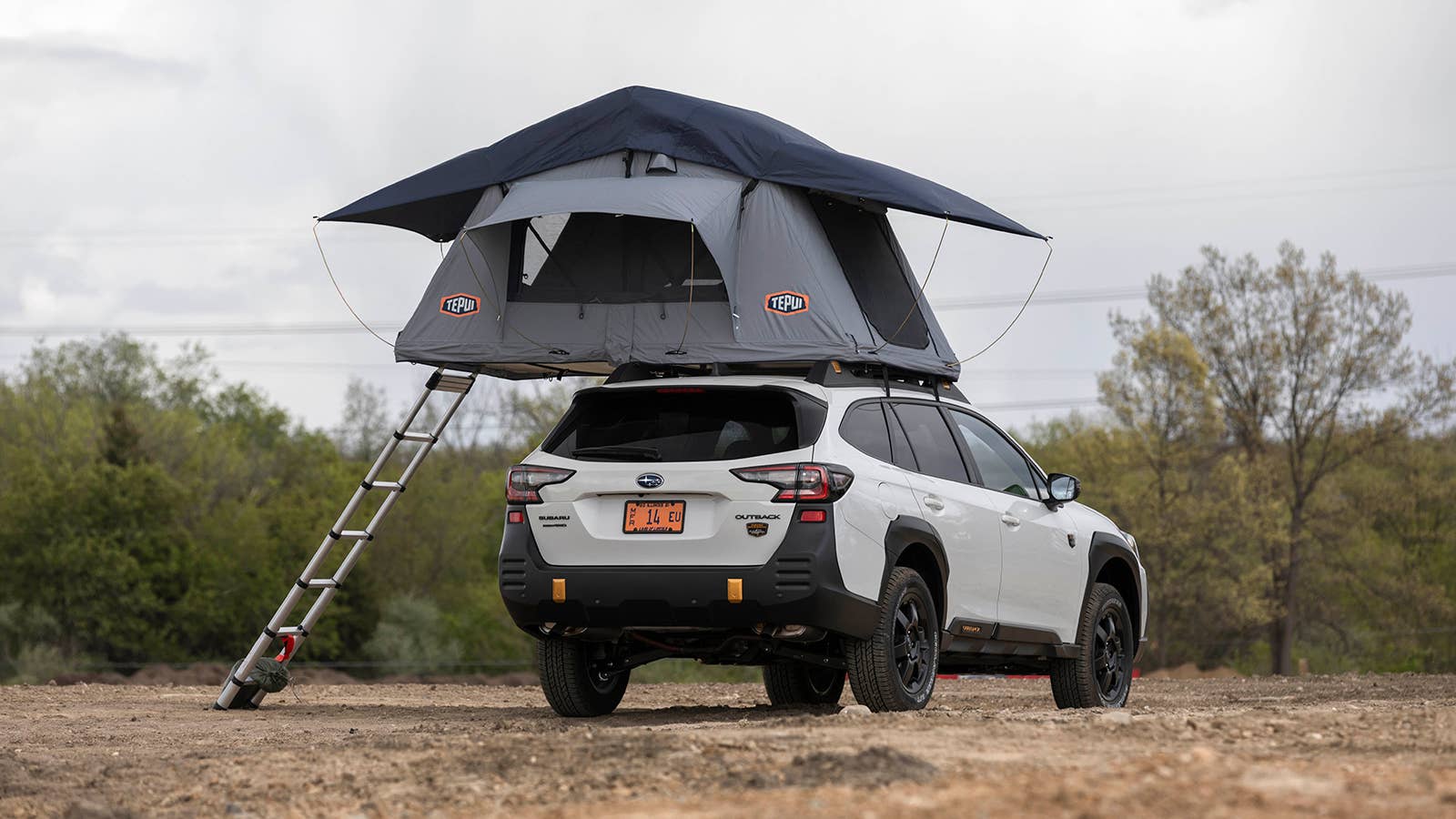
Let’s get this out of the way: the Outback Wilderness is the only one with a turbocharger, so it produces 260 horsepower instead of 180. That 2.4‑liter turbo Boxer is a gem (it’s the same motor as the one that’s in the WRX and the Ascent). It makes merging effortless, passing safe (and more fun), and towing a lot less stressful. It’s also the roomiest Wilderness model, with the longest wheelbase and the most cargo space at 32.6 cubic feet. If you’re a family that camps every other weekend or you’re hauling a rooftop tent, kayaks, and a Costco run all at once, the Outback Wilderness makes a lot of sense.
Subaru
But here’s the catch: size and power come with a price. Literally. The Outback Wilderness is the most expensive of the trio, with prices ranging from $42,150 to over $45,000, depending on the region, add-ons, and packages. The upcoming 2026 model is even more, costing around $49,000 for a fully-loaded model. There’s enough cargo space to fit the family comfortably; you just have to be willing to spend a fairly pretty penny for that extra horsepower and marginally more ground clearance. Otherwise, I have no qualms with it. You get what you pay for; you just pay more.
The Crosstrek Wilderness is awesome too, but it’s not quite enough for families
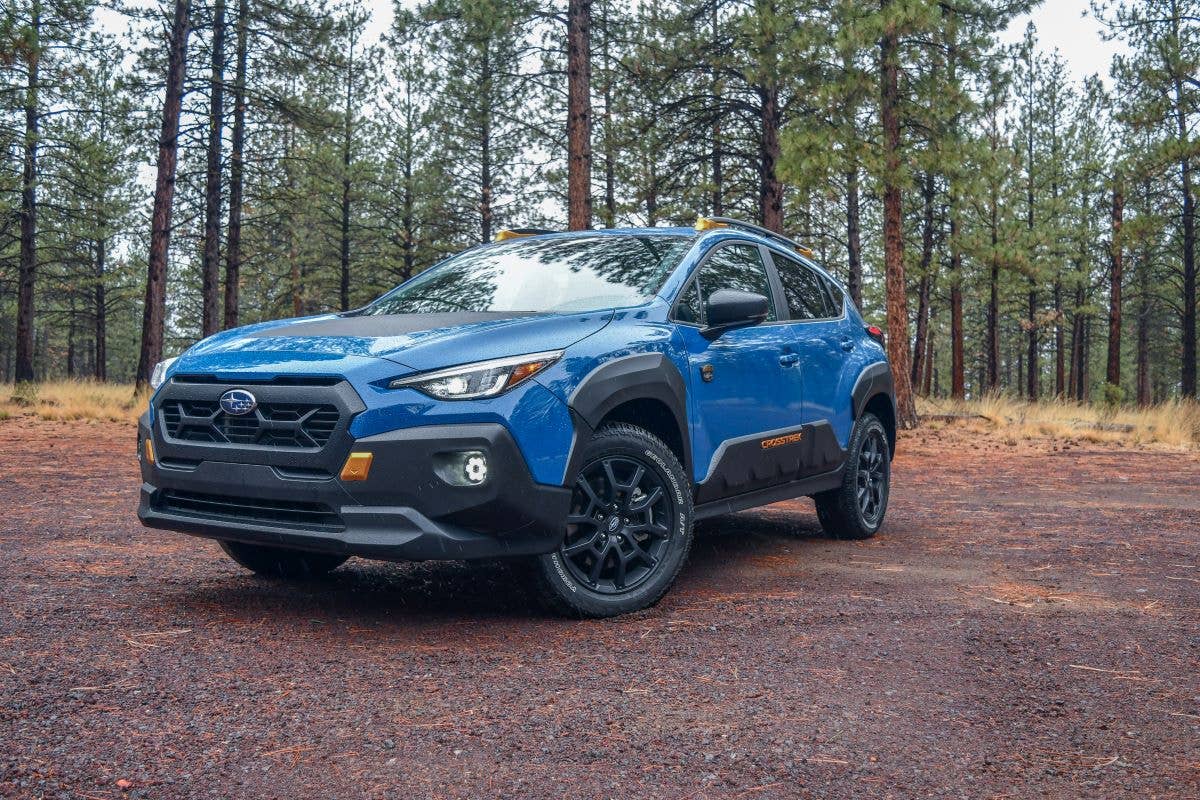
On the opposite end sits the Crosstrek Wilderness, the scrappy little mountain goat of the lineup. It’s shockingly capable off‑road, thanks to its short wheelbase and excellent approach and departure angles paired with the higher ground clearance and all-terrain tires. It’s also the most affordable Wilderness model by a wide margin, starting at $33,795, and its mileage numbers are impressive for something wearing knobby tires. I averaged about 28 mpg combined, making it almost as efficient as the Crosstrek Hybrid.
But once you put two kids in car seats, a stroller, and the random assortment of “treasures” children insist on bringing everywhere, the Crosstrek starts to feel like a backpack pretending to be a suitcase. The trunk opening is narrow, the rear seats are decent for adults and teens, but with car seats, they’re tight—and the lack of a sunroof makes the cabin feel more closed‑in (the other two models have one).
Kristen Brown
It’s perfect for singles, couples without children, or dog owners because of the StarTex material—but families will outgrow it fast. Therefore, it’s the best Wilderness for those looking to ball on a budget, but it’s not my first choice for families. Especially since the trunk is only 18.6 cubic feet. That’s barely enough for luggage and groceries.
The Forester Wilderness meets everyone in the middle
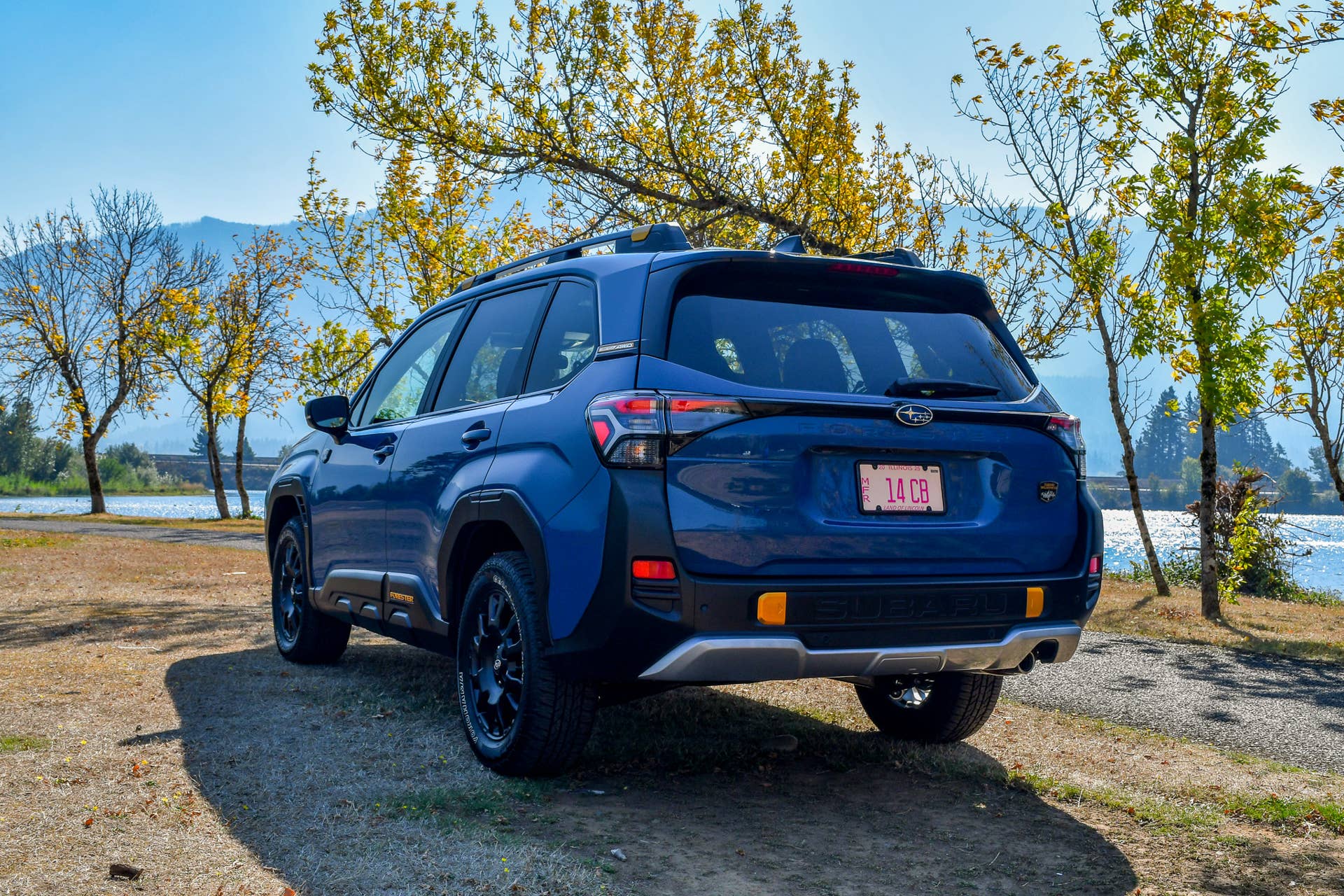
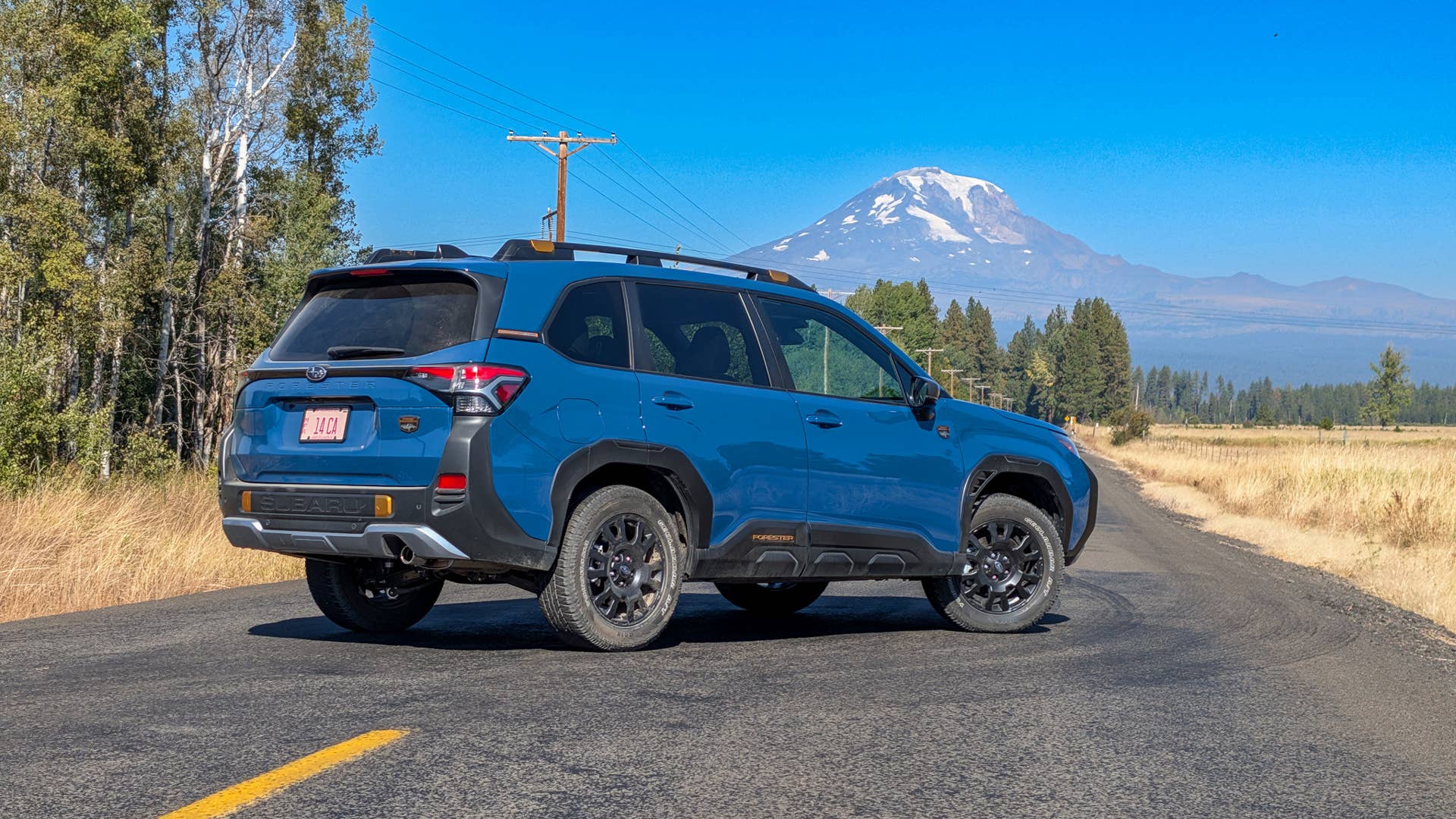
This is where the 2026 Forester Wilderness steps in and quietly says, “I’ve got you.” It has all the Wilderness essentials—the lift, the Yokohama Geolandars, the skid plates, the bronze accents, the reinforced roof, the upgraded CVT—but it packages them in a body that’s easier to live with every single day. The Forester’s taller roofline is its secret weapon. It makes the cabin feel airy and open, gives kids a better view out the windows, and makes loading car seats significantly less back‑breaking. The panoramic sunroof is standard, which is a huge perk for families dealing with car‑sick toddlers or kids who just want to stare at clouds instead of screens.
Cargo space is nearly on par with the Outback at 27.5 cubic feet, but the Forester’s boxier shape makes it easier to stack gear vertically. While it doesn’t get the turbo (yes, we’re all still mourning the Forester XT), the naturally aspirated 2.5‑liter is efficient, predictable, and well‑matched to the Wilderness tuning. The mileage advantage over the Outback is real, especially if you’re doing a lot of city driving. Off‑road, the Forester Wilderness feels nimble thanks to its shorter wheelbase and excellent visibility. It’s the easiest Wilderness model to place on a trail, and the one that feels the most confidence‑inspiring for drivers who aren’t trying to cosplay as rally champions.
Kristen Brown
And then there’s the price. Subaru kept the Forester Wilderness firmly in the “attainable” zone, starting at $38,385, though it can get closer to Outback money with optional colors and add-ons (my tester was $42,450, for example). You get nearly all the practicality of the Outback, more space and comfort than the Crosstrek, and the same rugged hardware, modern tech, and safety features—without paying a premium for size or horsepower.
Final thoughts
If you’re a family that wants a vehicle that can handle muddy trailheads, snowy mountain passes, and everyday errands with equal ease, the Forester Wilderness is the one that makes the most sense. It’s roomy without being oversized, capable without being thirsty, and priced in a way that feels refreshingly reasonable in today’s SUV market. The Outback Wilderness is the powerhouse. The Crosstrek Wilderness is the charmer. But the Forester Wilderness is the one that fits real life the best. It’s the Goldilocks Subaru Wilderness—just right in all the ways that truly matter.
About the author
Kristen Brown
Contributing Writer, Autoblog