

Key Points
- The 2026 Honda Civic Hybrid combines attractive styling, enjoyable handling, efficiency, and practicality.
- Its 200-horsepower hybrid system delivers responsive performance while achieving up to 50 mpg combined.
- User-friendly controls, spacious rear seating, and gasoline convenience make it well suited for family driving.
Family Car, Sports Car, Fuel-Sipper
Driving enthusiasts with kids and a budget are a fussy bunch. We want driving fun, fuel savings, space, and easy controls (at least that’s what I want). If I can get a manual transmission with it, then even better. But you can rarely have it all, especially these days. One car recently convinced me that I don’t have to sacrifice everything in the name of family and practicality.
Honda
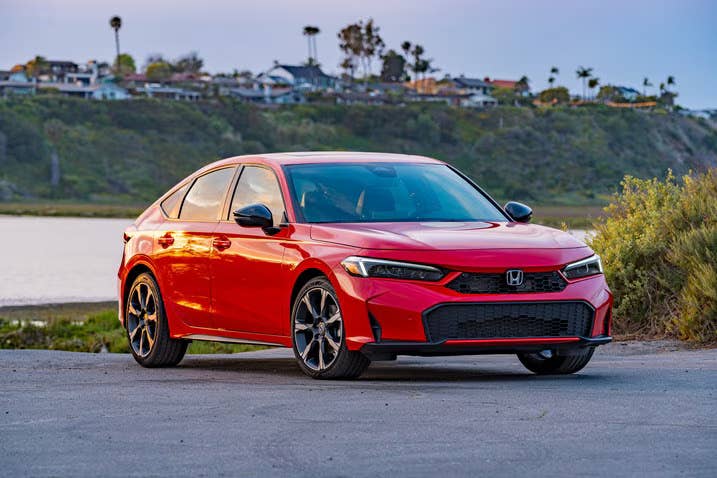
The 2026 Honda Civic Hybrid is the kind of car that brings a smile to my face in almost every way. It is not a hot hatch, it does not offer a manual transmission (you can’t even get a regular gas Civic with a manual anymore), and it will not turn heads like a low-slung sports coupe. But as an everyday compact sedan or hatchback, it gets remarkably close to my ideal formula: attractive, efficient, genuinely enjoyable to drive, and really easy to live with. Here are four reasons the Civic Hybrid checks almost all of my boxes.
1. Real Automotive Style
Honda
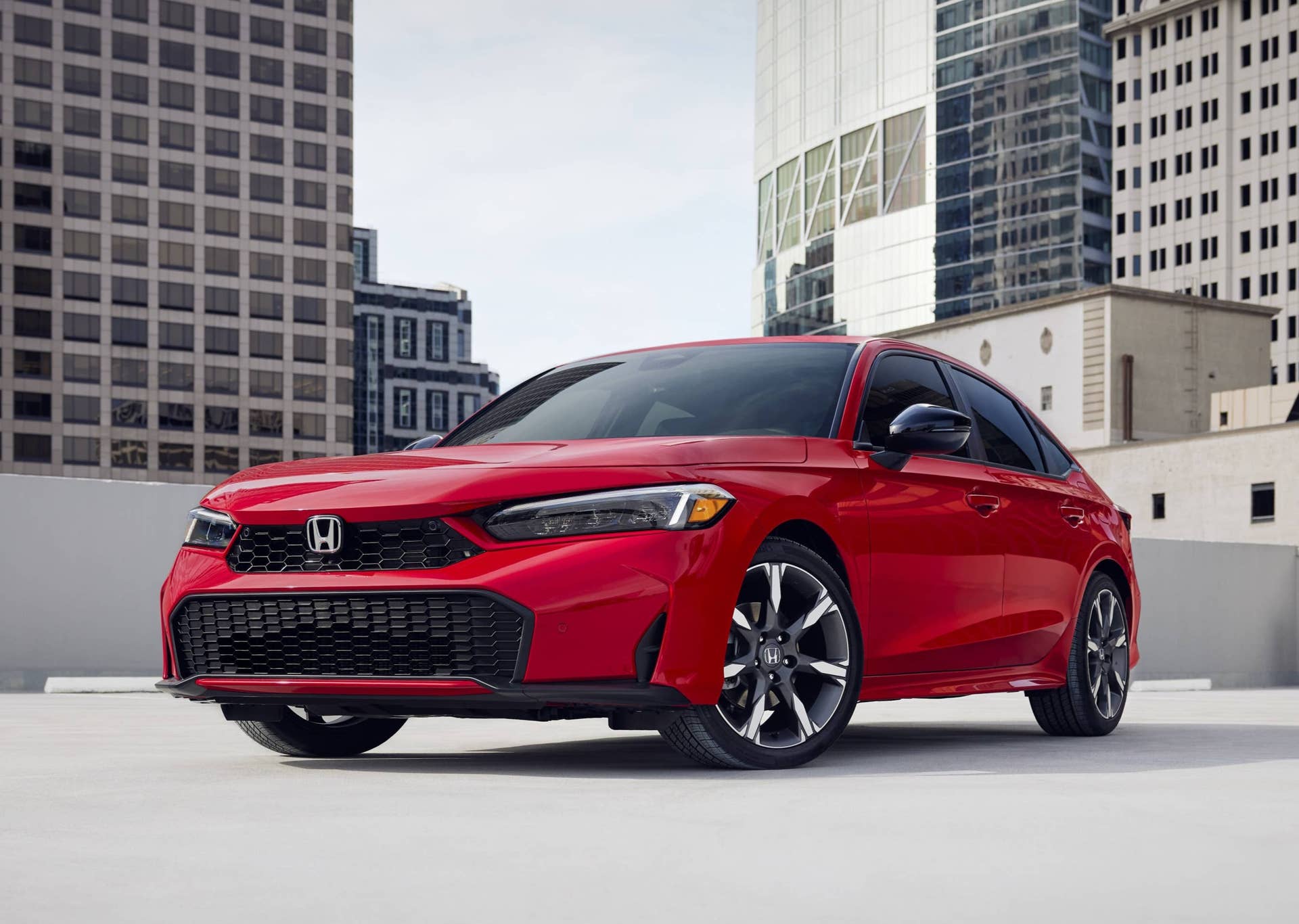
The Civic Hybrid looks pretty much like a gas Civic, meaning attractive. You can only really tell it’s a hybrid based on the badge. Whether you choose the sedan or hatchback, the Civic has clean proportions, a low hood, a wide stance, and sharp but modest detailing that has aged well. It looks like a sporty car first—not a tree-hugging fuel sipper. The refresh in 2025 gave it a more aggressive lower front fascia without making it look cartoonish.
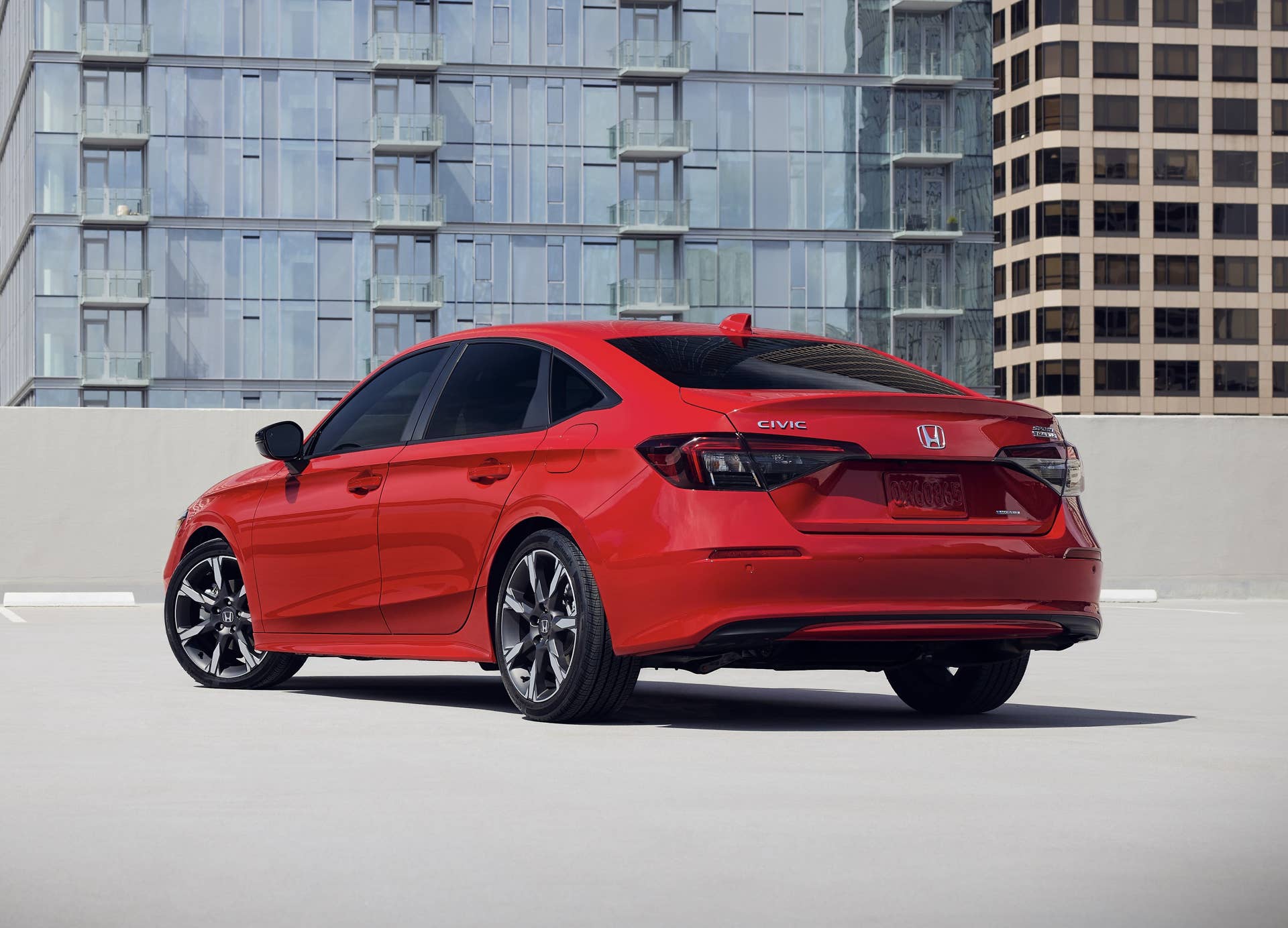
The hatchback is the more appealing shape for buyers who value utility and a sportier profile, while the sedan looks only subtly different with a slightly more mature vibe. Sport Touring models add visual appeal with modesty and added sportiness. The result is a hybrid whose true identity is somewhat masked, and that’s good. It looks purposeful, clean, and more expensive than most of the competition, with maybe the exception of the Mazda3. It’s more adventurous than a Corolla and less dramatic than a Sentra. I count that as a win.
2. Real Driving Dynamics
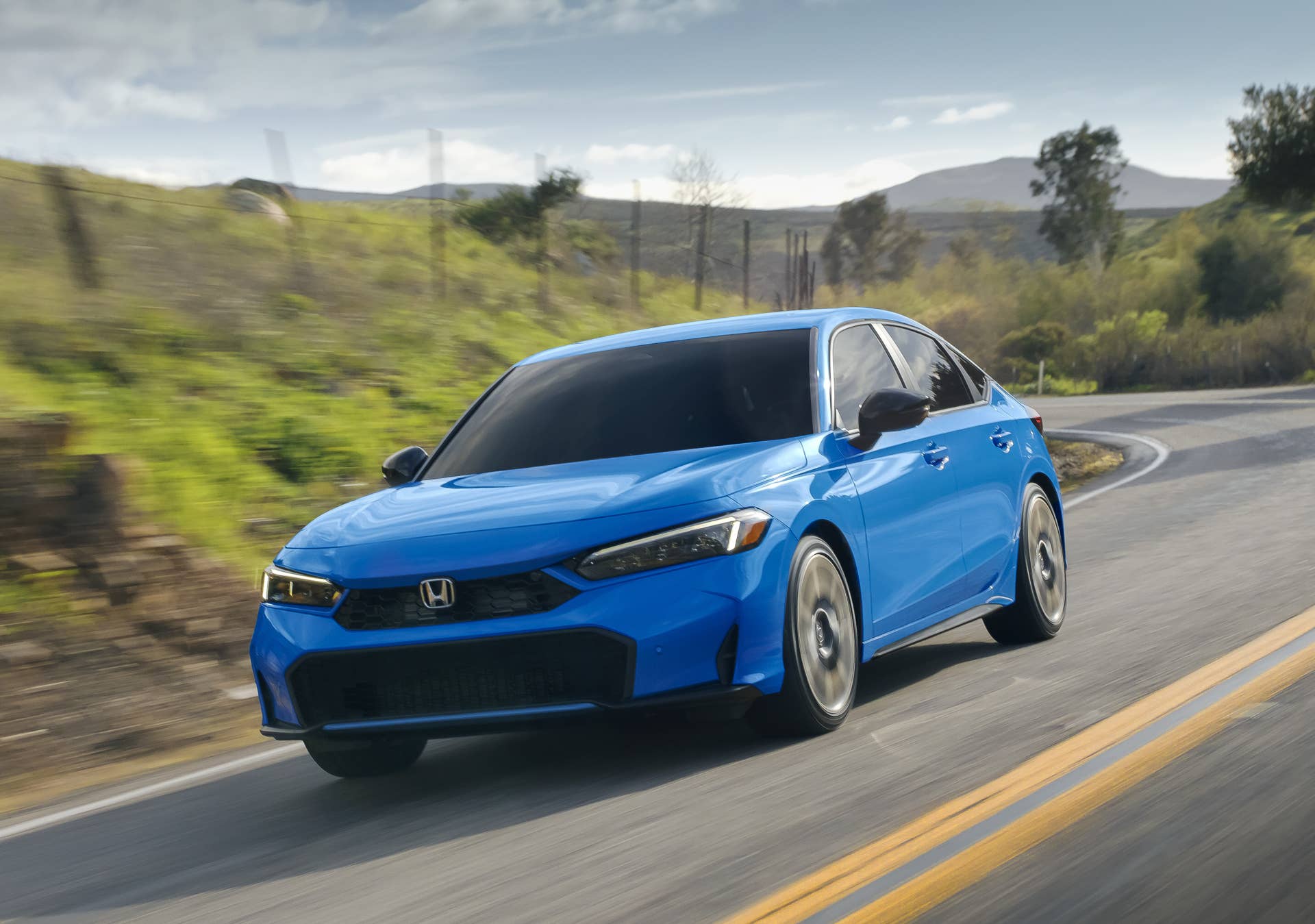
Most compact hybrids are built around fuel efficiency, sacrificing driving fun. The Civic Hybrid is unequivocally both. It’s almost shocking how rewarding it is to drive. You can toss it around, and it responds. Steering is taut and actually has feedback. Body motions are well controlled, and the ride avoids the floaty, disconnected feel that can make some hybrids isolated and boring. Compared to the Civic Hybrid, the Corolla Hybrid feel spongy and the Elantra Hybrid is vague.
Honda’s hybrid system combines a 2.0-liter four-cylinder engine with electric motors for a total output of 200 horsepower. That number matches the manual-only Civic Si (which is going away after this year)—and notably more power than every affordable compact hybrid sedan made today. Electric-motor torque also gives the Civic Hybrid prompt response from a stop, making it feel downright rapid in traffic and from stoplights. I enjoyed driving it every time I got behind the wheel. It’s a hybrid that will make you smile, and not just because of the savings.
3. Fuel Efficiency Without the Usual Penalty
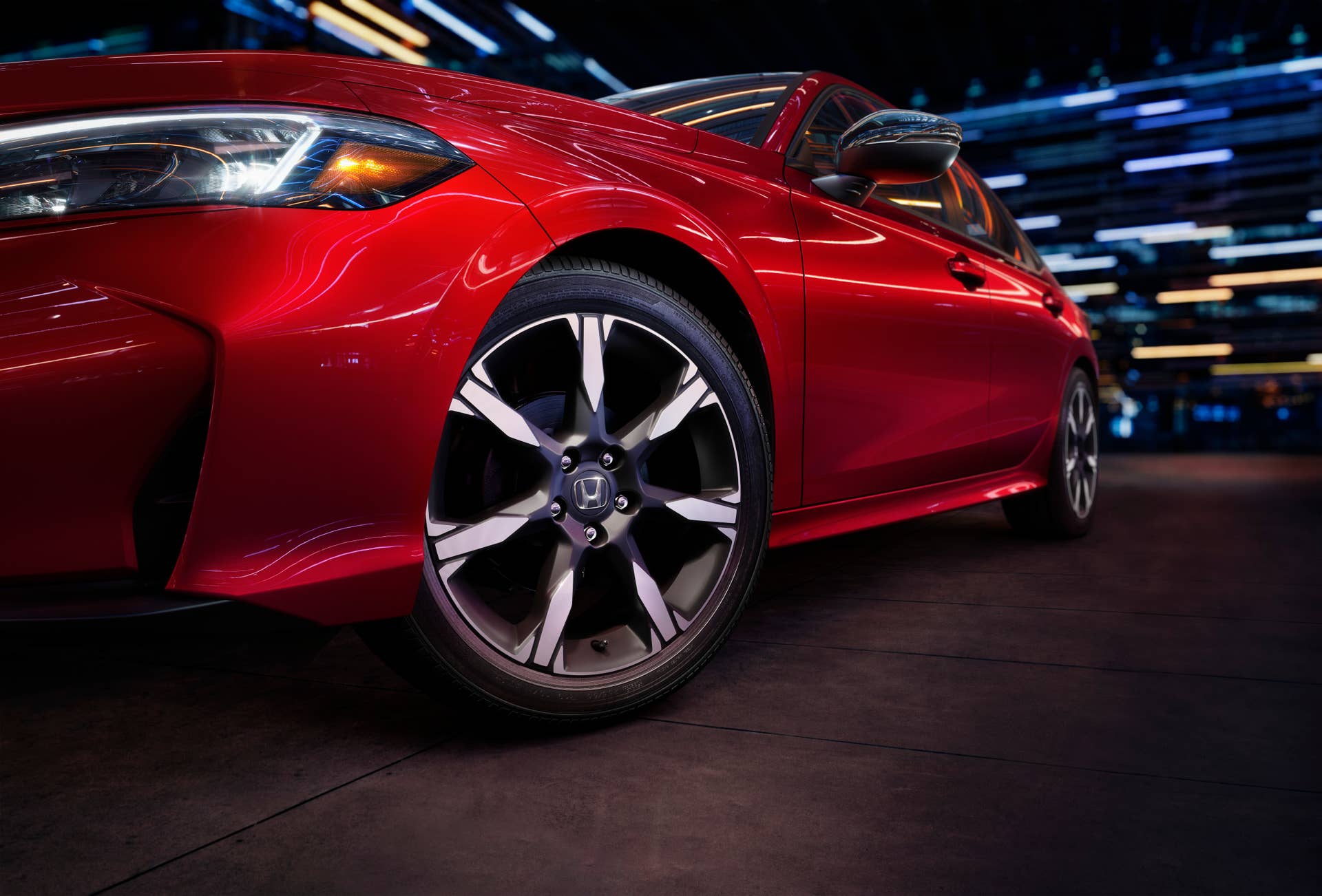
Fuel economy is the Civic Hybrid’s strongest suit, but its appeal is how little sacrifice is required to achieve it. EPA ratings reach as high as 50 mpg combined for the Civic Hybrid sedan in certain trims, while hatchback versions remain highly efficient as well. In real-world driving where gas costs keep climbing with seemingly no end in sight, that means lower running costs and no charging. You can even drive it hard and still get great efficiency. I drove the hybrid sedan for a week in Sport mode and managed 36 mpg.
For shoppers who are intrigued by EV ownership but are not ready to rely on public charging—or who simply want one car that can handle city commuting, long highway drives, and cold-weather operation without worry—the Civic Hybrid strikes a great note. It offers much of the everyday fuel-saving benefit people expect from an electrified vehicle while retaining the convenience of gas.
4. User Friendliness Is a Major Advantage
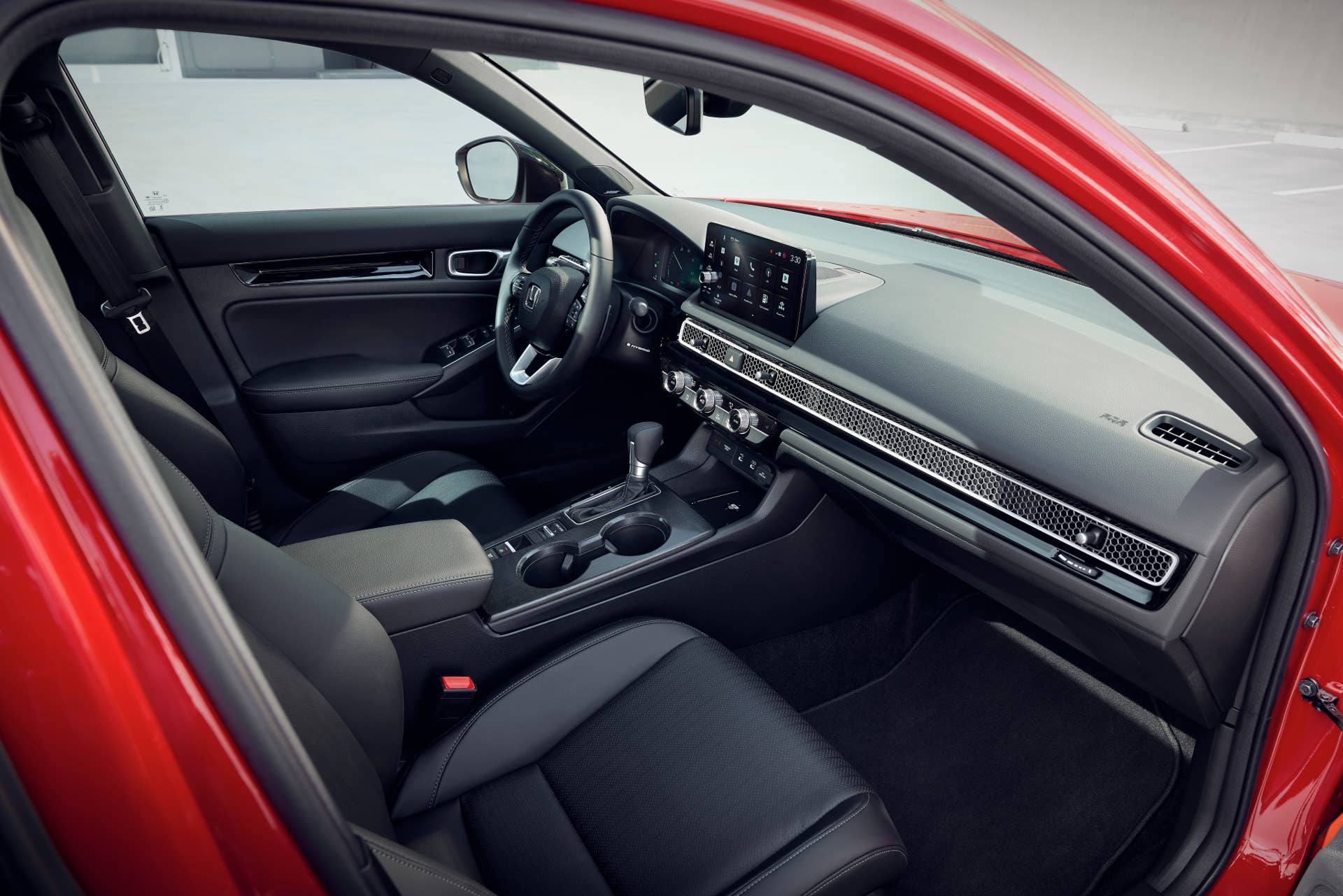
The Civic Hybrid’s cabin is just like the gas-only Civic. Honda managed to make one of the most user-friendly interiors in the industry. It doesn’t have a huge screen or haptic feedback panels, and that’s why it’s so good. The big climate control knobs are knurled, the traditional shift knob makes it a cinch, and the honeycomb vents and adjustment stalks make comfort fuss-free.
It’s also roomy for six-footers, and the rear seats have an astounding 37.4 inches of legroom. Honda’s infotainment interface is also generally easier to learn than systems that bury basic controls in touch-screen menus. The Civic Hybrid doesn’t require deep dives into layers of menus, and the learning curve is gentle.
Final Thoughts
For these reasons and more, I would buy the Civic Hybrid for my own family. lt may not satisfy every enthusiast preference, particularly for buyers like me who want three pedals or rear-wheel drive. But it covers the priorities that matter on nearly every commute: it looks good, drives like a champ, uses very little fuel, and makes daily driving anything but boring.
About the author
Amos Kwon
Contributing Writer, Autoblog