
What was the original Renault Avantime trying to be?
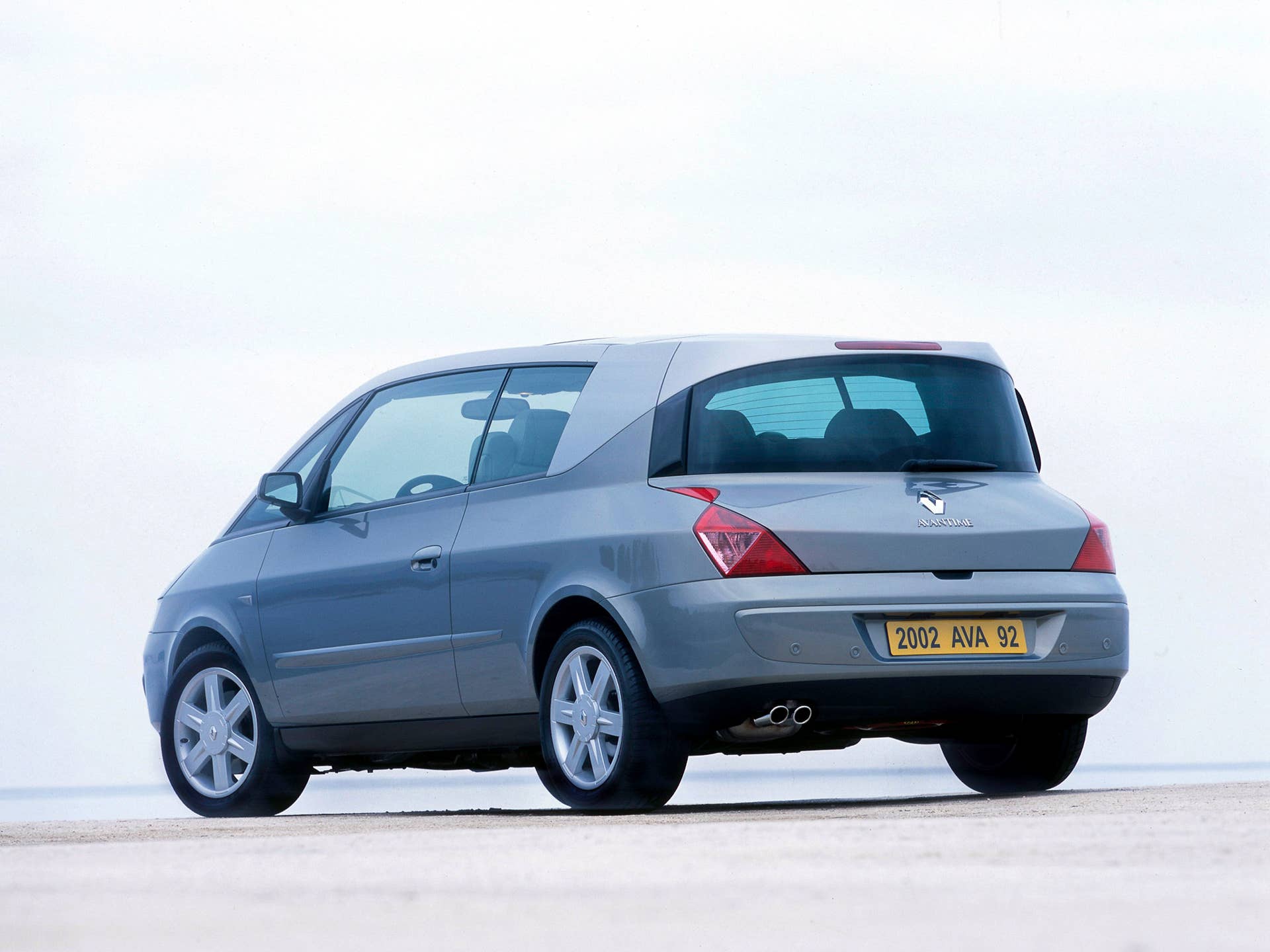
During its brief production run from 2001 to 2003, Renault sold just 8,557 Avantime models, which were designed and produced by Matra, a French industrial conglomerate that also produced electric bicycles, metro trains, anti-aircraft missiles, and cluster bombs. Available with turbocharged or turbodiesel four-cylinder engines, as well as a torquey 3.0-litre V6, the Avantime was a characteristically French take on what a “grand touring” coupe could be. Unlike the Germans, who enjoyed eating up Autobahn miles in V12-powered BMWs and Mercedes-Benzes, Renault believed French aristocrats would prefer quirkiness in their style to ostentatious, chrome-laden excess, and would consider the comfort and convenience of an MPV far more appealing than the low-slung inaccessibility of a high-performance sports car.

Renault via CarsWP.com
Renault via CarsWP.com
Unfortunately, for a product to be truly “quirky,” it often comes at the cost of only being capable of appealing to similarly quirky people—a dying breed in the ever-so-homogenized world of the 21st century. Thus, wealthy buyers flocked to CL-Classes and 6-Series Cabriolets in far greater droves than the Avantime ever achieved, and so it was destined for its fate as none more than an “oddball” cult classic automobile, appreciated only retroactively through its inclusion in popular television programs like The Grand Tour and in globally renowned video game franchises such as Gran Turismo.
Renault
Why does the Avantime feel more relevant today than ever?
It is interesting, though, how popular and well-known the Renault Avantime has become more than two decades after its discontinuation. Revered by collectors and enthusiasts alike for its truly unconventional breaking of industry moulds and for carrying the torch of the ancient French tradition of designing truly mystifying automobiles, the Avantime has since become a coveted classic—one of Renault’s all-time great stylistic outbursts.
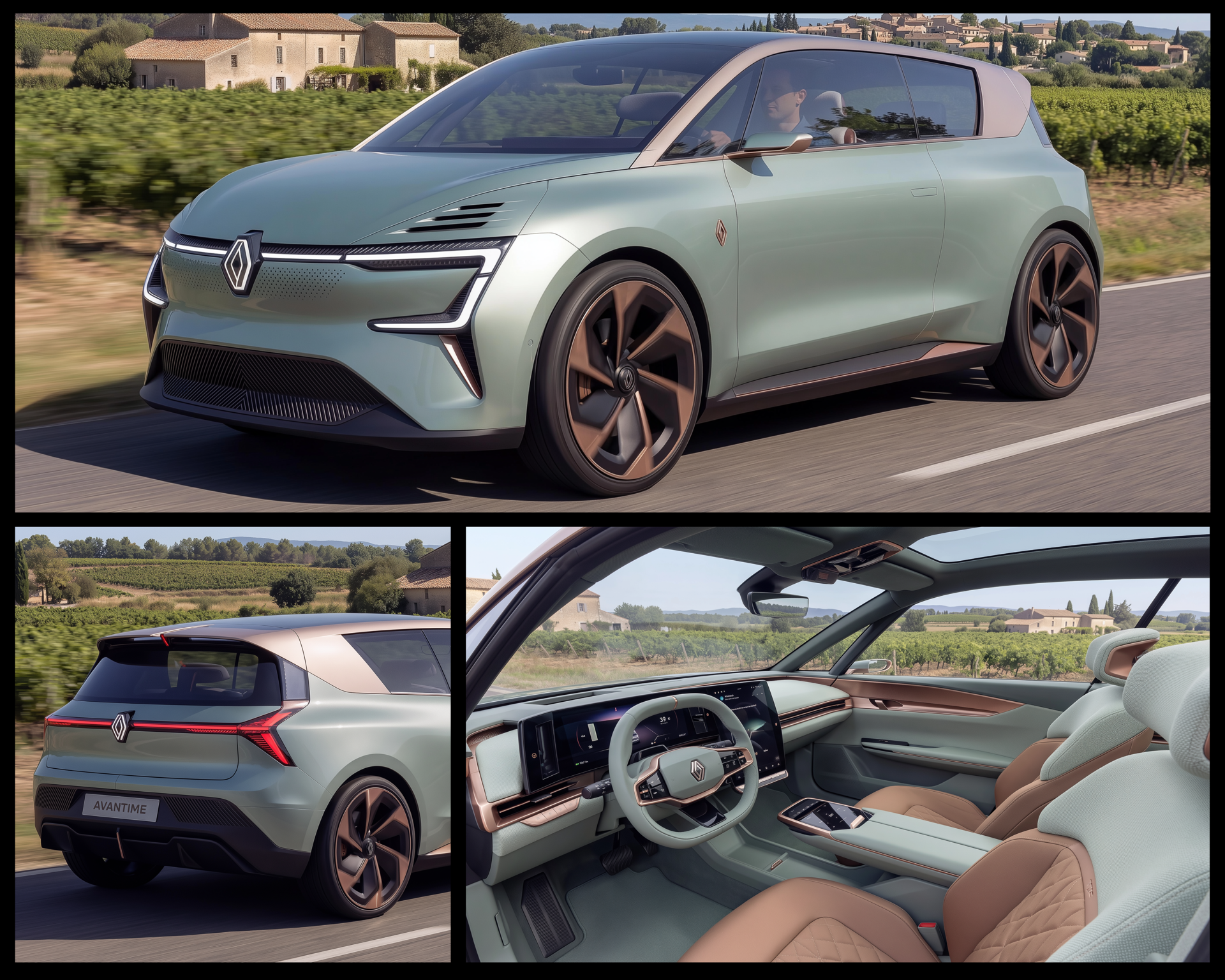
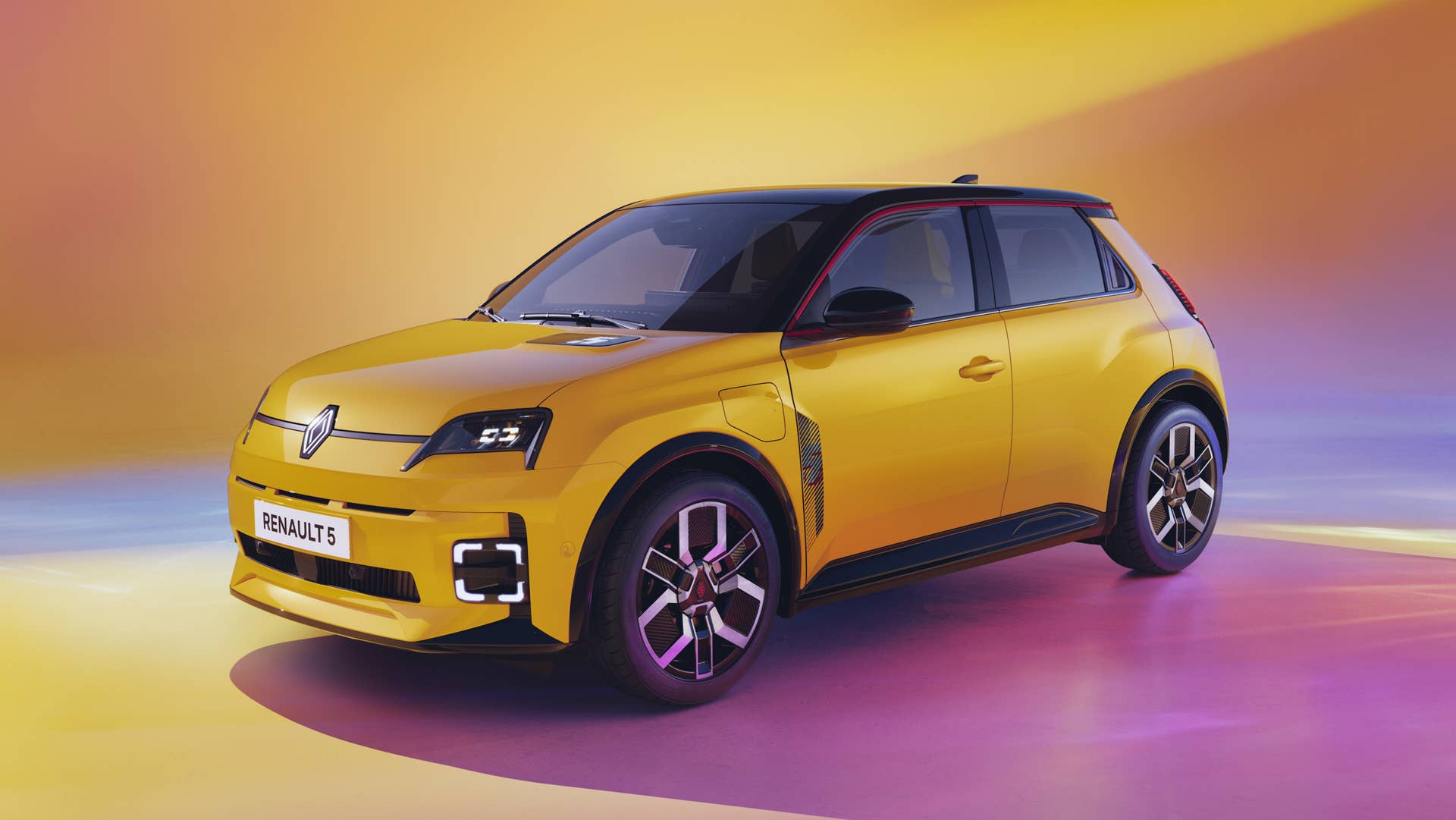
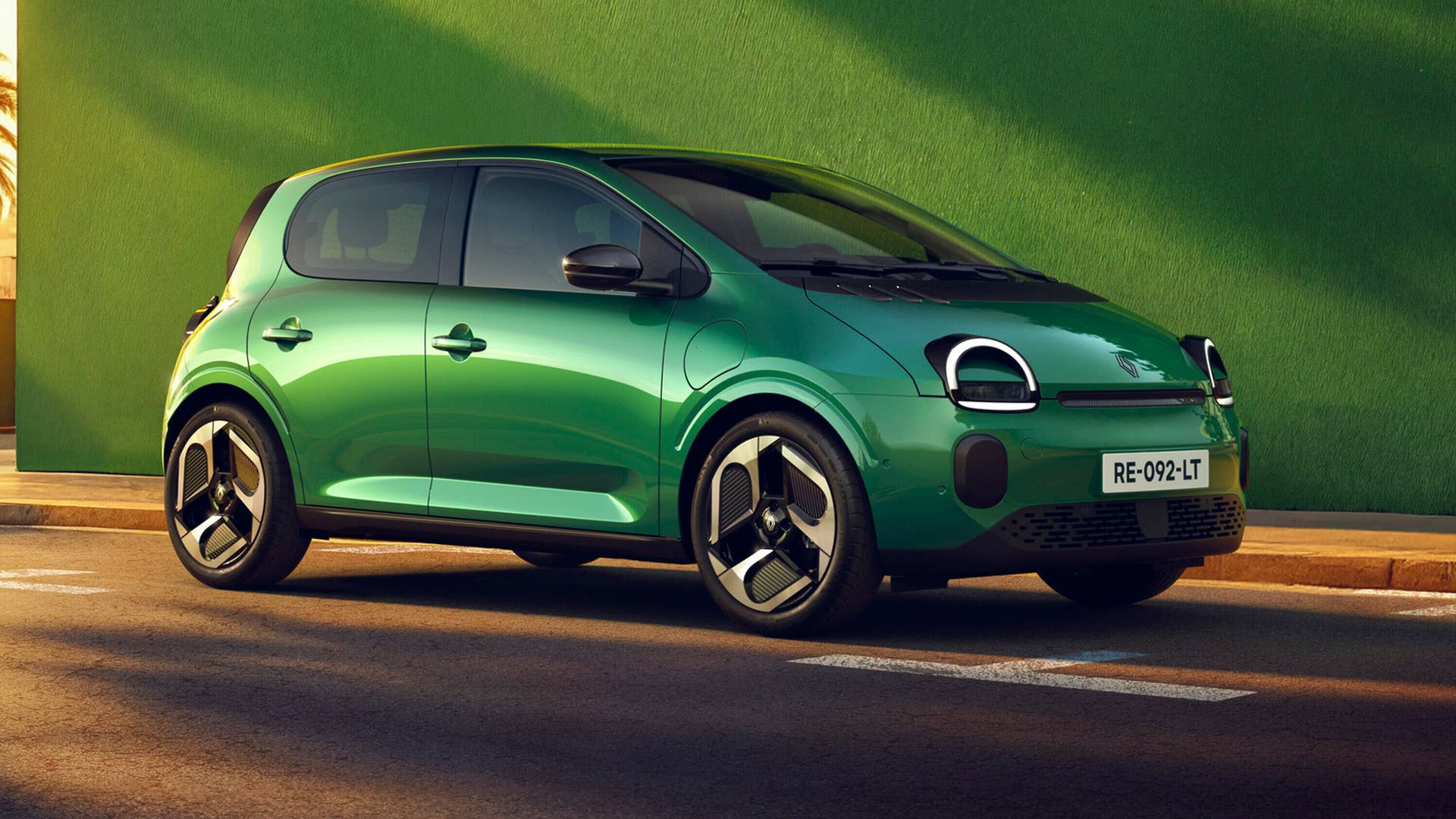
In the past few years, we North Americans have peered over the Atlantic Ocean’s horizon, desperately ogling some of Renault’s latest EV designs, which masterfully blend the beloved quirkiness of past icons with a sort of retro-futuristic remaster approach that has resulted in some of the most visually striking automobile designs to come out of this decade (can you believe we’re already in the latter half of the 2020s?). So, my question at the end of the day is this: Since Renault’s designers have done such a great job at reviving icons like the boxy Renault 5 and the playful Twingo, how fantastic would a revived Avantime look if it took advantage of the same design philosophy? With the help of programs like Gemini 3 Pro, Midjourney 7.0, and Adobe Photoshop, I’ve found a solid answer to my query.
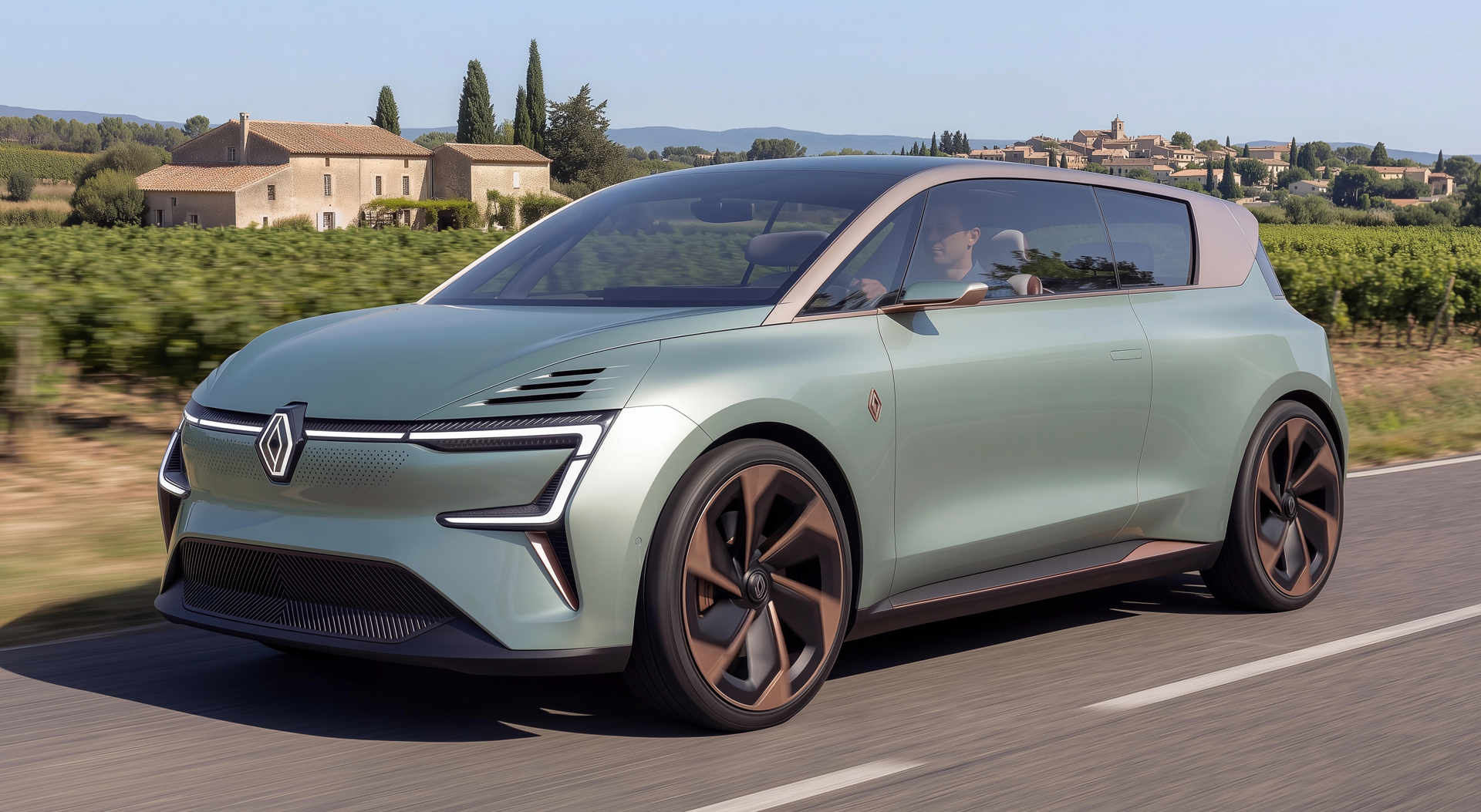
Cole Attisha Using Gemini 3 Pro, Midjourney 7.0, and Adobe Photoshop
Reimagining the Avantime as a modern luxury grand tourer
With that said, here it is. Here’s what the Avantime could look like if Renault gave its modern icon a second chance at life, rich with the signature styling elements that made the original Avantime appear so timeless, such as the “triple gill” over each headlight and its pillarless, separately-painted, arched roofline, which created the look of a beautifully uninterrupted greenhouse. With reduced roof height, sharper edges, larger wheels, and electrification-indicative styling elements, this design stays true to the ethos of the original classic while modernizing it to align with Renault’s contemporary EV lineup.
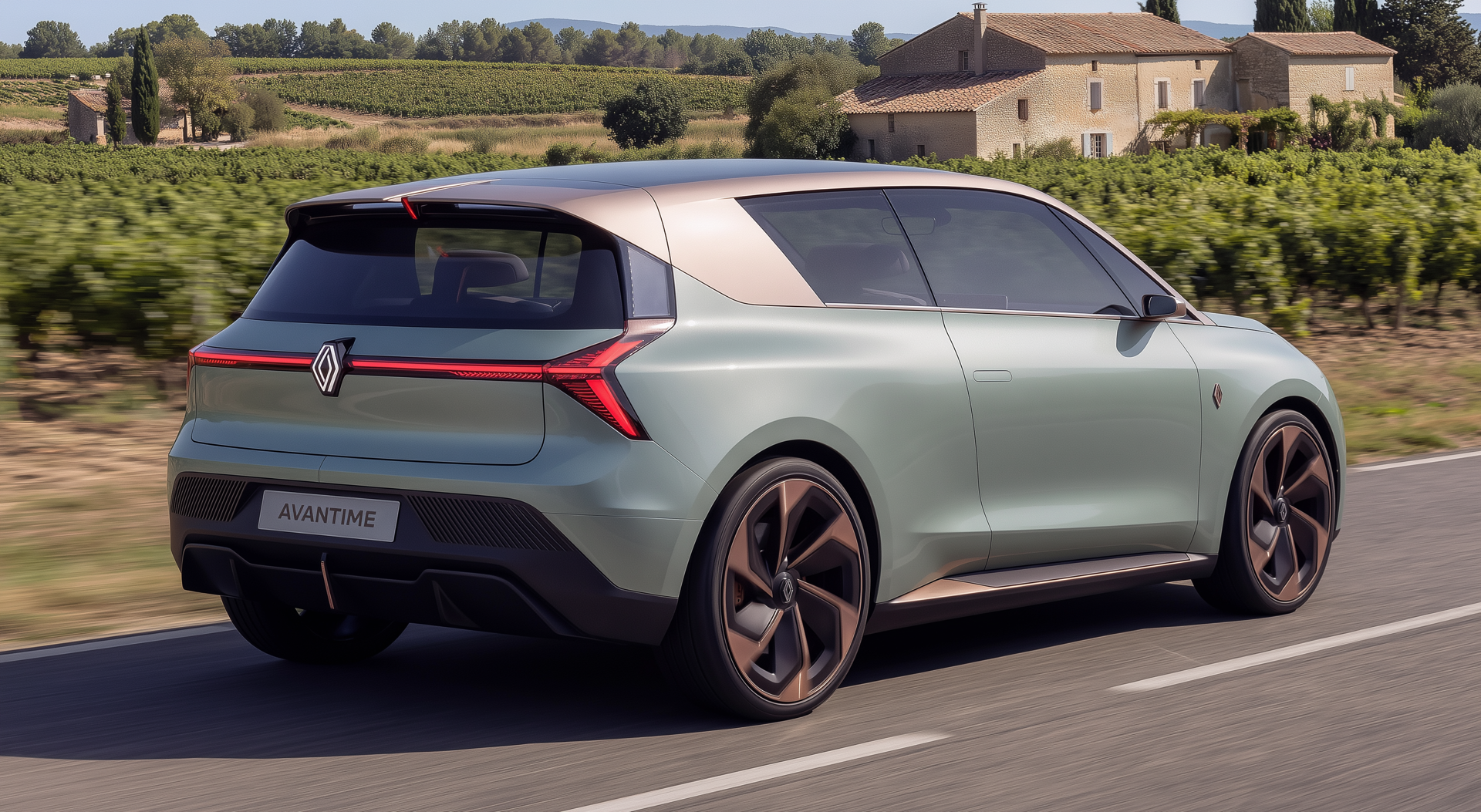
Cole Attisha Using Gemini 3 Pro, Midjourney 7.0, and Adobe Photoshop
Where could a new Avantime fit in Renault’s lineup?
If you’re unfamiliar with Renault’s contemporary EV lineup, I’ve included a snippet below of just a few examples of retro-revival design brilliance. Renault offers a range of EVs that cover the bases of affordable convenience, inspiring sportiness, all-terrain capability, and an all-out track weapon: the R5 Turbo 3E. What it doesn’t yet include, however, is a more upscale, premium-focused hatchback that prioritizes on-road comfort over lap times—the perfect luxury car for urban living in the modern era.
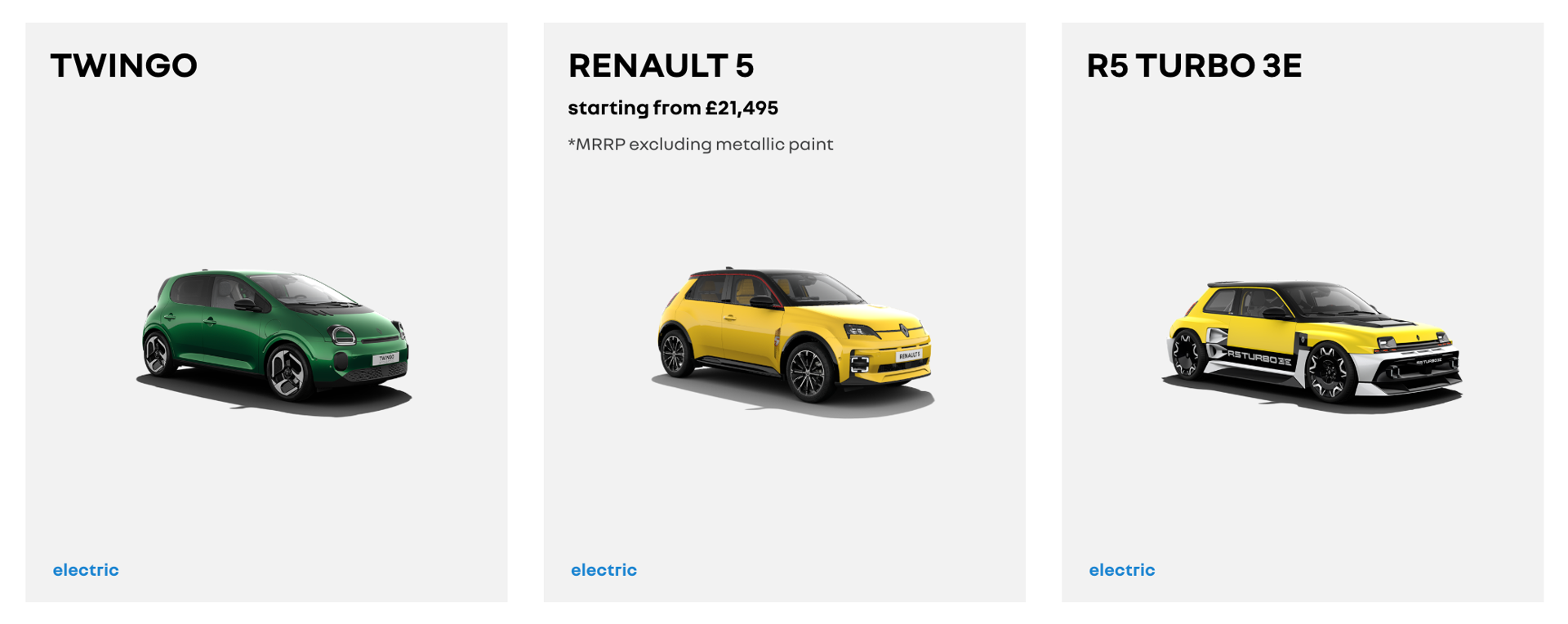
Renault
Since the Renault R5 Turbo 3E uses a stretched and widened version of the Renault 5 E-Tech’s chassis, it could make an ideal platform for a modern Avantime revival, offering a more spacious cabin environment and a smoother ride. If the Avantime were to also use the R5 Turbo 3E’s 70 kWh battery (albeit likely retuned for greater efficiency) and its dual-motor setup, it could deliver over 500 horsepower to all four wheels at the mere flick of one’s right foot—a worthy replacement for the original MPV’s smooth-but-not-so-mighty V6.
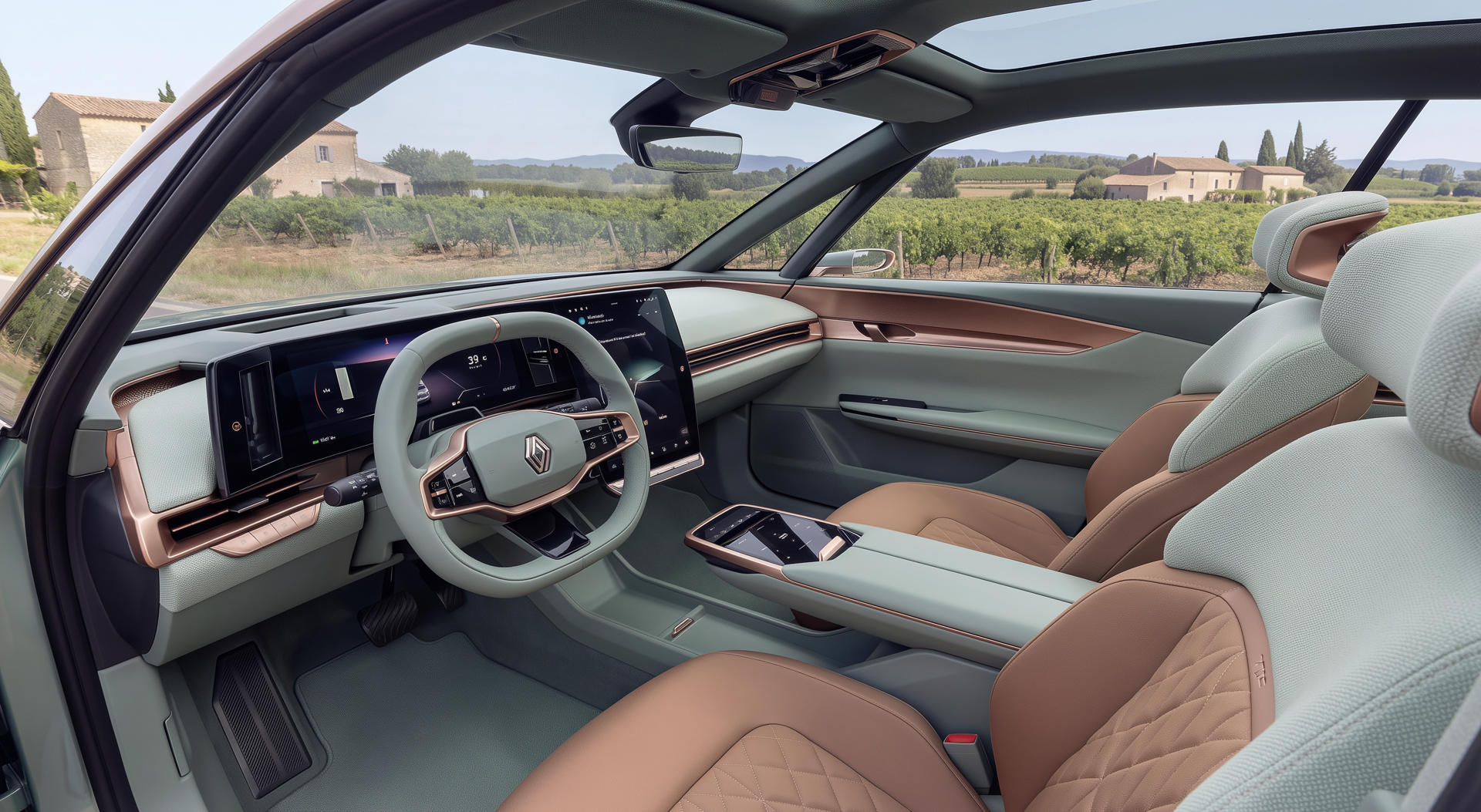
Cole Attisha Using Gemini 3 Pro, Midjourney 7.0, and Adobe Photoshop
Final thoughts: Could the Avantime succeed a second time around?
With the rising overseas appeal of quirky-styled EV hatchbacks that play on the nostalgia of coveted cult classics, perhaps the time has come for Renault’s beloved Avantime to capitalize on the reputation it’s finally earned. Perhaps it could chase other “premium” EVs like the Lexus RZ and the Genesis GV60 in Europe and beyond. I’d even go so far as to suggest that if Renault ever had any serious North American market ambitions in its pipeline, a product like this might be a great way to appeal to those buyers who expect more space and more features from their EVs.
About the author

Cole Attisha
Staff Writer, Autoblog