
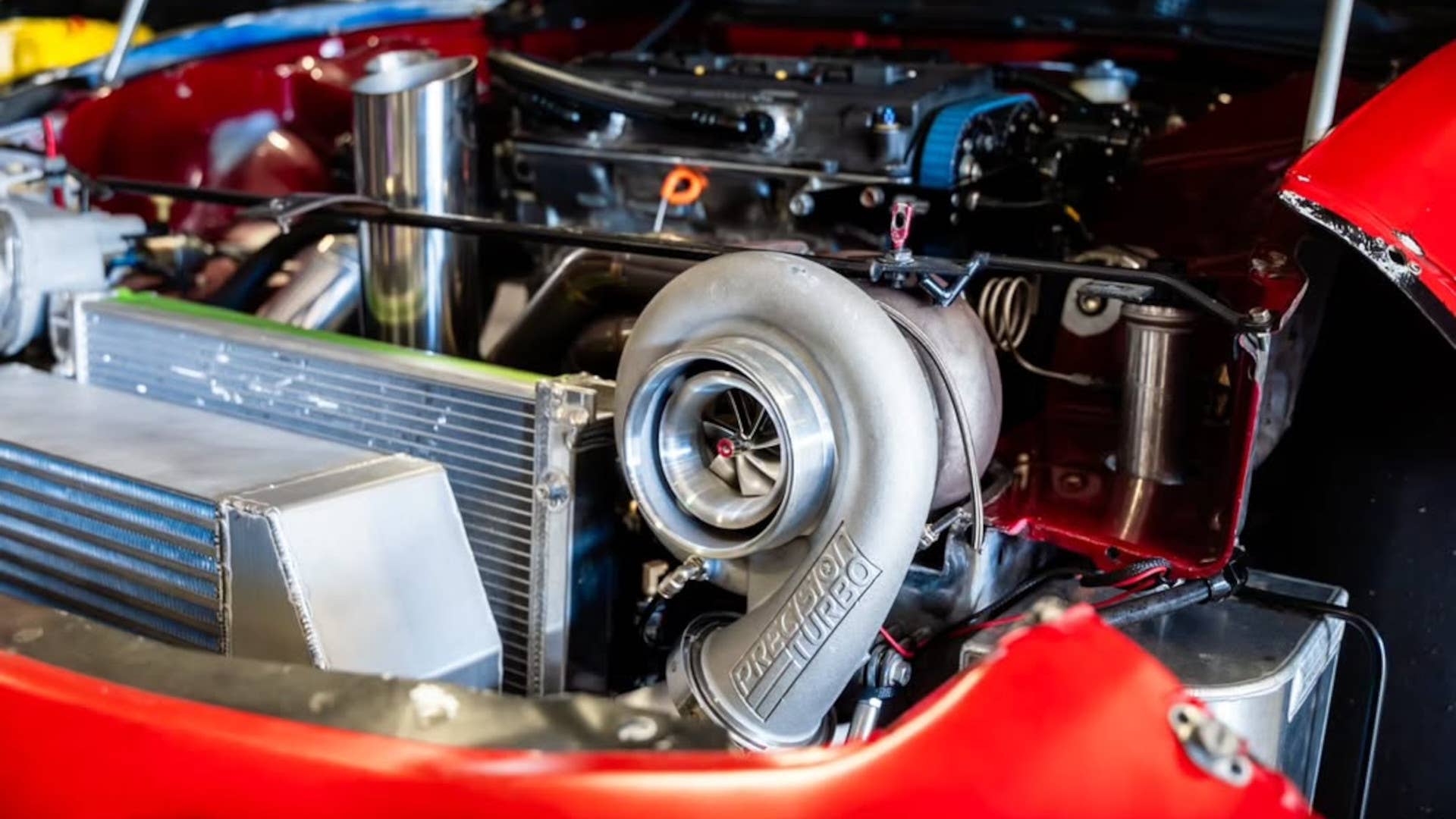
The turbocharger is more popular than ever, appearing on the Ford Mustang, the Dodge Charger, and the Chevrolet Corvette. It’s used in Ferrari and Lamborghini products, too, and even with the rise of hybrid technology, the turbo remains the default choice for manufacturers and enthusiasts looking to extract more power from their engines with less displacement, fewer emissions, and more efficiency. In this article, we’ll discuss how a turbocharger works, its various forms, its pros and cons, and how multiple turbochargers can increase performance.
Boost 101: Understanding What a Turbo Is For
To understand the benefit of a turbo, we need a refresher on the basics of the combustion process. In any four-stroke combustion engine, the intake sucks clean air through the filtered intake and into the intake manifold, where it is distributed to the cylinders through intake valves. Between the valves and the piston, which is connected to the crankshaft via connecting rods, is the space known as the combustion chamber. Here, the sucked-in air is mixed with a very fine mist of fuel spray, and when ignition is achieved (either using a spark or through very high compression of the fuel), the explosion forces the piston down from top dead center (the peak of its stroke) to the bottom of the cylinder, rotating the crankshaft. This rotational force creates “work,” which the output shaft and transmission process to the driven wheels. This combustion process is remembered by the mnemonic device “suck, squeeze, bang, blow.”
The engine sucks air and fuel into the combustion chamber, then compresses (squeezes) it, and once ignition occurs (the bang), the exhaust gases are blown out through the exhaust valves and exhaust manifold. The more air the engine sucks in, the more fuel can be added. The more fuel there is, the more potential energy can be released by the explosive ignition process, resulting in more work. Adding a turbocharger doesn’t change this combustion process, but it does magnify it.
It allows much more air (and therefore more fuel) to be processed by the engine, and this not only increases output but also improves relative overall efficiency. Like for like, the same-sized engine can burn more fuel with the aid of a turbo than without. On the other hand, it can produce the same output more easily, thus meaning less fuel is burnt, making the engine more efficient.
How Does a Turbo Work?

In a nutshell, a turbocharger increases the flow of air from the intake and the intake manifold to the intake valves, allowing more fuel to be injected, and once the combustion process occurs, the exhaust gases exit the engine through the exhaust manifold, where they flow through the exhaust side of the turbocharger and out the exhaust, spinning the turbo more quickly and repeating the whole process. While modern engines are very efficient in their air-fuel ratio measurements to be as efficient as possible, the exhaust gases still contain some unburnt fuel that is effectively wasted. By adding a turbocharger to the end of the combustion process, these unburnt gases, moving at exceptionally high speeds, are not wasted as much, as their kinetic energy is used to help keep the turbo spinning. To understand this fully, we need to go into greater detail on the turbo itself.
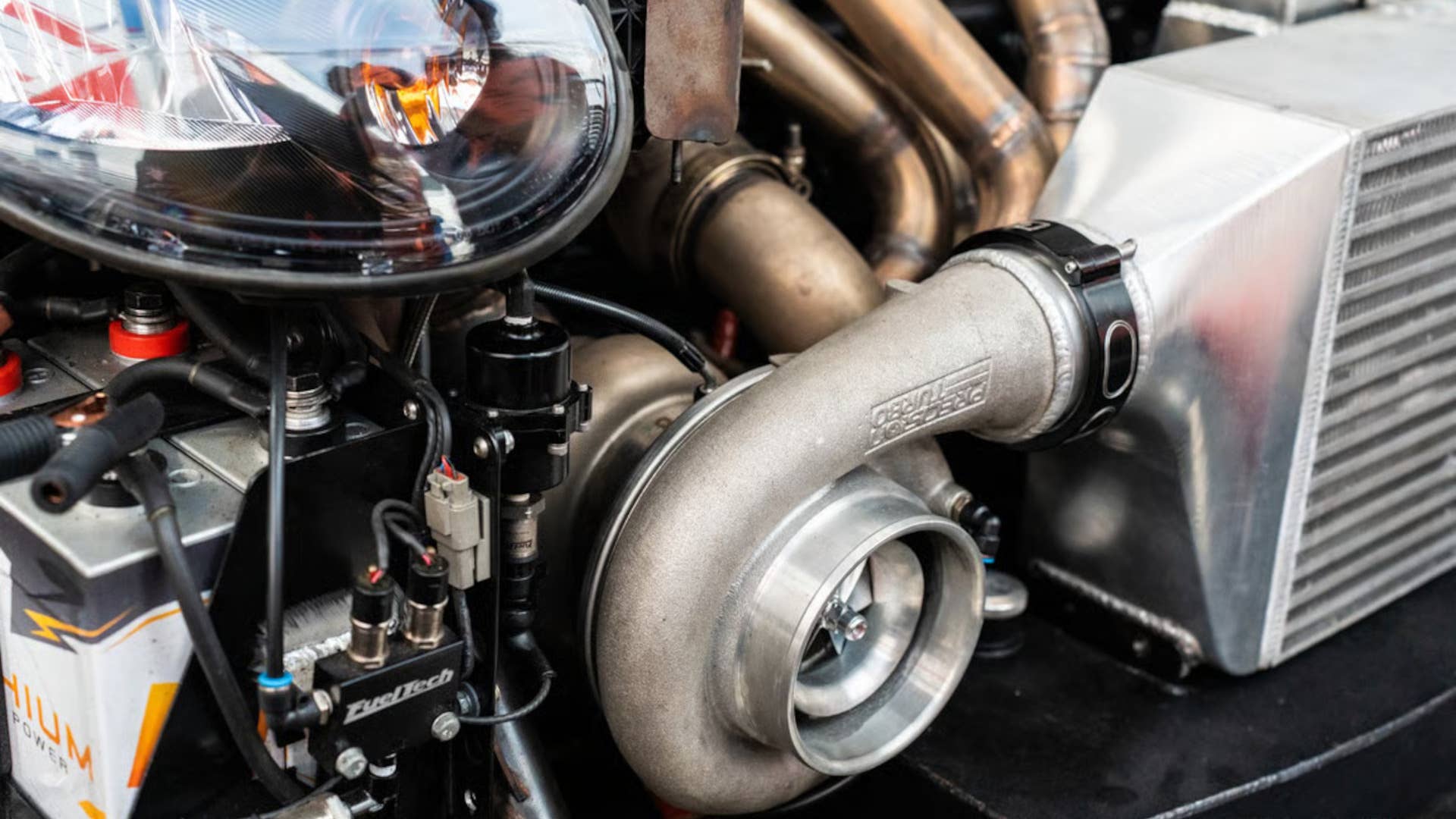
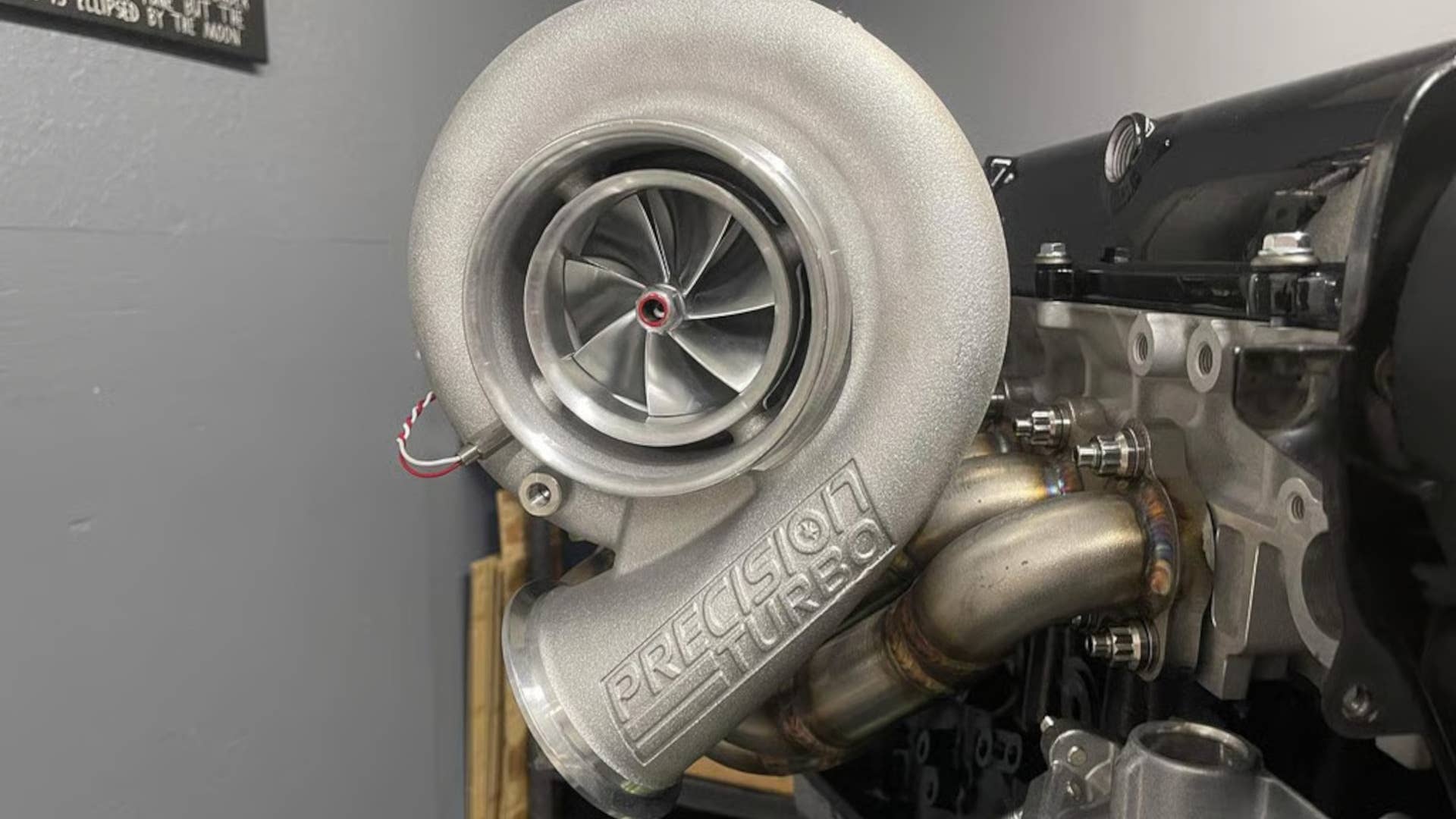
A turbocharger is several pieces that work together to create the whole, just as paper, ink, and a cover combine to form a book but would be otherwise useless on their own. In a turbocharger, a compressor housing (cold side) sucks in the cold air through a turbine connected to the exhaust housing (hot side) with a shaft. Each side of the turbine has wheels to take advantage of the air moving through them, but this turbine shaft connecting them is where the magic happens. As one side spins, so does the other (at least, in a traditional turbo; e-turbos, which we’ll discuss later, can be different). As the throttle body opens the intake valves to suck in air, this vacuum pulls air from the intake, through the compressor of the turbo, spinning up each side of the turbine. This accelerated air is then passed through a charge pipe to an intercooler or charge cooler to cool it further, or charge it, which makes the air denser. The more dense the air, the more fuel can be added. The added fuel not only makes for a clean, efficient burn but also helps keep temperatures within the combustion chamber stable to prevent engine knock, or pre-detonation. On the other end of the process, as the exhaust gases are expelled and pass through the hot side of the turbo, the turbine between it and the cold side spins up even faster, which helps draw in more air to repeat the process. There’s no such thing as a perpetual motion machine, but the turbocharger aims to come close.
This highly compressed air is known as boost, and when there’s enough boost in the system, excess pressure is released via the wastegate, which expels the air downstream of the turbo. Without a wastegate controlling bleeding off boost through a spring-loaded valve or actuator, boost creep would occur, increasing pressure in the engine until the weakest point breaks and the engine explodes. To prevent this overboost condition from occurring when you lift off the gas, closing the throttle body and leaving the compressed air nowhere to escape through, which could over-accelerate the turbo, a dump valve releases excess air into the atmosphere. Alternatively, some systems use a diverter valve to send the extra air into the intake system, away from the turbo core. Too much boost is bad, but too little can also be problematic. This leads us to the subject of turbo lag.
What Is Turbo Lag?

Heffner
Turbo lag refers to the momentary delay experienced between pressing the accelerator pedal and experiencing a surge of power. You put your right foot flat, and the engine responds only a few microseconds later, slowly increasing in RPM until a big wave of torque finally arrives. The turbo is working, but it’s not yet spinning fast enough to deliver its true power. That’s lag, which is different from the boost threshold, or the engine speed at which exhaust flow is sufficient to begin spinning the turbine/spooling the turbo to create positive manifold pressure. Below this point, such as at idle, the turbo may be spinning, but it’s essentially just an accessory, with the sucking in and expelling of air mostly handled by the engine itself. After the boost threshold is reached, the turbo’s hot side is spinning fast enough for the cold side to be compressing the air being sent to the engine. Basically, the boost threshold is the point at which the turbo is spinning fast enough to start doing some work, and turbo lag is the delay between the turbo doing some work and doing all the work it can. The bigger the turbo, the more lag it will have and the higher the engine must be revved for the turbo to operate efficiently. It will also be more difficult to notice when the boost threshold has been reached with a large turbo.

BMW
While the design of the turbo is ingenious, with the turbine’s spinning achieved by both cold air entering the turbo and hot air leaving it, the fact that both sides are connected to each other means that when the turbo is trying to produce boost at low RPM, the engine is relatively inefficient, using more fuel than the engine can yet process for its compression ratio (turbcharged engines have more air and fuel pressed into them, so they have relatively low compression ratios versus equivalent naturally aspirated engines, which, without the benefit of boost, use higher compression values to burn as much air and fuel as possible). As made famous in the Group B rally monster that was the Audi Quattro, an anti-lag system squirts additional fuel into the system, creating additional explosions even when the driver has lifted off the accelerator to keep the turbo spinning at high RPM. This is good for outright power, but it makes the engine less economical, and those extra explosions tend to wear out valves and the blades of the turbocharger turbine more quickly. When the driver lets off and you hear that chirrup, it’s the sound of the extra air trying to escape, pushing against the turbines. Hence, it’s only really suitable for motorsport applications, and automakers have come up with other ways of reducing lag in a turbo engine.
Turbocharger Types and Configurations
Ram
Journal and ball-bearing: Turbocharger cores have either journal bearings or ball bearings, with the former generally more reliable but less responsive than the latter. On average, a ball-bearing turbo will spool up around 15 percent faster like-for-like, but if it gets damaged, the entire cartridge usually requires replacement.
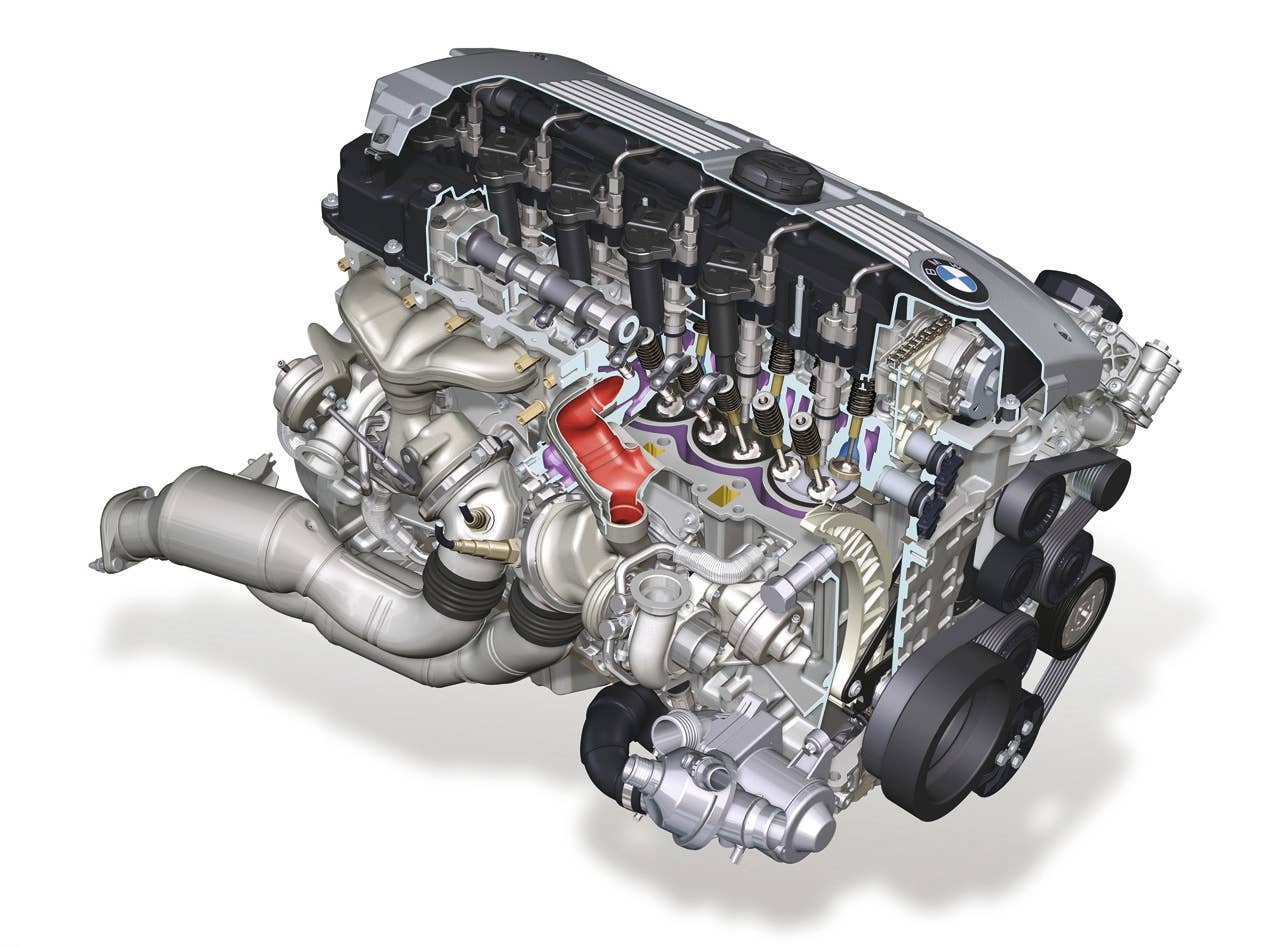
Twin-turbo/bi-turbo: A twin-turbocharged engine is one in which there are two turbochargers of equal size, while a bi-turbo setup is meant to indicate an engine with two turbos of different sizes. However, manufacturers tend to use these terms interchangeably. A traditional twin-turbo setup usually features a parallel configuration, with each of the two turbos supplied by one half of the cylinders in the engine. This is especially useful to maximize space in a Vee-shape engine such as the Corvette ZR1, but the BMW S58 engine uses two turbos on an inline-six, and that makes for complex packaging to route intake and exhaust piping.
Engines with two turbos may also feature a two-stage sequential setup, where a small turbo is used for low-end response, and a bigger turbo takes over at high rpm. In rare cases, like the Bugatti Chiron, both turbos provide boost throughout the rev range. There’s also the compound turbo setup, which uses a small turbo to feed a much larger one, with the aim of eliminating low-end lag without compromising on top-end power, but perfecting the boost, timing, and fueling requirements of such a setup is immensely difficult, with little margin for error. But get it right, and one can enjoy the power of a big turbo with a torque curve that is relatively linear and predictable.
Either way, multiple turbos allow for increased performance with less lag, while one large single turbo makes more power but at the cost of lag. One small turbo has minimal lag, but it runs out of puff at high RPM.
BMW
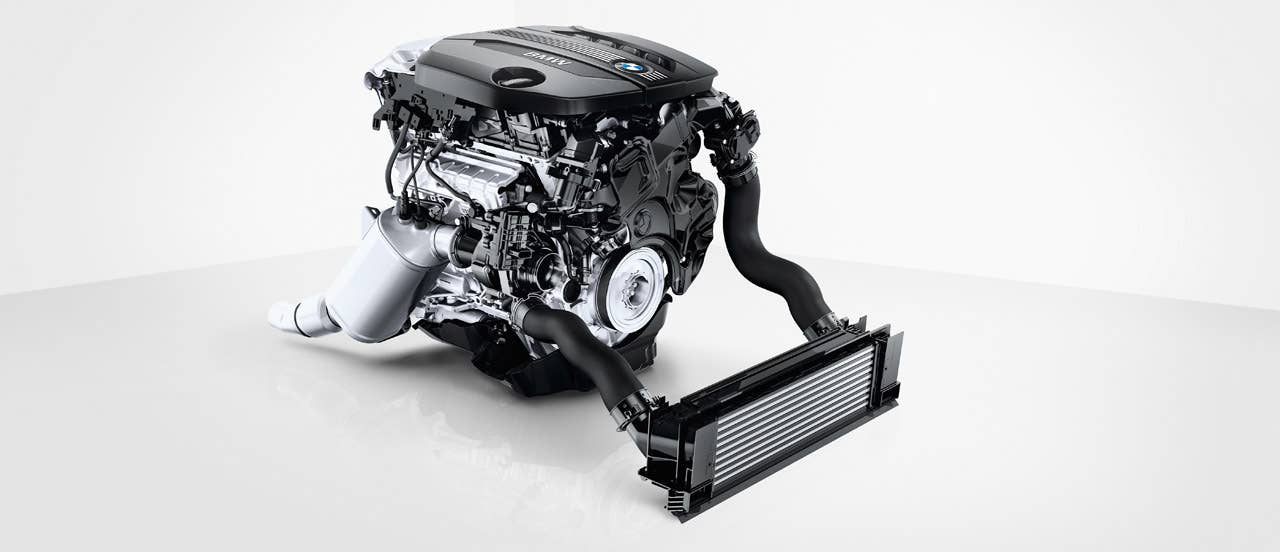
Twin-scroll turbo: A twin-scroll turbocharger aims to minimize lag by having two small inlet ports rather than one large opening. This allows the exhaust manifold on an engine with an even number of cylinders to be effectively split in two, with the firing order pulses each feeding an opposing inlet. For example, a four-cylinder engine with a firing order of 1-3-4-2 uses cylinder 1 to fire into one inlet of the turbo while cylinder 2 fires into the other before cylinder 3 fires back into the first inlet and cylinder 4 fires into the second. This creates an overlap effect of near-constant boost pressure, while a regular turbo has to deal with the turbulence of the firing pulses competing with each other. As one cylinder’s exhaust stroke comes to an end and the intake valve opens, another cylinder is doing the opposite, beginning its exhaust stroke. This provides continuous positive pressure to the turbine, improving throttle response and spool-up. The downside is that a five-cylinder engine like that of the Audi RS 3 can’t use this sort of turbo, as the additional cylinder would favor one side of the turbo.
BMW
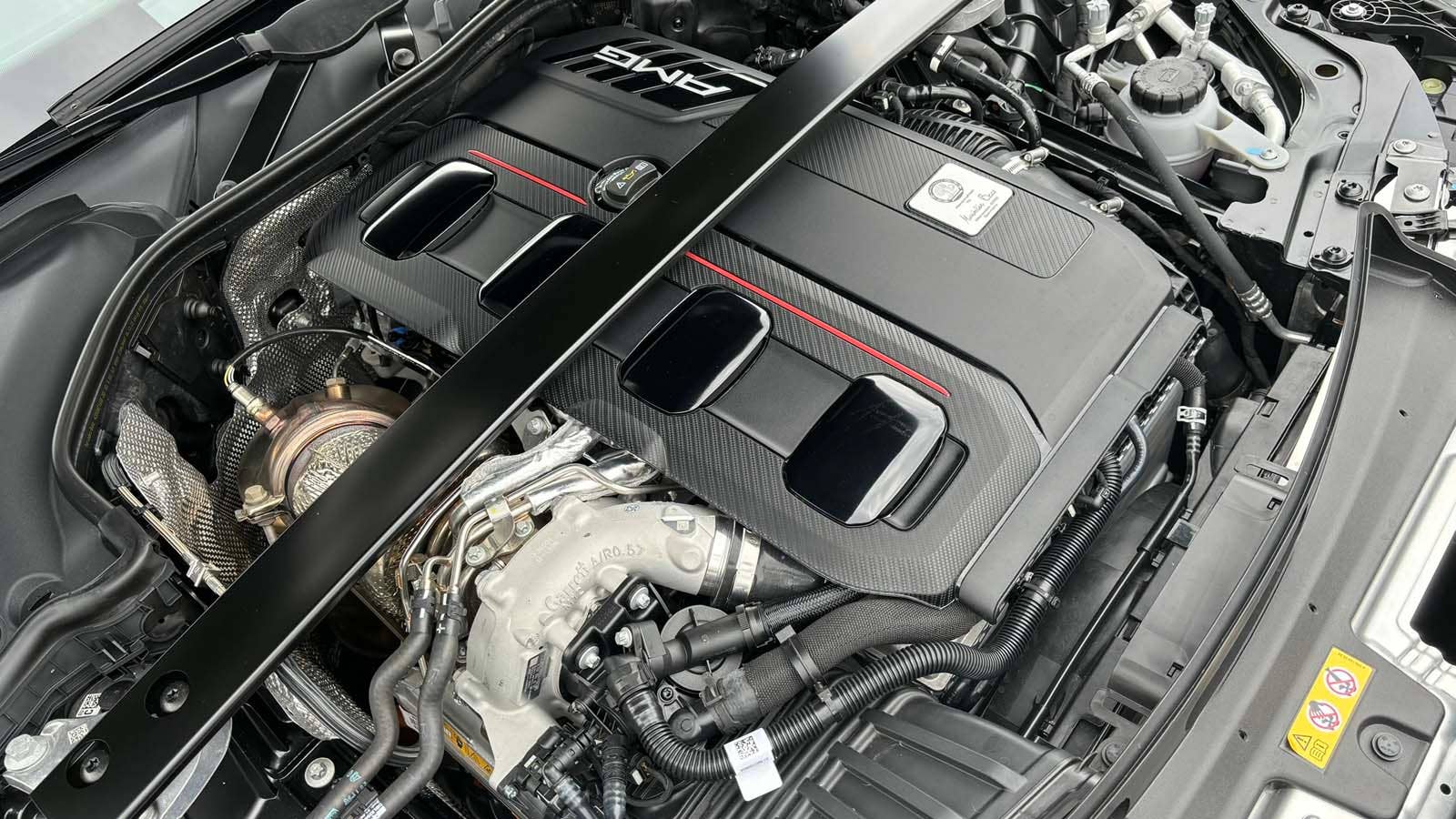
Hybrid turbo: A hybrid turbo is not an electrified/electrically-assisted turbo like that of the Mercedes-AMG C 63 S E Performance, but it is a great way to improve the performance of an already-turbocharged engine. A manufacturer or tuner keeps the existing turbocharger frame, maintaining the size of the compressor and exhaust housings, but installs larger and/or lighter turbine wheels. Larger wheels allow more boost to be produced, and lighter ones make it easier to reach those boost targets. The result is a hybrid of two designs, delivering increased performance with less lag than would come from larger turbo housings, but there’s only so much metal that can be machined away from the turbo to fit larger wheels, and increasing turbine speed or boost pressure can overwhelm the heat limits of the turbo, leading to cracking, or even result in cavitation, where the turbo is not processing as much air as it’s being fed, ultimately damaging the wheels or the whole cartridge. Again, tuning is key to maintaining reliability, but it’s much simpler to fit a hybrid than to deal with the packaging and tuning challenges of putting a bigger turbo in a car that came with a small one.
James Riswick/Autoblog
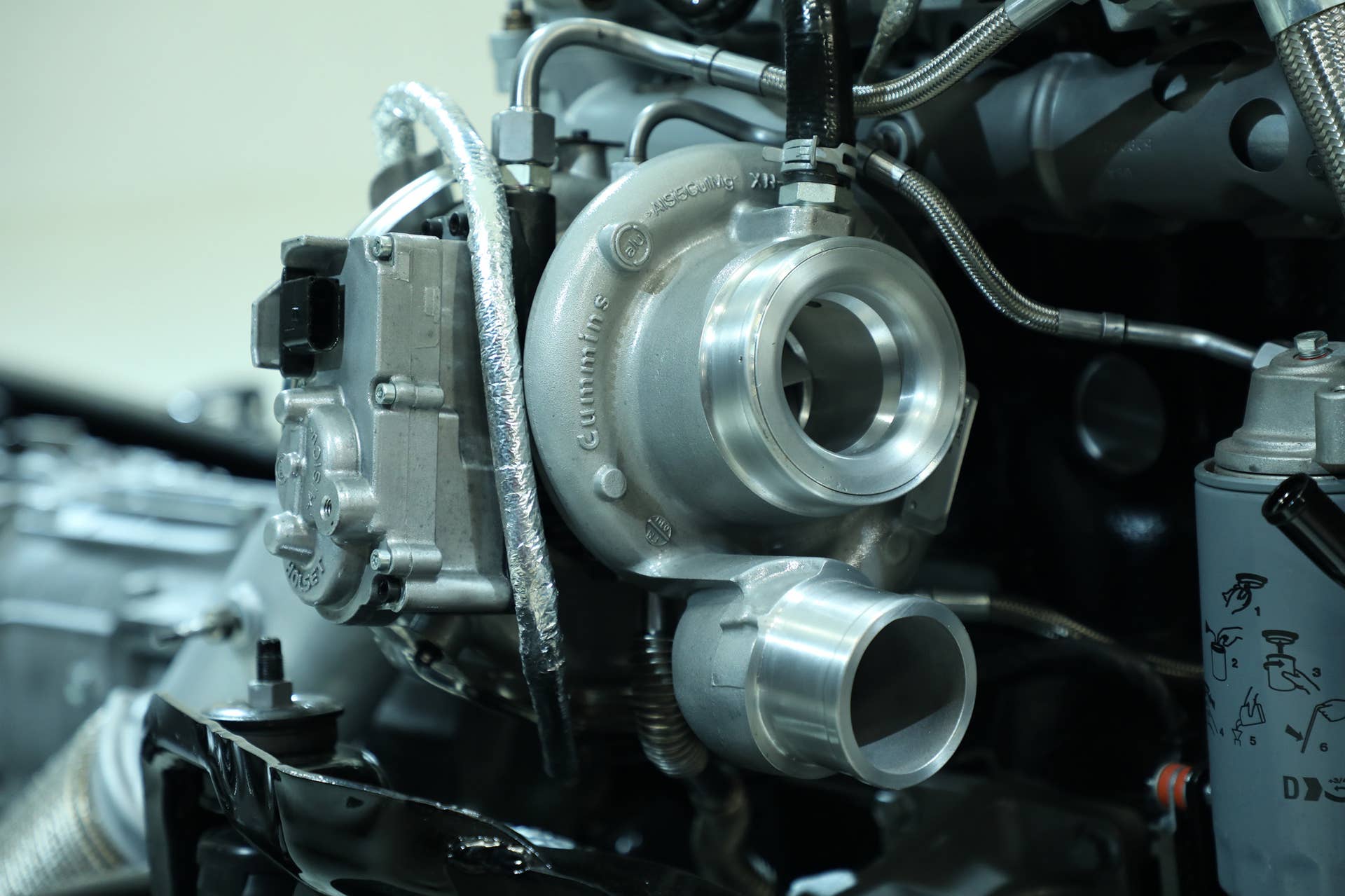
VGTs: One of the most complex but most efficient types of turbocharger construction involves the variable geometry turbo, or VGT, which has vanes inside the turbo that adjust the area-to-radius ratio depending on the speed of the engine. At low engine speeds, the vanes close to create a low A/R ratio, increasing the speed of the exhaust gases to quicker turbo spool-up. As the engine speed rises, the vanes move apart to allow more air through, controlling boost. The results include reaching targeted boost levels sooner, improving throttle response, and a “long-legged” power curve that doesn’t fall off when a regular, fixed-geometry (wastegated) turbo would. The downside is that these turbos are particularly prone to damage from heat and usually require the replacement of the entire turbo when there’s a failure, but in an engine with relatively low exhaust gas temperatures, like the Ford Powerstroke series, this is less of a problem. Diesel turbocharger systems rely on low-end torque, making variable geometry turbine turbochargers particularly valuable.
Porsche
Porsche
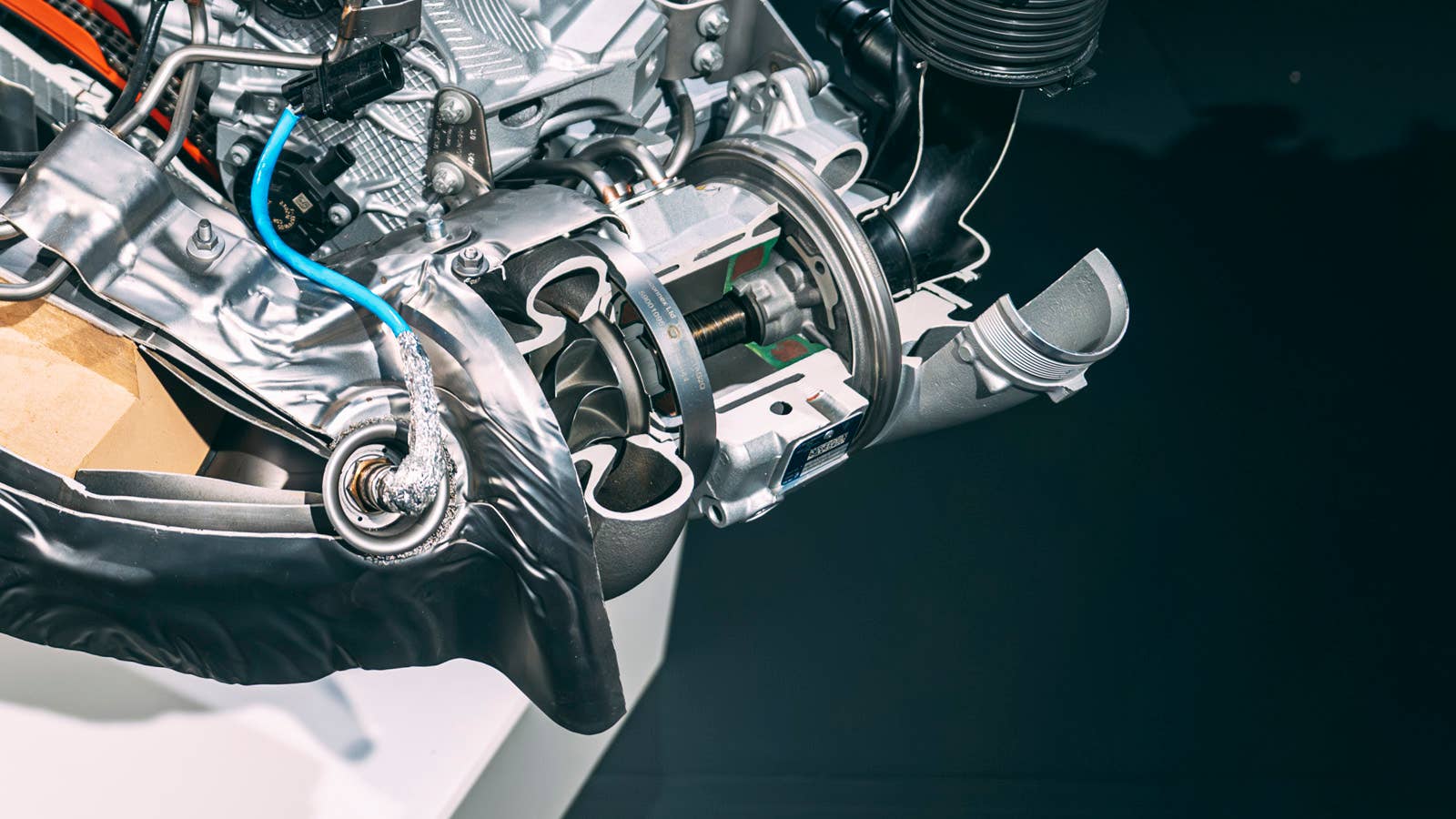
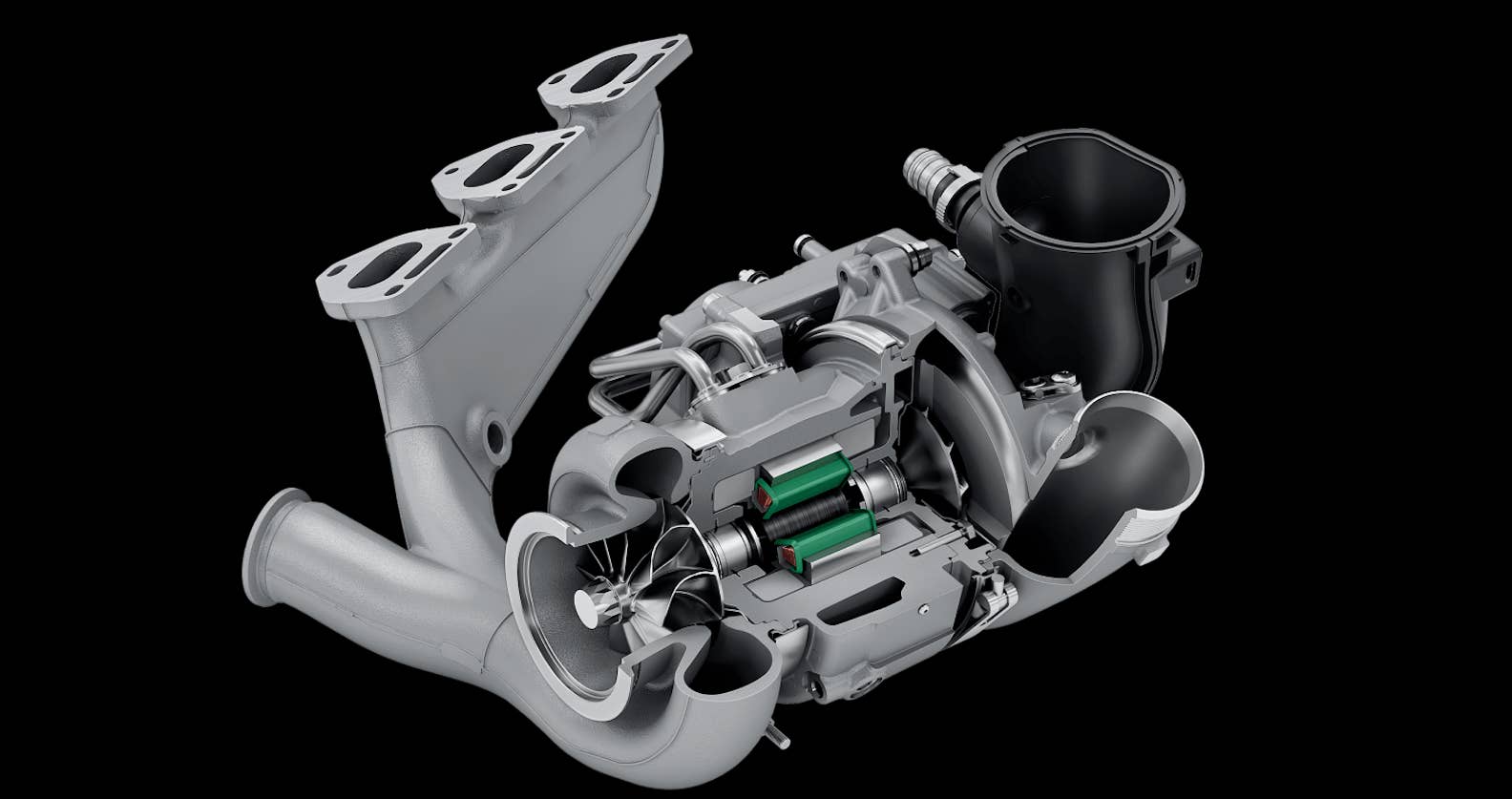
Electric turbos: An electric turbocharger is a particularly innovative solution that has reached its pinnacle in motorsport. A tiny electric motor is connected to the compressor side of the turbine, allowing it to spool the turbo up instantly at low RPM when there would otherwise be lag. When optimal compressor speed is achieved, the turbine behaves as normal, and when the driver lifts off the gas, the electric motor harvests the kinetic energy from the turbo to charge its battery. This allows manufacturers to install unusually large turbochargers that can produce immense power without having to deal with lag. However, the complexity of such e-turbos means they’re very sensitive to excess heat, and replacement costs are immense. Porsche, in particular, is at the forefront of furthering this technology, both in today’s 992.2 Turbo S T-Hybrid and in patents that preview the future of turbo innovation, but the C 63 mentioned earlier also qualifies as having an e-turbo.
Pros and Cons of Turbochargers
The benefits of turbochargers are numerous, though there are several drawbacks, too. Benefits include the following:
- Improved performance: Both at the low end and throughout the powerband, a turbocharger increases torque and horsepower without the weight of bigger/more cylinders.
- Increased fuel efficiency: Because the turbocharger helps the engine work, less fuel is burned to achieve the same performance.
- Improved acceleration: The low-end torque bump means the engine does not need to be revved high to achieve its peak output, which makes acceleration easier.
- More tuning potential: While a naturally aspirated engine can also be tuned to improve performance, the gains are relatively tiny, even with major hardware upgrades. A turbocharger’s impact can feel exponential on a formerly atmospheric engine, and on an engine that is already turbocharged, altering boost, fuel, and timing parameters results in much larger gains for much less cost.
The downsides of turbochargers are often worth risking, but they’re not worth ignoring, so let’s explore them:
- Increased complexity: A turbocharger requires several supporting accessories, from the dump valve to the intercooler. Additional oil and air cooling is also necessary, and like-for-like, a naturally aspirated engine’s footprint is more compact. Managing the intense heat produced by the exhaust side of the turbo can also present challenges for the intake and exhaust, depending on the setup.
- Tuning: Finding the right balance between horsepower and drivability requires compromise, and when fitting a turbo to an originally naturally aspirated engine, not only does one need to route the hardware properly, but compression ratios and fueling need to be addressed, which requires skill. Bad tuning can cause the engine to run lean, causing knock, or pre-detonation. In a diesel turbo engine, spark-knock detonation doesn’t occur, but excessive heat and too much boost can still cause explosive engine failure.
- Reliability: While contemporary turbo engines are often as reliable as their naturally aspirated counterparts, a turbocharger and its ancillaries are more components that could fail. Lugging a motor and overspinning the turbo can result in premature failure, and in aftermarket applications with turbocharger conversions on N/A motors, several supporting upgrades often need to be installed to ensure safe operation. In a turbo diesel vehicle, excessive boost has been the cause of many a turbo failure. Fortunately, the engines themselves rarely suffer, so swapping in a new turbo on a diesel engine is often all that’s required. Regardless of the engine type, regular maintenance is key.
- Lag: Compared to a naturally aspirated engine, a turbocharged one is always a little less responsive, and when the power does come in, it can catch unwary drivers out, causing a loss of car control that is difficult to recover from. In racing, a sudden spike in power while cornering can be disastrous.
Turbo FAQs

- How does a turbo work? The compressor side of the turbocharger sucks air in, spinning the turbine at speeds of up to 350,000 RPM, or 1,100 mph. This compressed air is sent through charge piping and a cooling system, like an intercooler or charge cooler, further increasing its oxygen density as it enters the intake manifold. This allows more fuel and more air to be injected and burned. After the combustion process is complete, spent exhaust gases are sent out of the exhaust valves, through the exhaust manifold, and to a collector where they flow through the hot, or exhaust, side of the turbocharger. This speeds up the spinning of the turbine from the other side of the core, helping the compressor suck in more air to repeat the process.
- How does a turbo work on a diesel engine? The process is identical to that of a turbocharged gasoline engine, with the difference lying in their combustion processes—diesel engines rely on compression to ignite the air/fuel mixture, and the air entering the engine is compressed before the fuel is injected, while gasoline engines use a spark plug and get fresh air and fuel at the same time. In both cases, compressed air is forced into the intake manifold by the turbo, which is spun by the exhaust gases on the hot side of the turbocharger spinning a turbine that simultaneously compresses the intake air on the cold side. This turbine also helps the exhaust gases evacuate the combustion chamber more quickly after the mixture is burned.
- What does a turbo do? A turbocharger system increases air density, which allows more fuel to be injected into the combustion chamber, thereby increasing performance and making for a cleaner burn, improving fuel efficiency.
- What is a turbosupercharger? This is an old name for a turbocharger. Since superchargers predate turbochargers, and since both perform the function of forced induction, increasing the charge, or dense air, in the combustion chamber, the term turbosupercharger was coined to differentiate its turbine construction. The term largely fell out of use around the mid-20th century.
About the author

Sebastian Cenizo
Senior Editor, Autoblog