

How van life became a global trend
With rising global housing costs and jobs increasingly transitioning to remote employment, the “digital nomad” has become a popular occupation type for people seeking remote work that allows them to stay moving, never stuck in just one location. As a result, van culture has seen a major resurgence, and in a very different way, shape, and form than what was popular way back in the 1970s, what with porthole windows and flashy graphics. These days, van culture values capability—a van’s ability to tackle harsh terrain just as well as it handles lengthy highway stretches—and spaciousness. After all, people are planning to actually live in these vans for prolonged periods of time, rather than just spend a brief sunny afternoon lounging in one by the beach.
Exotic Car Trader
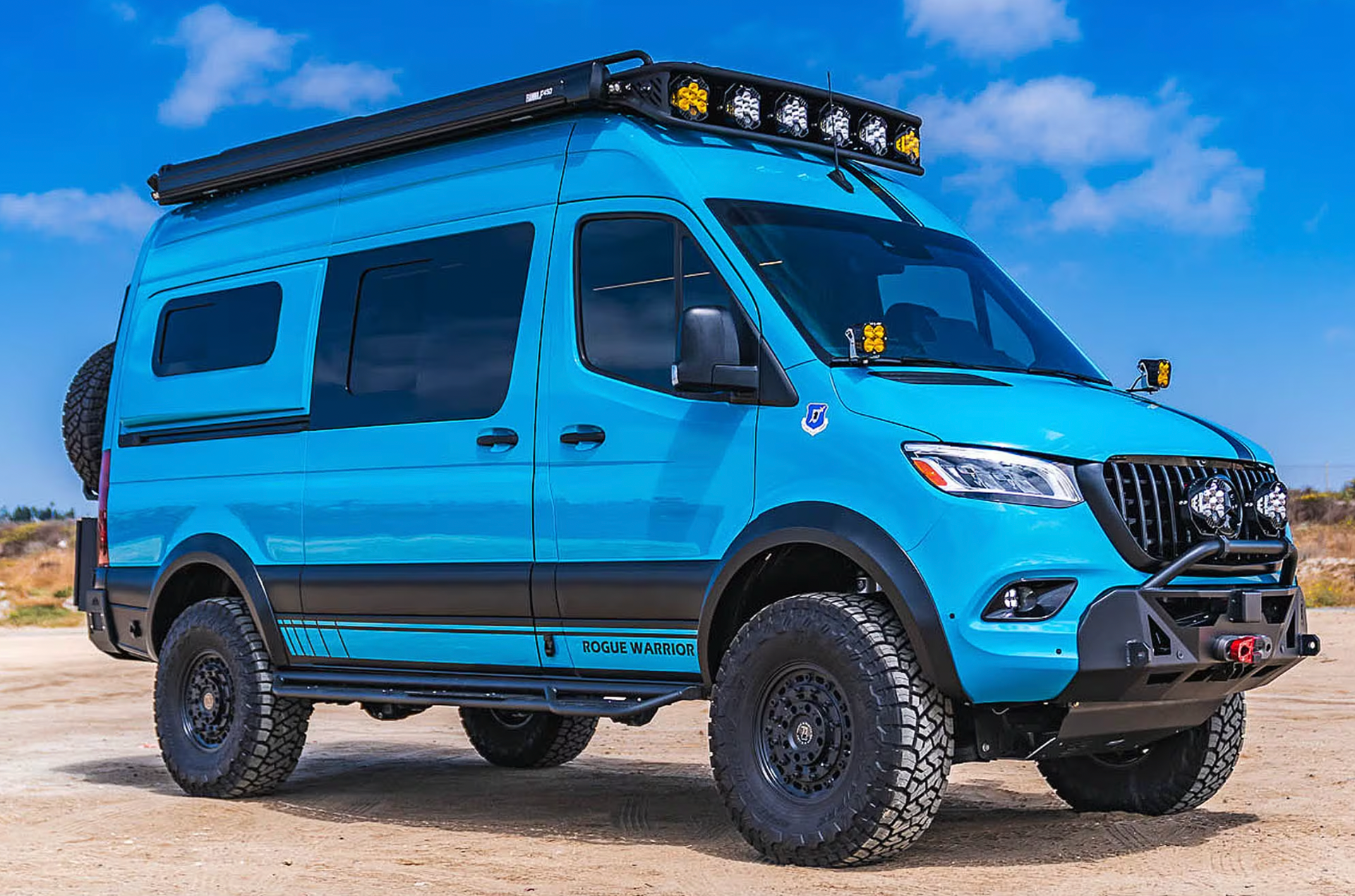
Massive, decked-out Mercedes-Benz Sprinter vans perfectly encapsulate what modern van culture is all about. Four-wheel drive, a commodious interior, plenty of rooftop storage space, and all the off-road gear you can find are necessary for a van to not only stand out and draw attention, but also for it to be genuinely capable on long-distance adventures and exploration journeys. Thing is, vans like these don’t come cheap, and, like all new vehicles today, they, which at their core are meant to fill a need for frugality in people’s lives, are becoming increasingly inaccessible to purchase. This is where a revived Ford Transit Connect could find its niche.
Ford
The end of the Transit Connect, and why it mattered
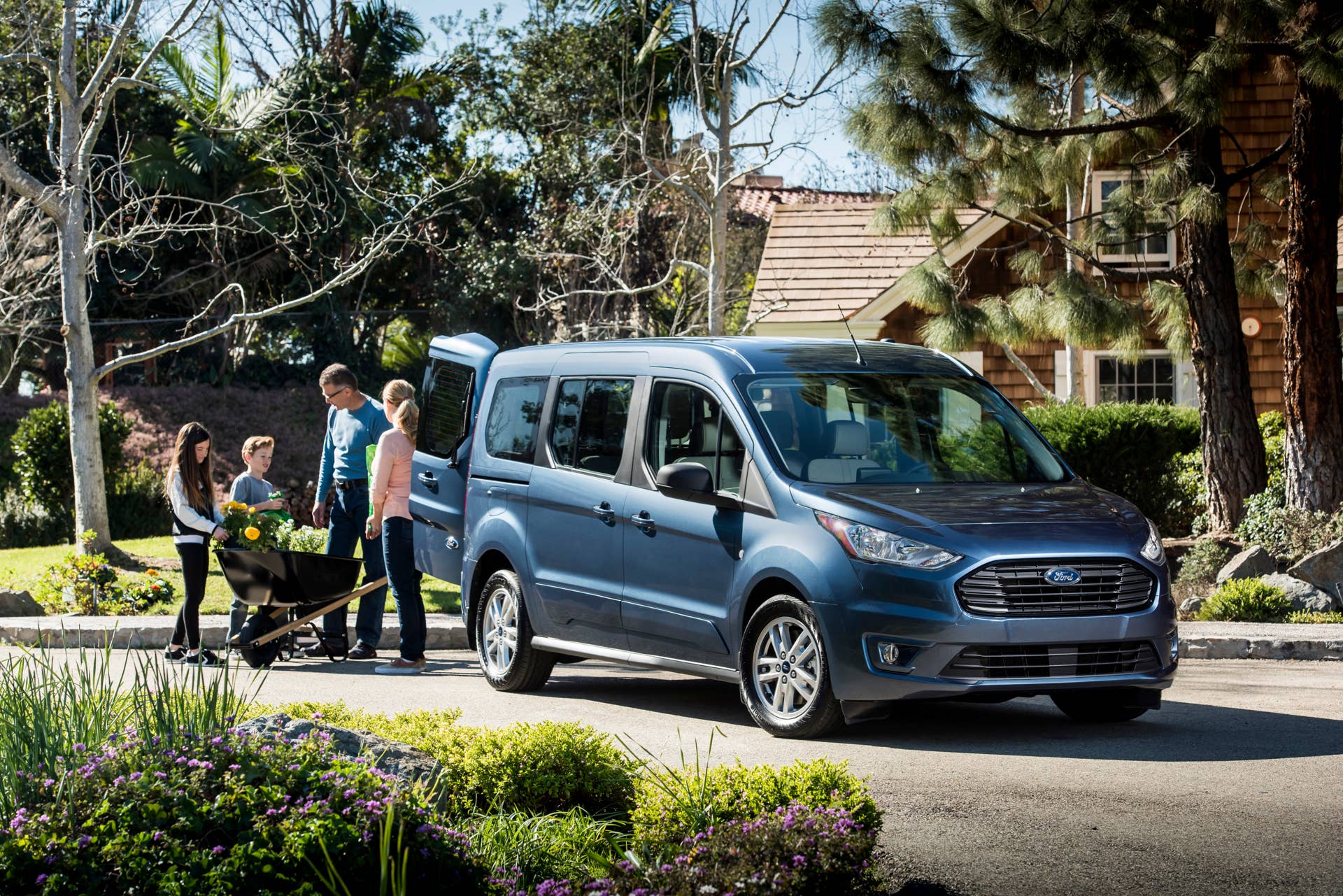
Of course, Ford still sells the larger Transit van, and it has become a go-to alternative to pricier models like the Mercedes-Benz Sprinter, but it still fetches a pretty penny, especially ones properly outfitted for adventure use. The smaller Ford Transit Connect, which was offered in North America from 2010 until 2023, provided a similar utilitarian feel in a more compact package for significantly less money, but it was always marketed as more of a commercial vehicle rather than a capable lifestyle adventure van. Despite the shortcomings of the discontinued Transit Connect, I still believe that there’s justification for the nameplate to make a comeback, albeit transformed to appeal to a market that’s looking for more than just basic utility.
Cole Attisha Using Midjourney 7.0 & Gemini 2.5 Flash Image

Cole Attisha Using Midjourney 7.0 & Gemini 2.5 Flash Image
What could it look like?
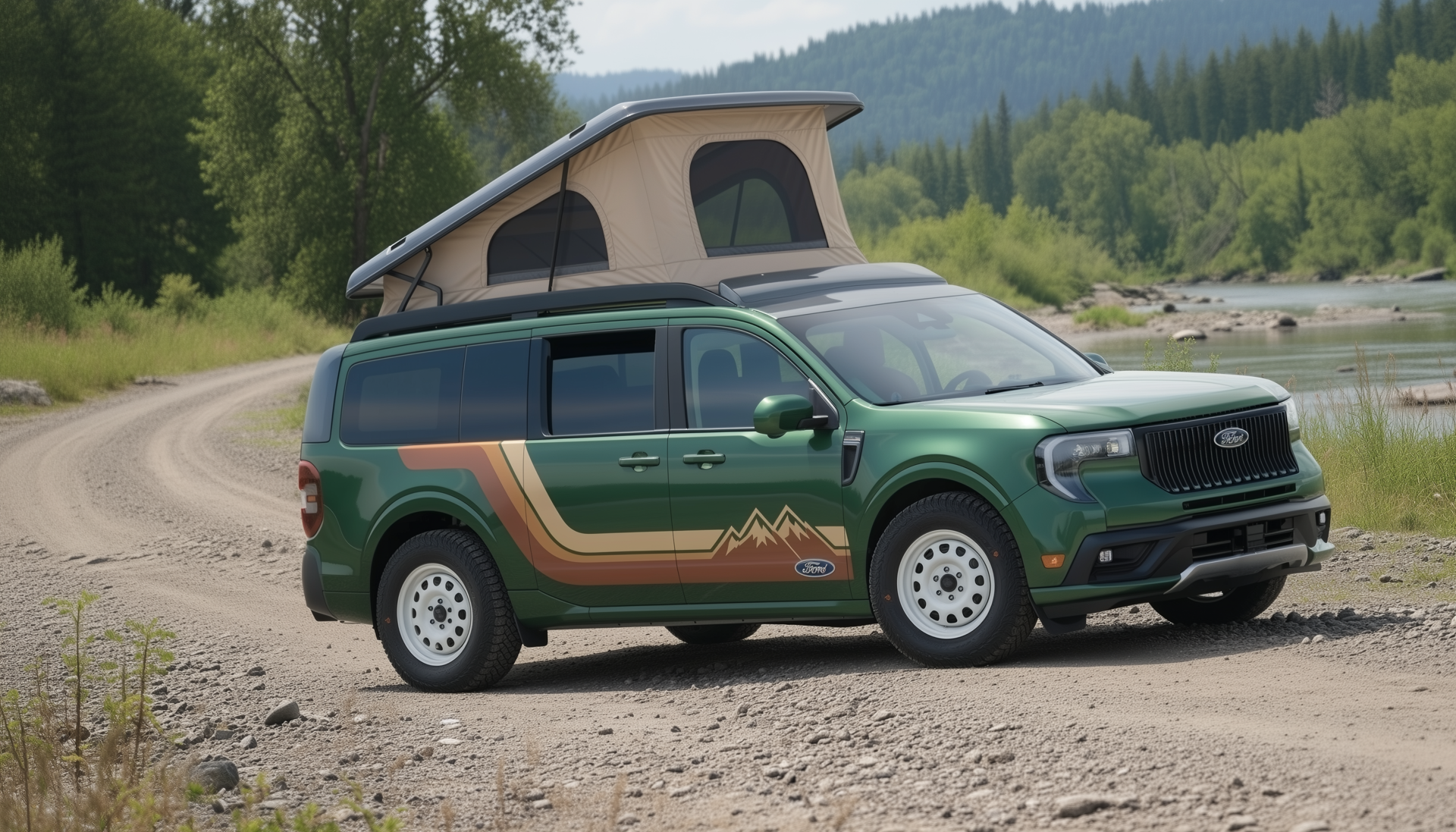
Plainly, a revived Ford Transit Connect should share its platform with the compact yet capable Ford Maverick pickup truck. With an available hybrid powertrain, turbocharged options, and four-wheel drive, the Maverick could serve as an excellent platform to underpin a genuinely capable adventure van. With a Westfalia-style pop-up roof and seating for up to seven or eight occupants, such a van could be a compellingly affordable contender against much larger, pricier adventure vans.

Cole Attisha Using Midjourney 7.0 & Gemini 2.5 Flash Image
A Maverick-based Ford Transit Connect could even lend itself well to commercial use, especially with its available 2.5-liter four-cylinder hybrid powertrain, which would maximize fuel economy while still offering enough power to haul a tower of packages, lawn care equipment, or perhaps a few ladders. For small business owners, a hybrid, Maverick-based Transit Connect could be an excellent compact van at a compelling price point that’s well capable of taking a serious beating.

Cole Attisha Using Midjourney 7.0 & Gemini 2.5 Flash Image
Final thoughts
Using the Maverick platform could be the key to success for the Transit Connect, which never quite managed to gain ground in the North American marketplace, as its appeal was distinctly European. Maverick underpinnings could give it more rugged capability, available four-wheel drive, and the space it needs to be competitive as an affordable adventure van or commercial panel van. Could you see the Transit Connect returning to North American shores as a Maverick-based van? Share your thoughts in the comments!
About the author

Cole Attisha
Staff Writer, Autoblog