

The icon returns: Ferrari F40 revival marks a new era for Maranello
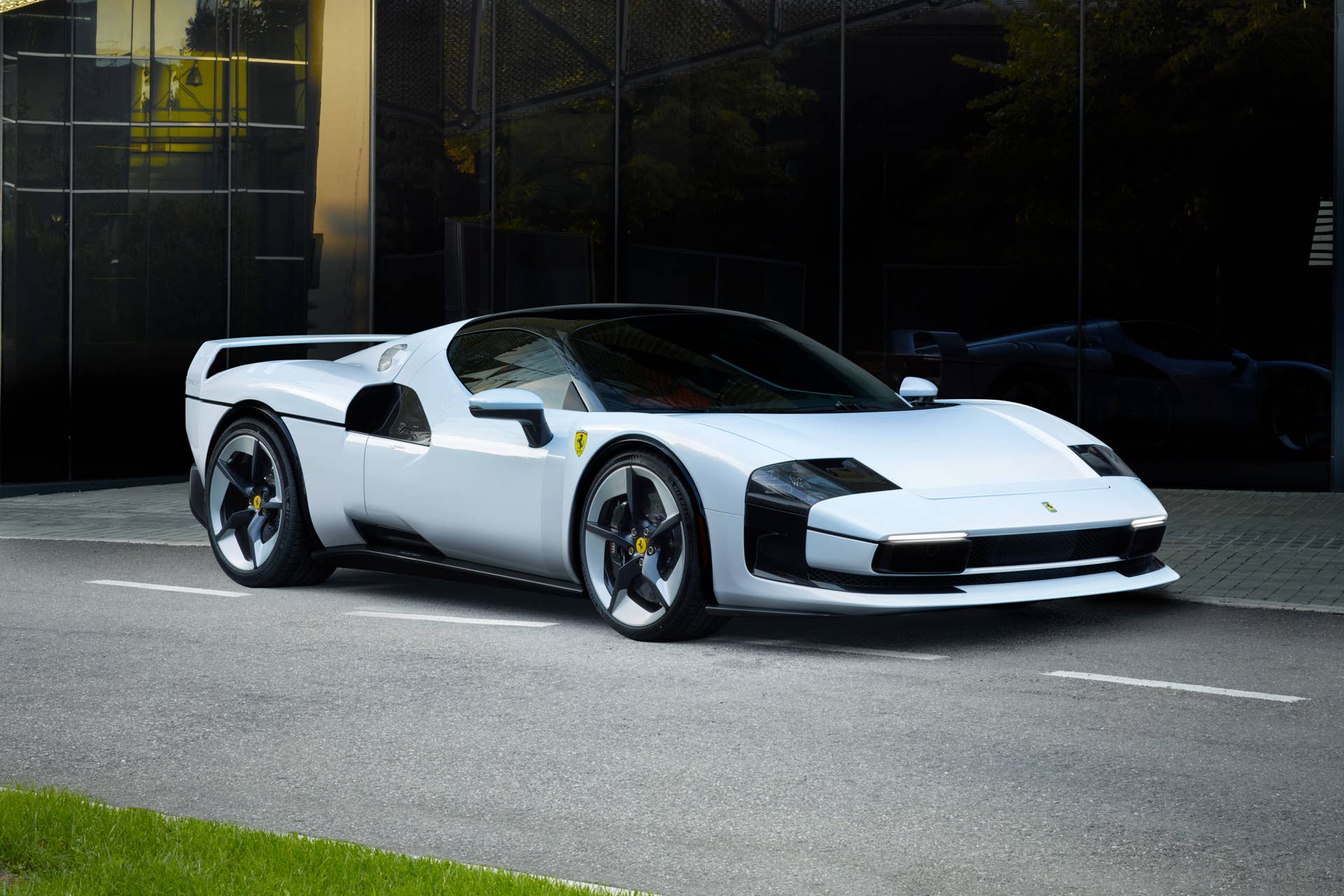
It seems that these days, automakers are looking to their own pasts more than ever to create retro-inspired models that appeal to nostalgia. A few years back, Lamborghini debuted a modern-day Countach revival, equipped with a hybridized V12 engine and styling that echoed the iconic wedge shape of the original. Now, Ferrari is doing the same thing, having revived both the Testarossa and F40 names over the past few months. Could this be a sign of more things to come in the near future?
Ferrari
Although I appreciate a well-done retro throwback, I wonder if automakers’ recent tendency to revive older models is truly a healthy sign. When 40-year-old Ferraris are held in higher regard than brand-new ones, perhaps it’s a sign that modern Ferraris aren’t being coveted in the same way they used to be. Have new Ferraris become so dull that the automaker has given up on attempting to create new designs and resorted to recycling older models to capitalize on their historic pedigree? Or, could this be a sign that automakers are recognizing they’ve gone too far in the wrong direction? Perhaps they should design and develop cars with the mentality of the past, rather than the somewhat misguided philosophies of now, which are more guided by government regulation and the relentless pursuit of advanced battery technology, instead of actual mechanical innovation.
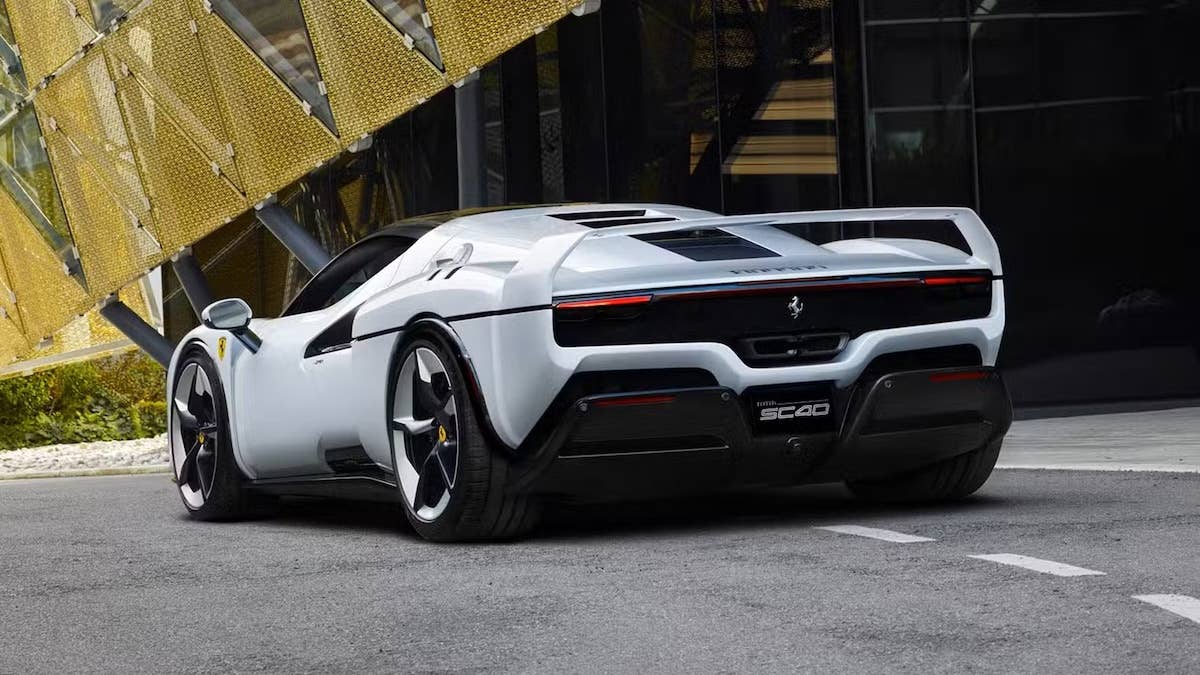
In the same vein, I find many of these modern supercar retro throwbacks somewhat off-putting, even if I’m willing to accept that their existence could be a step forward for automotive design. I mean, so much of the F40’s legendary standing comes from its glorious, turbocharged 2.9-liter V8 engine, its gated manual gearbox, and the simple fact that, despite being an incredibly raw and analog sports car—even deleting its stereo system and climate control in favor of weight savings—it was a world-beating supercar. The F40 proved to the world that Ferrari was capable of genuine, raw mechanical greatness, even in the early days of turbocharging. So, then, how exactly does a modern “revival,” which uses a hybrid V6 engine, an automatic gearbox, and extensive electronic assists, properly do justice to the original F40? Did Ferrari merely slap an F40-like wing on the back, a boxy front end, and call it a day? Will the “SC40” carry on the F40’s legacy into the 21st century, or will it only dilute the legendary nameplate?
Ferrari
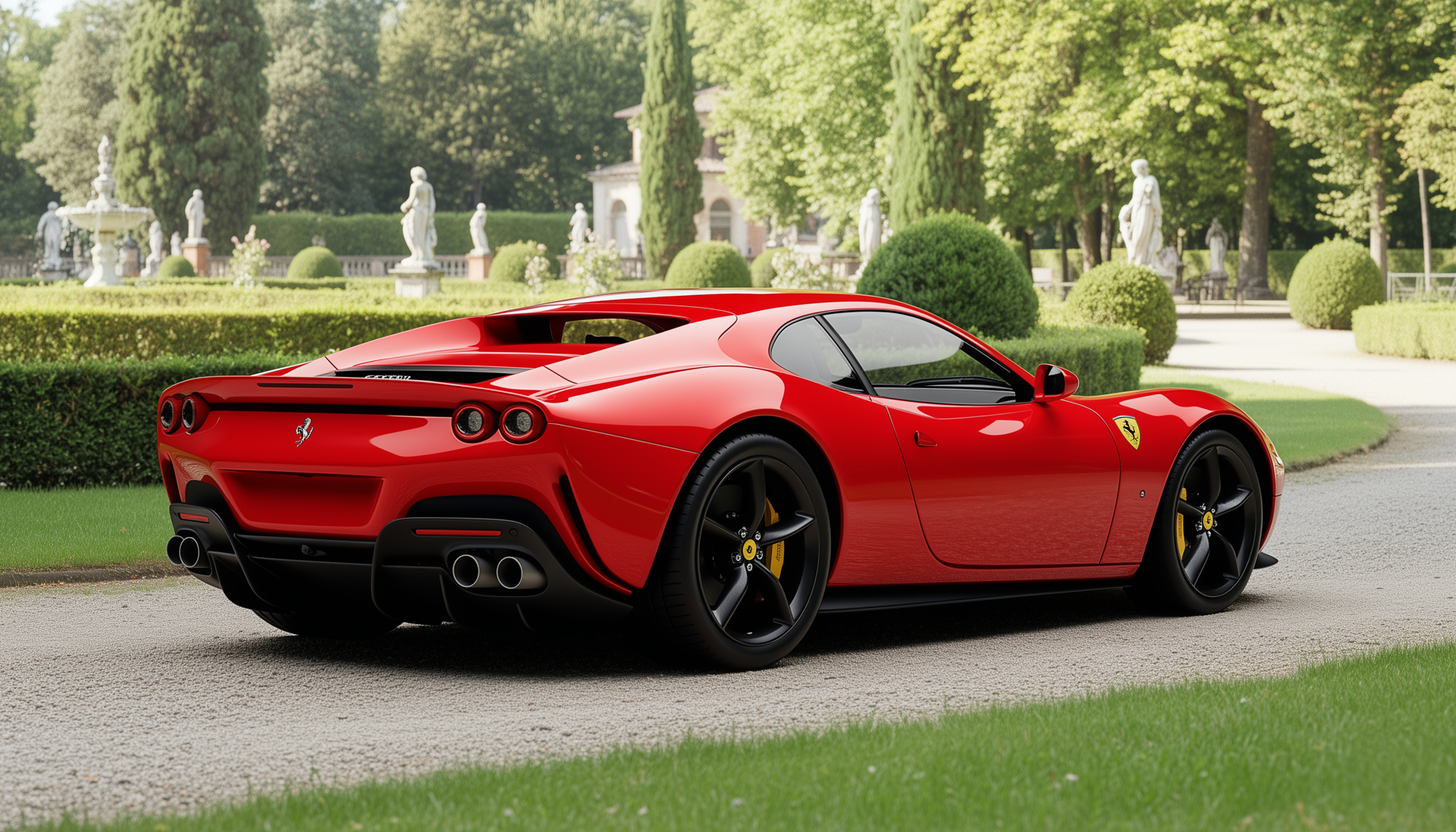
It’s worth noting that since Ferrari ended its longstanding collaboration with Pininfarina, the legendary Italian design house, in 2013, its design language has moved in an entirely different direction from what we were used to seeing from the brand. So, I wonder if all these retro revival throwback models are Ferrari’s way of creating brand lore in a post-Pininfarina era. Whether you prefer Pininfarina’s vision for Ferrari styling or Ferrari’s post-Pininfarina designs, I do at least believe there’s some validity in this strategy, regardless of how well it suits our critical eyes. So, then, I thought, if Ferrari is going to continue to revive heritage icons with styling translated into their contemporary design language, what could some of their other historical models look like with a modern remaster? And, how would I like to see them do it? With the help of Midjourney 7.0 and Gemini 2.5 Flash Image, I’ve taken an imagined look at what a revived Ferrari 250 GTO could look like, as well as what potential powertrains and features it could equip. These images are purely fictional and do not resemble any actual Ferrari products.

Cole Attisha Using Midjourney 7.0/Gemini 2.5 Flash Image
What could a modern 250 GTO look like?
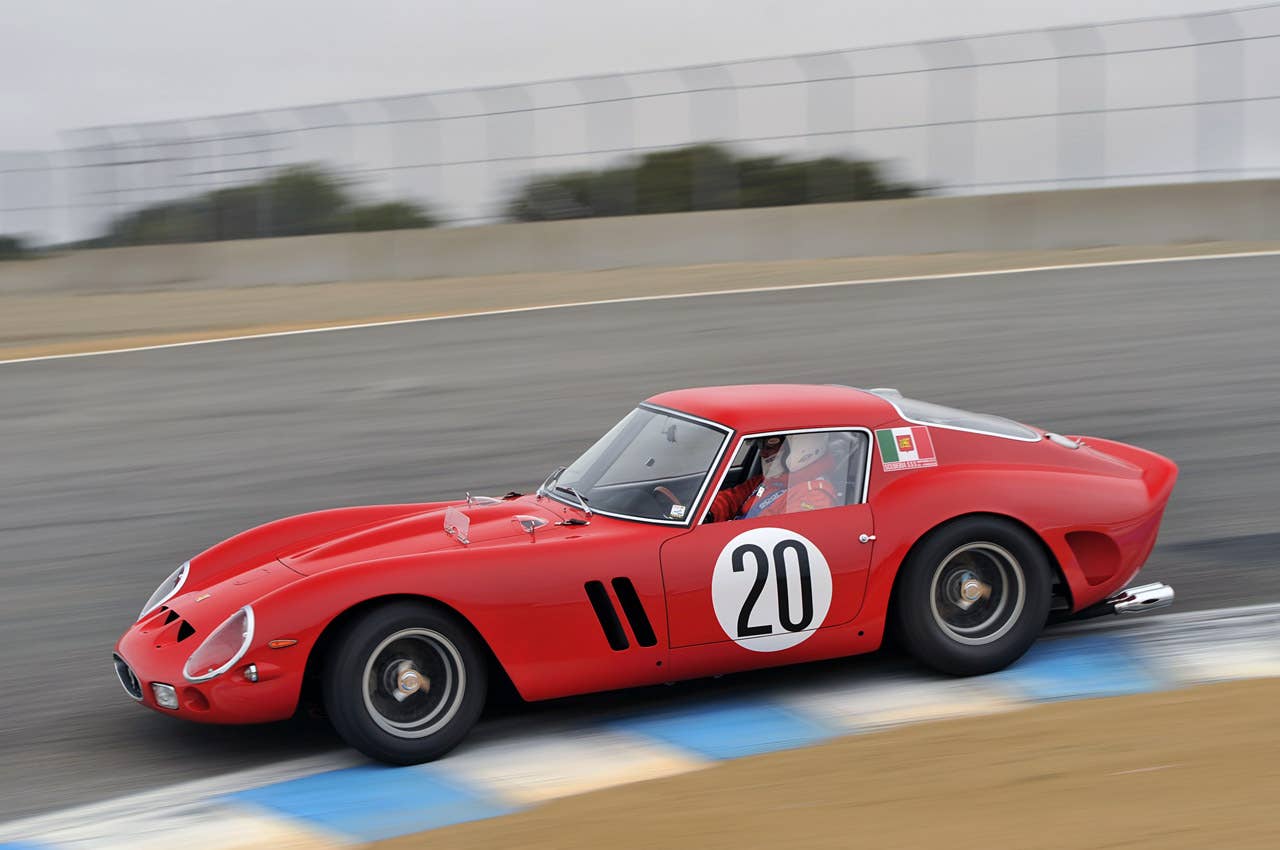
I think if Ferrari ever did revive the 250 GTO, excluding a V12 powertrain would be utter sacrilege, even if they’ve somehow gotten away with reviving the Testarossa name without a 180-degree V12 and have spiritually revived the F40 with a V6. Imagine it with the naturally aspirated 6.5-liter V12 from the contemporary 12Cilindri model, which produces up to 830 horsepower without the need for forced induction or electrification. To me, that’s the only modern Ferrari power plant that could do such a thing justice.
Ferrari
With stately, rounded forward fenders, a low-slung hood, and a ducktail spoiler integrated into the body lines, rather than tacked on as an afterthought, a modern 250 GTO would need to honor the stunning proportions of the original. After all, its design elements have helped make the 250 GTO one of the most valuable automobiles on the planet. For reference, one of these sold for $70 million in a private sale in 2018. $70,000,000 for a car. That’s the level of prestige the 250 GTO holds.
Cole Attisha Using Midjourney 7.0/Gemini 2.5 Flash Image
Now, I’ll freely admit that these depictions more closely resemble a 2020-ish model rather than a 2026 model. Still, I can’t help but feel that the swoopier, cleaner aesthetic of Ferrari’s design from that era more accurately suits what a 250 GTO revival should look like. I’m still a fan of Ferrari’s 12Cilindri, but I’d be lying if I said I believed it was more beautiful than the 812 Superfast that came before it—that thing was truly a modern masterpiece, and it still looks brand-new to me. I’d like to think that a modern 250 GTO could retain the restrained elegance that made it so gorgeous in the first place, rather than having Ferrari add a piano black strip to its hood to make it look “futuristic.”
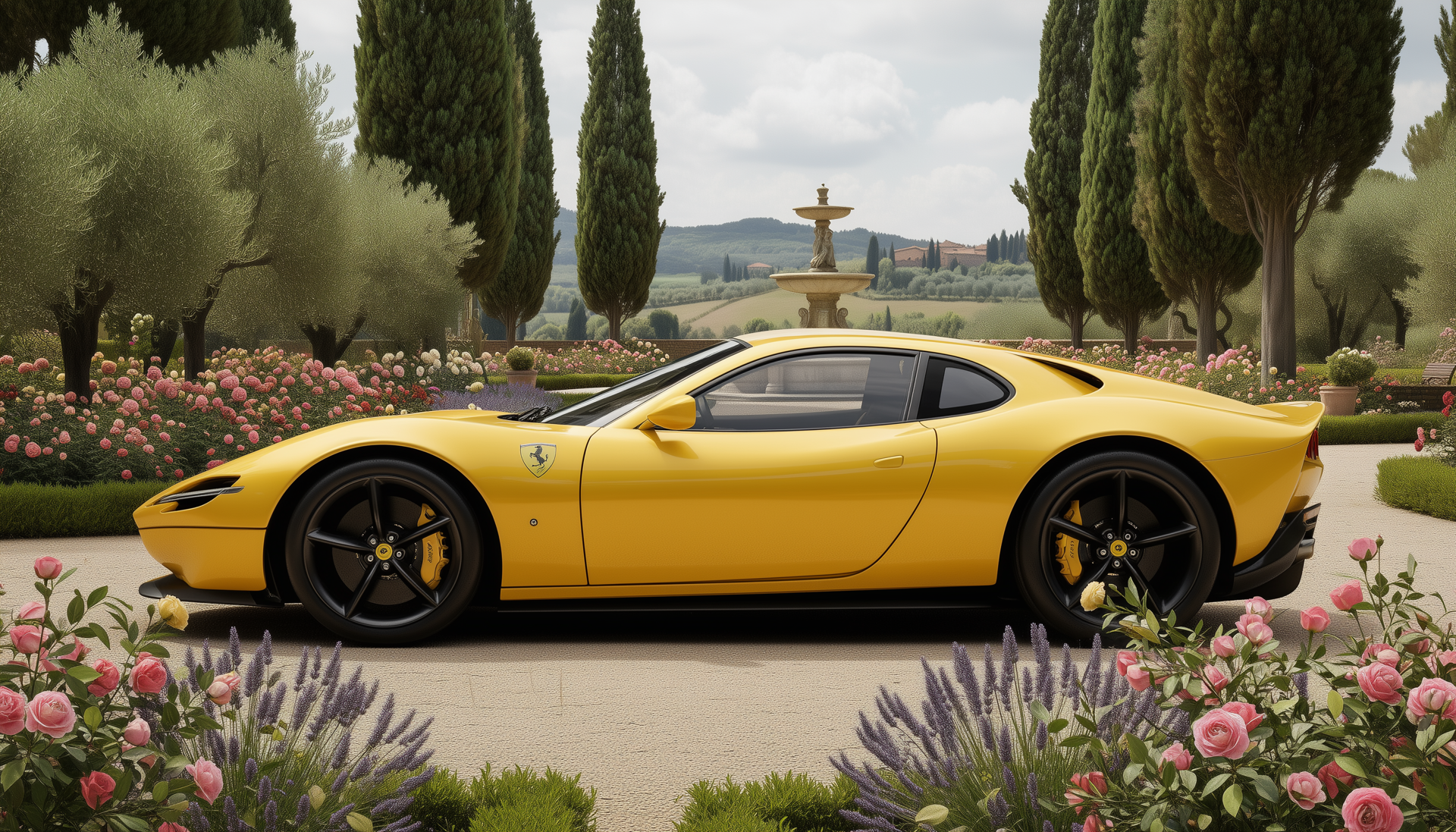
Cole Attisha Using Midjourney 7.0/Gemini 2.5 Flash Image
Final thoughts
I’m not opposed to automakers reviving long-lost models that people miss so desperately. In fact, I think it’s a fantastic idea, and I’d love to see more manufacturers experiment with it. However, I believe it’s essential that, when reviving long-lost models, the very things people loved about them—whether turbocharged V8 engines, raw analog driving dynamics, old-school body-on-frame platforms for off-road SUVs, or specific design ideologies—should still exist within the design and function of the vehicle. Otherwise, automakers aren’t just exploiting a beloved nameplate of the past; they’re diluting the legacy that underpins their brand’s heritage.
About the author

Cole Attisha
Staff Writer, Autoblog