
The future of police patrols
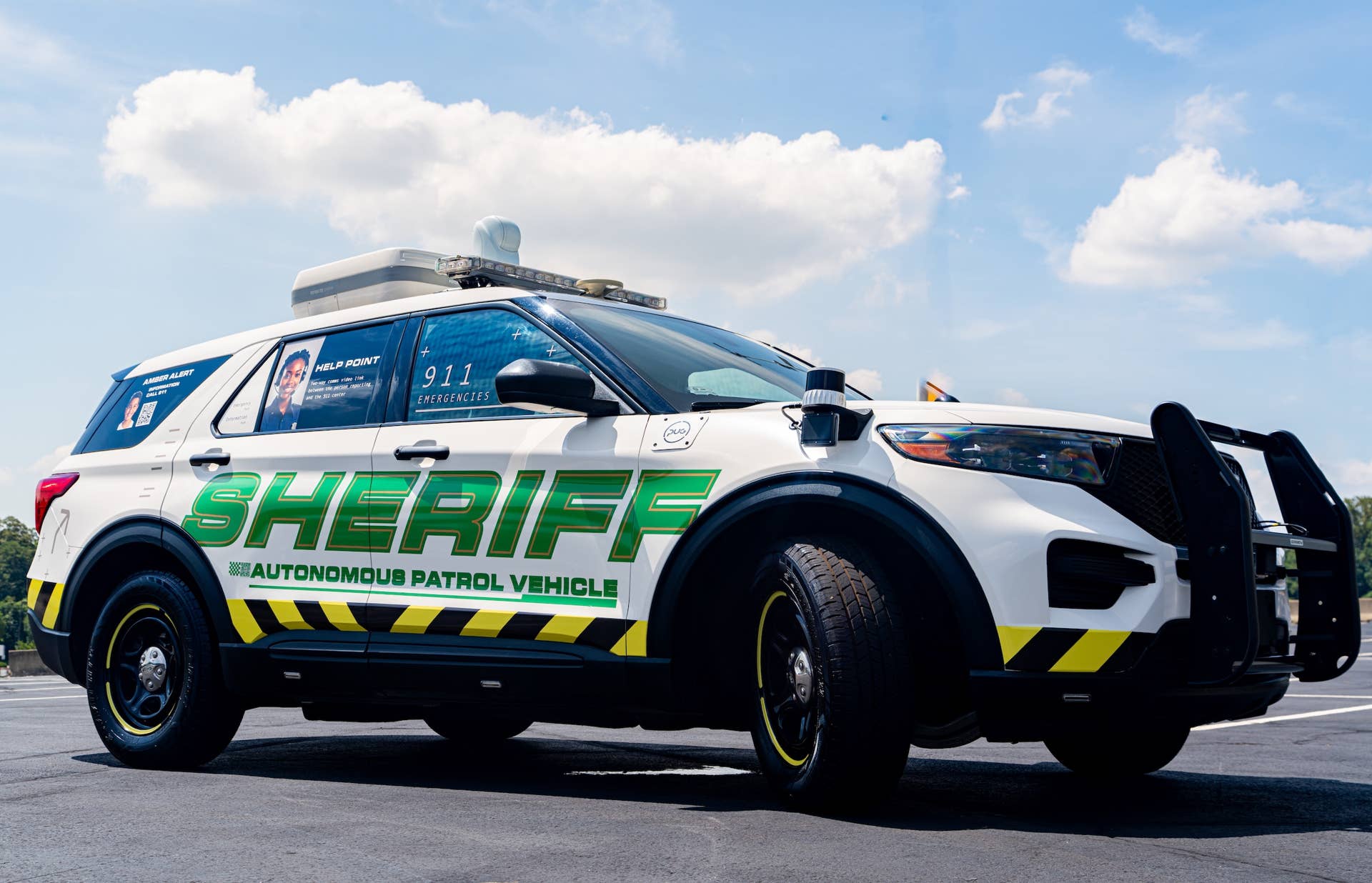
In the not-too-distant future, when being pulled over by what appears to be a state trooper, there may be no one behind the wheel. Of course, with the advent of autonomous vehicles, this was bound to happen. While that might seem like the distant future, unmanned police cruisers are actually already a reality. Earlier this week, the Miami-Dade Sheriff’s Office (or MDSO) pulled the wraps off the Police Unmanned Ground (or PUG) Patrol Partner at Supercars Room Miami. The MSDO says its PUG is the nation’s first autonomous patrol vehicle.
The Policing Lab
During the pilot program, the PUG will operate under the MDSO’s Community Affairs Bureau. Its first role won’t be enforcement but engagement. It will be making appearances at public events where Sheriff Rosie Cordero-Stutz and her team can gauge community reaction. That feedback will help determine whether the vehicle transitions from a showpiece to a tool for everyday patrol.
How is it equipped?
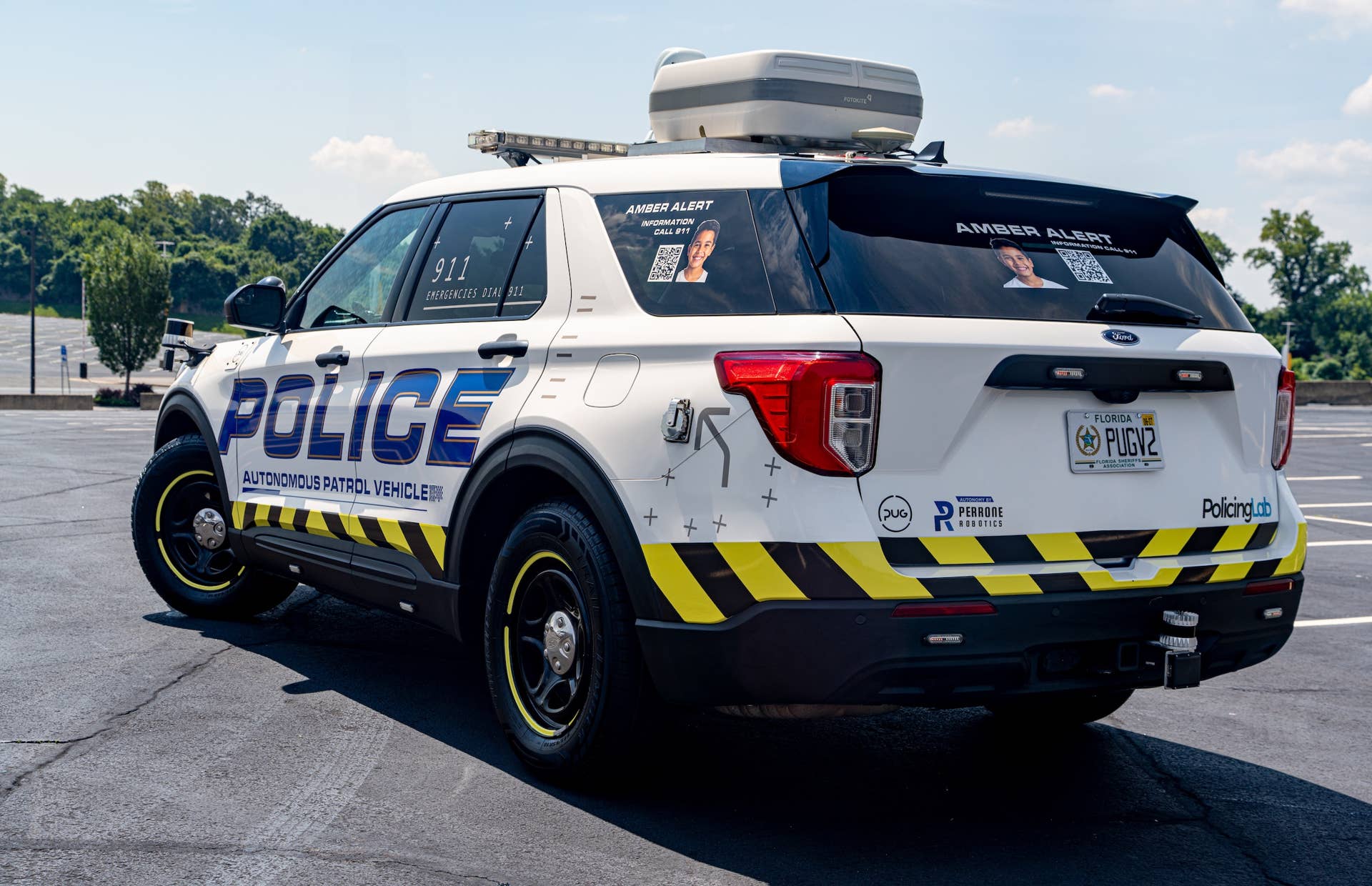
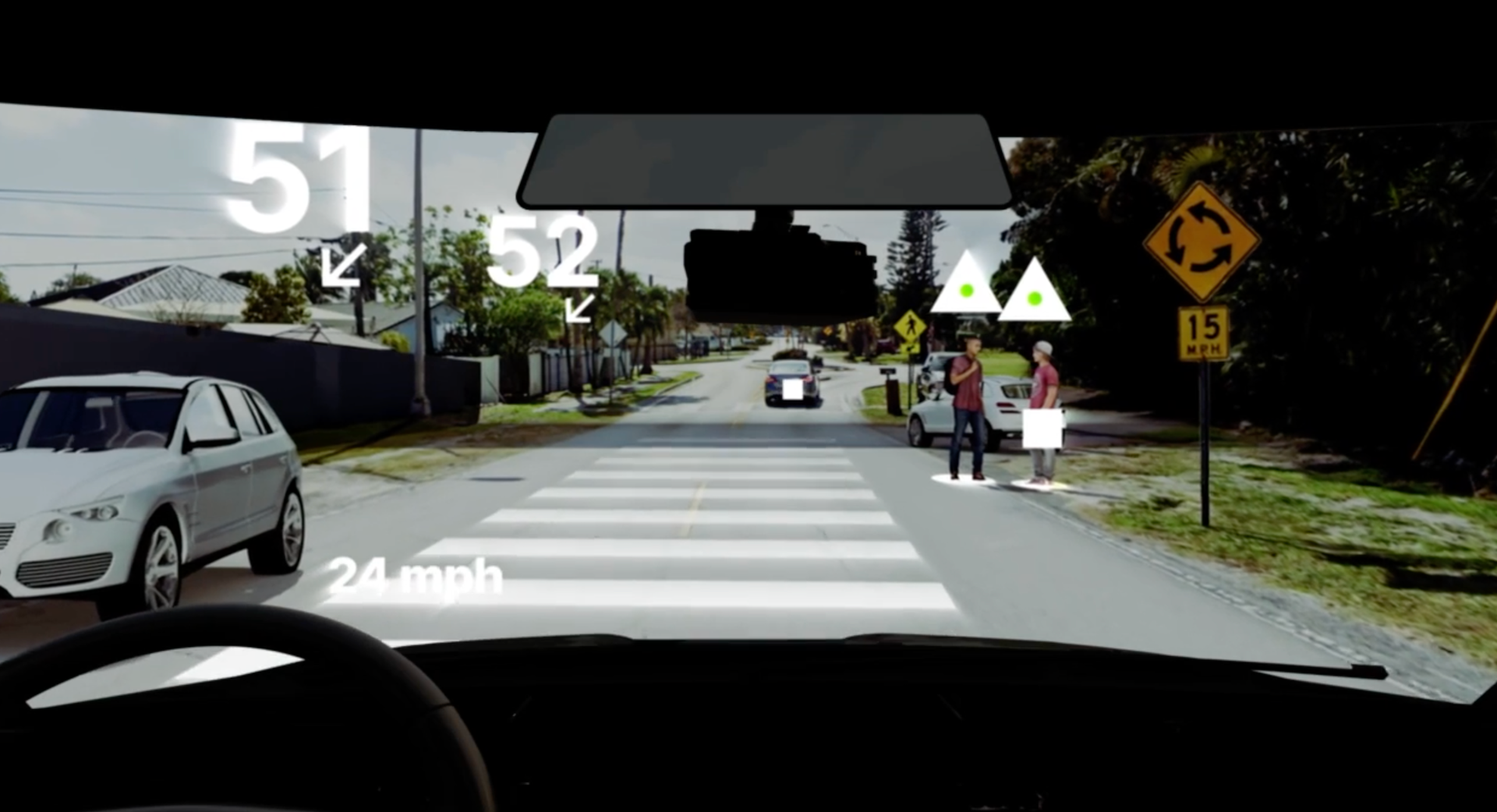
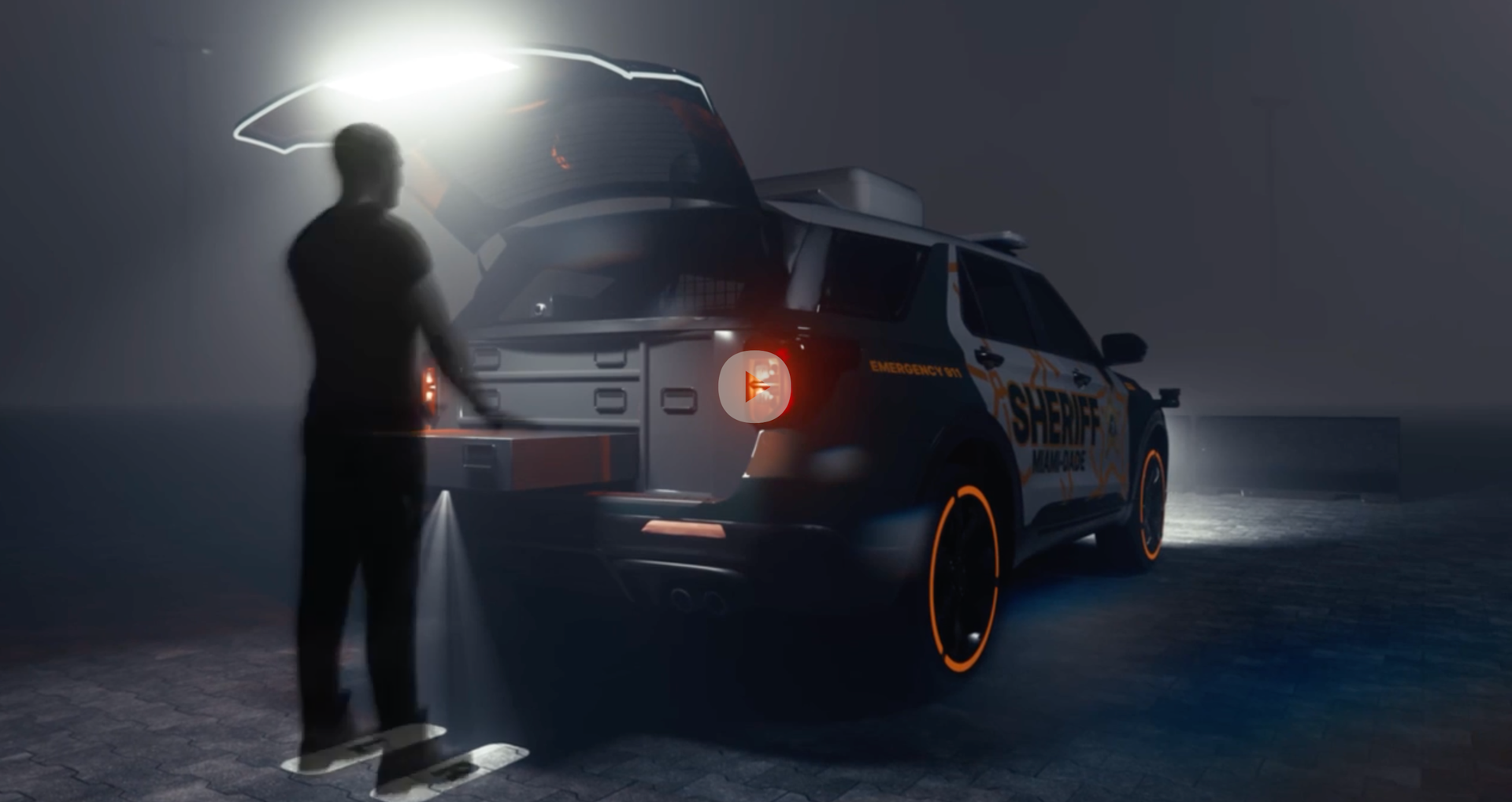
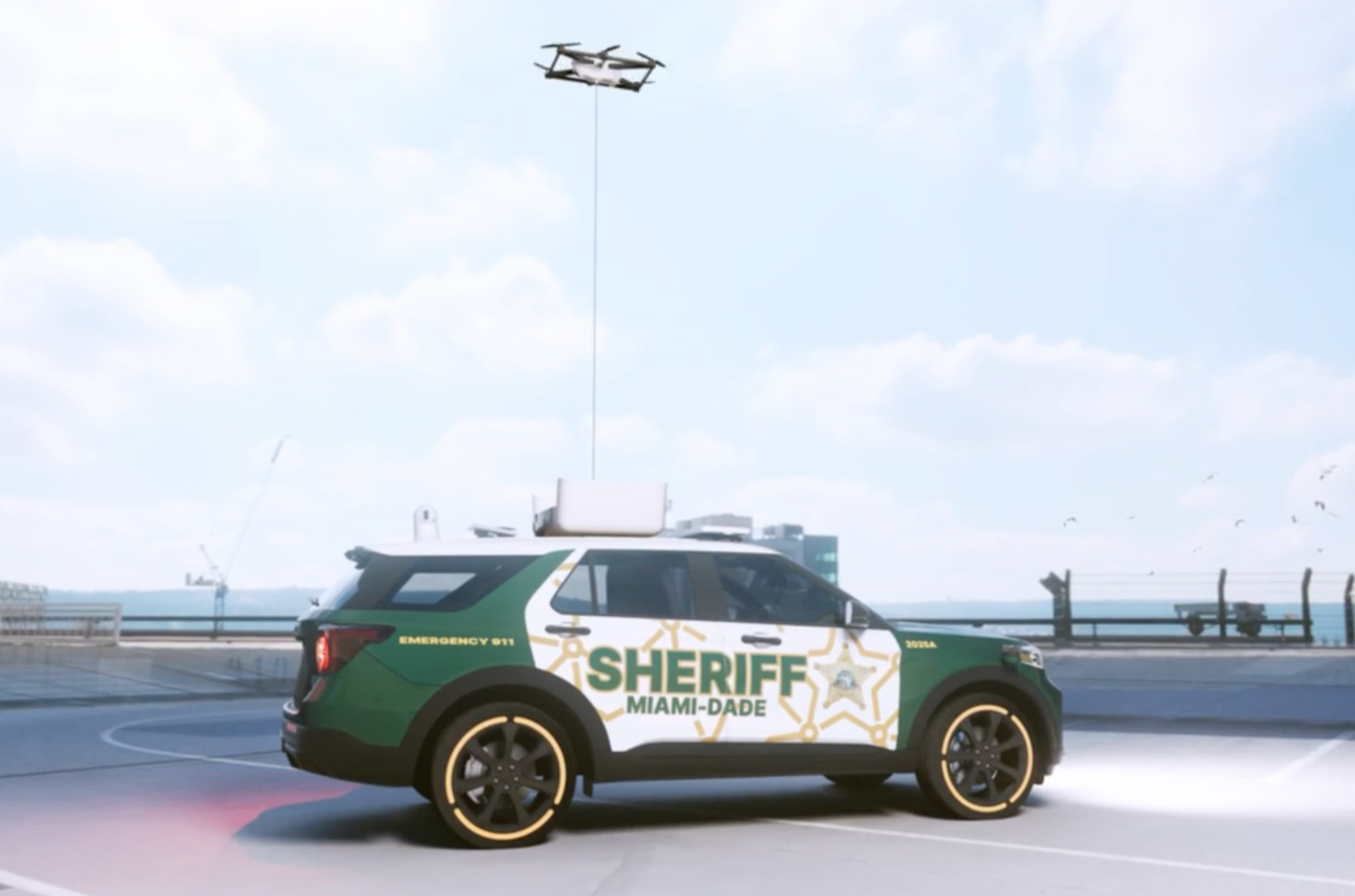
Built on the Ford Explorer platform, the PUG integrates a suite of AI-driven patrol functions that automate routine tasks like situational awareness, incident reporting, and coverage of residential and business districts. The vehicle’s technology is sourced from Virginia’s Perrone Robotics and draws on real-time data streams tied into law enforcement databases, license plate readers, and crime analytics platforms. Beyond patrol duties, it’s equipped for first responder support, with 360-degree cameras, thermal imaging, an augmented reality head-up display, and tethered drone integration to provide rapid-response capability.
The Policing Lab
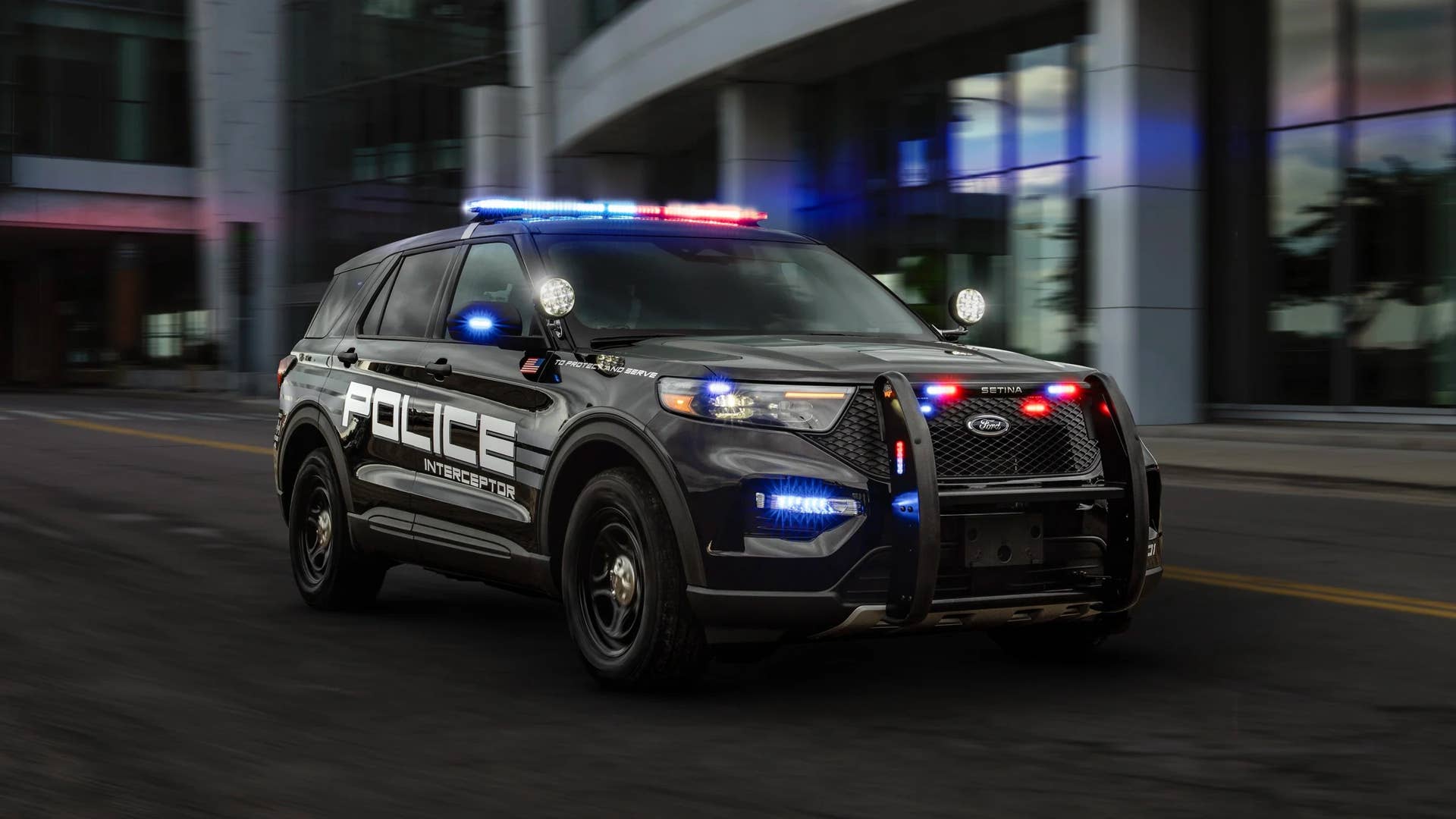
No mention was made of its powertrain, but the Ford Police Interceptor Utility, which is based on the Ford Explorer, is America’s best-selling police vehicle. Current powertrain choices include a 285-horsepower 3.3-liter V6, a 318-horsepower 3.3-liter V6 gas-electric hybrid, and a 400-horsepower 3.0-liter EcoBoost V6. All-wheel drive is standard, as is a 12.3-inch LCD digital instrument cluster with a certified speedometer.
Ford Motor Company
Over the 12-month pilot program, officials will track key metrics ranging from response times to deterrence, officer safety, and public confidence. The findings will determine not only whether the PUG becomes a permanent part of the Miami-Dade fleet, but also whether the initiative could serve as a template for law enforcement agencies nationwide. The vehicle was developed at no cost to taxpayers by the non-profit Policing Lab, an innovation organization established by those in law enforcement, technology, and research. Should additional PUGs move into production for law enforcement use, Policing Lab officials project a price tag between $150,000 and $200,000 per unit.
How will it be used?
For now, the vehicle will stick to preset routes, serving both as a visible deterrent and as a rolling platform for community messaging, with displays built into its windows. It could be used during a hurricane to warn residents that they’re in an evacuation zone, or for routine policing in crime hotspots, as the presence of a police vehicle is enough to reduce crime, according to the MDSO. Its capabilities can also be used to support officers at active crime scenes with biometric field booking, allowing for on-site identification and processing, as well as a tethered drone that provides instant aerial coverage and real-time streaming to command centers.
The Policing Lab
However, it won’t be chasing down suspects anytime soon. The PUG is speed-limited, barred from highways and turnpikes, and built more for presence than pursuit. It can operate continuously for up to 16 hours. Eventually, with input from the community, Miami-Dade officials plan to let it roam the streets unmanned, turning a cautious experiment into a quiet, futuristic presence on local roads. Given the pace at which autonomous vehicles are advancing, such use as a pursuit vehicle or as an extra set of eyes for the highway patrol officers can’t be far off.
The Policing Lab
Final thoughts
Autonomous police vehicles aren’t just an idea—they’re already on the streets abroad. Dubai rolled them out in October 2023, using them to patrol residential areas with facial recognition that can spot wanted suspects. Beijing followed in January 2024, testing vehicles for routine patrols, public announcements, crowd warnings, and even emergency response at large-scale events. Florida’s pioneering efforts in autonomous police vehicles are merely the beginning, as California, Arizona, Colorado, Florida, Nevada, and Texas have also enacted laws allowing autonomous vehicles for commercial use, a first step towards greater use of autonomous vehicles for law enforcement.
About the author

Larry Printz
Contributing Writer, Autoblog