
A predecessor of hot hatchbacks
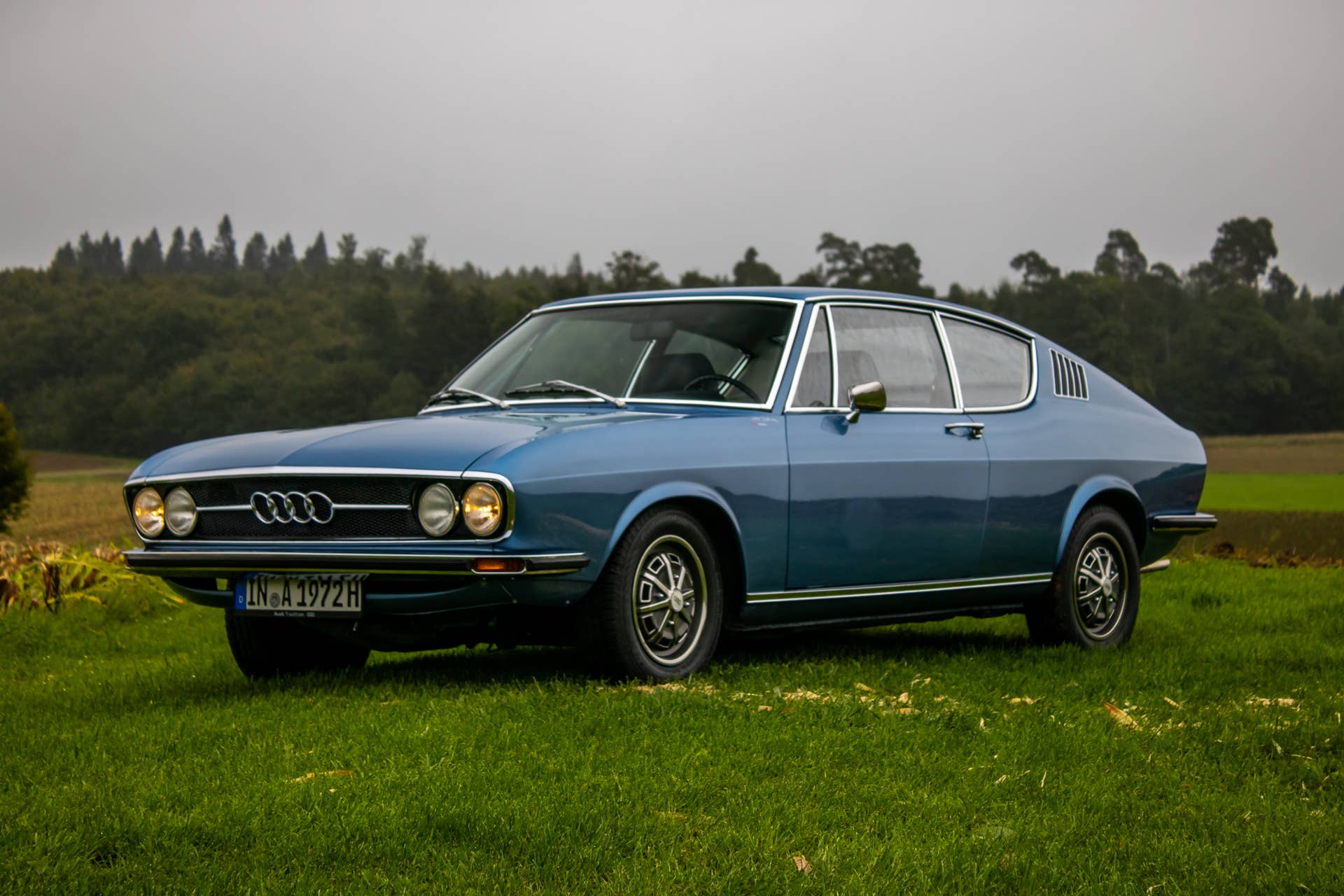
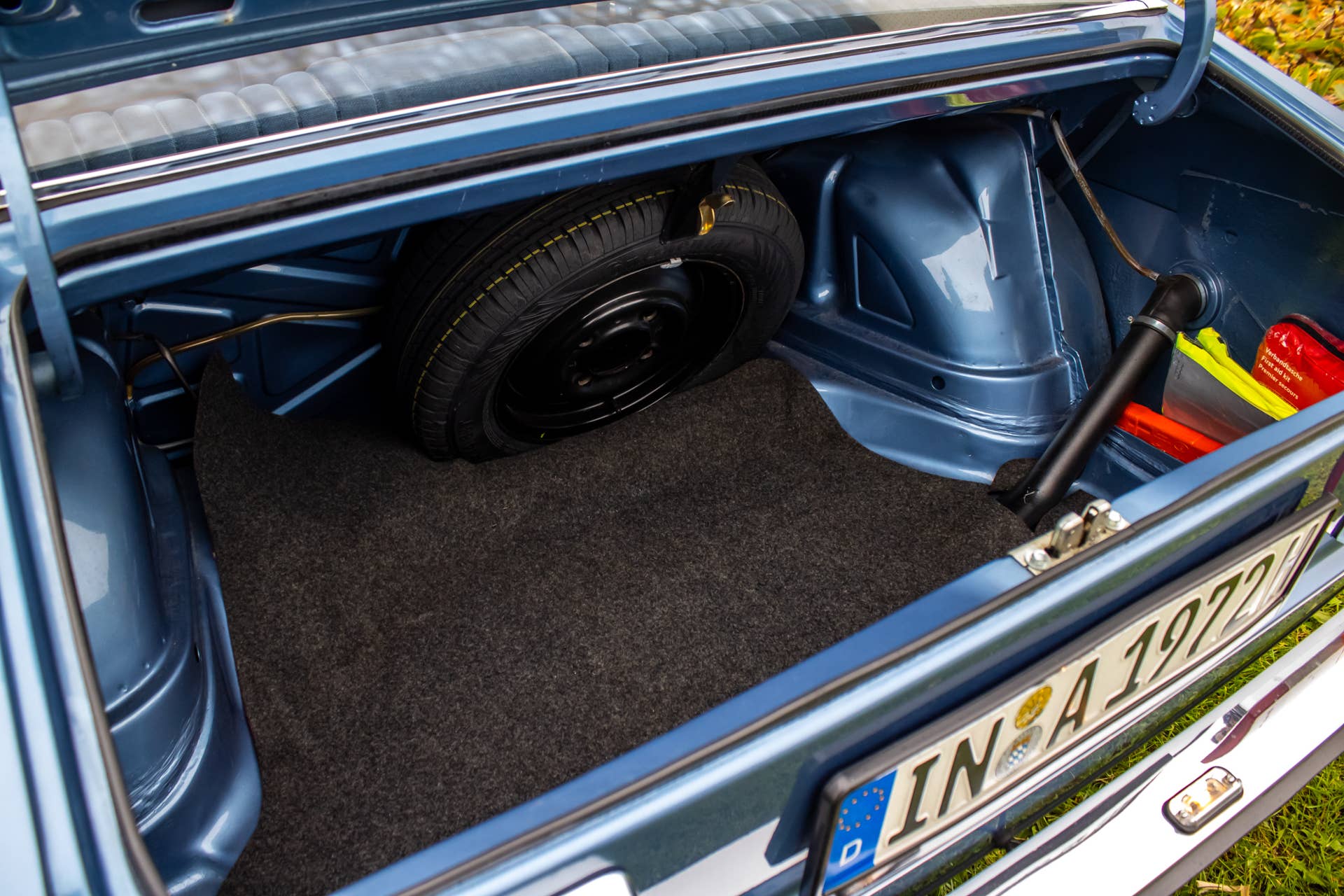
Audi Tradition has one job: to preserve Audi’s heritage on wheels. In a huge garage in Ingolstadt, Germany, sits a real treasure trove of Audi’s most important cars. Models like the first-generation TT sit side-by-side with colorful Quattro coupes and even Ken Block’s electric Audi drift machine. The automaker was kind enough to pull out one of these meticulously-maintained pieces of history for me to drive, and this one happens to be a sort of hot hatchback precursor. It was the fast model in a range of midsize cars that would prove to be among Audi’s most successful, and it has less than 800 miles on the odometer.
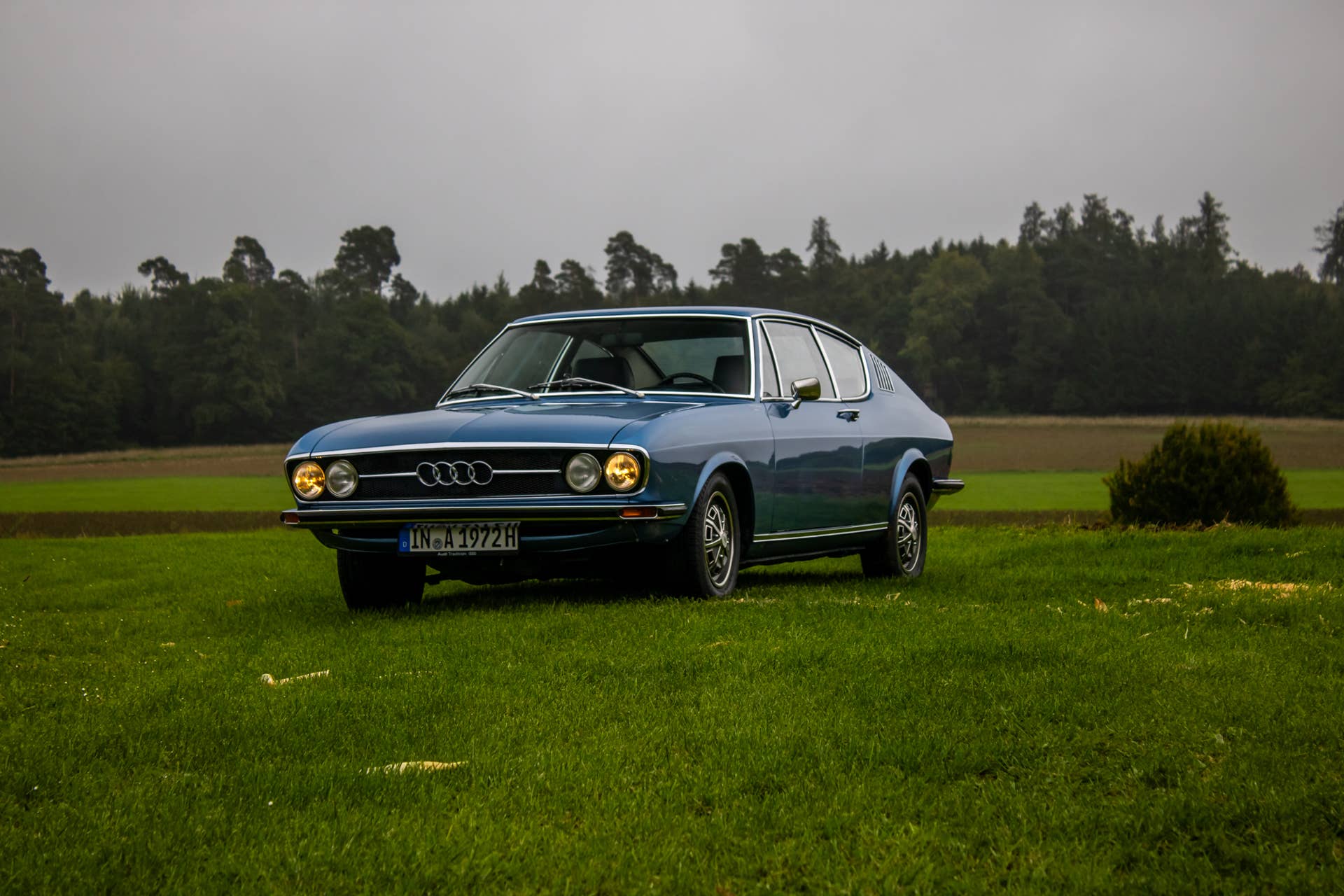
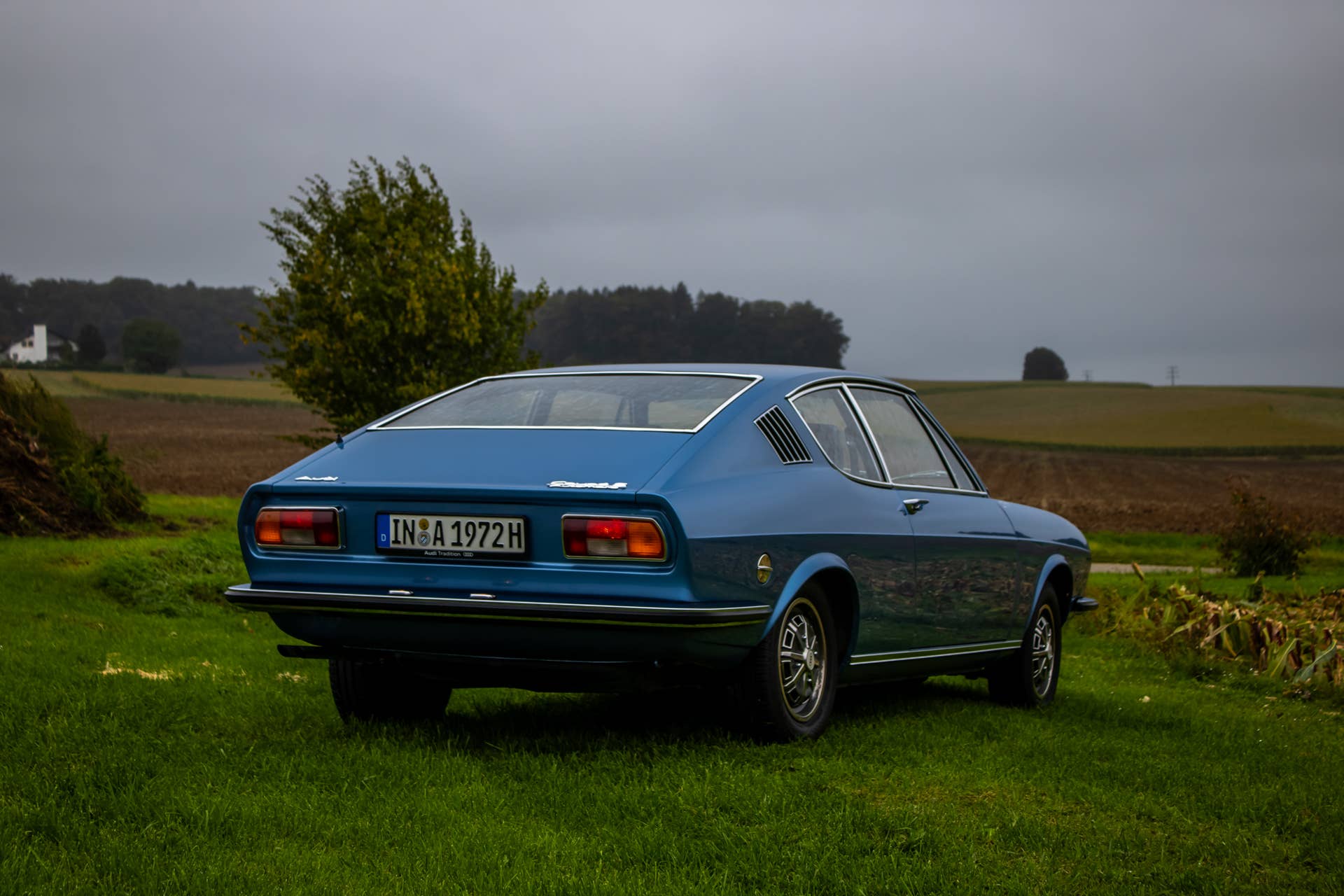
The Coupe S was a hot rod take on Audi’s most successful car to date
Chase Bierenkoven
Chase Bierenkoven
Chase Bierenkoven
Chase Bierenkoven
The Coupe S was introduced as a smaller, sportier alternative to other 100 models of the day, which were largely focused on making luxury car buyers see Audi as a serious alternative to Mercedes-Benz and BMW. By the mid-’70s, Audi had sold 2 million cars since its revival under the Volkswagen Group, with the 100 accounting for some 800,000 units. It was tremendously successful, to say the least.
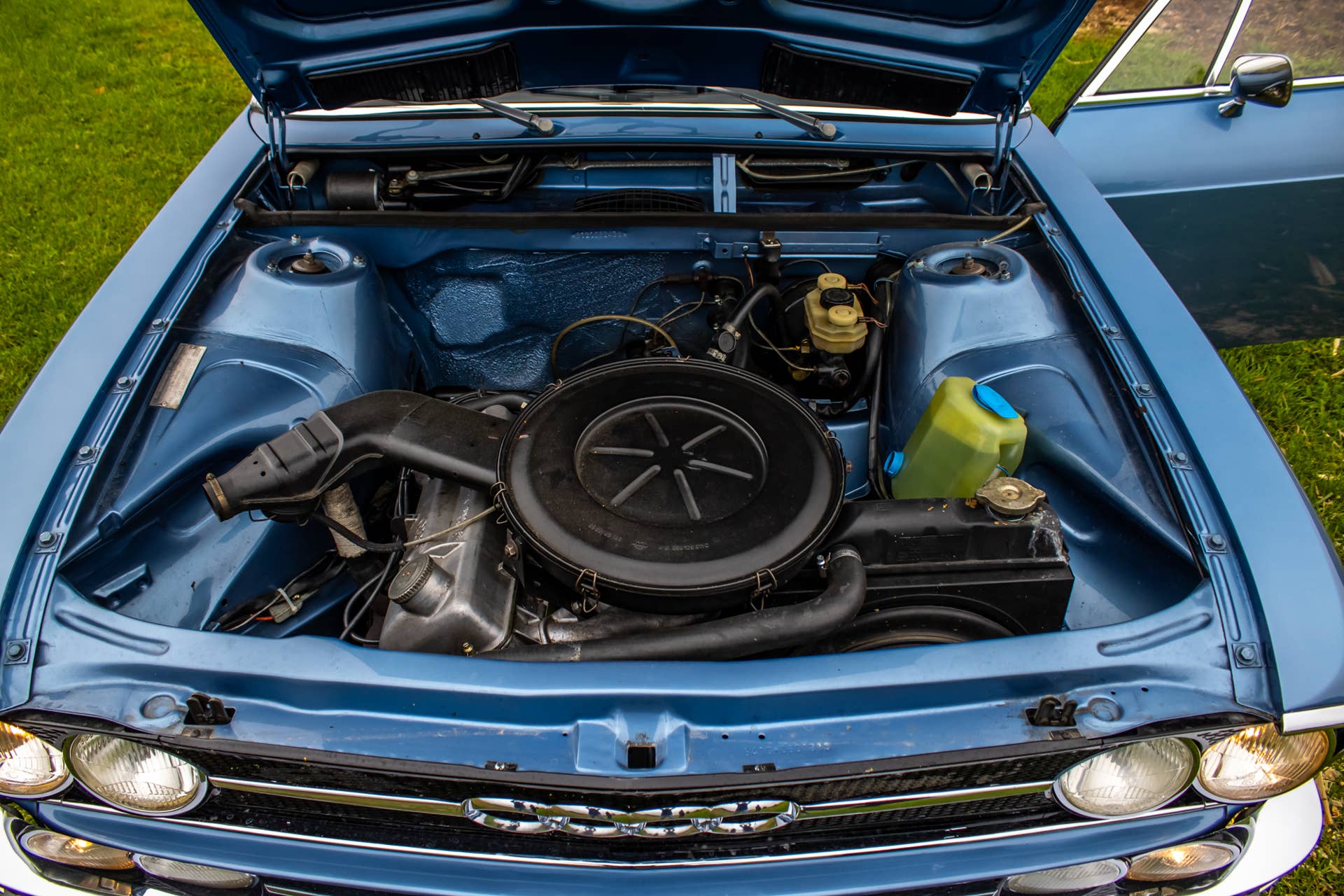
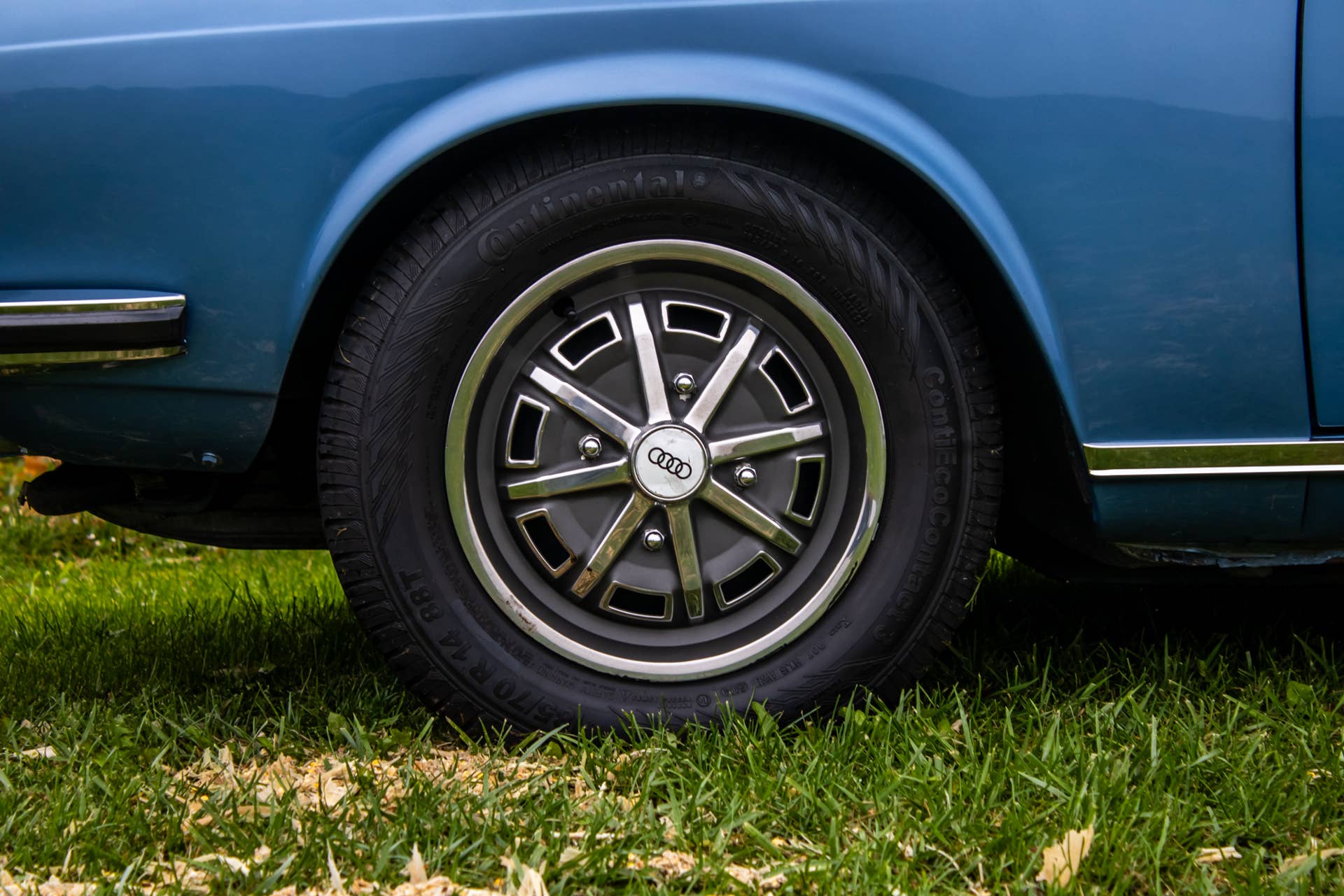
The Coupe S was built through 1976, and featured all the hallmarks of today’s hot hatchbacks: it was smaller, lighter (at just 2,385 lbs.), and quicker than other 100 models. Audi accomplished the latter by fitting a larger 1.9-liter four-cylinder engine, which produced between 107 and 115 horsepower depending on model year and between 112 and 118 lb-ft of torque. This one probably still makes those same figures, given its fastidious maintenance and low mileage. Other sporty changes included an anti-roll bar, a novel technology at the time, and wider 14×5-inch wheels for better grip. All 100 models also benefited from some pretty modern suspension, at least at the front axle, with double wishbones, coil springs, and tubular shocks. The rear used a more dated live axle setup.
Getting behind the wheel isn’t the time machine you think it is
Chase Bierenkoven
Chase Bierenkoven
Chase Bierenkoven
Chase Bierenkoven
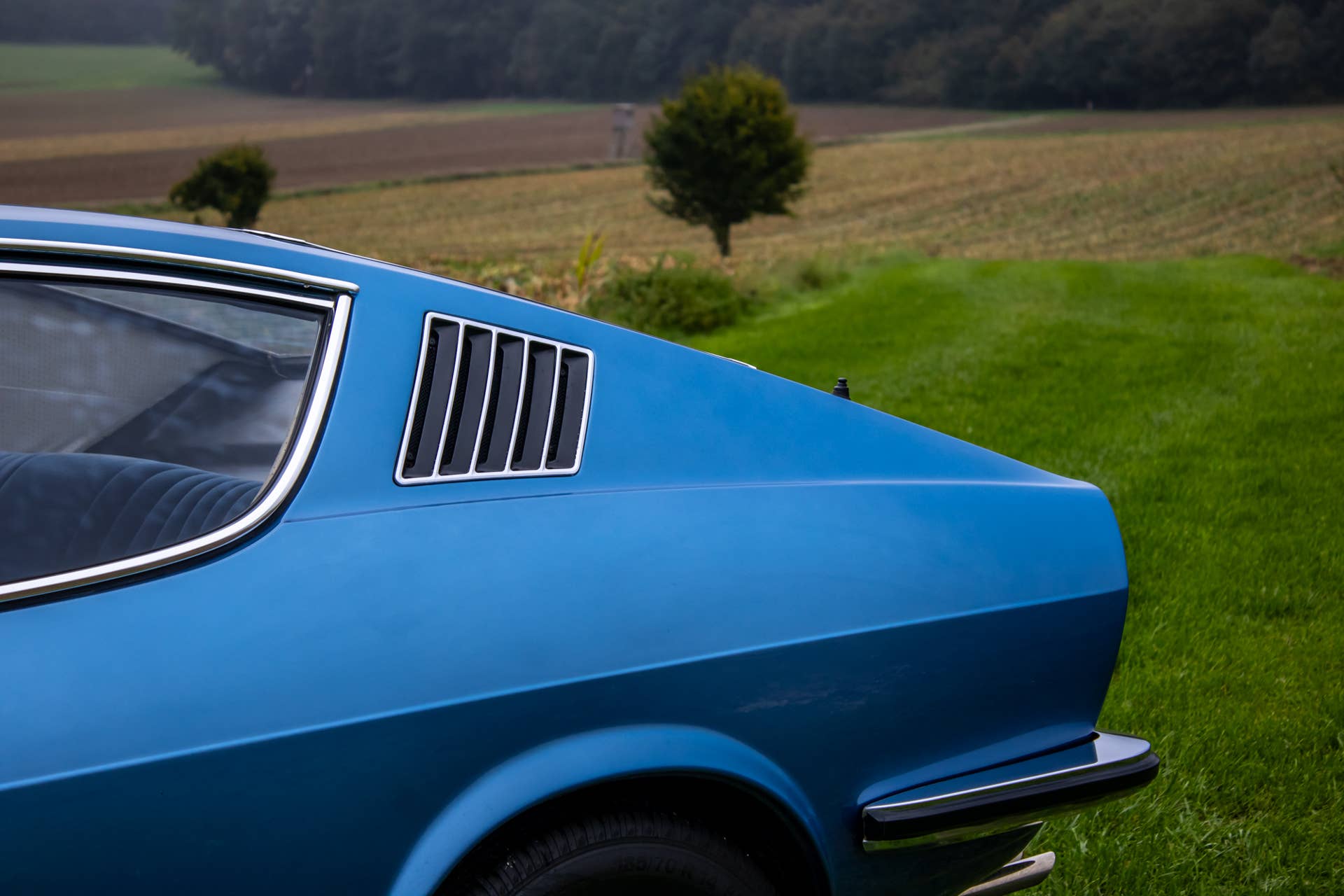
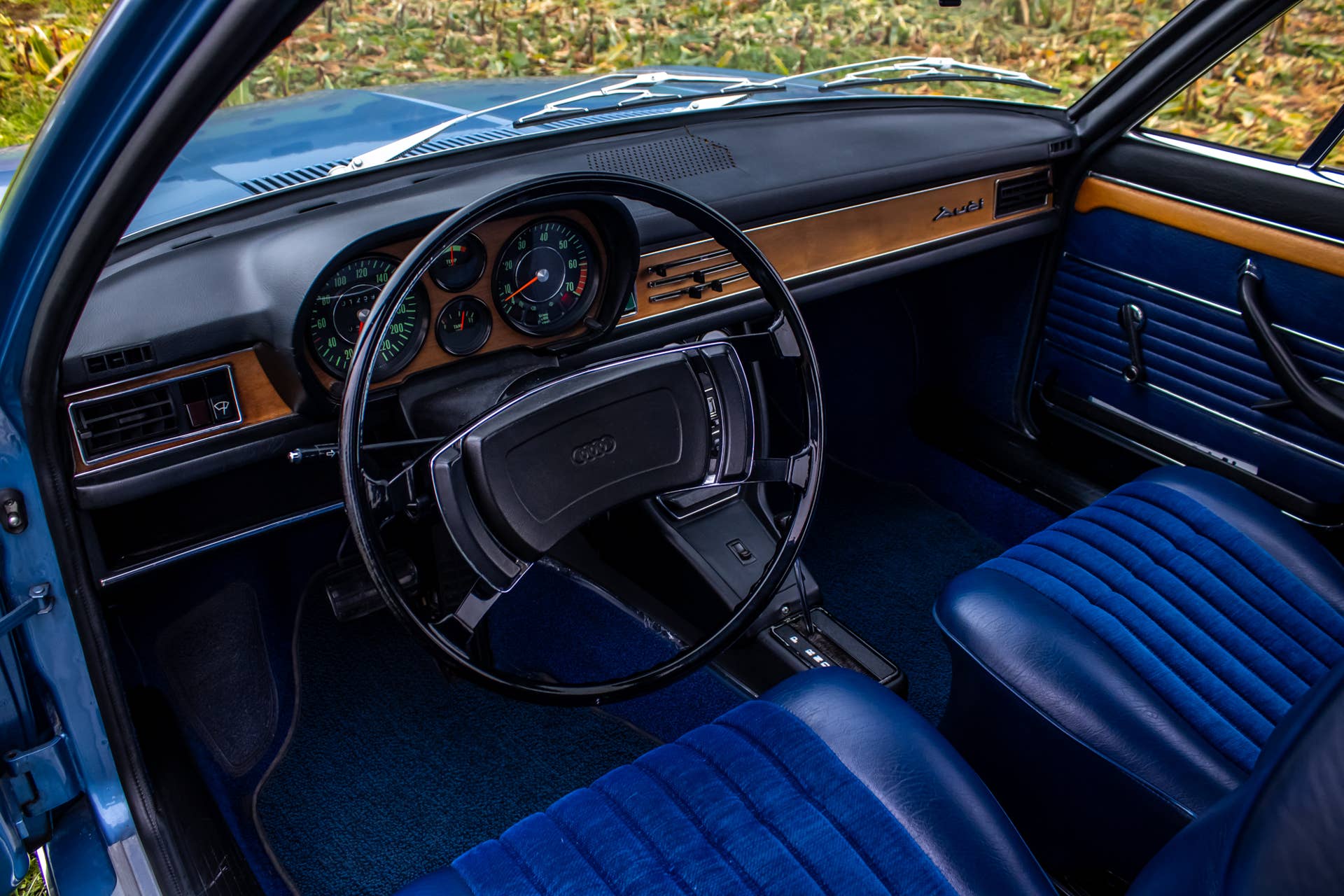
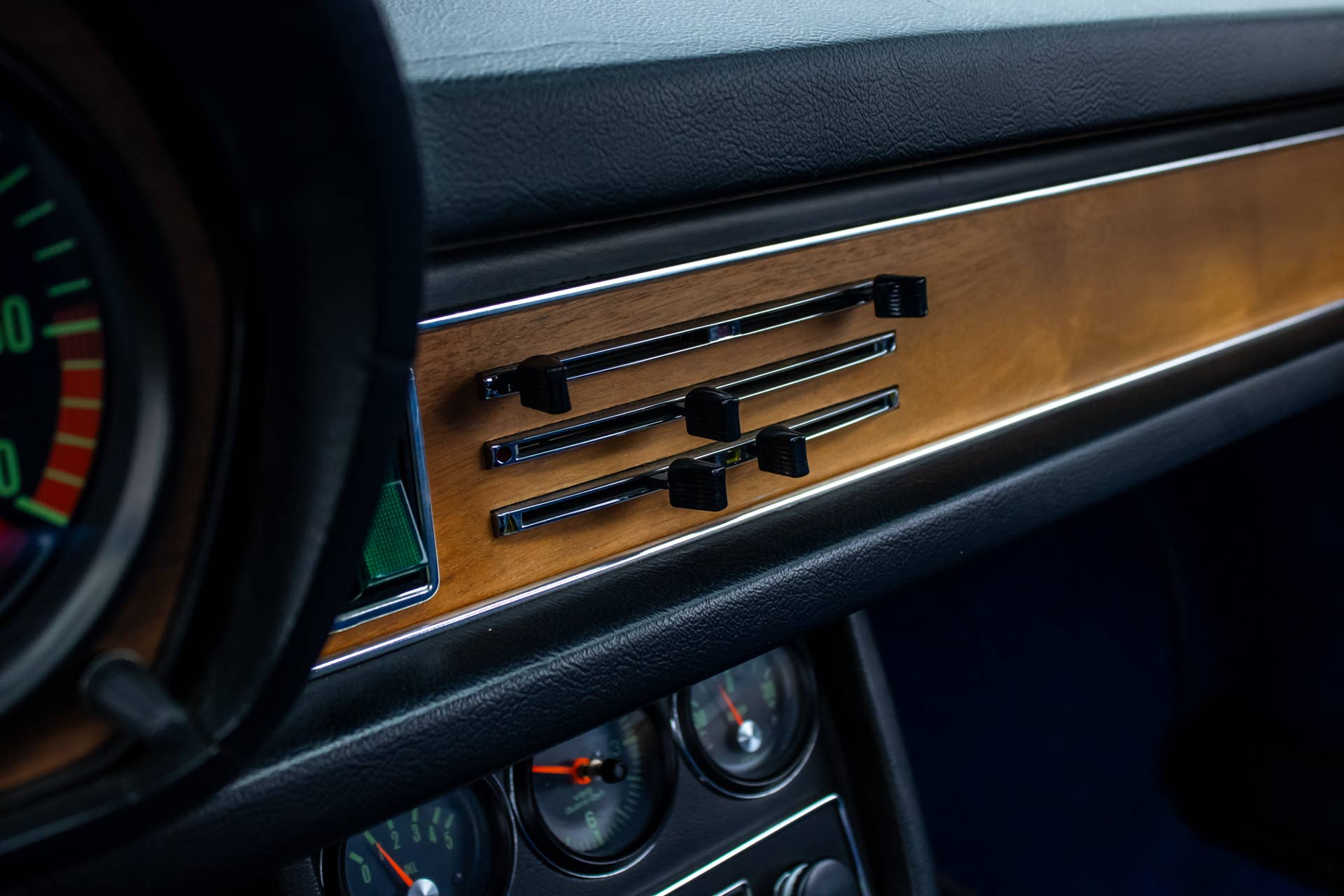
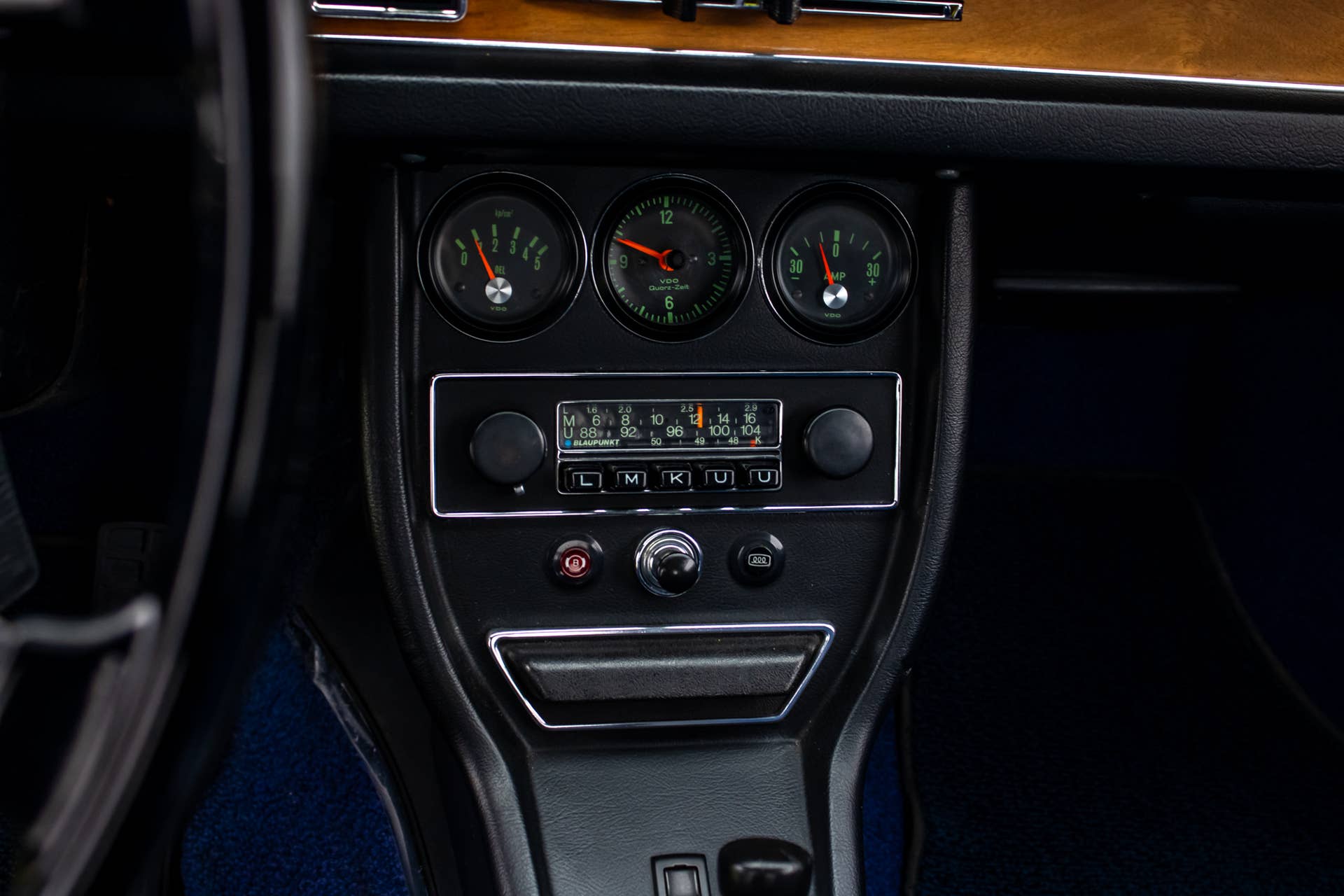
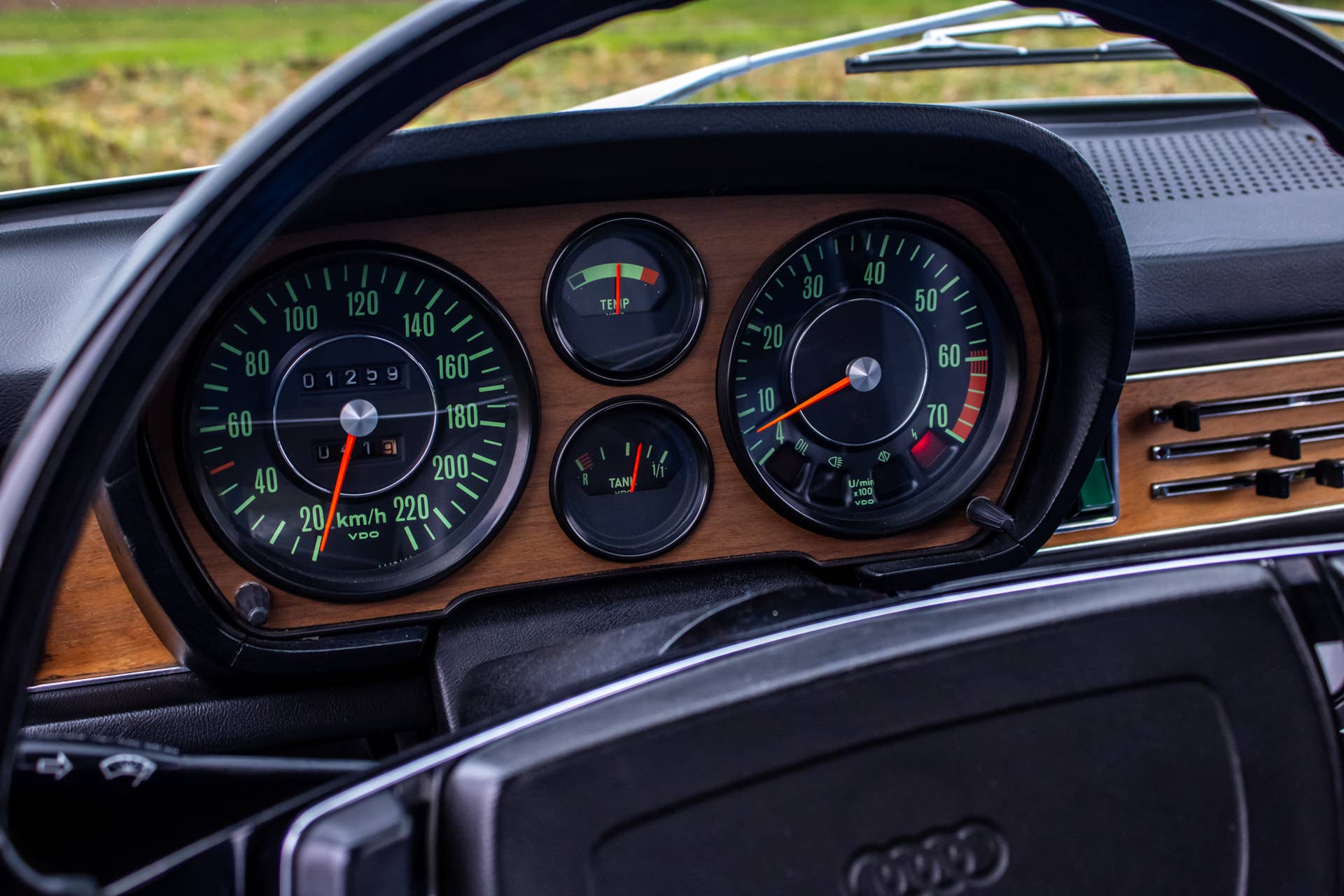
There are, undoubtedly, things that make the Coupe S feel old. Sit down, and the controls are pretty far from anything you’ll find in today’s cars. However, many things, from the road noise to the car’s surprisingly spritely engine, feel extremely modern. Audi’s Coupe S models benefit greatly from the included roll bar, which helps the car handle much like a modern front-drive sports compact. The chassis gives way to understeer, inevitably, but not before you’re given plenty of notice. This is doubly true as the car doesn’t have power steering, which is both a blessing and a curse. The steering provides plenty of feedback, but requires a good bit of effort around the tight, low-speed roundabouts that dot Bavaria’s smaller towns and villages.
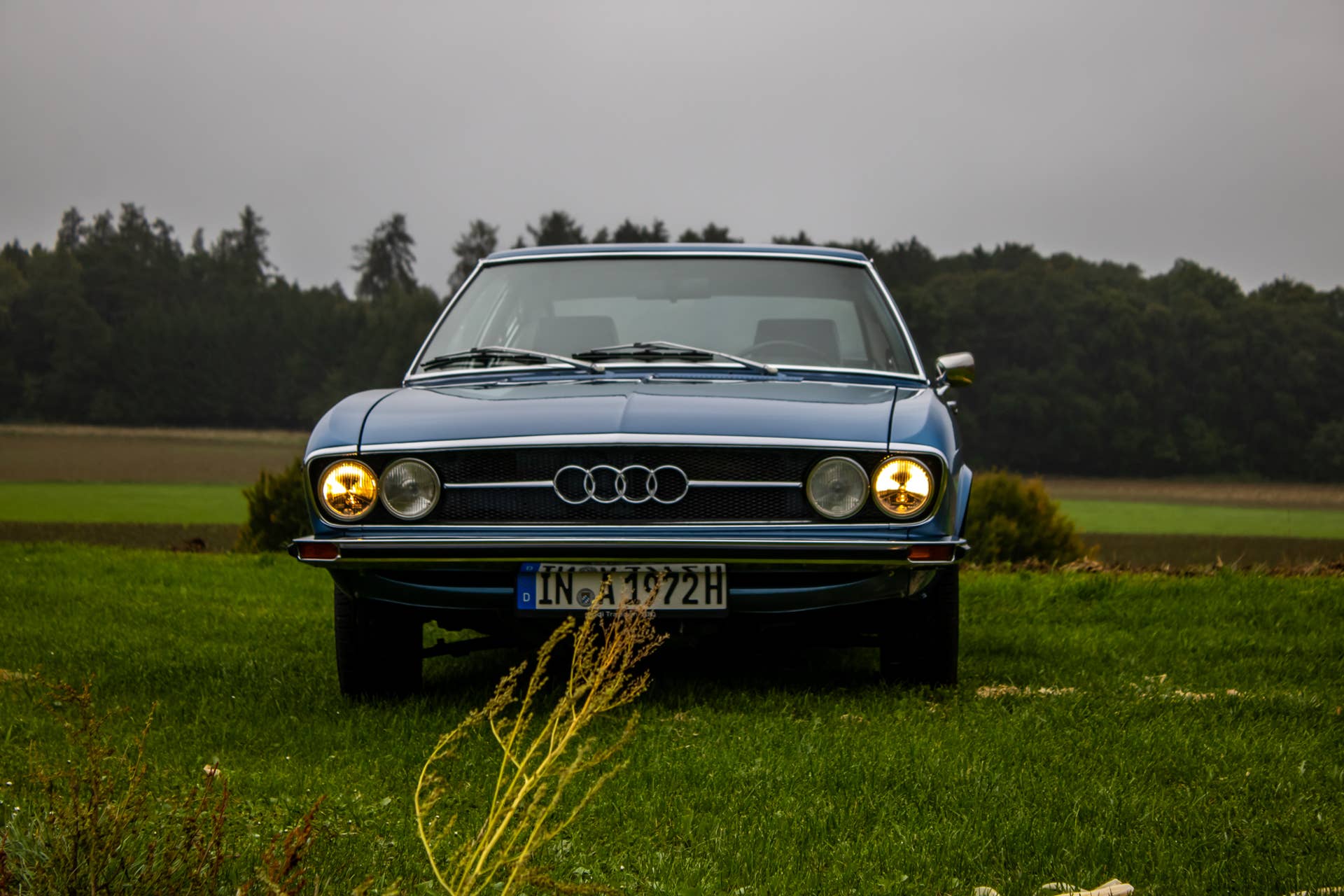
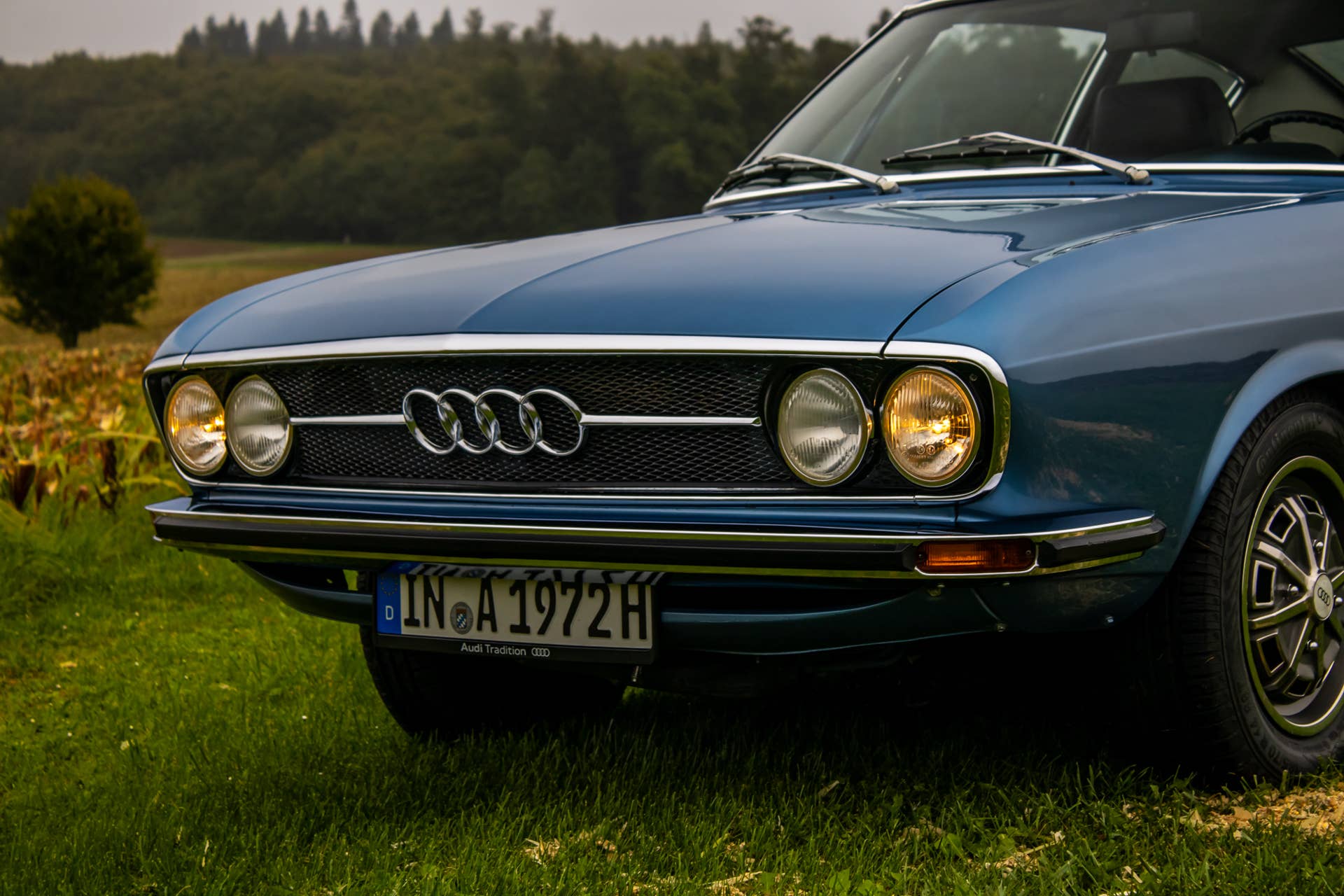
With under 120 horsepower, you’d expect the Coupe S to be a total dog, but thanks to its low curb weight, the fifty-plus-year-old car has enough guts to make merging onto the highway largely effortless, and enough torque to make winding back roads fun. That is, if it had the standard four-speed manual. For whatever reason, Audi Tradition’s Coupe S is an Automatik, fitted with a three-speed automatic transmission that is in no way fitting of a sporty model like this. It gets in the way of a good time, and stick shift cars of this vintage are broadly quicker than their automatic counterparts. Despite this hangup, the Coupe S doesn’t feel nearly its age. Frankly, as long as you can put up with 1970s crash technology and a pair of candles for headlights, there’s no reason someone couldn’t still live with one of these as their only car.
Audi designers hit it out of the park
Chase Bierenkoven
Chase Bierenkoven
Chase Bierenkoven
Chase Bierenkoven
Chase Bierenkoven
Chase Bierenkoven
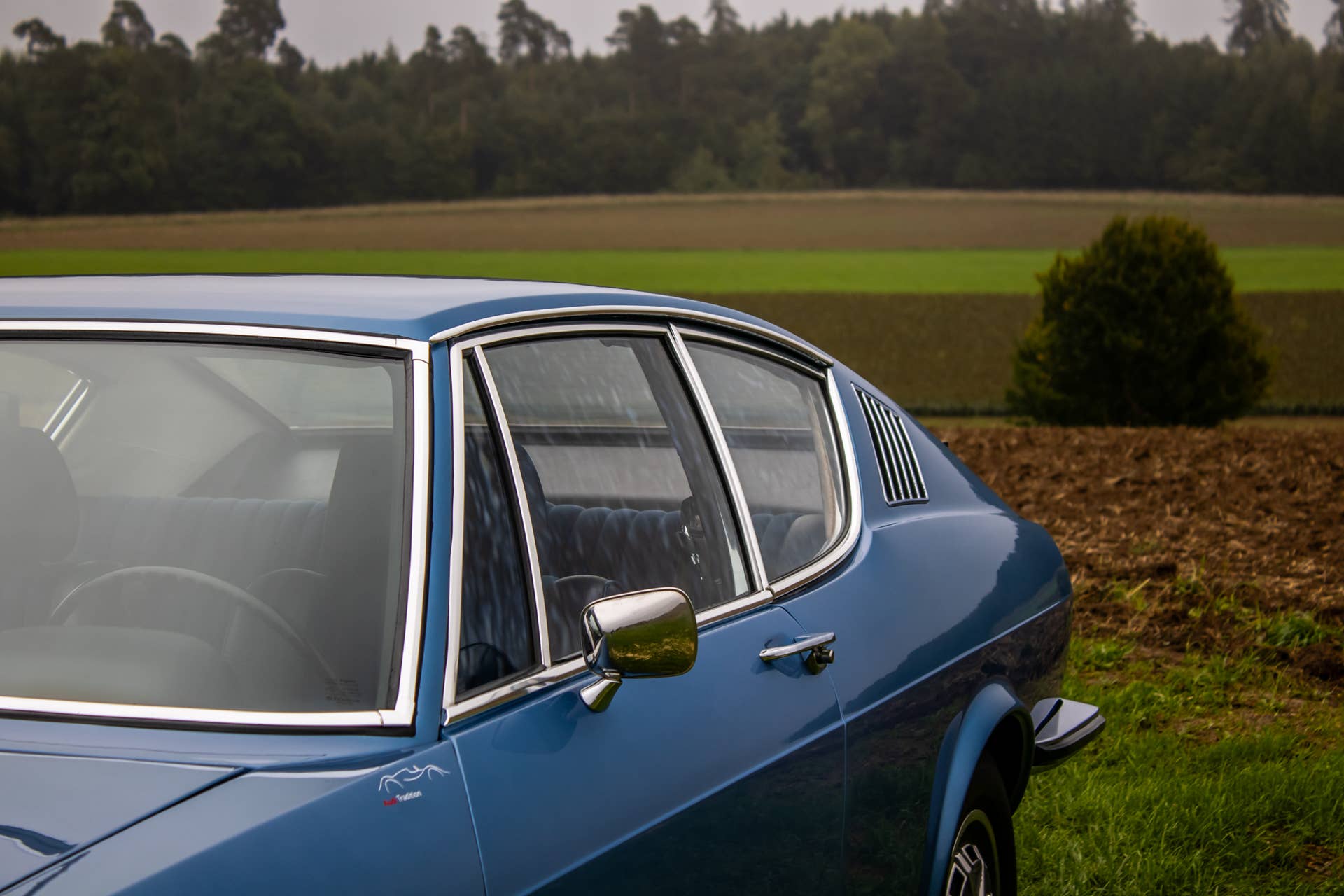
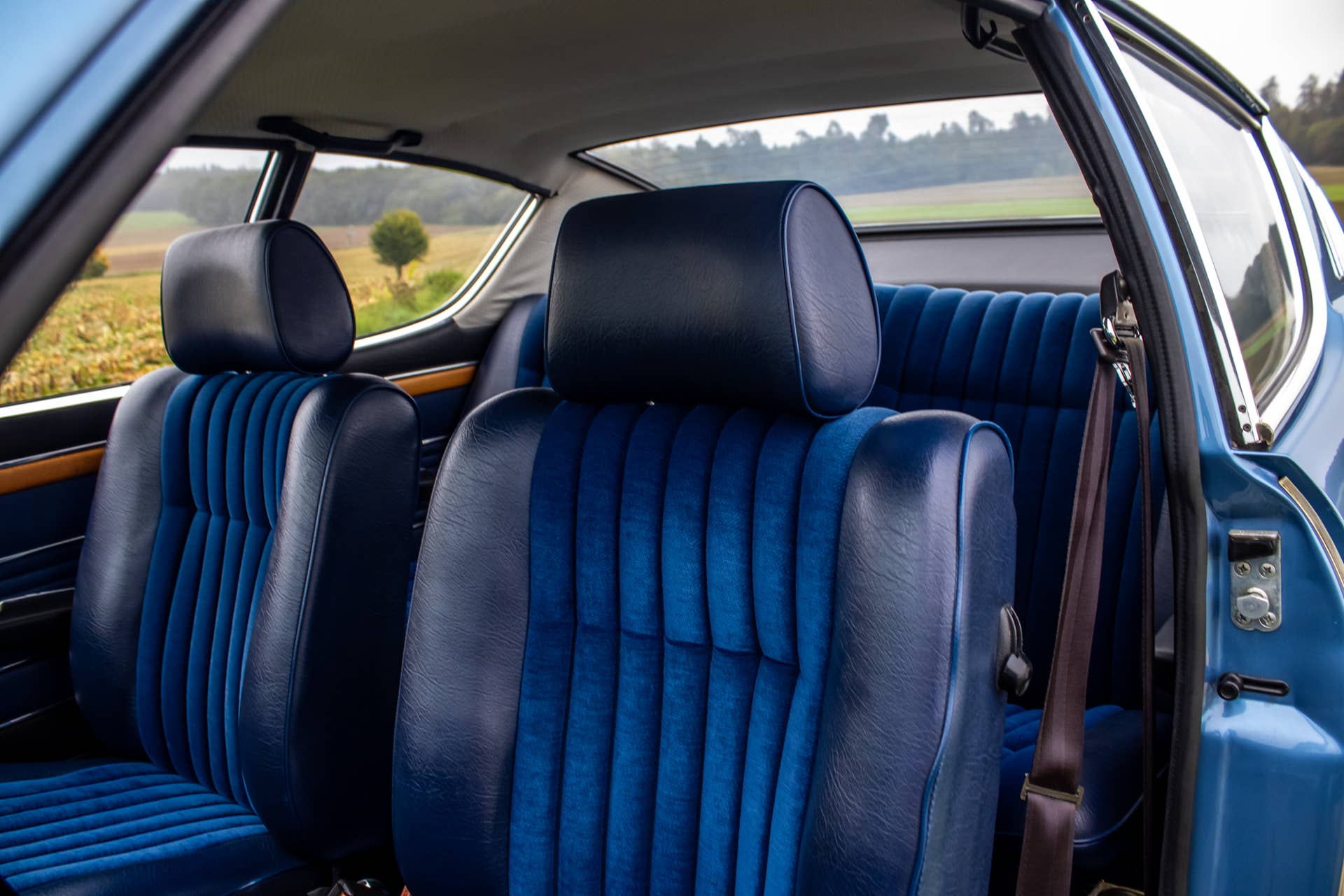
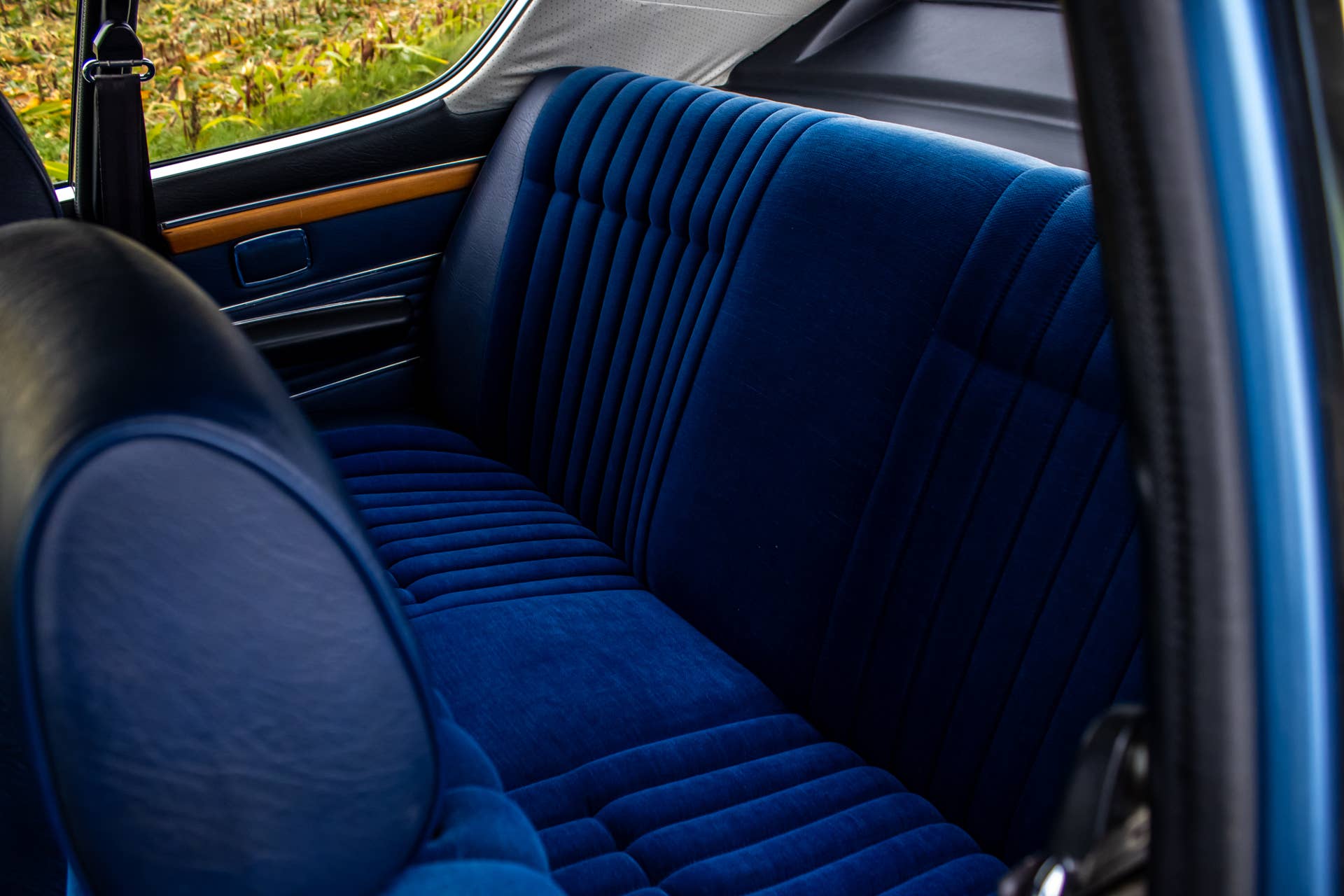
Inside and out, Audi’s designers hit a home run when they penned the Coupe S. Its shape is so ’70s that it’s surprising classic car enthusiasts haven’t paid it more attention. These are still cheap classic cars despite their stunning design. The interior is very of its time, but well done. The seats are upholstered in a vinyl and fabric combination, and unlike many cars of this era, they actually feature a little bit of bolstering to keep you in place. Visibility is, of course, excellent, given the car’s razor-thin pillars and huge windows. There’s even room for two in the back, and as a result of the car’s upscale target market, it even features air conditioning.
Chase Bierenkoven
A great many of the ideas put into place here are still present in Audi’s coupe and hatchback models today. The brand provided a nicer interior than other Volkswagen Group brands of the day, and did so while providing a performance-focused option that didn’t skimp on luxury. While the definition of luxury has certainly shifted quite a lot in the preceding decades, the thought processes are all still here.
Final thoughts
The Coupe S itself is now an interesting historical novelty – something we can all look back on and enjoy without a critical eye. Of course, even when you do look more critically at the Coupe S, it’s easy to see why the 100 was so popular. With some solid performance for its time and a plush interior combined with stellar looks, it isn’t hard to see why the lineup as a whole became so popular. Years later, Volkswagen itself would provide its own take on this formula with the Golf. The quicker, more upscale Golf proved to be a huge hit, and we have VW Group engineers and designers from the late 1960s and 1970s to thank for it.
About the author

Chase Bierenkoven
Senior Editor, Autoblog