
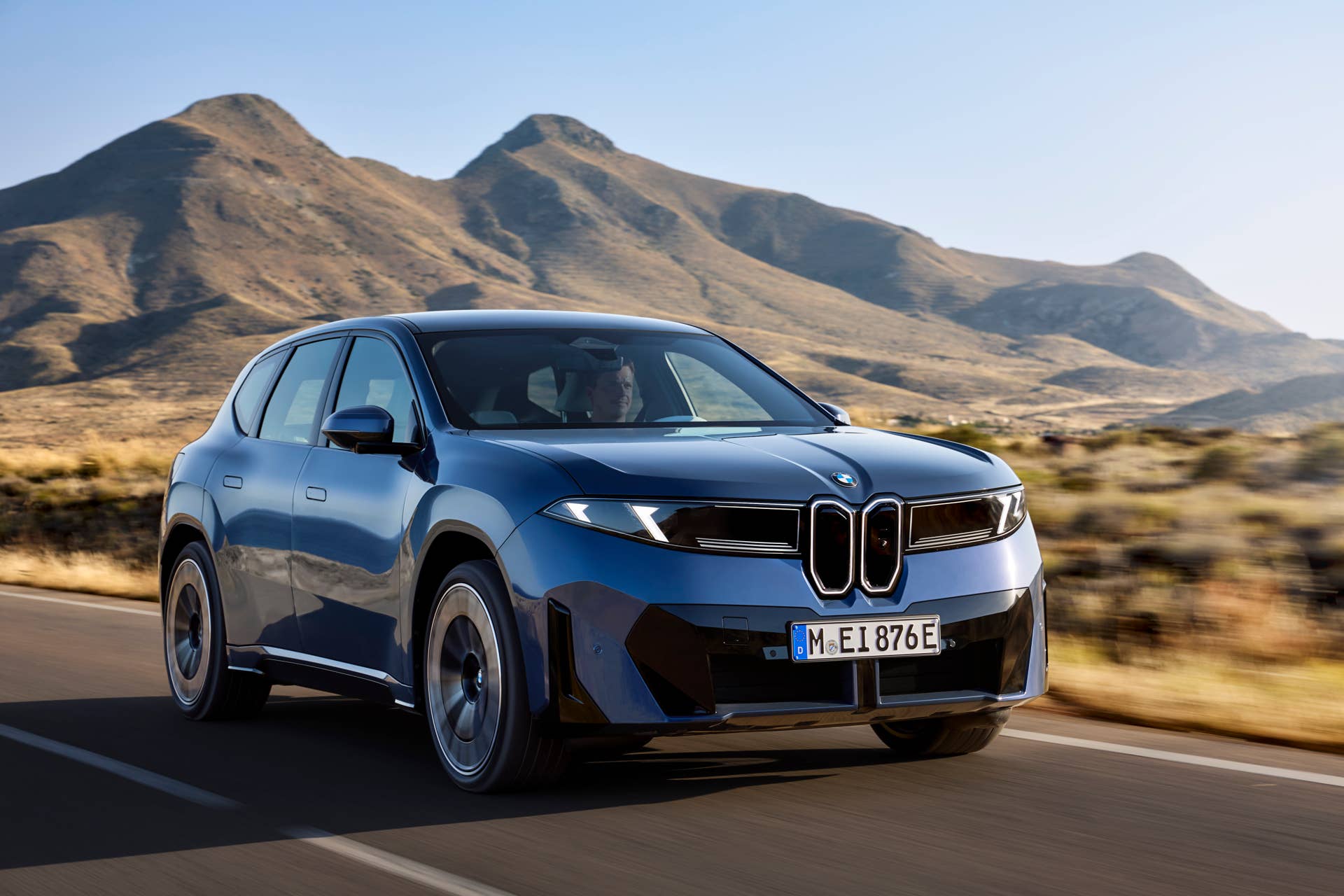
Certain models are set to evolve in the next few years
The next few years will bring one of the biggest identity shifts in modern carmaking, as iconic gas-powered nameplates transition to full EVs. Rather than replacing familiar models with entirely new ones, automakers are increasingly using recognized names to introduce battery electric versions that carry the same spirit but adopt new technology.
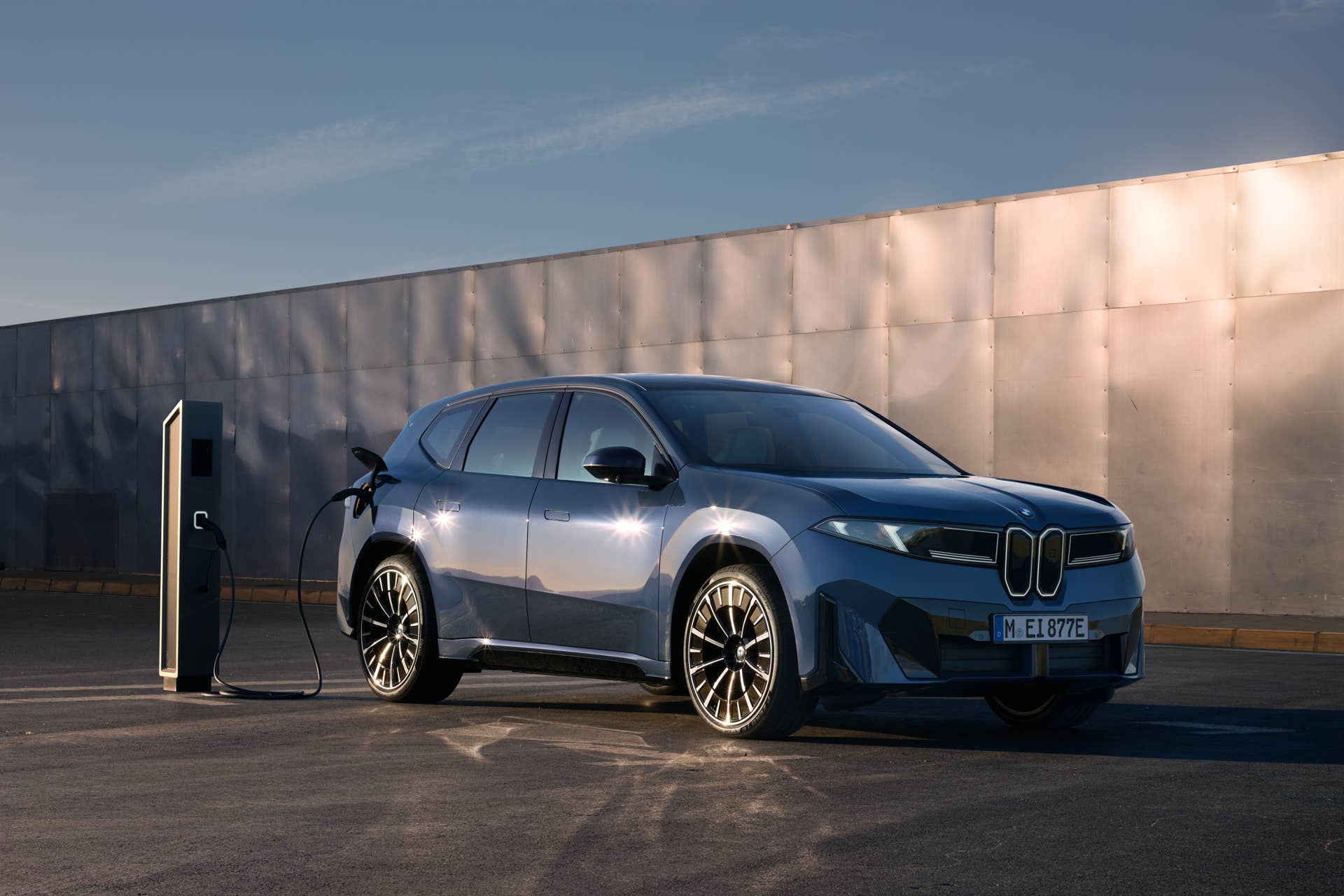
It only makes sense for these premium brands to offer electrified versions of their icons. The impetus to reinvent high-performance gas cars in the form of ultra-modern EVs is smart thinking, preventing these manufacturers from being left behind with just gas and/or hybrid models. Below are seven well-known gas vehicles that are slated to gain electric counterparts, representing a mix of performance sedans, luxury SUVs, and even a returning muscle car.
Alfa Romeo Giulia EV
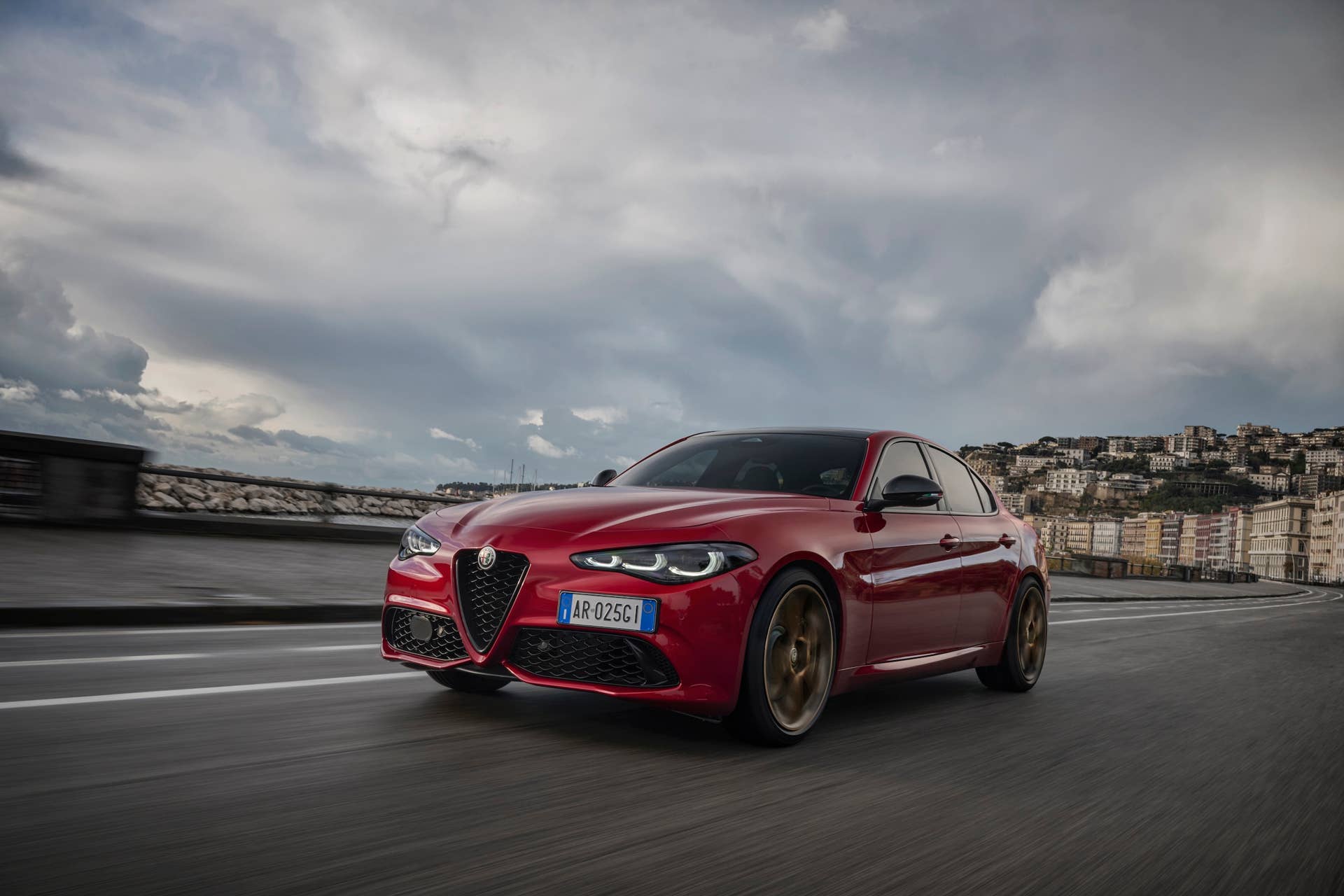
The current Alfa Romeo Giulia has built its reputation on sharp steering, rear drive balance, and the fire-breathing Quadrifoglio trim, which sadly ended its run here in America last year. Alfa Romeo plans to transform this sports sedan into a fully electric model riding on Stellantis’ upcoming STLA Large platform. Expect the Giulia EV to maintain the same athletic, rear-biased character while adopting a high-output dual or tri motor setup. With electric torque and a lower center of gravity, Alfa is aiming for supercar-challenging acceleration while preserving the crisp handling that defines the gas version.
Alfa Romeo Stelvio EV
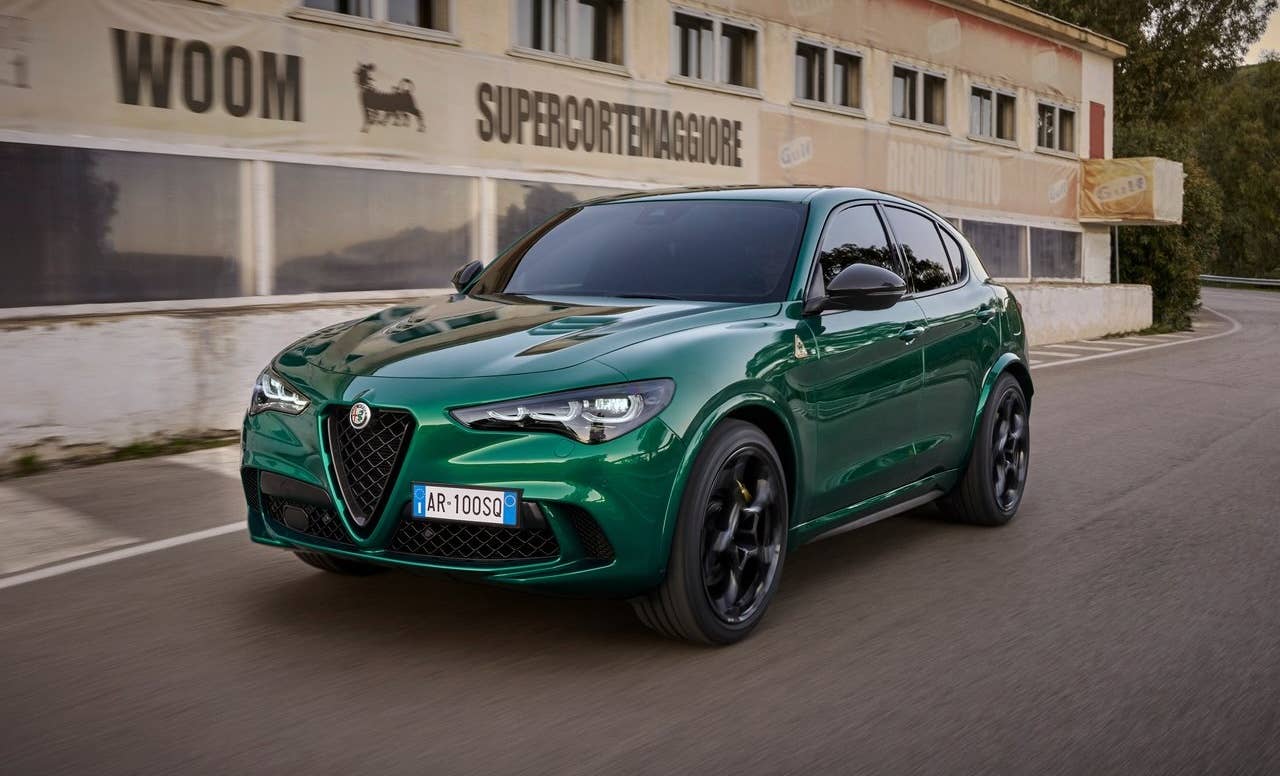
Alfa Romeo
The Stelvio crossover has long been one of the most engaging SUVs to drive, especially in its high-performance Quadrifoglio trim that delivers 505 horsepower from its 2.9-liter twin-turbo V6 engine. The Stelvio will follow the Giulia into the EV world, also riding on the STLA Large platform. The Stelvio EV is expected to offer improved cabin space thanks to EV packaging, significantly stronger acceleration, and a more refined ride. Alfa’s mission with the electric Stelvio is to preserve the lively, spirited feel of the gas model but add the smoothness and responsiveness that EV powertrains make possible.
BMW iM3
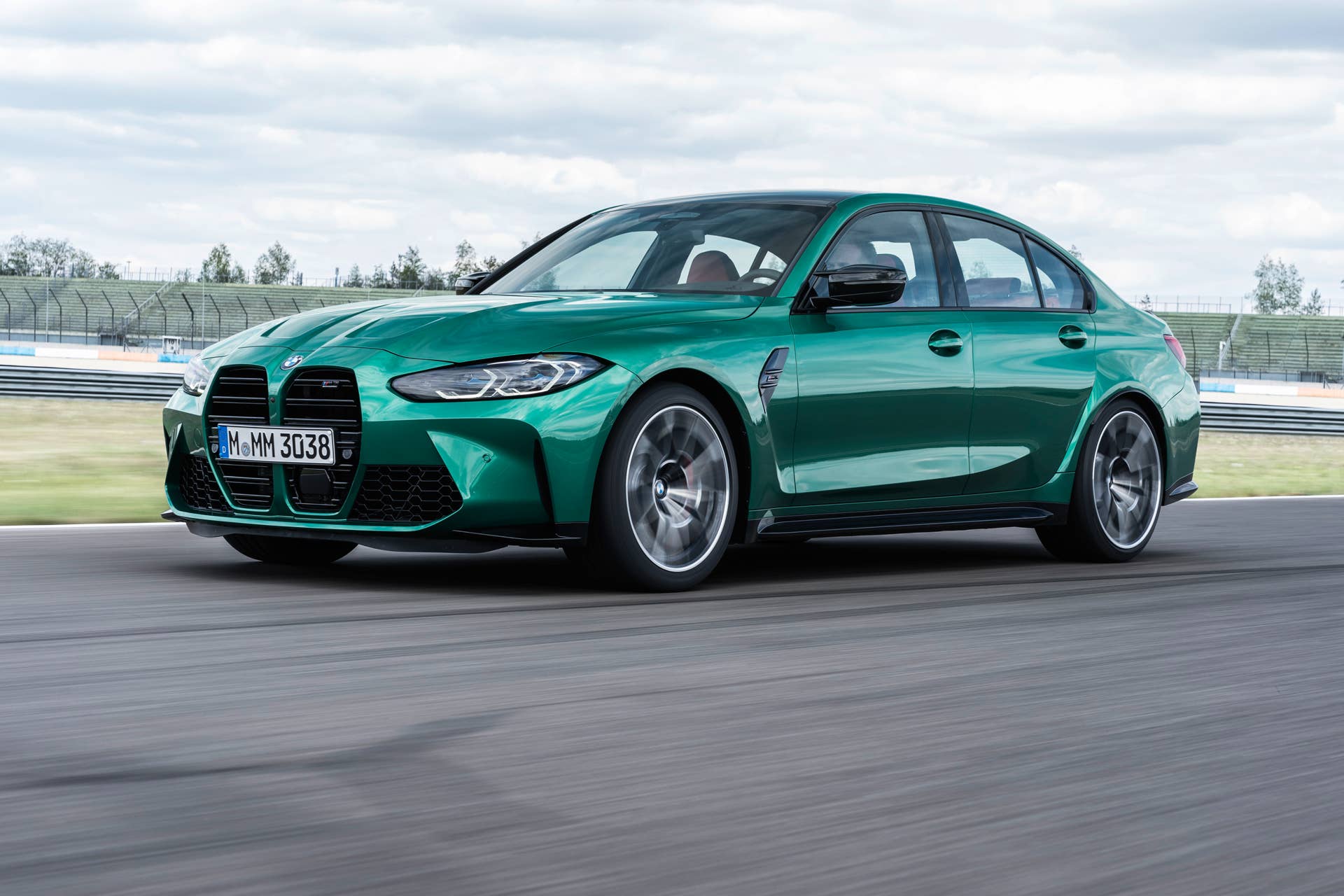
BMW
BMW is preparing a high-performance electric version of its most famous sedan, widely referred to as the BMW iM3. Instead of simply electrifying today’s 3 Series, BMW is building the electric model on its Neue Klasse platform, a clean sheet EV architecture. BMW previously announced that the production model of the Neue Klasse EV will utilize an 800-volt electrical architecture and feature batteries with 20% greater energy density compared to earlier EVs. It will also incorporate advanced software designed to boost driving range by 30%. Expect everyday usability paired with track-capable dynamics, instant torque, dual or quad motor setups, and the most advanced software BMW has ever put into a sports sedan.
BMW iX3
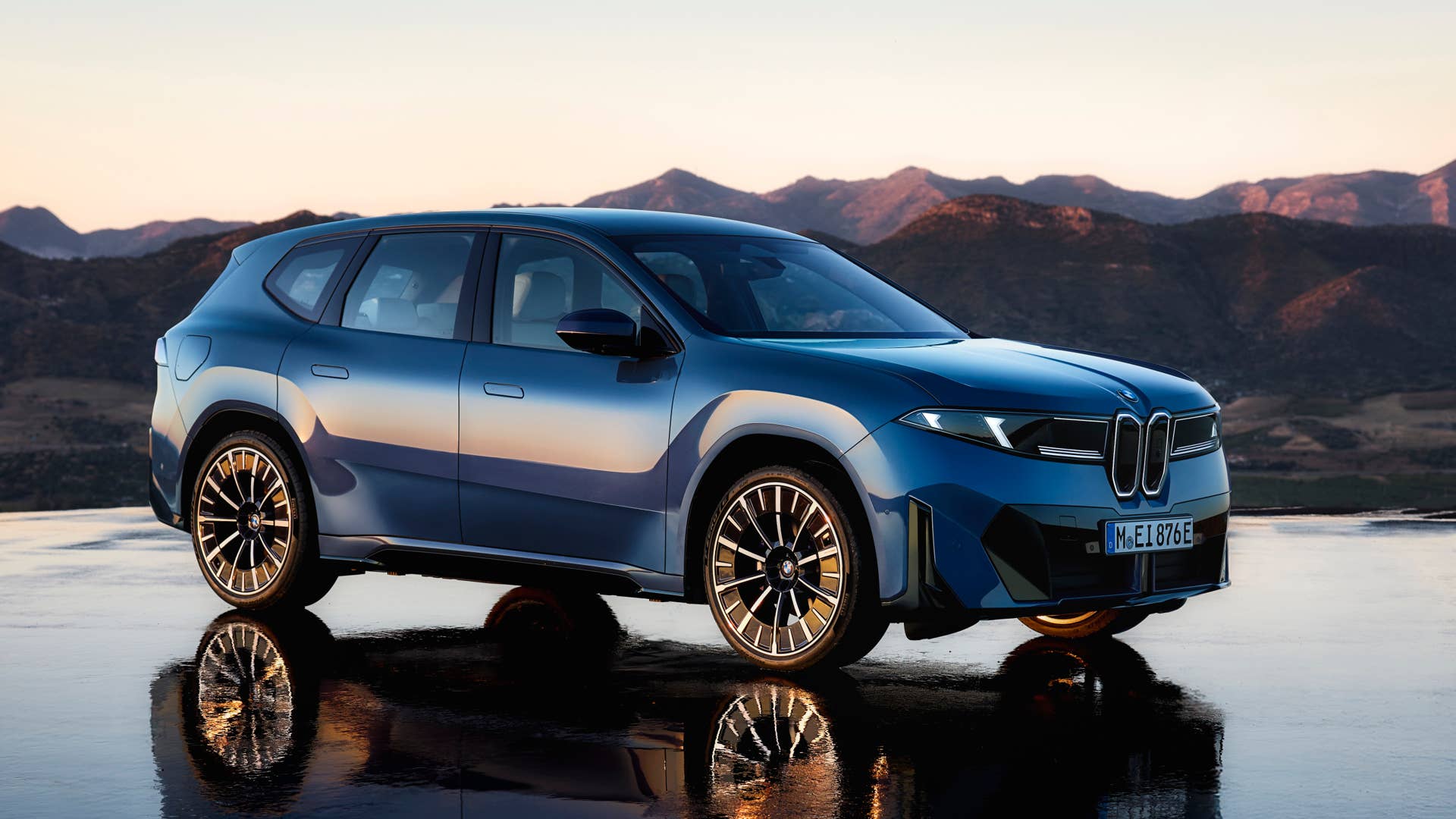
BMW
BMW already sells an iX3 overseas, but a completely new global next-generation version is coming. It will sit alongside the gas-powered X3 and be designed specifically for worldwide markets, including North America. The upcoming iX3 will share BMW’s updated design language, improved aerodynamics, and an EV-optimized cabin. The first-ever iX3 50 xDrive will arrive in summer 2026 with an estimated range of up to 400 miles. More single- and dual-motor versions will come after. Riding on the Neue Klasse underpinnings, it will offer faster charging, a more competitive range, and sharper handling than the existing Europe-only model. In the United States, this will finally give X3 buyers a true electric alternative without switching brands or body styles.
Chevrolet Camaro EV
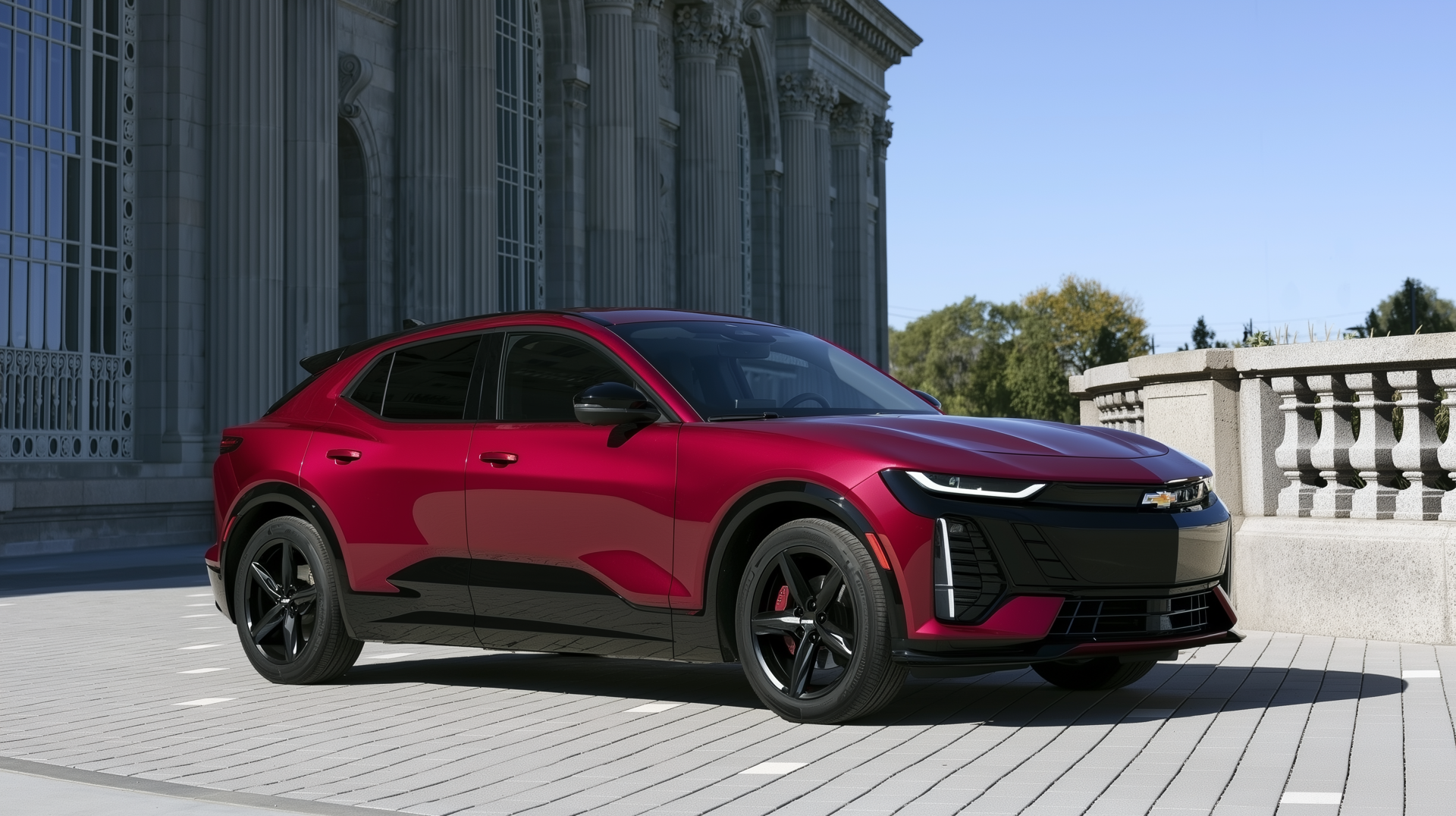
Cole Attisha Using Midjourney AI
After bowing out as a gas-powered muscle car, the Camaro is expected to return as a full EV and possibly in a new body style. Chevrolet is expected to revive the Camaro not as a muscular coupe but as a fastback-style SUV designed to challenge the Ford Mustang Mach-E. Enthusiasts may cry foul, but there’s no denying Ford’s success in re-using a legendary name for a newfangled SUV. Expected sometime in 2027, the Camaro EV will probably use the same skateboard-style platform, giving Chevy the flexibility to offer single-motor entry models and higher-performance dual-motor versions.
Land Rover Range Rover Electric
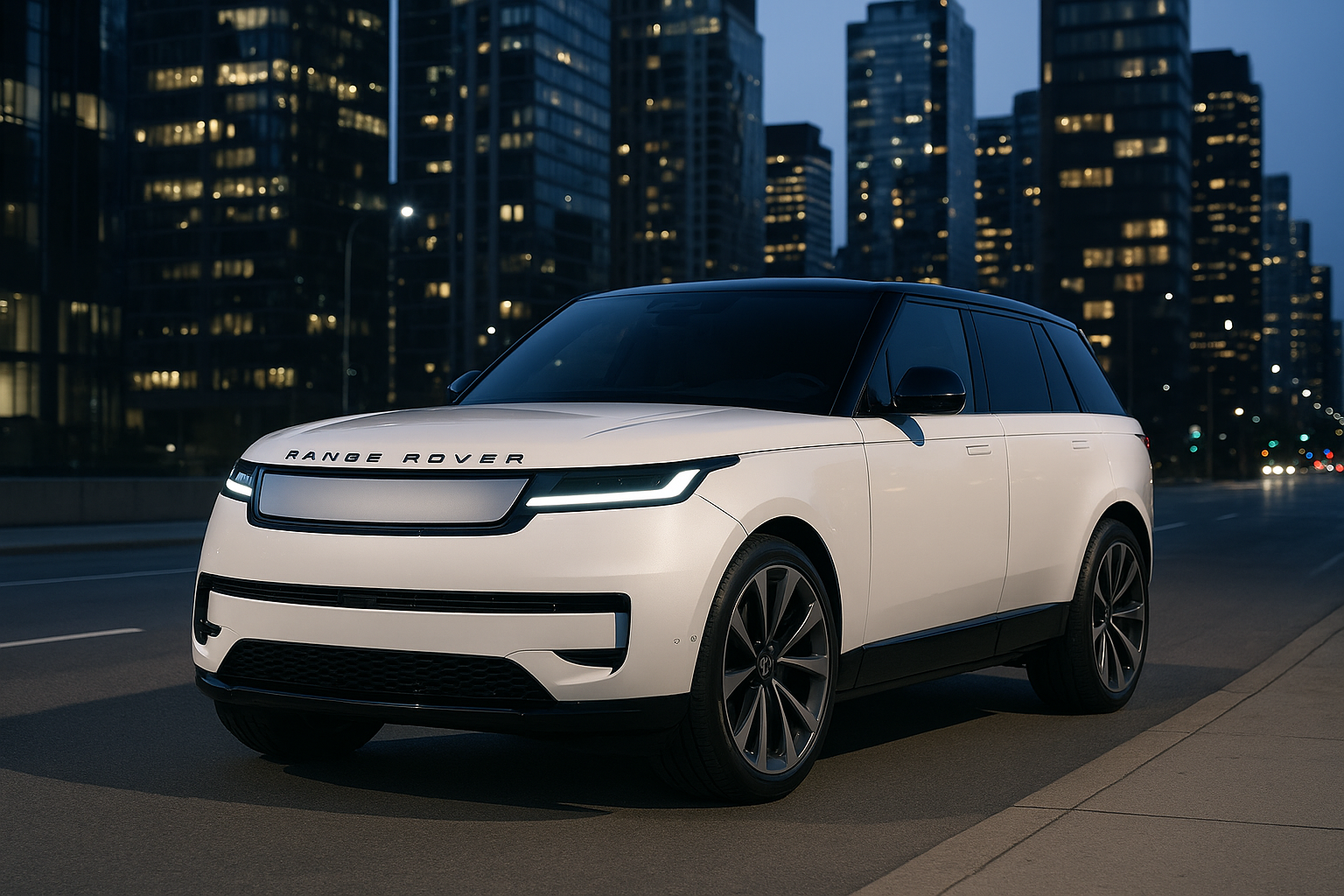
Land Rover is preparing a fully electric Range Rover that will sit alongside its traditional lineup, not replace it. The Range Rover EV is expected to look nearly identical to the gas model, maintaining the brand’s signature floating roof, clean body sides, and luxury silhouette. The EV version will focus on smooth and quiet operation but still retain genuine off-road ability. Multi-motor setups, advanced traction control, and a waterproof battery enclosure are all part of the plan. With its combination of ultra-luxury ride quality and electric refinement, the Range Rover Electric will appeal to buyers who want one of the most premium SUVs on the market without the fuel bill.
Lexus ES EV
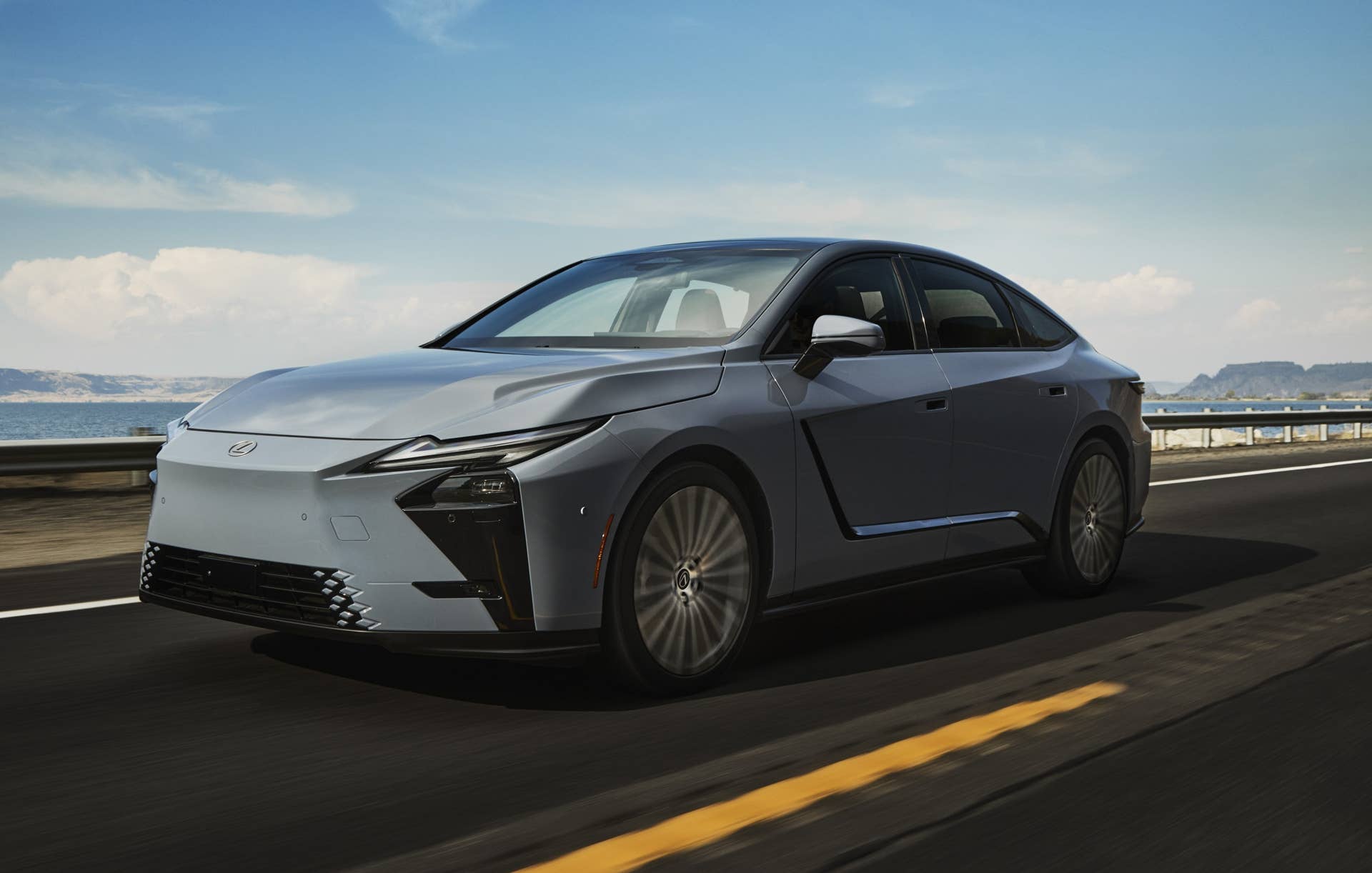
Lexus
The 2026 Lexus ES is more radically designed than any Lexus before it, not just the previous ES sedan. It has long served as a quiet, comfortable, dependable gas sedan for luxury buyers, albeit a little boring…until now. There will be a base ES350e that delivers 220 horsepower to its front wheels, while the ES500e ramps up to 338 horsepower and all-wheel drive. The ES EV will offer more interior space thanks to skateboard-style packaging, improved low-speed smoothness, and a more upscale digital interface than the current gas model. For buyers who want a relaxed luxury EV without the price of a flagship, the ES EV will bring edgy style and efficiency to the Lexus sedan equation.
Final thoughts
These seven vehicles represent a significant shift in the industry today. Gas mainstays are evolving into electric versions while keeping their identity intact. Instead of abandoning familiar badges, automakers are extending them into the EV era and blending heritage with next-generation performance and efficiency.
About the author
Amos Kwon
Contributing Writer, Autoblog