
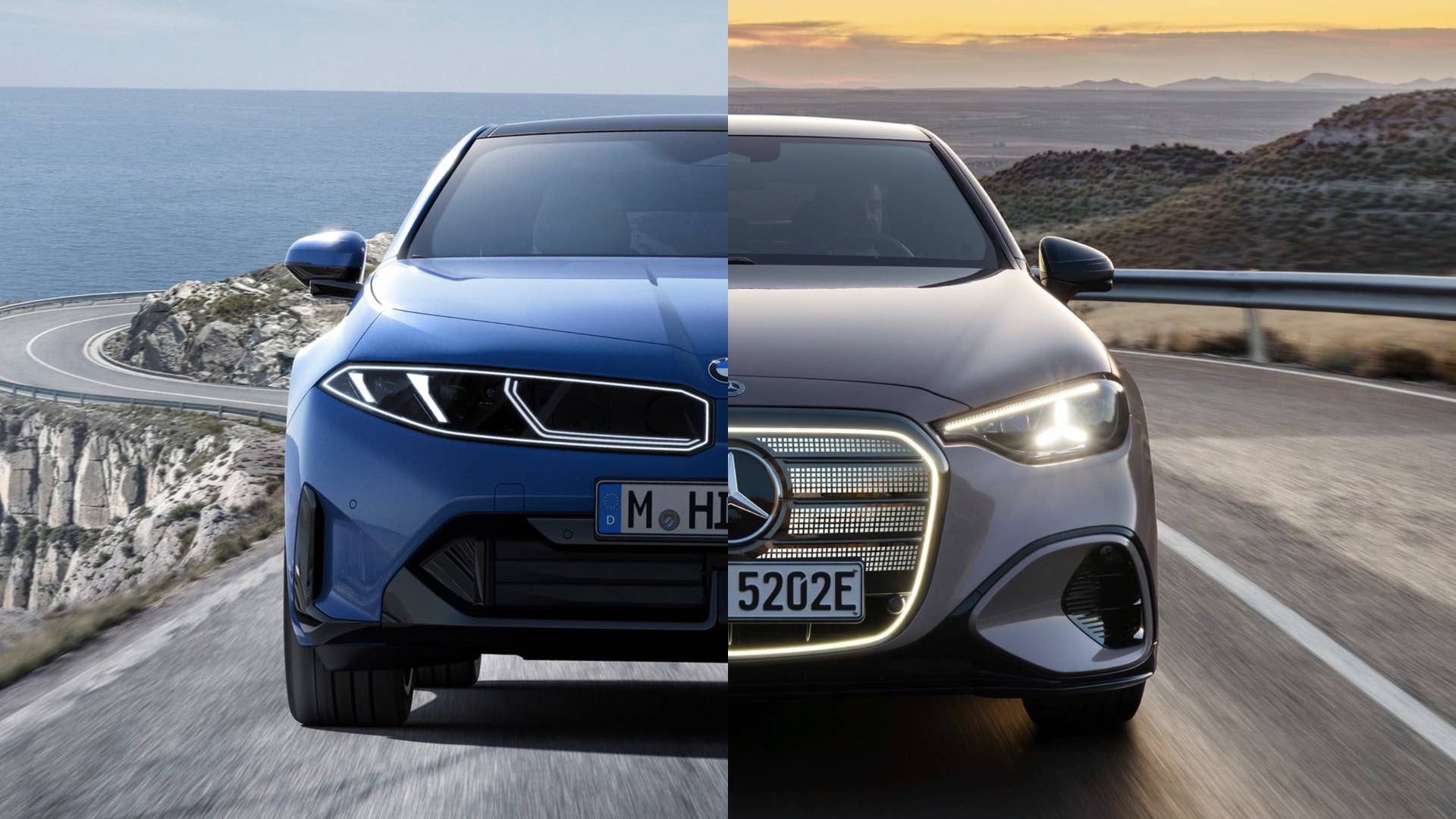
3 Series Vs. C-Class: Classic Rivalry Goes Electric
The BMW 3 Series and Mercedes-Benz C-Class have been two of the leading luxury sedans for decades now. They’ve provided a lower entry point into German car ownership for many, but with similar prestige and innovation as bigger, pricier models. Next year, both sedans will move into the fully electric era. BMW unveiled the i3 last month and Mercedes has just taken the covers off the electric C-Class. Before they reach showrooms, here’s a visual and technical comparison of the two competitors.
1

BMW
BMW
Mercedes-Benz
Mercedes-Benz
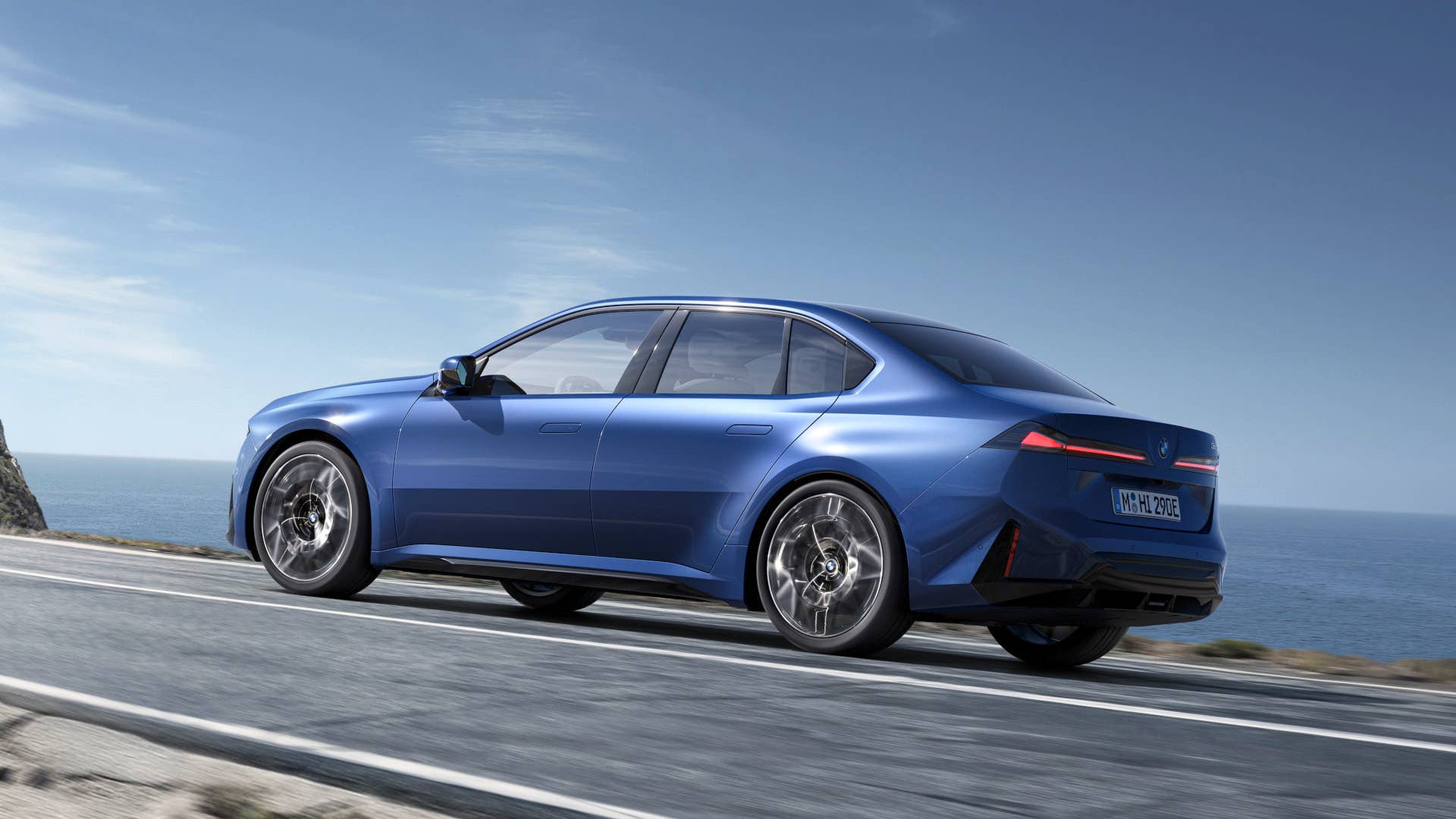
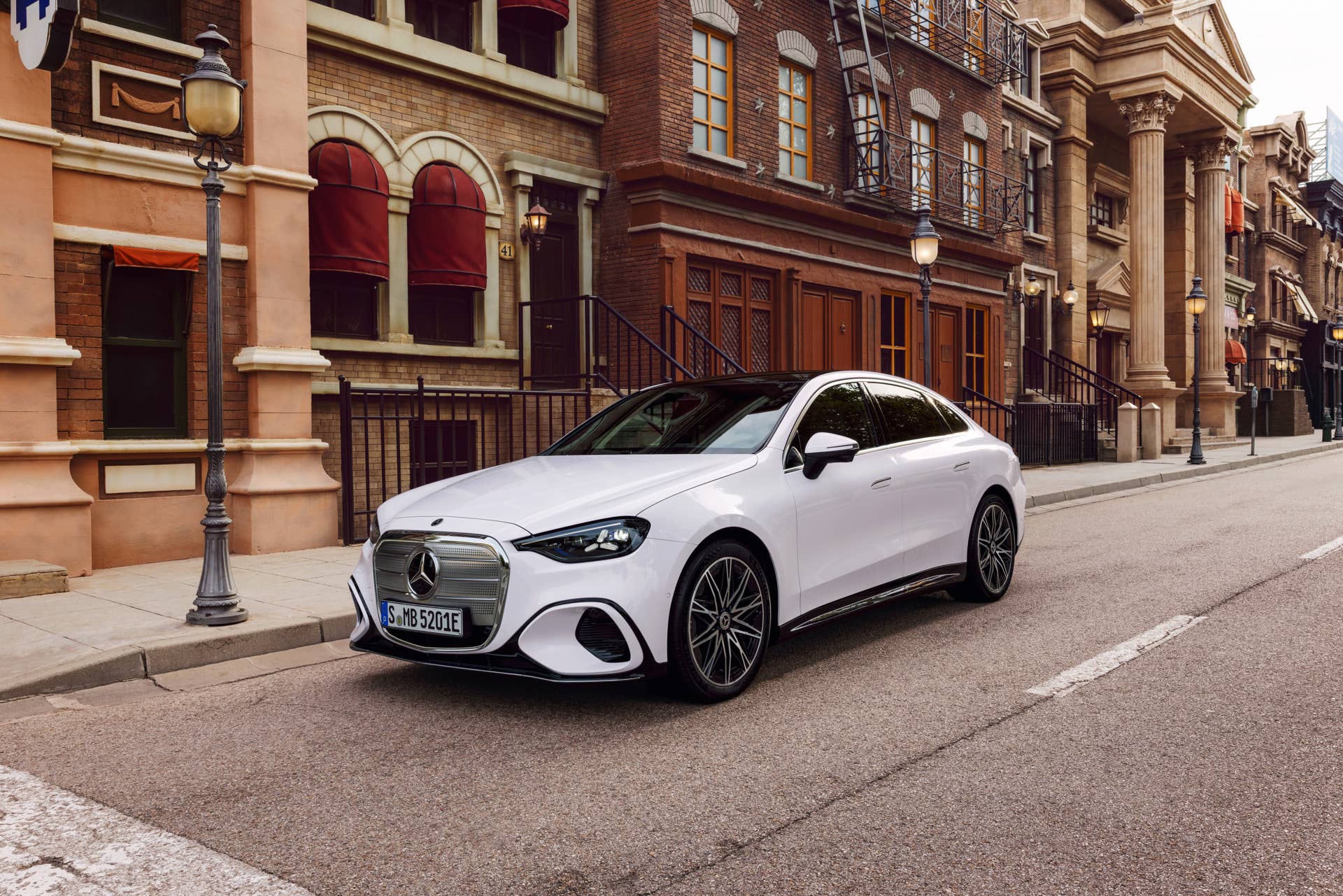
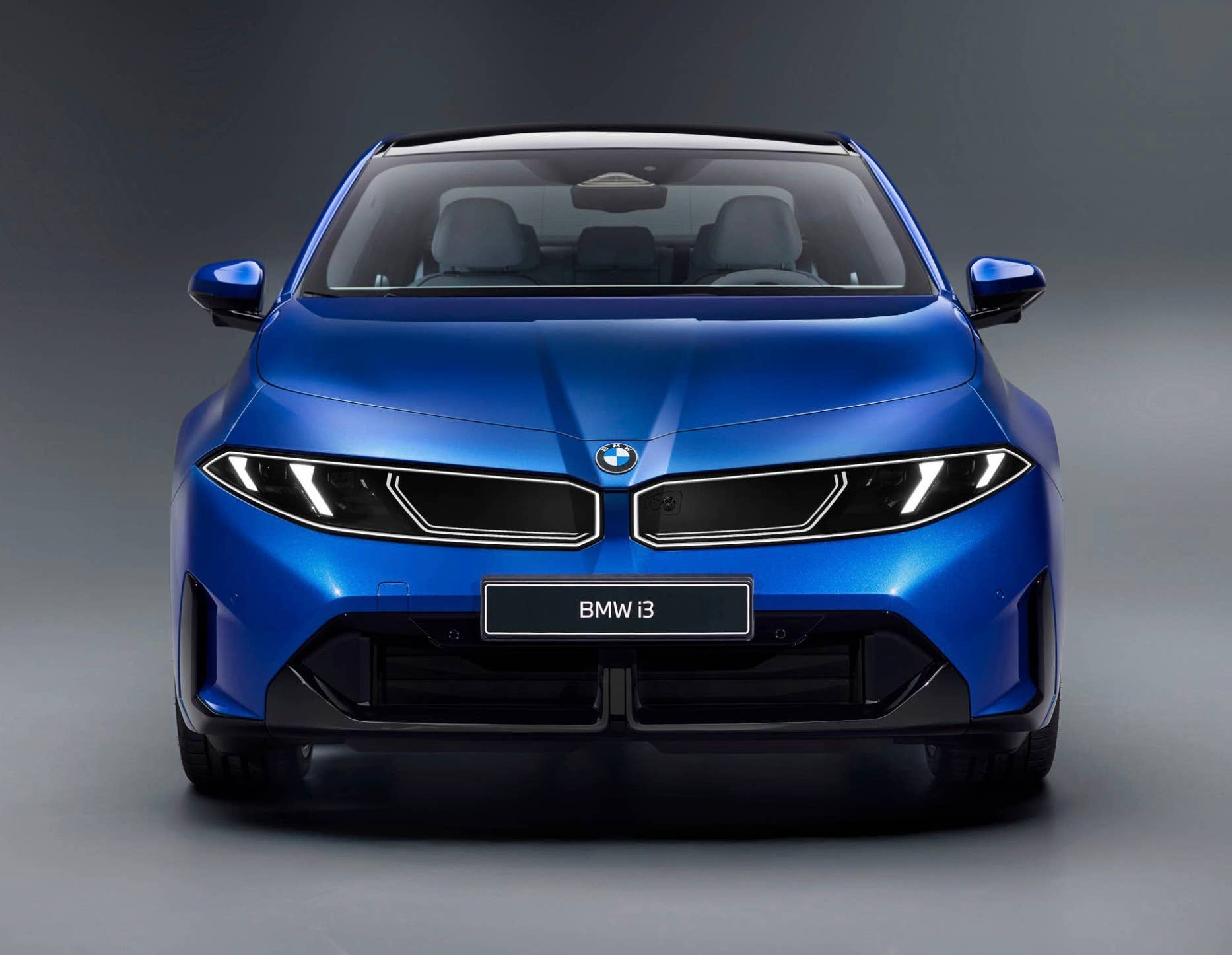
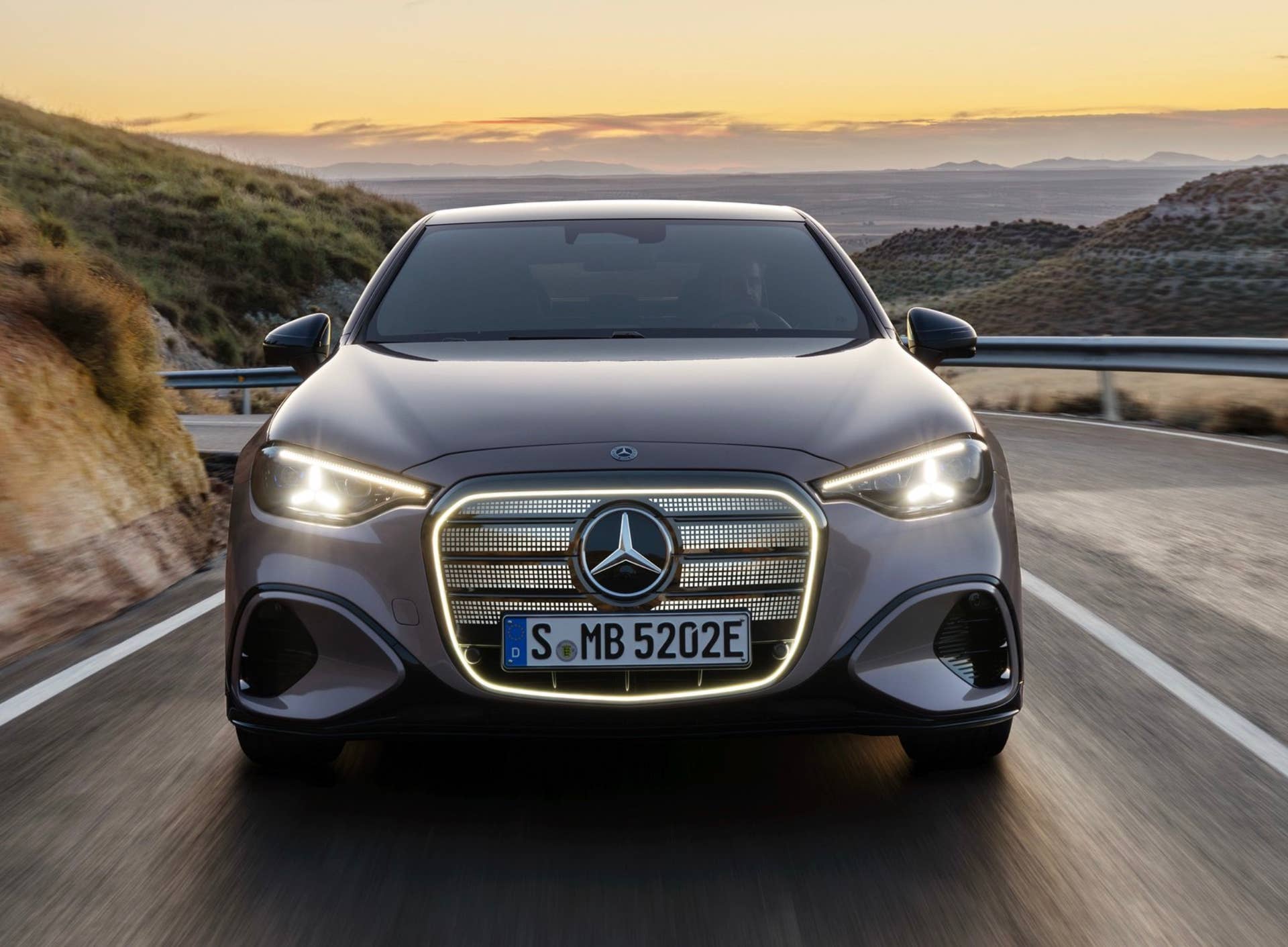
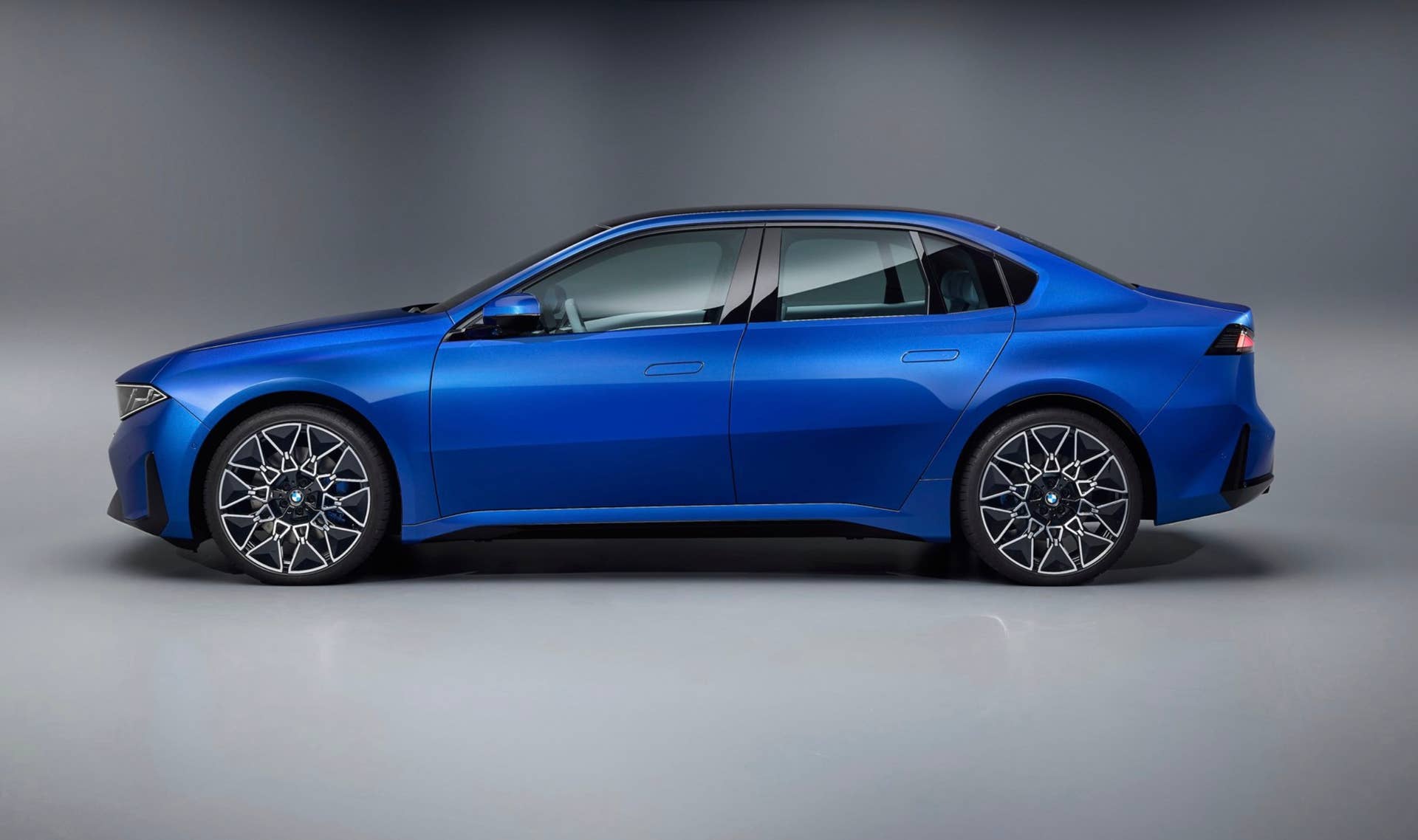
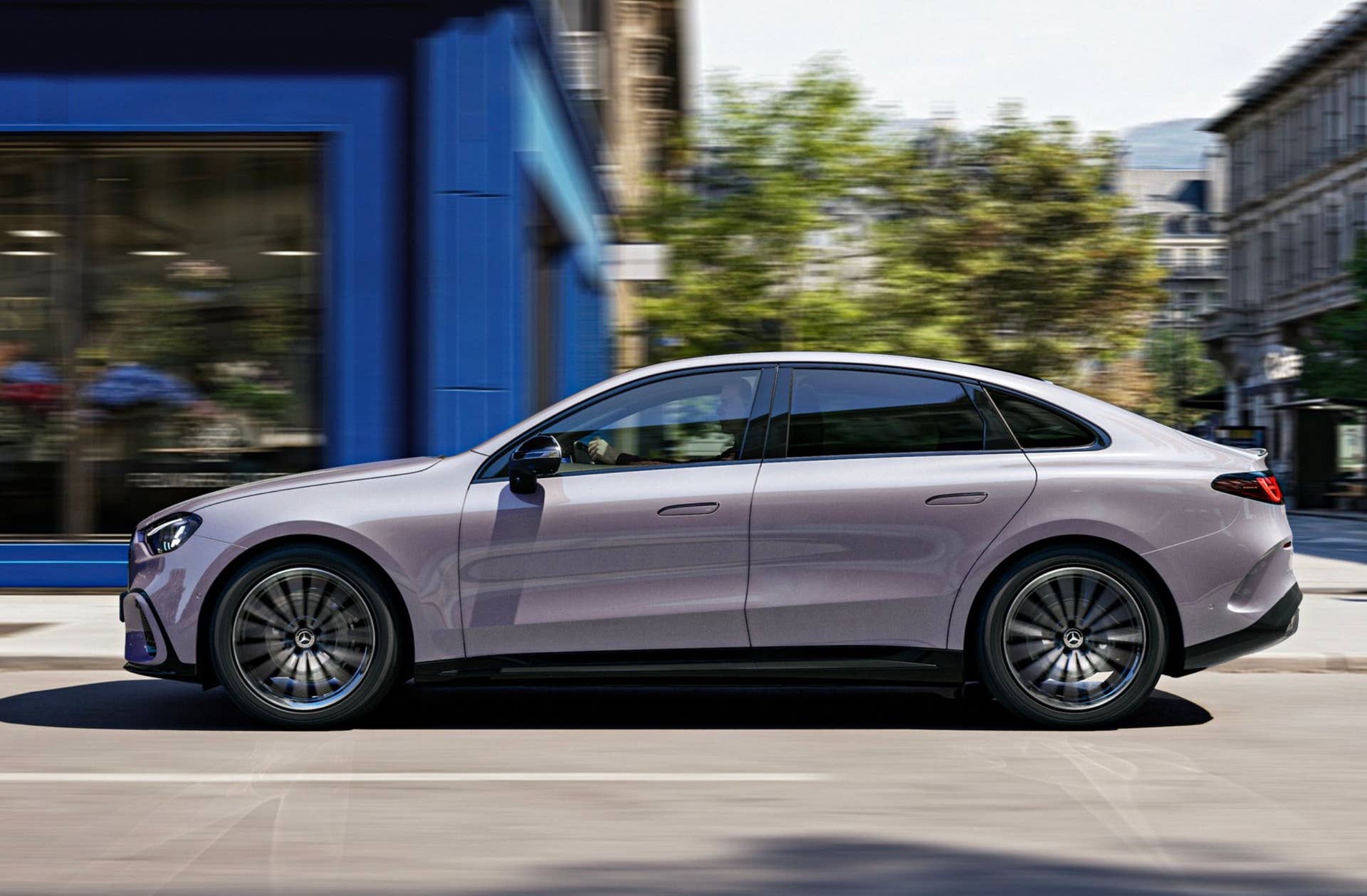
Both cars have revolutionary designs that don’t resemble their predecessors in any obvious way. The i3 represents a cleaner aesthetic for modern BMWs but still has a three-box sedan look, while the C-Class adopts more of a fastback profile.
2
Mercedes-Benz
Both cars have new grille designs. The BMW’s kidneys are now more integrated with the headlights, while the Mercedes has a larger, more vertical grille with illumination—the C-Class’s face resembles that of the new, electric GLC.
3
BMW
Mercedes-Benz
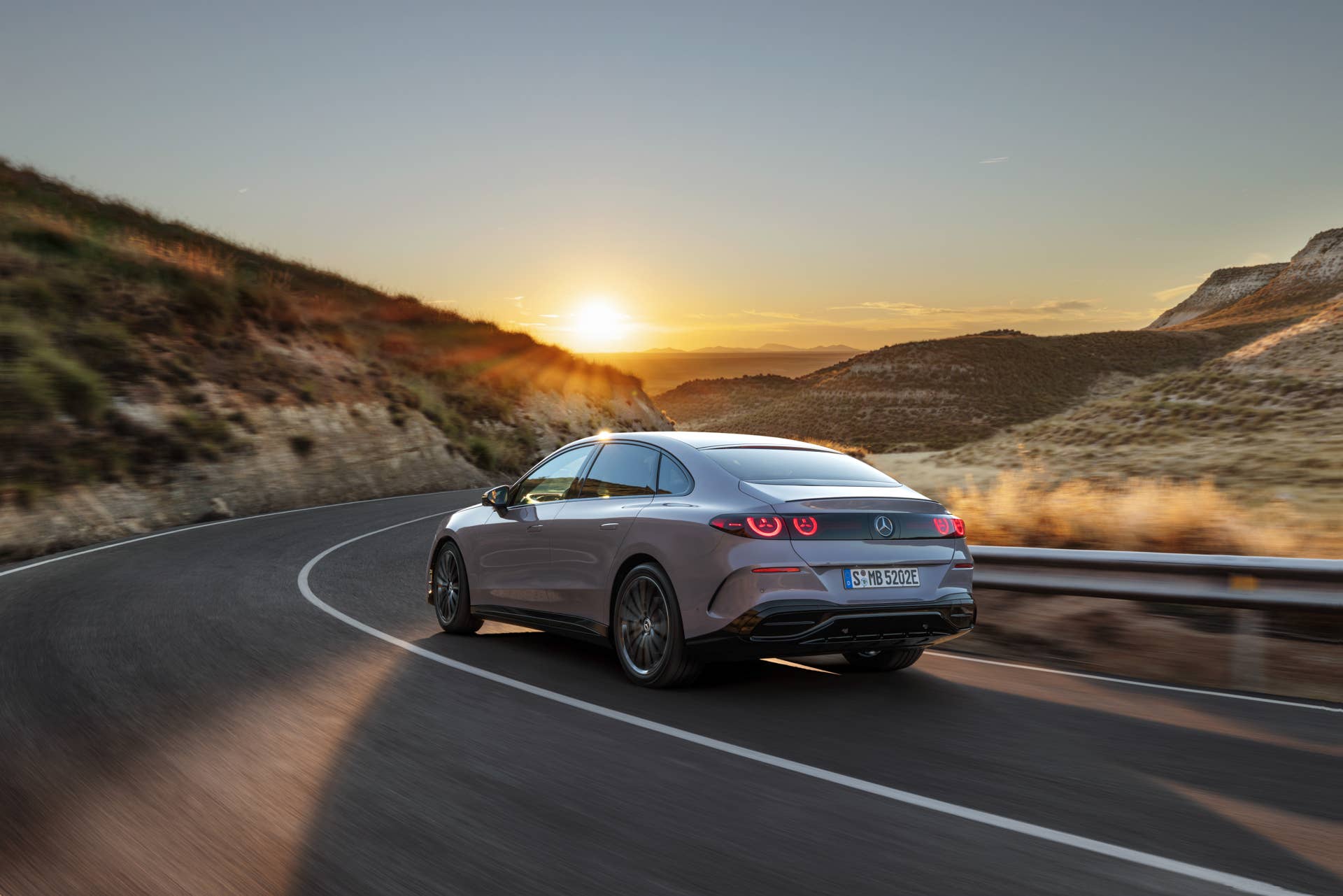
The two cars almost look like they’re from different segments in profile. The BMW has sharper lines and a more prominent trunk, whereas the Mercedes has softer lines and a coupe-like roofline. Both vehicles have particularly short overhangs.
4
BMW
Mercedes-Benz
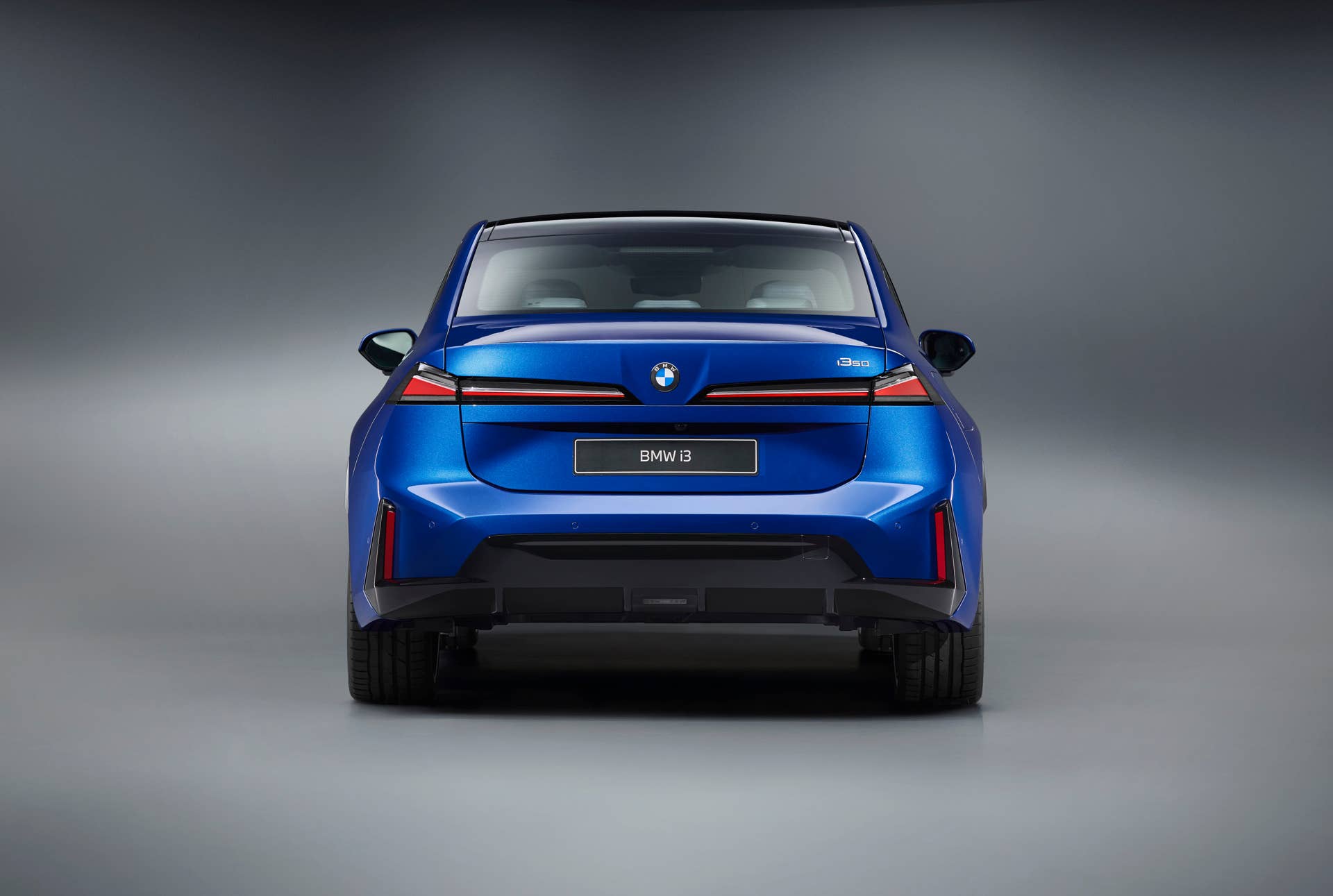
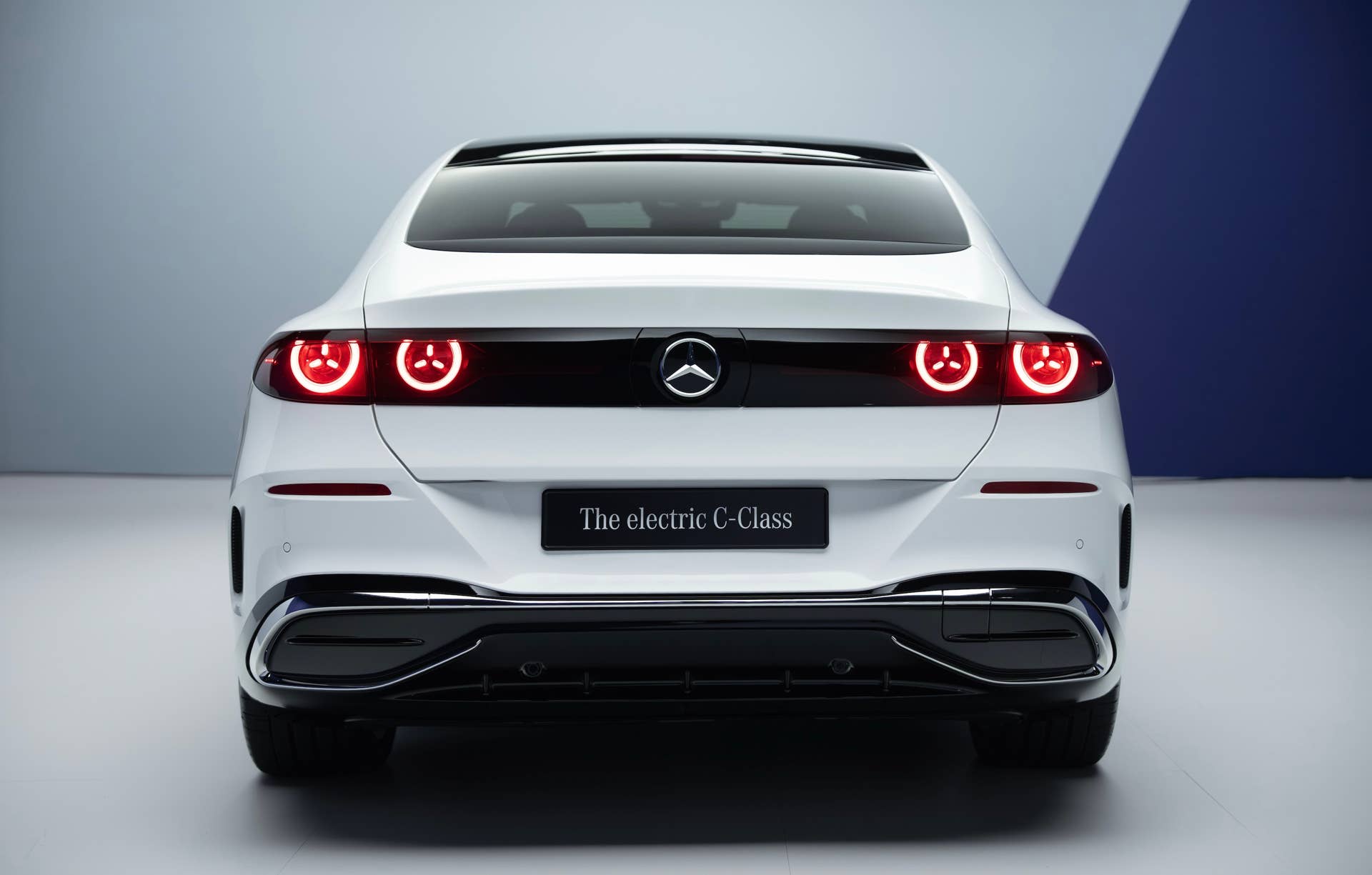
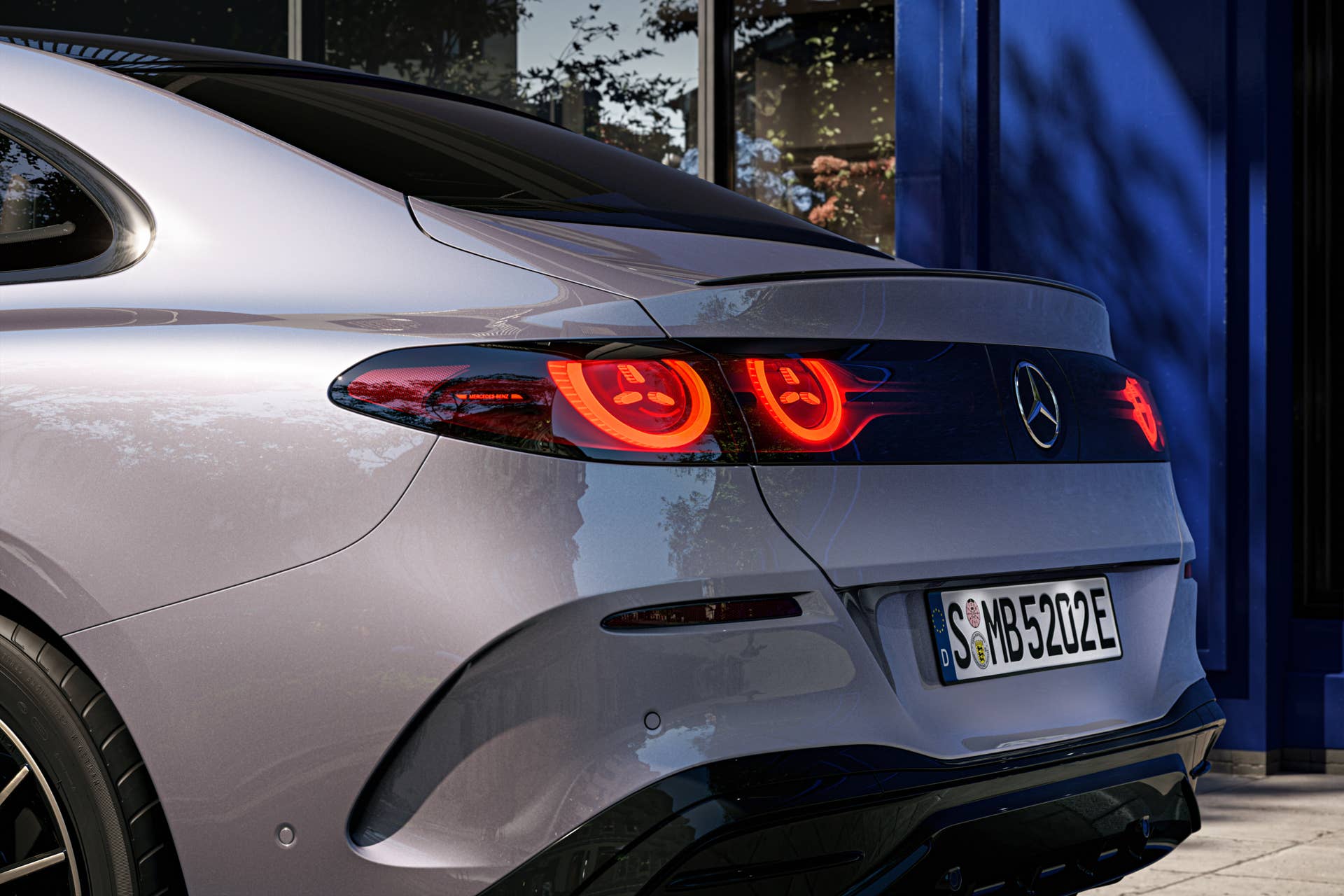
From the back, the i3 features an evolution of BMW’s L-shaped taillights. The C-Class has gone in a completely different direction—the circular taillights are a total departure from the current C-Class, as is the black band that runs from side to side. It’s sportier than the i3, but doesn’t look like a C-Class at all.
5
BMW
Mercedes-Benz
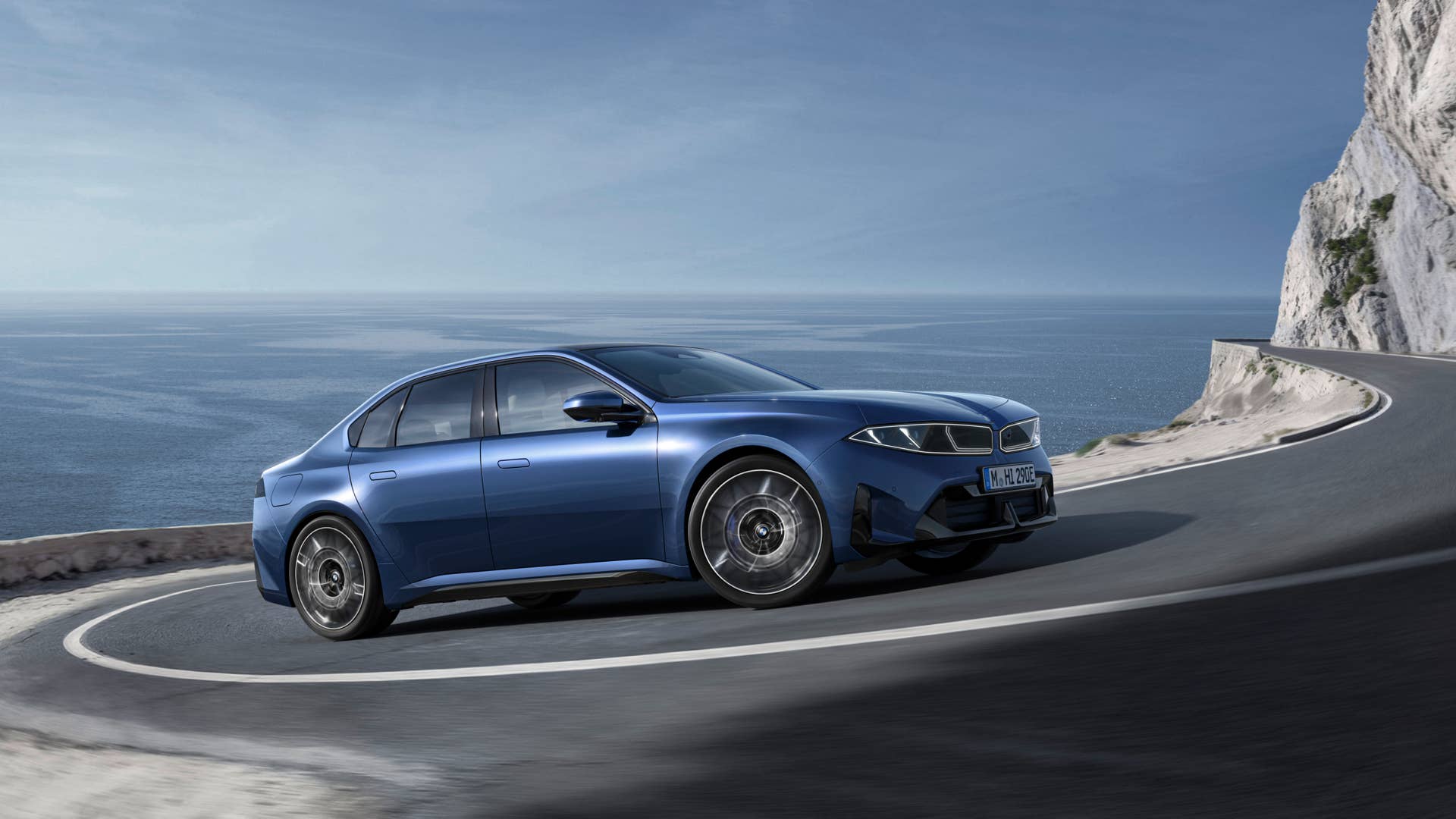
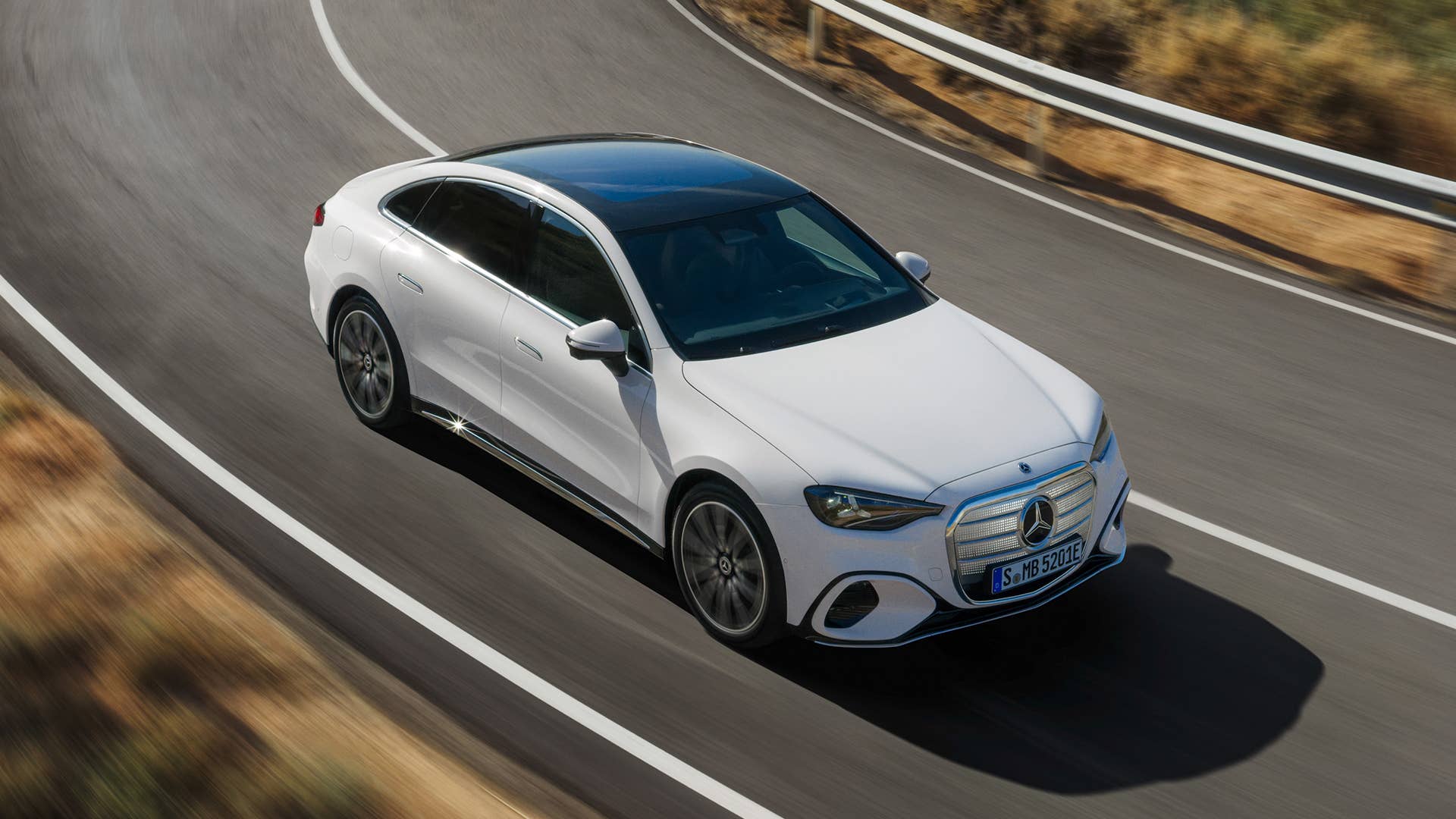
Driving range initially appears to favor the BMW, but we’ll have to wait for official EPA figures for both. BMW says the i3 gets 440 miles of range, as per EPA standards. The Mercedes has a claimed 473-mile range, but that’s on the WLTP cycle. By EPA standards, it should be closer to 400 miles.
6
BMW
Mercedes-Benz
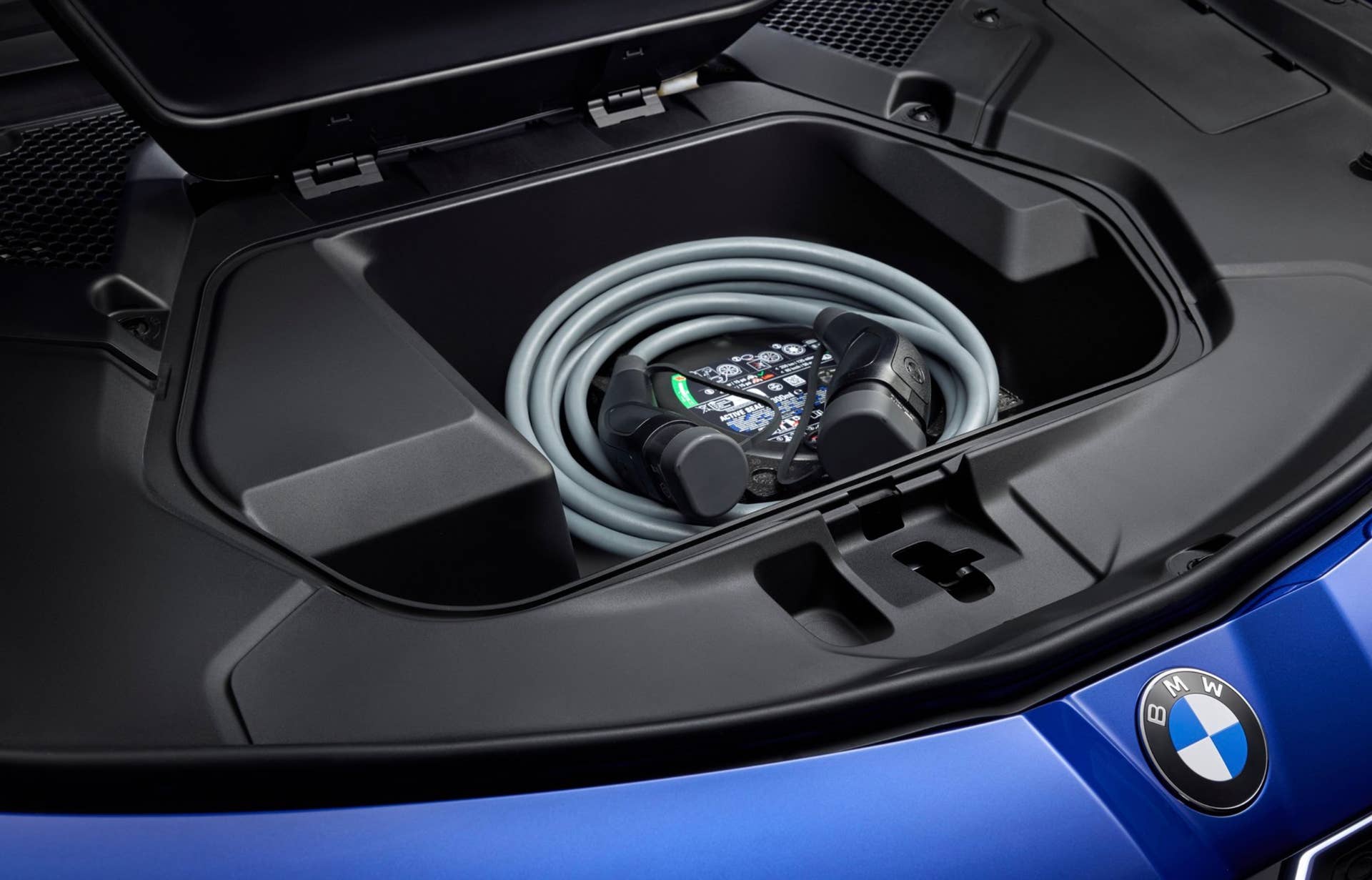
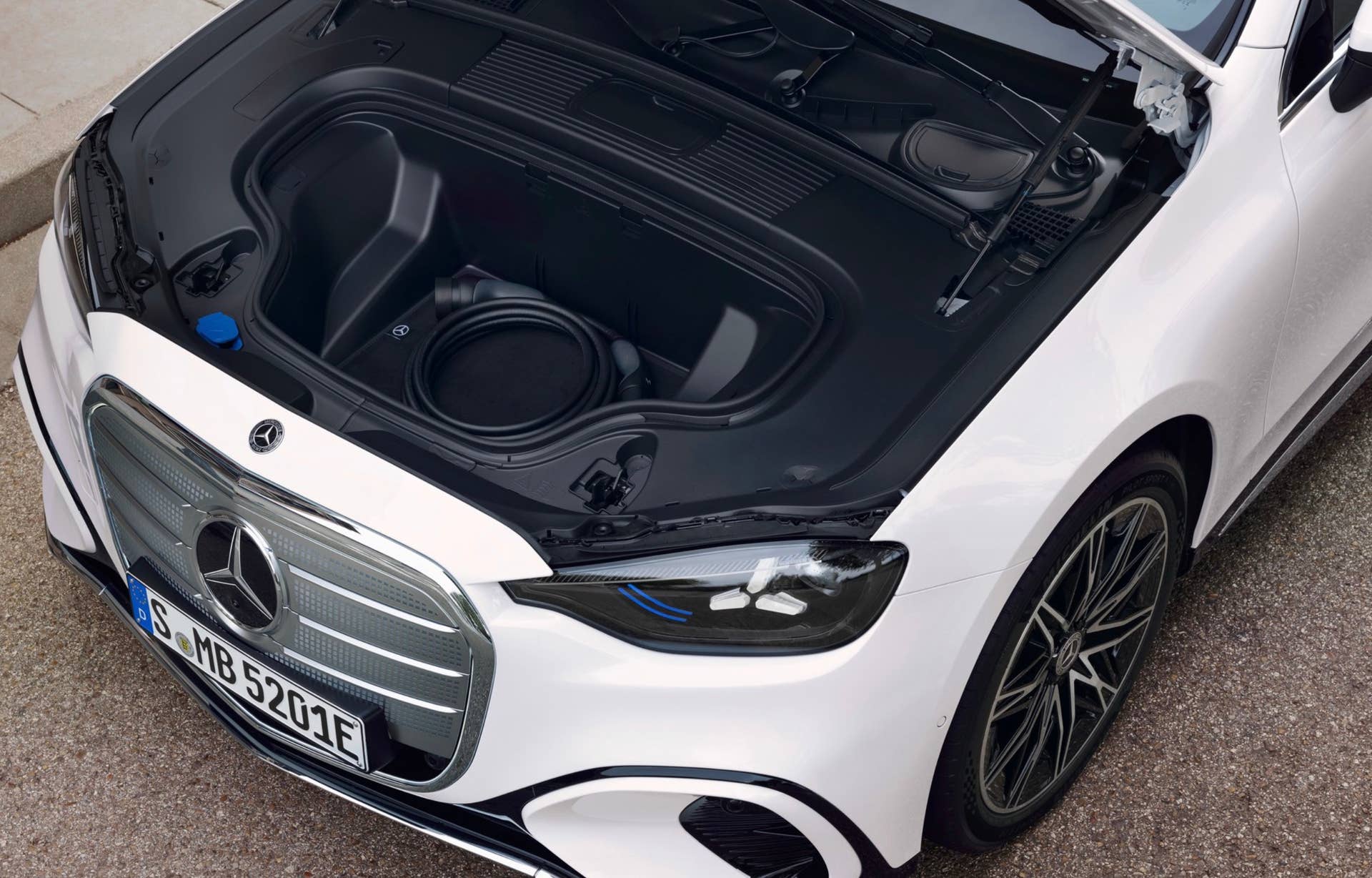
Both cars have a frunk, which can be used to store charging cables. Speaking of charging, the BMW can charge at up to 400 kW, while the Mercedes has a maximum charging capacity of 330 kW. With the right DC fast charger, the C-Class can add around 200 miles of range in 10 minutes. In the i3, the same charging session will yield a range of closer to 250 miles.
7
BMW
Mercedes-Benz
The launch variants of these cars are closely matched. Both have dual motors and all-wheel drive, with the i3 making 463 horsepower and the C-Class as much as 482. The Merc will sprint to 60 mph in under 3.9 seconds, with similar acceleration expected for the BMW.
8
Mercedes-Benz
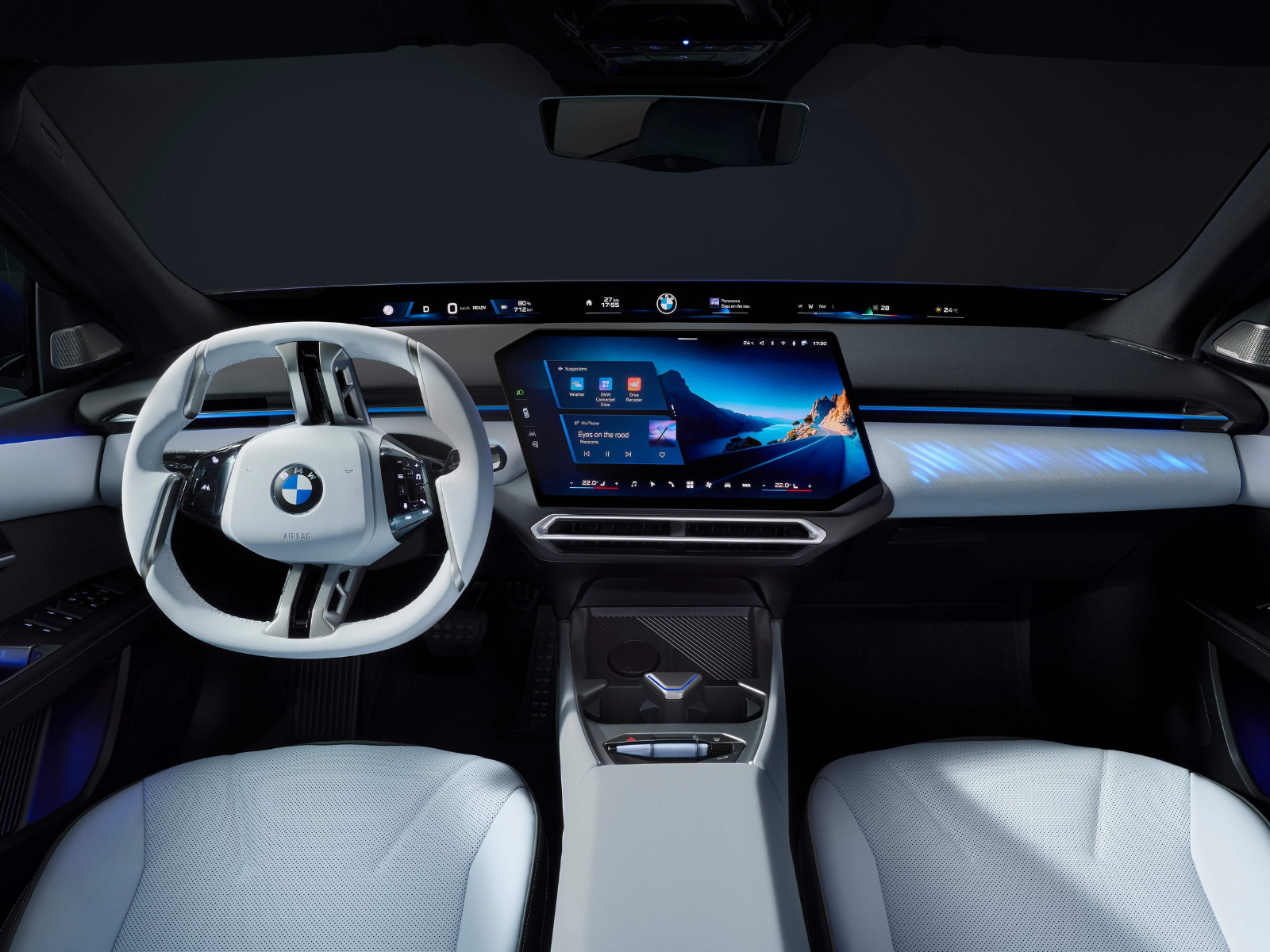
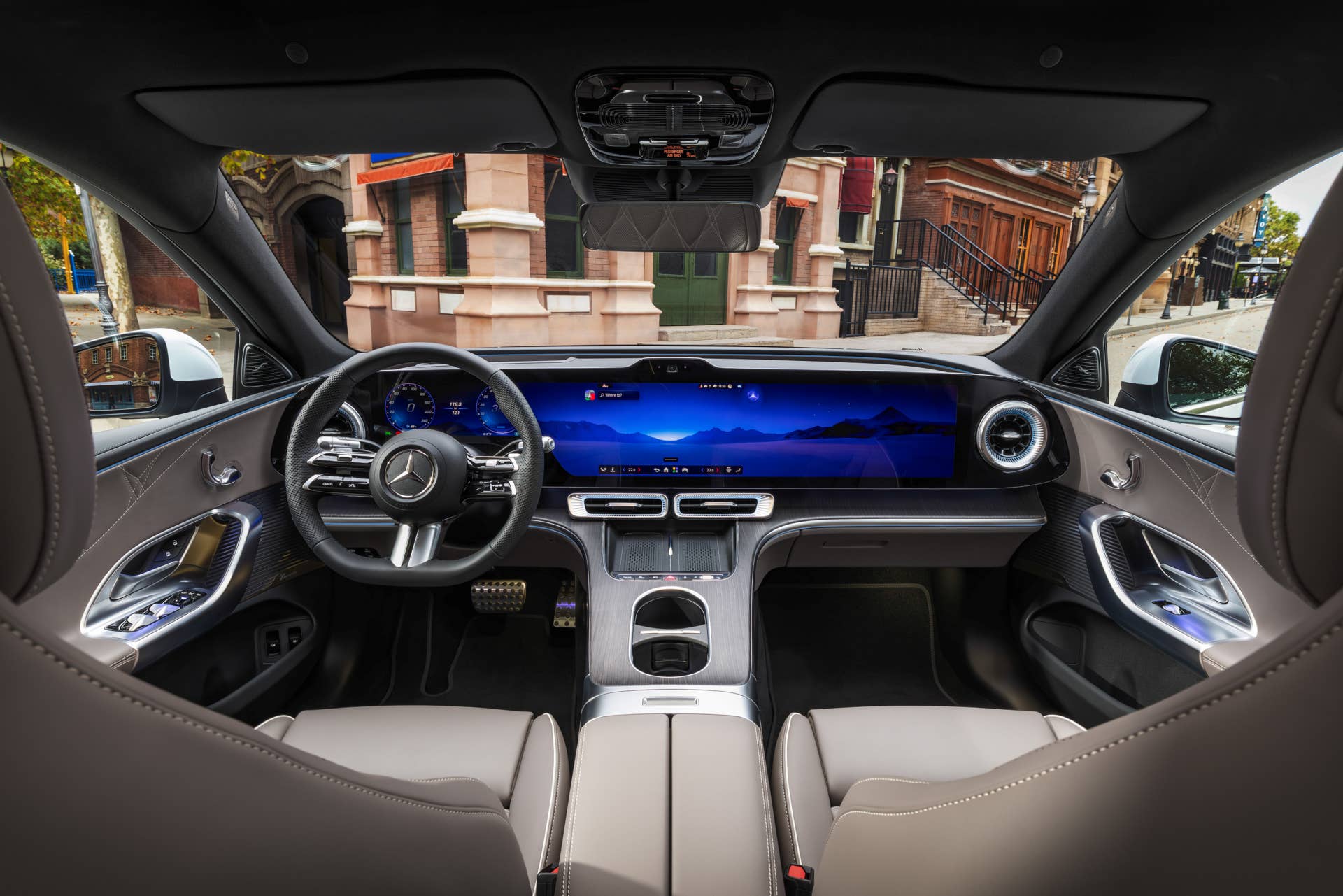
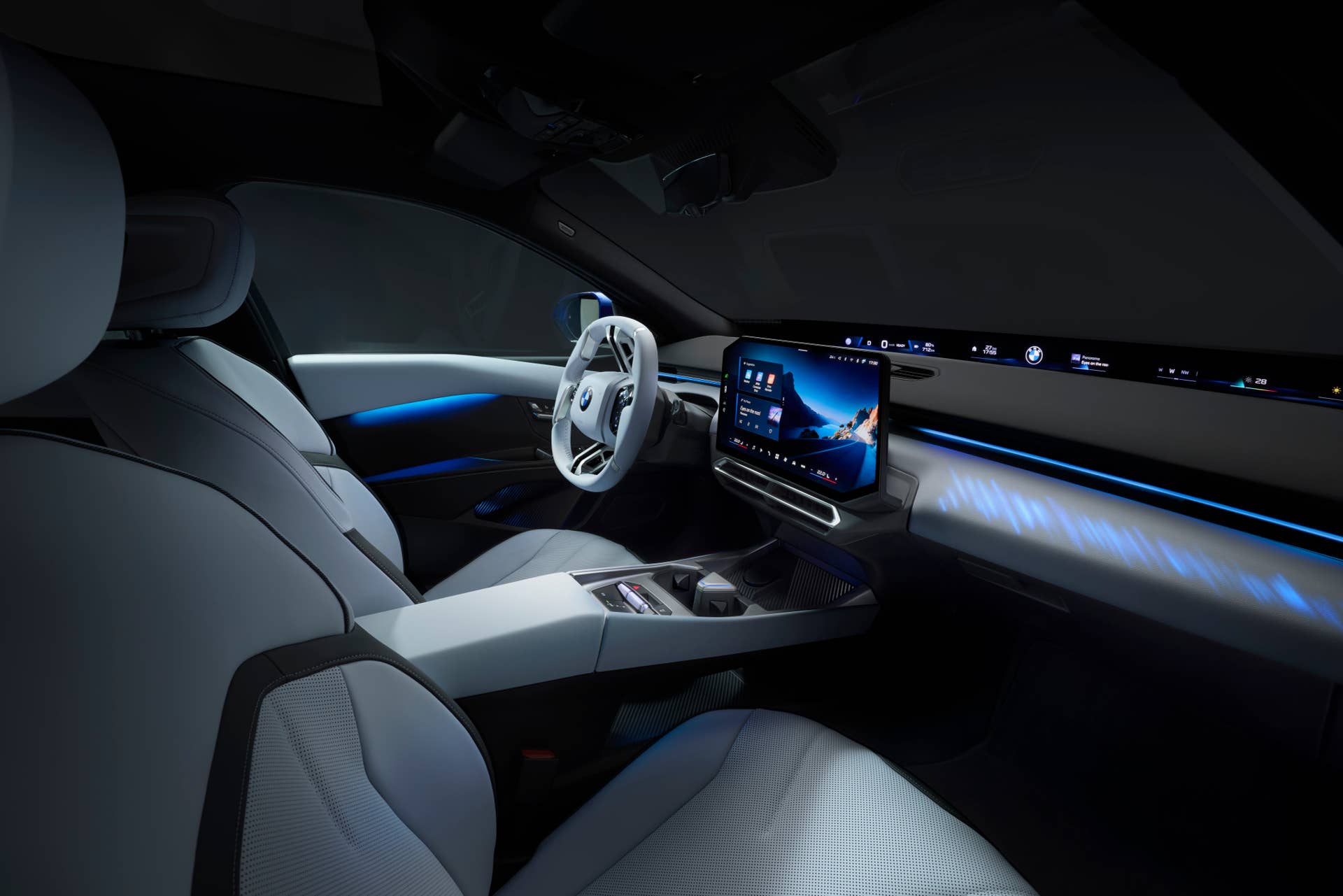
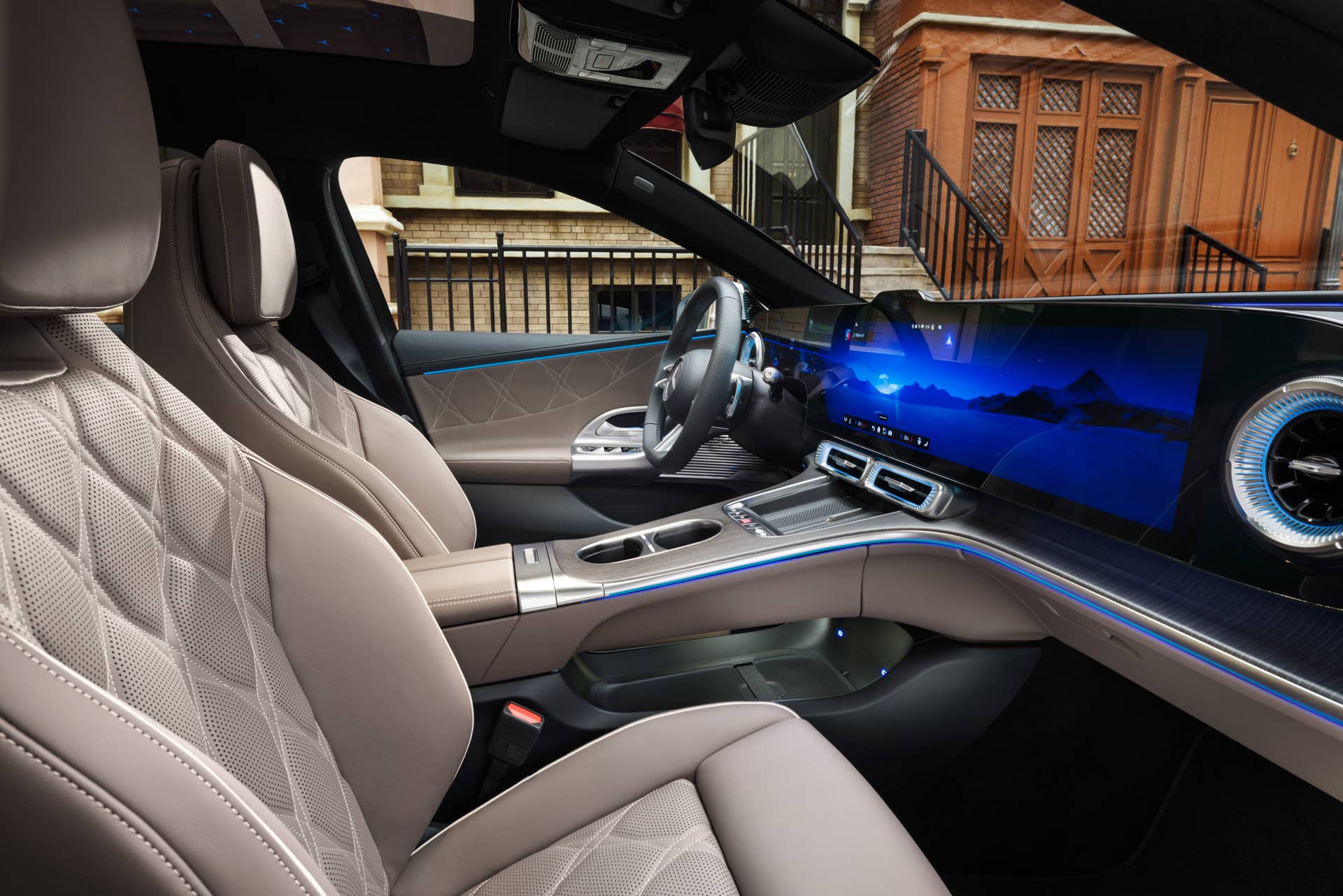
Both cars have cutting-edge interior designs and unique control interfaces. In the i3, a hexagonal touchscreen is complemented by a full-width driver’s display below the windshield. In the Mercedes, you can specify a 39.1-inch MBUX Hyperscreen, which stretches all the way across the dashboard.
9
BMW
Mercedes-Benz
Based on pictures alone, the BMW has a cleaner and more minimalist interior, while the Mercedes looks more opulent. And, while the BMW offers Veganza imitation leather, the Merc can be equipped with a full vegan-certified interior.
10
BMW
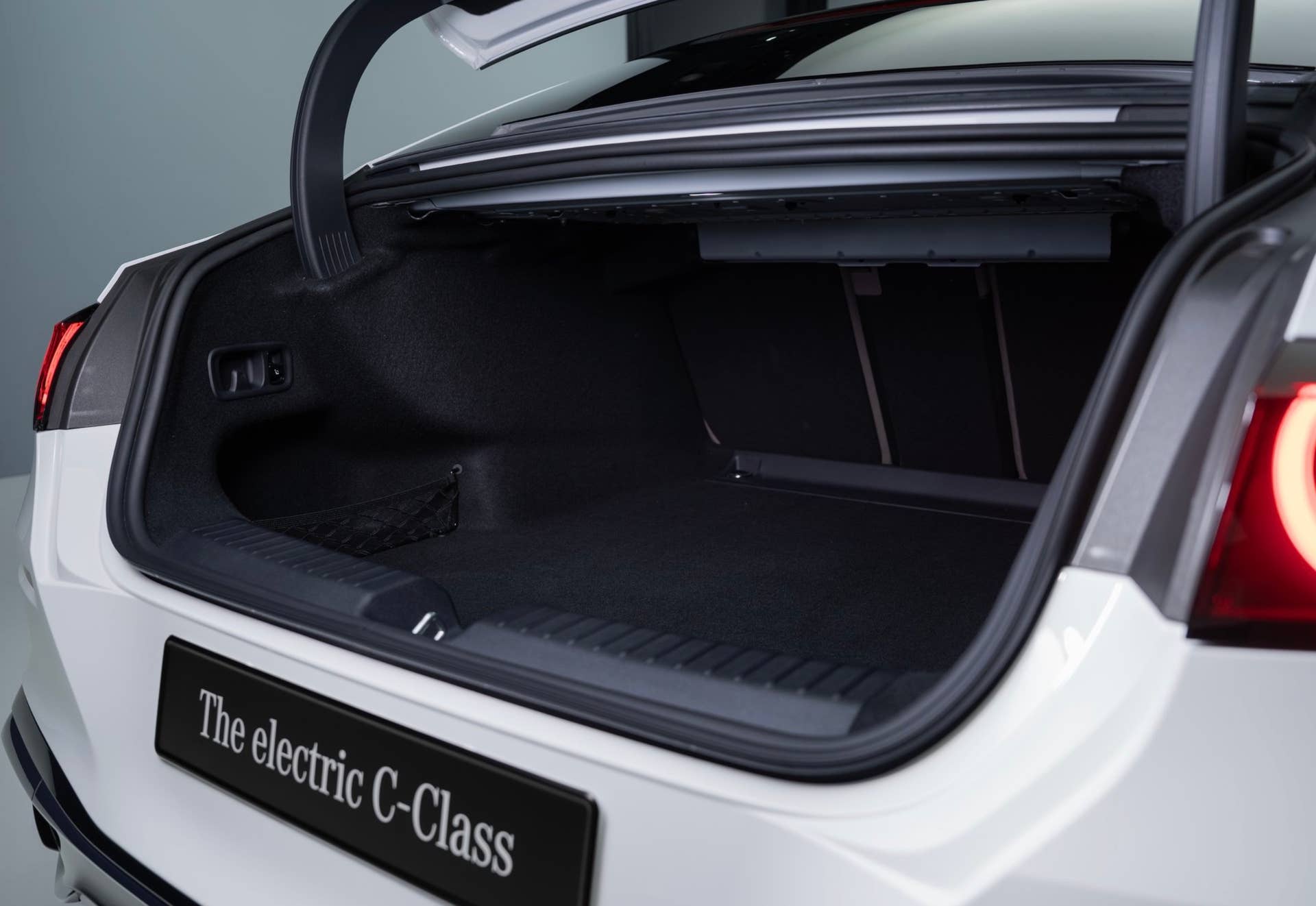
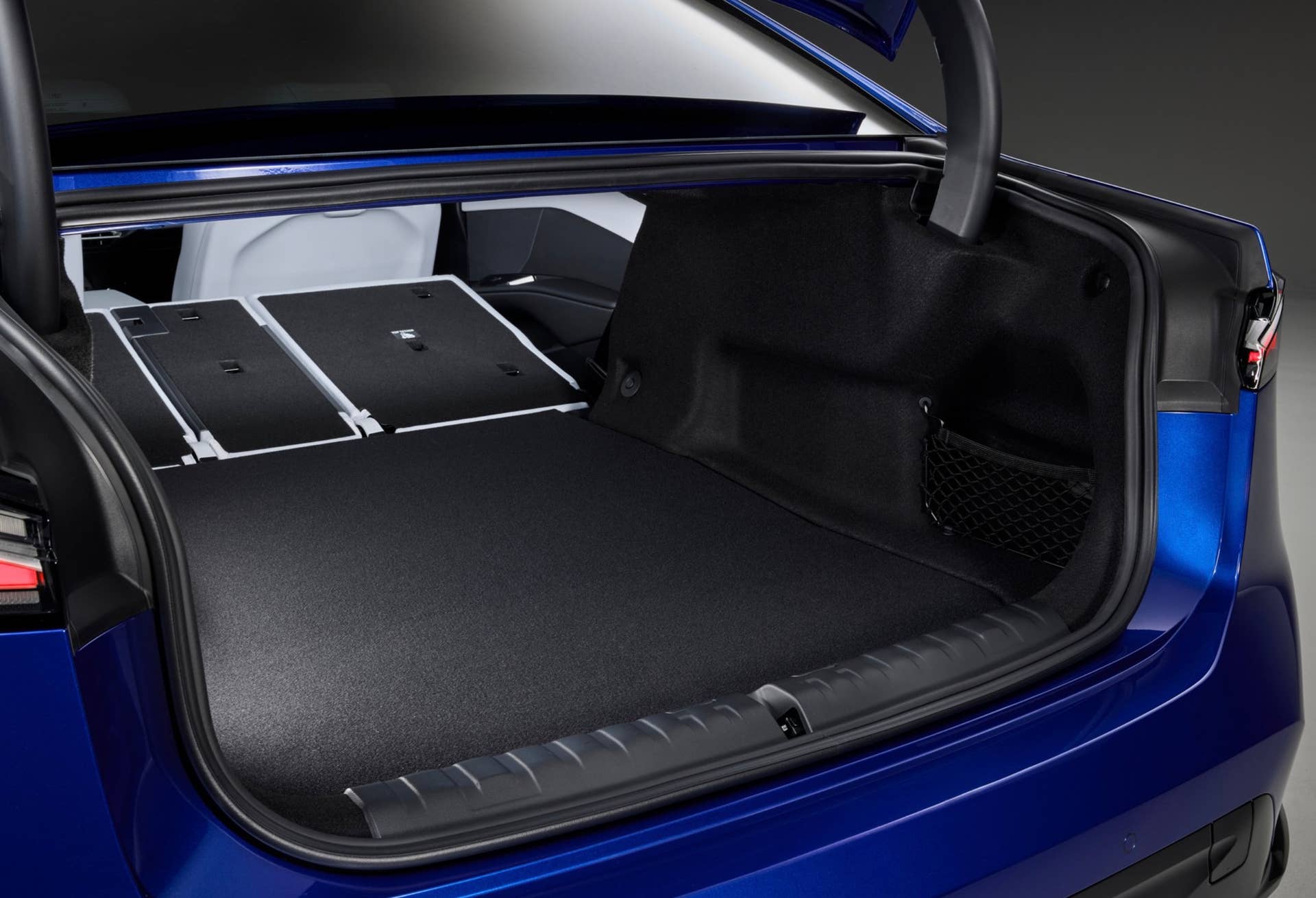
In the trunk, the Merc has 16.6 cubic feet of space, which is good for a sedan of this size. Cargo space in the i3 is unknown, but it appears reasonably spacious and both cars have fold-down back seats for longer items.
Final Thoughts
One of the most exciting rivalries in the car world has always been defined by the disparate characters of the two cars. The 3 Series has typically been sportier and more driver-focused, while the C-Class generally felt like the more luxurious, refined option. We can’t speak to how these new electric sedans drive, but they look further removed from each other than ever before. From the control interfaces to the design philosophies, they remain distinct, and that should keep the rivalry compelling as the sedans move into the electric era.
About the author

Karl Furlong
Senior Editor, Autoblog