

A battle of electric bestsellers
The compact luxury sedan market looks very different in 2025 than it did just a few years ago. Gas-powered standouts like the BMW 3 Series and Audi A4 are still around, but the spotlight has shifted firmly toward electric cars. Two of the biggest names in this shift are the BMW i4 and Tesla Model 3.
Both cars occupy a similar footprint and price segment, and both promise long range, strong performance, and modern tech. But while the i4 leans heavily into BMW’s reputation for luxury and refinement, the Model 3 doubles down on efficiency, acceleration, and charging convenience. For shoppers deciding between these two EVs, the differences can be decisive.
1. Pricing and value
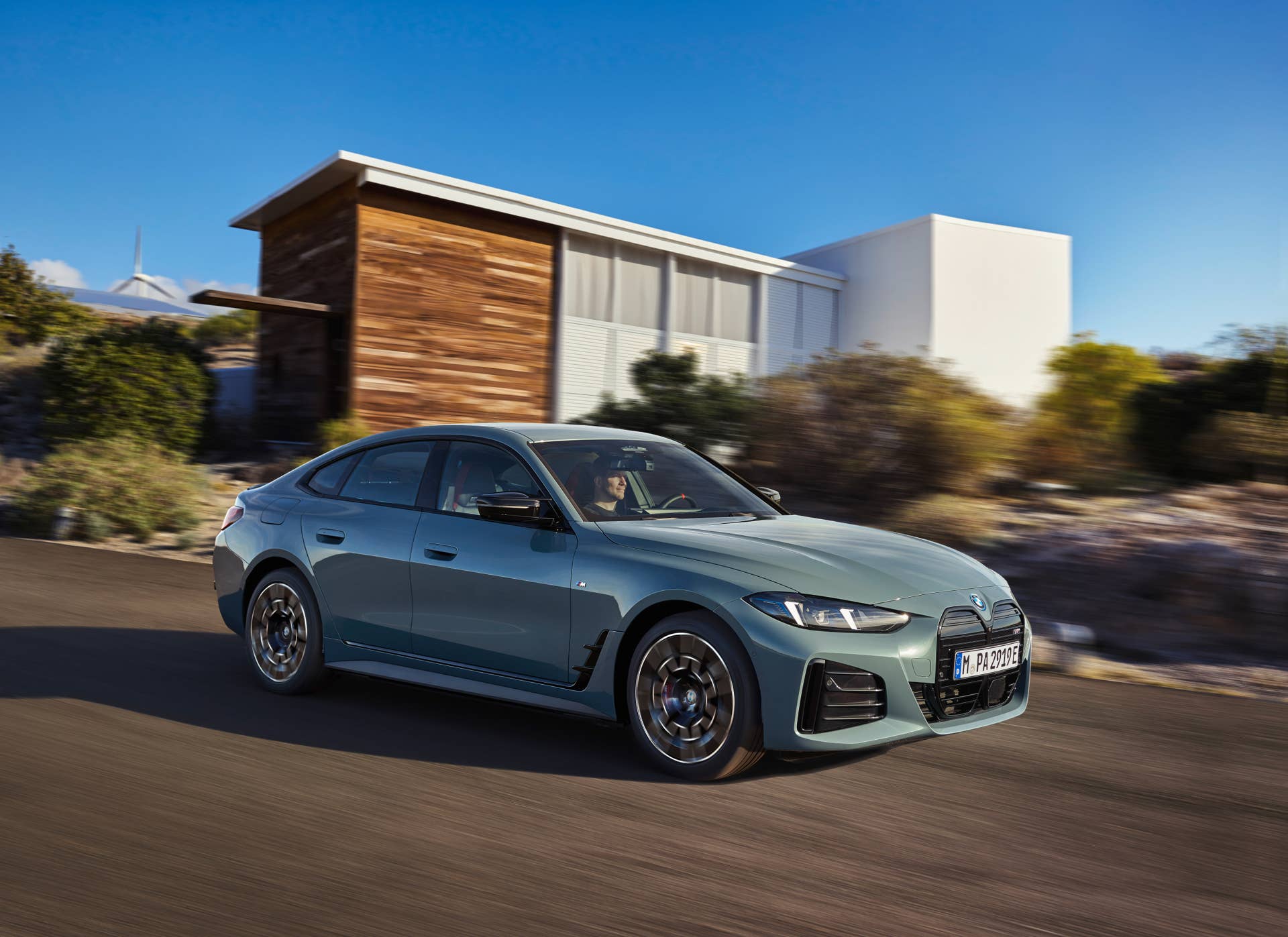
The BMW i4 commands a premium compared to the Tesla Model 3. The base i4 eDrive35 starts around $53,975, and fully optioned models like the M50 can reach well into the $60,000 range. By contrast, the Model 3 begins near $44,130, and thanks to eligibility for a $7,500 federal tax credit, many buyers effectively pay under $37,000.
Fabian Kirchbauer Photography
This price gap means the Model 3 often appeals to value-minded drivers who still want long range and strong performance. The i4, however, positions itself more like a luxury sports sedan with higher-end finishes and options that push its MSRP well above Tesla’s.
2. Power, performance, and acceleration
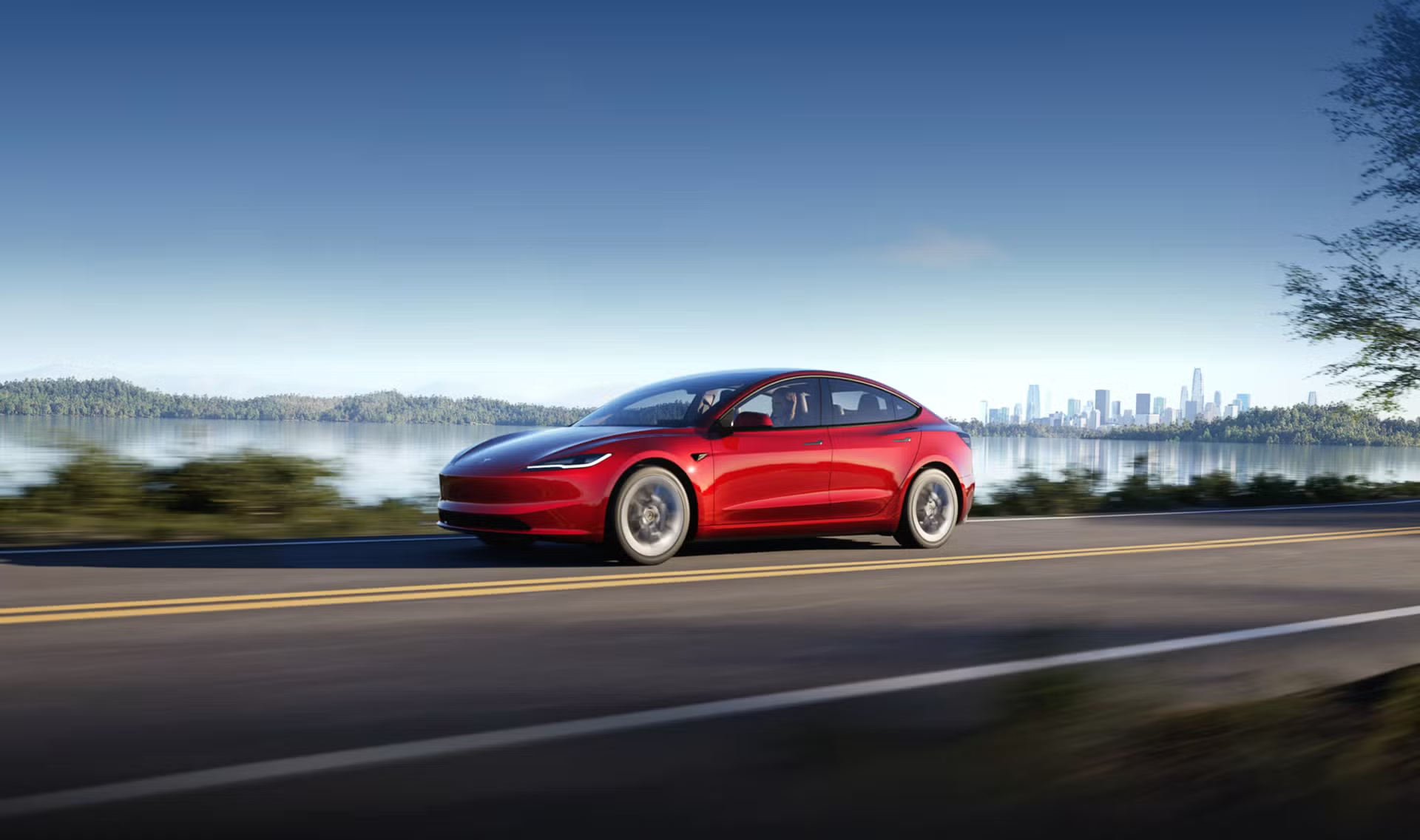
Both cars deliver thrilling performance, but they do so in different ways. The BMW i4 M50 produces up to 536 horsepower, giving it a clear advantage on paper over the Tesla Model 3 Performance, which is rated at about 510 horsepower. Despite this, Tesla has tuned its Performance model for blistering straight-line speed. The Model 3 Performance reaches 60 miles per hour in just 2.9 seconds, while the i4 M50 needs about 3.7 seconds.
Tesla
That means BMW’s sedan offers more horsepower but slightly slower acceleration. Drivers who value the drama of instant torque and drag-strip runs will likely prefer Tesla’s setup, while those who want a car that balances power with traditional BMW handling traits may gravitate toward the i4.
3. Range, energy efficiency, and charging
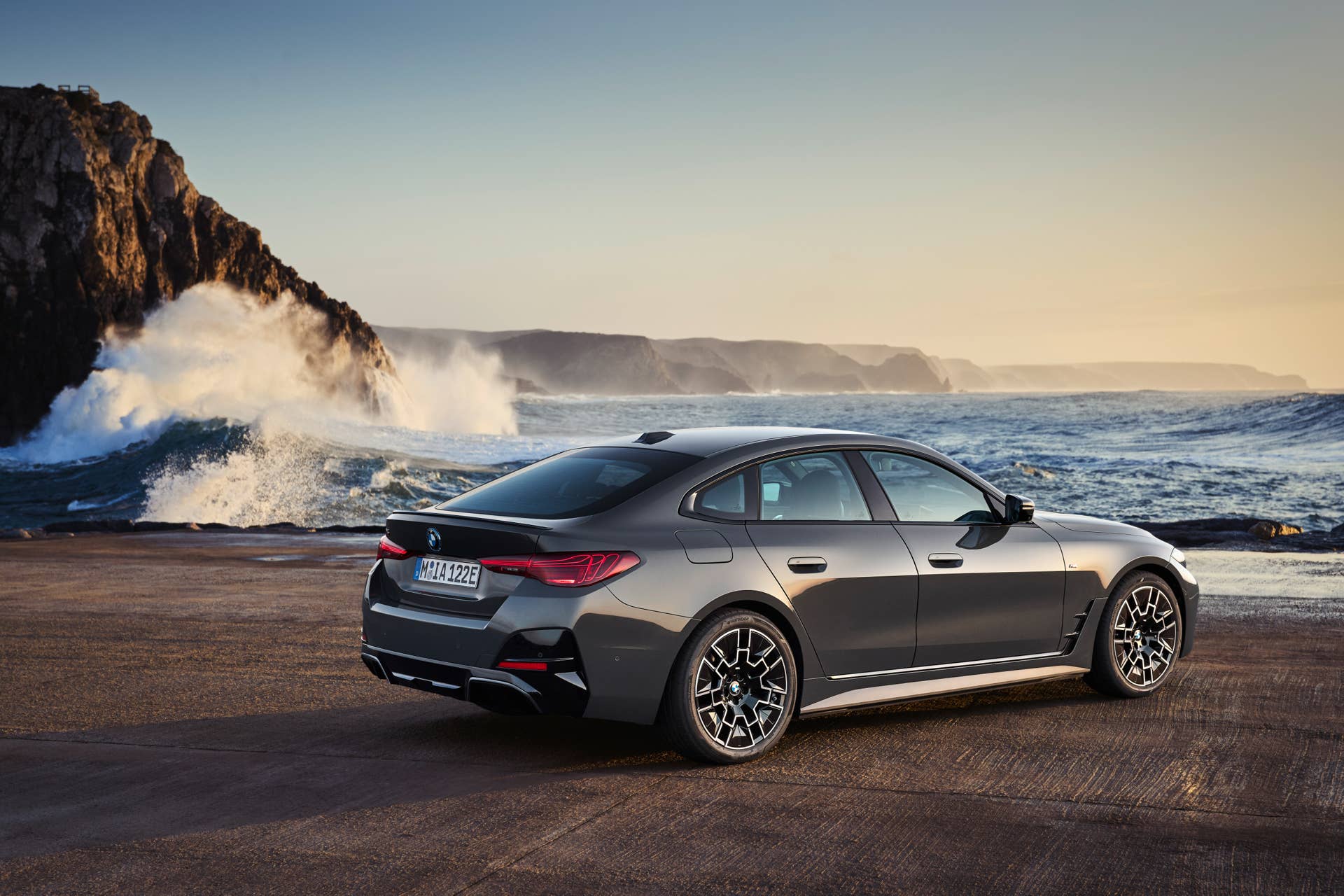
Range and charging remain crucial factors for any EV buyer. The BMW i4 offers up to about 318 miles on a charge in its most efficient eDrive40 configuration, which is respectable but falls short of Tesla’s numbers. The Model 3 Long Range is rated for roughly 363 miles on the EPA cycle, making it one of the longest-range EVs in its class.
Fabian Kirchbauer Photography
Tesla also leads in efficiency, with ratings of 145 MPGe in the city and 128 MPGe on the highway. The i4 trails slightly at 117 MPGe city and 114 MPGe highway. Charging speeds also favor Tesla, thanks to the brand’s extensive Supercharger network, which can add close to 200 miles in 15 minutes. The i4 supports up to 200-kW DC fast charging, allowing it to reach 80 percent in about 31 minutes, but it can’t quite match Tesla’s ecosystem in speed or convenience.
4. Interior quality, customization, and comfort
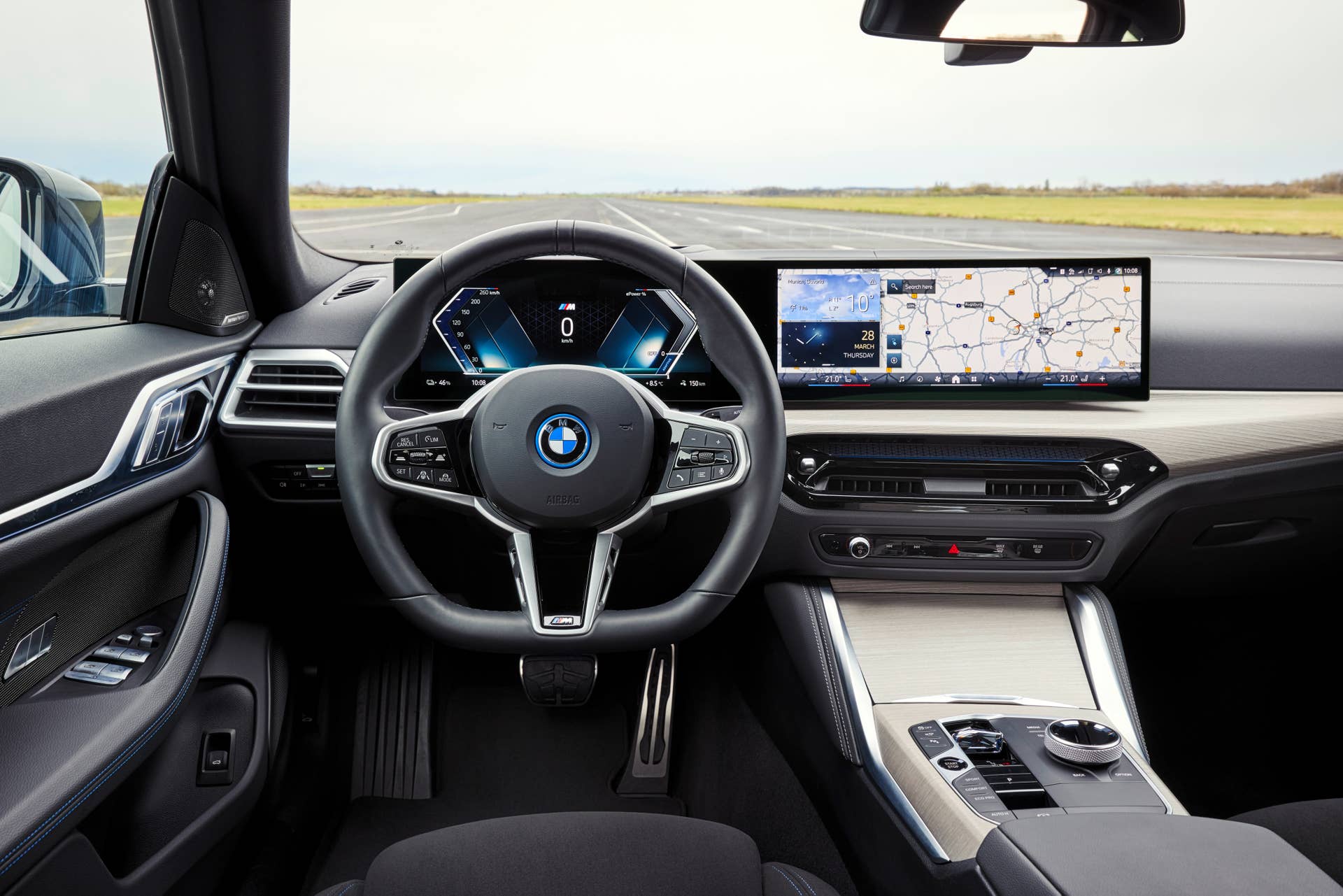
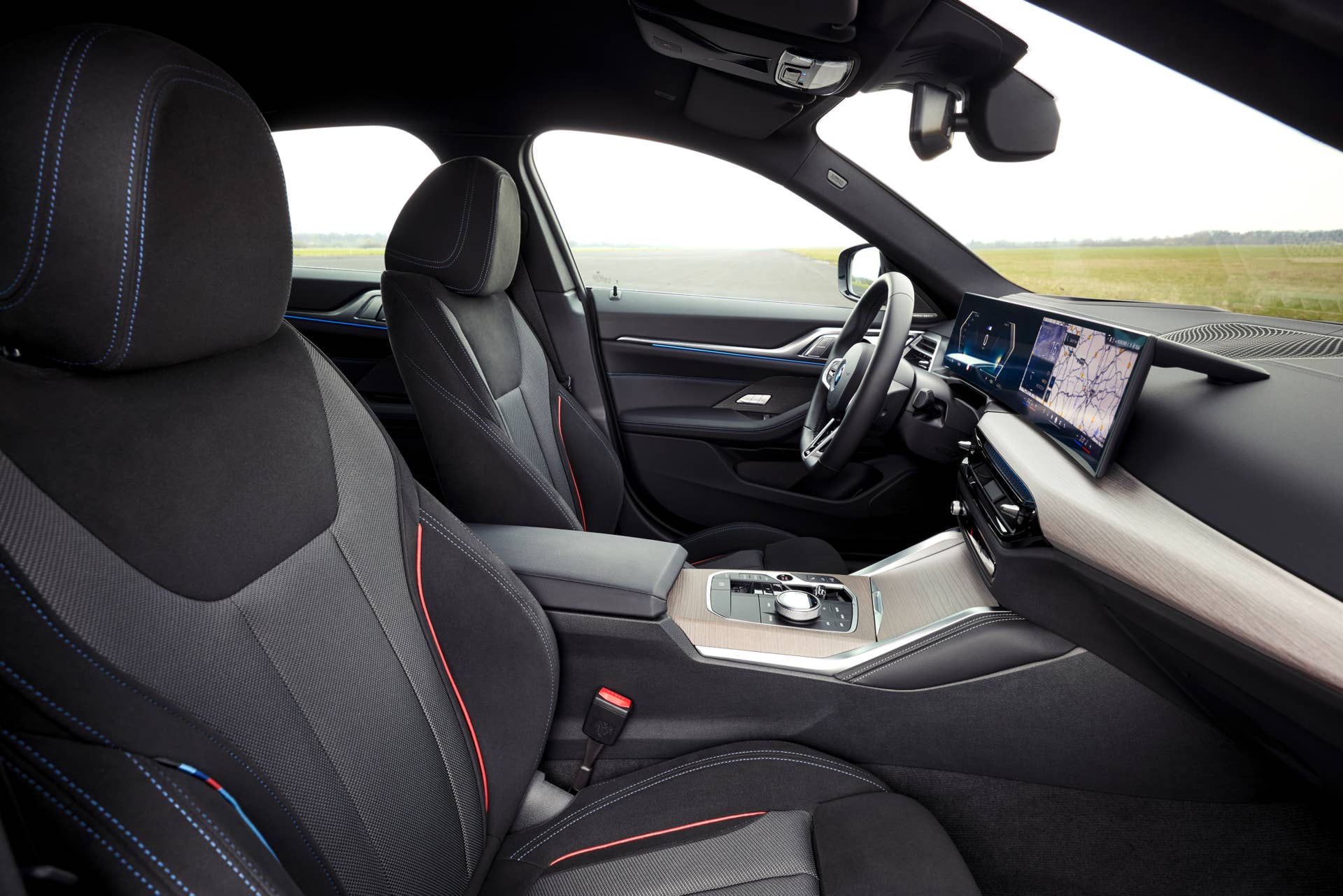
BMW has leaned heavily into its reputation for luxury with the i4’s cabin. Buyers can choose from nine upholstery options, including upscale colors like Tacora Red and Canberra Beige. A sweeping curved display combines a 12.3-inch digital gauge cluster with a 14.9-inch central touchscreen, while features such as three-zone climate control, ambient lighting, and an available Harman Kardon audio system make the i4 feel like a premium European sedan.
Tesla
Fabian Kirchbauer Photography
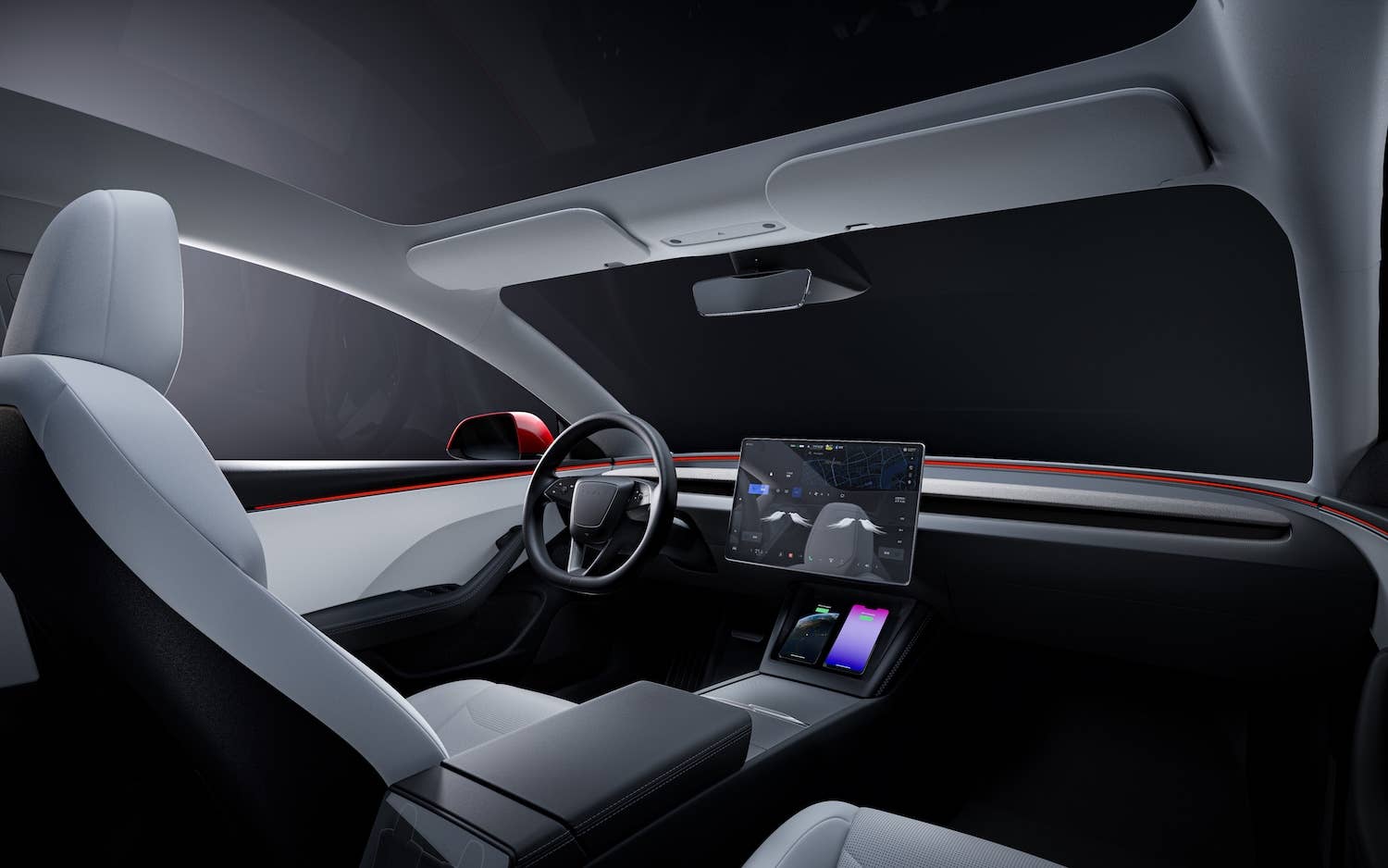
Tesla, on the other hand, has doubled down on minimalism. The Model 3 interior is clean and uncluttered, anchored by a single 15.4-inch central screen. However, it offers far fewer trim choices, with only black or white upholstery available. While the design has its admirers, the lack of Apple CarPlay and Android Auto integration stands out as a drawback in 2025, particularly when nearly every rival EV supports those features. Many reviewers also note that the i4 feels quieter and more refined on the highway, giving it an edge for comfort over long drives.
5. Practicality, storage, and passenger space
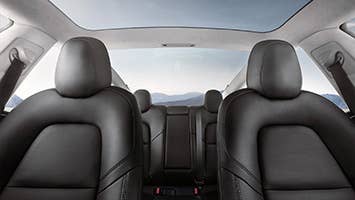
Practicality is an area where Tesla shines. The Model 3 offers roughly 24 cubic feet of cargo capacity, split between its trunk and a usable front trunk. The BMW i4, by contrast, provides about 16.6 cubic feet of storage and lacks a frunk, limiting its versatility. The i4’s interior is also shaped by its origins as a gas-car platform, with a center tunnel running through the rear floor that reduces legroom for middle passengers. The Model 3 benefits from a flat floor and more clever packaging overall.
Tesla
Fabian Kirchbauer Photography
Charging access also highlights the difference between the two brands. Tesla owners enjoy seamless integration with the company’s Supercharger network, now expanding access to non-Tesla EVs but still offering the smoothest experience for its own vehicles. BMW gives i4 buyers access to Electrify America, Shell Recharge, and other third-party networks, plus a portable charger and optional home wallbox, but it doesn’t match Tesla’s ecosystem for simplicity or ubiquity.
Final thoughts
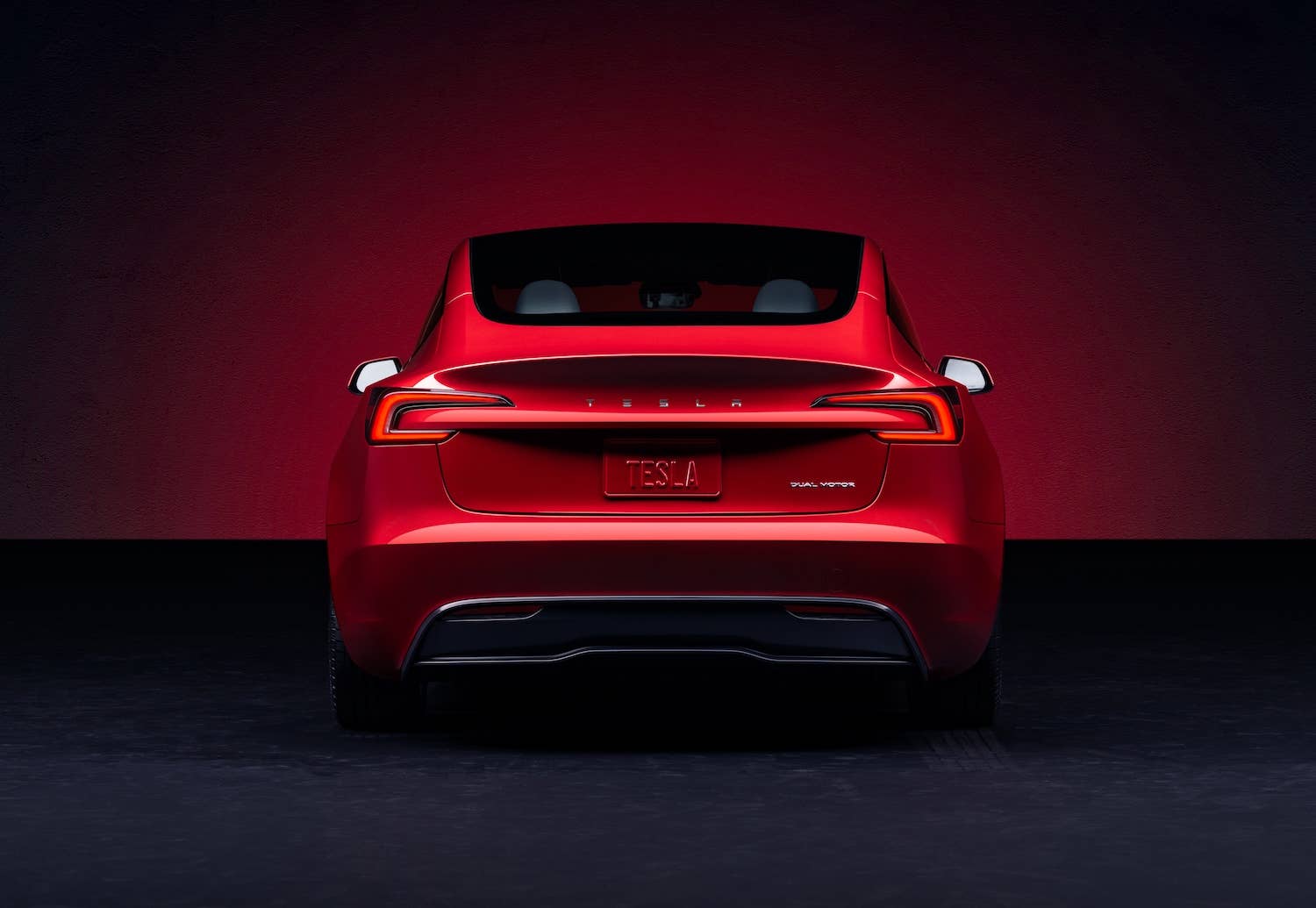
The 2025 BMW i4 and Tesla Model 3 may both be electric sedans, but they cater to different types of drivers. The i4 emphasizes luxury, customization, and a driving experience rooted in BMW’s sports-sedan heritage. It feels premium inside and offers more personalization than Tesla, but at a higher price and with slightly less practicality.
Tesla
Tesla’s Model 3, meanwhile, continues to deliver unmatched efficiency, longer range, faster acceleration, and easier access to charging infrastructure—all at a lower starting price. That combination makes it the more compelling option for buyers who prioritize value and convenience over luxury.
Choosing between them ultimately comes down to priorities. For those who want a premium European experience with high-end materials and a traditional luxury-car feel, the BMW i4 stands out. For drivers who want maximum range, effortless speed, and a lower cost of entry, the Tesla Model 3 is still tough to beat in 2025.
About the author

Elijah Nicholson-Messmer
Contributing Writer, Autoblog