
Old Tesla Batteries Find New Life
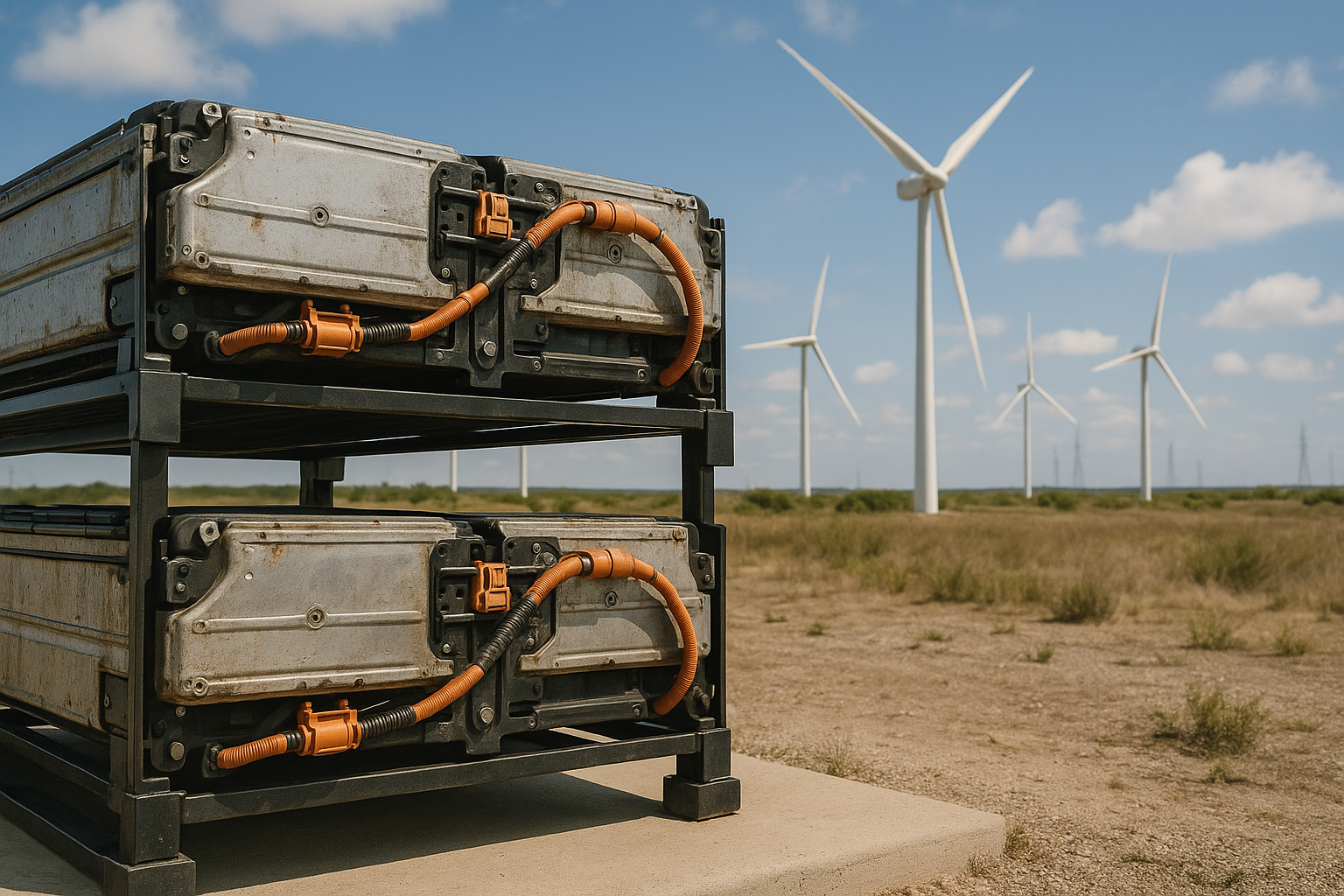
Yesterday’s worn-down Model 3 battery is no junk-yard relic—it’s busy running a power grid in Texas right now. Thanks to some smart reinvention and an assist from artificial intelligence, second-life EV batteries are shifting from garage scraps to grid heroes. At a wind farm in West Texas, former EV packs now help balance the grid’s ups and downs, saving utilities millions and keeping the grid stable in a way that feels straight out of a sci-fi flick—except it’s happening live, not in the future.
Core Performance: AI Optimizes Real-World, Ragged Packs
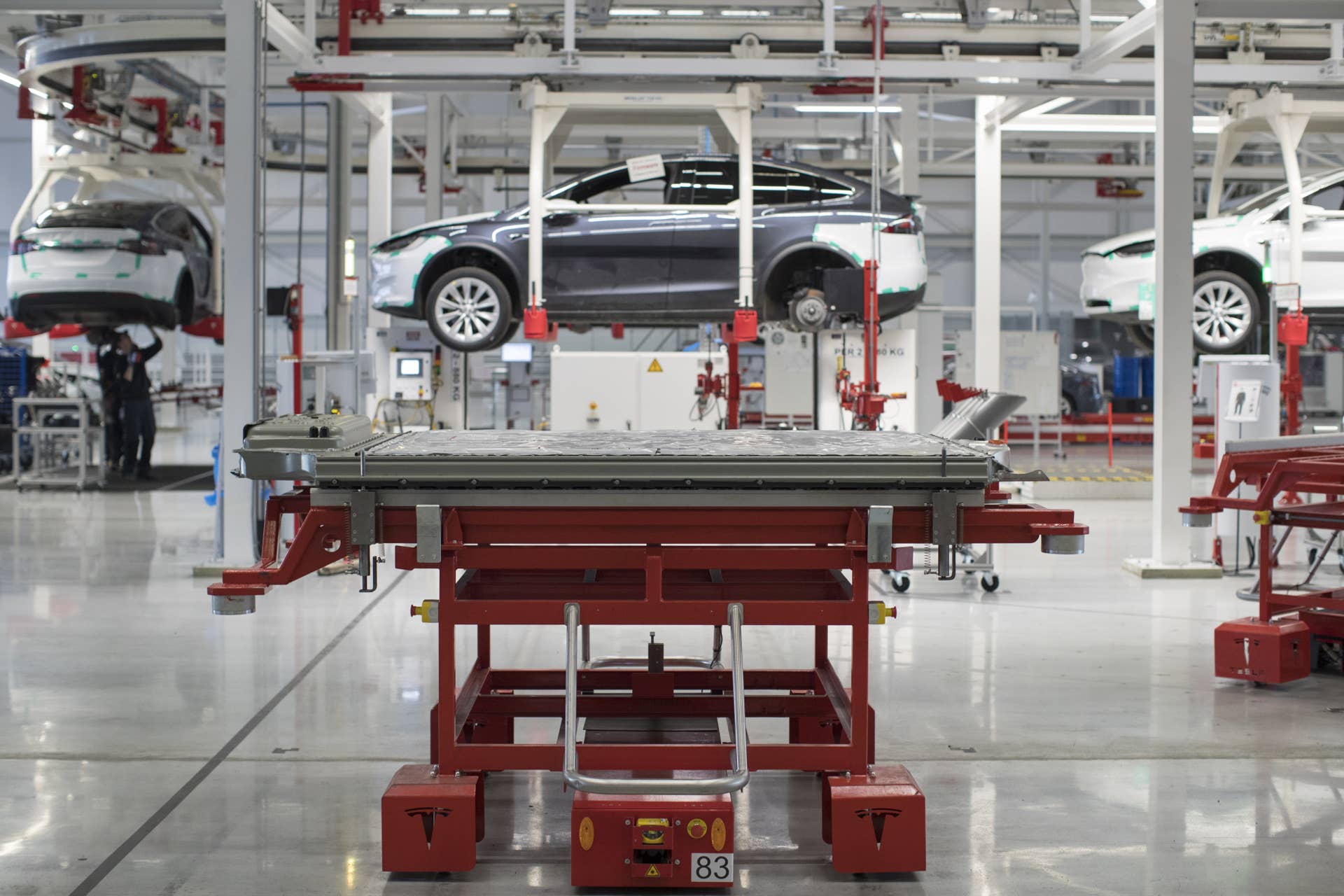
A repurposed EV battery has character: leftover capacity, bits of wear, and a personality shaped by years on the road. Managing hundreds of mixed-condition cells would overwhelm any human. Enter reinforcement learning: researchers recently published a study proving that “soft actor-critic” deep learning models make the difference when operating fleets of used batteries for charging stations and grid storage. These AI models process mountains of data—electricity demand, price signals, battery health, grid conditions—to optimize charging and discharging in real time, achieving lower costs and smoother operations than older, rules-based systems. This is not lab theory: Texas now runs a 53 MWh storage project using these recycled packs, making it the world’s largest grid-scale second-life battery plant, all while working with the quirks inherent in old hardware.
Results from these smart deployments? They react faster to the grid’s instant needs and wring more usable kWh out of aged batteries compared to traditional brute-force strategies. Their reliability and speed in grid services, especially during peak demand, are closing the gap with new cells. With AI calling the shots, it’s not about old batteries limping along—it’s about used packs being tactically tuned for their next race.
Real-World Usability: Affordable Storage, No Lab Coats Required
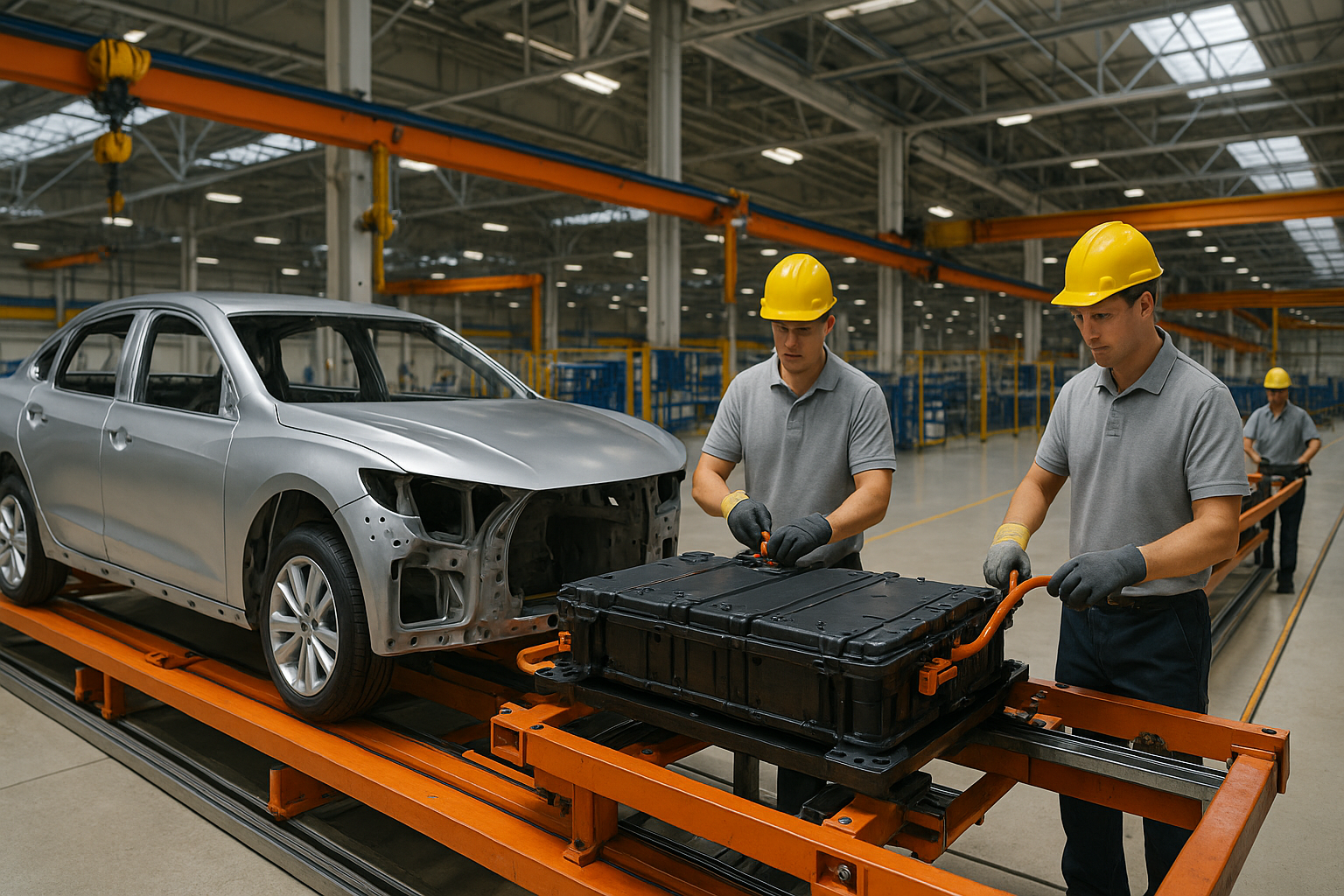
These second-life grid batteries aren’t boutique experiments. Commercial projects like Element Energy’s Texas install have lowered energy storage costs by stacking modules salvaged from all kinds of EVs, leveraging remote monitoring and dynamic software control for everyday grid support. For utilities, the price beats buying new cells, with up to 40% savings versus fresh battery systems. There’s no fussy manual: the design is modular and remotely managed—techs swap packs in shipping containers and monitor performance on simple dashboards.
Compared to classic gas peaker plants (the old-school grid “backups”), used EV batteries are cheaper, cleaner, and less maintenance-intensive. Instead of humming gas engines, you get quiet arrays that buffer solar and wind output, keeping the grid steady even as more renewables come online. Some suppliers, like B2U Storage and Element Energy, have proven that regular utilities and grid operators can safely run these second-life arrays at scale. That means lower rates for homeowners and fewer blackouts when the weather turns.
Verdict: This Is the Second Life EV Lovers Want
Second-life EV batteries managed by AI are not a someday idea—they’re running America’s grid today. Their performance rivals new storage at a fraction of the cost, wrapped up in a system that actively learns for better uptime and value. No retrofitting required: they use the same cells that once drove your favorite sedan. Factor in the sustainability bump—less e-waste, less demand for new construction—and car enthusiasts have every reason to get behind the circular economy. This is what it looks like when the auto world leads America’s renewable energy future—one battery pack at a time.
About the author

Brian Iselin
Senior Editor, Autoblog