

MSRP: $40,120
Use the table of contents to jump to a section
Overview
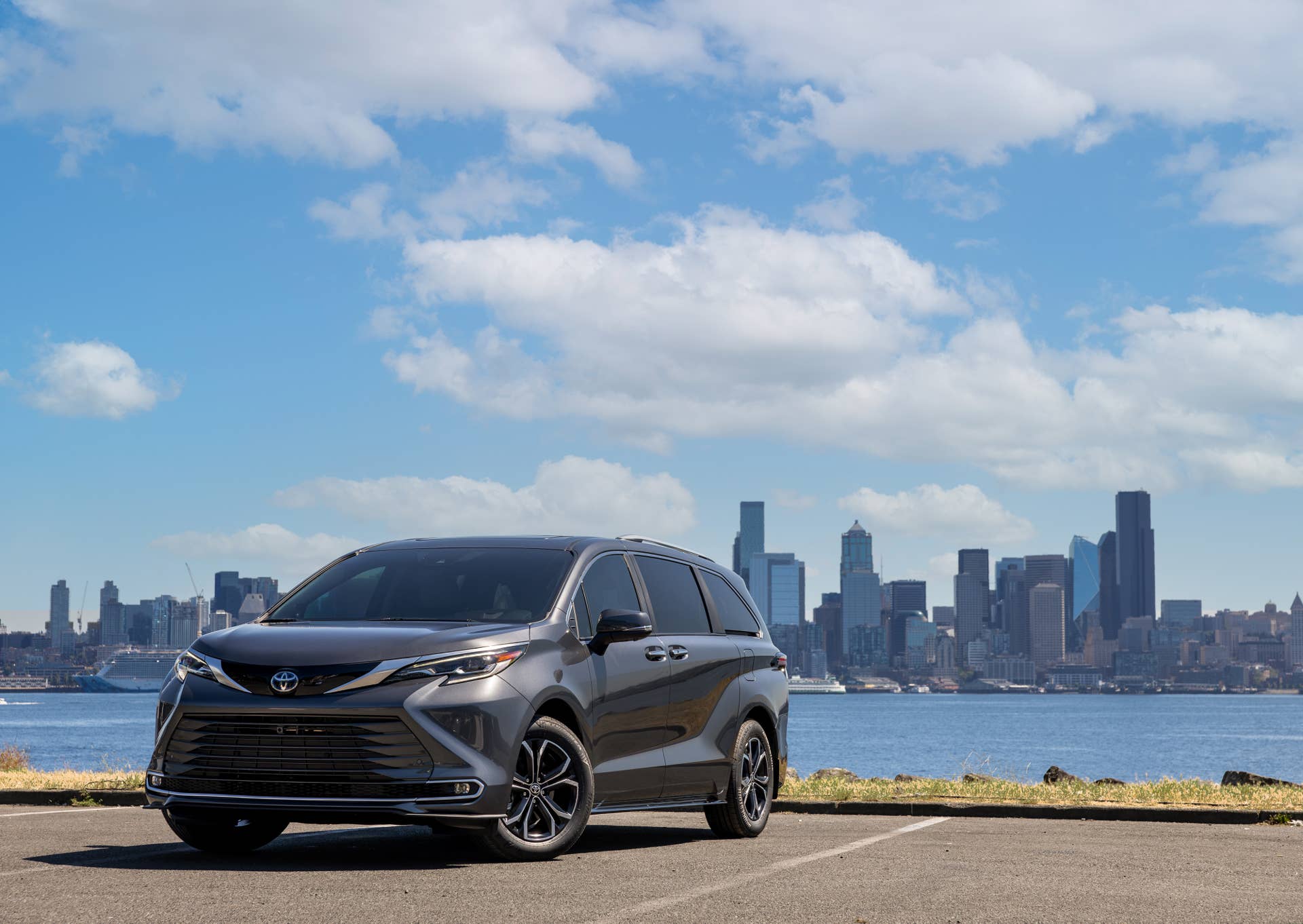
The 2026 Toyota Sienna is the efficiency champion in the minivan market with the all-hybrid lineup of the current generation that arrived for the 2021 model year. This is the fourth generation of Toyota’s venerable people mover, and it seats up to eight people with an unmatched combined EPA fuel consumption of 36 mpg, thanks to its hybridized naturally aspirated 2.5-liter four-cylinder engine. The combined 245 hp on tap isn’t a lot, but this van is more about efficiency than speed, and without sacrificing utility. AWD adds a third electric motor. Smart available features include an integrated vacuum cleaner, FridgeBox, and captain’s second-row chairs with pop-up ottomans. The Sienna is somewhat compromised in cargo flexibility, though, as you will see if you read on.

Toyota
What’s New for 2026
The 2026 Sienna is better value this year, thanks to additional standard equipment on certain trims. The base LE gains a power liftgate with jam protection, an auto-dimming rearview mirror, rear window shades, a windshield wiper defroster, and the 8-speaker audio system that used to be an optional extra (last year, six speakers were standard). The premium JBL audio system is now optionally available on the XLE, while the speaker count of the XSE’s JBL audio system is increased to 12. Last of all, a paint color called Heavy Metal is added to the palette.

Toyota
Exterior
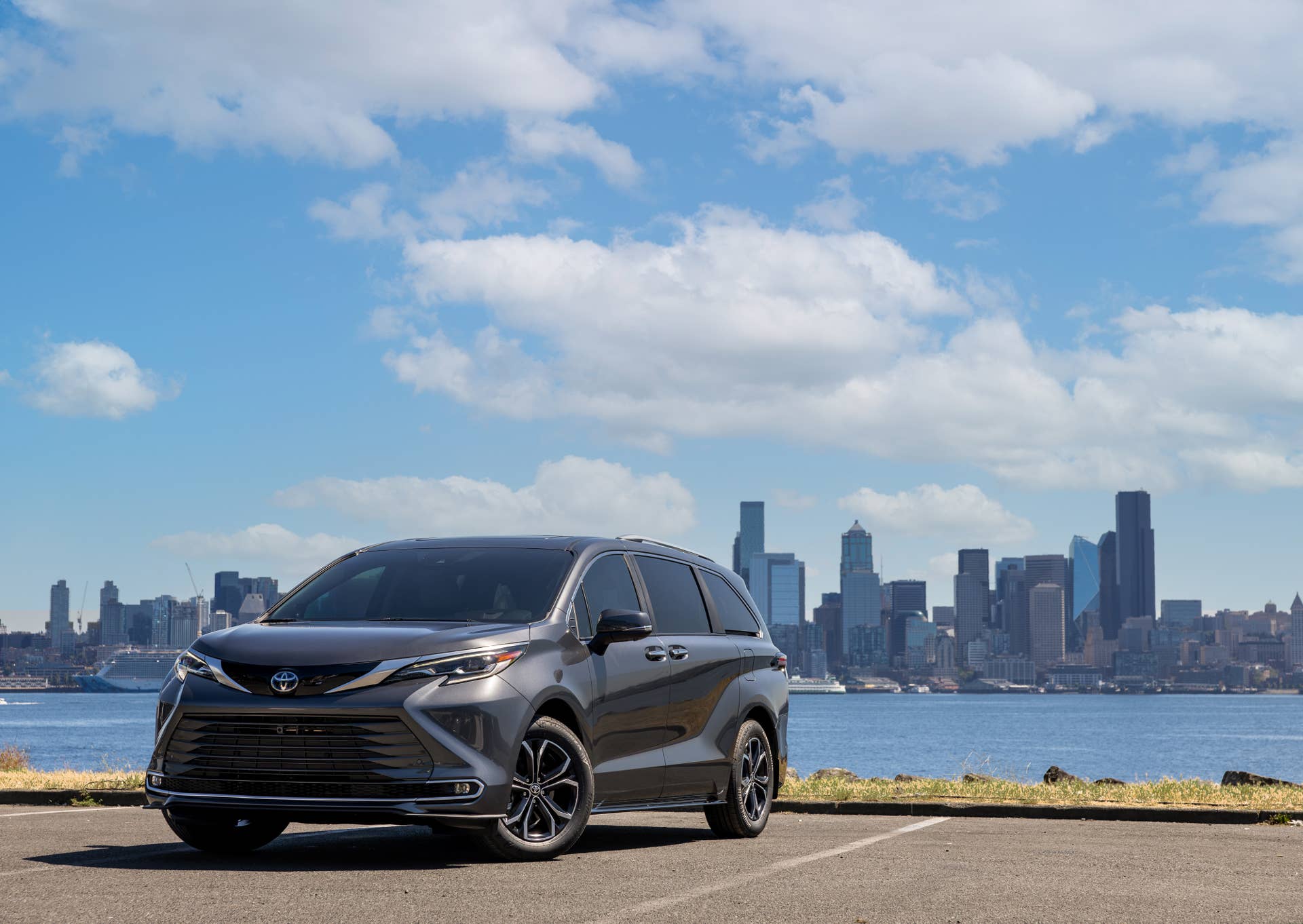
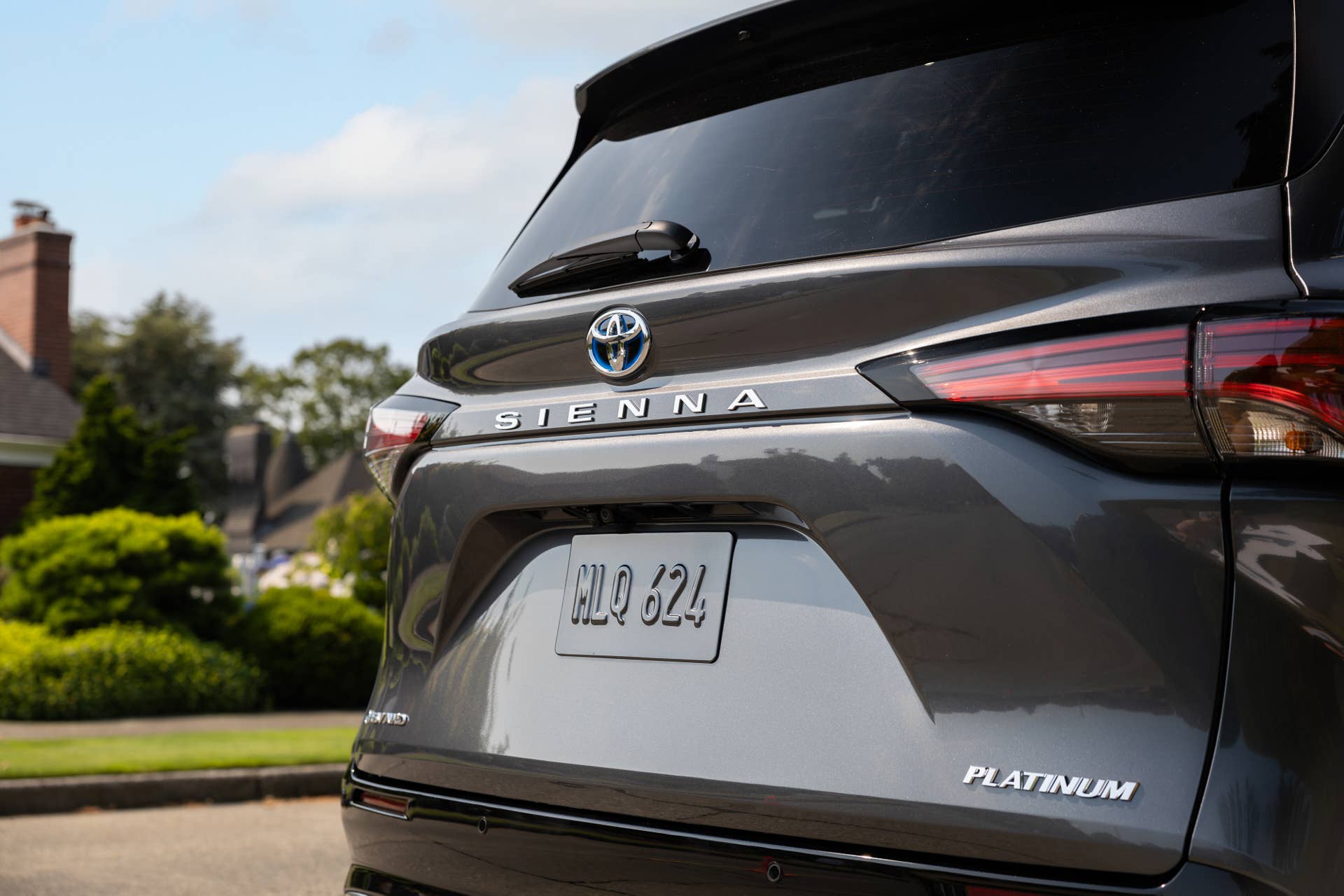
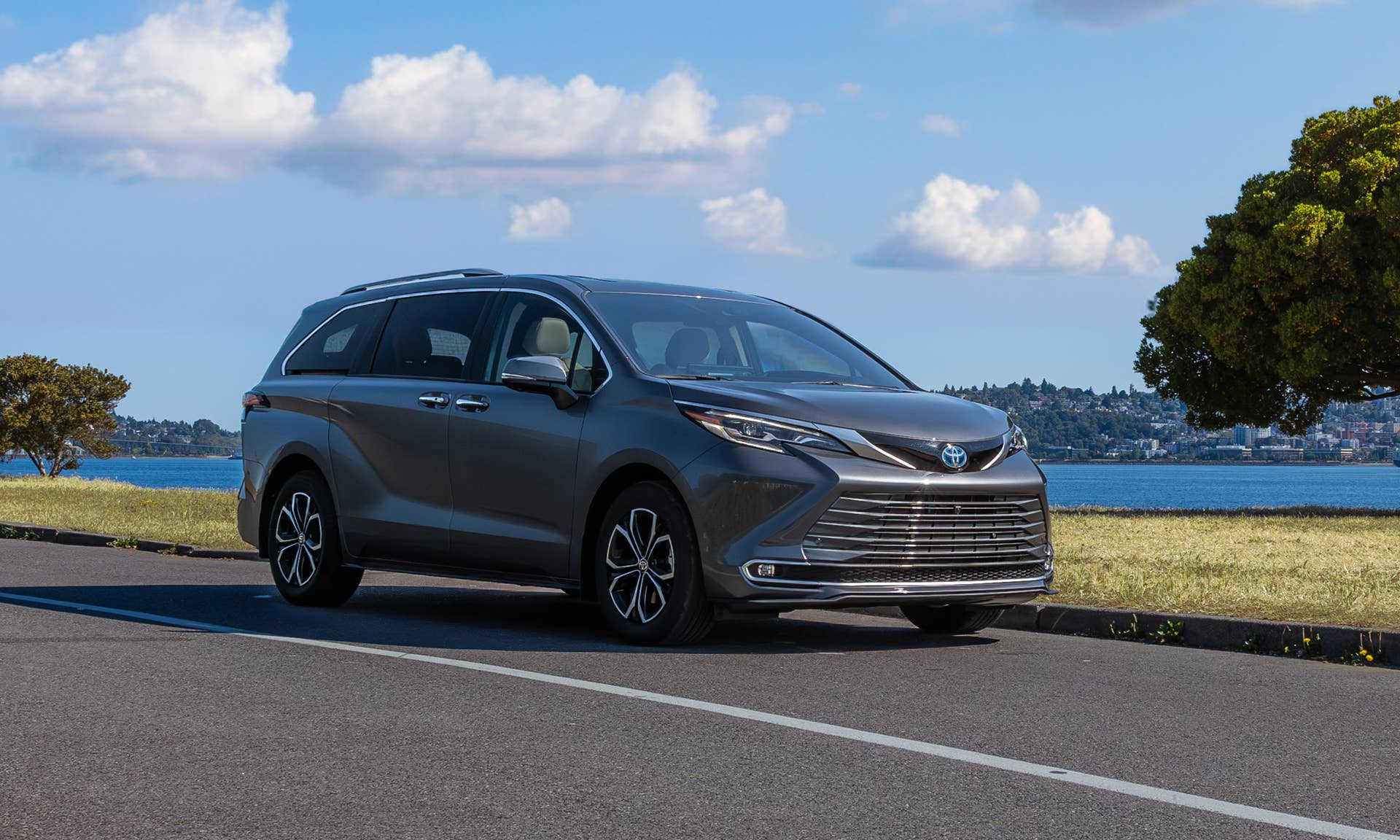
Although it’s been on the road for a couple of years, the current Sienna generation still boasts a modern and streamlined profile, with character lines and sculpted panels to add some visual interest and to break up the monotony of the typical slab-sided minivan. All-LED exterior lighting, a power liftgate, and power-sliding side passenger doors are standard on all trims, and the Platinum is differentiated by its two-tone 20-inch alloys and bi-LED projector headlights. The outdoorsy Woodland Edition gets increased ground clearance, unique badging, and black accents.
Toyota
Toyota
Toyota
Interior
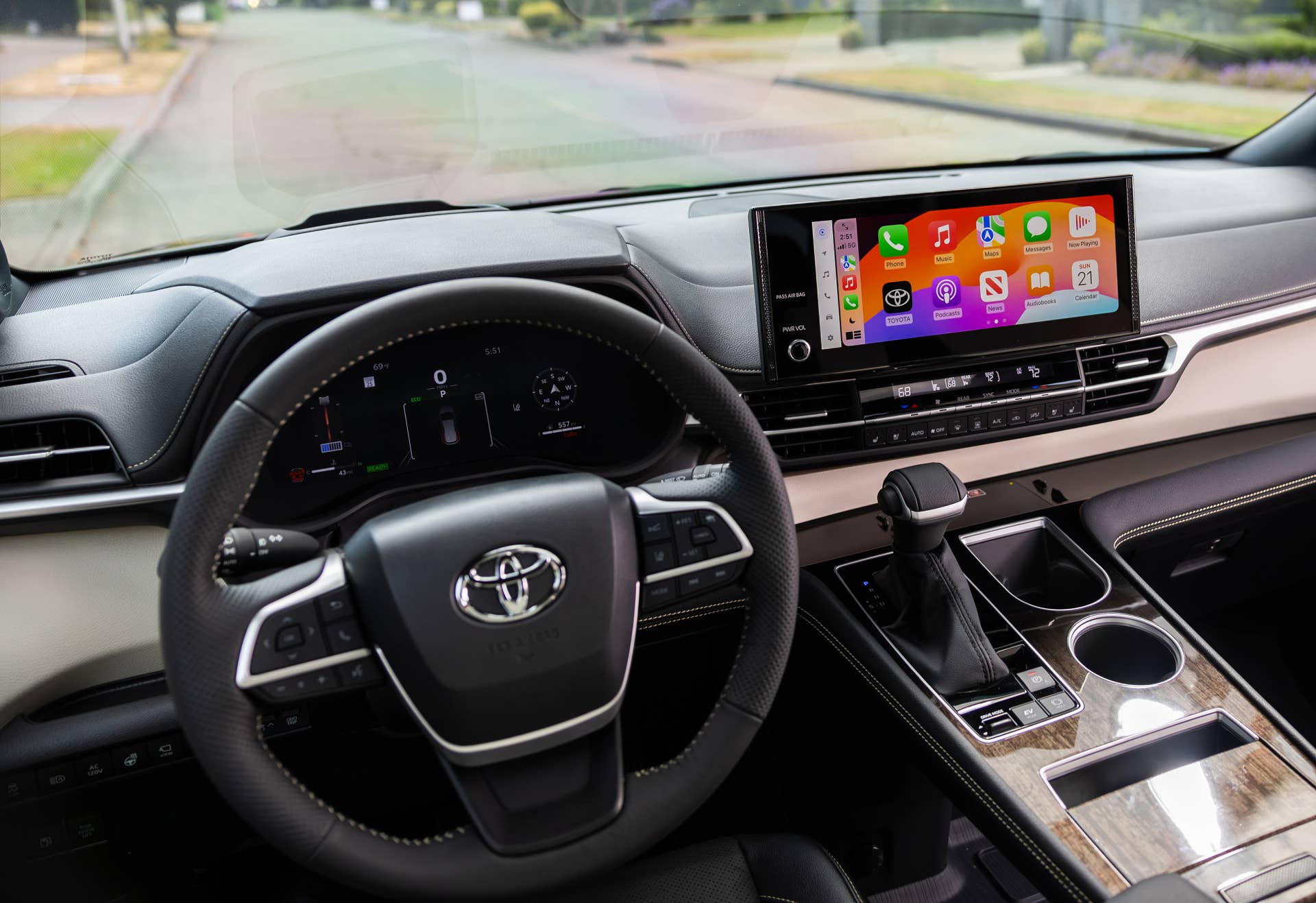
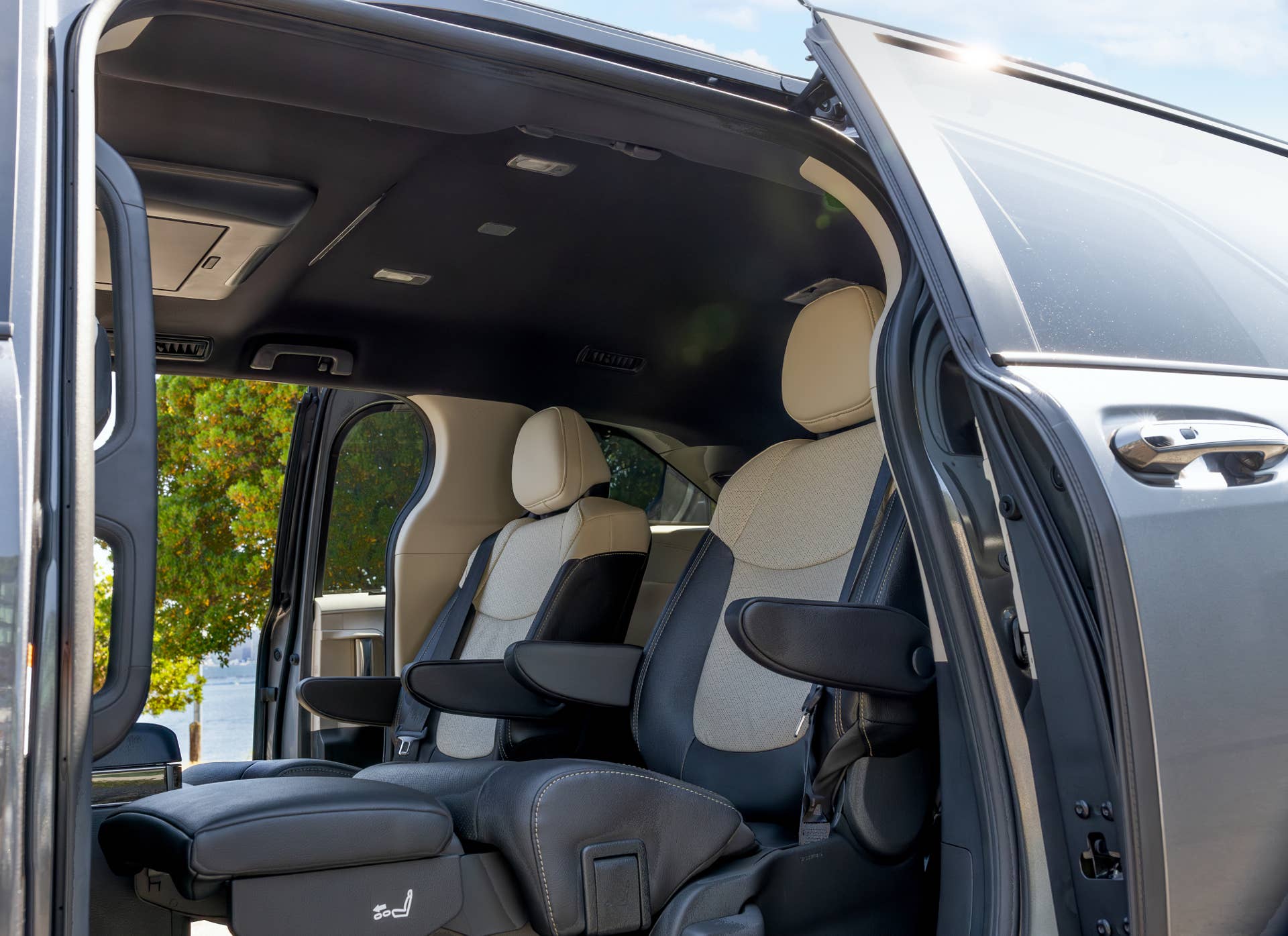
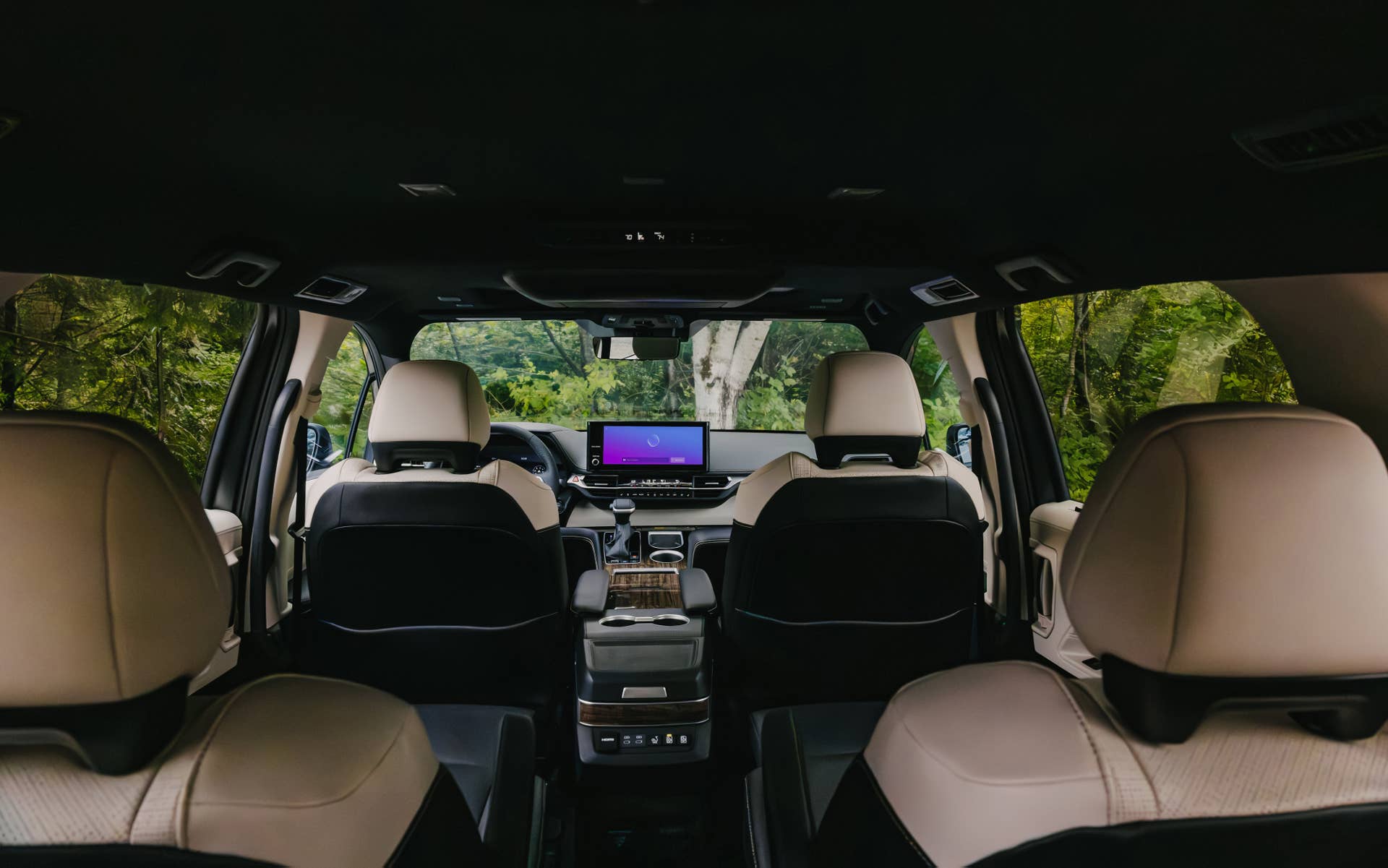
Since the cabin materials were upgraded last year, the Sienna’s interior has quite an upscale ambience, with pleasing soft-touch surfaces, while the harder plastics are confined to the less-touched lower regions. It’s as practical as it is modern, with a floating center console offering generous storage and a 12.3-inch touchscreen on all trim but the LE, which gets an 8-inch one. The available second-row captain’s chairs are spacious and get ottomans in the top trims.
You get cloth at the base level, but this is upgraded to SofTex leatherette or genuine leather as you progress up the trim ladder. Standard features include four-zone climate control on all but the LE (it gets a three-zone system) and an 8-way power driver’s seat. Available highlights include an integrated vacuum cleaner like that of the Chrysler Pacifica and a 1080p HD entertainment system with an 11.6-inch rear passenger display and two wireless headphones. Seven USB ports and a wireless phone charger are included on all trims.
Toyota
Toyota
Toyota
Price Range and Best Value Trim
| Trim Level | Price |
| Base trim: LE FWD | $40,120 |
| Top trim: Platinum AWD | $57,510 |
| Best value trim: XLE | $44,820 |
The 2026 Toyota Sienna price list starts at just over $40k for the LE trim this year, but it’s the XLE that offers the best value for your dollar with its additional features over the LE, including front and rear parking sensors (essential on such a big car), a choice between a second-row bench or captain’s chairs, leaherette seats, 4-zone climate control, the available premium JBL audio system, and more. The Limited and Platinum go into the more expensive luxury territory, with few truly practical benefits for families.
2026 Toyota Sienna Specs Overview
This section covers the 2026 Sienna’s hybrid power unit and the available powertrains, with special focus on its fuel economy and available AWD system. We look at power output and performance, and how Toyota prioritized efficiency over acceleration.
Powertrain Options
| Engine | Horsepower | Torque | Transmission | Drivetrain |
| 2.5L Hybrid I-4 | 245 hp (combined) | 175 lb-ft | CVT | FWD or AWD |
Every 2026 Toyota Sienna minivan uses the same hybridized naturally aspirated 2.5-liter four-cylinder engine, but it’s paired to two electric motors on FWD models and three on AWD models. Either way, the total system output stays unchanged at 245 hp. An electronically controlled continuously variable transmission (CVT) seamlessly transfers power to the wheels.
Performance and 0-60 MPH
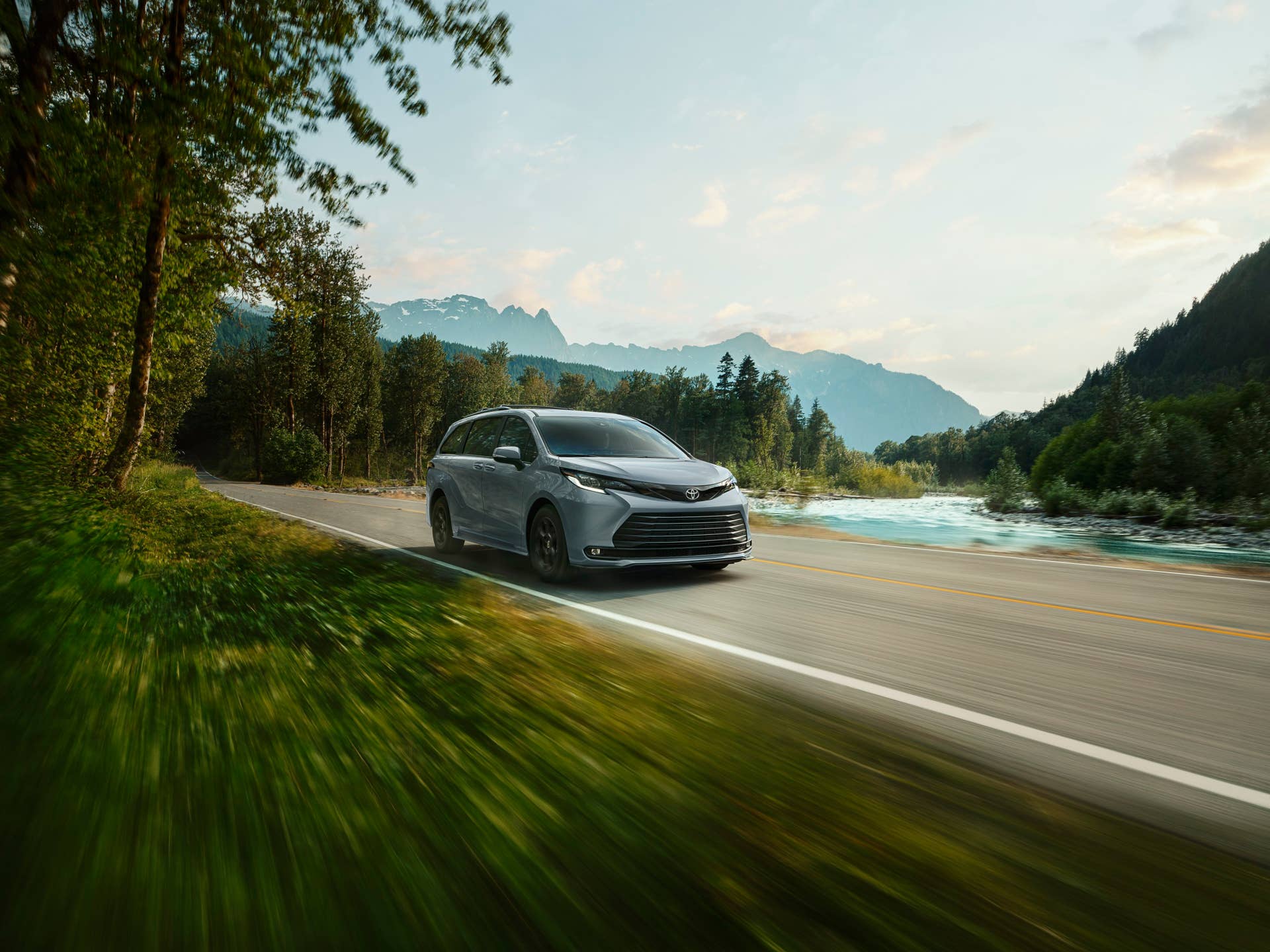
The Sienna’s acceleration is adequate, and it gets to 60 mph in around 7.5 seconds, placing it among the slower minivans, alongside the Chrysler Pacifica and well adrift of the snappy but thirsty Odyssey. The hybrid provides smooth and quiet progress under moderate throttle, but hard acceleration causes the CVT to send the coarse and unrefined four-pot buzzing to noisy sound effects – something that happens quite a lot in a fully loaded Sienna on the highway.
Toyota
Fuel Economy (MPG / MPGe)
The performance figures might not lead the class, but the upshot is the best efficiency in this segment; the EPA rates the FWD Siennas at 36 mpg combined, and the AWD models are only 1 mpg worse, putting the Sienna far ahead of the FWD-only V6 Odyssey, which returns 22 mpg combined. So, Sienna drivers enjoy significant fuel savings, and this makes the mediocre performance palatable.
AWD/4WD System Overview
AWD models get a third electric motor that drives the rear axle for additional traction on demand, and the system automatically distributes the torque as necessary based on driving conditions and traction levels, adding all-weather grip in rain and snow. AWD is standard on the Woodland Edition and Platinum, but a $2,000 option on the other trims.
Dimensions
The Sienna is a big bus at around 204 inches long, and its tall stature provides plenty of interior space, without being impossible to park – as long as you opt for the XLE or higher with the standard parking sensors.
| Dimension | Measurement |
| Length | 203.7-204.1 inches |
| Width | 78.5 inches |
| Height | 69.7 inches w/ roof rails |
| Wheelbase | 120.5 inches |
Interior Space (Front and Rear)
| Row | Headroom | Legroom |
| First Row | 40.0 inches | 40.3 inches |
| Second Row | 39.3 inches | 39.9 inches |
| Third Row | 37.4 inches | 38.7 inches |
Cargo Space
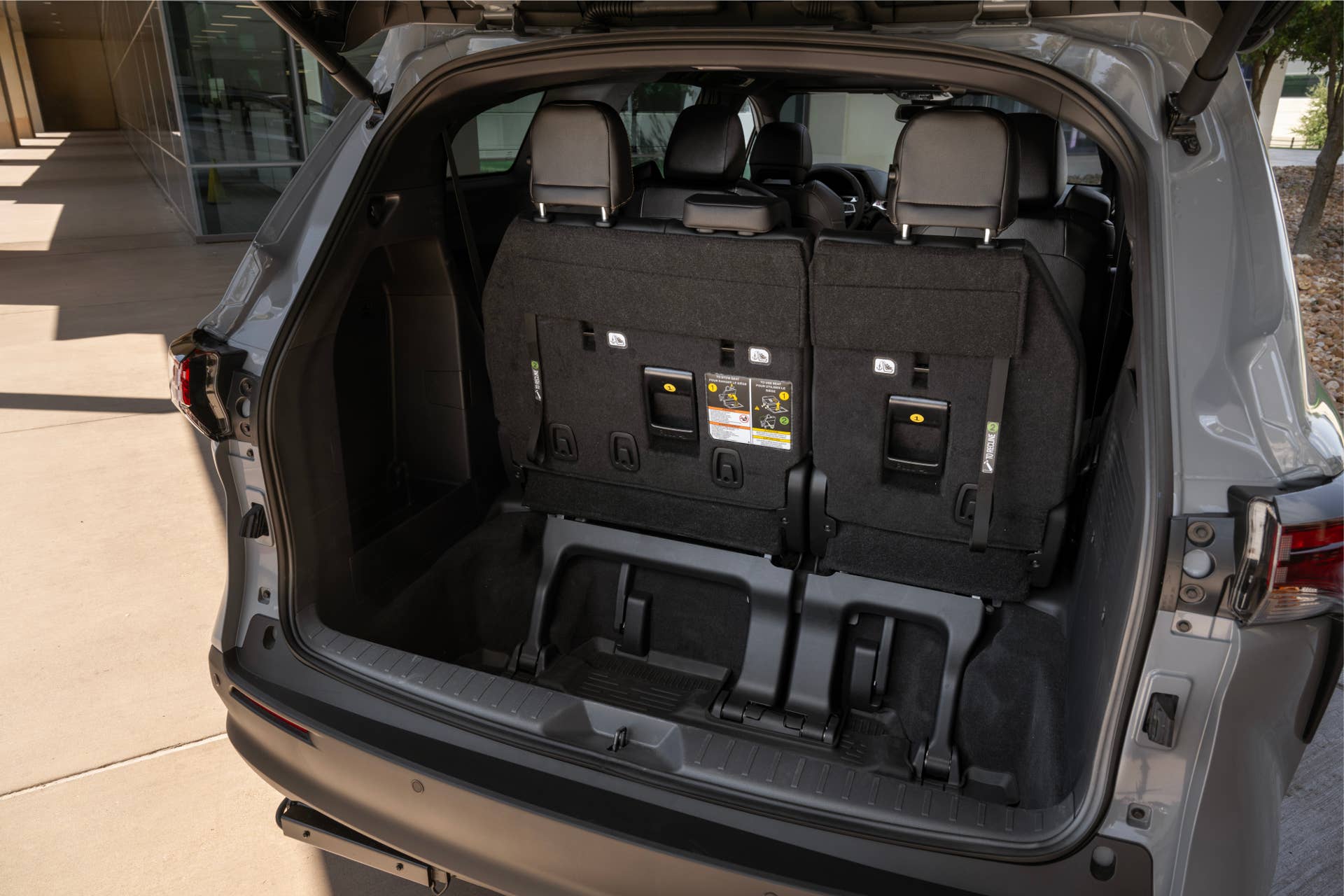
There is 33.5 cu-ft of cargo space behind row three, and with it folded down (they easily stow in one quick motion), capacity expands to 75.2 cu-ft up to the second row’s seatbacks. The big drawback of the cargo area is that the second row cannot be removed or folded into the floor at all. The chairs can be moved all the way forward to maximize space, but you still end up with a maximum of 101 cu-ft, which is way less than the Kia Carnival (145.4 cu-ft) and Chrysler Pacifica (140.5 cu-ft), which don’t have this problem.
Toyota
Ground Clearance
Ground clearance is 6.3 inches, which is more than what you’ll find in a regular passenger car, but not enough for rough roads. The Woodland Edition adds a bit more ability with a total of 6.9 inches, which makes it quite usable on bad roads, but it’s still not meant for off-roading, despite the standard AWD system.
Warranty
Toyota’s basic warranty is nothing special in this segment, but the two years of complimentary ToyotaCare maintenance and roadside assistance are, and add peace of mind. The full warranty coverage looks like this:
| Warranty Type | Coverage |
| Basic | 3 years / 36,000 miles |
| Powertrain | 5 years / 60,000 miles |
| Hybrid System | 8 years / 100,000 miles |
| Hybrid Battery | 10 years / 150,000 miles |
| Complimentary Maintenance | 2 years / 25,000 miles |
Pros and Cons
Pros:
- Class-leading fuel economy of 36 mpg combined
- Luxurious available second-row captain’s chairs with pop-up ottomans
- Standard hybrid powertrain across the entire lineup
- Unique available features like FridgeBox and onboard vacuum
- Two years of complimentary maintenance included
Cons:
- Fixed second-row seats limit cargo flexibility
- Noisy and unrefined engine under hard acceleration
- Less maximum cargo space than in the Pacifica or Carnival
- A higher base price than some of its competitors
- The older Toyota Safety Sense 2.0 suite instead of 3.0
Verdict
The 2026 Sienna is the segment leader when it comes to efficient minivans, and its hybrid-only powertrain delivers an exemplary and class-leading 36 mpg combined, dramatically outperforming competing V6 rivals like the Pacifica and Odyssey, which get in the low 20s. Even the AWD models achieve 35 mpg. What the hybrid powertrain isn’t is powerful, but performance is adequate. Refinement is acceptable if you don’t work the noisy gas engine hard.
When it comes to the minivan fundamentals, it’s mostly good news, and Toyota understands what families need, giving them useful comfort and luxury features such as those available second-row captain’s chairs that can slide through 25 inches and come with pop-up ottomans, the FridgeBox, and the integrated vacuum. What the Sienna doesn’t provide is ultimate cargo flexibility, with those fixed second-row seats cutting total available cargo volume significantly.
Still, the Sienna excels for families that appreciate its space, dependability, and resale value, and can live with the uninspired performance and cargo area limitations. The $44k XLE is the pick of the bunch, offering the best value and most important features, while staying well clear of the $50k+ flagships on price.
Toyota
About the author

Cobus F. Potgieter
Reviews and Features Editor