
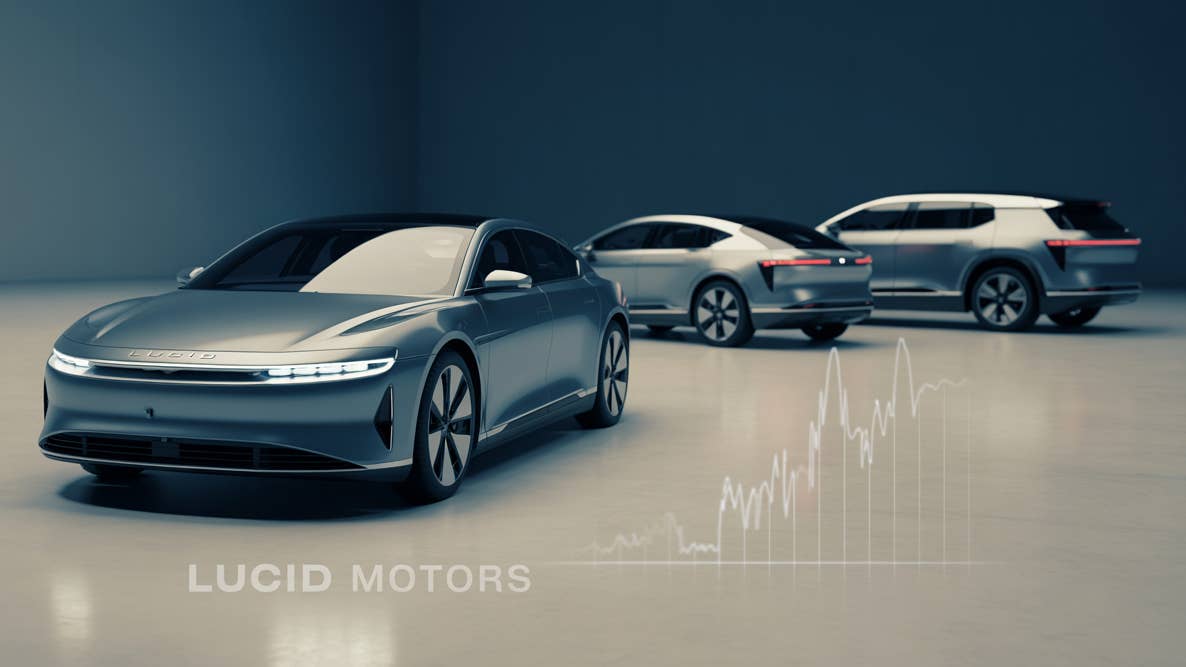
Lucid Motors doubled its product line-up this year with the launch of the Gravity SUV. But things haven’t been going as smoothly as expected, bottlenecks slowing production and delaying customer deliveries, further putting a strain on the start-up’s bottom line.
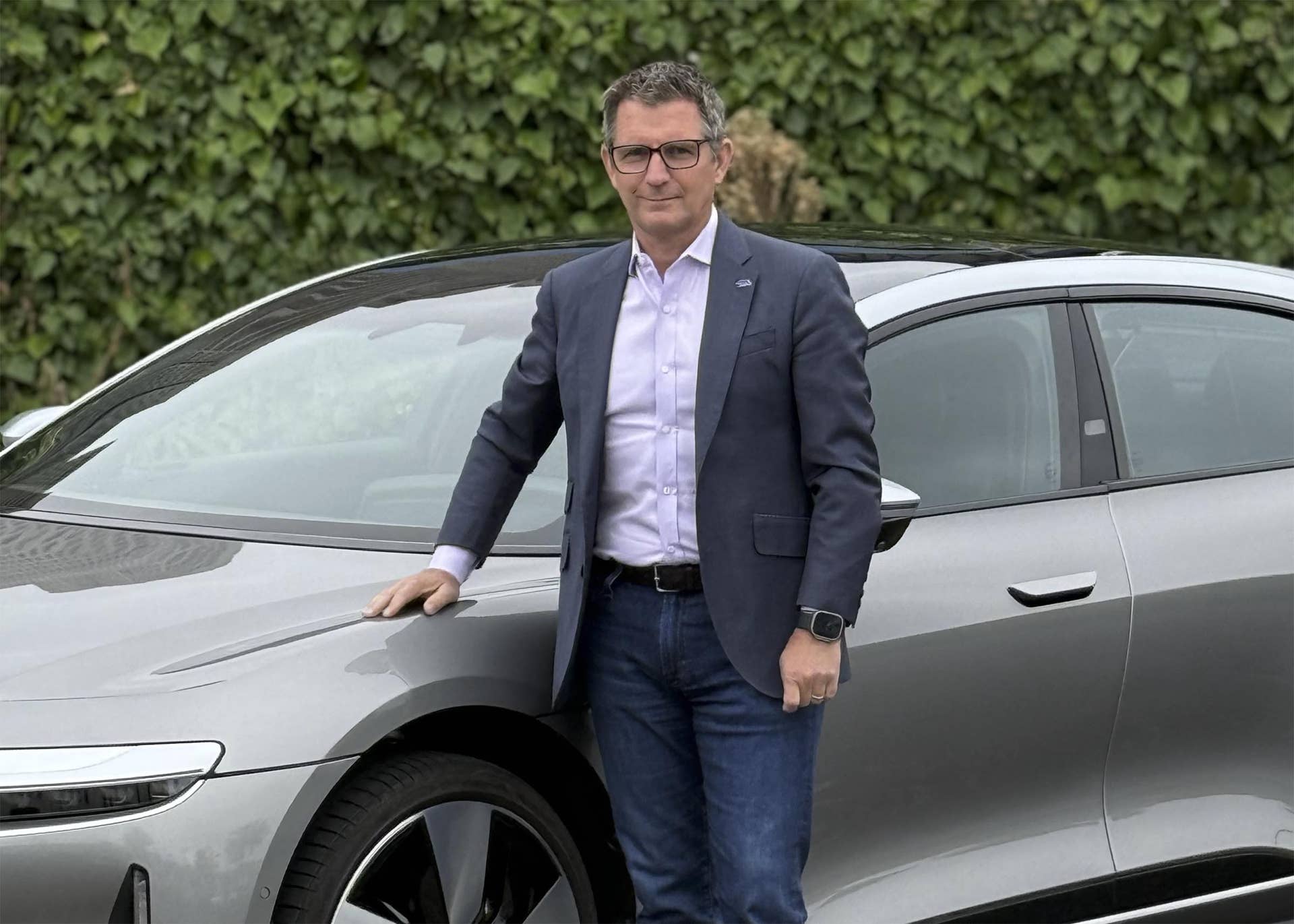
That’s posing a challenge as Lucid rushes to finish work on a line-up of more affordable products – new CEO Marc Winterhoff revealing for the first time plans to roll out three midsize models, the first set to debut late in 2026. The question is whether the California-based automaker has the cash to make that happen, Winterhoff conceding “additional funds” will be needed.
Defying Gravity
Gabriel Ionica
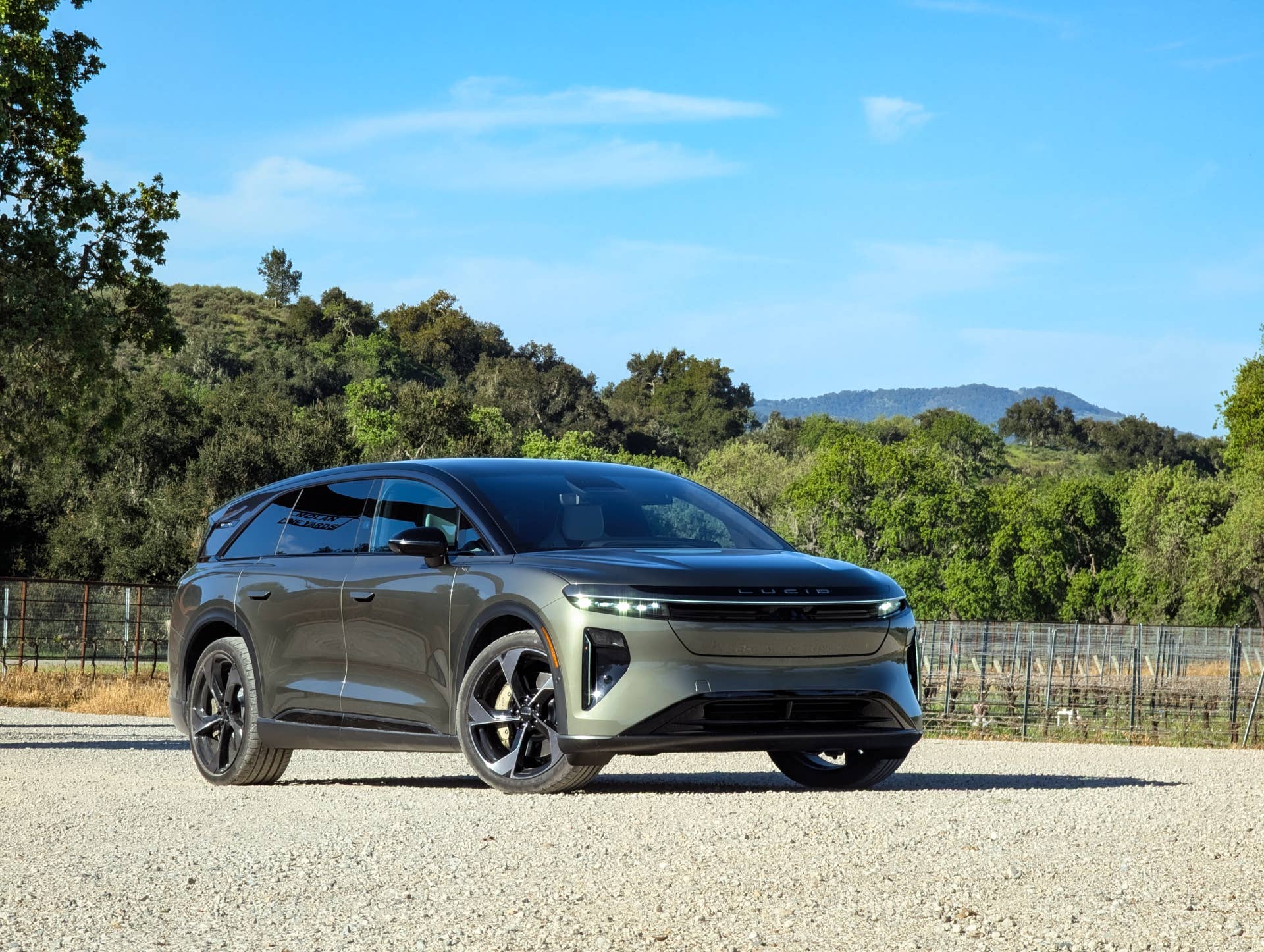
Sales of the original Lucid sedan were never expected to keep the automaker going, not considering its price tag starting at $69,900 nor the fact that U.S. sedan sales have plunged in recent years. The Gravity SUV, which went on sale last winter, was forecast to dominate demand. But that has yet to happen. A report by S&P Global Mobility indicated only nine of the EVs were registered across the entire United States during the first half of this year.
During an online conversation, Winterhoff called that report “wrong,” while noting registrations often lag actual sales. But he did acknowledge things got off to a much slower-than-expected start with Gravity due to a variety of factory problems. The German-born executive tried to put a positive spin on the situation, claiming demand is “outpacing what we can produce,” while adding that “we are currently ramping up out Gravity production” and hope to approach prior target levels in the months ahead.
“It’s going to be a steep ramp, we know,” but “we’re expecting to have more Gravity deliveries than Air” next year.
Midsize Models Are Coming
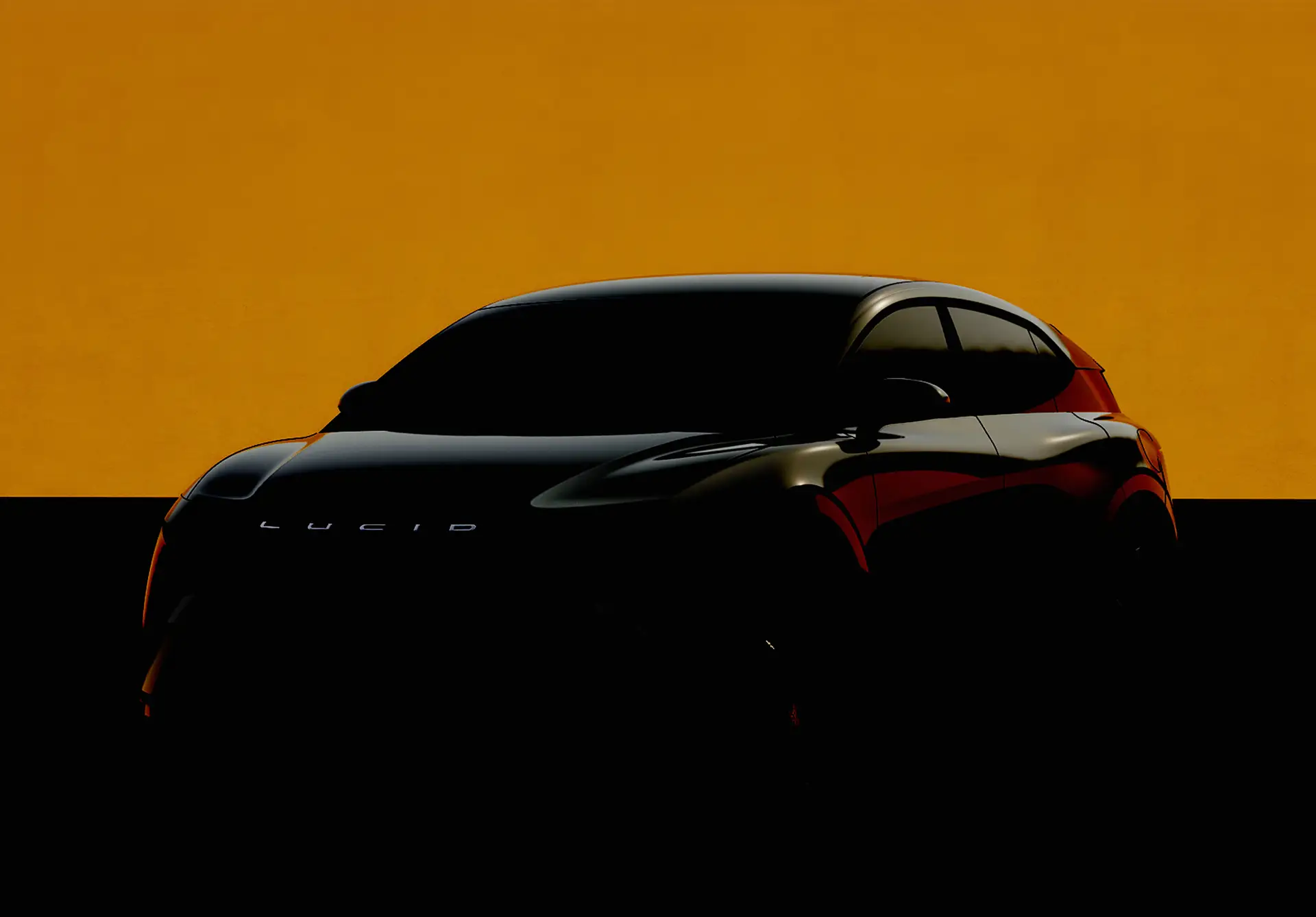
If all goes according to plan – a rarity with EV start-ups – Gravity will hold the position of Lucid’s best-selling product line for barely a year. The automaker has made no secret of its plan to get into the more affordable, midsize EV market. But during his online discussion, Winterhoff revealed that there actually will be multiple midsize products, the first scheduled to go into production late in 2026.
“We have planned three top hats,” industry-speak for unique body styles, based off a common, skateboard-like platform, the executive said. A second will follow “shortly after that,” with a third to come about 1.5 years later. At the point, “we will see what else” might be possible off that platform. But still more models could follow. The first of the midsize models is widely expected to follow Gravity’s lead, with an SUV-style body. Winterhoff declined to discuss what else might be in the works.
The midsize line-up is expected to target the likes of the Tesla Model Y, with pricing to “start at $50,000 or somewhat below,” the CEO noted. Asked whether Lucid might copy its arch-rival’s lead and come up with a smaller, even more affordable line of EVs, Winterhoff said he does not foresee getting into the “low-cost space” Tesla has long promised to enter.
Cash Crunch
Lucid’s ambitions could come to naught if it can’t prop up its dwindling bank account which hasn’t been helped by the slow roll-out of Gravity. And it faces even more challenges with the upcoming phase-out of federal EV tax credits of up to $7,500 at the end of September. The automaker has launched its own incentive program for potential buyers who might not be able to take delivery before that happens, but that will further hamper cash flow.
A cash crunch over the last several years has sent Lucid back to the well repeatedly to raise fresh capital. It lined up a new, $1.75 billion investment round last year, largely with the help of Saudi Arabia. It then closed on $1.1 billion in funding in April, posting an advisory on its website saying, “With this capital raise, Lucid should have enough cash on hand to sustain operations through 2026 and support the launch of its midsize vehicles.”
But that no longer appears to be the case. “Our funding is enough to get us into the second half of next year,” Winterhoff revealed. But, “there will be additional funds needed” to ensure the midsize line-up can get into production. He declined to discuss what steps might be needed to line up additional funding but many analysts have focused expectations on the Saudi Public Investment Fund which, as of the beginning of this year, held a 64.3% stake in the automaker. To bolster that relationship, Lucid is now setting up an assembly plant in the Mideast kingdom.
EV Slowdown

Lucid Motors
Adding to its concerns, Lucid faces a variety of other challenges. There are new competitors, notably Chinese players like Xiaomi which is going after similar EV market segments. And there’s the ongoing slowdown in EV sales growth, particularly in the United States, fueled by the Trump administration’s pushback. Not only are federal tax incentives going away but the president is moving to cut funding for the rollout of a nationwide EV charging network.
Despite polls that show dwindling public interest in EVs, Winterhoff sees “The negative sentiment (as) a passing phase.” If anything, “We are 100% convinced EVs are the way to go and the switch will continue.”
About the author

Paul Eisenstein
Editor-at-Large, Autoblog