
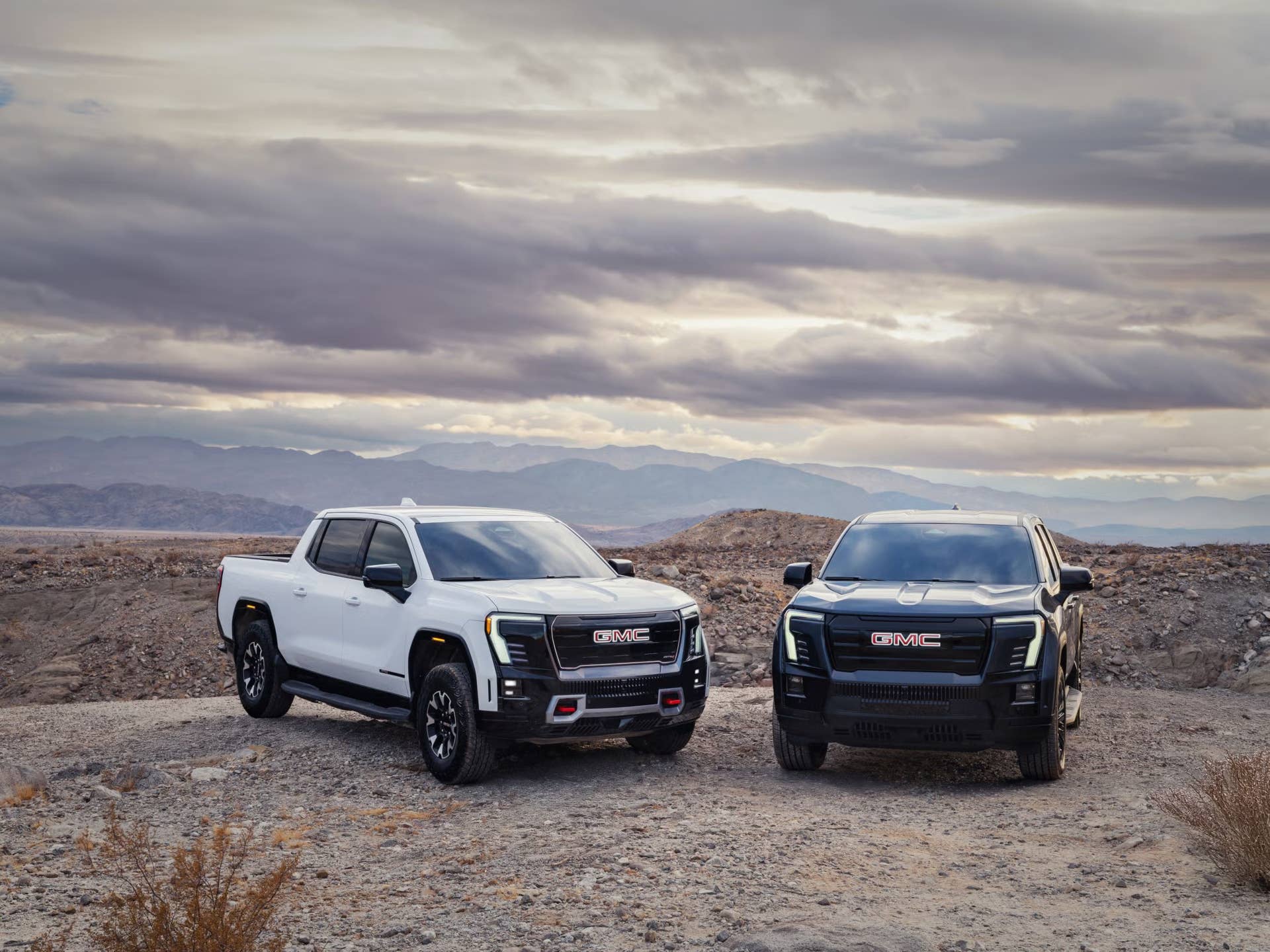
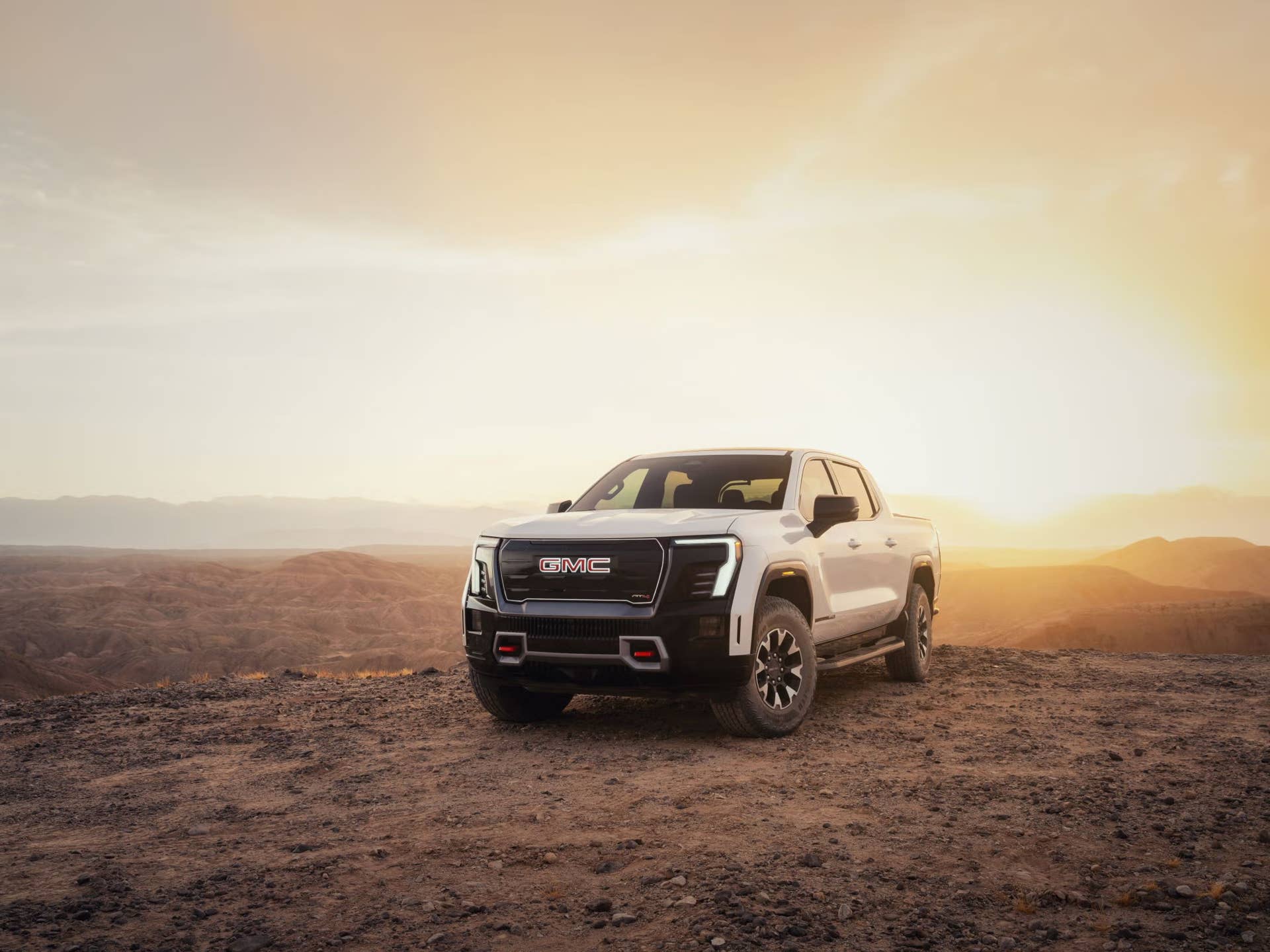
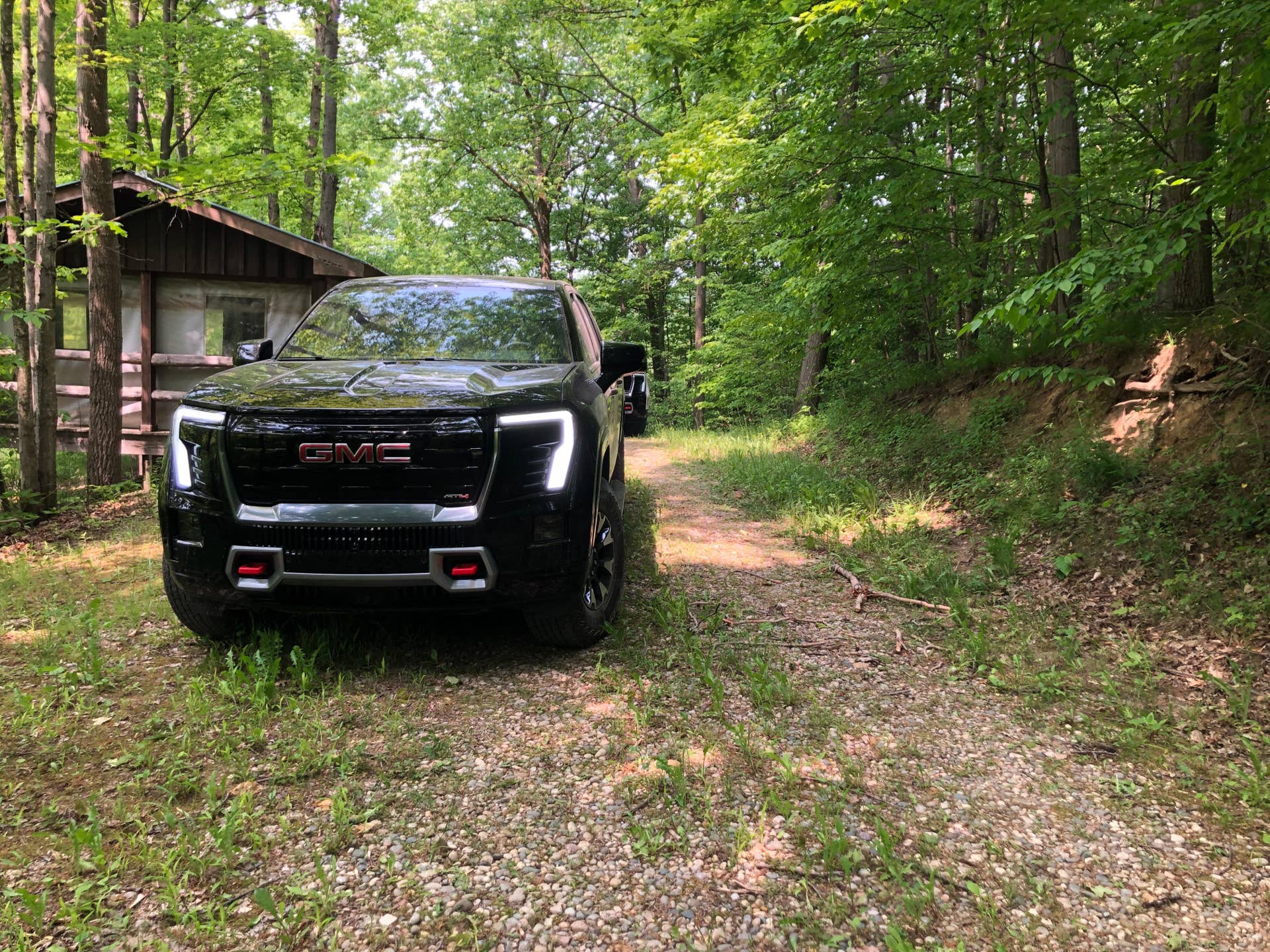
The GMC Sierra AT4 is already a serious off-road truck. Two-inch factory lift, skid plates, four-wheel drive, hill descent control. It’s not pretending. So when GMC introduced the AT4X, the natural question was: what exactly needed upgrading? The answer turns out to be the stuff that matters most once the pavement ends. The AT4X isn’t just an AT4 with a different badge and a darker grille. It’s a more focused machine, one that trades a little practicality and a lot of money for genuine trail-rated hardware. Whether that trade makes sense depends almost entirely on what you’re planning to do with it.
The suspension is where these trucks actually diverge
Both trucks share a 2-inch factory lift and arrive at the same 11.1 inches of maximum ground clearance. On paper, that sounds like a wash. It isn’t.
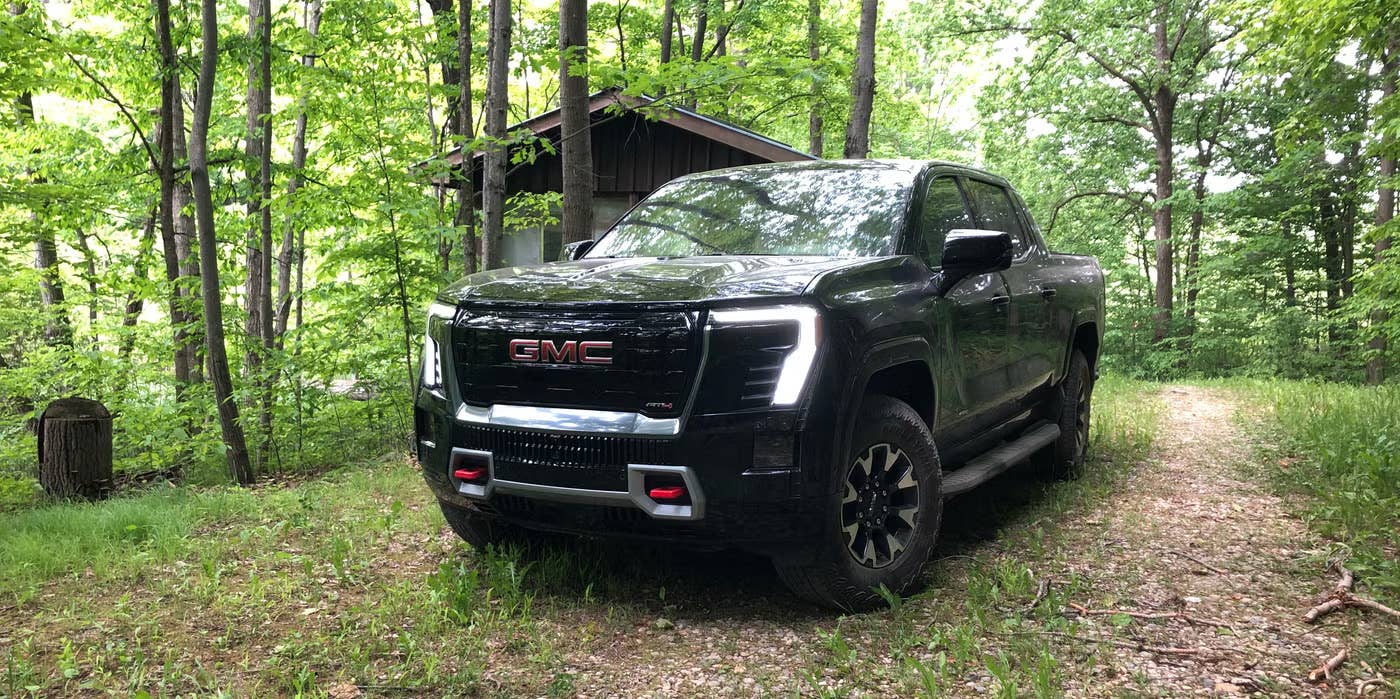
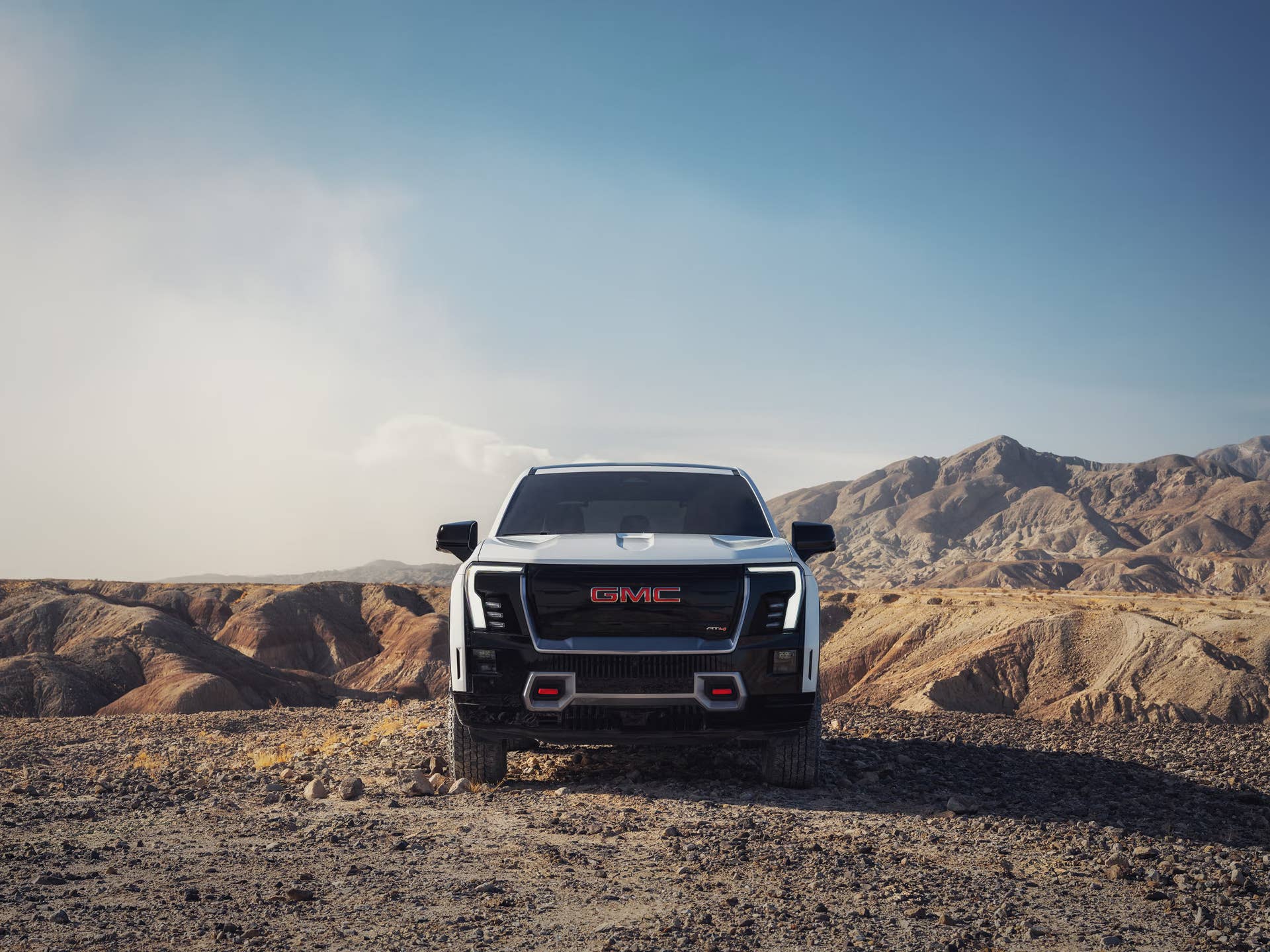
The AT4 runs Rancho Monotube shocks, a step up from the twin-tube setup on lesser Sierra trims, and genuinely capable hardware for moderate off-road use. The AT4X replaces those entirely with Multimatic DSSV (Dynamic Suspensions Spool Valve) dampers. These are the same shock absorbers that have been used in IndyCar and Formula One racing, and they appear on the Camaro ZL1. GMC didn’t just tune these for trail duty. The DSSV technology is specifically engineered to absorb big terrain hits without transmitting that punishment into the cabin. The result, according to reviewers who’ve driven both back-to-back, is a noticeably smoother and more controlled ride over rough terrain, with very little compromise on regular road driving.
This is the single biggest mechanical difference between the two trucks. If you’re doing serious trail work, rocky descents, washboard dirt roads, off-camber terrain, the DSSV dampers matter. If your “off-road” looks more like a gravel fire road twice a year, the Rancho units on the AT4 will do the job without complaint.
Need New Tires? Save Up To 30% at Tire Rack
Find the perfect tires for your exact vehicle and driving style. Click here to shop all top-tier brands, including Michelin, Bridgestone, and more, directly at Tire Rack.
The AT4X locks everything. The AT4 locks half of it.
Both trucks come standard with a 3.0L Duramax Turbo-Diesel producing 305 hp and 495 lb-ft of torque, paired to a 10-speed automatic. A 6.2L V8 with 420 hp and 460 lb-ft is available on both as an upgrade. So no, the powertrain isn’t the difference.
The difference is what happens when one wheel leaves the ground. The AT4 comes with an automatic locking rear differential, decent traction management for most off-road scenarios, but it leaves the front axle to fend for itself. The AT4X adds driver-selectable front AND rear electronic locking differentials, ensuring both wheels on each axle spin together regardless of surface resistance. GMC calls this class-exclusive, and they’re not wrong. No direct competitor in the half-ton segment offers front and rear e-lockers at this trim level.
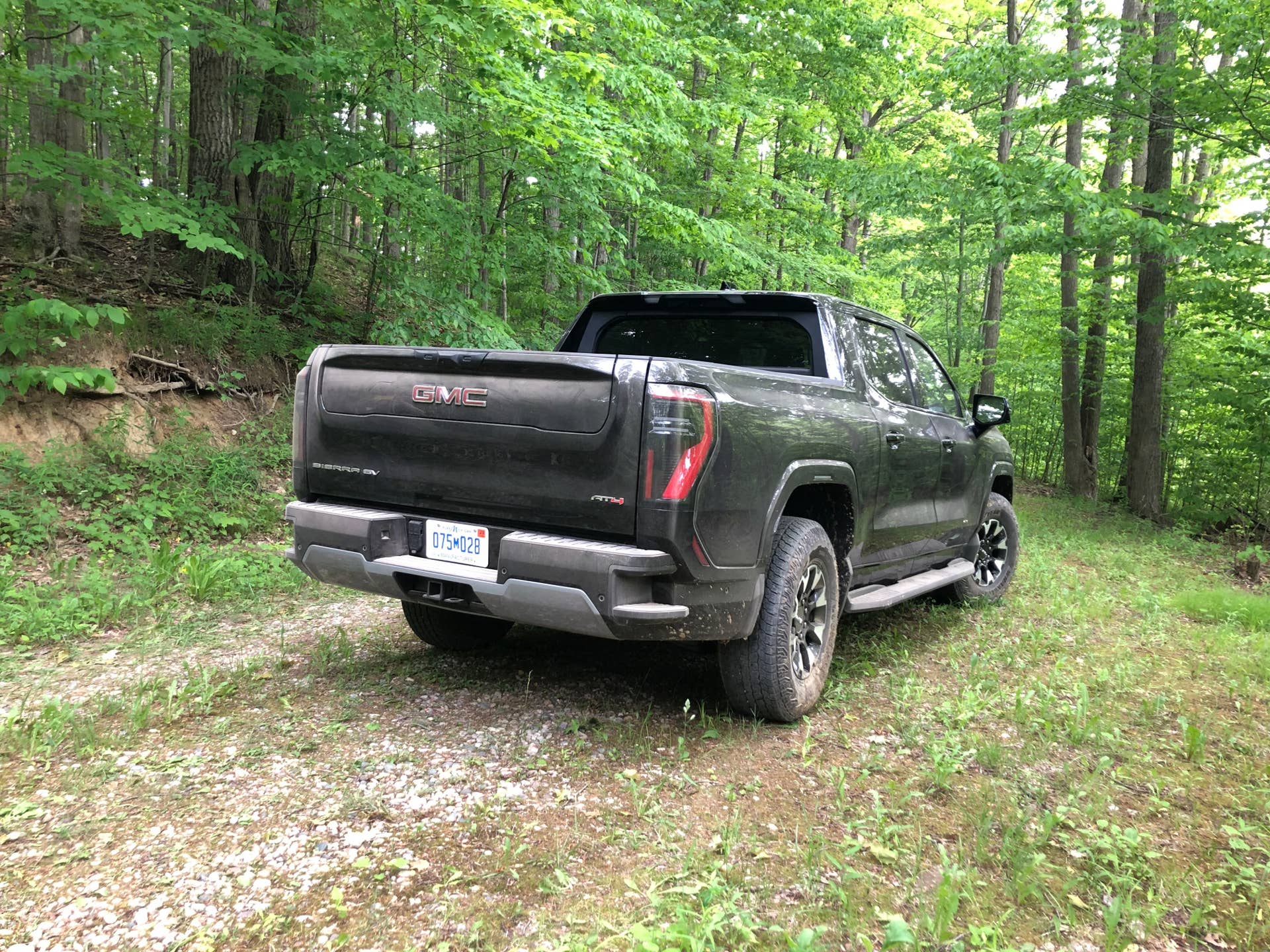
That front locker is the meaningful upgrade for anyone who actually plans to use this truck on technical trails. Rear traction helps you maintain momentum; front traction helps you steer your way out of trouble. The two together change what’s possible.
There’s a tradeoff though: the AT4X’s towing capacity dips below the AT4’s maximum of 9,000 pounds. The additional off-road hardware adds weight and the geometry changes slightly with the locking front differential setup. It’s not a dealbreaker for most buyers, but worth knowing before you spec one as a daily hauler.
The AT4X costs more, gives you more cabin features, and limits bed options
The 2026 Sierra AT4 starts at $67,300. The AT4X starts at $79,400. That’s a $12,100 gap before options.
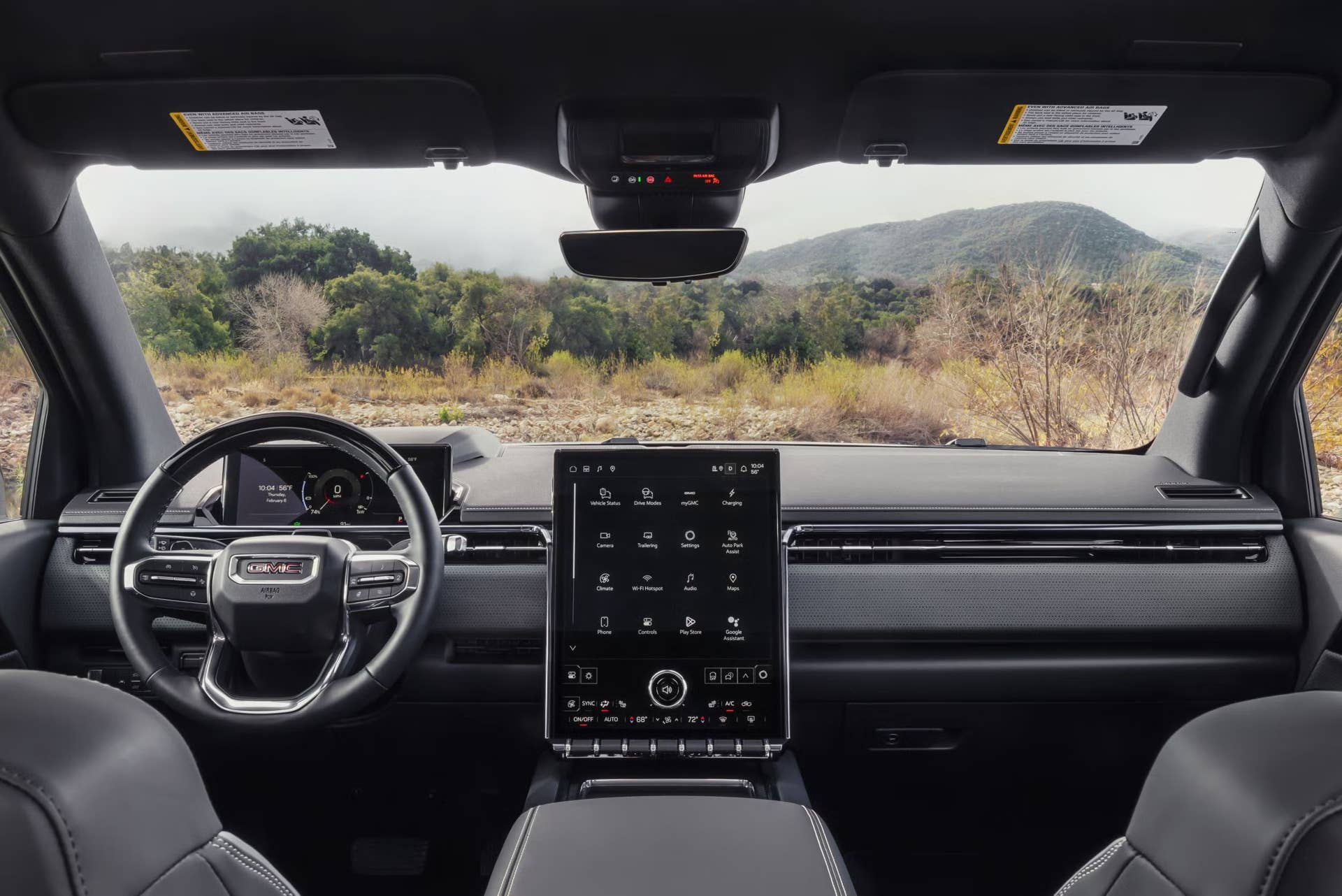
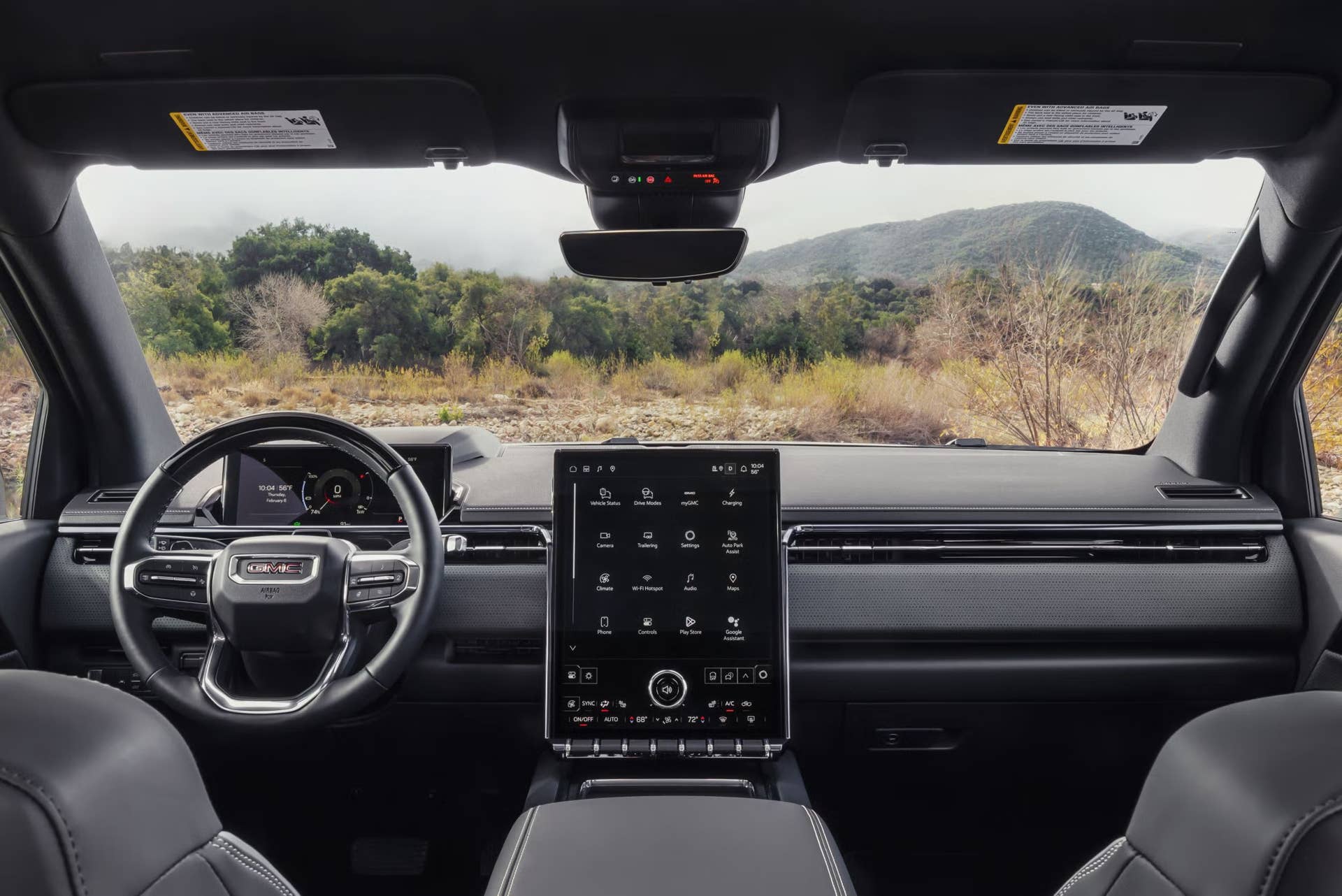
For that premium, you get the DSSV dampers, the front locker, and a cabin that takes a meaningful step up in equipment. The AT4X adds a standard Bed View Camera, a head-up display, Universal Home Remote, full-grain leather seats, a rear camera mirror, and a Bose Premium 12-speaker audio system, most of which are optional or unavailable on the AT4. The interior also gets an exclusive Obsidian Rush colorway that looks the part of a high-end off-road machine. The AT4X also adds an AEV-stamped steel front bumper with integrated winch support, which no amount of AT4 option packages can replicate.
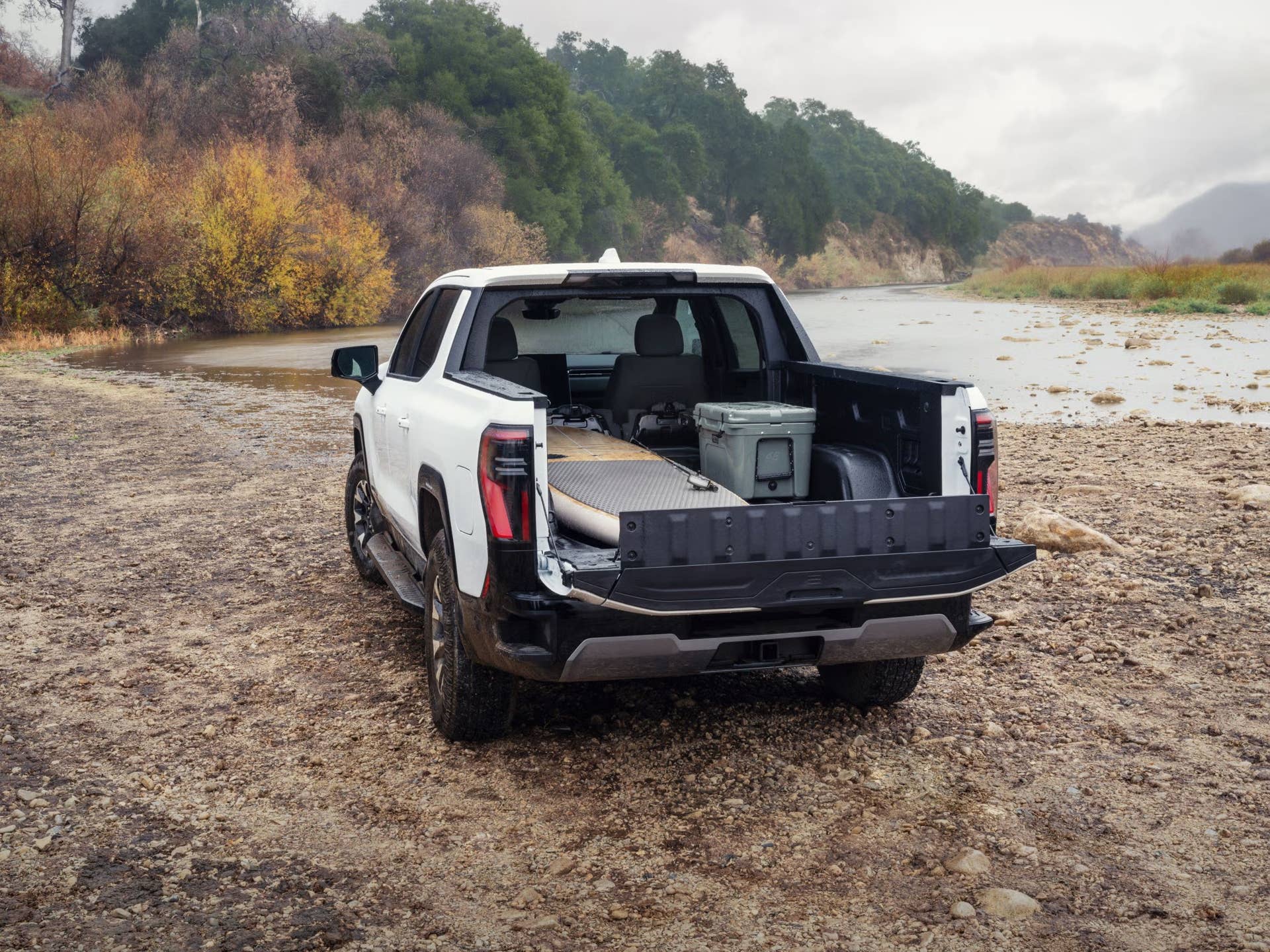
What you give up: bed flexibility. The AT4 Crew Cab can be ordered with either a 5.8-foot short bed or a 6.6-foot standard bed, depending on how much hauling capacity matters in your daily life. The AT4X is short-bed only, full stop. For buyers who actually use a truck as a truck, lumber, ATVs, cargo that requires actual bed length, this isn’t a minor inconvenience. It’s a real constraint.
Verdict
The Sierra AT4 and AT4X aren’t competing for the same buyer; they just happen to share a grille. The AT4 is the right call if you want a capable, well-equipped off-road truck that still functions as a workhorse: standard or short bed, strong towing, proven monotube shocks, and no argument from a fire road. The AT4X is for buyers who want the most capable half-ton trail truck GMC makes, full stop: DSSV dampers, front and rear e-lockers, a luxurious interior, and a steel front bumper that means business. Just know that “most capable” comes with a $12,100 surcharge, a shorter bed, and a lower tow rating. Choose accordingly.
About the author

Kyle Edward
Editor-in-Chief, Autoblog