
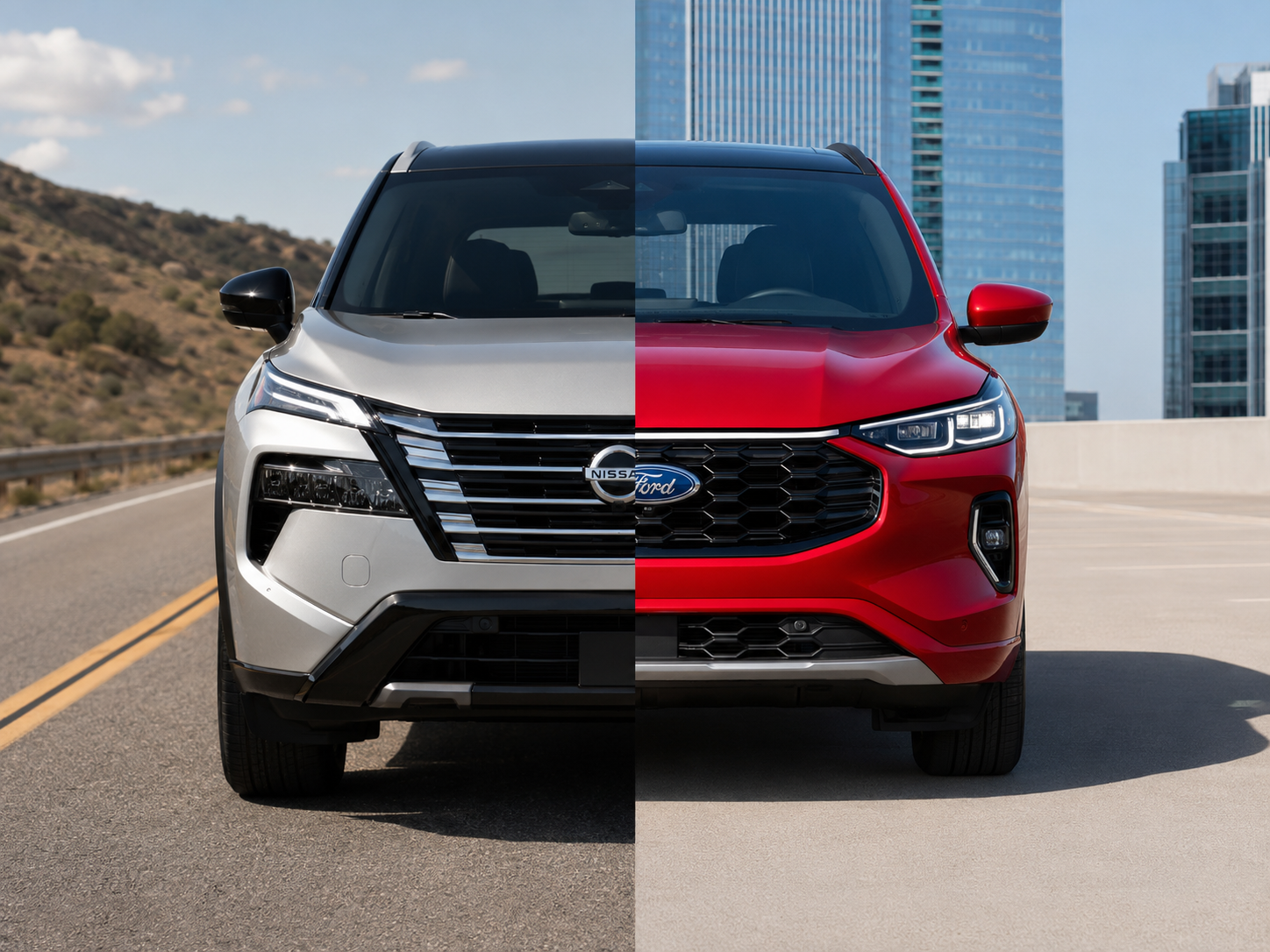
Ask which of these compact SUVs carries more, and you will get two answers, depending entirely on where the seats are. Ford’s Escape and Nissan’s Rogue each win one of the two key cargo measurements, so the honest reply is that it depends on how you load. Weigh the Escape against the Rogue, and you are looking at two of the most practical choices in the class. Both seat five, both prioritize easy daily use, and both add clever cargo touches. The twist is that they trade the headline numbers: the Ford is fractionally roomier with the seats up, while the Nissan opens up far more space with them folded.
Cargo space at a glance
Here is how the two compact SUVs compare on cargo room, seats up, and seats down.
| Cargo measure | Ford Escape | Nissan Rogue |
|---|---|---|
| Behind rear seats | 37.5 cu ft | 36.5 cu ft |
| Maximum cargo | 65.4 cu ft | 74.1 cu ft |
| Seating capacity | 5 | 5 |
| Cargo feature | Sliding rear seat | Divide-N-Hide system |
Behind the rear seats
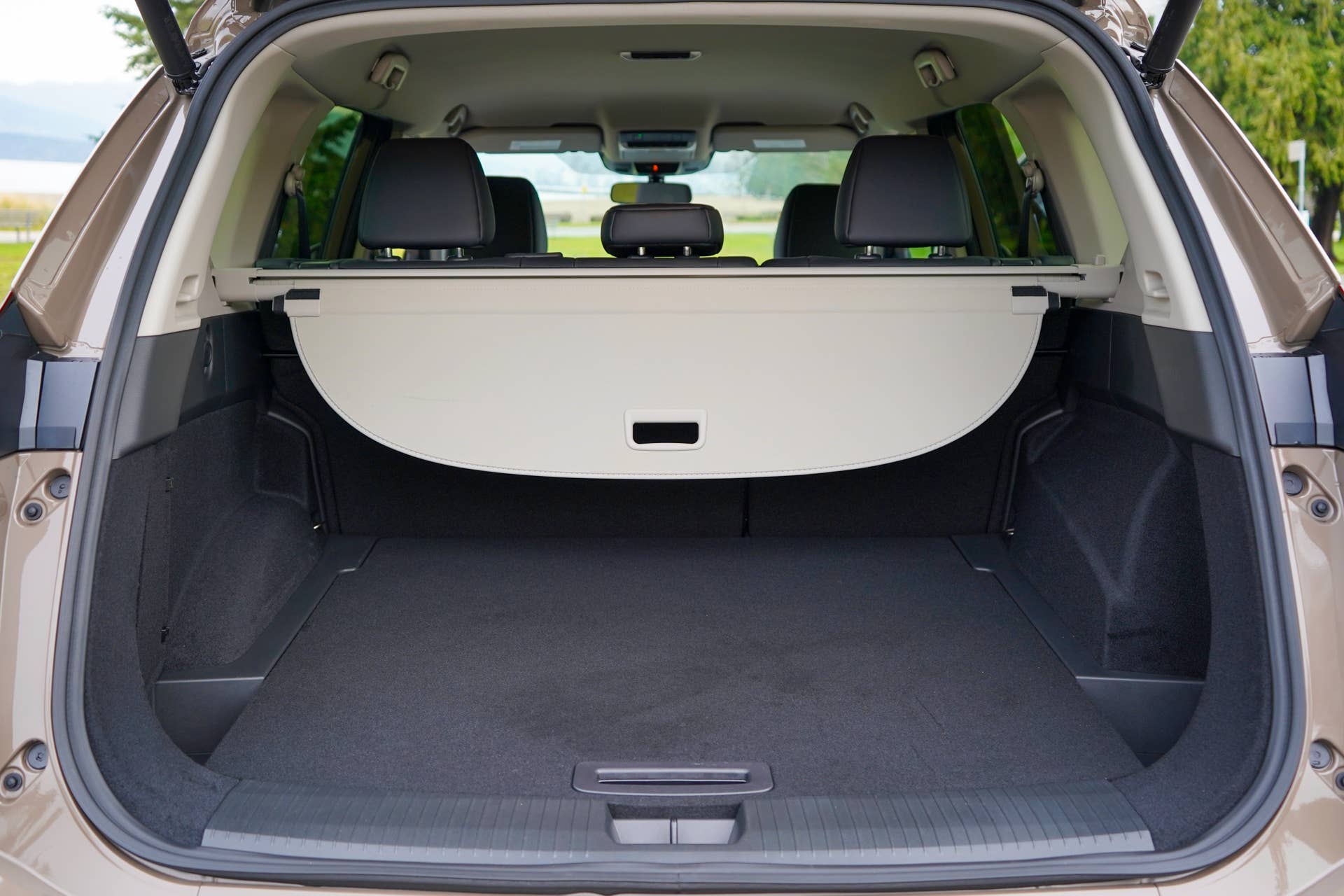
With the rear seats upright, the Escape holds a slim advantage. It offers 37.5 cubic feet behind the second row, compared with the Rogue’s 36.5, a one-cubic-foot difference that is barely perceptible in daily use. Both easily handle a grocery run, a couple of suitcases, or sports gear with passengers aboard.
Cole Attisha
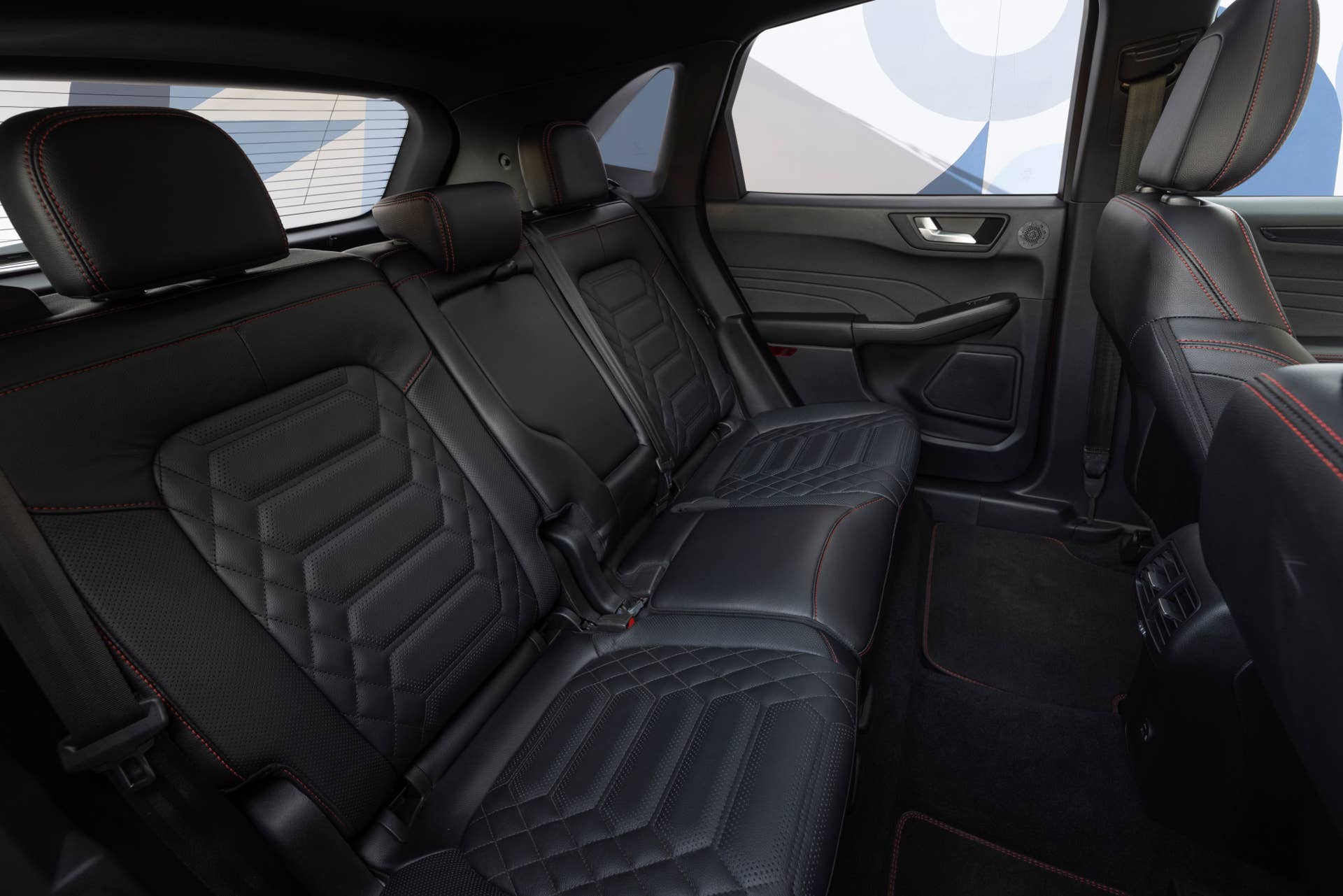
The Escape adds flexibility here with a sliding rear seat that lets owners trade rear legroom for extra cargo depth when needed. It is a small but genuinely useful feature, and combined with its slight volume lead, it makes the Ford the marginal winner in the seats-up configuration that most owners live in day to day.
With the seats folded
Fold the seats and the Rogue takes over. It opens up to 74.1 cubic feet of maximum cargo volume, comfortably ahead of the Escape’s 65.4, a difference of nearly nine cubic feet. That is the space that matters for a big-box haul, a furniture run, or loading up for a road trip, and the Nissan clearly has more of it.
Ford
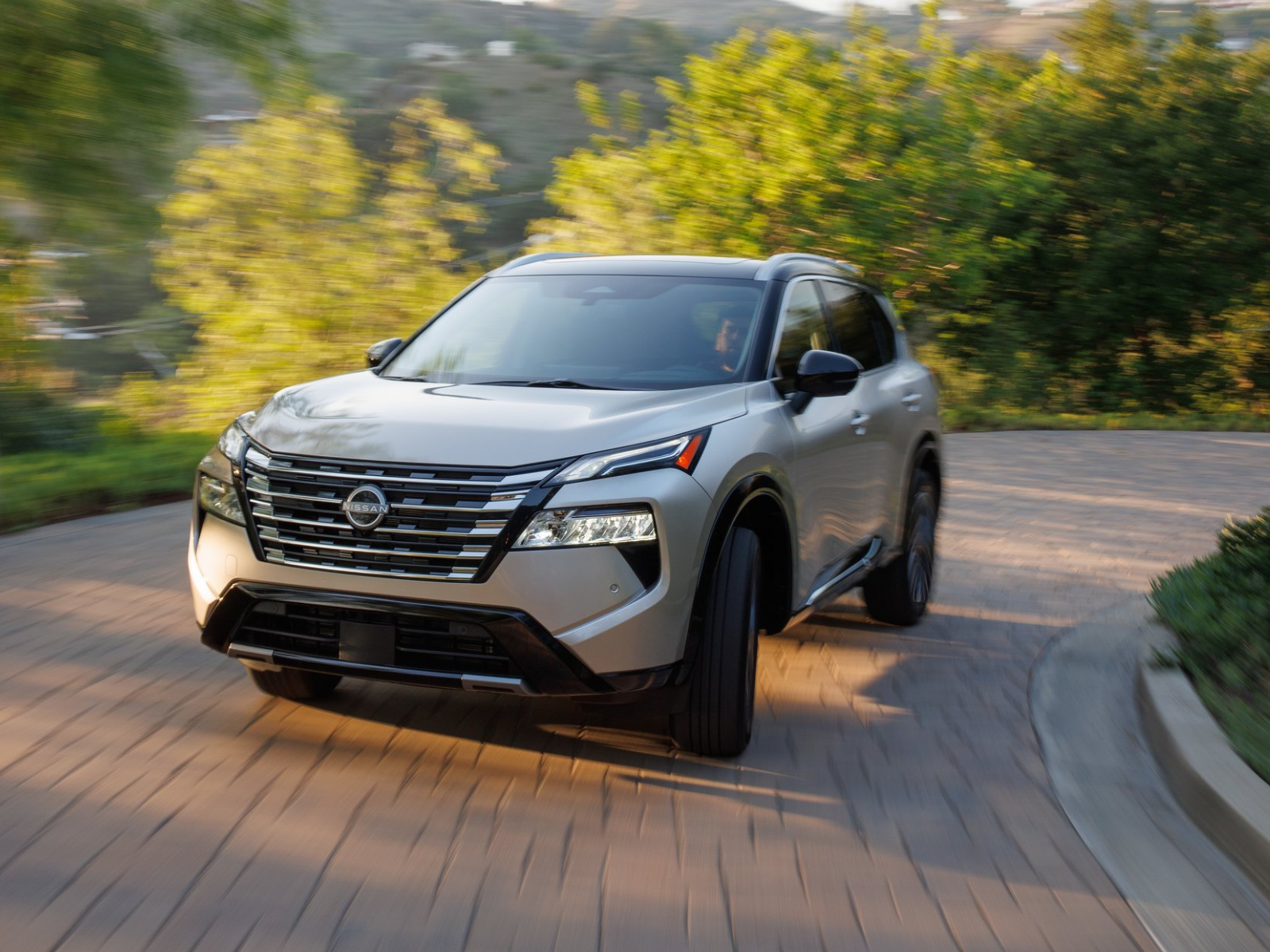
The Rogue also brings its Divide-N-Hide cargo system, which offers multiple floor configurations to organize gear or create a hidden lower compartment. Between the larger maximum volume and that flexibility, the Nissan is the more capable hauler once the seats are down.
Beyond the numbers
The two SUVs differ in more than cargo. The Rogue leans on a punchy turbocharged three-cylinder with strong torque and class-competitive fuel economy, plus its clever cargo organization. It is built around everyday practicality, and the larger maximum hold fits that mission.

Ford
The Escape counters with a broader powertrain lineup, including hybrid and plug-in hybrid options, a higher available tow rating, and that sliding rear seat. For buyers who mostly keep the seats up and value flexibility and efficiency, the Ford makes a strong case, even if it gives up ground at maximum capacity.
So which one has more cargo space?
It depends on how you load, but for maximum cargo, the Nissan Rogue wins. Its 74.1 cubic feet with the seats folded, beats the Escape’s 65.4 by a meaningful margin, and its Divide-N-Hide system adds flexibility, so for hauling bulky loads, the Rogue is the roomier choice. The Ford Escape earns a real point of its own, leading slightly behind the rear seats at 37.5 cubic feet and adding a handy sliding second row, so buyers who mostly keep the seats up may prefer it. On total capacity, though, the Rogue is the bigger hauler and takes the overall win.
About the author

Kyle Edward
Editor-in-Chief, Autoblog