
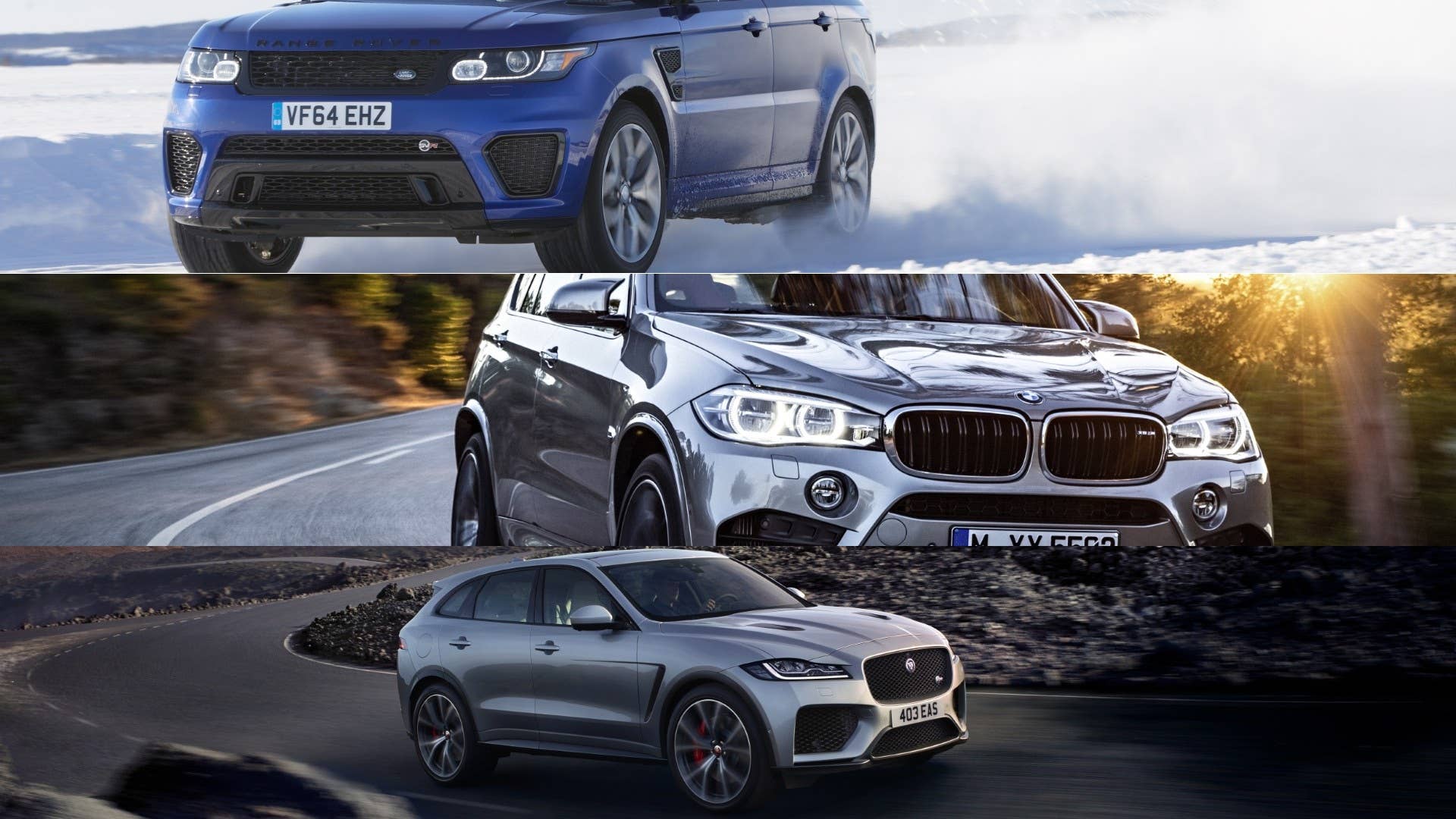
Fast, practical, and under $30k: The sweet spot for speedy SUVs
These days, speed is arguably more accessible than ever. Factory-backed muscle car efforts have horsepower figures in the stratosphere. Even cars like the BMW M3, which historically valued handling prowess over raw horsepower, make 500+ horsepower. That’s to say nothing of the ongoing and evolving electric revolution, which regularly brings the same power figures to such unassuming packages as the egg-like Tesla Model Y. That example ushers in the topic of today’s conversation. SUVs, specifically, are faster than ever, with literally dozens of options if you want a massively powerful, three-row SUV: Escalade-V, Mustang Mach-E, Durango Hellcat, Rivian R1T. The list goes on.
While that’s all well and good, you’ll find that along with power creep comes “dollar creep.” The aforementioned SUVs are all impressive in their own way, but you’ll also be hard-pressed to find one that sits under $60,000 or so. What is one to do if one has both the need for speed and the need to haul — be that family, large dogs, or really anything — without the want of spending what’s undeniably a lot of money on a vehicle? Fortunately, there are options. The used market is still a prime hunting ground, even in as niche a segment as this. There are plenty of good options out there for less than the cost of a new Toyota RAV4 — say, $30,000 or so.
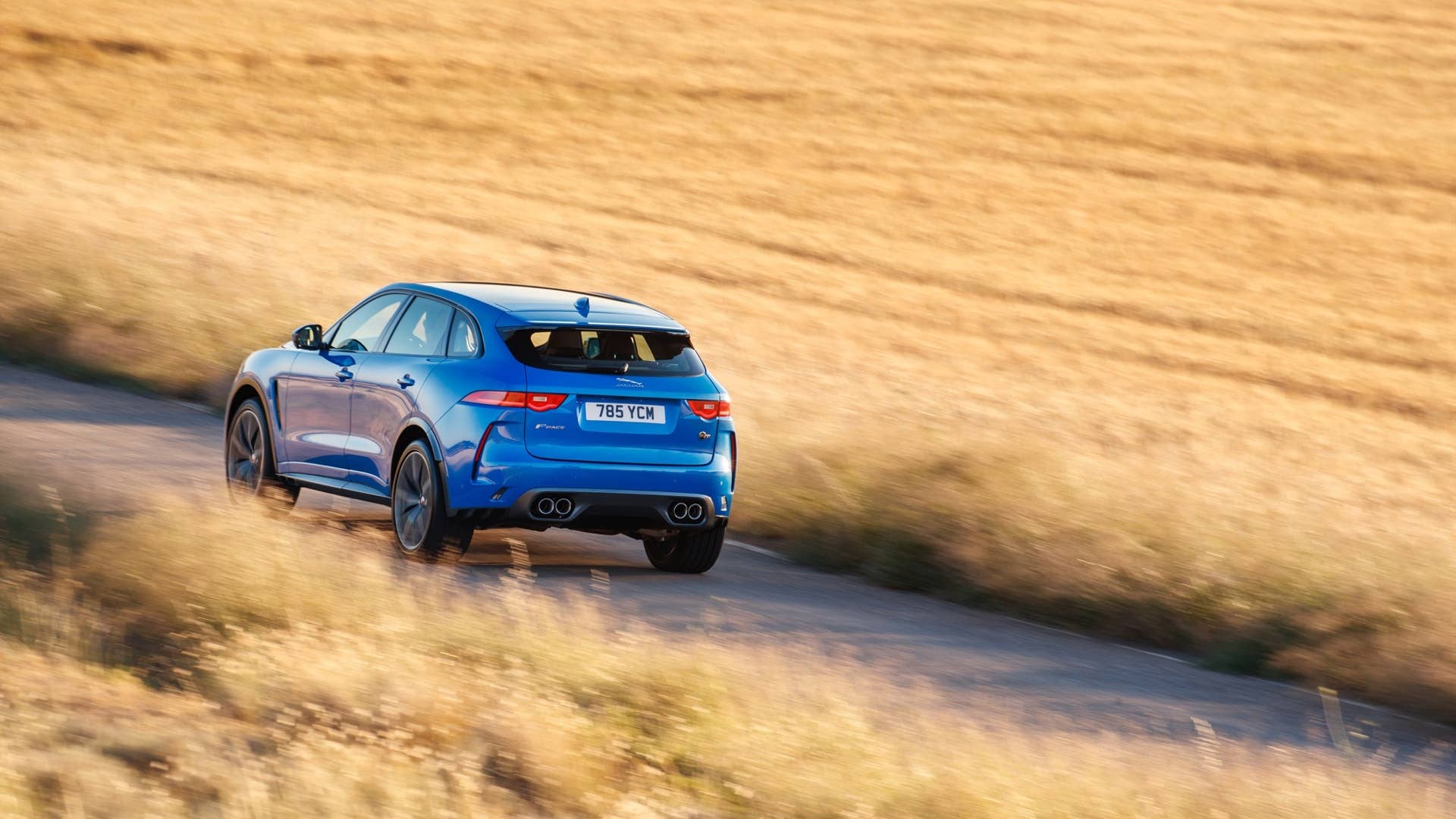
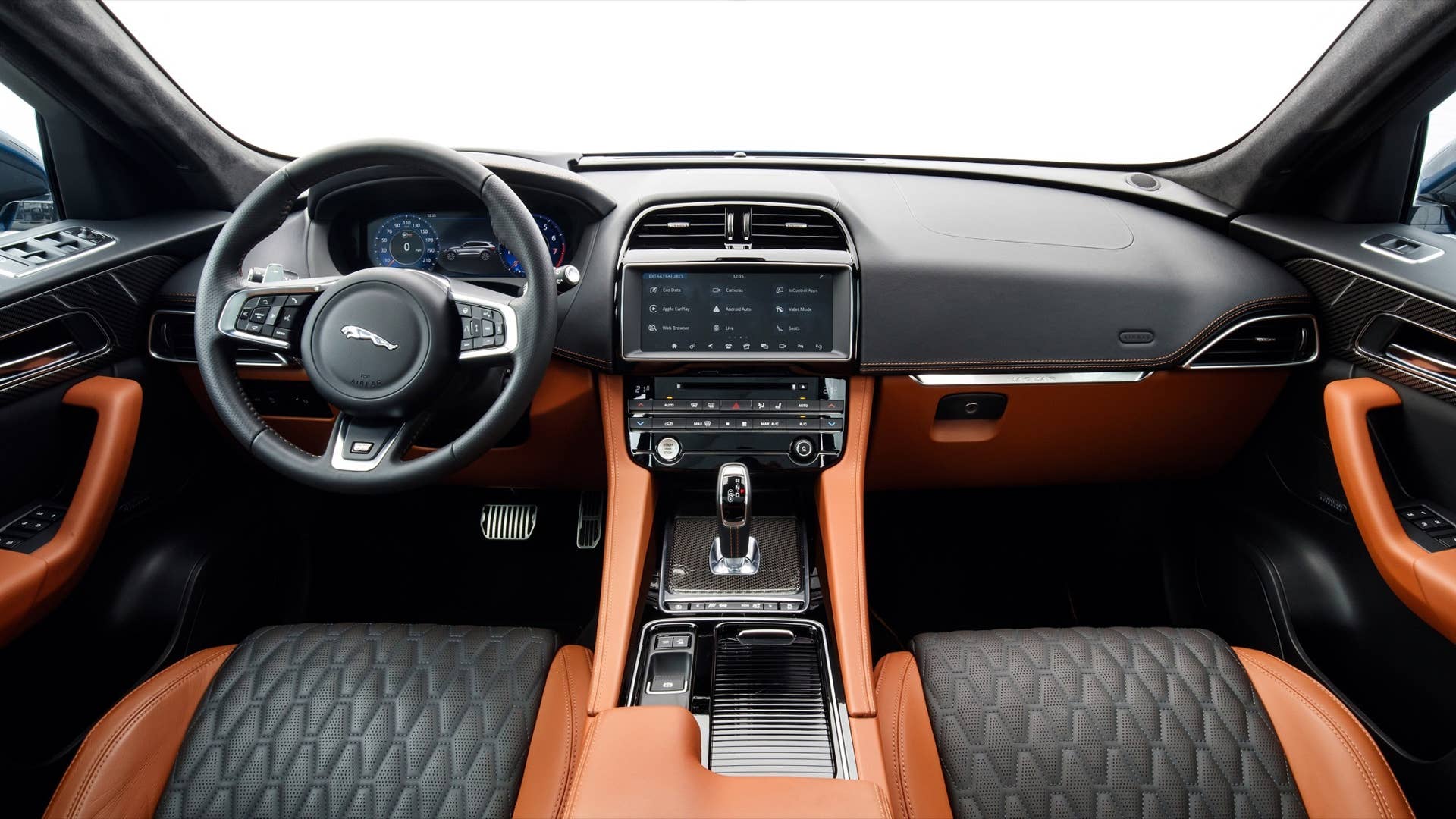
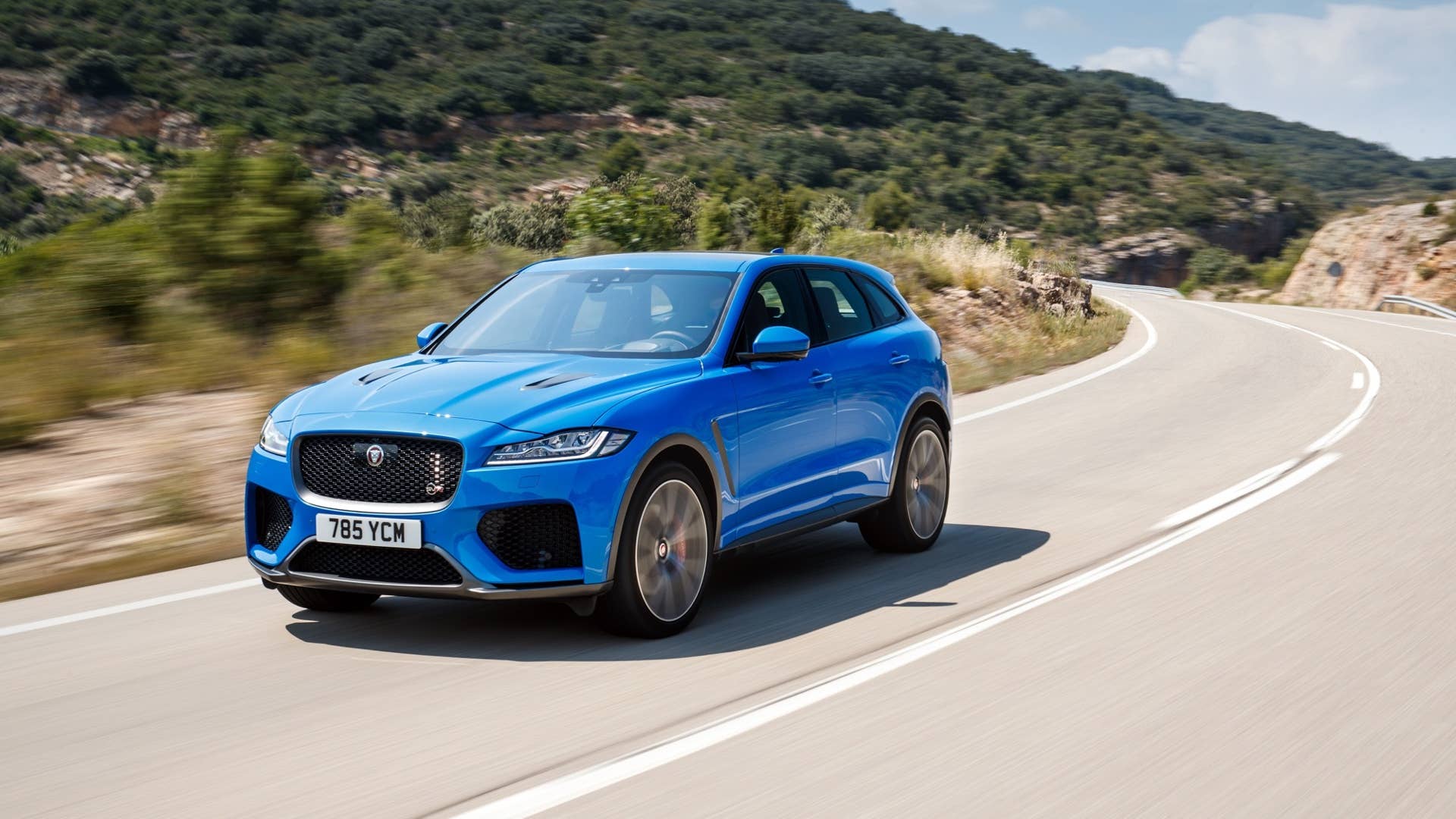
Jaguar F-Pace SVR
The F-Pace SVR is a really interesting pick. Historically, it’s relevant, as it was Jaguar’s first SUV ever, and also the last vehicle the brand offered with an internal combustion engine. The hot 550-horsepower supercharged V8 under the hood also went relatively unchanged throughout its run, which means early models do pretty much everything the newer ones do, from a performance perspective. At our price point, we’re looking at early examples from 2019 and 2020. Sticking to a 2020 model year gets you CarPlay and Android Auto, which serves to close the gap between brand new and heavily used even further.
Jaguar
Jaguar
Jaguar
The Jaguar has a lot of virtues besides raw performance, too. It’s probably the most comfortable vehicle on the list, and it still looks ridiculously good. Soundtrack is also one of the best — ever, not just in its niche. It’s even got a third-row option. Like with every vehicle we’ll talk about, though, there are downsides. After all, if there weren’t, nobody would be buying new RAV4s. Parts and labor will usually be more expensive than a comparable component from a non-luxury brand. Expect some buggy electronics, and some owners report interior rattles — not ideal in a $100,000 car, but perhaps livable when you’re paying 30% of that. Coolant leaks originating mostly from the front Y-pipe and crossover pipes are additional concerns. Other than that, though, the SVR isn’t all that unreliable, despite conventional opinion perhaps suggesting otherwise. Besides, just look at it!
Porsche Cayenne Turbo and Turbo S
While the SVR might limit you to very specific model years, you can score a Cayenne Turbo from either of its first two generations for a lot less than a new RAV4. Both offer twin-turbocharged V8 engines making just north of 500 horsepower, but there’s a bit of a caveat, though. First-gen Cayenne Turbos must make do with “just” 444 horsepower, though that number goes up to 493 horsepower if you stay on this side of 2008. We’ll include it anyway, as everyone knows Porsche horsepower figures are generally a bit conservative anyway.
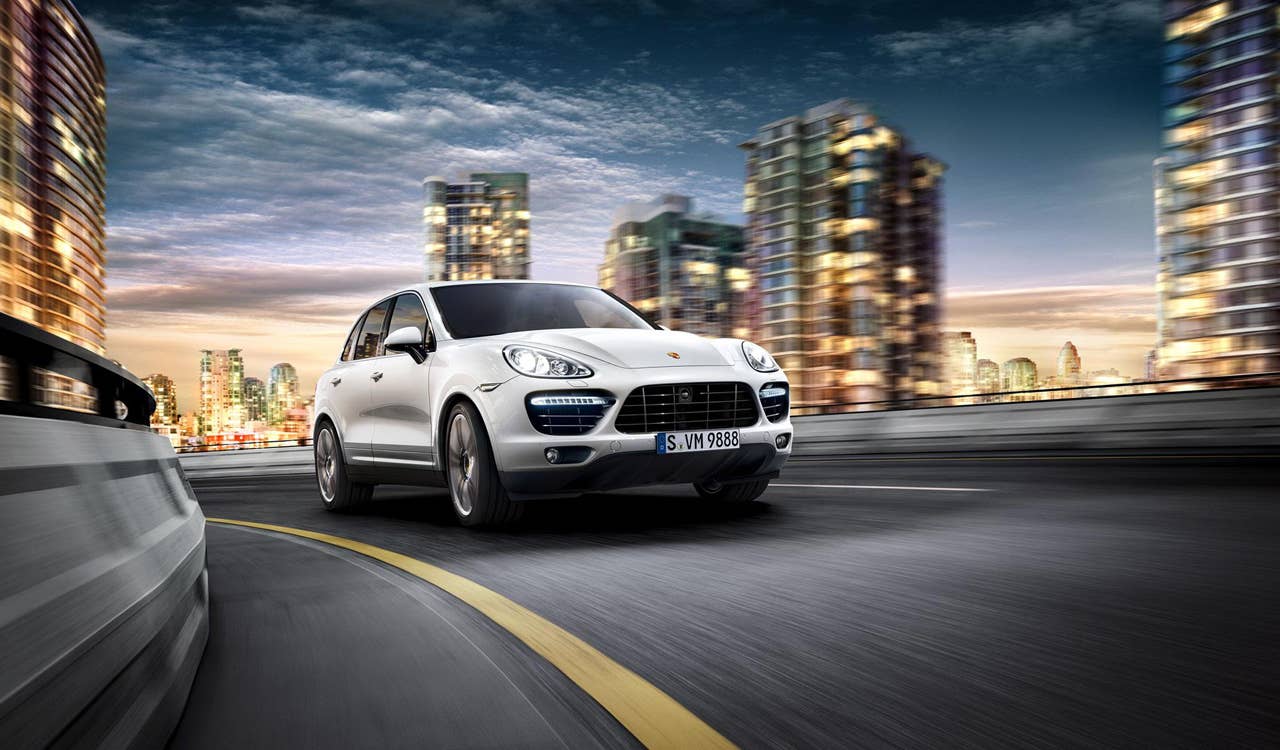
Regardless, the newest Cayenne Turbo or Turbo S you’re getting into at this price point is still 10 years old. The second generation’s weak spots include coolant leaks, the transfer case, and, much more importantly, camshaft adjuster bolts. There’s a recall for it, which should take some pressure off, as the repair is otherwise extremely costly. Early 955 Cayenne Turbos can also experience bore scoring, and plastic coolant pipes again mean the cooling system might require some extra attention.
Land Rover Range Rover Supercharged
The Land Rover Range Rover Supercharged is essentially a buttoned-up version of the Jaguar F-Pace SVR. The fourth generation, post-2013, is the one that we’re looking at. Like the Jag, it uses a supercharged 5.0-liter V8 — indeed, the same engine — making 510 horsepower. Stylistically, even going on a decade old, the Range Rover still has “it.” Simple body lines, a good stance, really excellent materials, and good interior space make the Range Rover a great pick. Especially considering you can snag one for less than $20,000.
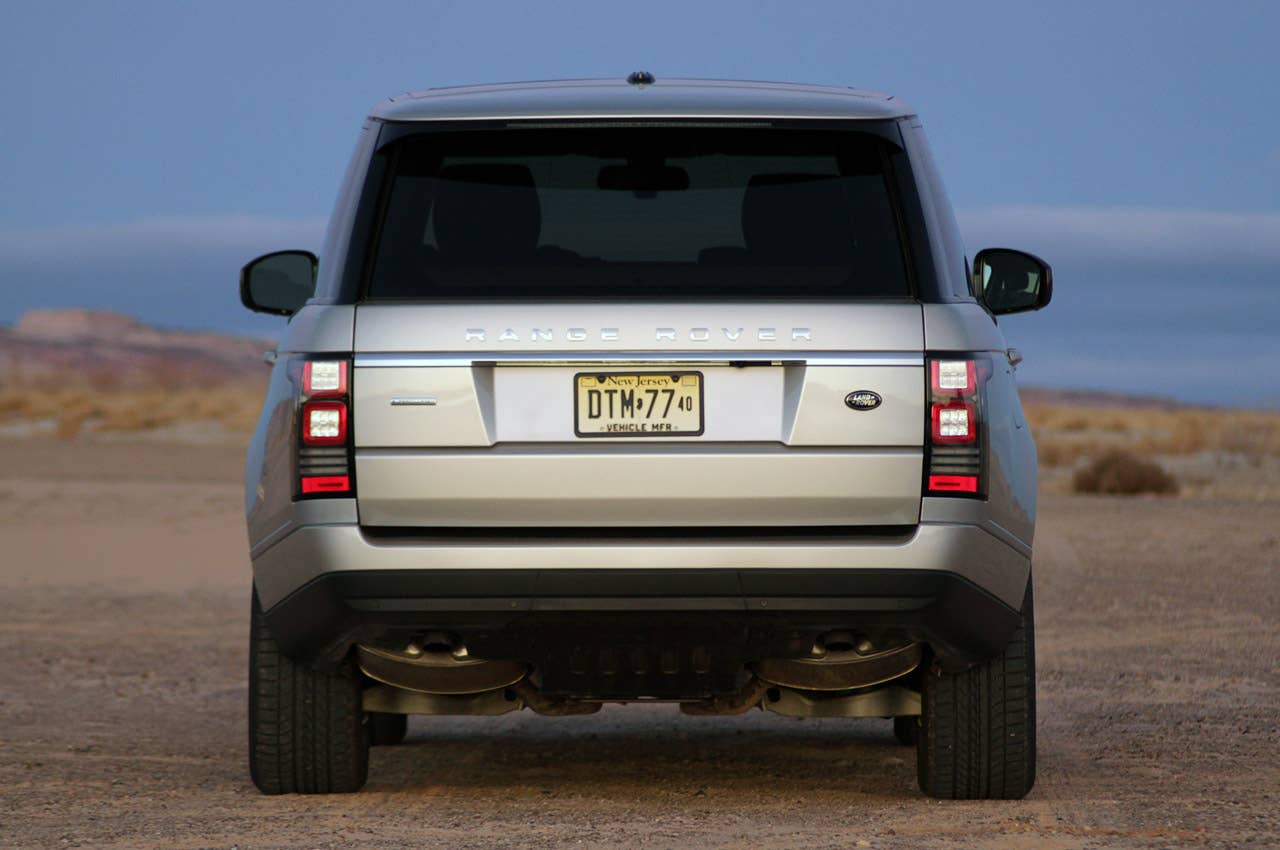
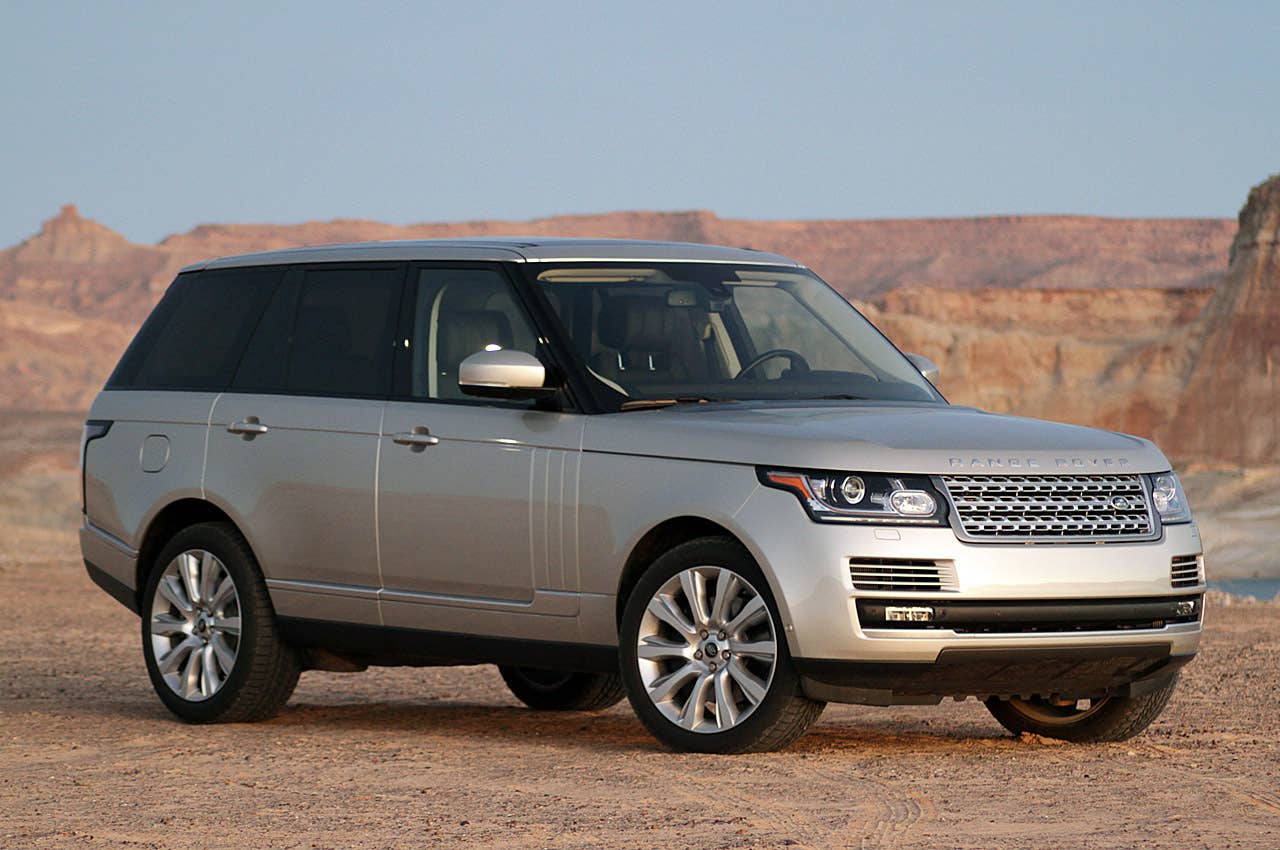
Prices stay even lower than usual on these for a couple of reasons. For one, they aren’t particularly rare, and lots got used in car services, so high mileage is common. While the previous generation — which used a similar 5.0-liter engine — had a lot of issues, you’ll be better off with post-2013 and later models. You’ll still have the same issues as the F-Pace, including possible coolant leaks, but dodge the timing chain woes that plague older models. There’s no shortage of ancillary stuff that can break here, too; i.e., “dynamic” roll bars or air suspension. The Range Rover Supercharged is perfect for you if you love the sound of the Jag but need more space. It’s also likely a tad bit more comfortable but a tad bit less dynamic, given its weight.
BMW X5 M and X6 M
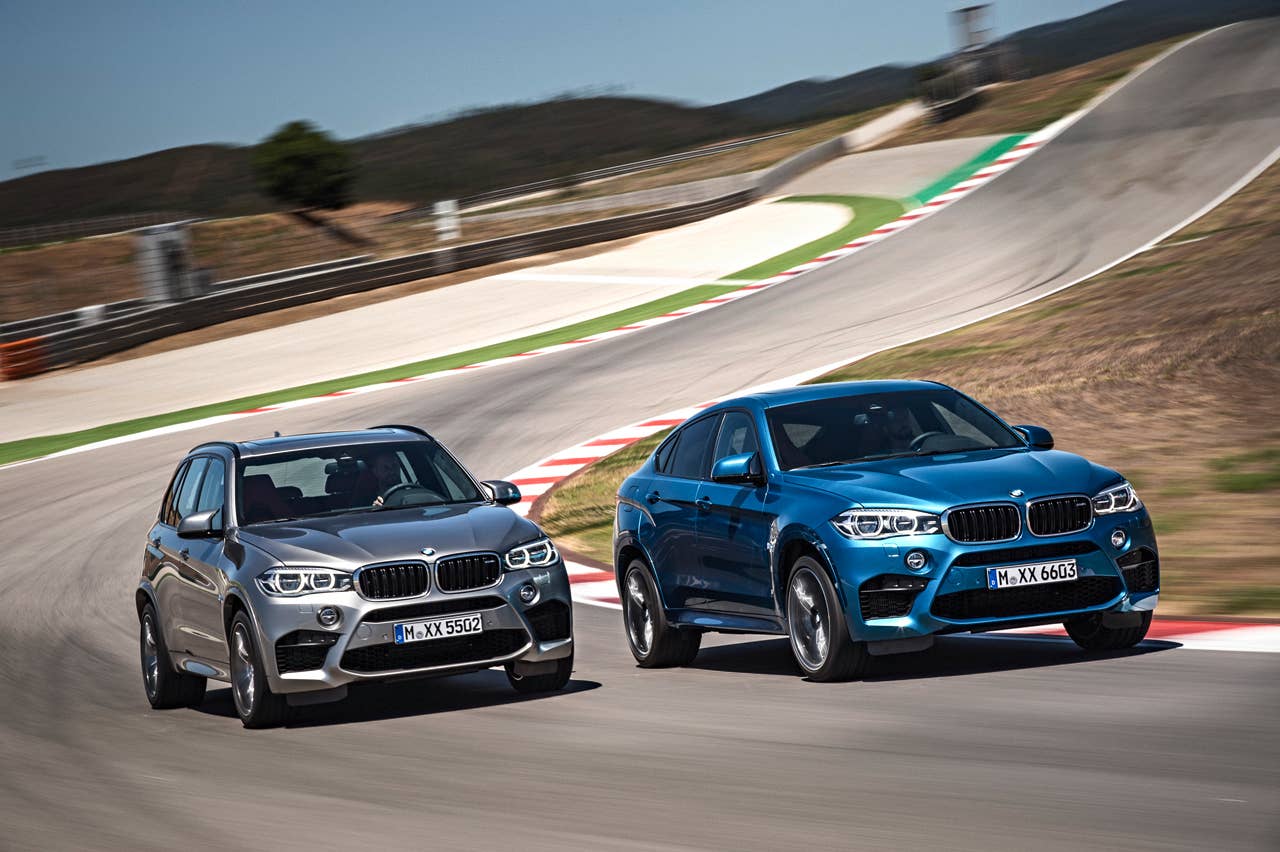
The X5 M and its mechanically identical, slightly more curvaceous twin the X6 M are both available well under the $30,000 mark. They’re fair bargains, particularly the second-generation F95 X5 M and F96 X6 M. Regardless of which body style or generation you choose, you’ll get a wicked 4.4-liter twin-turbo V8 making upwards of 500 horsepower. The SVR looks more exotic, and the Range Rover looks a little richer, but overall, these two are still aging quite nicely and hold their own in the curb appeal department.
BMW
Naturally, the BMW X5 M and X6 M have their fair share of problems. The S63 V8 — while better than the famously awful N63 it is based upon — can get costly to maintain, and quickly. Rod bearing wear is common, and though it seems to be more widely reported on early cars, it’s something to monitor regardless. After all, an oil analysis is a lot less expensive than replacing the engine. Cooling system woes, valve steam seal failure and wear are the other “common” pain points, and as always, oil leaks aren’t unusual. Overall, I have the most experience with the X5 M out of any of the cars on this list. They drive quite well, but it won’t be as comfortable as the Range Rover or even the Jaguar. And it will not be cheap to keep running in tip-top shape.
Mercedes-Benz ML 63 AMG
Arguably, the progenitor of the segment itself, the Mercedes-Benz ML 63 AMG easily earns its spot here. The massive 6.2-liter V8 under the hood makes it the displacement king among our mentions. Even later models, which utilize a stouter 5.5-liter twin-turbo unit, would still take the crown. Unfortunately, the super SUV’s successor, the GLE 63, isn’t quite available within budget at the time of this writing. But that’s okay: no matter which you choose, you’ll still get a wicked AMG V8 putting out over 500 horsepower and the glorious soundtrack that accompanies it.
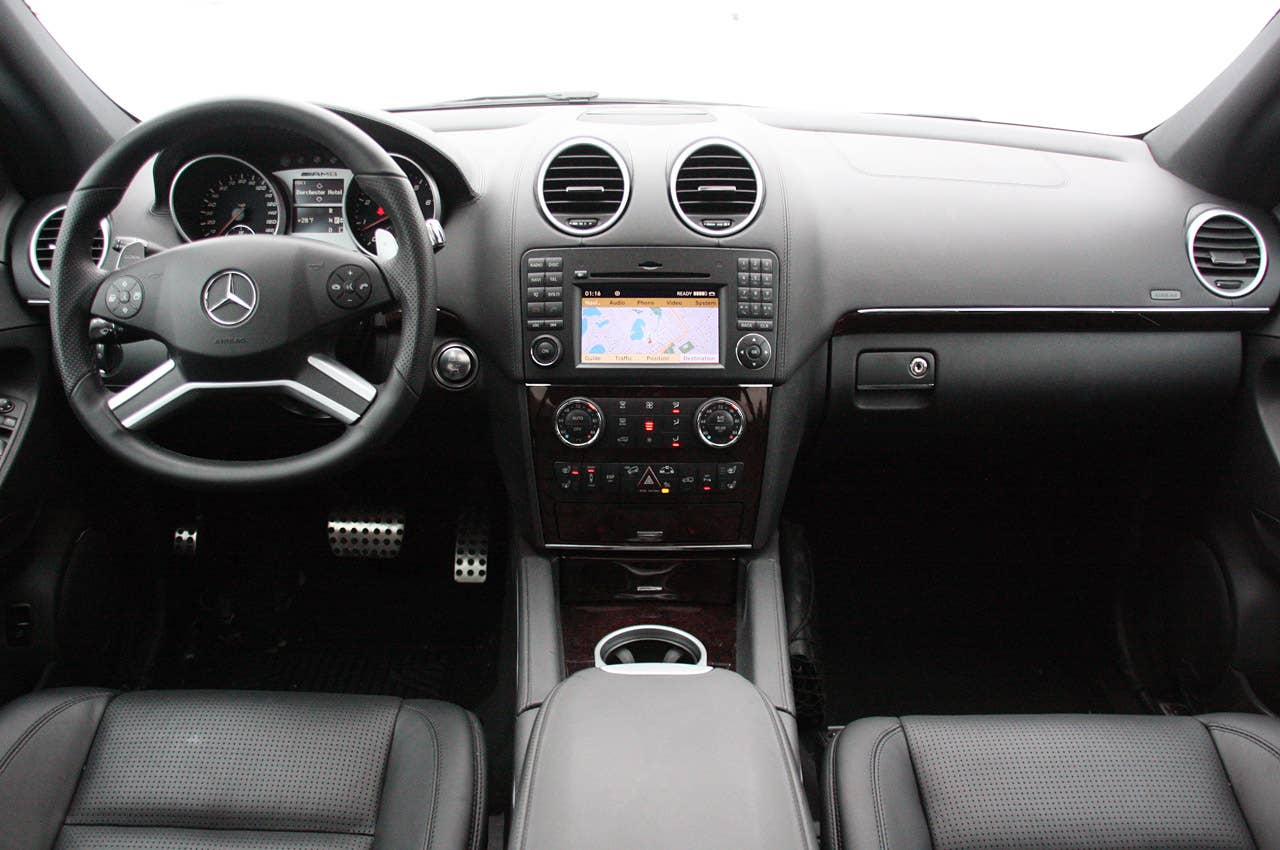
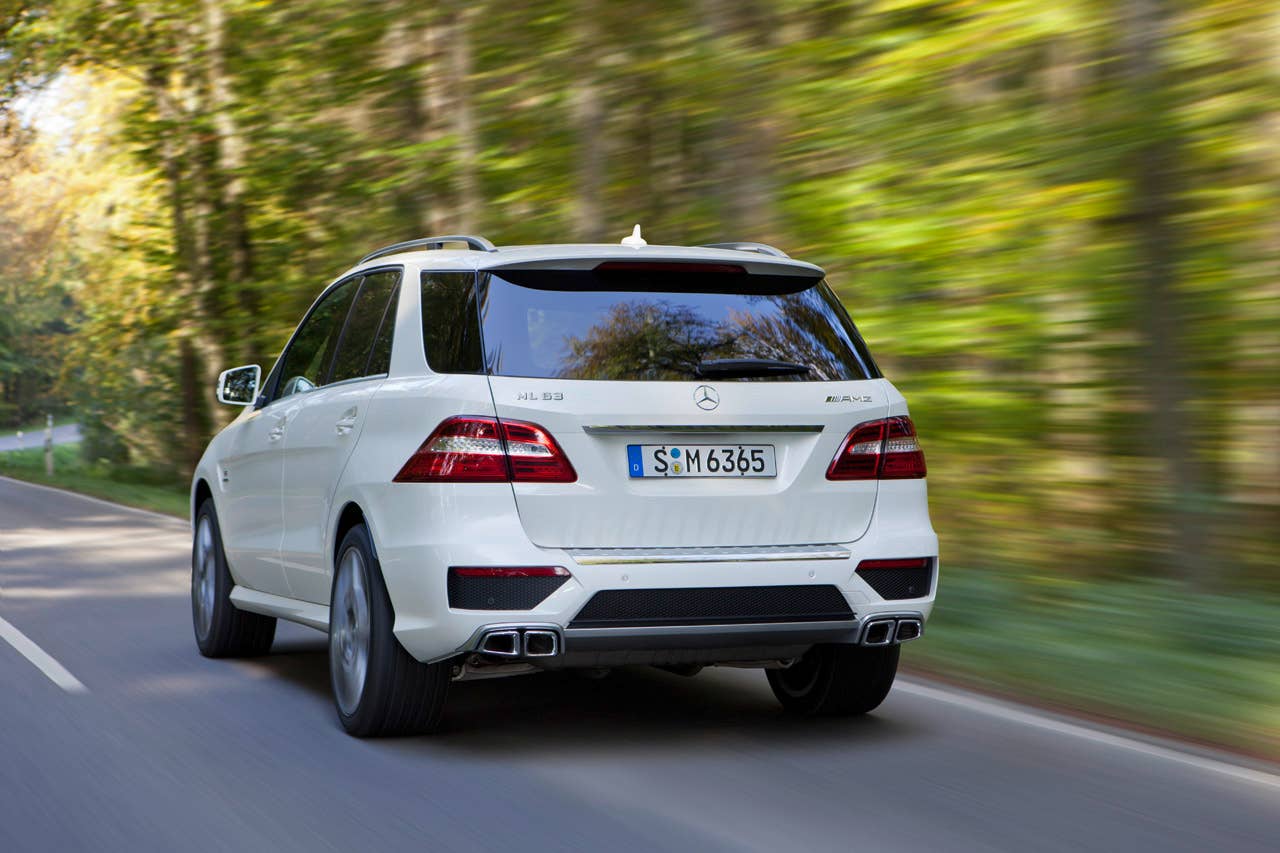
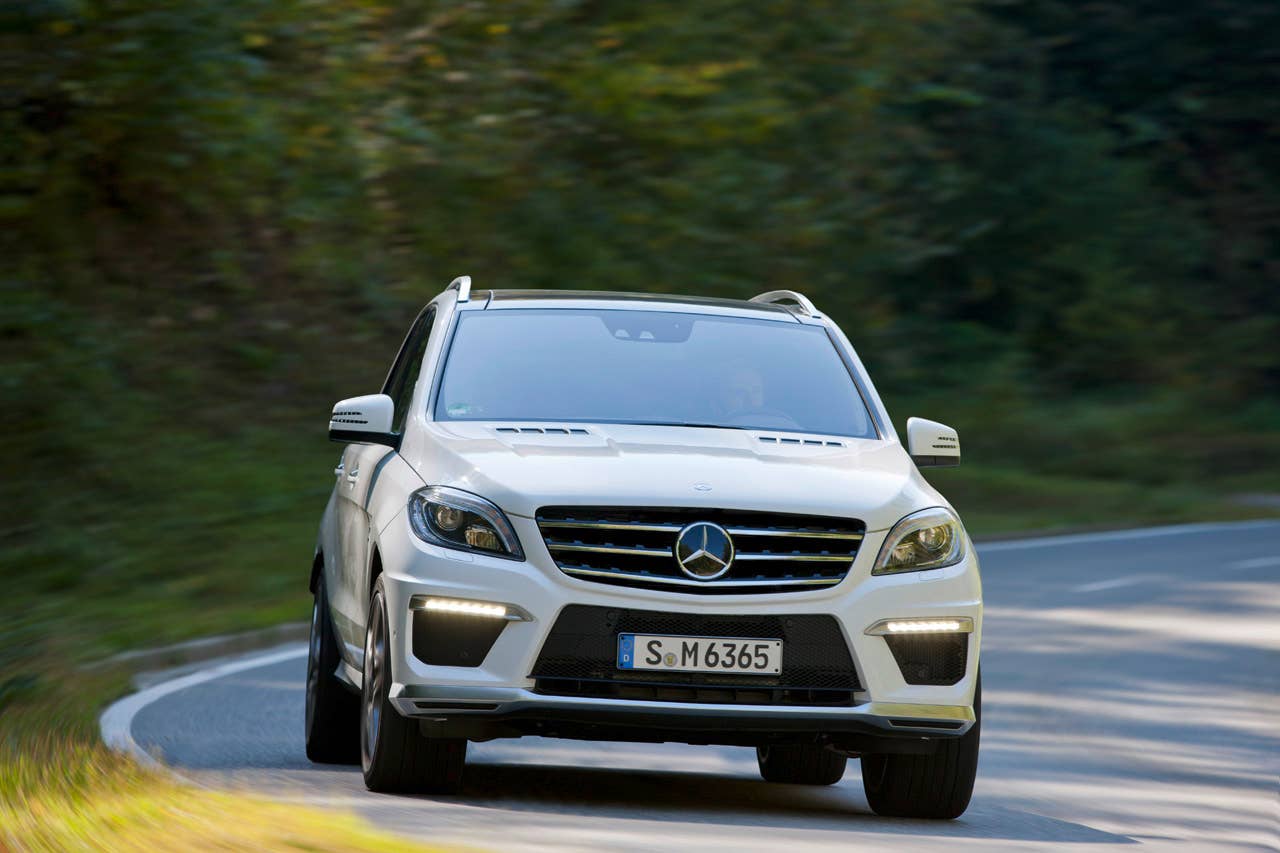
Of course, the Mercedes-Benz ML 63 AMG also has its own set of foibles to worry about. For one, earlier 6.2-liter models need head bolt repairs, which, if not addressed, can catastrophically damage the engine. Shared across both models are expensive steering components and suspension compressors that power the car’s adaptive suspension. As is tradition with older German vehicles, the cooling system will require some monitoring.
Final thoughts
While these super SUVs represent absolutely the best bang for your buck when it comes to performance, things get a lot more complicated if you carry a running total across repairs, maintenance, and upkeep. That $30,000 Toyota RAV4, after all, will leave you with a relatively worry-free drive for the foreseeable future. The same can’t be said for frankly all of the vehicles we cover here. Pay to play, but the play is immensely rewarding. When the vehicle isn’t angrily flashing a check engine light at you, that is.
About the author

Steven Paul
Contributing Writer, Autoblog