
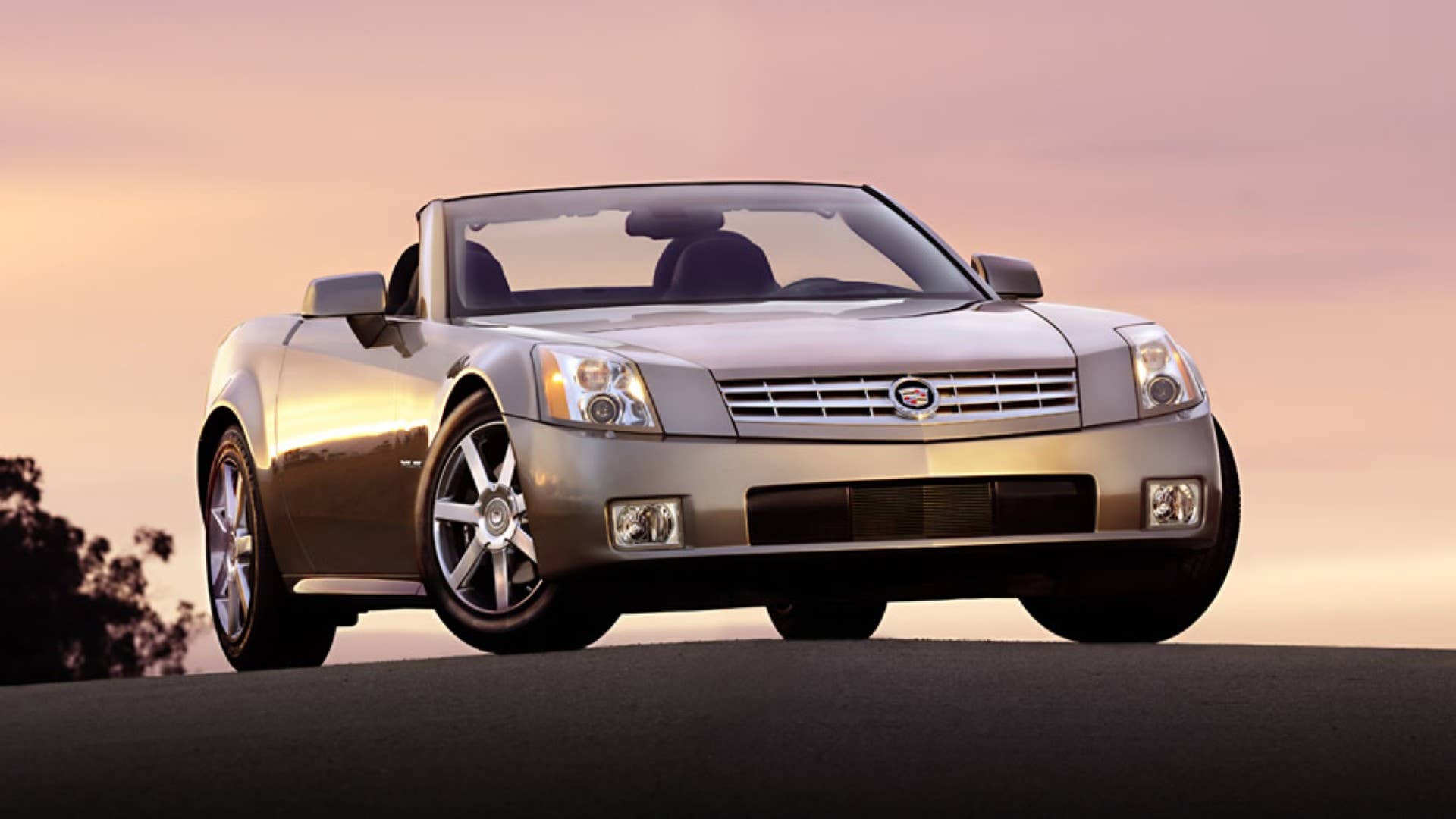
An attempt to revitalize Cadillac
Back in the early 1980s, Cadillac embarked on a journey to improve its brand perception. European rivals were, more or less, leaving the brand in the dust, and Cadillac’s General Manager at the time decided what it really needed was a peerless halo car. The forthcoming Allanté featured an Italian-made body but offered only middling performance. Ultimately, the car cost the company lots of money, selling in only modest numbers. Almost 20 years after the last Allanté rolled out of the factory, Cadillac tried again, and they weren’t willing to make the same mistake twice. This time, the brand’s crown jewel was based on a known quantity: the high-performance C6 Corvette. It was dubbed the XLR.
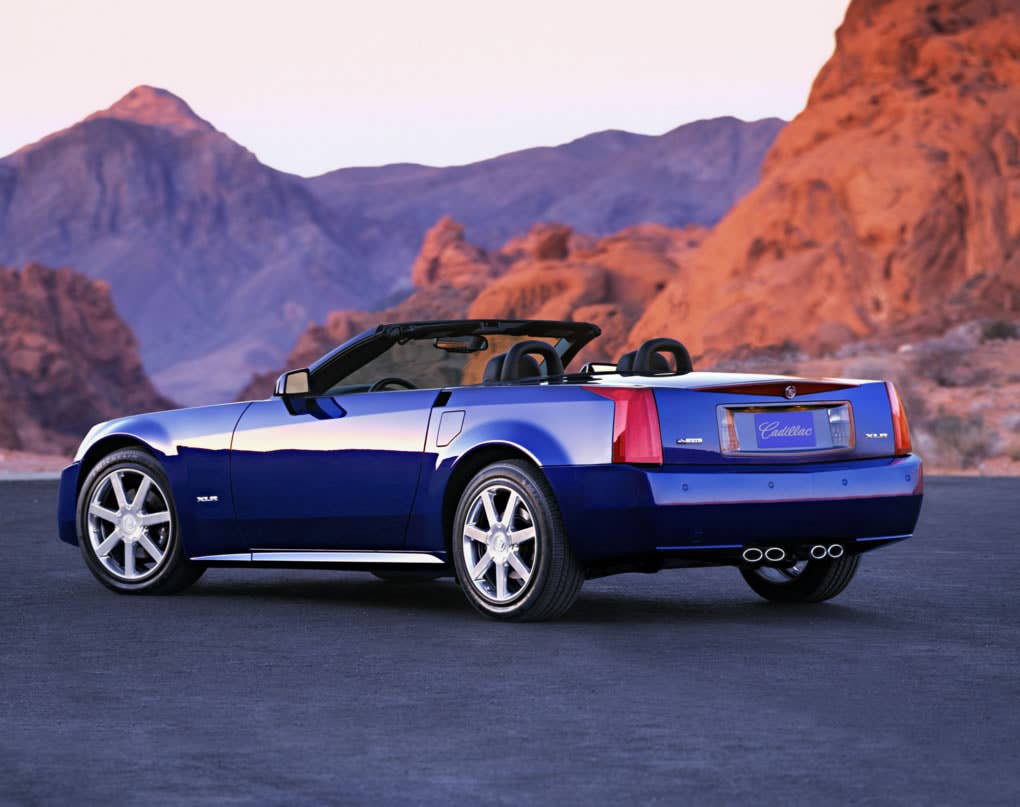
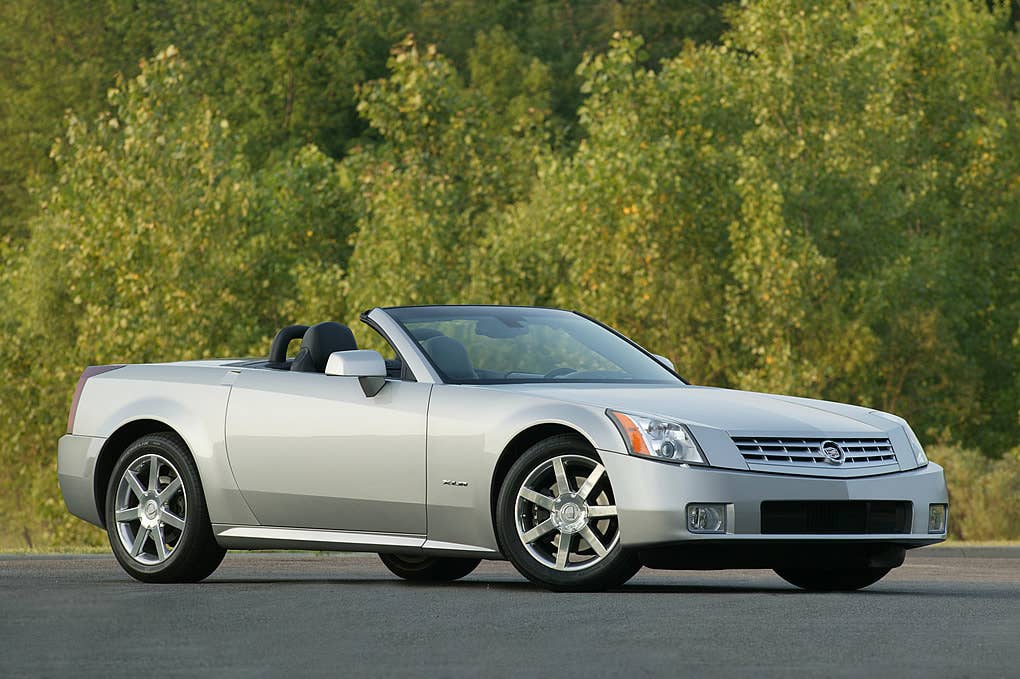
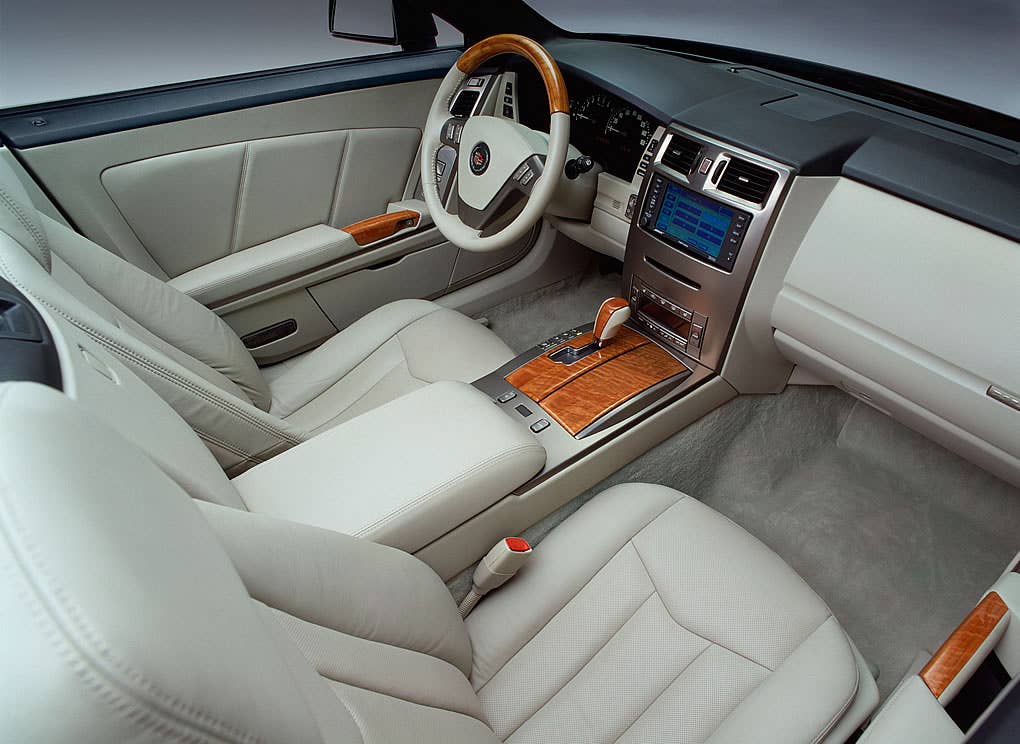
Although Cadillac wisely based the XLR on the contemporary Corvette, it was hardly the same car. The Y-platform chassis underneath the sheet metal was very similar, but the sharing stopped there. The XLR got unique bodywork, a plusher interior, retooled suspension, and — unlike the Vette — a power hardtop. Perhaps most infamously, GM also stuffed a unique powertrain into the XLR. Instead of an LS V8 under the hood, Cadillac opted for a smaller 4.6-liter V8 dubbed the Northstar, and the car became a mash-up of sharp new design and proven dynamics. Why then, can you buy one today for around the price of a used Toyota Camry?
Cadillac
Cadillac XLR prices are bottoming out
The XLR was never, by any stretch of the definition, a sales success. Even with the introduction of a supercharged XLR-V, just over 15,000 examples were produced over the model’s five production years. Despite ending production in 2009, Caddy dealers still sold 13 leftover examples of the XLR in 2011. Despite its relative rarity, the Cadillac XLR never really commanded much on the secondhand market either, and according to a recent Hagerty report, it is still on a downward trajectory almost 16 years later. Hagerty claims the average value of a 2004-2009 Cadillac XLR has dropped 11% in Q3 2025.
Looking at recent sales on auction sites gives a clearer picture. Earlier in October, a 16,000-mile example was bid to around $16,000, but failed to sell. Meanwhile, a 12,000-mile example sold the day before for just $23,000. In June, several examples sold for $22,500 or less. Considering the car’s price started at around $80,000 when new, surely this is the performance and luxury bargain of the century?
GM Media
GM Media
Is the Cadillac XLR the “luxury Corvette” Cadillac wanted it to be?
The Cadilla XLR, as Hagerty said, “occupies this strange space in the enthusiast market.” Despite the car’s Corvette underpinnings, the Northstar engine is strictly a downgrade over the LS. Decreased tunability, an inferior aftermarket in general, and key reliability weaknesses hamper it from enjoying the LS’s ubiquity. No available manual transmission further pigeonholes the XLR into a space far away from many enthusiasts’ radar. It makes less power and weighs more than the Vette, too, which is fine if you’re looking to drop the top and cruise, but it will still turn off some buyers. Even then, if that’s your goal, there are several cheaper ways to get that experience.
Final thoughts
Ultimately, the XLR isn’t the “luxury Vette” that Cadillac wanted it to be. We think the CTS-V, an otherwise fairly pedestrian sedan that touted a Vette-sourced powertrain, is the real holder of that title. That said, the Cadillac XLR is a lot more interesting than most cars at the $25,000 price point. It’s a cool piece of history that probably won’t make anyone’s list of “cars to buy as an investment,” but it might make for some good memories on the road.
About the author

Steven Paul
Contributing Writer, Autoblog