
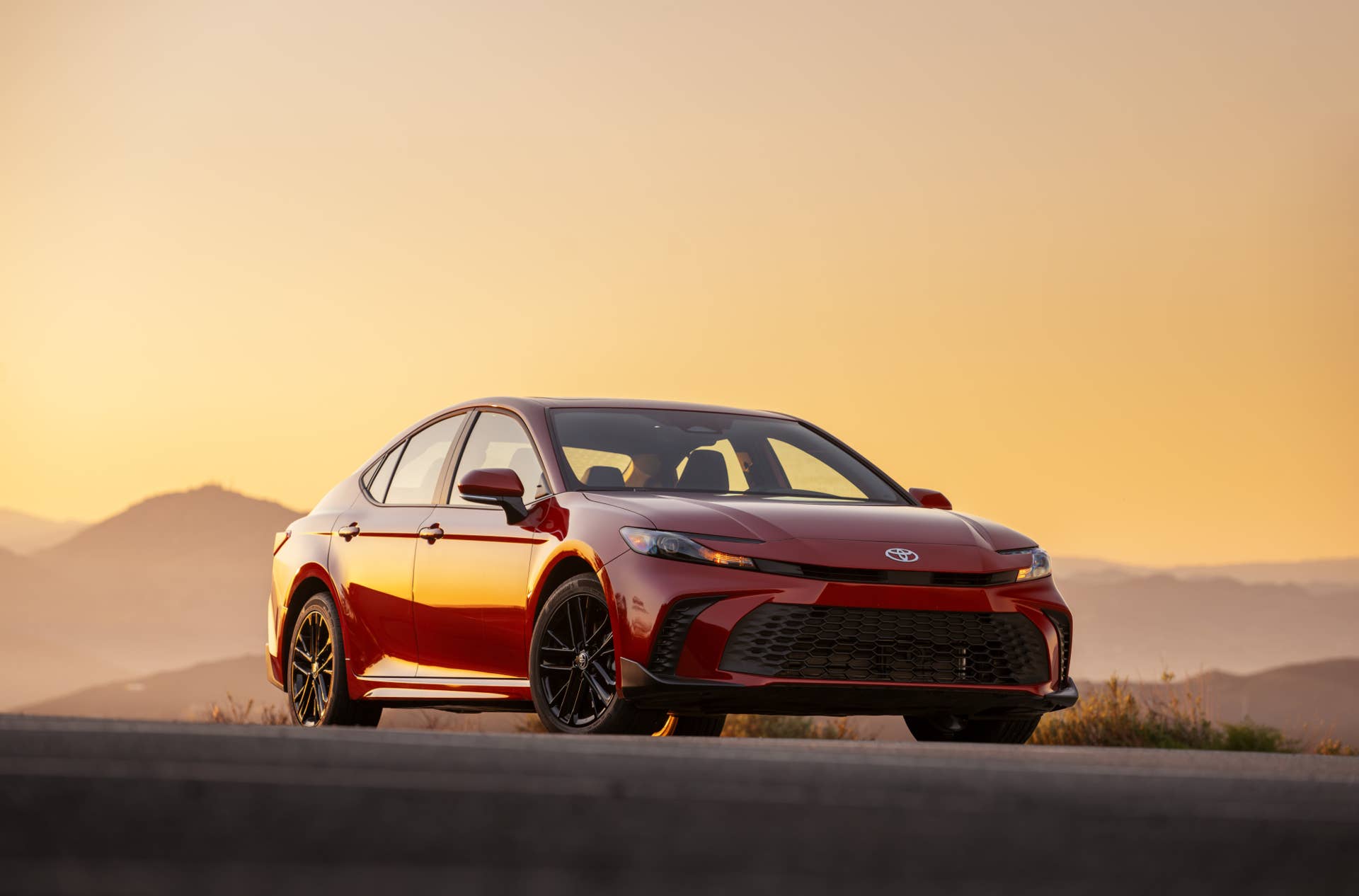
Every Camry sold in 2026 is a hybrid. Toyota killed the base four-cylinder and the V-6 in one stroke, replacing them with a 2.5-liter Atkinson-cycle engine paired with electric motors, producing 225 horsepower in front-wheel-drive form and 232 with all-wheel drive. The result is a midsize sedan that returns up to 51 mpg combined on the base LE, costs under $29,000 to start, and can travel 686 miles on a single tank of 13.2 gallons of regular unleaded. In a market obsessed with electrification and six-figure trucks, the Camry quietly does the thing most vehicles promise, but few deliver: it costs almost nothing to run.
Toyota
Six cents, regular unleaded, no outlet required
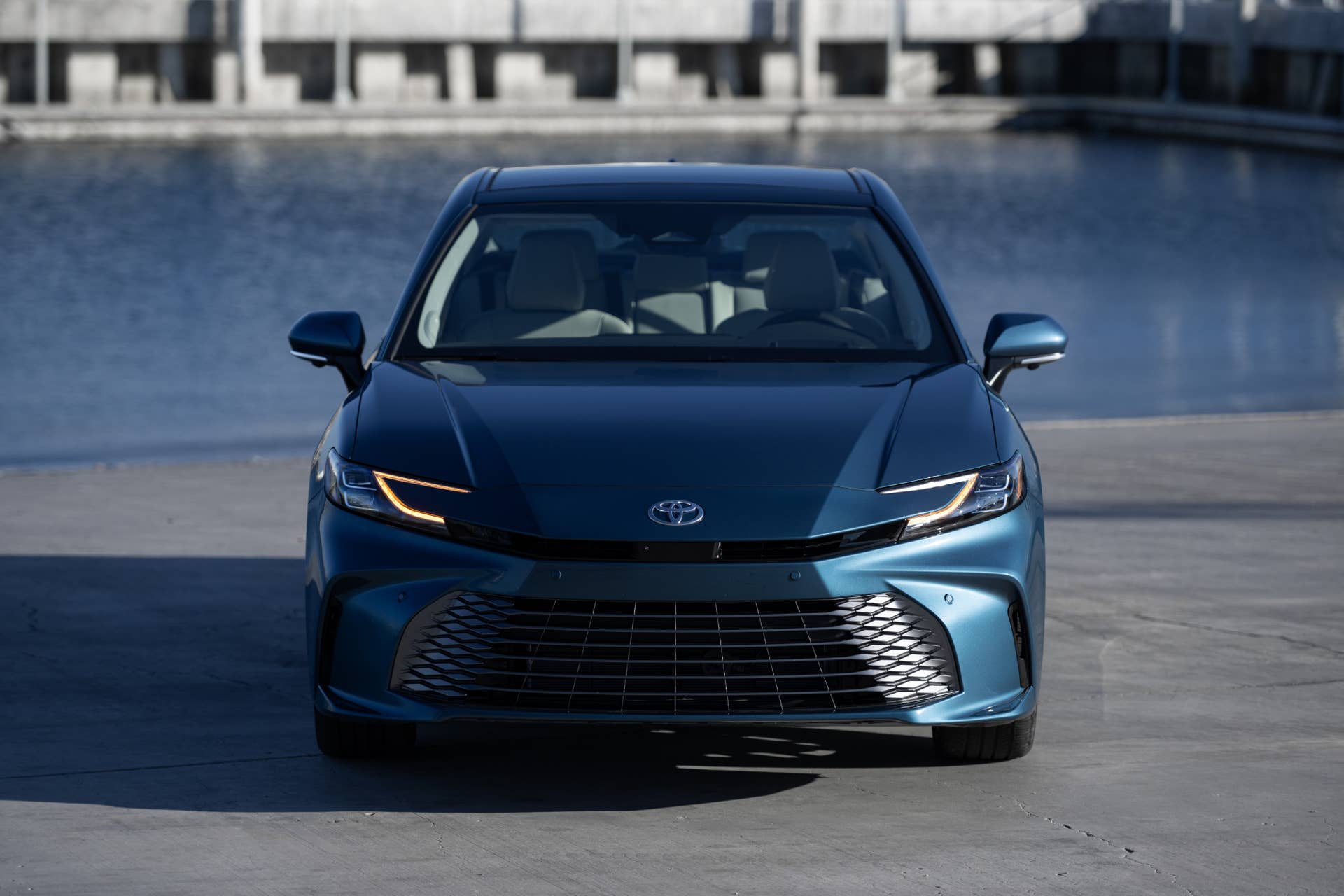
The 2026 Camry LE with front-wheel drive achieves EPA ratings of 53 city, 50 highway, and 51 combined. Even the sportier SE and XSE trims, riding on larger 18- and 19-inch wheels that drag efficiency down, manage 47 mpg combined. The AWD models range from 44 to 50 mpg combined, depending on trim. At $3.08 per gallon (the national average as of late 2025) and 47 mpg combined for the mid-range trims, the Camry costs approximately 6.6 cents per mile to fuel. The base LE at 51 mpg drops that to about 6 cents per mile. Even the thirstiest AWD XSE at 44 mpg combined runs roughly 7 cents per mile. For context, the average American sedan costs about 9 to 11 cents per mile on gasoline. The average cost of EV charging at home is about 4 to 5 cents per mile.
Toyota
The $12,581 haircut that other sedans would kill for
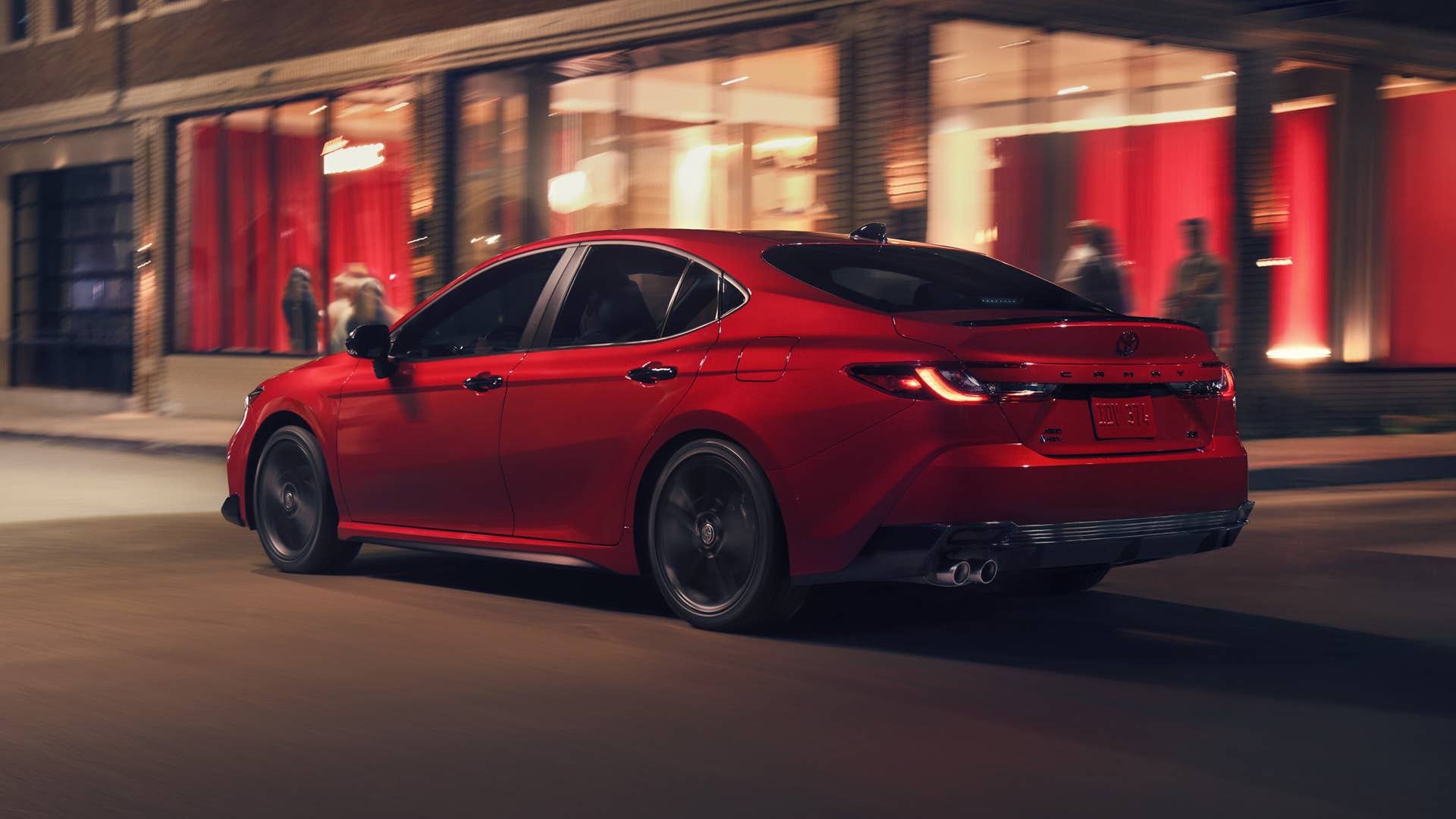
The Camry depreciates because all cars depreciate. But it does so at a pace that’s meaningfully slower than most of its competitors and dramatically slower than any popular EV sedan. CarEdge estimates a typically equipped Camry sells for about $34,869 new and retains a residual value of roughly $22,288 after five years, representing depreciation of approximately $12,581. iSeeCars data puts the five-year depreciation at 37.7%, well below the overall vehicle average of 41.5% and substantially better than the 55-60% most electric sedans lose over the same period. Over 67,500 miles, that $12,581 in depreciation translates to about 19 cents per mile. Most midsize sedans land between 20 and 25 cents. Most EVs in the same price bracket run about 30 to 40 cents per mile.
Toyota
The maintenance bills rarely register
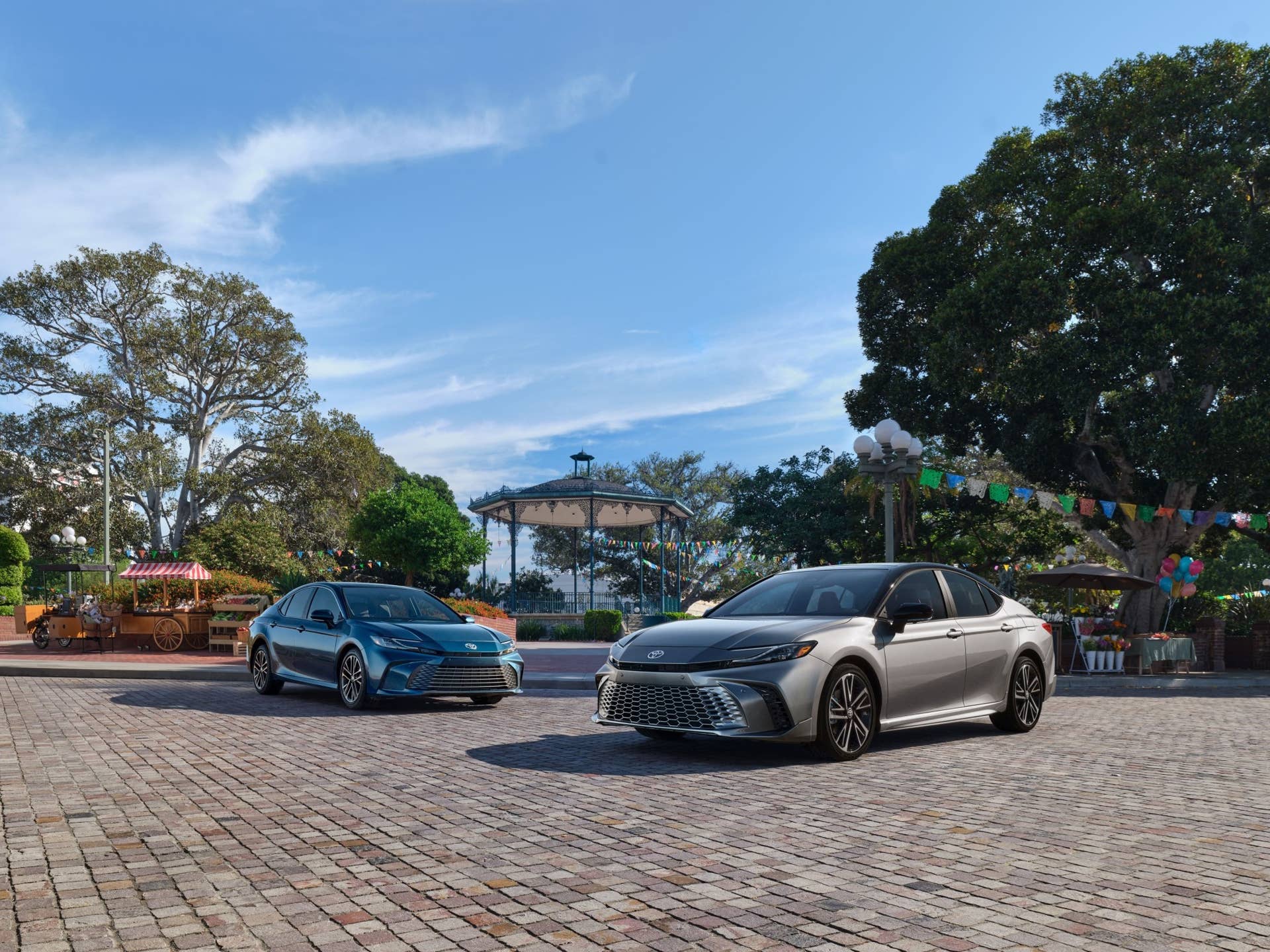
KBB estimates the 2025 Camry’s annual maintenance cost at approximately $893, totaling $4,467 over five years. CarEdge puts that figure lower at roughly $1,512 over five years, or about $302 per year. Edmunds’ True Cost to Own data lands maintenance at $3,567 and repairs at just $773 over the same period. The spread between these sources reflects different assumptions about tire costs, unscheduled maintenance, and whether hybrid-specific service (like eventual battery coolant changes) is included. But even at the highest estimate, the Camry’s maintenance costs sit comfortably within the norm for a conventional sedan and compare favorably with those of vehicles across every powertrain type.

Toyota
Tires are refreshingly straightforward. The Camry rides on conventional all-season rubber that costs $500 to $900 per set installed and lasts 40,000 to 60,000 miles under normal driving. Per-mile maintenance and tire cost combined: roughly 3 to 5 cents per mile. That’s among the lowest figures for any new vehicle on sale in 2026.
Every actuary’s favorite sedan
CarEdge estimates average annual insurance for the Camry at $2,048, totaling $10,240 over five years. Edmunds data puts the five-year insurance cost at $7,631 for the base LE. KBB’s range for five years is $4,000 to $7,000, depending on trim, driver profile, and location. Using the CarEdge figure of $2,048 per year, the Camry costs about 15 cents per mile to insure over 13,500 miles per year. The national average for full-coverage insurance across all vehicles is roughly $2,500 to $2,700 per year, which means the Camry comes in 20 to 25% below the benchmark. EVs and luxury sedans in the same price range typically cost $3,000 to $5,000 per year to cover.
Toyota
Fifty cents a mile, everything included
For a Camry SE FWD owner who drives 13,500 miles per year and keeps the car for five years: Fuel: about 6.5 cents per mile. Depreciation: about 19 cents per mile. Insurance: about 15 cents per mile. Maintenance and tires: about 4 cents per mile. Financing, taxes, and registration: roughly 5 to 7 cents per mile. Total cost of ownership: approximately 50-52 cents per mile. For a vehicle that seats five adults, delivers 225 horsepower, and comes standard with Toyota Safety Sense 3.0, including adaptive cruise control, lane departure alert, and automatic emergency braking, that per-mile figure is extraordinarily competitive. Very few new vehicles on sale today can match it, and the ones that do tend to sacrifice space, features, or resale value to get there.
The verdict
The 2026 Toyota Camry might be the cheapest car to own per mile, at roughly 50 miles per mile all in. It delivers fuel economy that approaches EV territory at 6 to 7 cents per mile on regular gasoline, depreciates slower than the segment average, and can be serviced at any shop in any town in America.
About the author

Kyle Edward
Editor-in-Chief, Autoblog