
Decoding the 2026 Wrangler-Bronco comparison
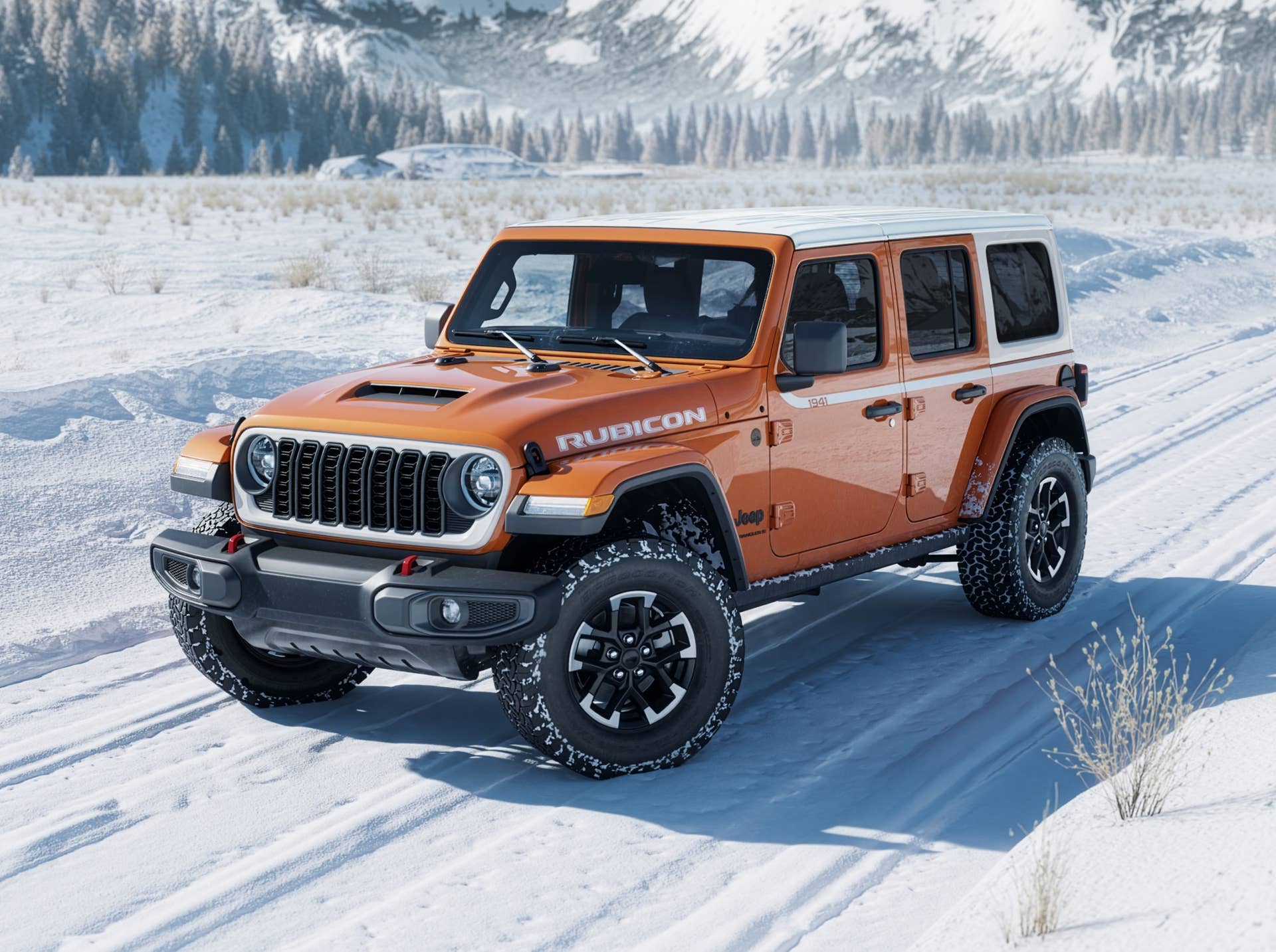
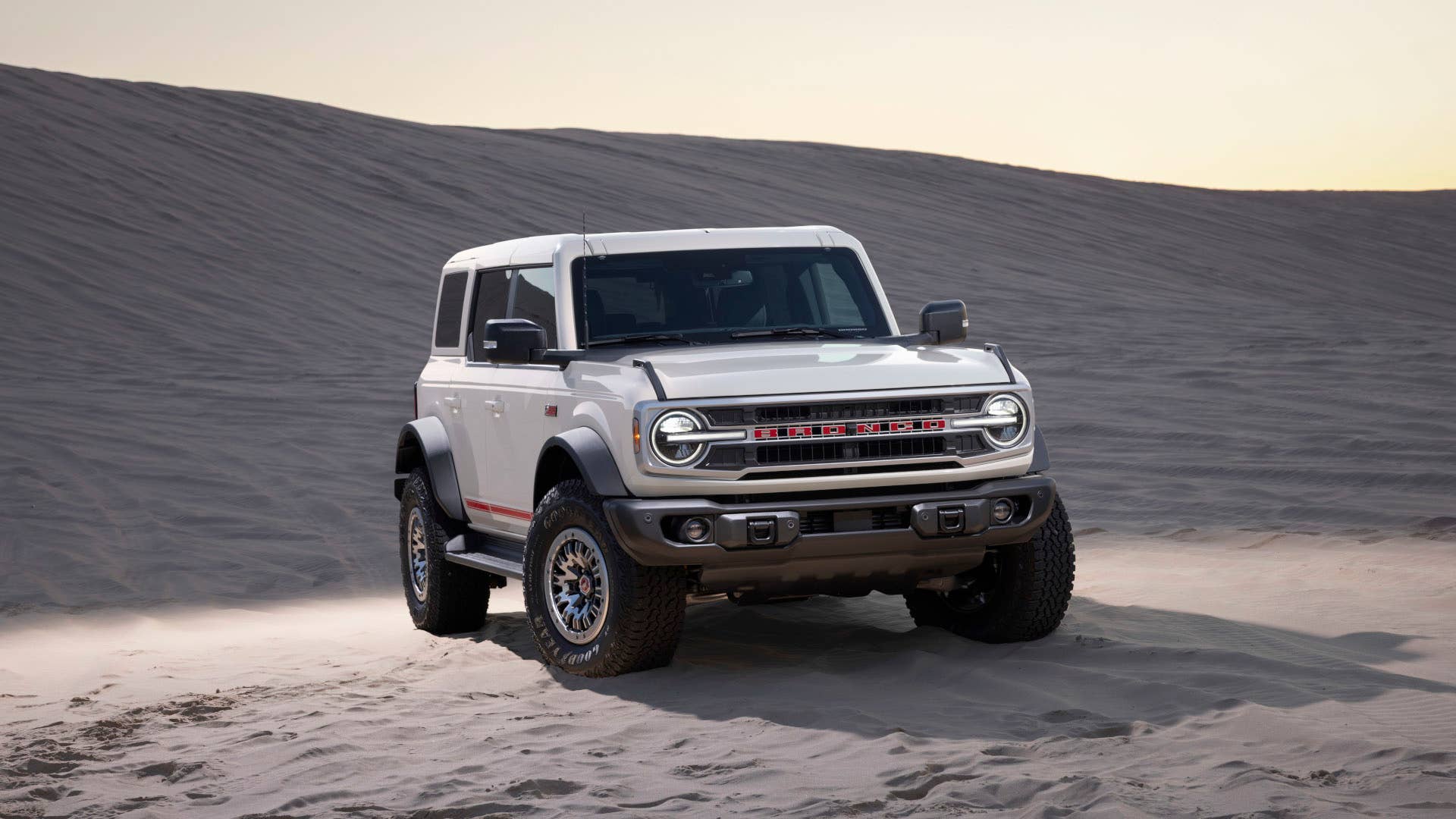
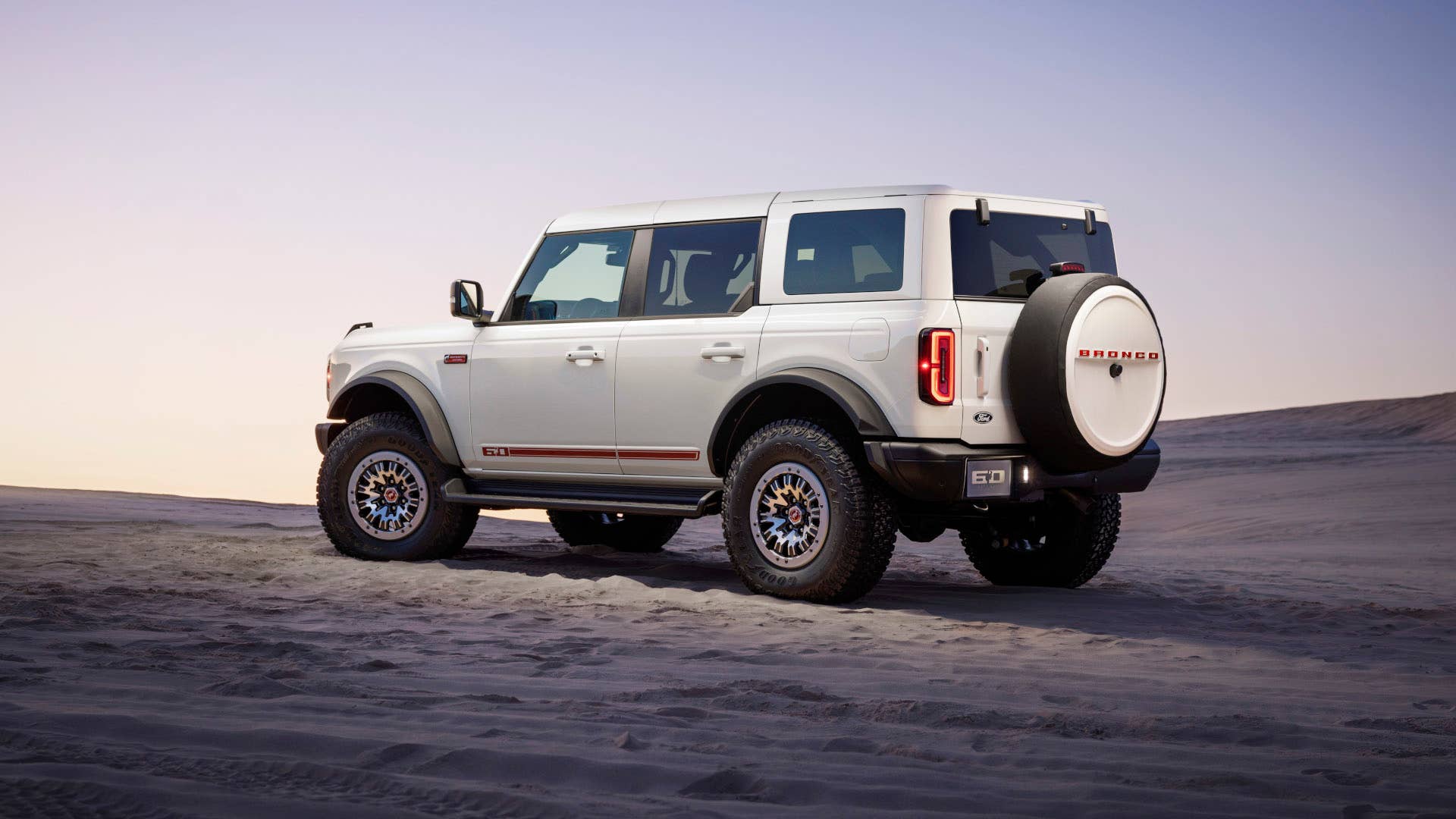
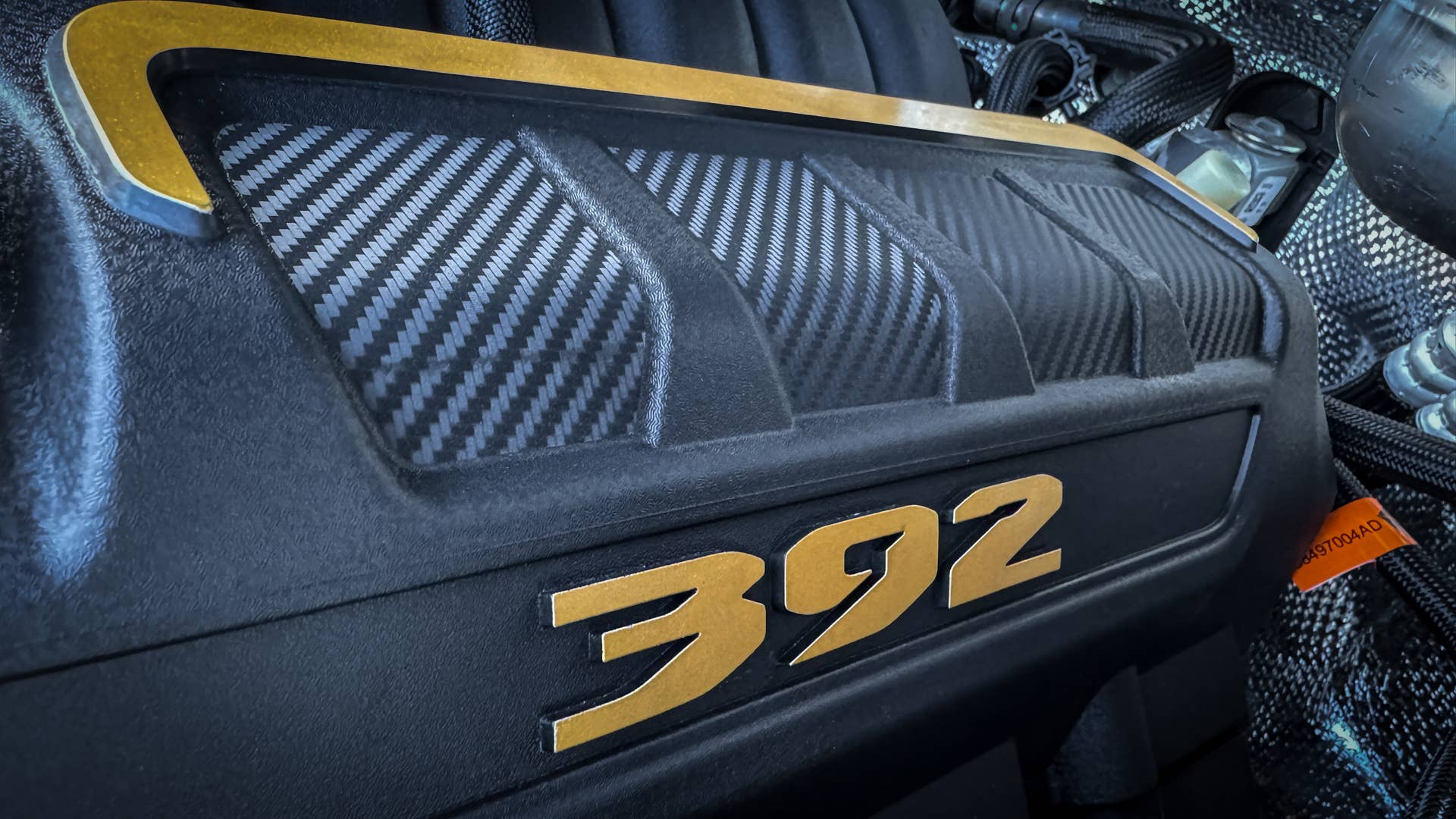
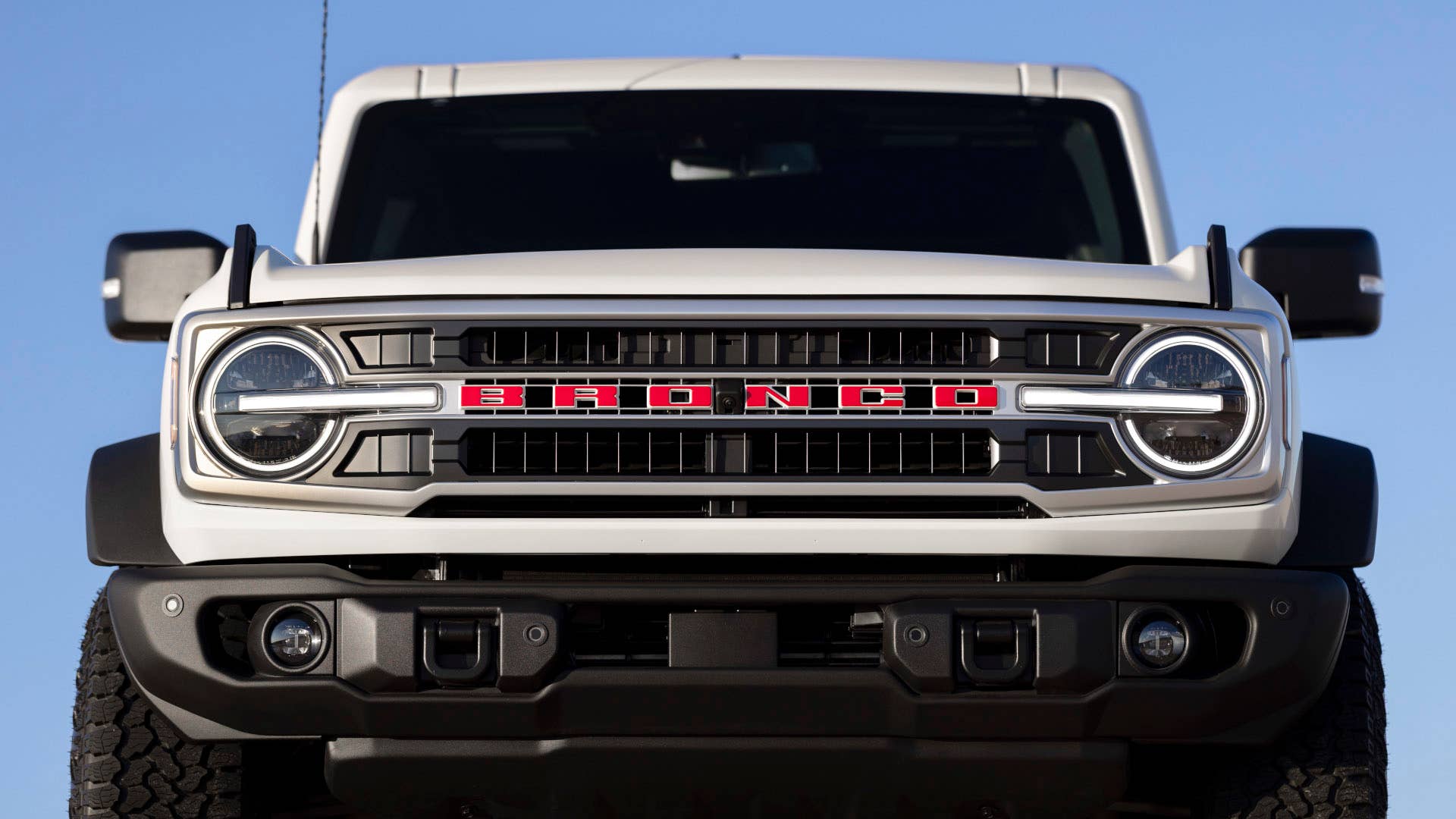
The Jeep Wrangler and Ford Bronco stand out within the mid-size SUV market, but determining which is the better buy in 2026 isn’t so clear-cut. The Wrangler is dropping 12 special-edition 2026 models, released monthly, starting with the Moab 392 and Whitecap. The Moab 392, mirroring last year’s Rubicon 392, anchors its appeal in trim-exclusive badging and a removable body-color top. In comparison, the Whitecap leads with white exterior details and a white roof. Using the Sasquatch-equipped Outer Banks trim, Ford will mark the Bronco’s 60th anniversary with a Wimbledon White/Vermilion Red model boasting “60” and Bronco badging inside and out.


While Jeep is releasing a wider range of special edition Wranglers for 2026, the Bronco has several unique strengths. Below is a feature-focused breakdown of the 2026 Wrangler and Bronco, exploring performance, interior amenities, connectivity, and safety to guide your SUV choice.
Design and character spotlight
ND Adlen
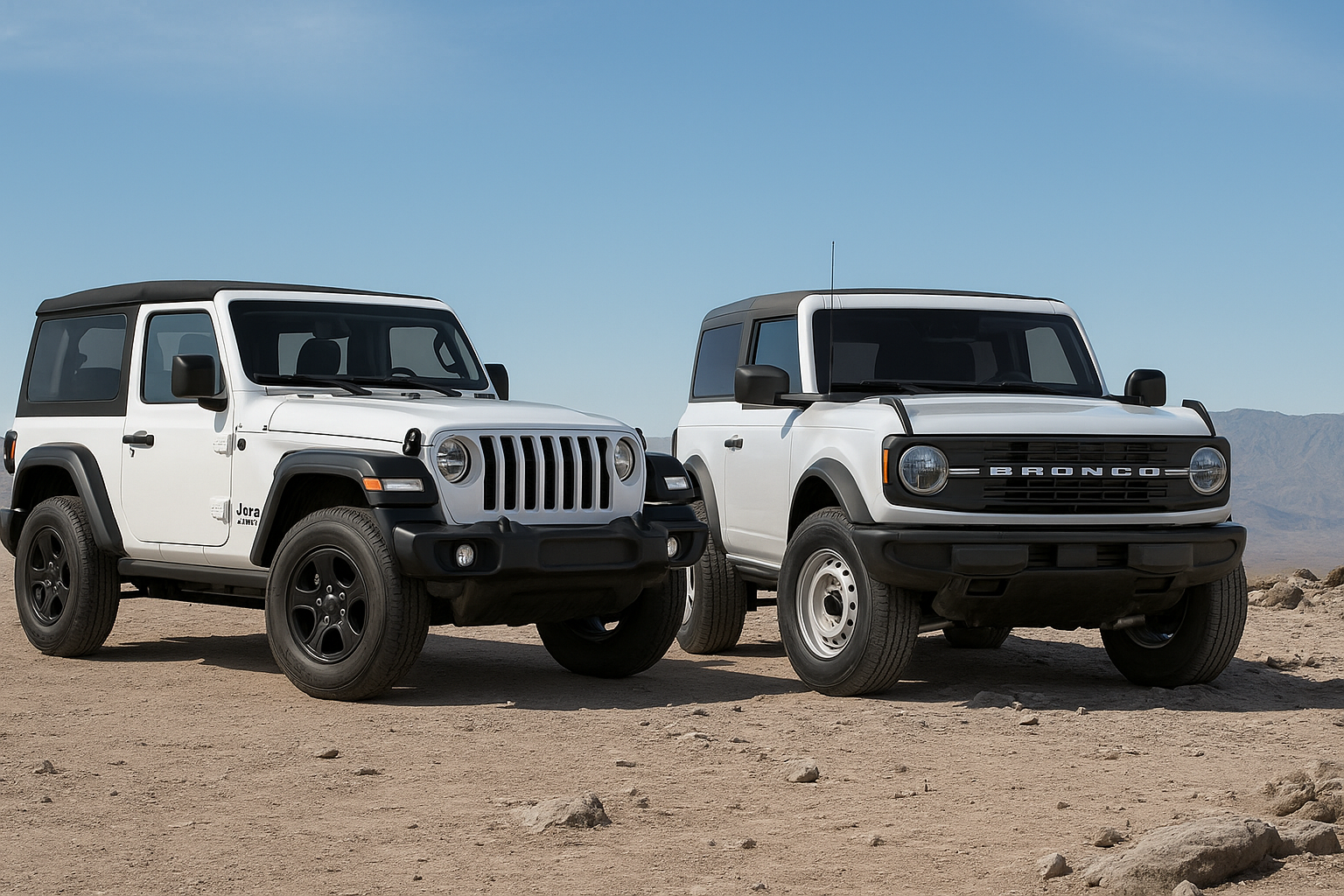
Jeep and Ford place emphasis on special-edition Wranglers and Broncos, since design and character broadly define these vehicles’ appeal. The Wrangler’s design leans into its legacy, rooted in military history and a boxy profile, while the Bronco strikes a balance between modern styling and its 1960s debut. Urban drivers who feel like the Wrangler’s design is somewhat dated might prefer the Bronco, whereas those seeking no-nonsense utility and tradition are likely better off in a Wrangler. Still, the Bronco’s 60th Anniversary Edition gives Bronco fans seeking more retro elements what they’re looking for with elements like two-tone paint schemes and a front grille with iconic vertical slats.
Where the Wrangler and Bronco part ways on pavement
While excelling in off-roading, the Wrangler’s on-road performance doesn’t fully satisfy daily driving needs with its vague steering, and bumps create more of a jolt in the two-door version than the four-door. Those who have driven Wranglers for years can recognize improvements in the model’s handling, especially in steering responsiveness and reduced body roll. However, the Wrangler rides stiffer than the Bronco.
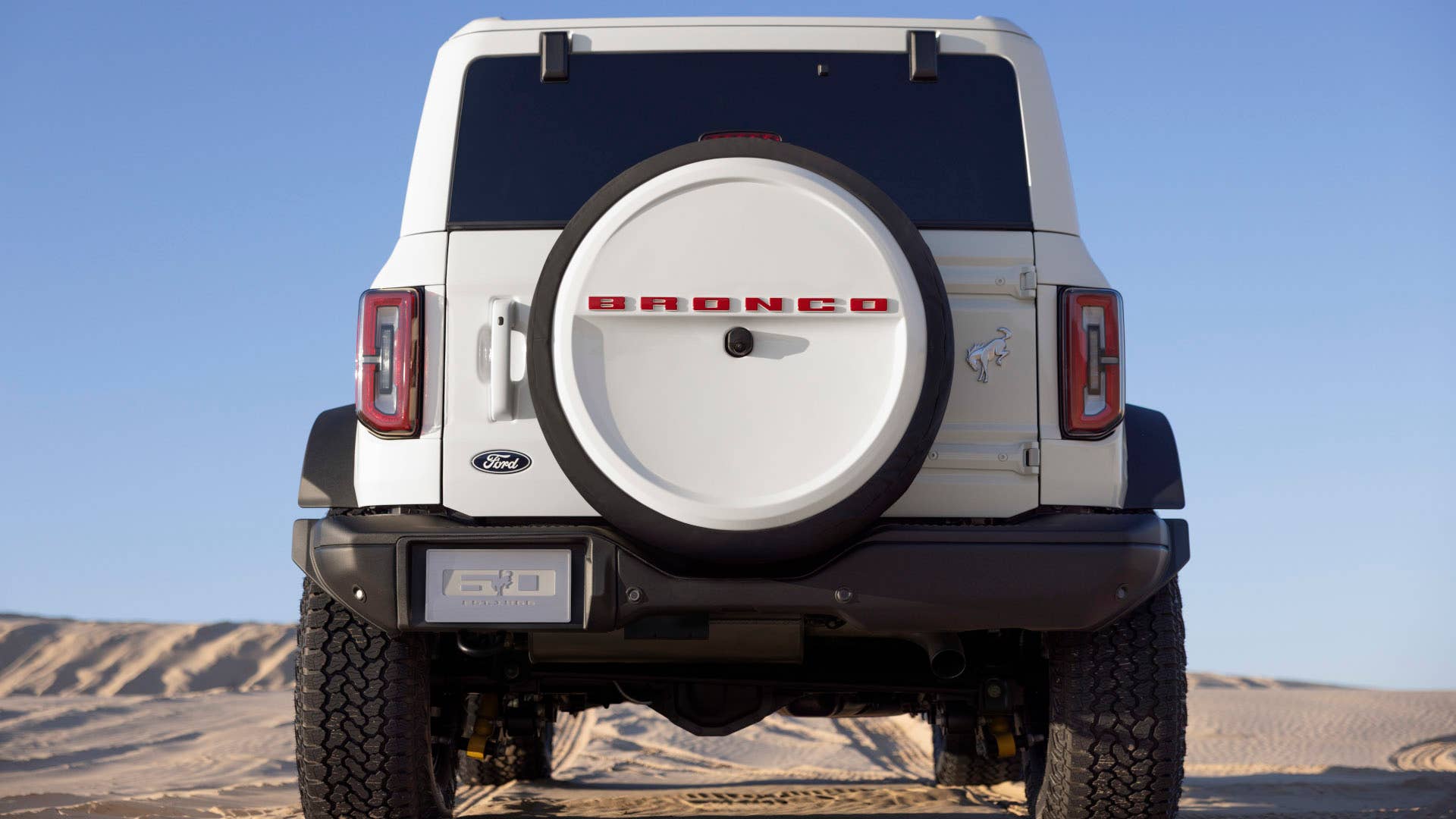
One area where both the Wrangler and Bronco fall short is wind noise on highways, but the Bronco pulls ahead in on-road comfort and daily use, thanks to more precise steering, helped in part by its independent front suspension. In contrast, the Wrangler’s live front/rear axles prioritize off-road articulation and durability, requiring more driver work on the road to remain steady.
Jeep
The Wrangler rules in standard off-road value
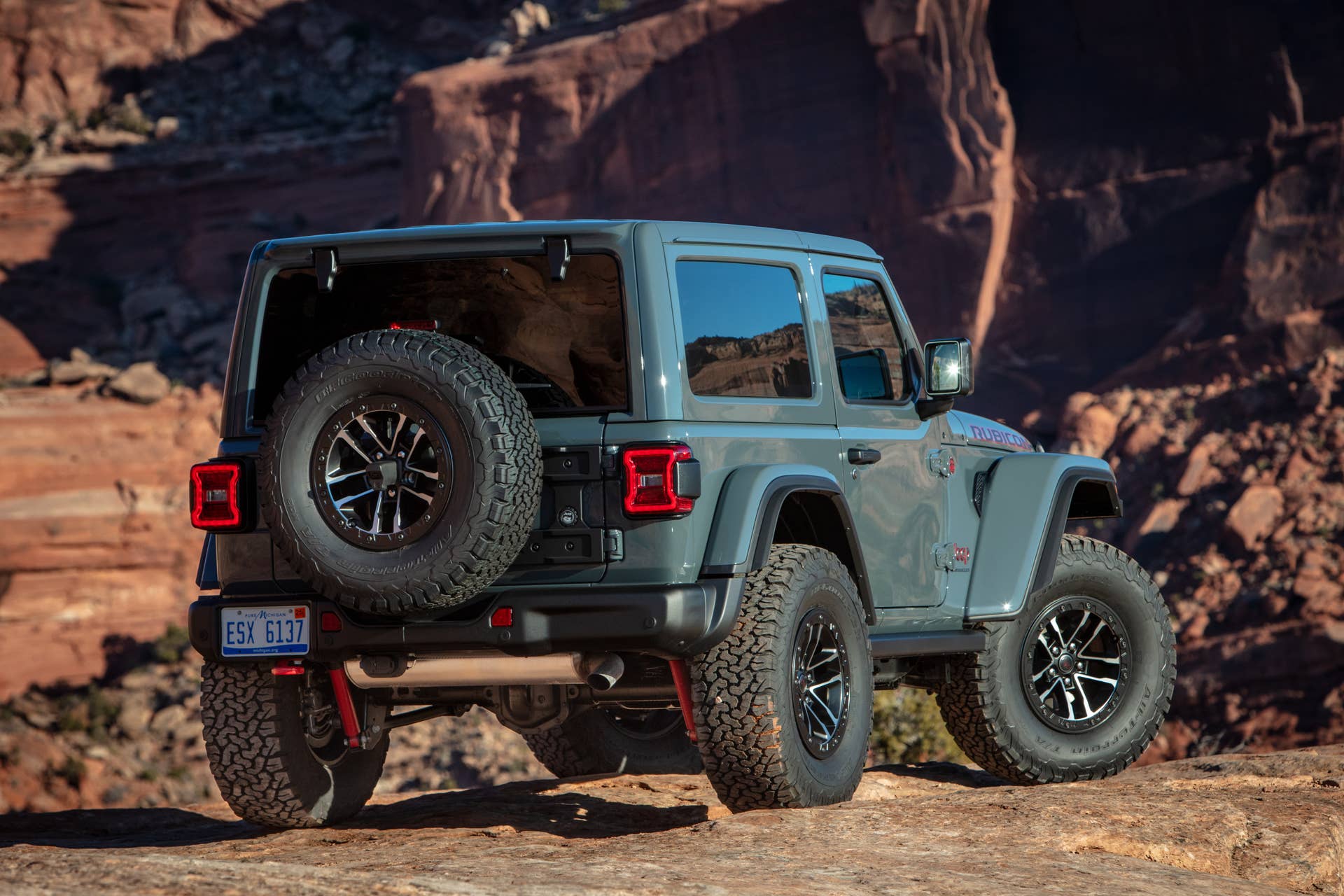
Where the Wrangler’s mechanical simplicity falls short in supplying on-road comfort, it boasts superior off-road capability over the Bronco. Live front/rear axles allow the Wrangler to deliver unmatched flex on uneven terrain, maximizing tire contact for better traction. Additionally, the 2026 Wrangler delivers 470-maximum horsepower via an available 6.4L V8 engine, while the Bronco maxes out at 418 horsepower with the available 3.0L EcoBoost V6.
If you’re a tech-oriented driver, you may be willing to sacrifice the Wrangler’s live front/rear axles for the Bronco’s more advanced off-road tech. The 2026 Bronco features available GOAT (goes over any type of terrain) modes. GOAT modes unlock off-road, rock crawl, Baja, and rally modes, combining them into a rotary dial and reducing manual adjustments on individual switches, which are more prevalent in the Wrangler. The Bronco also offers optional trail turn assist, reducing the turning radius on loose off-road surfaces at speeds under 12 mph. Still, it’s essential to recognize that these features are upgrades, while the Wrangler’s live front/rear axles are standard.
The Bronco’s interior usability shines
The 2026 Ford Bronco trumps the Wrangler in cargo space, both in its 2-door and 4-door configurations, which is an especially significant consideration for families. In a 2-door Bronco, you’ll receive 22.4 cu ft of cargo room behind the second row and 52.3 cu ft with the seats folded. In comparison, a 2-door Wrangler offers 12.9 cu ft and 31.7 cu ft, respectively of whether the seats are folded down or not. When selecting a 4-door Bronco, cargo storage increases to 38.3 cu ft and 83 cu ft, while the Wrangler still lags at 31.7 cu ft and 72.4 cu ft.
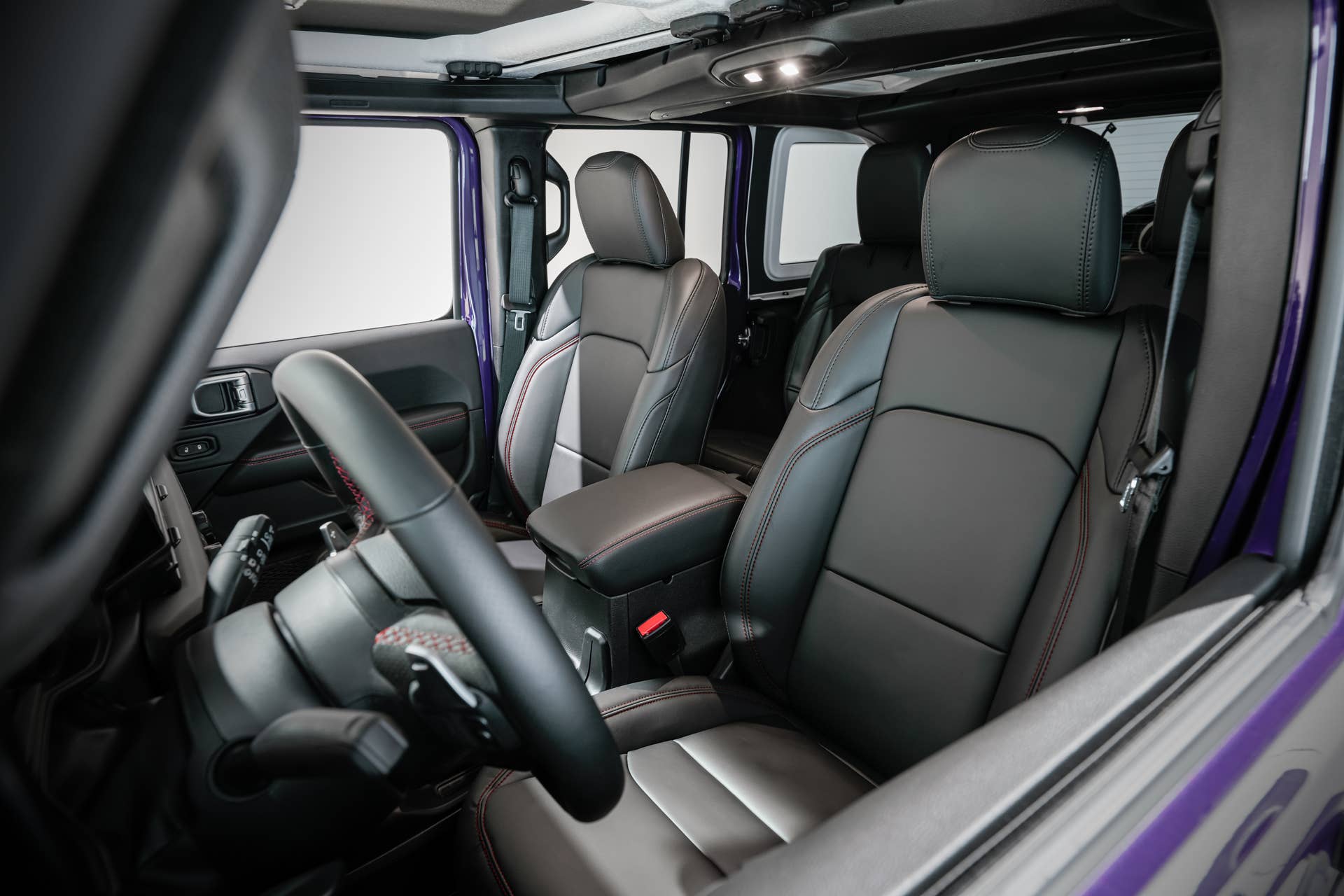
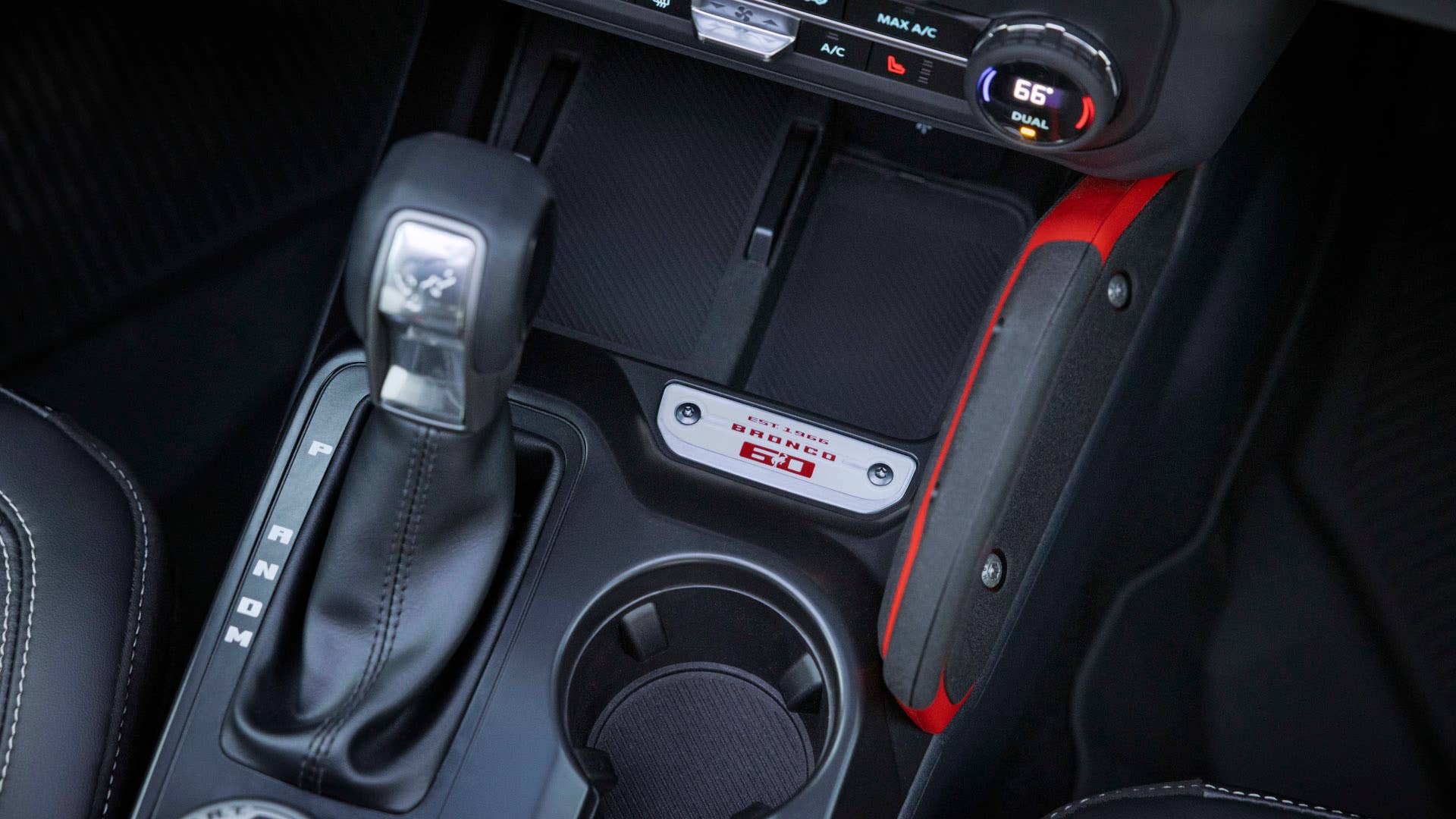
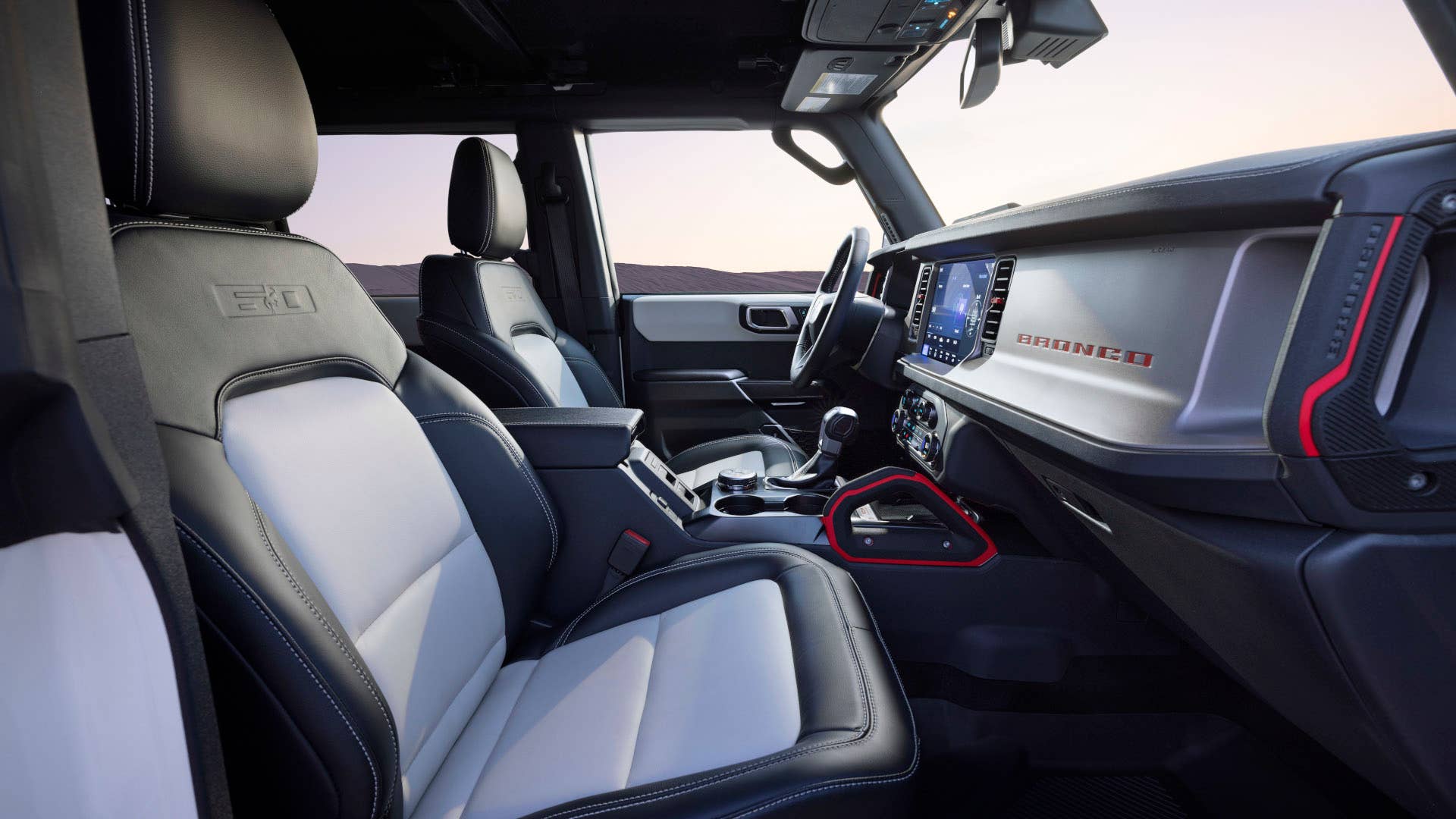
Regarding legroom, you’ll get slightly more space in the first row of a Bronco, both 2-door and 4-door, but 4-door Wranglers take the lead in overall legroom. Since legroom is more neck-and-neck, the Bronco’s driver-centric layout is the tiebreaker in this category. The Wrangler’s exposed physical switches reflect its rugged heritage, but all it takes is one look at the Bronco’s interior to recognize you’ll do less searching.
Final thoughts
The Bronco’s advantages do come at a cost, as this model’s base price is $40,495 for 2026, which is $5,600 more than the Wrangler’s entry-level trim. However, the higher starting price is justified in more ways than one, and that’s why we’re recommending the Ford Bronco as the better buy. The 2026 Bronco’s upfront cost gives you greater on-road driving comfort, increased front-row legroom, more rear cargo space, and higher tech capability. You’ll also receive more standard power, as the Bronco Base delivers 300 horsepower and 325 lb-ft of torque, while an entry-level Wrangler produces 285 horsepower and 260 lb-ft of torque. Be sure to test drive the Ford Bronco and the Jeep Wrangler before making a purchase.
About the author

Cody Carlson
Contributing Writer, Autoblog