
Which Ioniq 5 trim delivers the best value?
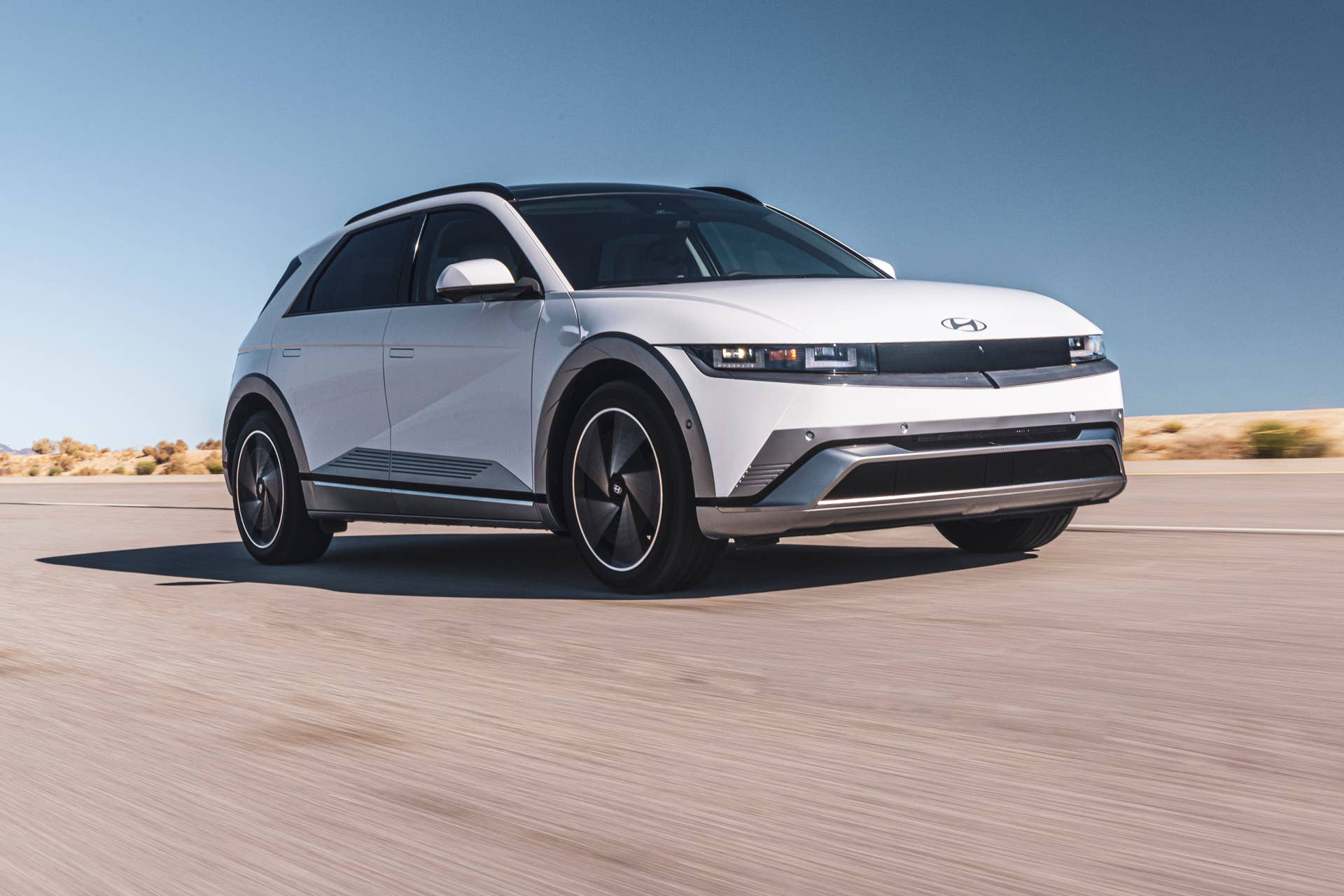
The Ioniq 5 has proceeded to become Hyundai’s best-selling electric vehicle (EV). While public interest in this compact crossover SUV is high, its relatively recent 2022 model-year debut can lead to limited familiarity with its five trims. Below is an analysis of the 2026 Hyundai Ioniq 5’s lineup, prioritizing features and in-cabin amenities, to help inform your buying decision. The Ioniq 5 will receive a mid-cycle refresh in 2026. This facelift includes Hyundai adding a charging cable compatible with Level 1 and Level 2 charging, expanded color selections, such as new Sage Silver Matte, and significant price reductions compared to last year’s model. Along with Sage Silver Matte, the Ultimate Red and Cosmic Blue Pearl shades that were previously limited to the Ioniq 5 XRT trim are now available throughout the lineup. Keep reading for more information on what each 2026 Ioniq 5 trim level offers.
Performance comparison: Ioniq 5 SE Standard Range – $35,000 / Ioniq 5 SE – $37,500
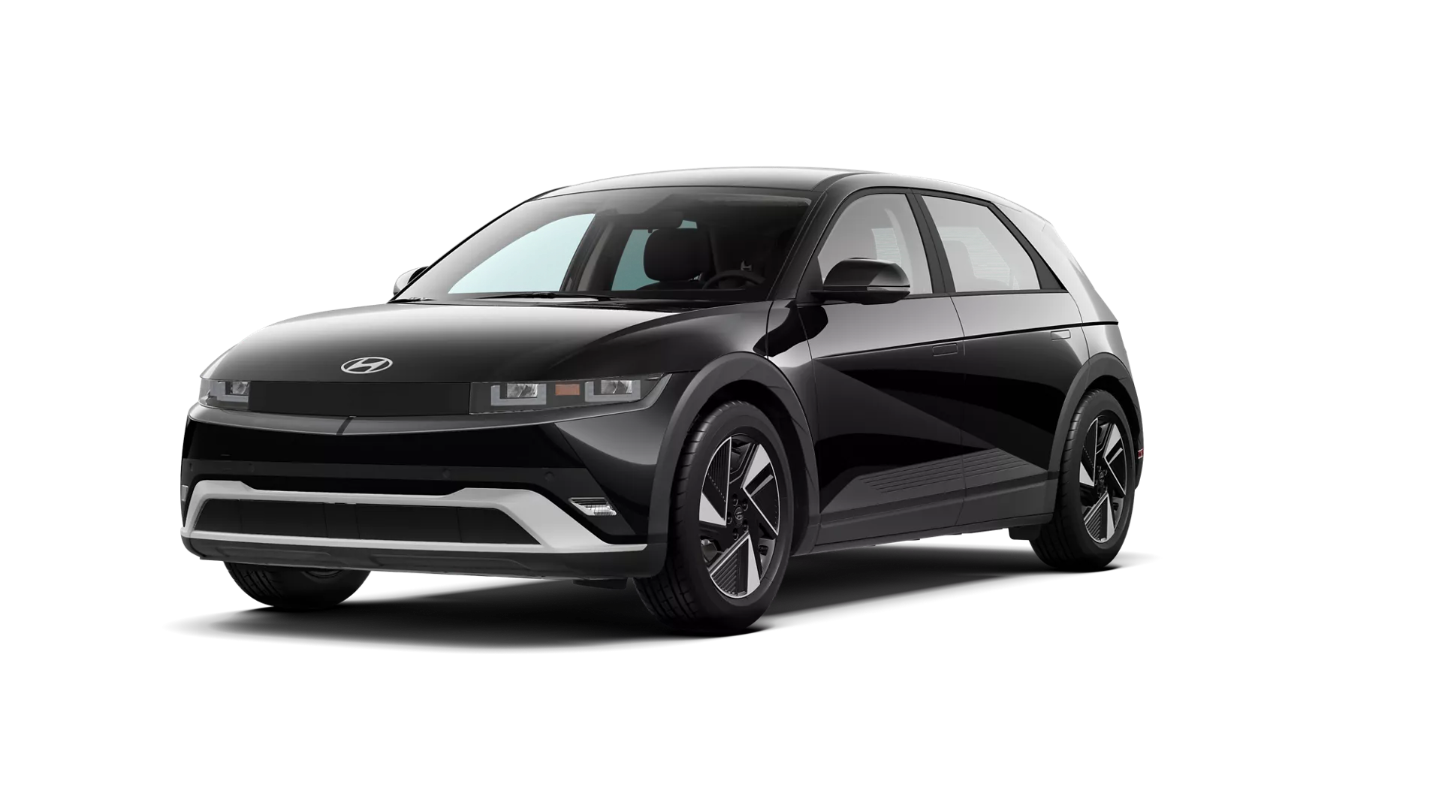
The primary difference between the Ioniq 5 SE Standard Range and SE trims, besides price, is performance. Hyundai’s Ioniq 5 SE Standard Range contains a 63 kWh lithium-ion battery, a 125 kW electric motor, and is only available in rear-wheel drive (RWD). This configuration translates to 168 combined horsepower, 258 lb-ft of torque, and a maximum range of 245 miles. Using standard AC Level II (240 V) charging equipment, the SE Standard Range charges from 10% to 100% in 5 hours and 40 minutes, while DC fast charging from 10% to 80% using 150 kW NACS equipment (via an adapter) takes 24 minutes. Additionally, DC fast charging using a CCS port at 50 kW takes 1 hour and 1 minute.
In contrast, the Ioniq 5 SE contains an 84 kWh lithium-ion battery and is available in all-wheel drive (AWD), dual 74 kW + 165 kW electric motors producing 320 combined horsepower, 446 lb-ft of torque, and a 290-mile range. You can also equip this trim with RWD and a single 168 kW electric motor, increasing range to 318 miles. Despite RWD naturally providing less horsepower than its AWD counterpart at 225, this is still more than you’ll receive in the SE Standard Range, although torque is equivalent between these two trims. Charging the SE from 10% to 80% using standard AC Level II (240V) equipment takes 7 hours and 20 minutes, and DC Fast Charging from 10% to 80% using a NACS adapter at 150 kW (400V), or a CCS port at 50 kW, takes 20 minutes, and 1 hour and 21 minutes, respectively.
While you’ll get Eco, Normal, Sport, and Snow modes in both the Ioniq 5 SE Standard Range and SE trims through Drive Mode Select, you won’t get Mud, Sand, and Snow terrain modes. The difference between Snow in Drive Mode Select and Snow terrain mode is that the former provides basic traction control, and the latter actively manages power distribution and traction across all four wheels.
Non-performance comparison: Ioniq 5 SE Standard Range – $35,000 / Ioniq 5 SE – $37,500
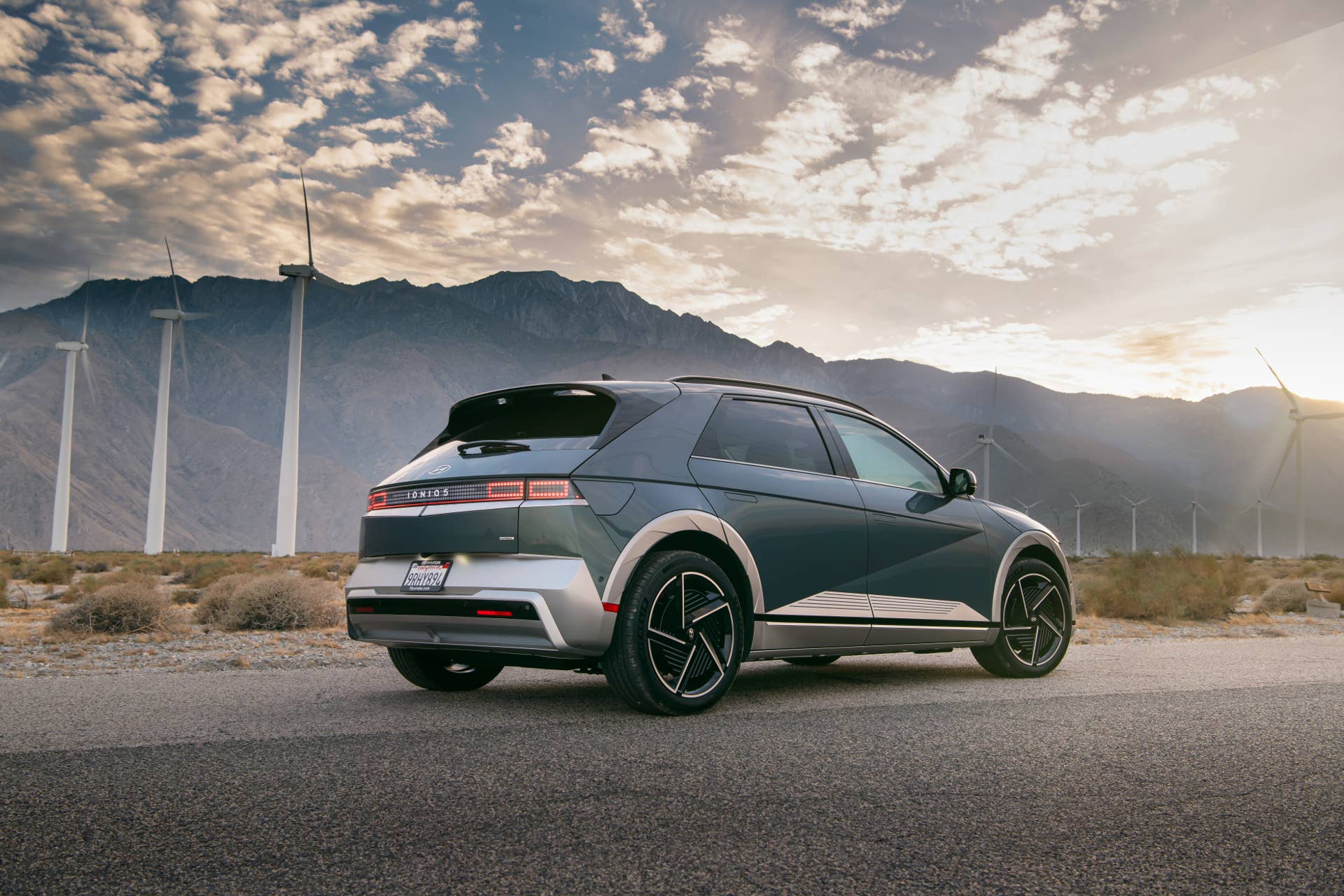
Beyond performance, these two trims share the same features. For the exterior, this includes 19-inch alloy wheels, LED automatic headlights with high-beam assist, LED taillights, and heated side mirrors with turn signal indicators. These specific grades contain black bumpers and body cladding, but you won’t get style enhancements associated with other trims, such as Black “H” hood and liftgate badges, XRT side sills and logos, or Black “Ioniq 5” liftgate letters. Power-folding side mirrors, roof side rails, and a panoramic glass roof are also unavailable, along with a hands-free smart power liftgate and rain-sensing wipers.
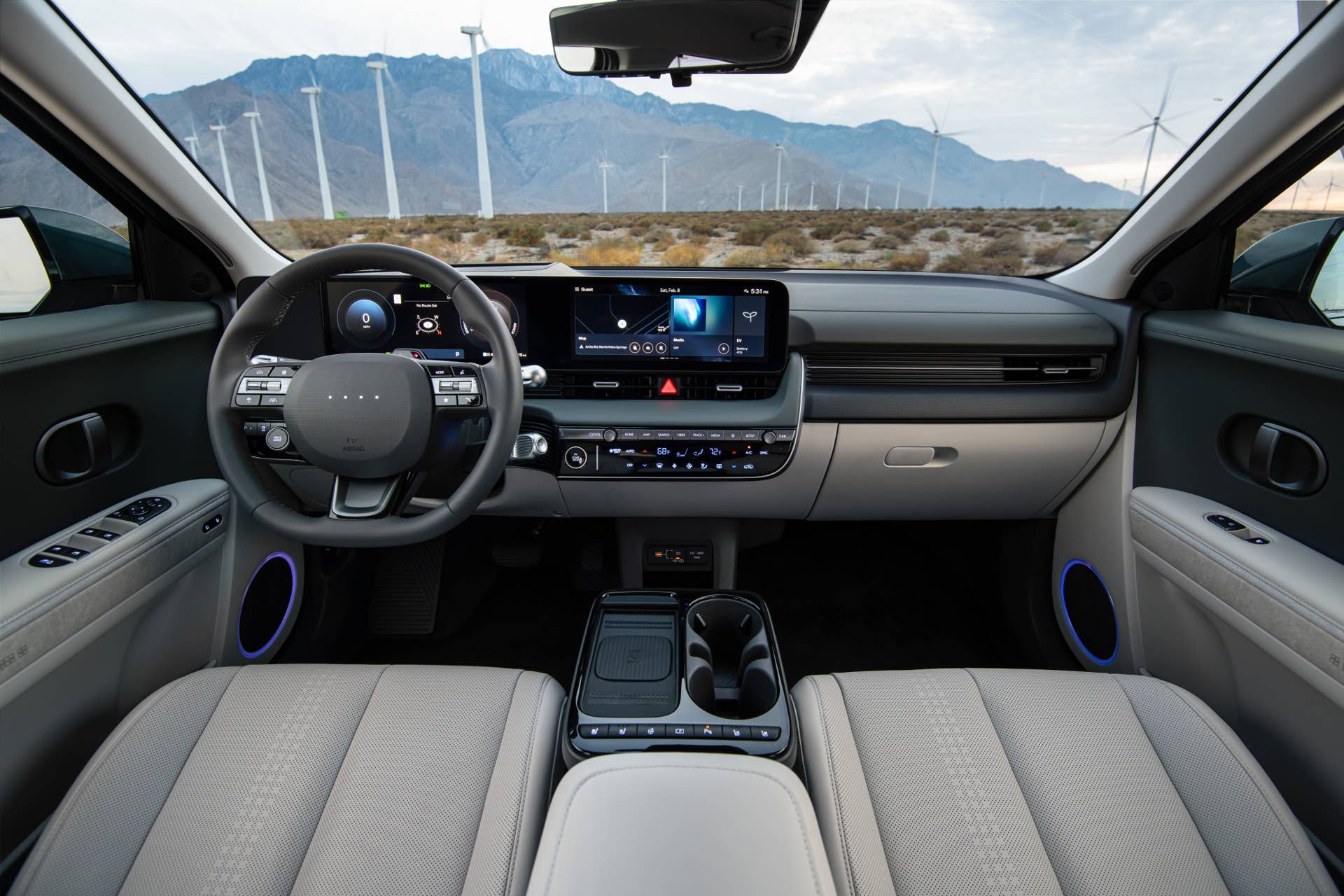
Inside, the upholstery is cloth, but it’s stain-resistant, and front seats are standard, which isn’t a given in entry-level grades. The driver’s seat features 8-way power adjustability (albeit without memory) and lumbar support, but the front passenger’s seat has 6-way manual adjustability and no lumbar support. Standard dual automatic temperature control is enhanced with a driver-only mode. However, like the exterior, these grades’ interior compromises are plentiful. Comfort takes a hit without ventilated front seats, heated rear seats, or a heated steering wheel, and the lack of 64-color ambient interior lighting is disappointing given its strong sense of presence. Additional unavailable features in these two trims worth highlighting include rear A/C vents, an auto-dimming rearview mirror, and outboard seat adjustable head restraints. Hyundai compensates some with dual 12.3-inch digital displays, standard navigation, and wireless Apple CarPlay/Android Auto, but there’s no wireless smartphone charging.
Like most new Hyundais, the 2026 Ioniq 5 is equipped with a plethora of standard advanced driver-assist aids. It’s not unusual for the Ioniq 5’s following standard safety features to be available in comparable rivals’ base trims:
- Blind-spot collision warning
- Rear cross-traffic collision-avoidance assist
- Parking distance warning (reverse and forward)
- Intelligent speed limit assist
- Lane keeping assist with steering wheel haptic feedback
While this doesn’t fully cover the 2026 Ioniq 5’s standard advanced driver assist suite, it shows that opting for an SE Standard Range or SE doesn’t mean compromising peace of mind. However, make sure you’re comfortable not receiving in-demand systems like remote smart parking assist, blind-spot collision-avoidance assist, or a surround-view monitor. Choosing between the Ioniq 5 SE Standard Range and SE simply comes down to your performance needs.
Ioniq 5 SEL – $39,800
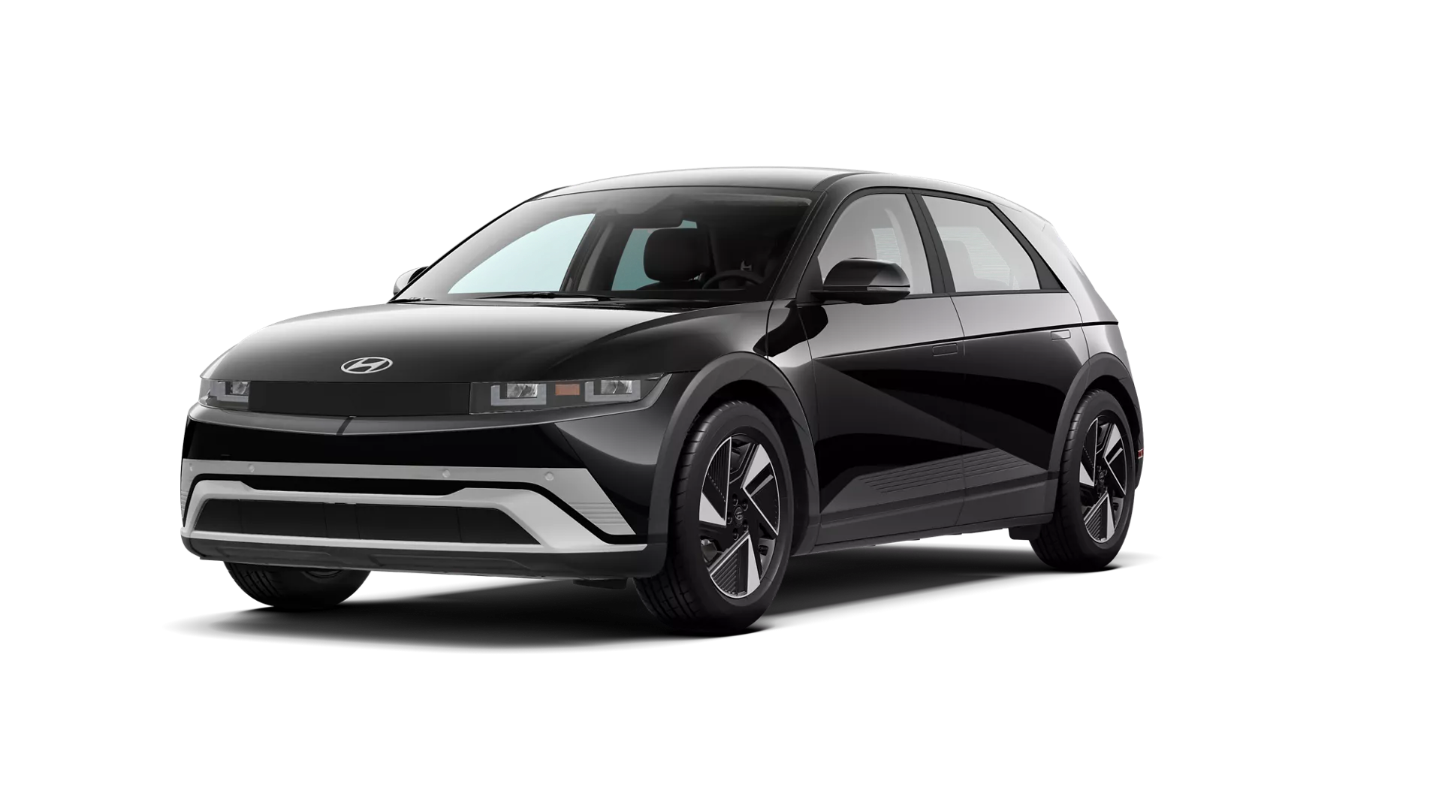
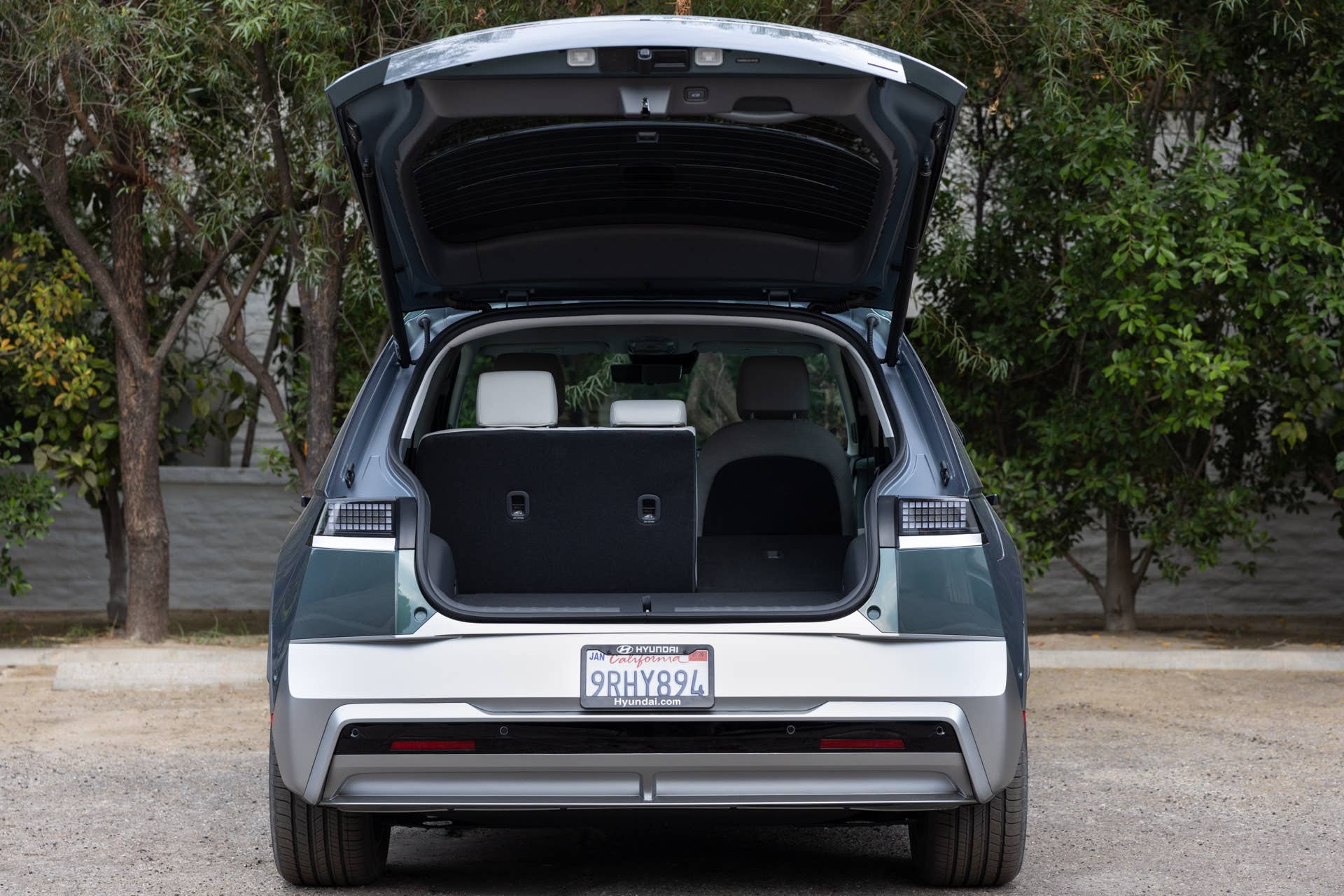
Performance specs and charge times for the Ioniq 5 SEL are the same as the SE, and the only exterior difference — although meaningful — is the addition of a hands-free, auto-open power liftgate. There are more differences in the cabin, as synthetic leather seating surfaces replace cloth seats, the front passenger gains 8-way power-adjustability and lumbar support, and headlight glare from trailing cars is reduced with an auto-dimming rearview mirror. Despite being relatively easy to overlook, you should also consider how this trim’s interior features rear A/C vents and wireless smartphone charging. The Ioniq 5 SEL enhances its value proposition via blind-spot collision-avoidance assist, a more comprehensive forward collision-avoidance assist system with junction crossing, lane change (oncoming, side) detection, evasive steering assist, and autonomous lane change support. With plenty of comfort, convenience, and safety upgrades, the SEL is a no-brainer over the SE Standard Range and SE.
Ioniq 5 XRT – $46,275
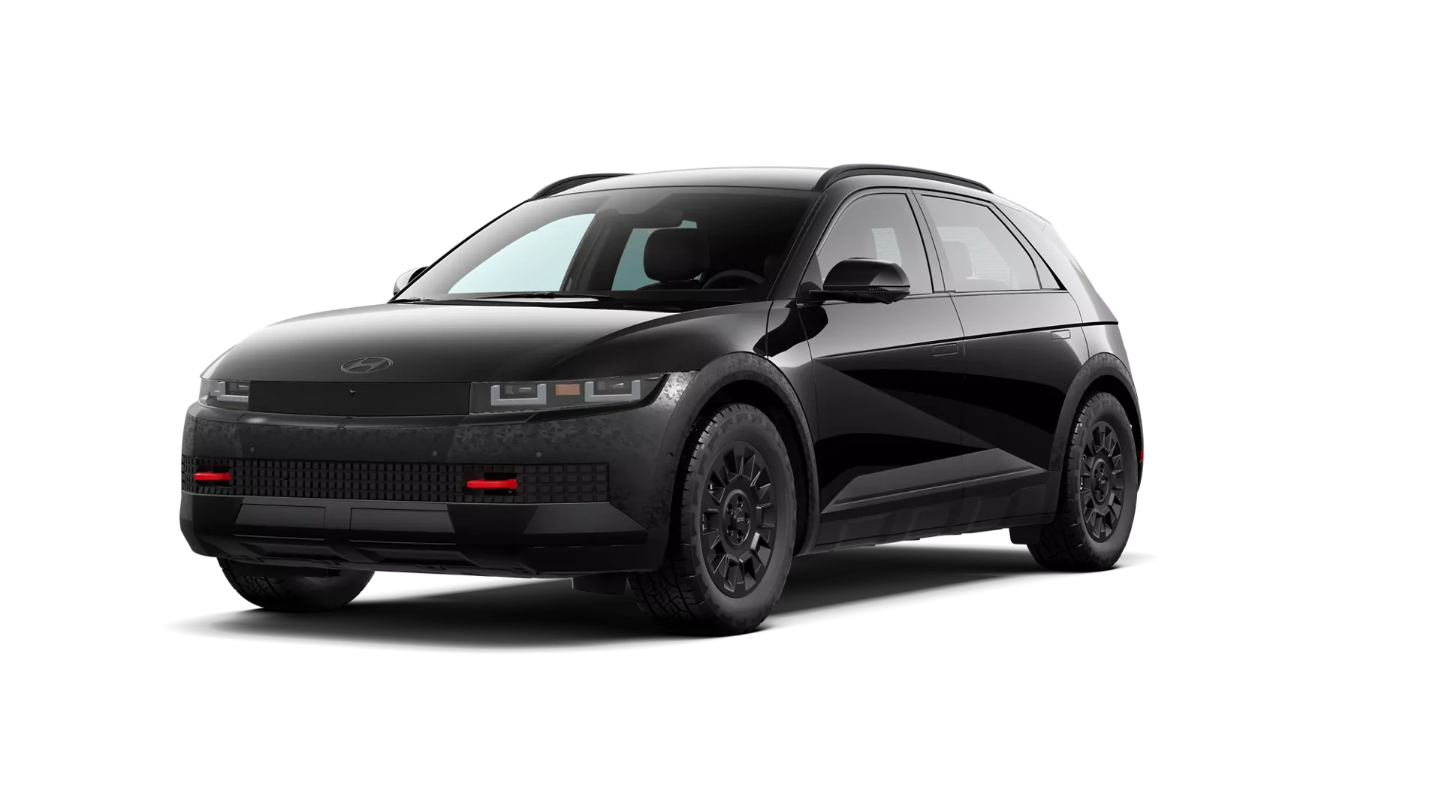
The XRT is the rugged-leaning Ioniq 5, so RWD isn’t available. This trim’s range is lower than the AWD SE and SEL’s at 259 miles; its 168 kW electric motor produces 320 horsepower and 446 lb-ft of torque, and charge times don’t change from the SE. The XRT also unlocks Snow, Mud, and Sand terrain modes, which are complemented by a +23mm (roughly 0.9-inch) suspension lift and all-terrain tires. Projector-type LED headlights increase visibility, and power-folding gloss-black side mirrors refine the exterior’s functionality. In contrast, XRT-exclusive elements on the side sills and front/rear fascias elevate curb appeal.
An exclusive XRT‑specific pattern and debossed XRT logo distinguish the interior’s design, and despite off-road variants often sacrificing comfort, this grade adds adjustable head restraints for outboard seats. Some may find good use for the XRT’s second-row vehicle-to-load two-way on-board charger powering devices using the vehicle’s battery, but the Bose premium audio system and digital key hold broader appeal. On the safety front, the XRT increases peace of mind by adding surround-view and blind-spot monitors, side-parking distance warning instead of only reverse/forward coverage, parking-collision-avoidance assist, and advanced rear-occupant alert with ultrasonic monitoring. While not purely a safety feature, XRT drivers also receive remote smart parking capability. The XRT doesn’t disappoint, inside or out, but its price explains why.
Ioniq 5 Limited – $45,075
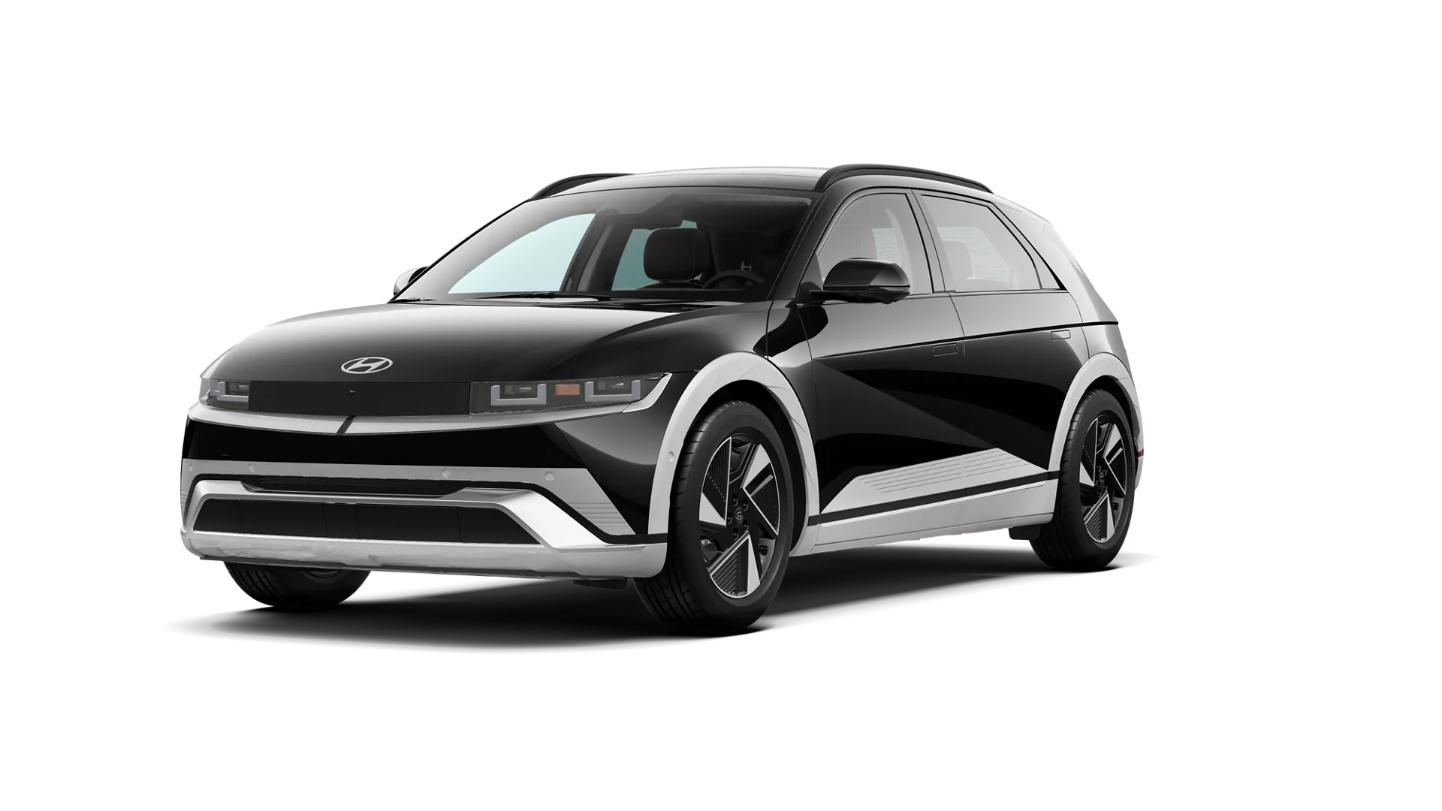
The Ioniq 5 Limited’s range differs from the SEL’s in AWD at 269 miles, while RWD remains at 318 miles. While the Limited’s AWD range offers 10 more miles than the XRT, you won’t receive the Snow, Mud, and Sand terrain modes. Selecting RWD equips the Limited with 19-inch alloys, and AWD increases wheel size to 20 inches. The Limited’s style is distinguished by silver bumpers/body cladding, premium side sills, and added gloss-black accents. Roof side rails carry over from the XRT, and its exterior stands alone in offering a large panoramic glass roof and rain-sensing wipers. The interior boasts ventilated front seats, heated rear seats, and a heated steering wheel, while 64-color ambient lighting and a sliding center console are thoughtful touches. A heads-up display projecting essential driving information, including speed and navigation, onto the windshield increases convenience, along with the perspective-widening digital rearview mirror. If your Ioniq 5 budget has some flexibility, the Limited is hard to turn down.
Final thoughts
Hyundai’s Ioniq 5 Limited does an exceptional job at justifying its price. Still, the SEL is the smartest trim selection for most buyers, given its starting cost that’s $5,275 lower, choice between AWD and RWD, synthetic leather seating, a comprehensive safety suite, and competitive performance. The XRT impresses, but most shoppers considering an Ioniq 5 aren’t prioritizing rugged performance, and the entry-level trim’s power is underwhelming. Be sure to test drive the 2026 Hyundai Ioniq 5 SEL before making a purchase.
About the author

Cody Carlson
Contributing Writer, Autoblog