
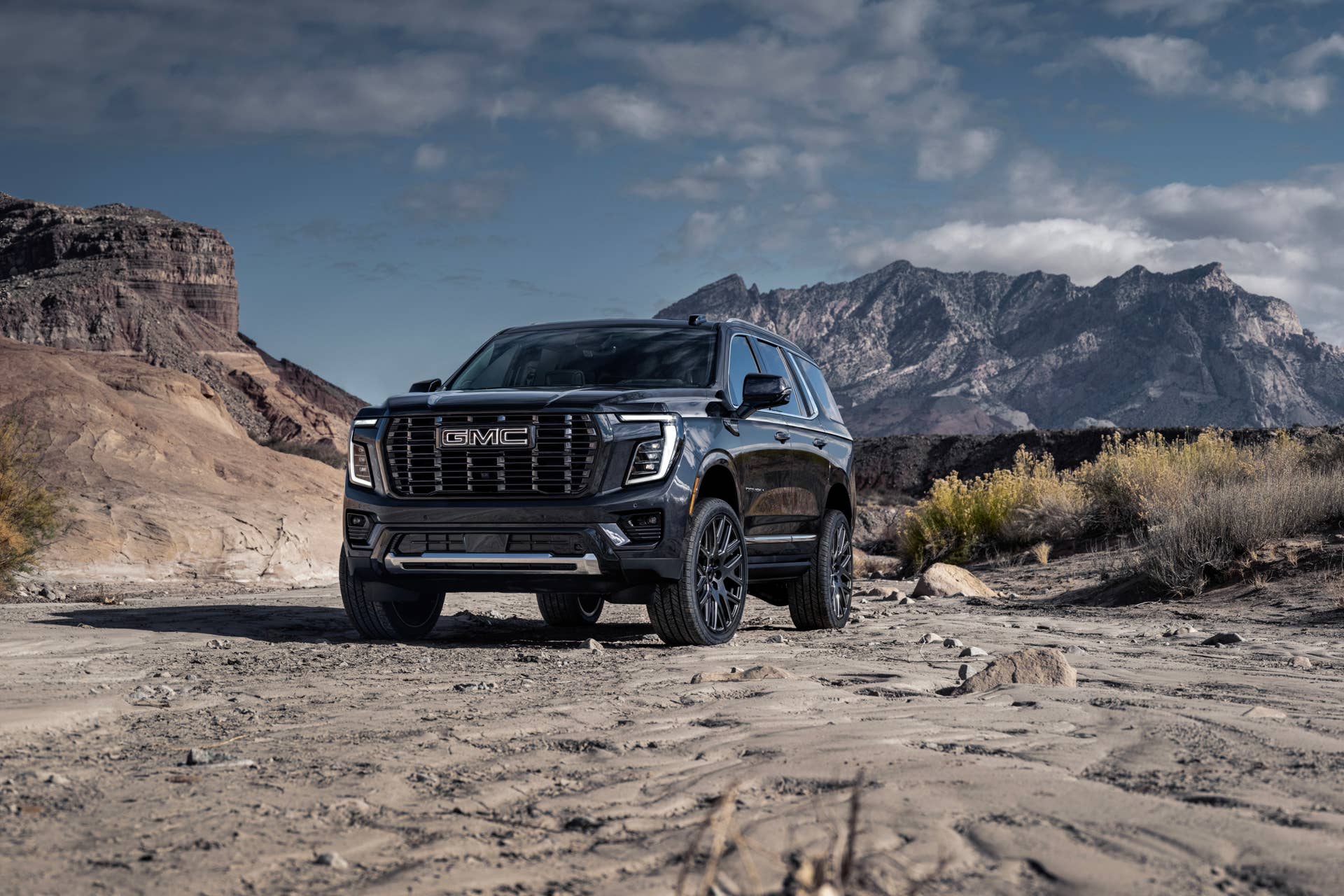
Get to know the 2025 GMC Yukon and 2025 Ford Expedition
The GMC Yukon and Ford Expedition are often toward the top of full-size SUV shopping lists, so in an effort to guide you toward an ideal option, we’ll be highlighting some essential information about these two models. The 2025 GMC Yukon starts at $67,900 and offers five trims, while the 2025 Ford Expedition holds a $62,400 base price and is available in four trims. Learn more about these vehicles’ powertrains, towing capacities, mileage, and what’s new for their 2025 production year below.
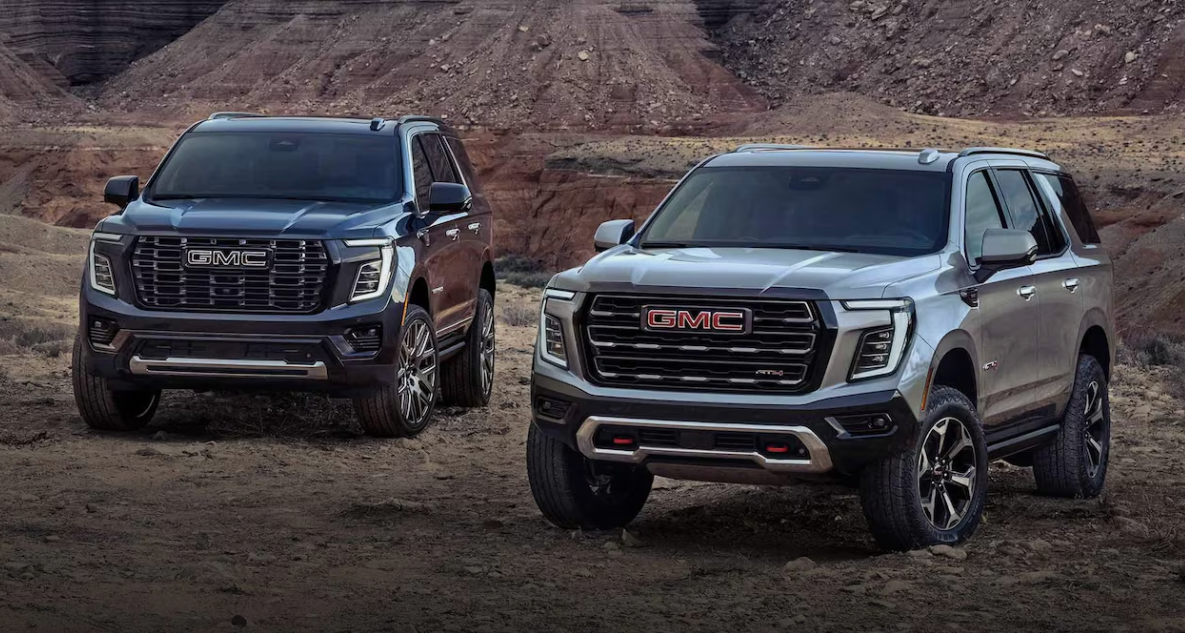
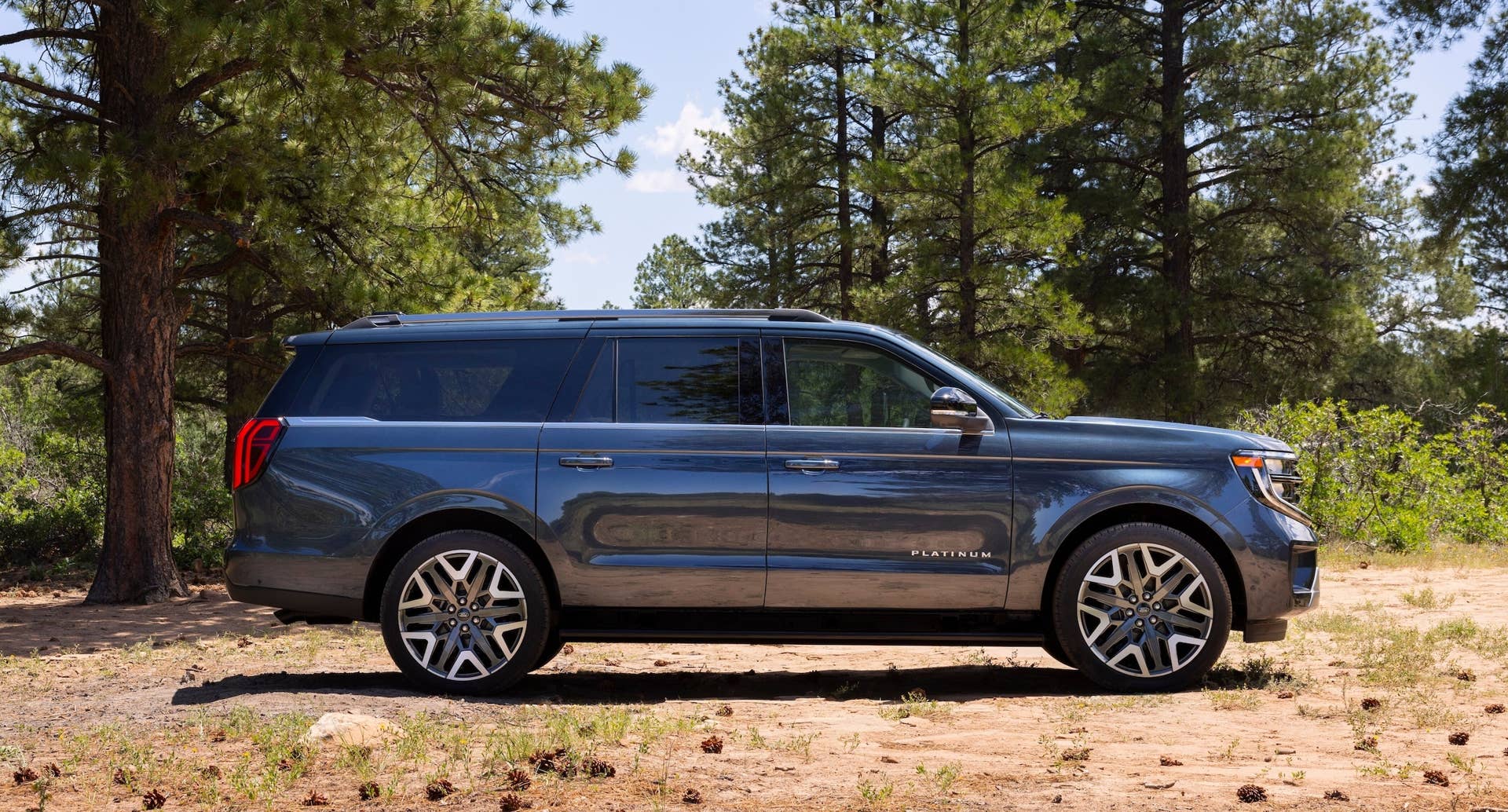
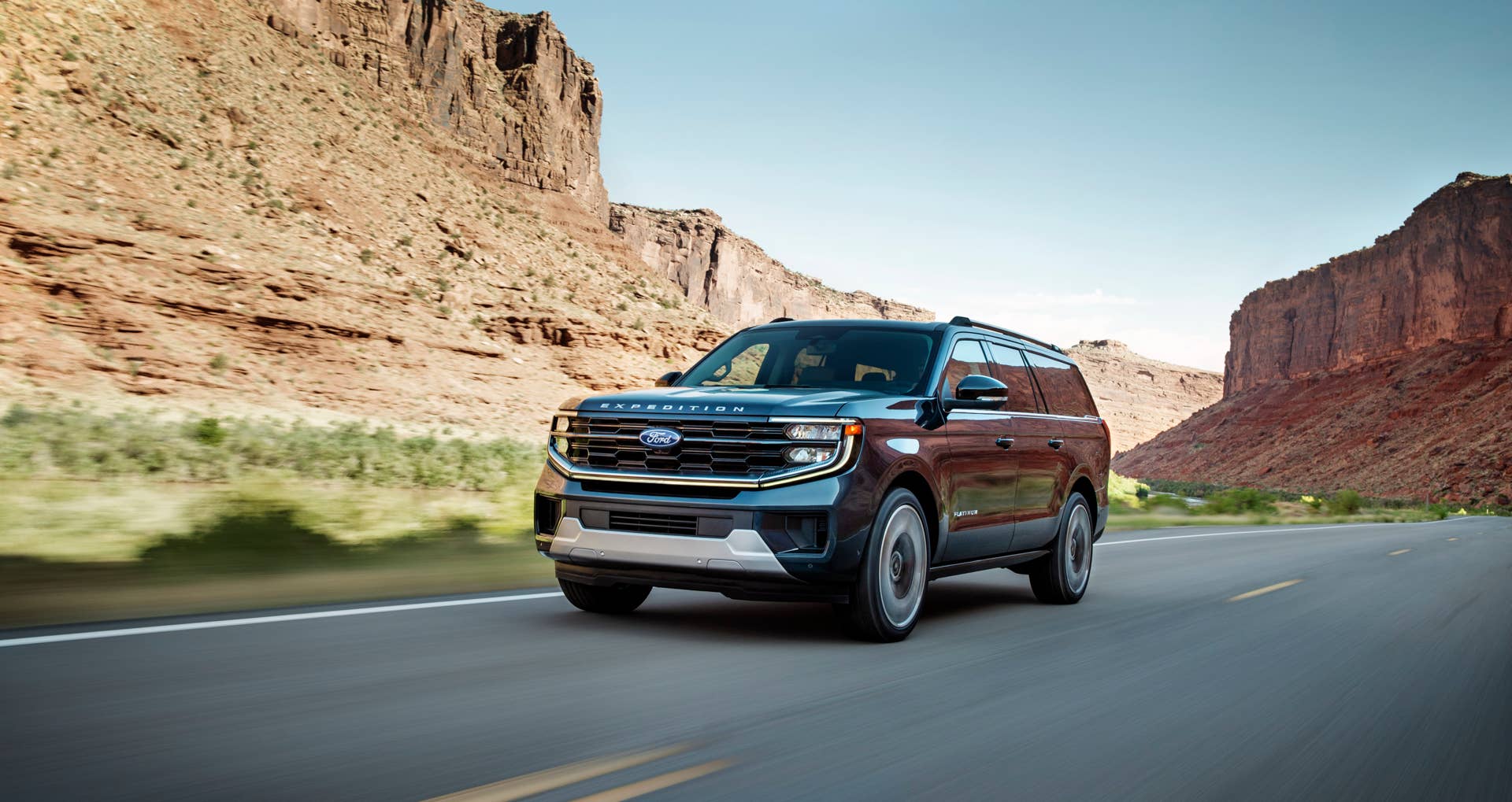
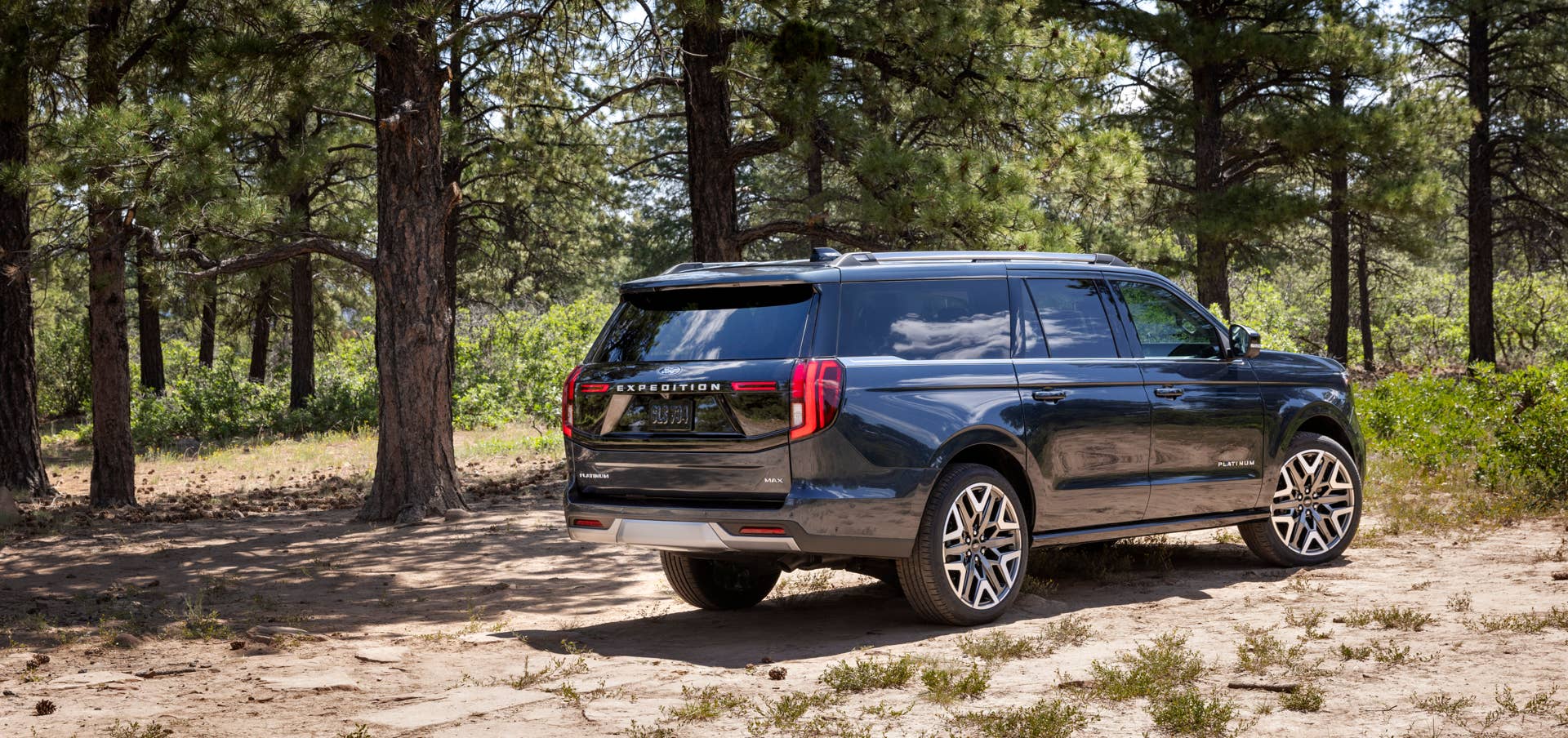
The Expedition offers fewer engines, but more available power
The 2025 GMC Yukon offers three engine options, while the 2025 Ford Expedition gives you a choice between two powertrains. You can equip a Yukon with a 5.3-liter V8 producing 355 horsepower and 383 lb-ft of torque, a 6.2-liter V8 offering 420 horsepower and 460 lb-ft of torque, or a 3.0-liter Duramax turbodiesel that’s good for 305 horsepower and 495 lb-ft of torque. In comparison, the Expedition comes with a 3.5-liter V6 supplying 400 horsepower and 480 lb-ft of torque, or an available high-output version boasting 440 horsepower and 510 lb-ft of torque.
The heaviest hauling calls for an Expedition
Towing capacity is vital when it comes to a full-size SUV’s practicality, and the Expedition’s higher power translates to better performance in this area. The 2025 Expedition’s max towing capacity is 9,600 lbs in 4×4 with the Heavy-Duty Trailer Tow package, while the Yukon’s is 8,400 lbs with the 5.3L V8 engine and rear-wheel drive.
You’ll need a diesel engine for more Yukon mileage
In terms of fuel efficiency, the Yukon’s diesel engine comes out ahead for the model, with up to 21 mpg in the city and 26 mpg on the highway. Still, the Expedition has better overall mileage throughout its lineup, ranging from 15-16 city mpg and 22-24 highway mpg.
The Yukon is a mid-cycle refresh instead of a redesign
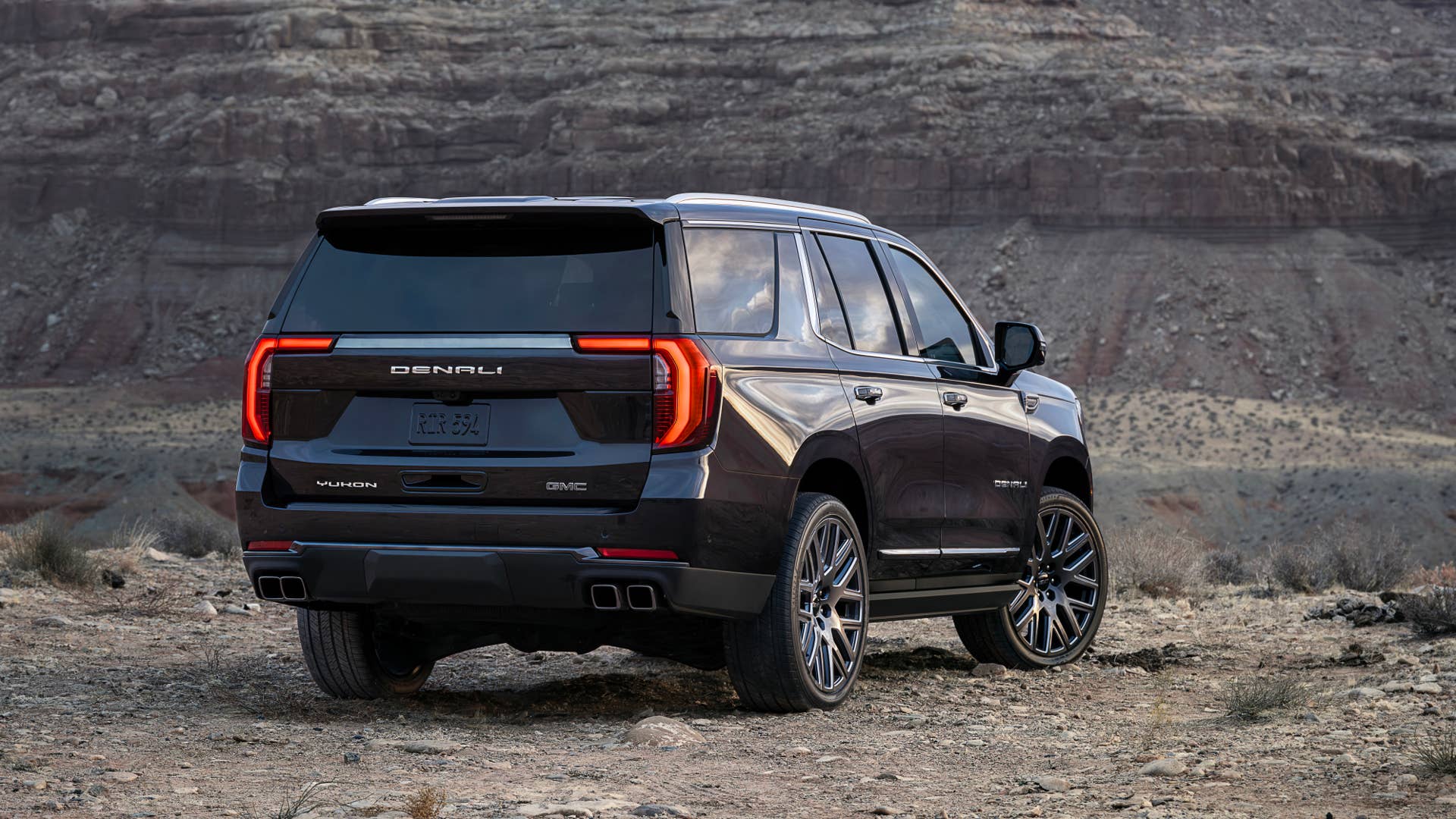
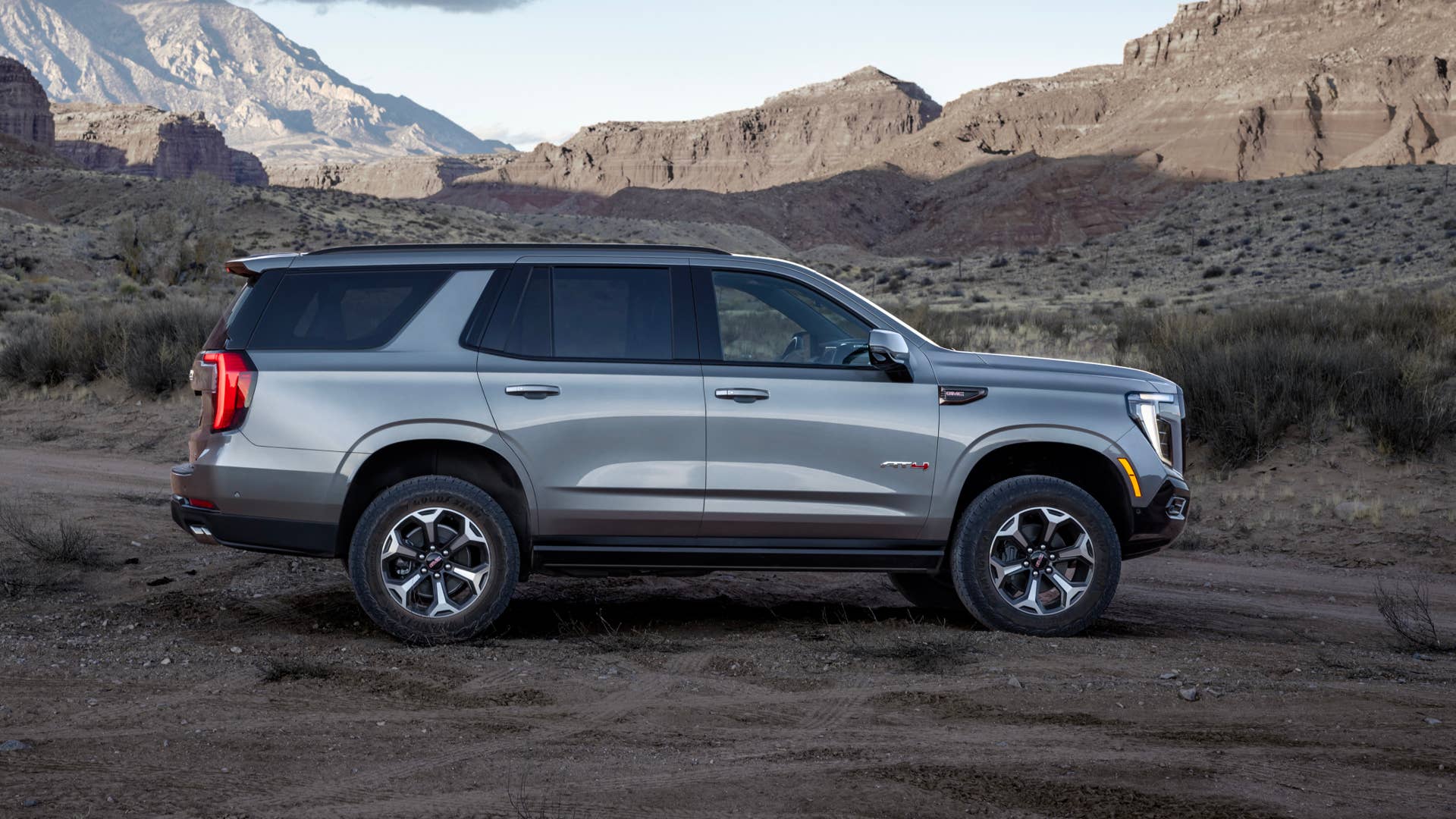
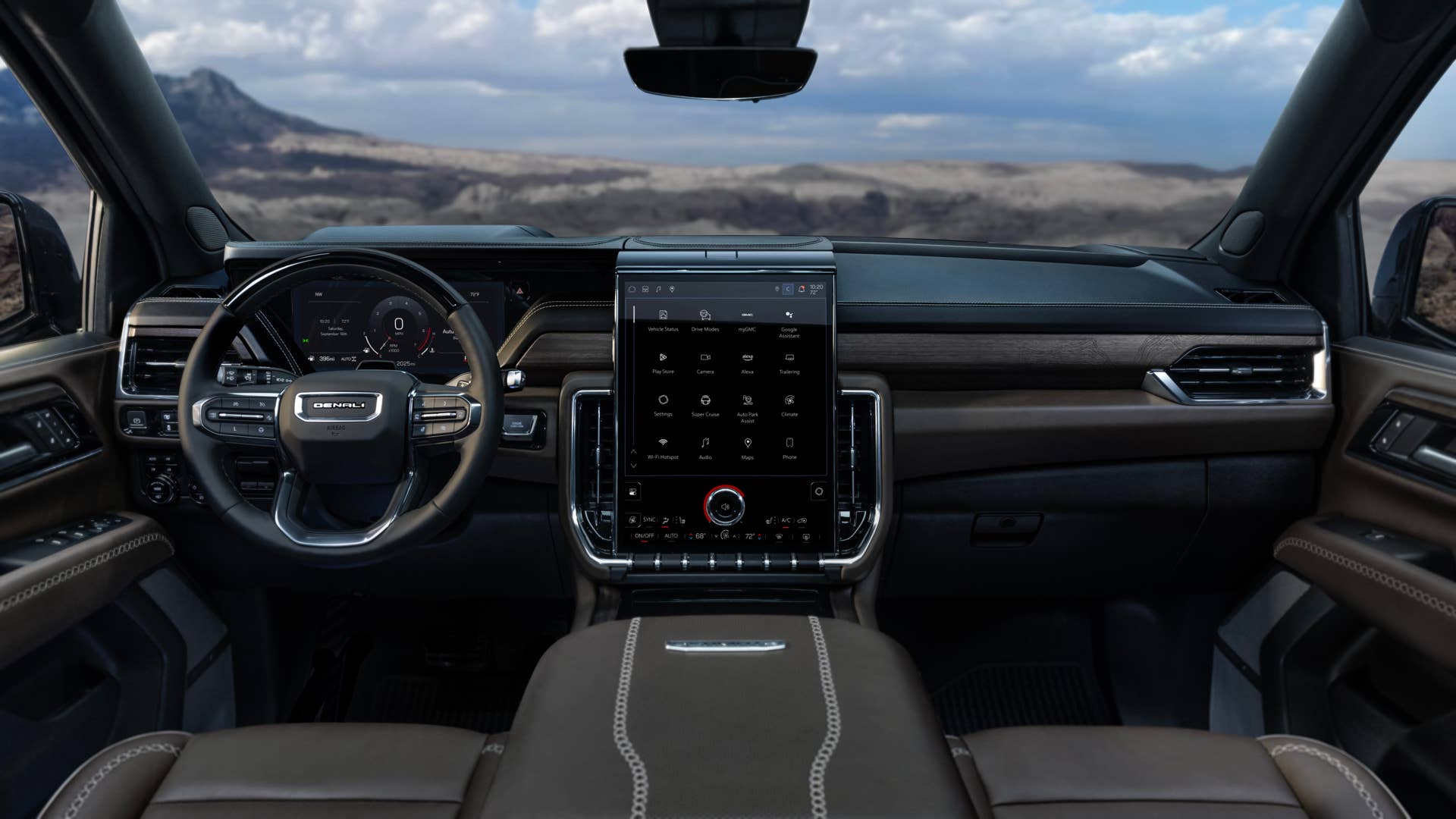
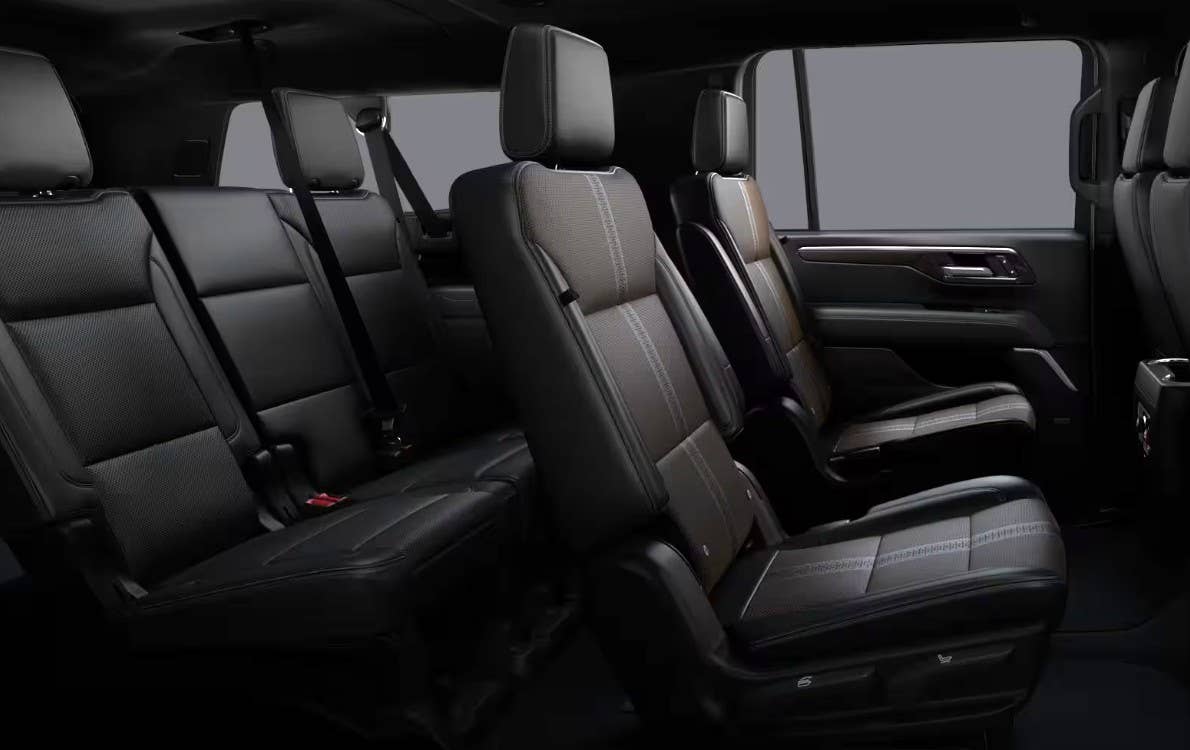
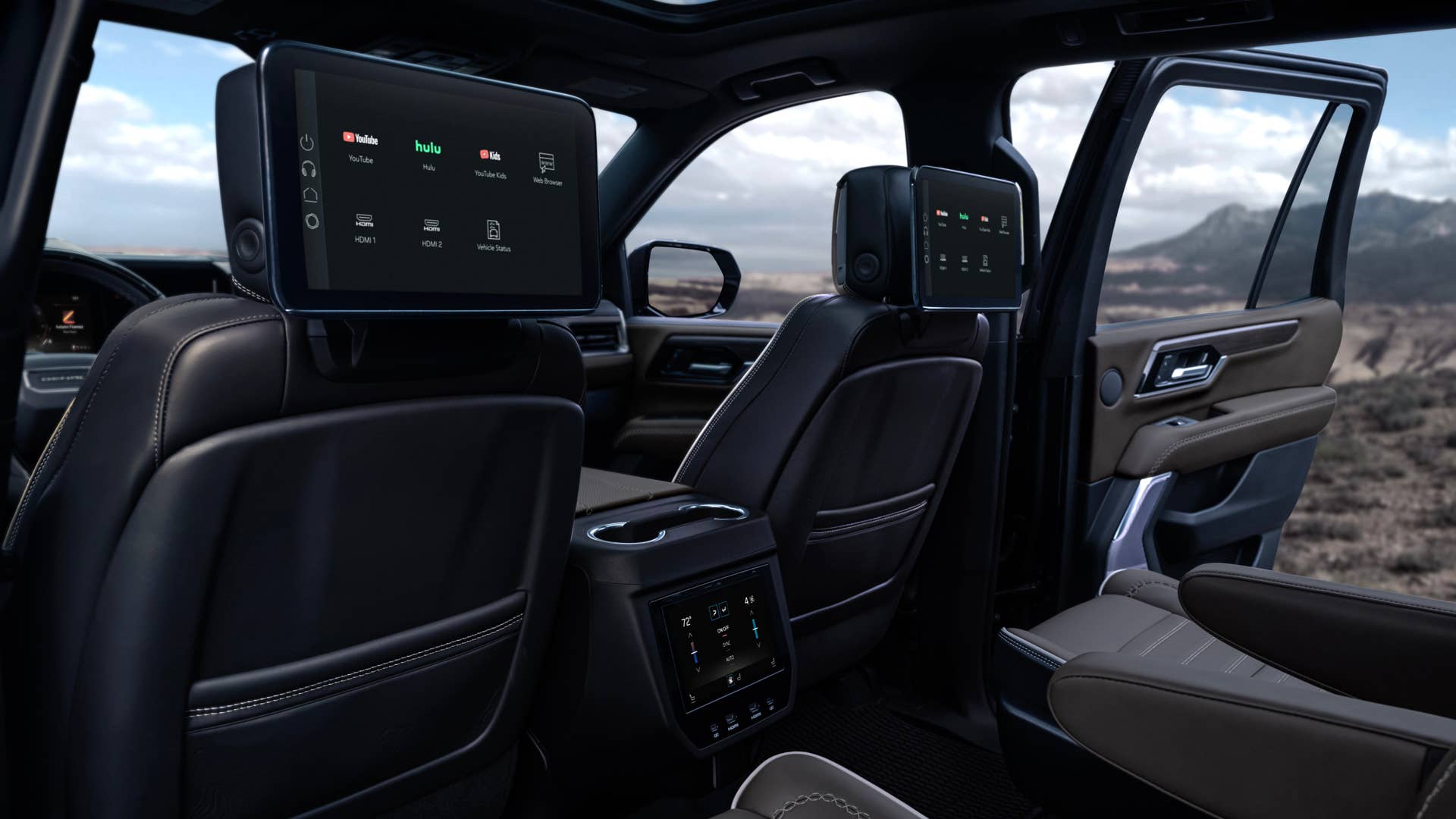
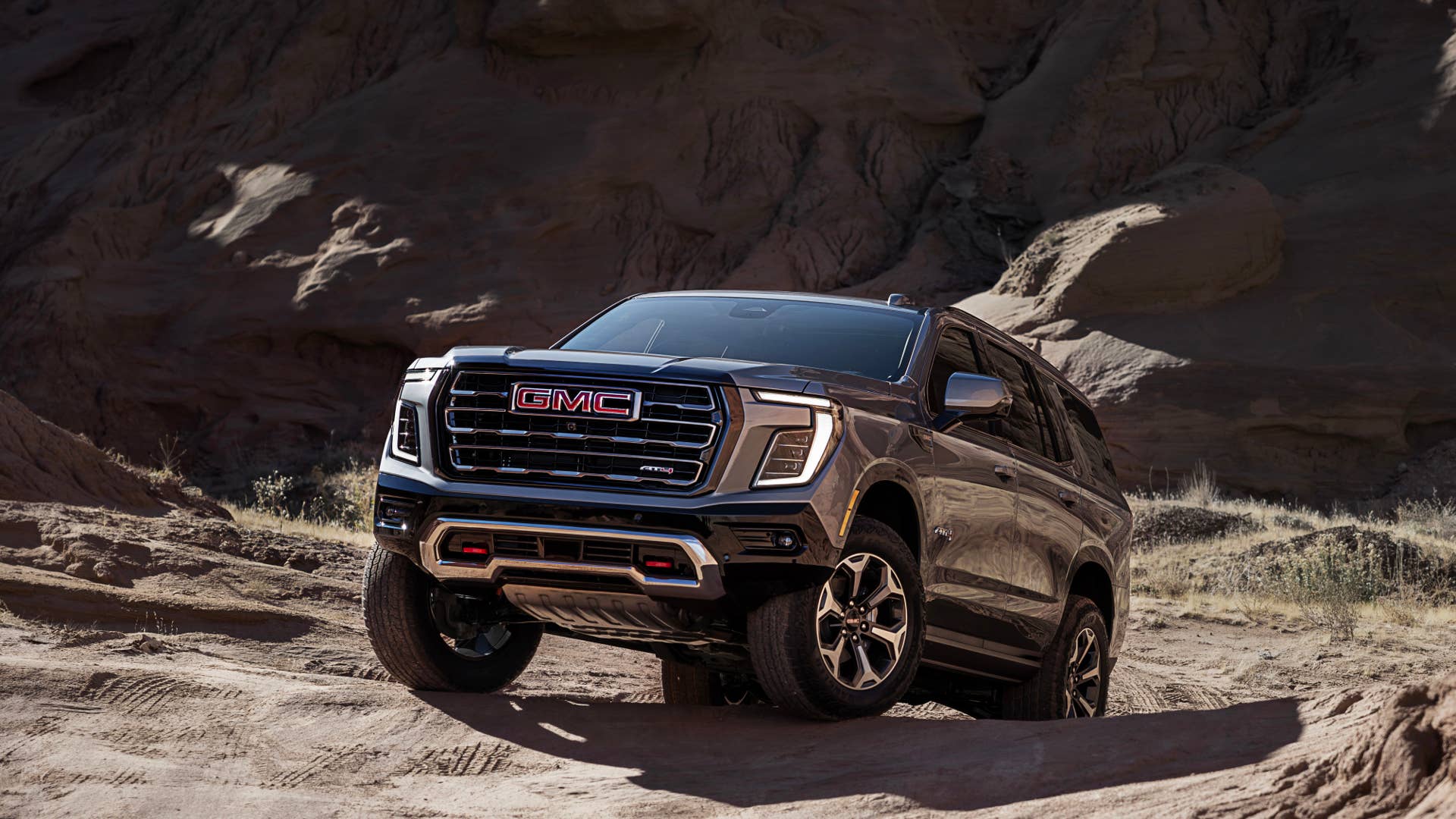
For 2025, the GMC Yukon’s mid-cycle refresh includes front fascia tweaks in areas like the grille and headlights, with front and rear lighting featuring new animations. Large 24-inch wheels are now standard on the Yukon Denali Ultimate and available on the regular Denali. Separate additions to the Denali Ultimate consist of second-row captain’s chairs and a 22-speaker Bose audio system, while the broad trim lineup receives a vertical 16.8-inch infotainment display, night vision with thermal object detection, and a more robust Duramax diesel 3.0-liter inline-six engine. The Yukon lineup replaces the SLE and SLT with the Elevation trim for 2025, and the AT4 Ultimate variant joins the group.
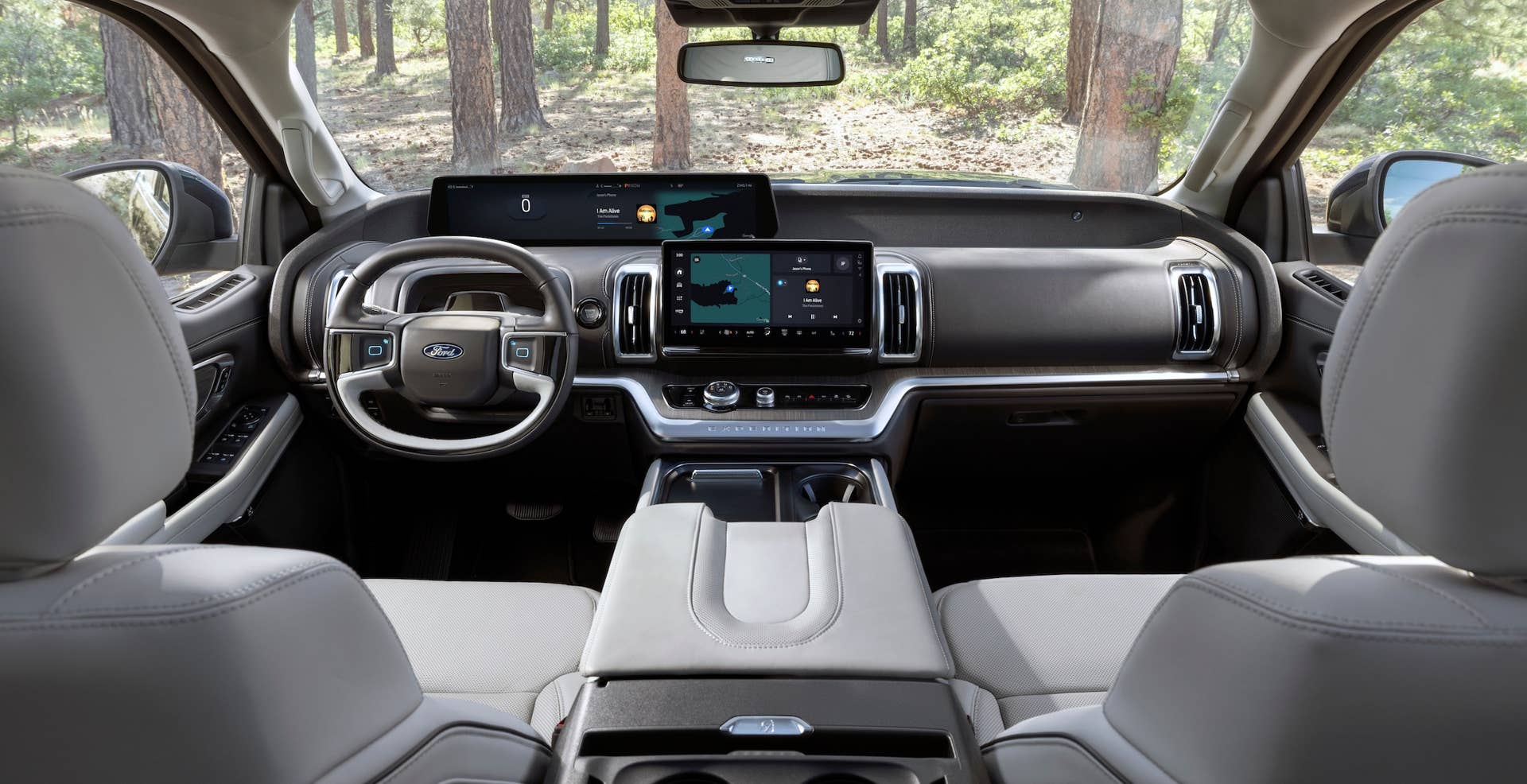
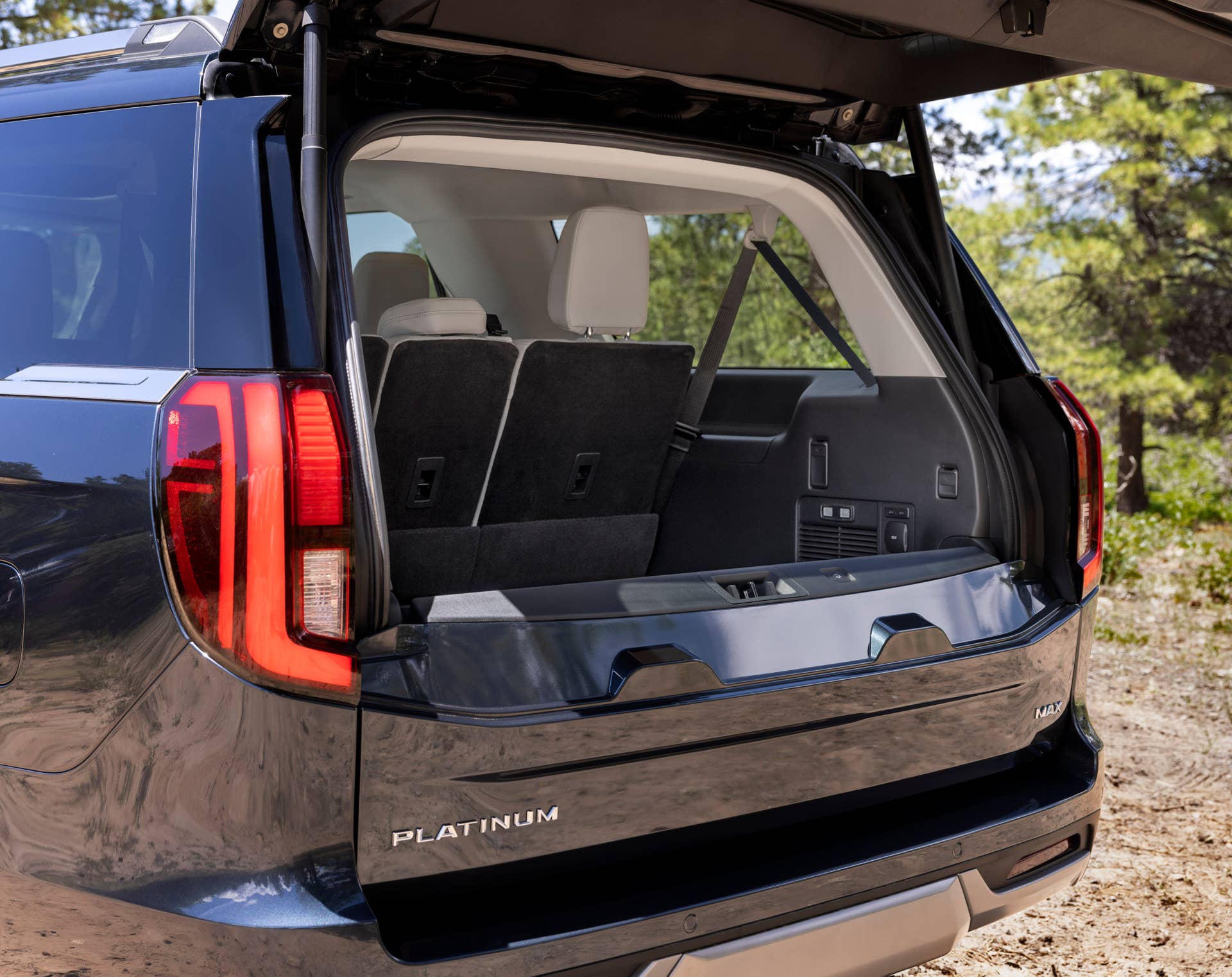
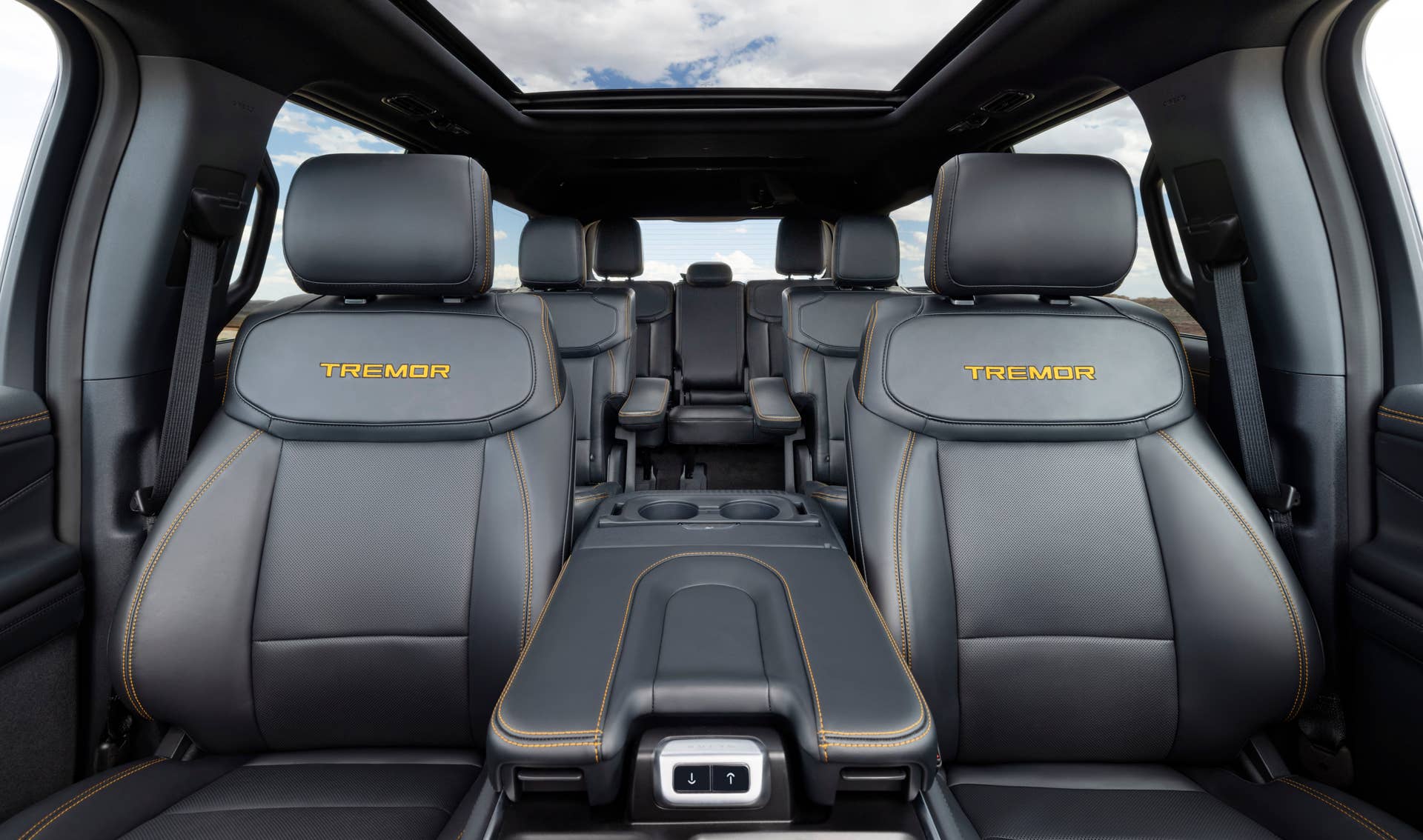
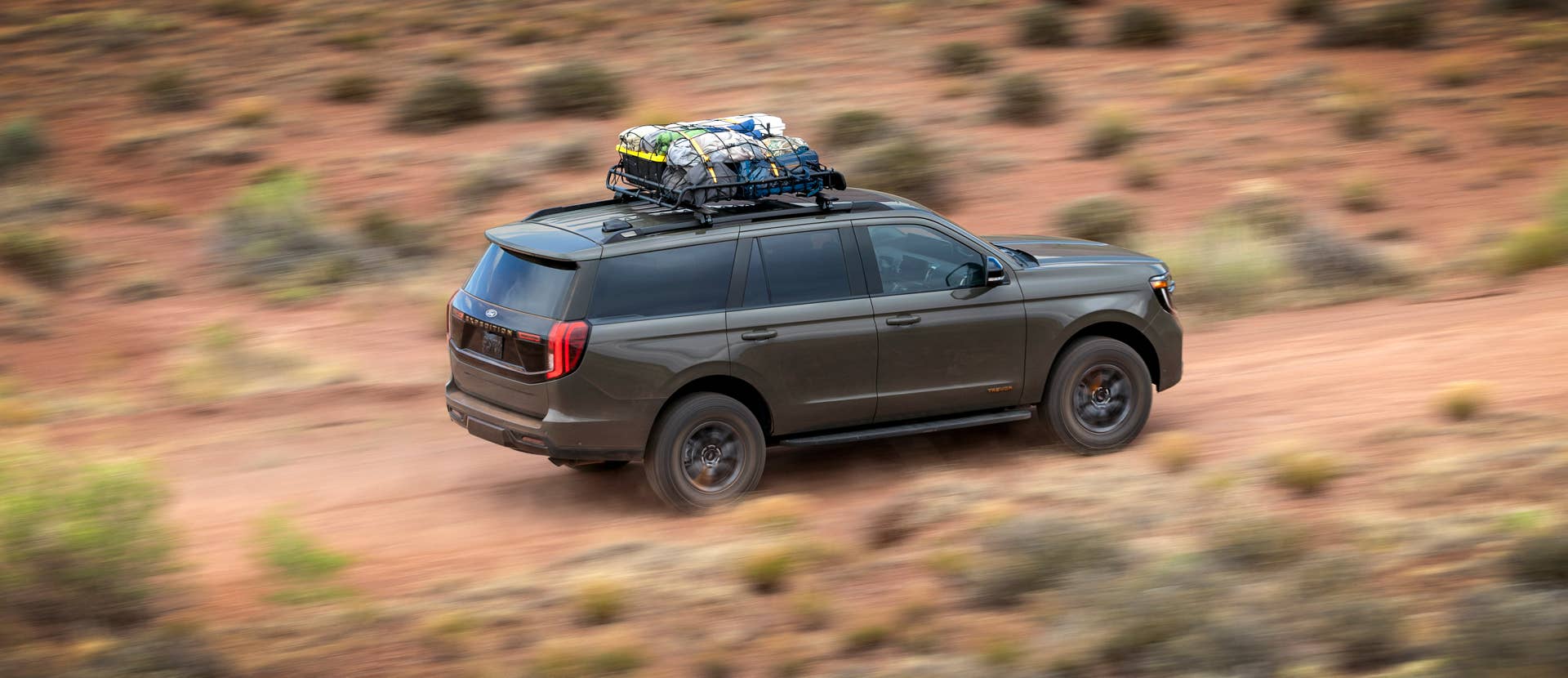
The 2025 Ford Expedition also offers a redesign with new headlights, taillights, a different grille, updated wheel designs, a two-piece rear cargo opening, and a bi-level screen configuration. Ford also replaced the 2024 Expedition Timberline trim with the Tremor trim that retains the Timberline’s off-road focus.
The Yukon caters to drivers prioritizing cargo space
Both of these full-size SUVs seat seven or eight passengers, and their differences in front, second, and third-row legroom measurements are marginal. However, the GMC Yukon holds a notable lead in cargo capacity behind the first, second, and third rows. A standard-size 2025 Yukon gets 25.5 cu ft of cargo space behind the third row, 72.6 cu ft behind the second row, and 122.9 cu ft behind the first row. The Yukon XL features 41.5 cu ft behind the third row, 93.8 cu ft behind the second row, and 144.5 cu ft behind the first row. In comparison, a standard-size 2025 Ford Expedition offers 22.9 cu ft of cargo room behind the third row, 69.9 cu ft behind the second row, and 108.5 cu ft behind the first row. Moving into the Expedition Max upgrades cargo capacities to 37.4 cu ft, 84.5 cu ft, and 123.1 cu ft behind the third, second, and first rows, respectively.
GMC
Final thoughts
While there’s more to consider when evaluating these two vehicles, the five comparisons listed above are a starting point in helping you find the right option. When it comes to power, maximum towing capacity, and overall average mileage, the Expedition is the most appealing option. In contrast, the Yukon offers perks like additional trims, diesel engines, and increased cargo capacity. No matter your initial impressions, be sure to test drive each model before making a decision.
About the author

Cody Carlson
Contributing Writer, Autoblog