
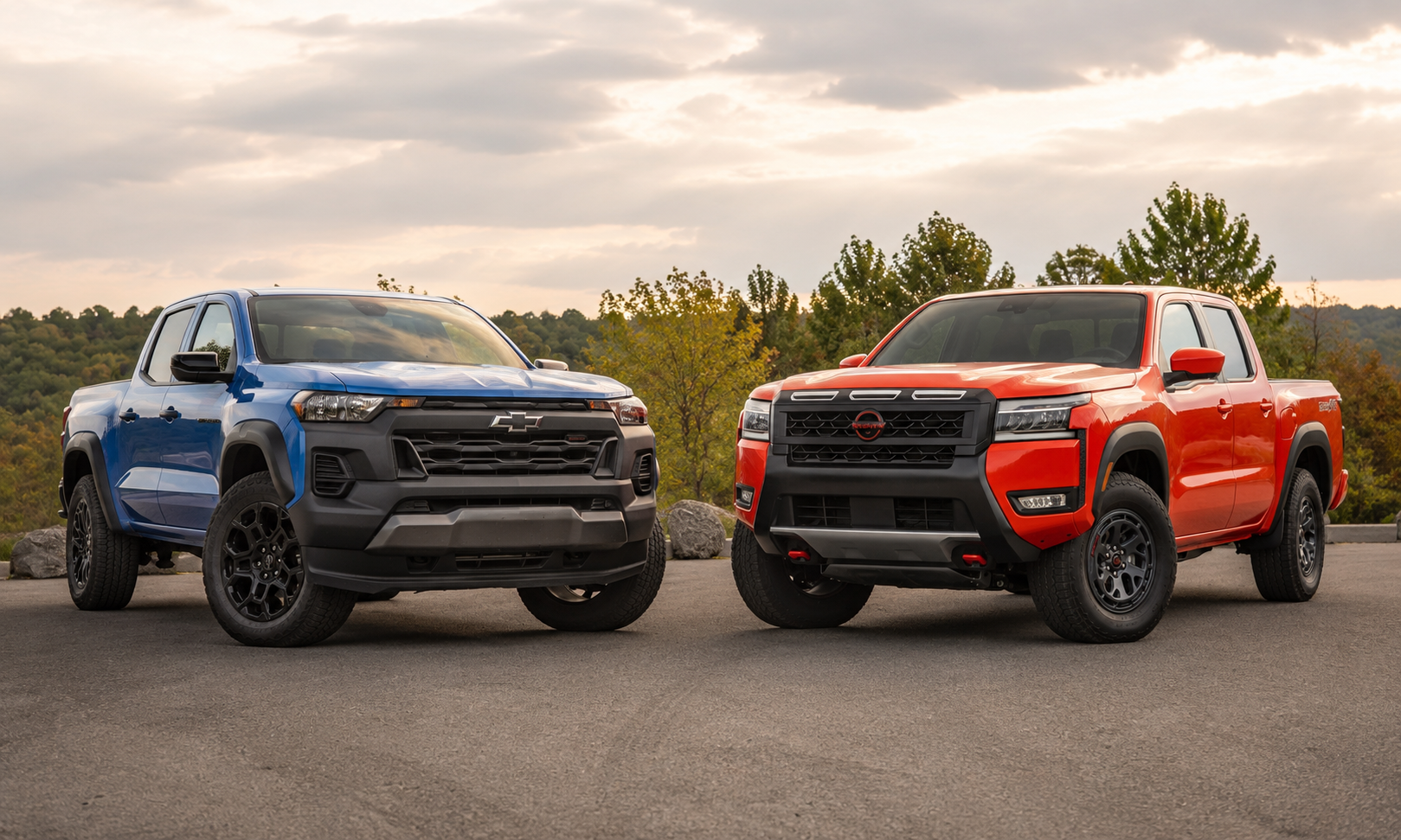
Midsize trucks reward buyers who want real capability without full-size bulk, and these two take opposite routes to it. Nissan’s Frontier keeps things refreshingly simple, built around a proven V6 and a value-first attitude. Chevrolet’s Colorado goes the modern route, with a torquey turbo four, a tech-forward cabin, and a range of factory off-road trims that reach genuinely extreme territory. Both cover the midsize basics well, so an honest answer to which one wins depends on what you actually need from a truck.
Neither is a bad pick, and both will haul, tow, and tackle a trail. What separates them is philosophy: the Frontier bets on mechanical simplicity and configuration flexibility, while the Colorado bets on torque, technology, and off-road ambition. Here is how they stack up.
Cole Attisha
Specs and pricing
| Specification | Nissan Frontier | Chevrolet Colorado |
|---|---|---|
| Starting price | About $32,150 | About $32,400 |
| Top trim price | About $45,000 (PRO-4X loaded) | About $62,800 (ZR2 Bison) |
| Engine | 3.8L V6 | 2.7L turbo I4 |
| Power | 310 hp | 237 to 310 hp |
| Torque | 281 lb.ft | 260 to 430 lb.ft |
| Transmission | 9-speed automatic | 8-speed automatic |
| Max towing | About 7,150 lb | About 7,700 lb |
| Max payload | About 1,610 lb | About 1,680 lb |
| Cab and bed | King Cab or Crew Cab; 5 or 6 ft bed | Crew Cab only; 5 ft bed |
| Max ground clearance | About 9.4 in (PRO-4X) | Up to about 10.7 in (ZR2) |
Pricing opens almost identically, with a base Nissan Frontier around $32,150 and a Chevrolet Colorado near $32,400. The gap yawns at the top, where a loaded Frontier PRO-4X lands in the mid $40,000s while the extreme Colorado ZR2 Bison climbs past $62,000. That spread reflects each truck’s ceiling: the Frontier stays a sensible, capable workhorse, while the Colorado offers a path to serious, and seriously expensive, off-road hardware.
Powertrains and performance
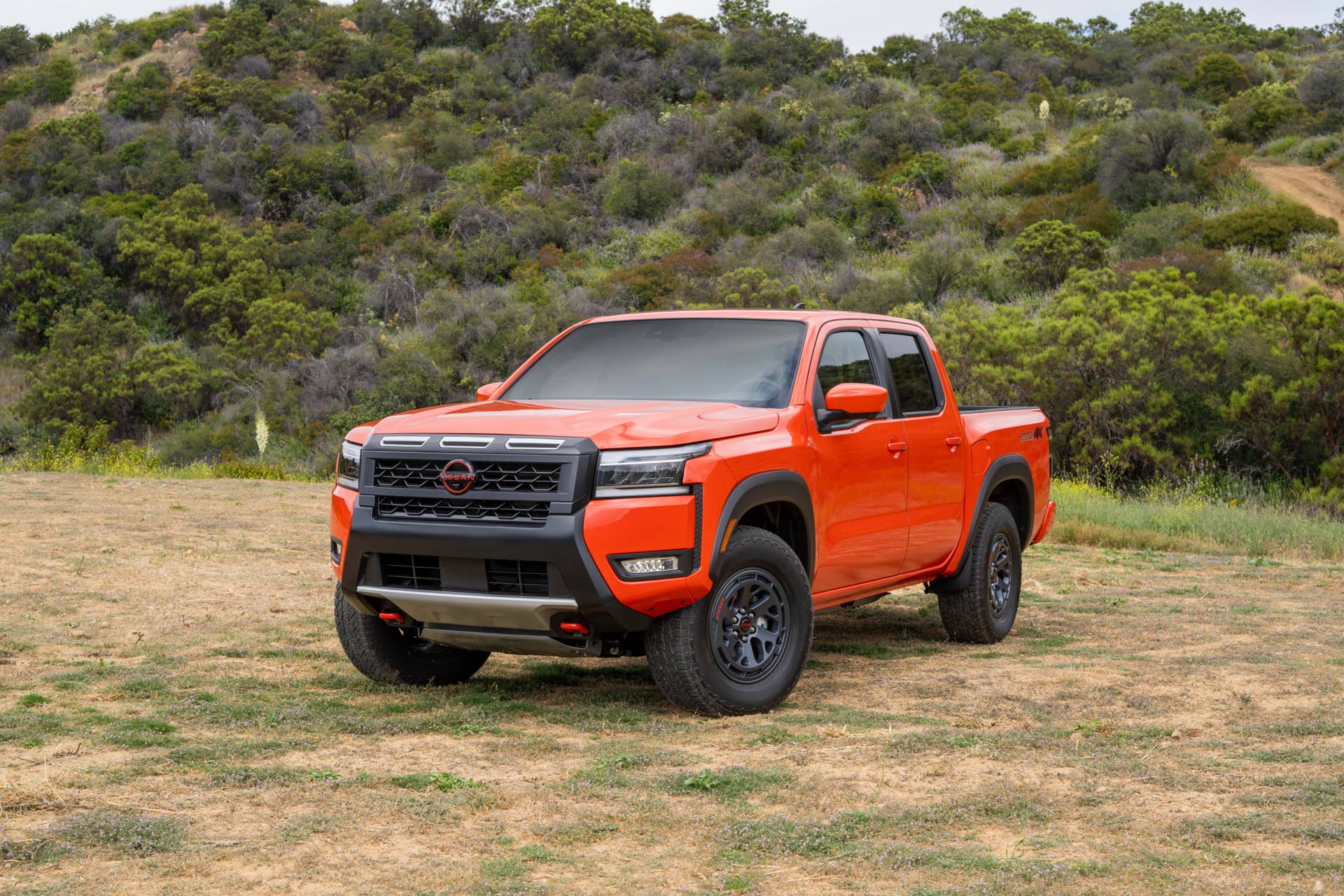
Both trucks make 310 horsepower, but they get there in completely different ways. Nissan’s 3.8-liter V6 is naturally aspirated, producing 281 lb.ft of torque with a smooth, linear, familiar delivery that many traditional truck buyers prefer, paired with a nine-speed automatic. It is not the most powerful engine in the class, but it is proven, uncomplicated, and easy to live with.
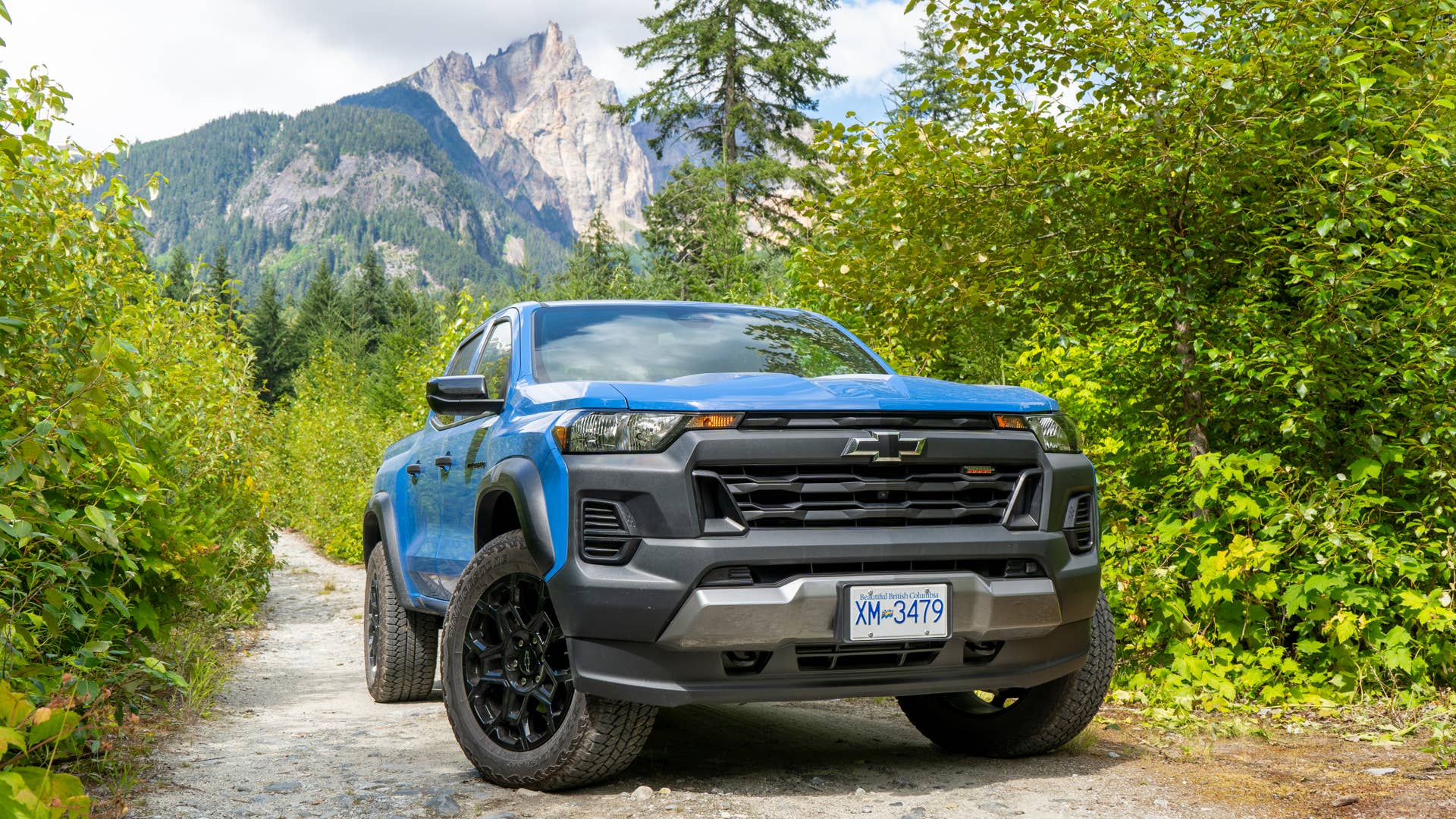
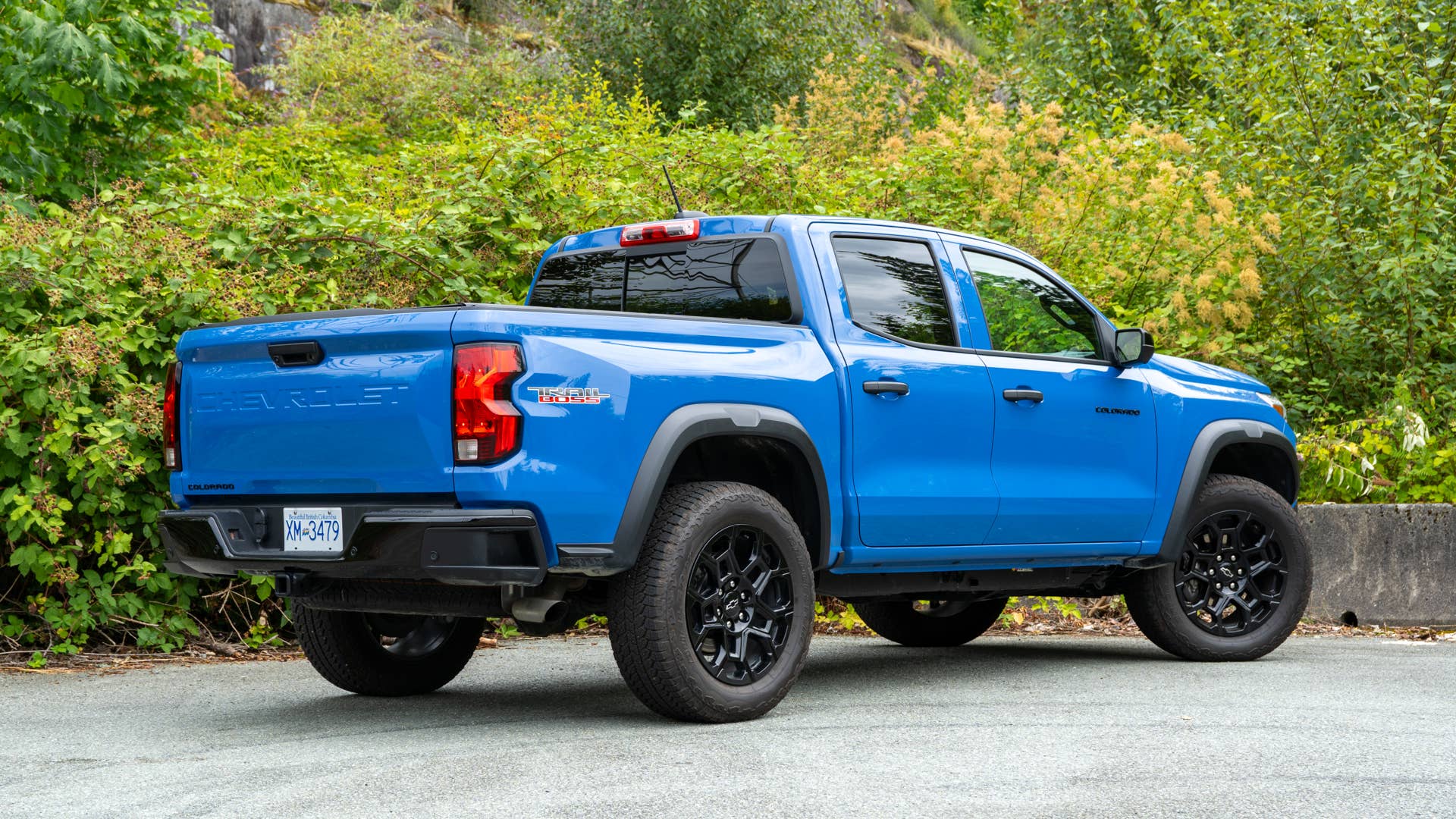
Chevrolet’s 2.7-liter TurboMax four makes the same 310 horsepower in its strongest tune, but a much stronger 430 lb.ft of torque, roughly 149 more than the Frontier. That torque advantage is decisive for low-speed pulling, hauling, and climbing, and it makes the Colorado feel noticeably more muscular under load. The turbo four is also available in lower outputs, so buyers can choose how much grunt they want to pay for. For outright working ability, the Colorado’s torque is the standout figure here, and it is the more modern engine of the two.
Cole Attisha
Towing and capability
Chevrolet edges the towing contest, pulling up to around 7,700 pounds against the Frontier’s roughly 7,150, and it carries a slightly higher payload as well. Combined with that torque advantage, the Colorado is the stronger choice for buyers who regularly tow or haul near the limit.
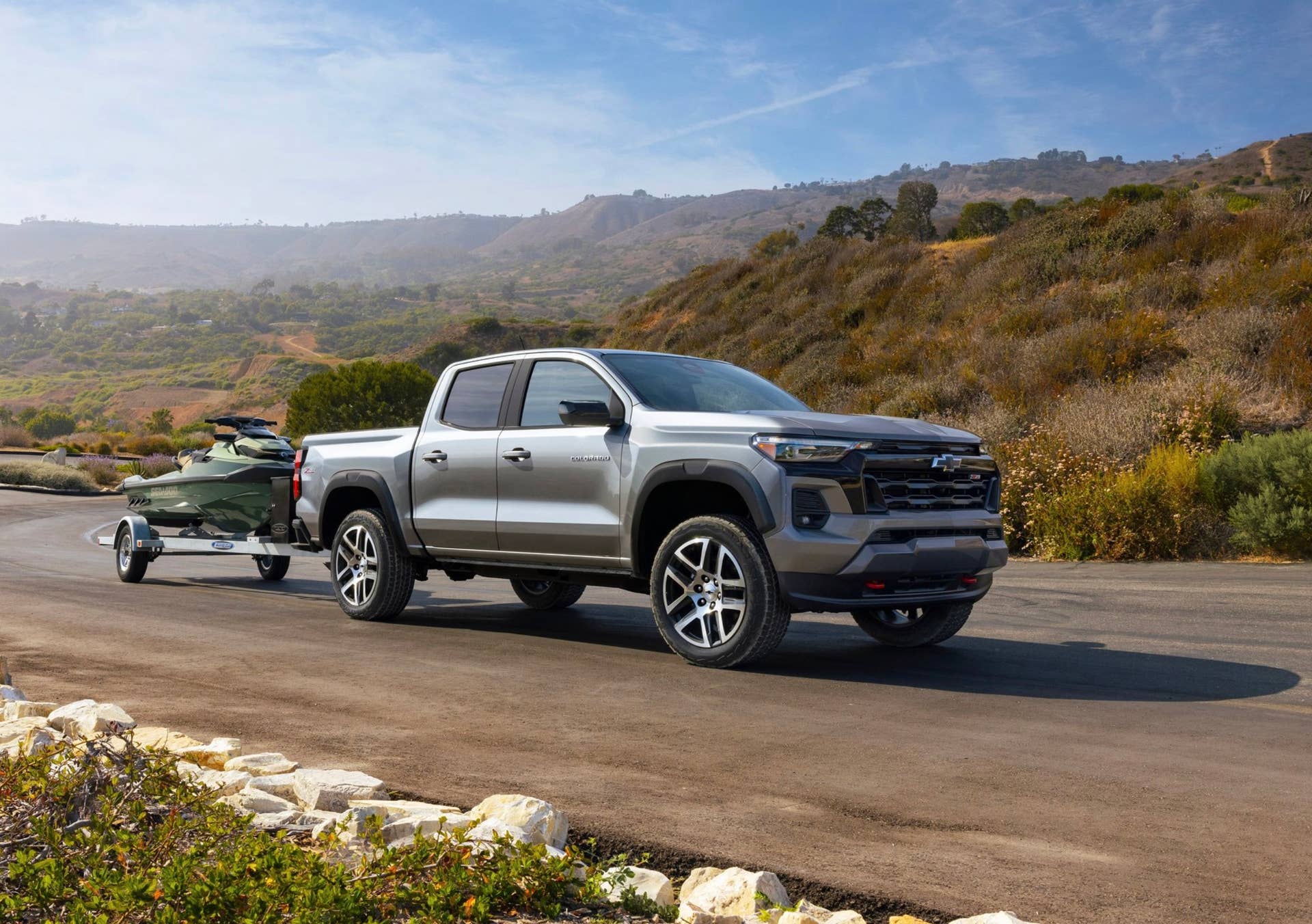
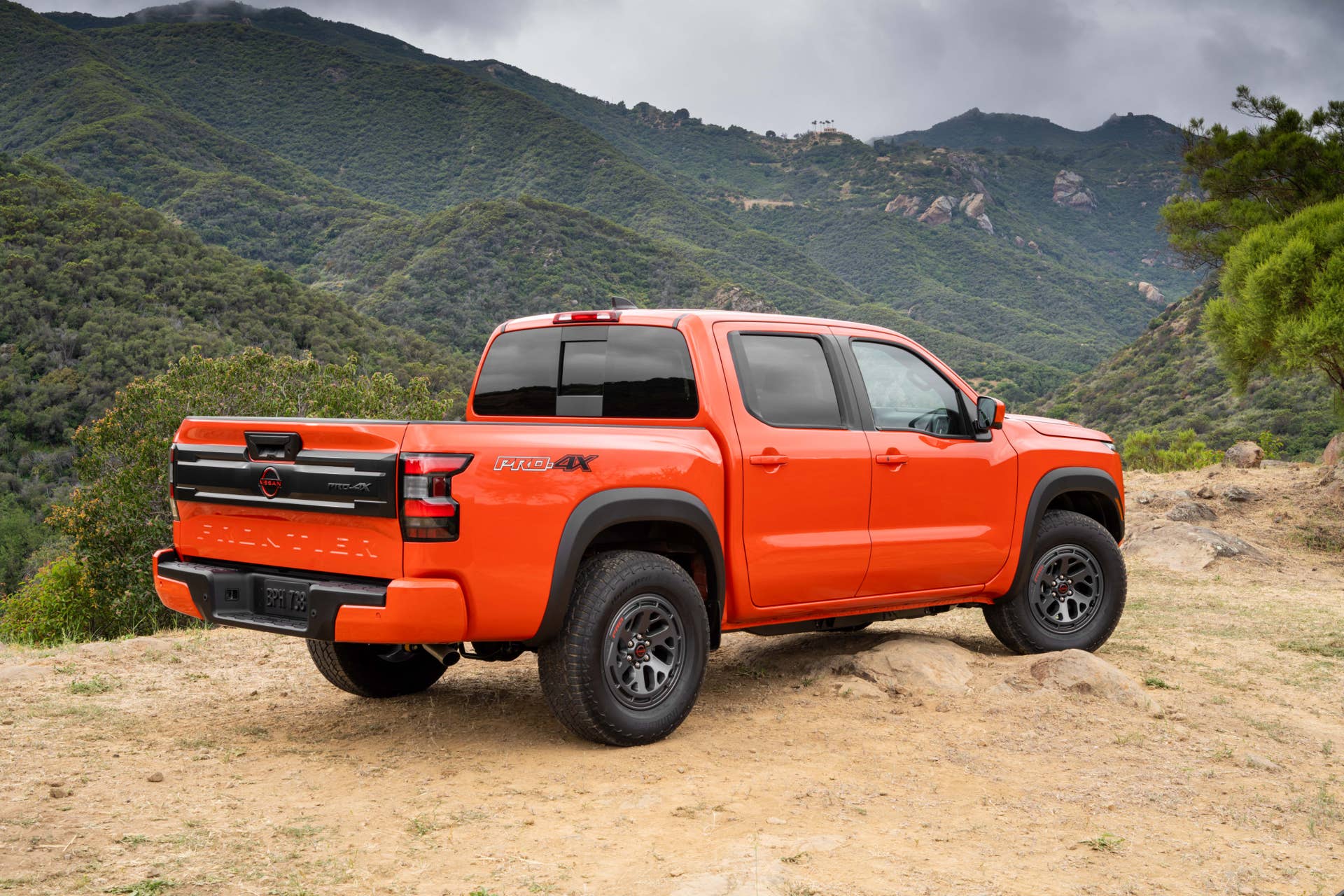
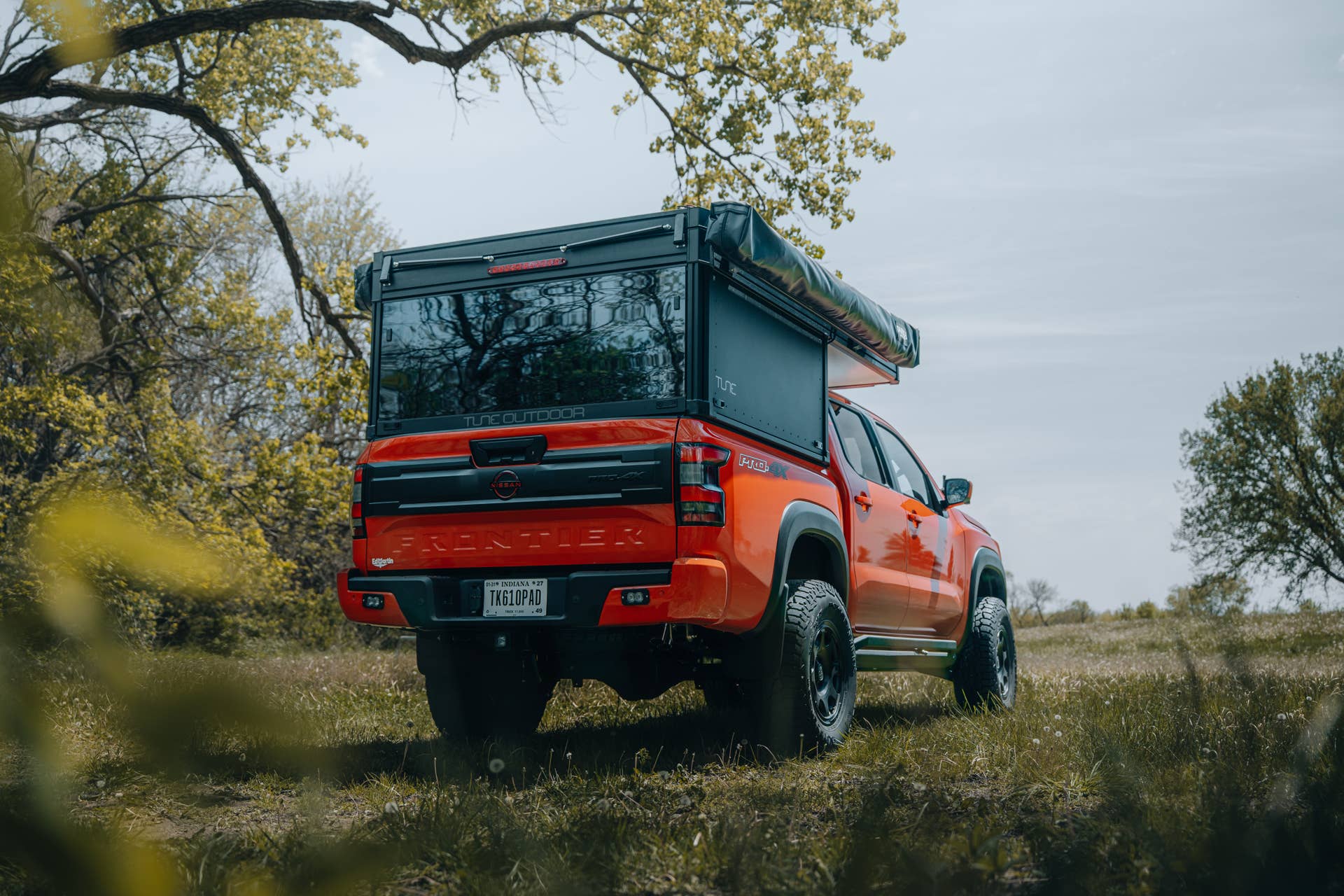
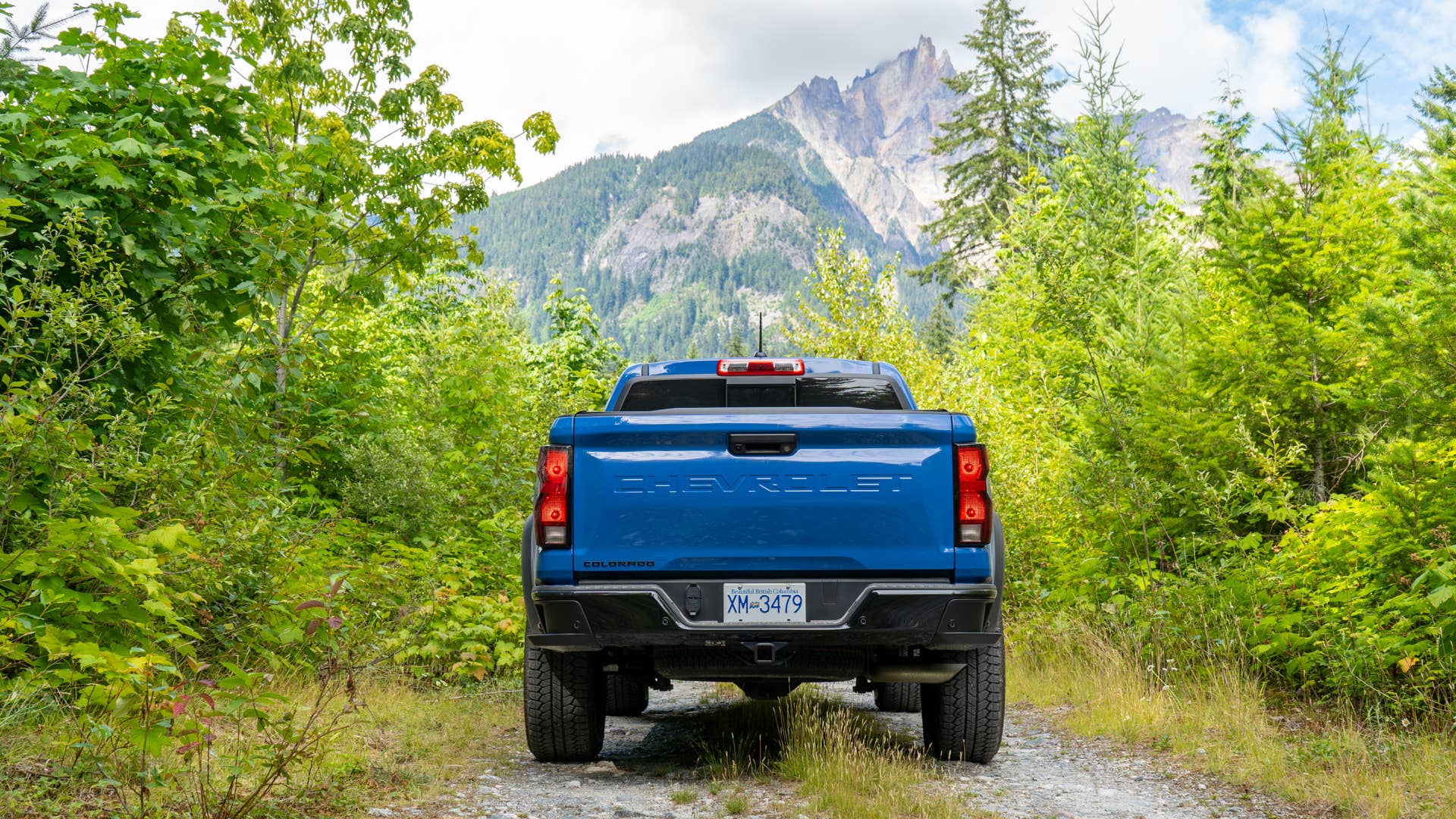
Off-road is where the Colorado’s ambition really shows. Its ladder of trims climbs from Trail Boss and Z71 to the ZR2 and the extreme ZR2 Bison, which add lifts, locking front and rear differentials, trick Multimatic dampers, up to around 10.7 inches of ground clearance, and 35-inch tires straight from the factory, rivaling what many owners build aftermarket. Nissan’s PRO-4X is genuinely capable too, with Bilstein shocks, a locking rear differential, skid plates, and hill descent control, and for most weekend adventurers, it is more than enough. But the Colorado’s off-road ceiling is far higher for buyers who want to chase it.
Nissan
Interior, technology, and configurations
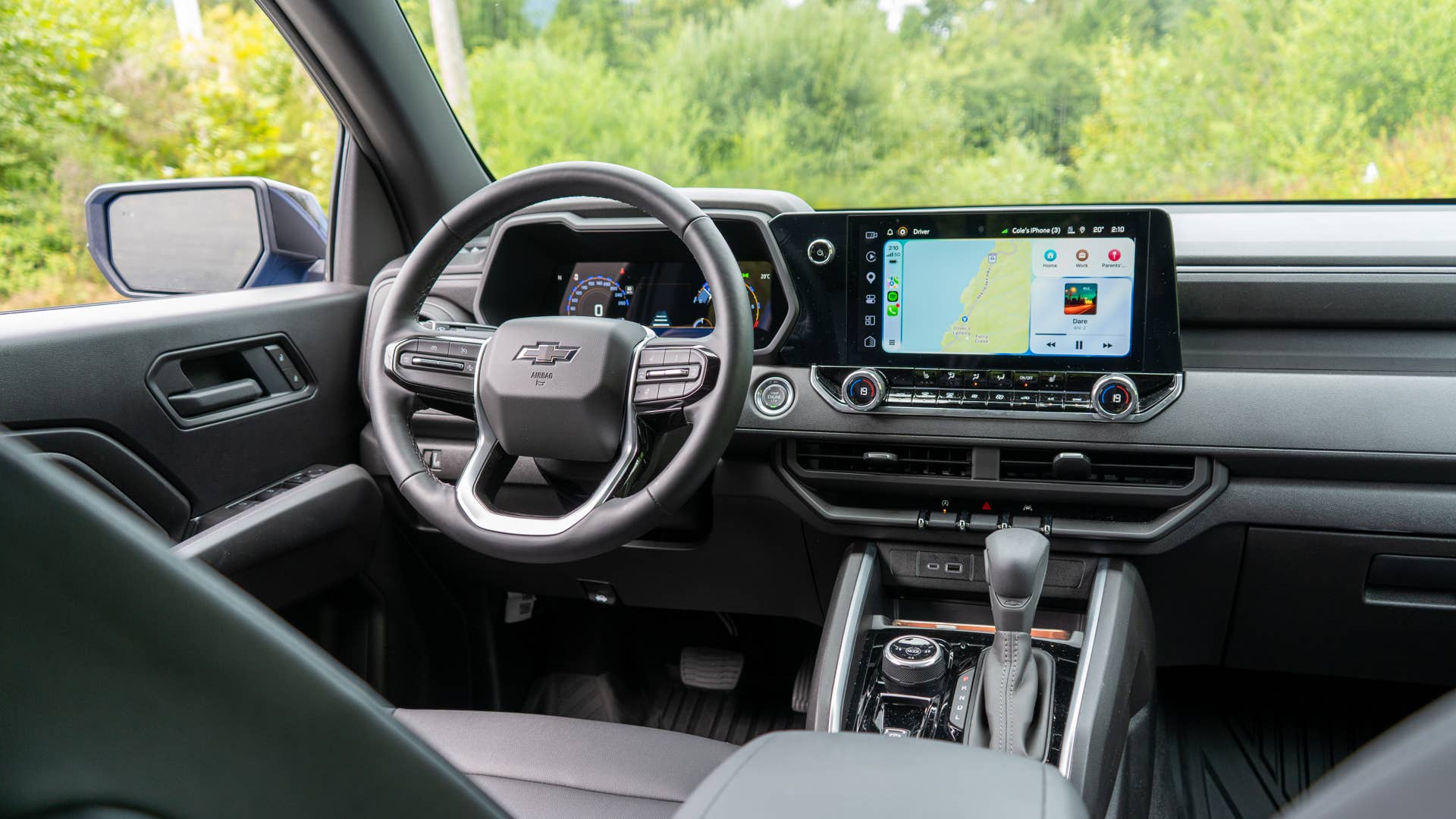
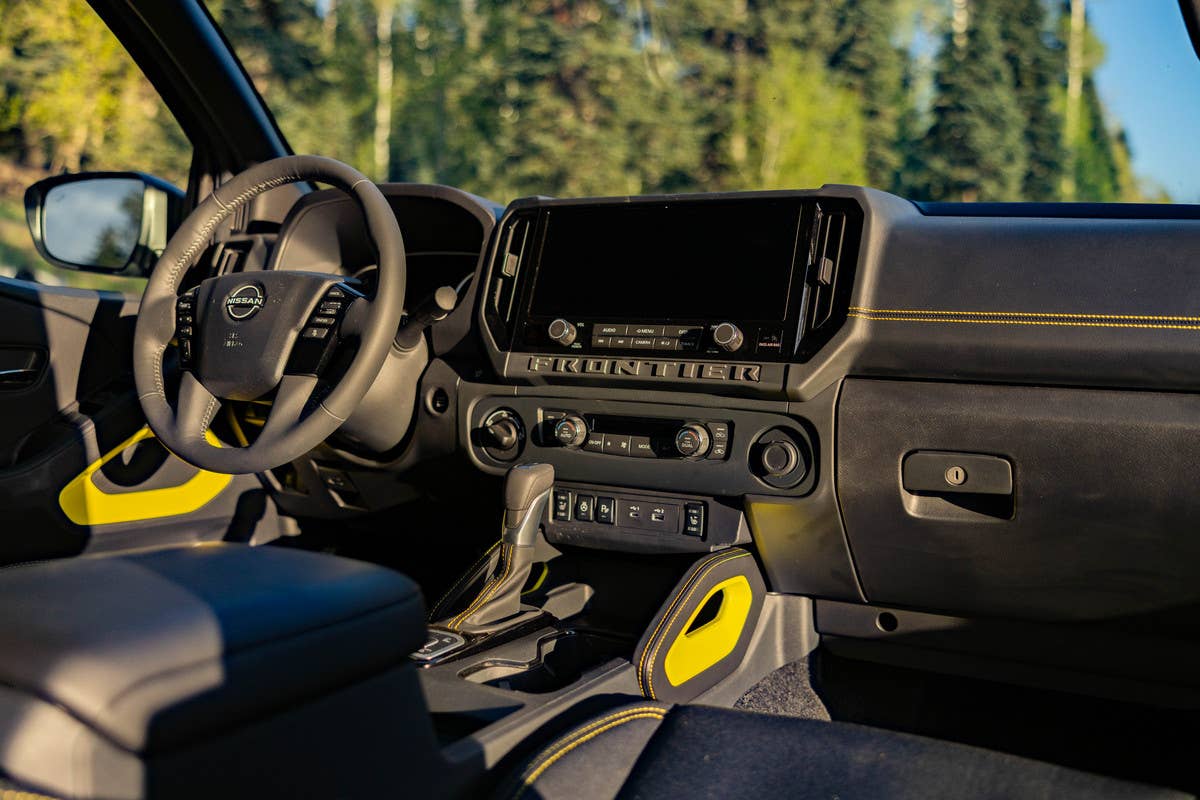
Chevrolet leads on technology and cabin modernity. The Colorado offers a large standard touchscreen, Google built-in software, and available underbody camera views that genuinely help when placing tires on a tight trail, all wrapped in a more contemporary interior. It simply feels like the newer truck inside, because it is.
Cole Attisha
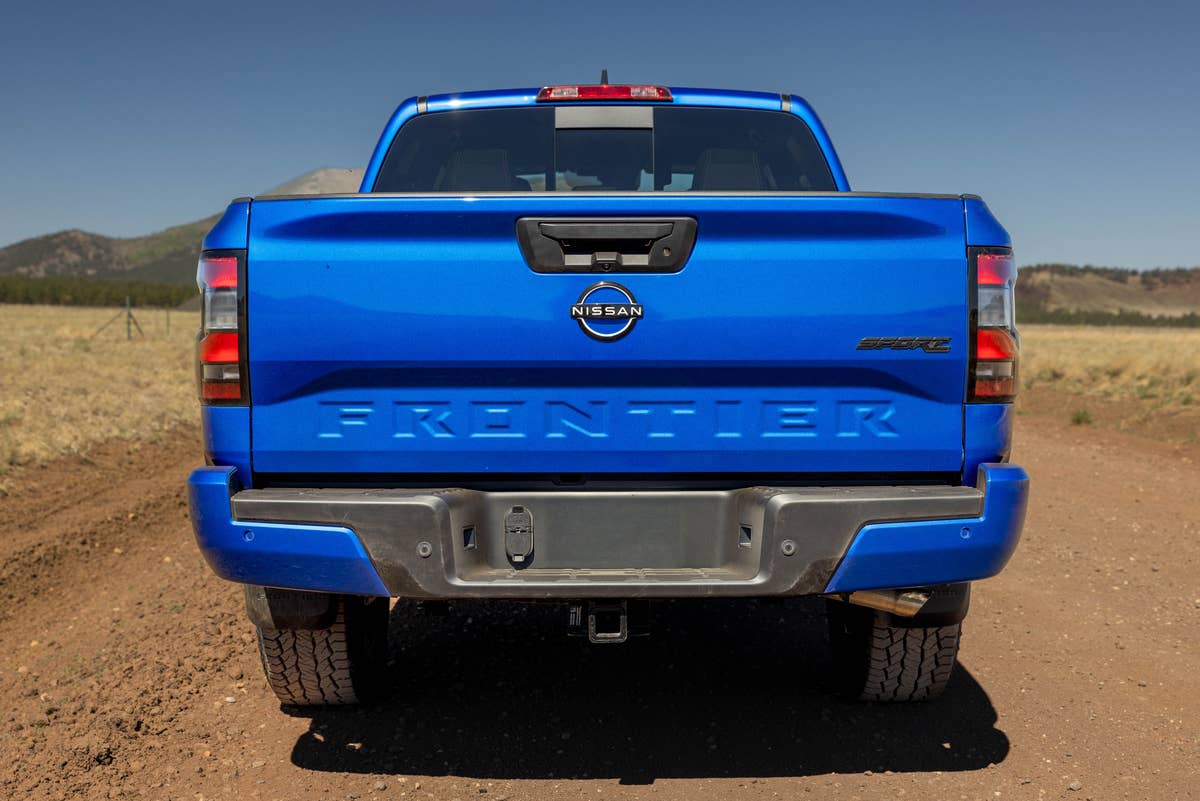
Nissan answers with practicality and choice. The Frontier is offered in both King Cab and Crew Cab body styles, with 5-foot or 6-foot bed options, while the Colorado comes only as a Crew Cab with a single bed length. For buyers who haul long cargo or want a shorter-cab work configuration, the Frontier’s flexibility is a real advantage the Colorado cannot match. Its cabin is functional and pleasant if plainer, with an available 12.3-inch screen, but the Colorado is the more polished and connected space overall.
Nissan
Value and ownership
Nissan’s case rests on value and simplicity. The Frontier delivers strong standard equipment at a competitive price, its naturally aspirated V6 avoids the complexity of forced induction, and Nissan’s reputation for durability appeals to buyers who plan to keep a truck for the long haul. It is the straightforward, no-drama option in a class that increasingly chases gadgets.
Nissan
Chevrolet counters with capability, technology, and a far higher performance ceiling, though reaching the best of it costs real money at the top trims. Both trucks are sensible ownership propositions with competitive warranties, and both should hold up to hard use. The decision comes down to whether you value the Frontier’s simplicity and flexibility or the Colorado’s torque, tech, and trail hardware.
Cole Attisha
So which one wins?
Chevrolet’s Colorado wins. Its torque advantage, higher tow rating, more modern technology, and dramatically deeper off-road capability make it the more capable and more contemporary midsize truck, and its range stretches from sensible work duty all the way to genuine rock-crawling with the ZR2 Bison. For most buyers who want the strongest all-around midsize pickup, it is the clear pick.
Nissan’s Frontier remains a smart choice for a specific buyer: one who values a smooth, proven V6, a lower price of entry, more cab and bed configurations, and mechanical simplicity over cutting-edge tech. Its PRO-4X handles most real off-roading, and its straightforwardness has genuine, lasting appeal. But measured across capability, technology, and sheer breadth, the Colorado takes this one, with the Frontier standing as the value-and-simplicity alternative.
About the author

Kyle Edward
Editor-in-Chief, Autoblog