
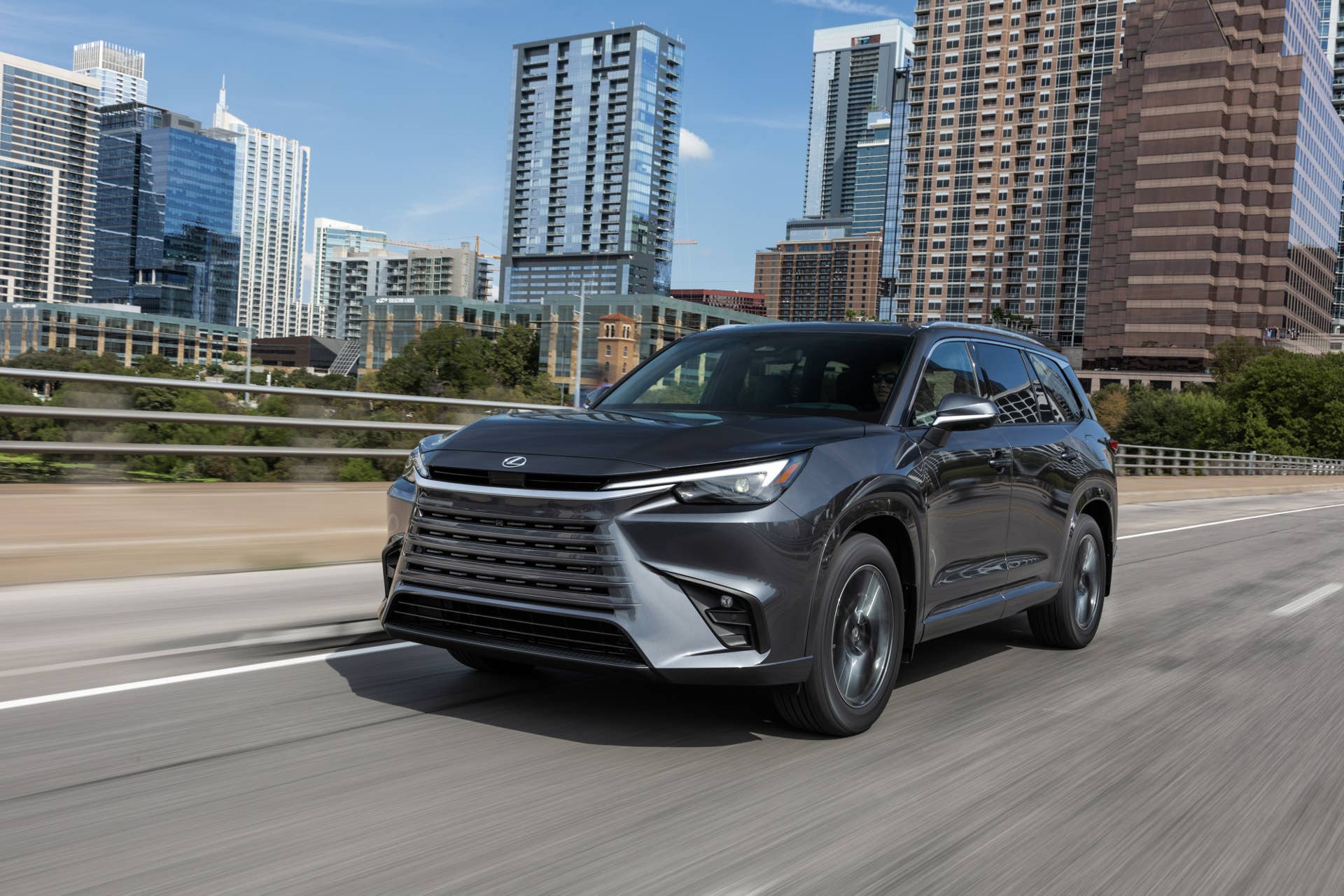
The Lexus TX enters its sophomore year, but skips the slump
Lexus’s three-row TX SUV is one of the brand’s newest models, first introduced for the 2024 model year. For 2025, this mid-size crossover premieres a new 350 F Sport Handling model, a trim that includes adaptive suspension, ventilated front seats, 22-inch wheels, and a panoramic sunroof. Drivers purchasing any 2025 TX now receive a standard 12.3-inch digital instrumentation panel and an automatic curve-speed reduction feature for adaptive cruise control.

The 2025 TX is one of Lexus’s most family-friendly models, with its class-leading passenger room and cargo space complementing a smooth ride. However, some drivers feel this SUV’s handling is dull without the pricier AWD F Sport Handling trim, which starts at $65,760. The 2025 TX’s base trim, the TX 350, starts at $56,490, a far cry from the range-topping TX 550+ Luxury AWD, which holds a $78,560 base price. Drivers behind the wheel of a TX 350 get 275 horsepower, while the TX 500h F Sport Performance delivers 366 horsepower. As its price might suggest, the TX 550h+ plug-in hybrid (PHEV) produces the most ponies, at 404 horsepower.

While the 2025 TX boasts a comfortable ride and versatile powertrain lineup, its flaws, which we’ll continue to explore more in-depth, extend beyond the non-F Sport grades’ handling capabilities, and its competition includes formidable rivals such as Infiniti’s QX60, Lincoln’s Aviator, and Volvo’s XC90. Keep reading to learn about how these competitors compare to the 2025 TX’s strengths and weaknesses.
Infiniti QX60
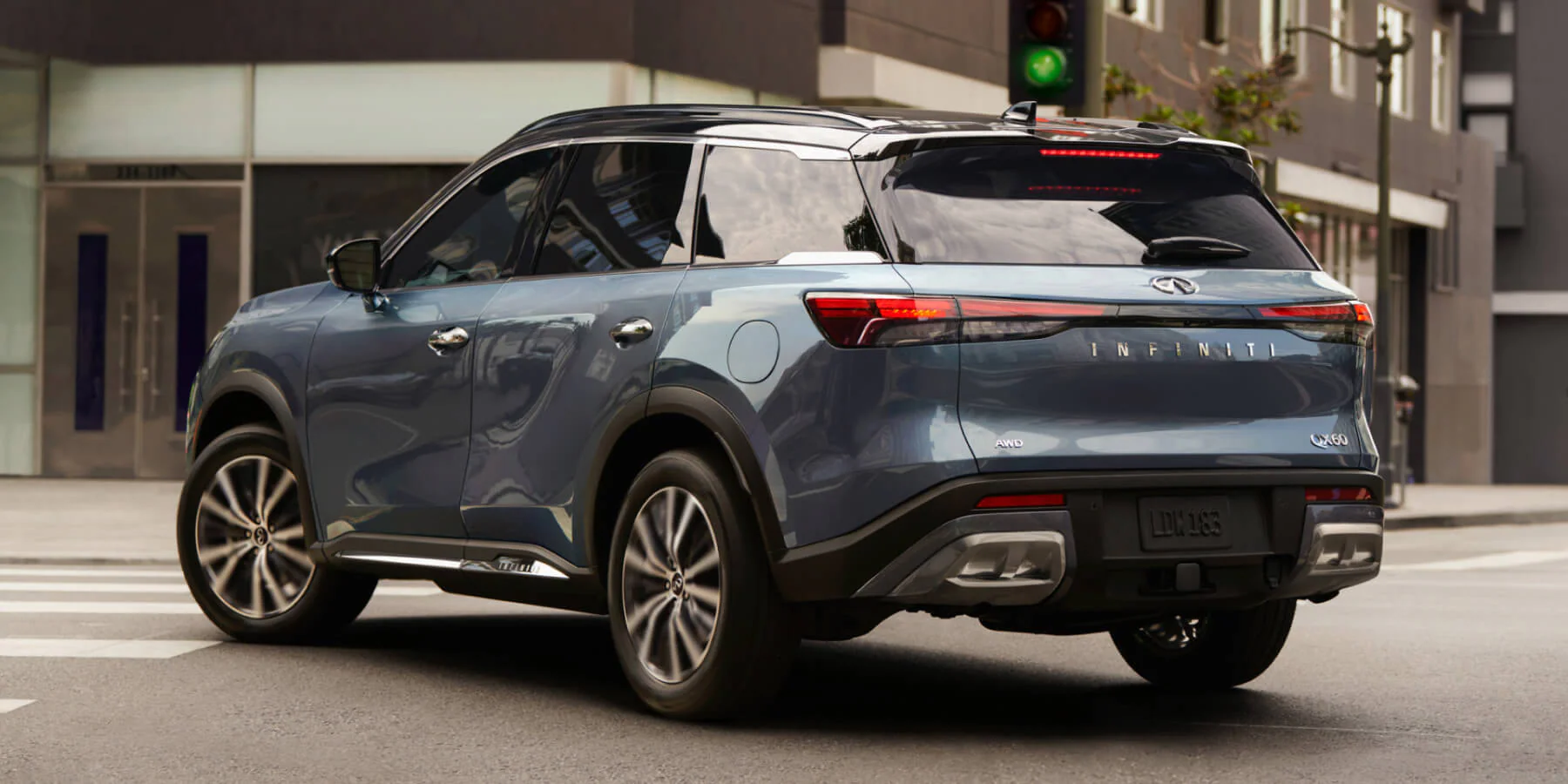
Infiniti’s 2025 QX60 has a lower starting price than the 2025 TX, at $50,200, with its most expensive trim, the Autograph AWD, having a base MSRP of $66,150. Like the 2025 TX, the QX60 can seat six or seven passengers but has a significantly lower rear cargo capacity of 14.5 cu. ft. compared to this Lexus’ 20.2 cu. ft. Passengers also have more space in the TX, with a total volume of 154.4 cu. ft.—13.8 more cu. ft. than the QX60. The 2025 TX edges this Infiniti out in combined mileage with its range of 23-29 MPG and 76 MPGe compared to the non-hybrid QX60’s 24 MPG across the board, but you’ll need to opt for a pricier hybrid TX, like the TX 550h+ PHEV, to experience this Lexus’s best fuel economy. AWD is optional for the Lexus TX’s 350 variants, while front-wheel drive (FWD) is standard on the remaining four trims. Infiniti makes AWD available in all four of the QX60 grades.
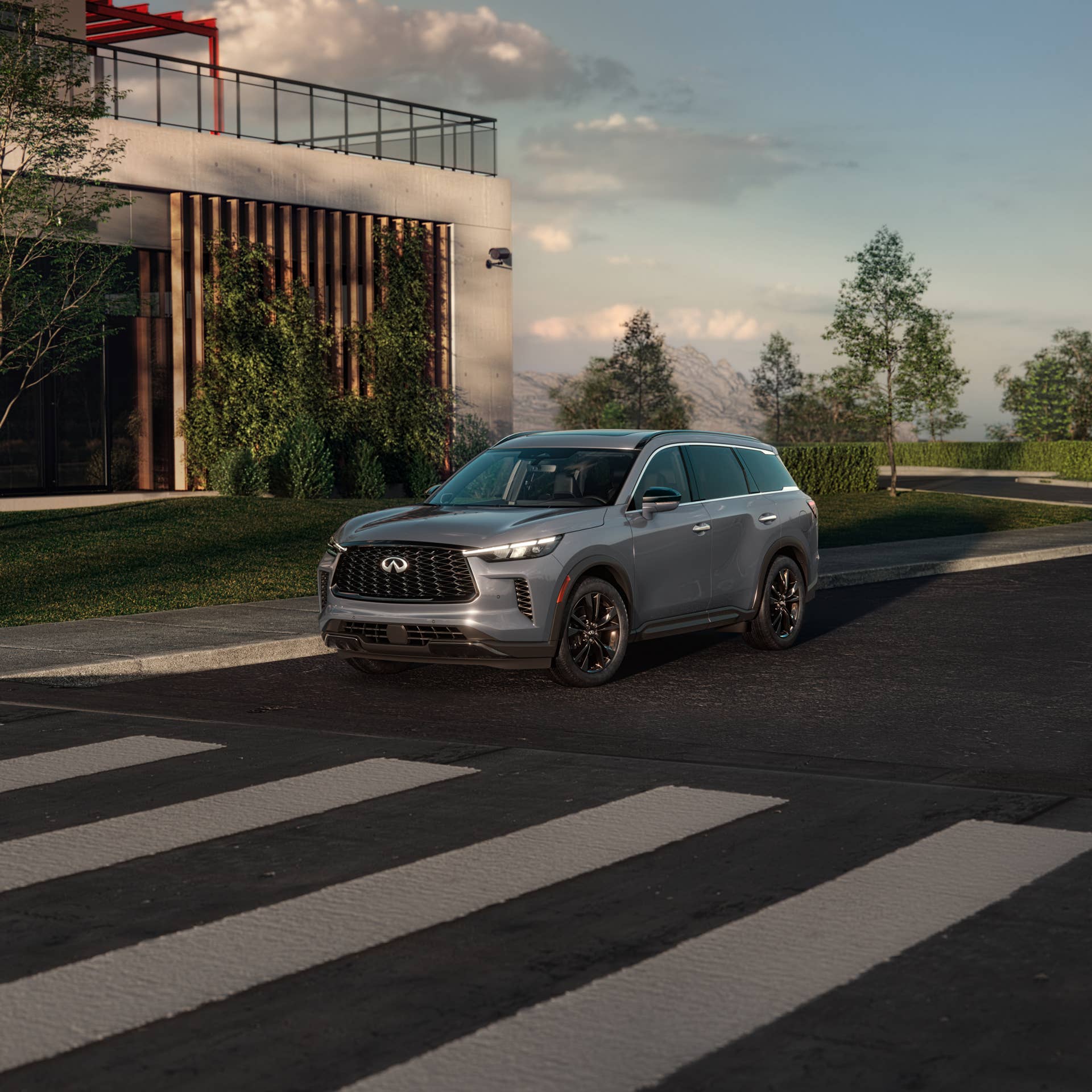
The QX60 swings back with superior cabin finishes such as semi-aniline leather, quilted leather, and Black Open Pore Ash Wood trim accents. These finishes are acclaimed for their bespoke feel, whereas the Lexus TX adopts a straightforward approach with more basic materials, skipping detailed touches like quilted patterns. The QX60 also offers more engaging and responsive driving dynamics despite having a single 268-horsepower powertrain.
Regarding infotainment displays, Lexus takes the lead with a 14-inch standard touchscreen that’s 1.7 inches larger than its competitor’s, but drivers who prefer an exterior blending sport and luxury characteristics may appreciate the QX60 more. On the safety front, the 2025 QX60 was named a Top Safety Pick by the IIHS (Insurance Institute for Highway Safety), whereas the TX did not receive an award. Infiniti offers a 4-year/60,000-mile basic and 6-year/70,000-mile powertrain warranty for its QX60, while the TX lags behind slightly with a 4-year/50,000-mile basic and 6-year/70,000-mile powertrain warranty.
Infiniti

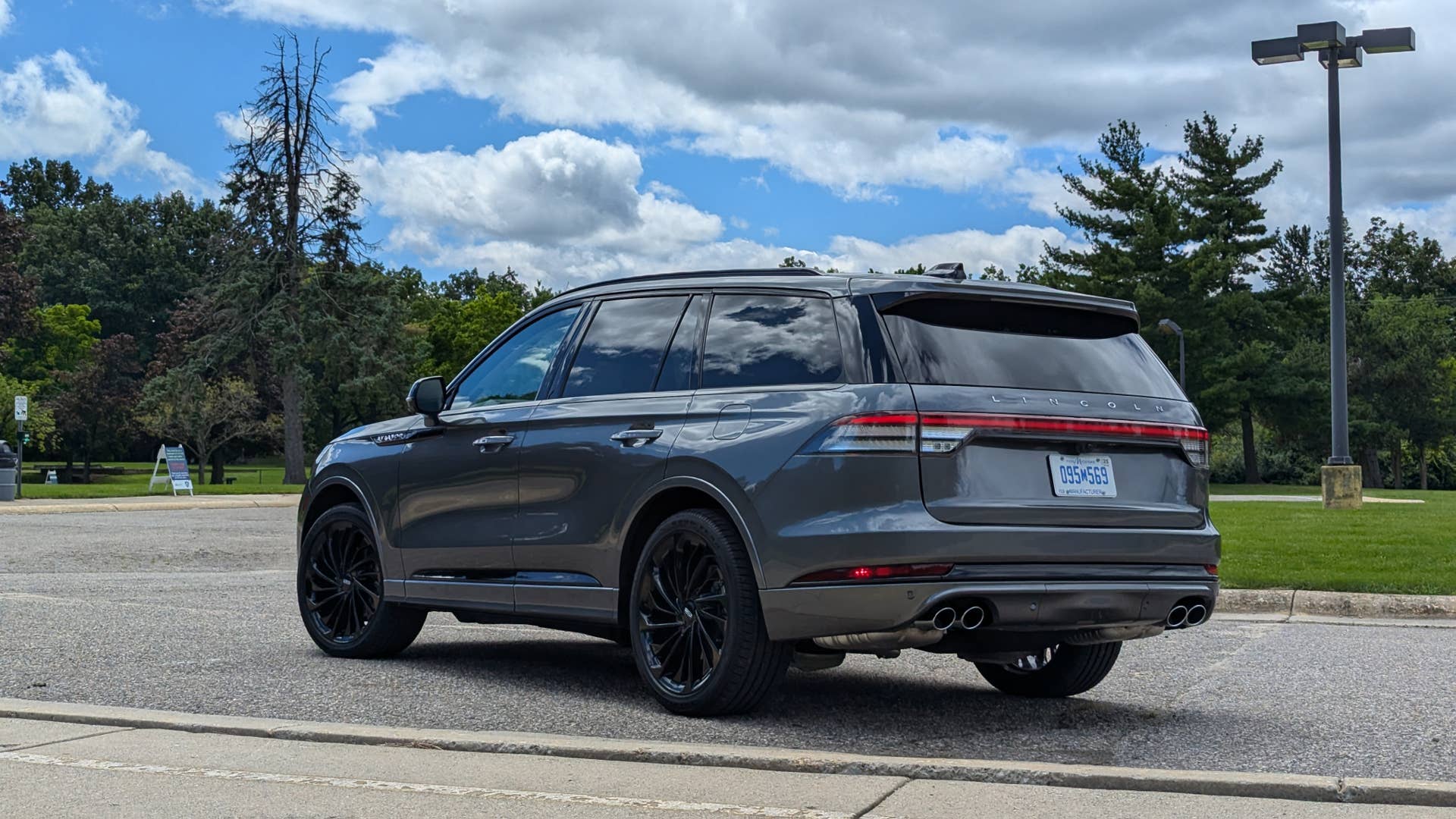
Lincoln Aviator
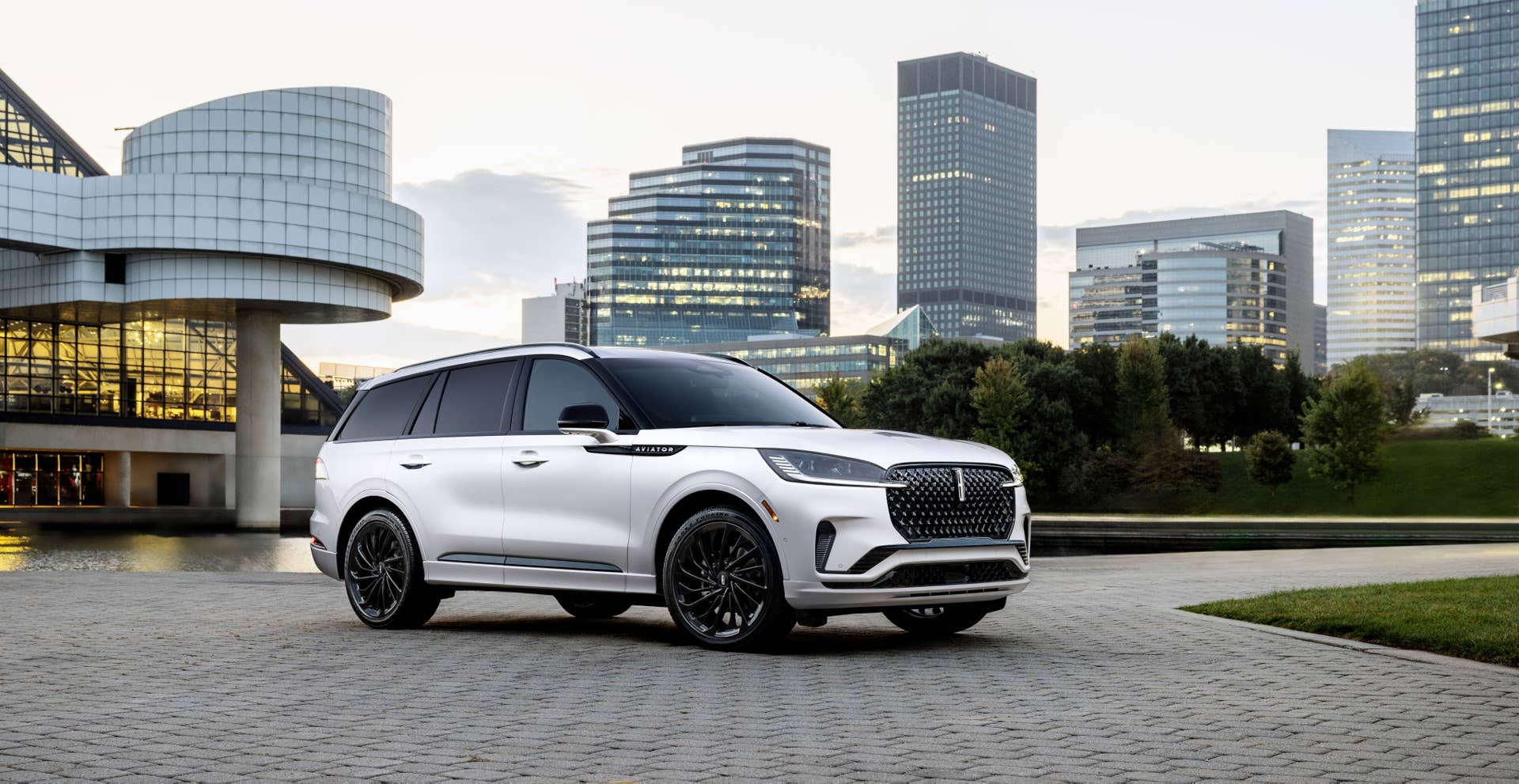
The 2025 Lincoln Aviator starts at $58,995, seats up to seven passengers across its three rows, and prices its most-expensive Black Label trim at $87,395. You’ll get plenty more horsepower with a 2025 Aviator at either 400 or 494 horsepower for the PHEV version, but you must settle for a lower combined fuel economy of 20-21 MPG and 56 MPGe. The 2025 Aviator differs in its use of a standard RWD drivetrain but still offers available AWD, and its trim lineup is streamlined with three variants compared to the seven TX trims.
While Lincoln’s Aviator is no small ride, its passenger volume falls below the 2025 TX’s 154.4 cu. ft. at 144.7 cu. ft., and it has less rear cargo space at 18.3 cu. ft. Both of these rivals’ infotainment displays are comparable, with the TX taking a marginal 0.8-inch lead, and neither SUV received an IIHS Top Safety Pick award. Drivers prioritizing athletic drives will revel in the 2025 Aviator’s confident acceleration and handling, whereas those preferring a smooth and comfortable ride may lean toward the TX. Lincoln’s Aviator matches the TX’s basic and powertrain warranties at 4 years/50,000 miles and 6 years/70,000 miles.
Zac Palmer
Volvo XC90
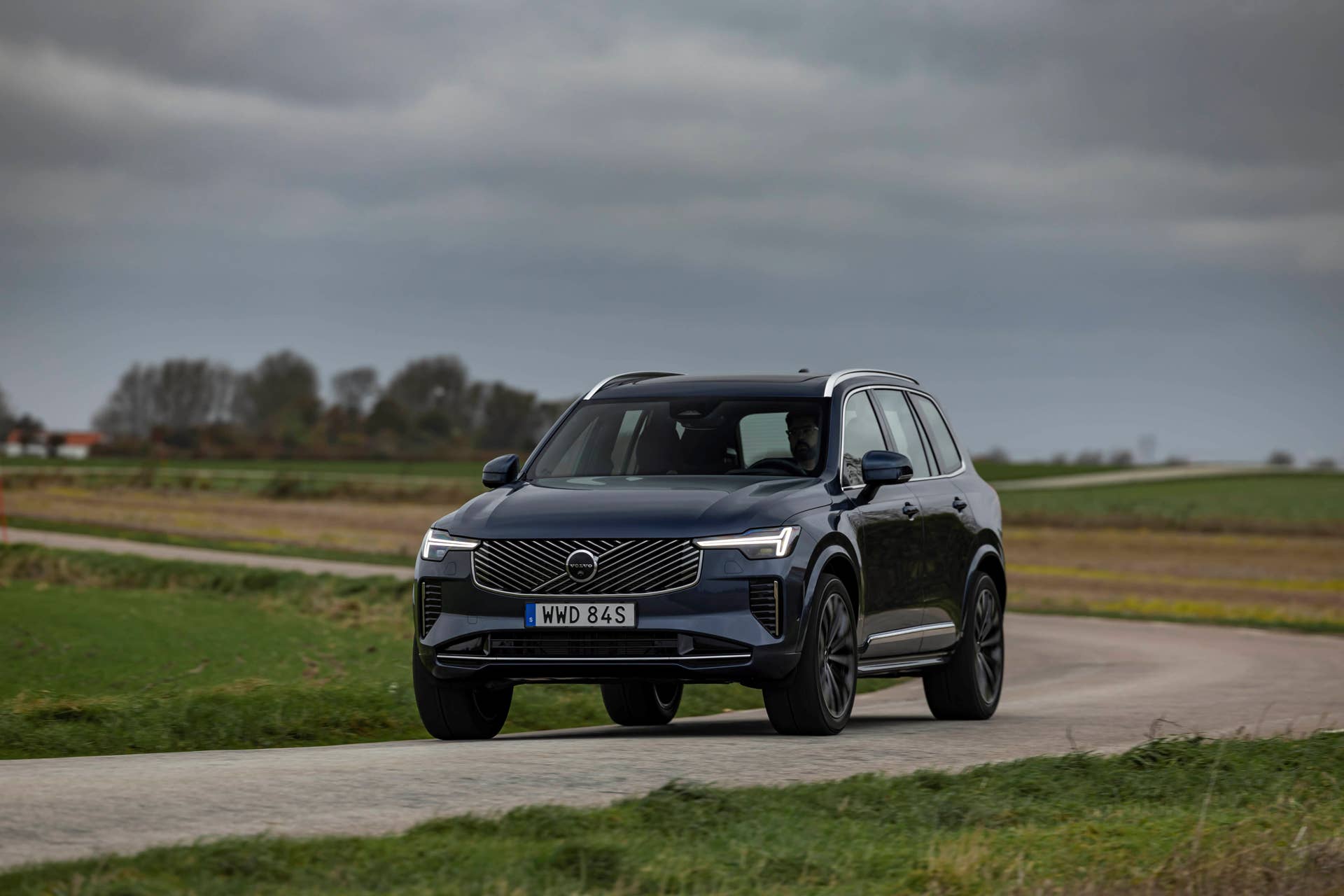
The 2025 Volvo XC90 starts at $59,745 for its base mild-hybrid trim and $64,645 for the peak B6 mild-hybrid. This XC90 also comes in a PHEV version with a $73,000 starting price. Volvo’s Swedish beauty seats 6-7 passengers, and its horsepower ranges from 247 to a robust 455 that handily beats the TX. Lexus scores a victory in the fuel economy column over the XC90, which offers 23-24 combined MPG and 58 combined MPGe with its PHEV, but Volvo’s XC90 gets the advantage regarding drivetrains since all of its variants feature standard AWD. The 2025 TX continues to defend its reputation for superior comfort with a passenger volume that’s 50.6 cu. ft. greater than its Volvo rival, and the XC90’s rear cargo space is much smaller at 12.57 cu. ft.
Drivers preferring larger displays may gravitate toward the TX, which is 1.7 inches larger, but the XC90’s safety tech scored an IIHS Top Safety Pick designation. Both models offer a refined ride feel, but steering is more accurate in the XC90 compared to non-F Sport TX trims. You’ll receive better powertrain warranty coverage with the TX’s plan that provides an additional two years and 20,000 miles of protection.

What’s the ‘best’ alternative?
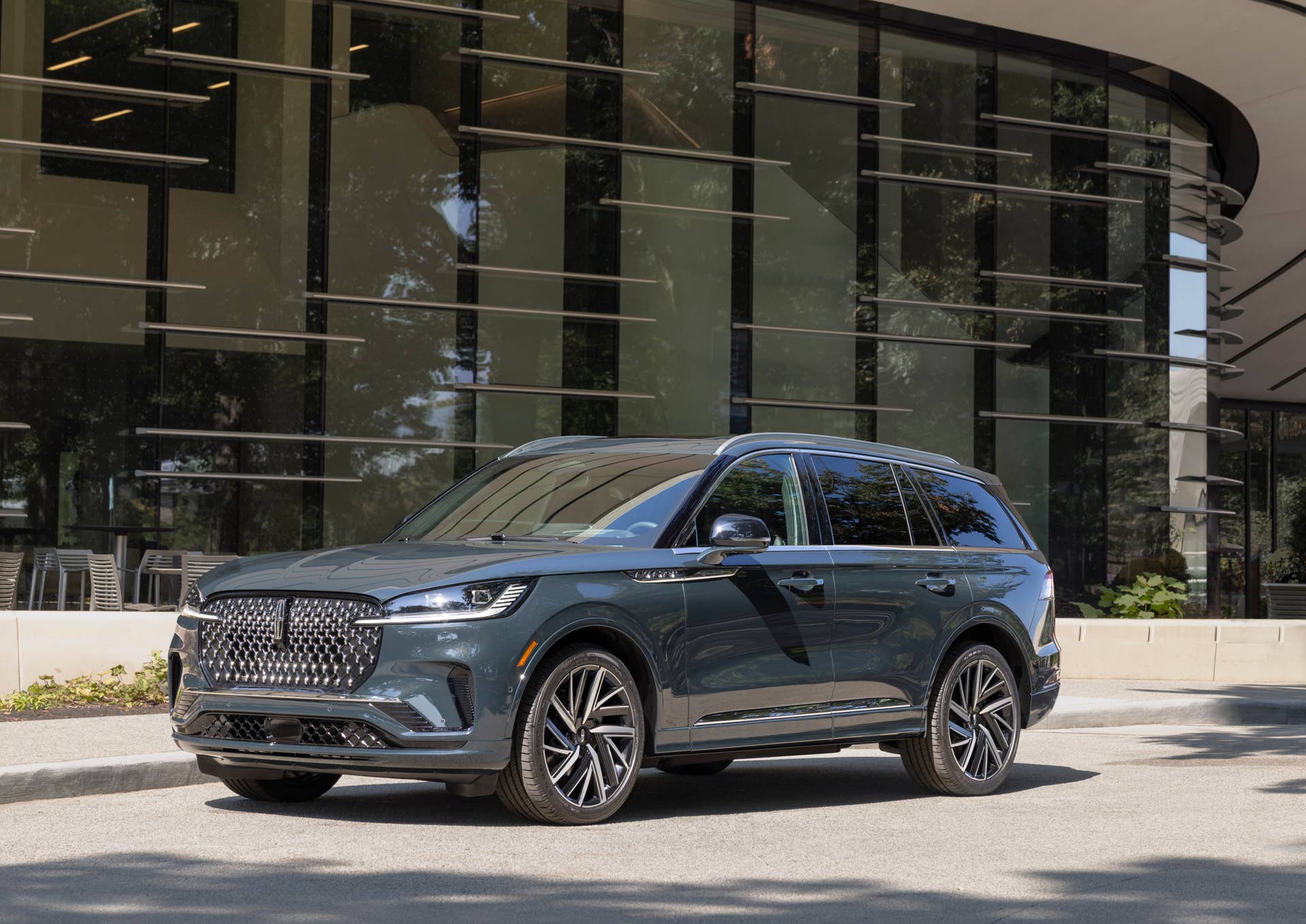
From a personal standpoint, Lincoln’s Aviator excites me the most with the PHEV version’s 494 horsepower rating and sleek styling. While many competitors can’t hold a candle to the TX’s passenger and cargo volumes, the Aviator gives this Lexus a run for its money, and its exterior feels less bland and more uniform than the TX, which has too many Highlander characteristics for my liking.
Final thoughts
The Infiniti QX60, Lincoln Aviator, and Volvo XC90 offer food for thought compared to the TX, but I believe this 2025 Lexus is still the best overall option, even if I’d have more fun behind the wheel of an Aviator. When I consider shopping within the three-row SUV segment, I prioritize cargo and passenger volume, along with balanced drives. The TX is tough competition because of its vast interior dimensions, comfortable and composed driving dynamics, and exceptional fuel economy for its class, which is enough for me to overlook its more straightforward styling. Still, you should personally explore and test-drive other options, including the ones on this list, before purchasing to find your ideal fit.
About the author

Cody Carlson
Contributing Writer, Autoblog