
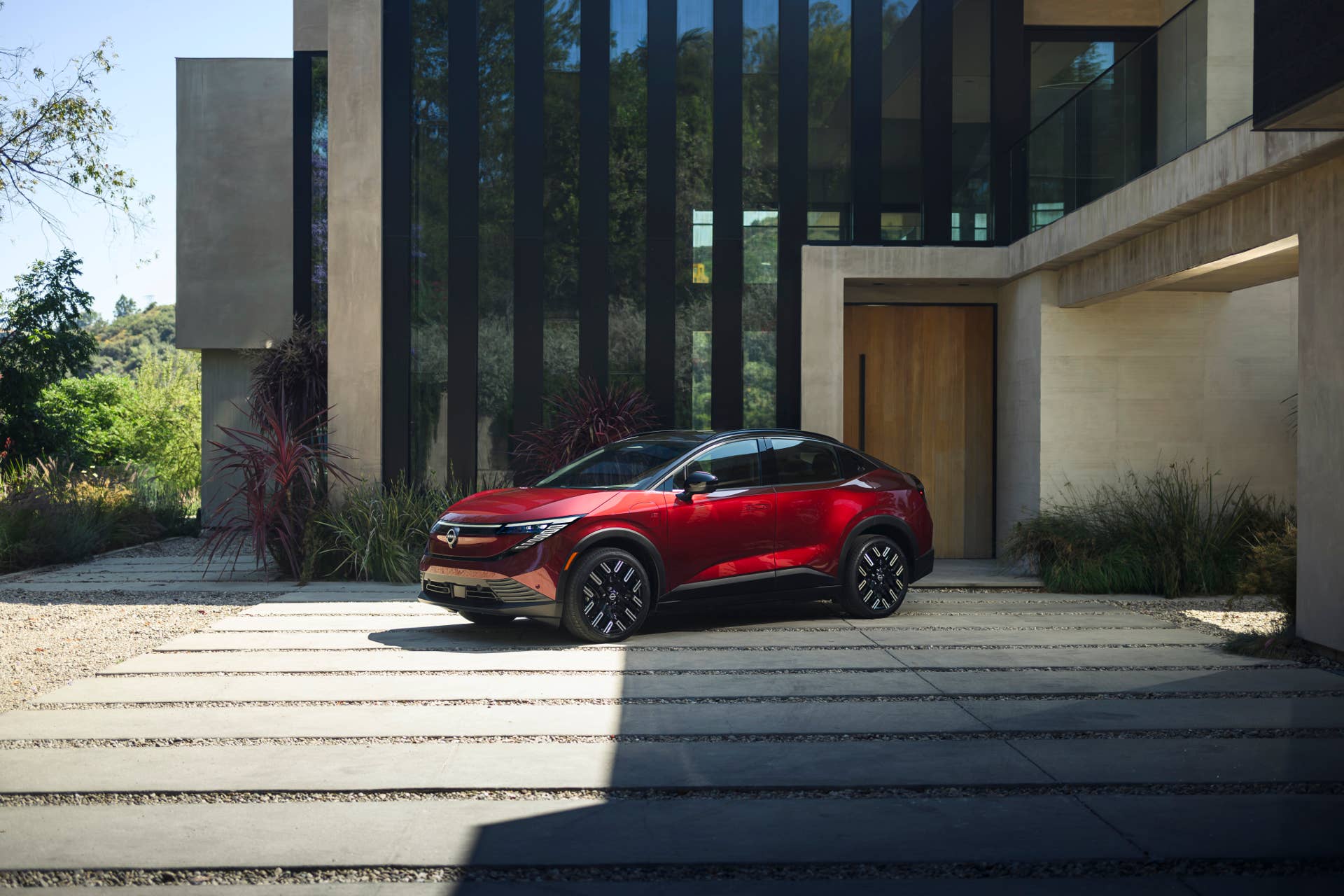
Better versions of their predecessors
I hate to brag (no, I don’t), but I’ve had a chance to drive both the 2027 Chevrolet Bolt and the 2026 Nissan Leaf, and they’re both miles ahead of their predecessors. Each offers solid range, modern tech, and a strong value proposition under $30,000. But they take slightly different approaches to design and driving feel. The Bolt stays true to its compact hatchback roots, about the same size as the old Bolt EUV, while the new Leaf takes on a more crossover-like stance, though it’s actually smaller than the outgoing model. Let’s break them down.
2026 Nissan Leaf ($29,990 base MSRP)

Nissan
The 2026 Nissan Leaf comes in two powertrain options: a 174-hp base model and a 214-hp extended-range version, the one I drove. Nissan claims up to 303 miles on a single charge for the extended model, while the base trim’s range will likely vary depending on configuration.
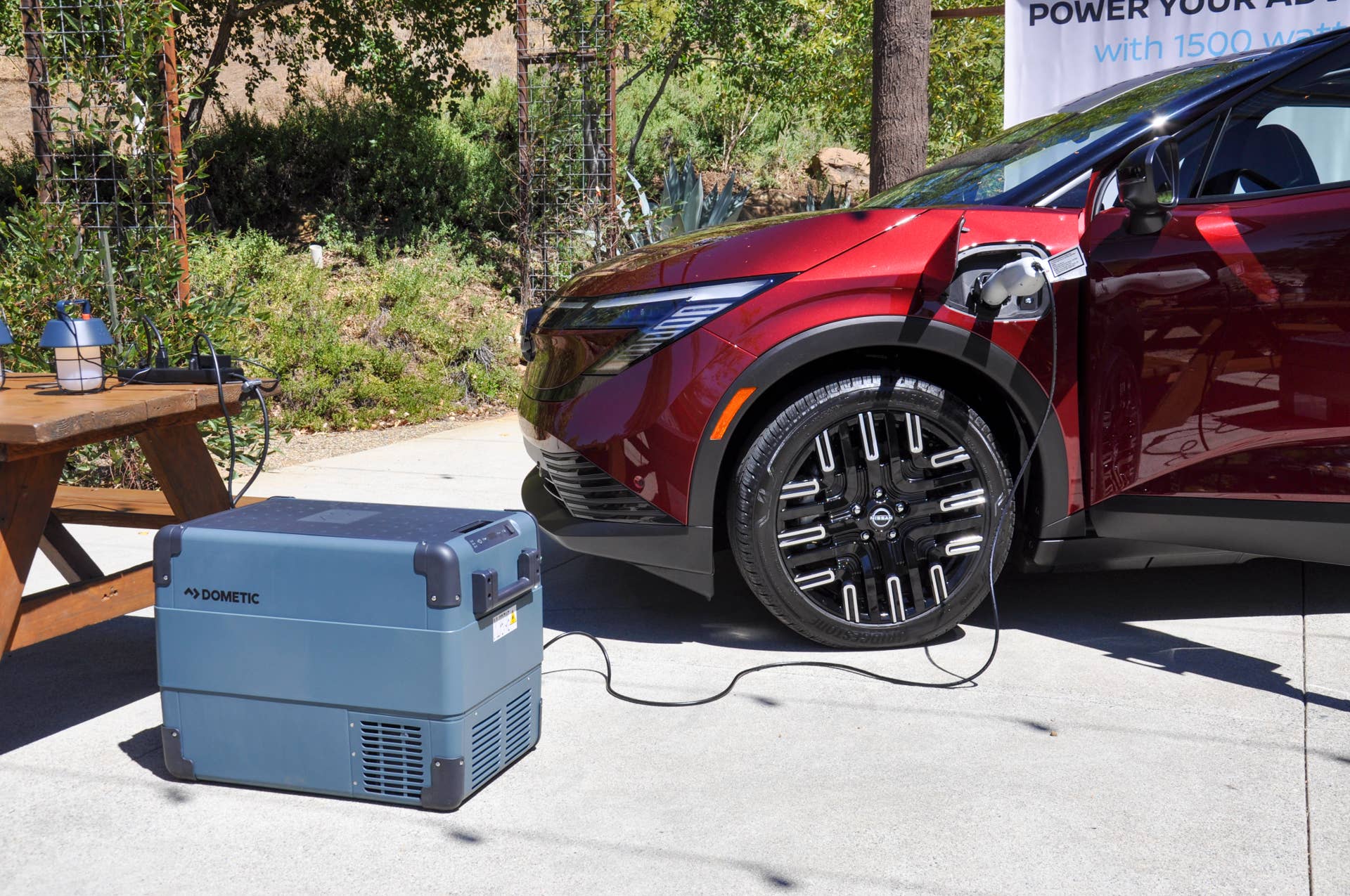
One clever update is its dual-port charging setup: NACS fast charging on one side, J1772 Level II on the other. With charging ports placed just ahead of the front doors, it’s easier to position at public stations. The Leaf now supports DC fast charging up to 150 kW, as well.
Cole Attisha

Cole Attisha
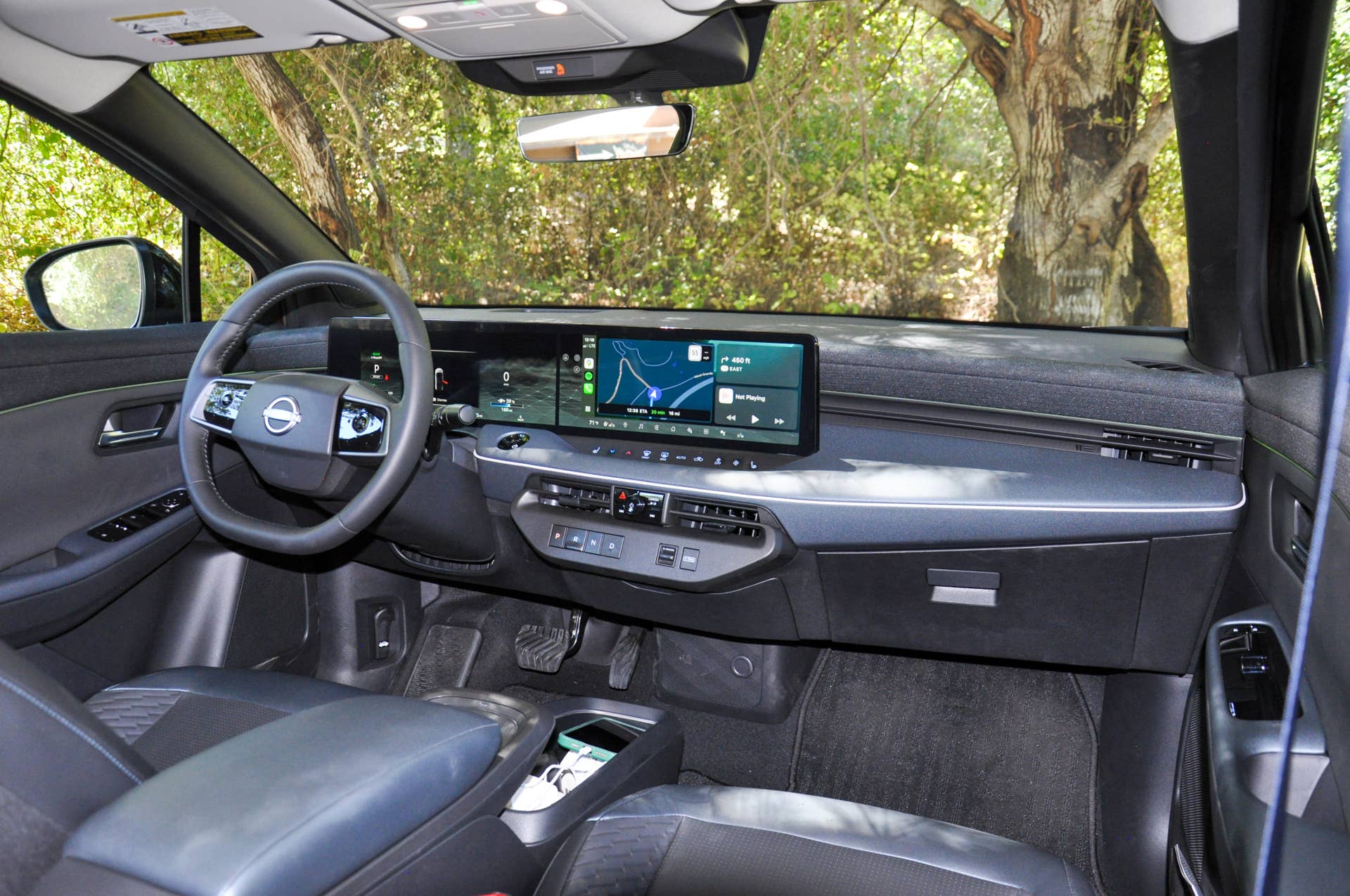
Inside, buyers can choose between dual 12.3-inch screens or an optional 14.3-inch main display. Standard ProPILOT Assist, optional Google built-in, and a panoramic dimming roof (that darkens electronically) round out the tech story. Unfortunately, that roof doesn’t open- and it’s only on the top trim.
Driving the 2026 Nissan Leaf
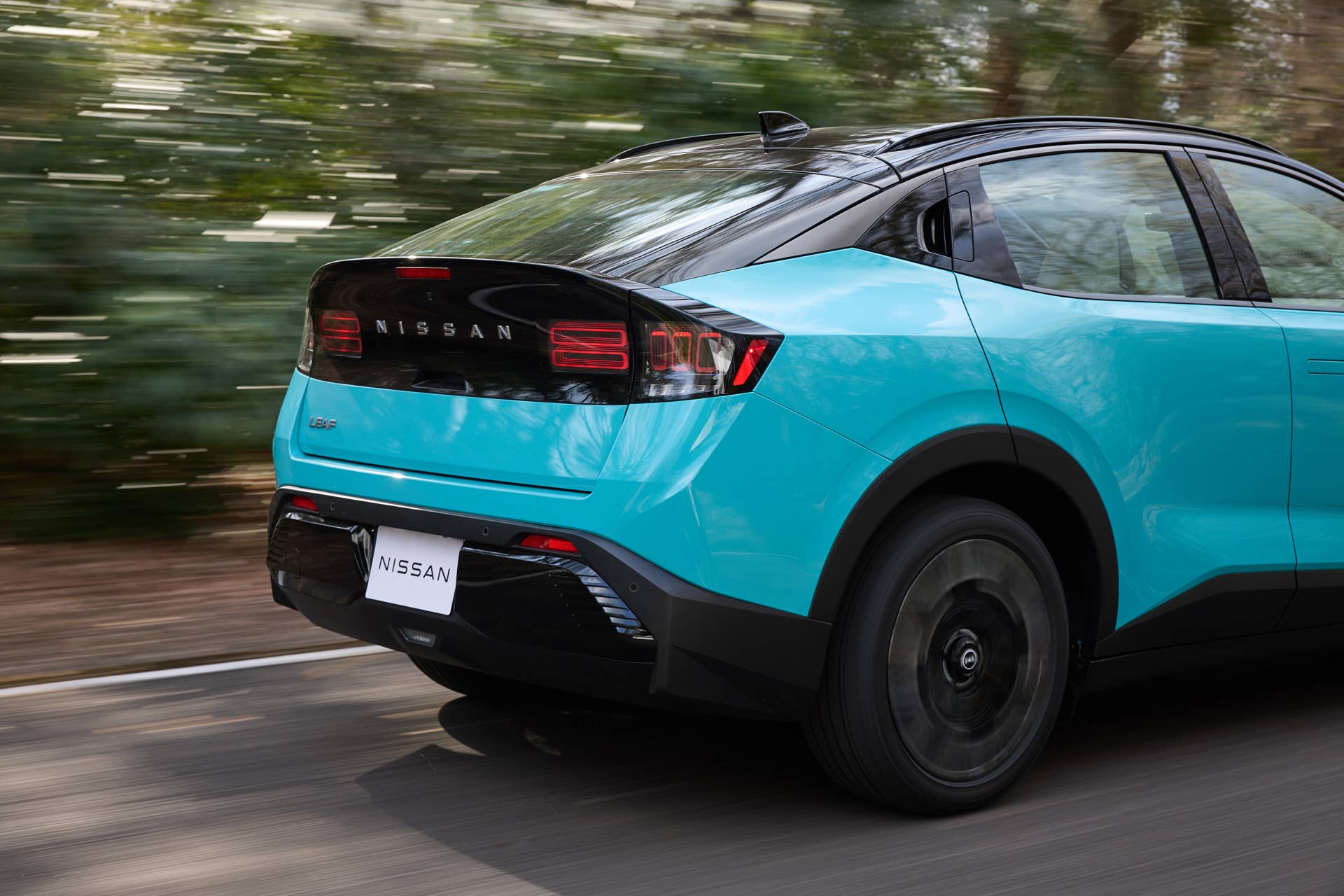
This new Leaf drives like a completely different car. Thanks to its new platform and slightly raised suspension, the ride feels solid, refined, and far more composed than the old model. As a former Leaf owner (I bought a used one for my teen), I remember how thin and unsettled the last generation felt. That’s gone. The 2026 Leaf feels more like a baby Ariya: quiet, smooth, and comfortable.
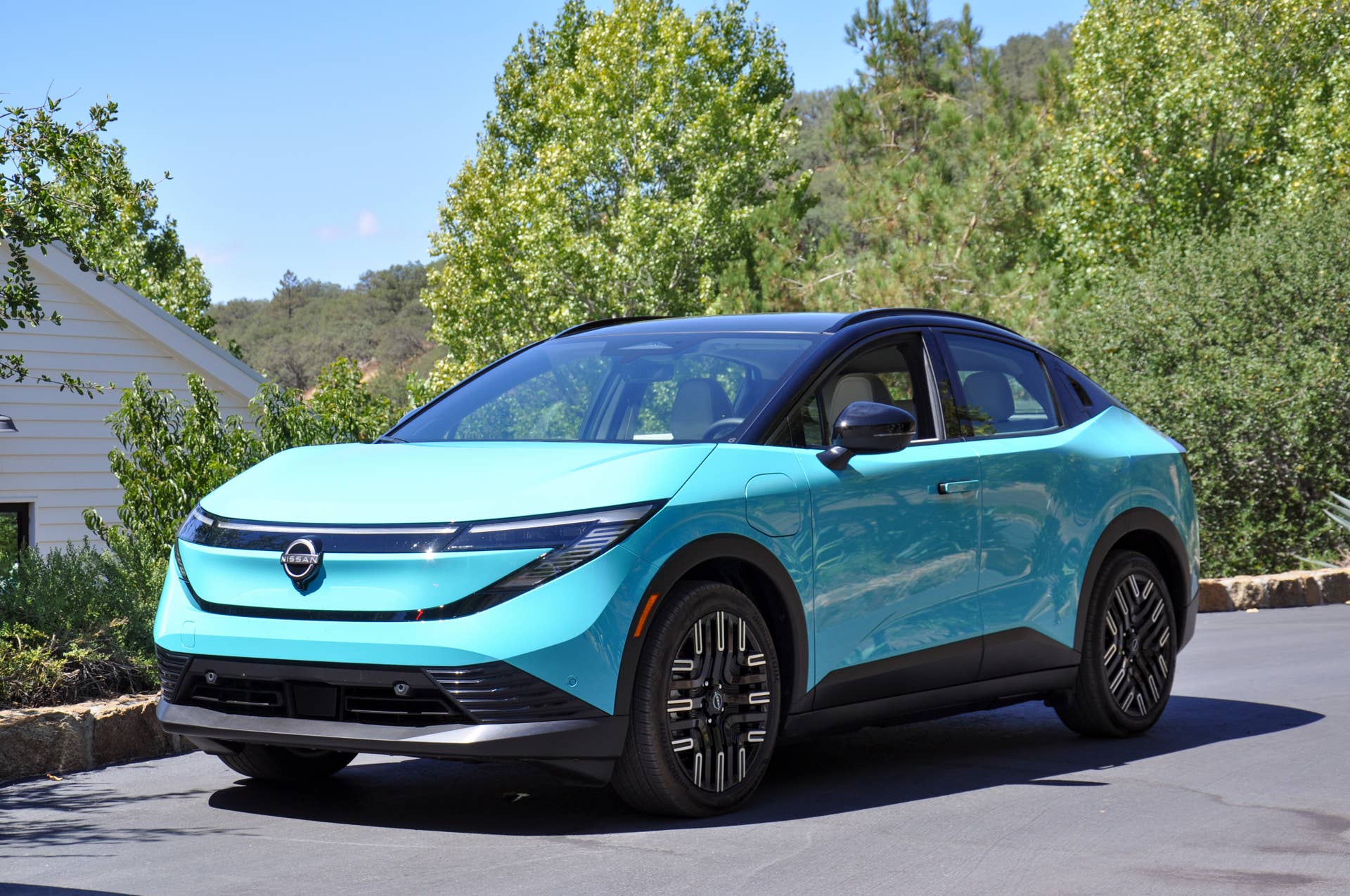
Cornering isn’t sporty, but it’s confident and predictable. Acceleration feels balanced rather than aggressive, likely tuned for range optimization. Higher-end models get a 75 kWh liquid-cooled battery, while a 52 kWh pack will power the entry-level trims later on.
Interior comfort is another highlight, with roomy seating, good materials, and a pleasant layout. Rear vents are available but not standard, and I wish Nissan hadn’t buried so many controls in the touchscreen. Hard buttons still matter, especially on the move.
2027 Chevrolet Bolt ($28,595 base MSRP)

Chevrolet
My drive in the 2027 Bolt was brief but telling – it’s a big leap forward. GM estimates a 255-mile range from a new 65 kWh LFP battery and a 210-hp motor (a 10-hp bump over the last generation). The Bolt now uses GM’s in-house X76 electric drive unit and supports 150 kW DC fast charging. It also adopts the NACS plug exclusively, ditching the old CCS connector altogether.
GM

Chevrolet
GM
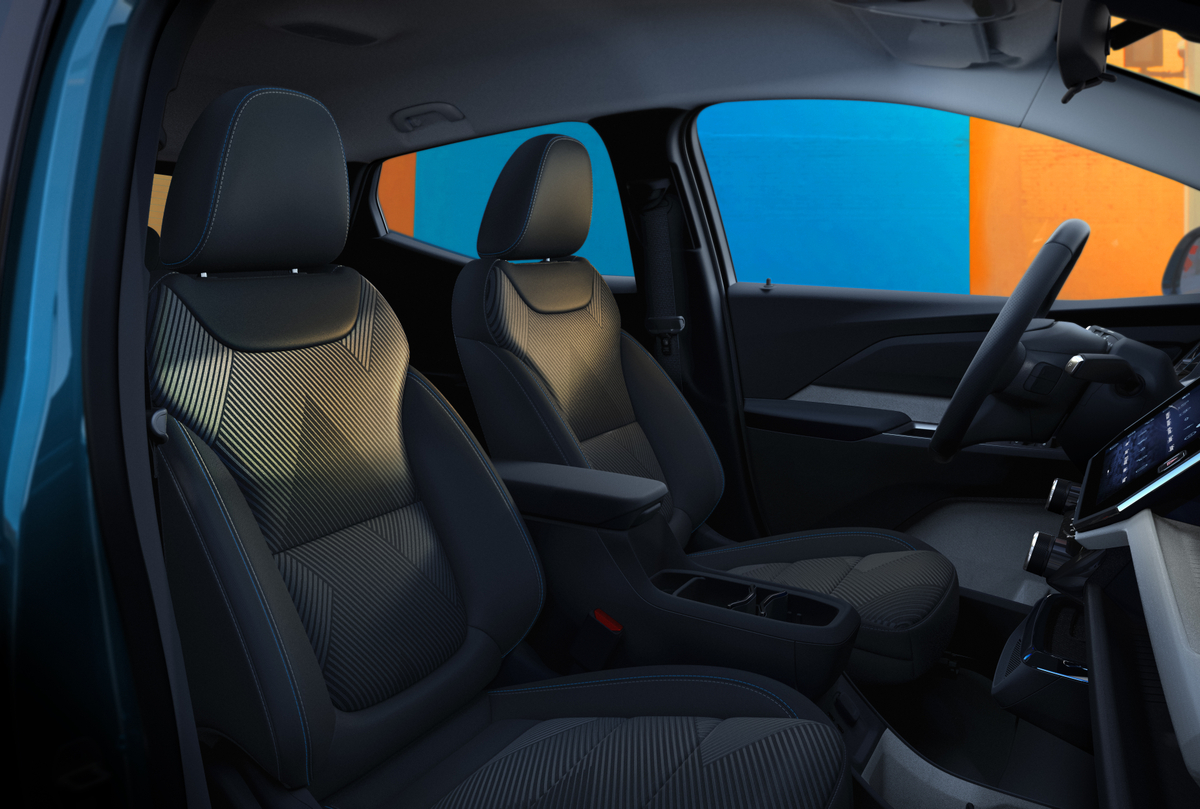
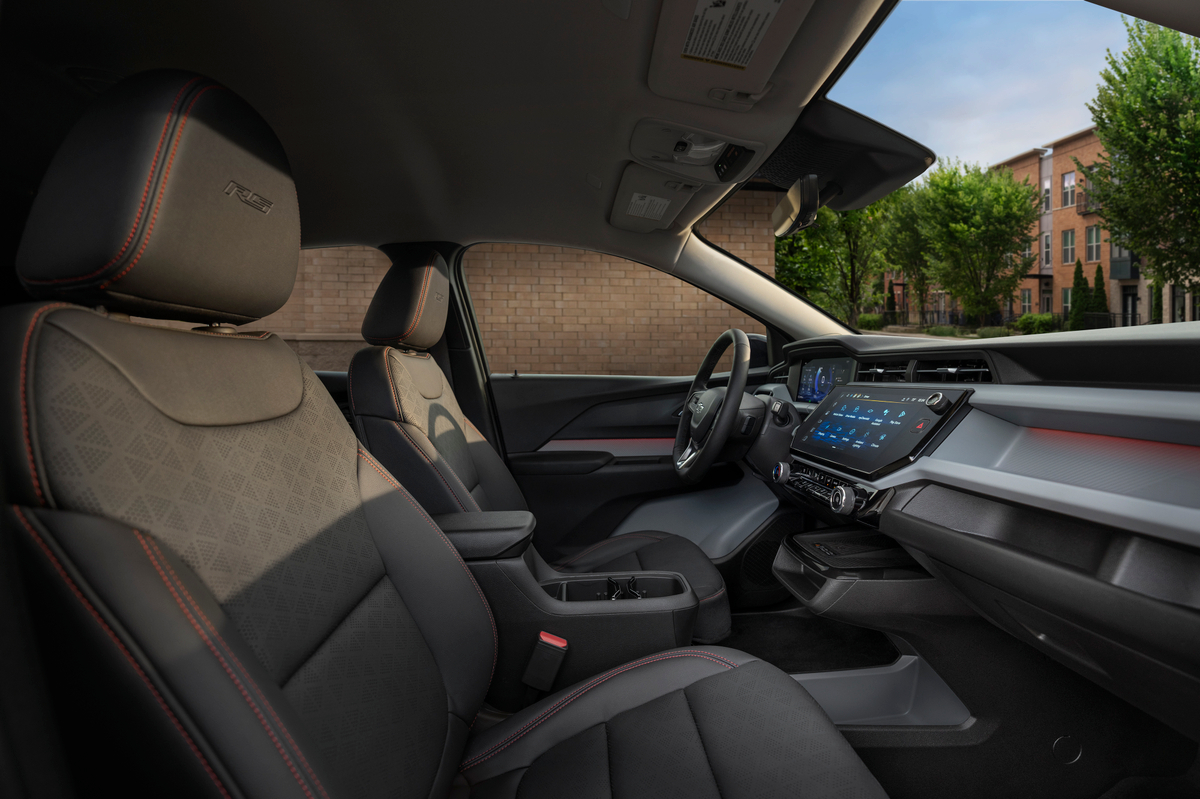
Inside, the Bolt gets an 11.3-inch central touchscreen and an 11-inch digital gauge cluster. Safety and convenience features include forward collision warning, automatic emergency braking, lane keeping assist, blind spot monitoring, and rear cross-traffic alert. Higher trims add Super Cruise and a sunroof option.
Driving the 2027 Chevrolet Bolt

Chevrolet
If you’ve driven a previous Bolt, you’ll recognize the zippy urban personality, but now with more polish. It feels more planted on the road, quieter, and more responsive in corners. It’s sportier than the Leaf, especially in quick transitions, and acceleration feels somewhat livelier.
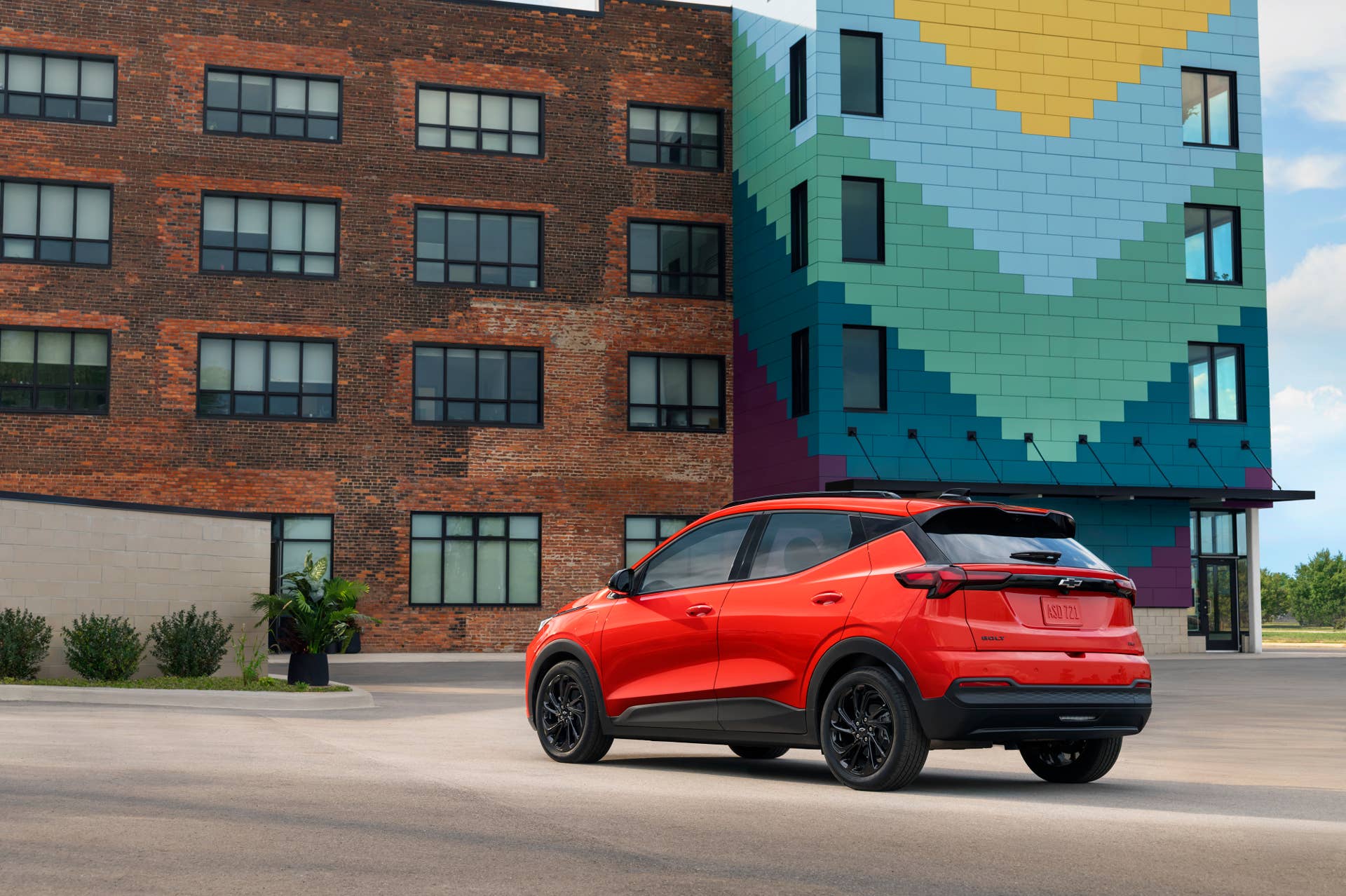
The cabin feels bigger and better thought out, though rear-seat vents are still missing. Space and visibility are excellent, and storage options are smartly designed. GM hasn’t published final weight or dimension specs yet, but the new Bolt is roughly the same footprint as the old Bolt EUV. Overall, the Bolt genuinely feels like a smarter, more cohesive package. It remains an entry-level EV, but one that now feels far more refined.
Final thoughts
Chevrolet
Nissan
Chevrolet seems to be conservative about the Bolt’s real-world range, while Nissan has gone all-in on transparency with the new Leaf. Both are affordable, well-equipped EVs aimed squarely at commuters who want efficiency without compromise.
If you’re drawn to sportiness and simplicity, the Bolt feels youthful and eager. The Leaf, on the other hand, leans toward calm sophistication with a more premium feel. Either way, both are proof that affordable electric cars are no longer compromises; they’re simply smart choices!
About the author

Nathan Adlen
Contributing Writer, Autoblog