
Key Points
- Infiniti’s QX65 undercuts Genesis’s GV80 Coupe while offering distinctive styling, generous equipment, and greater cargo capacity.
- Genesis delivers superior interior craftsmanship, technology integration, refinement, performance, and rear-passenger comfort.
- The QX65 offers stronger coupe value, but the GV80 provides a more convincing overall luxury experience.
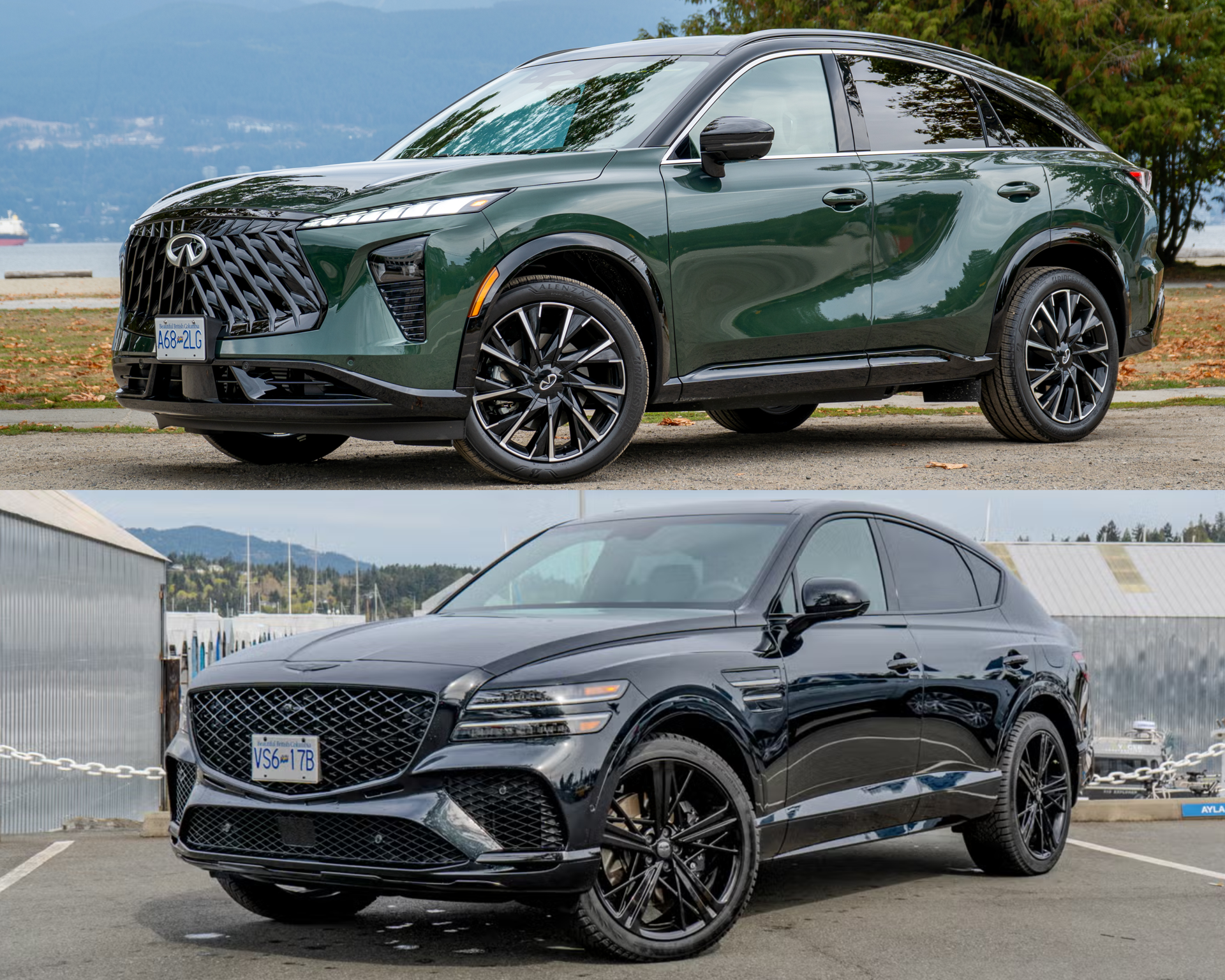
Park the 2027 Infiniti QX65 and 2026 Genesis GV80 Coupe beside each other after sunset, and the comparison looks much closer than their substantially different price tags suggest. The Infiniti’s illuminated grille and jutting rear light bar make a memorable entrance, especially in the two-tone Emerald finish of my Autograph-trim tester. The Genesis, meanwhile, carries itself with the darker, more sinister confidence of something that already knows it belongs outside the nicest restaurant in town.
Both are five-seat luxury SUVs with sloping roofs, bold lighting, and a mission to turn familiar utility into something more emotionally appealing. Both generated enthusiastic reactions from my passengers, and both drove best once I stopped expecting them to behave like sports cars and allowed them to settle into their natural roles as comfortable grand tourers. That makes them obvious rivals in photographs, but on the road and on a window sticker, their relationship is far more complicated.
The 2027 Infiniti QX65 Autograph uses a 268-horsepower turbocharged four-cylinder engine and starts at $63,285 in the United States, before destination charges. The 2026 Genesis GV80 Coupe starts at $81,850 with a 375-horsepower twin-turbocharged V6. My Canadian Prestige Black tester went further, adding a 48-volt electric supercharger for 409 horsepower and carrying a C$108,500 price. In other words, this is not an even drag race or a dollar-for-dollar comparison. Rather, it’s a comparison between two competing interpretations of the luxury SUV coupe from the alternative premium brand—and an examination of what the Genesis provides for its substantial premium.
Cole Attisha
The Powertrain And Pricing Comparison Requires An Asterisk
| Specification | 2027 Infiniti QX65 Autograph AWD | 2026 Genesis GV80 Coupe 3.5T AWD | 2026 Genesis GV80 2.5T AWD* |
|---|---|---|---|
| Engine | 2.0-liter VC-Turbo four-cylinder | 3.5-liter twin-turbo V6 | 2.5-liter turbo four-cylinder |
| Horsepower | 268 hp | 375 hp | 300 hp |
| Torque | 286 lb-ft | 391 lb-ft | 311 lb-ft |
| Transmission | Nine-speed automatic | Eight-speed automatic | Eight-speed automatic |
| Drivetrain | Standard AWD | Standard AWD | AWD |
| EPA fuel economy | 20/26/22 mpg | 16/22/19 mpg | Approximately 19/24/21 mpg |
| Starting U.S. MSRP | $63,285 | $81,850 | $59,850 |
Thinking about selling your car? Get an instant cash offer online now. Click here to get started.
*The 2.5T, a powertrain which is more directly comparable to the QX65’s, is offered in the conventionally shaped GV80, not the GV80 Coupe. Prices are manufacturer-listed starting figures and may vary by destination. The QX65 price excludes its $1,575 destination charge. My Canadian GV80 Coupe Prestige Black used the 409-hp 3.5T E-SC powertrain rather than the 375-hp U.S. base engine.
Cole Attisha
The regular GV80 2.5T is important to mention because it reveals two distinct comparisons embedded in this story. If you specifically want a coupe-shaped luxury SUV, the QX65 undercuts the GV80 Coupe by $18,565 before destination. If you care more about luxury substance than roofline, however, a 300-hp GV80 2.5T AWD starts below the QX65 Autograph. Infiniti therefore offers the less expensive SUV coupe, while Genesis offers the more compelling luxury SUV at a comparable four-cylinder price—and the considerably more expensive, considerably stronger coupe.
Cole Attisha
Exterior Design: The QX65 Makes The Greater Leap
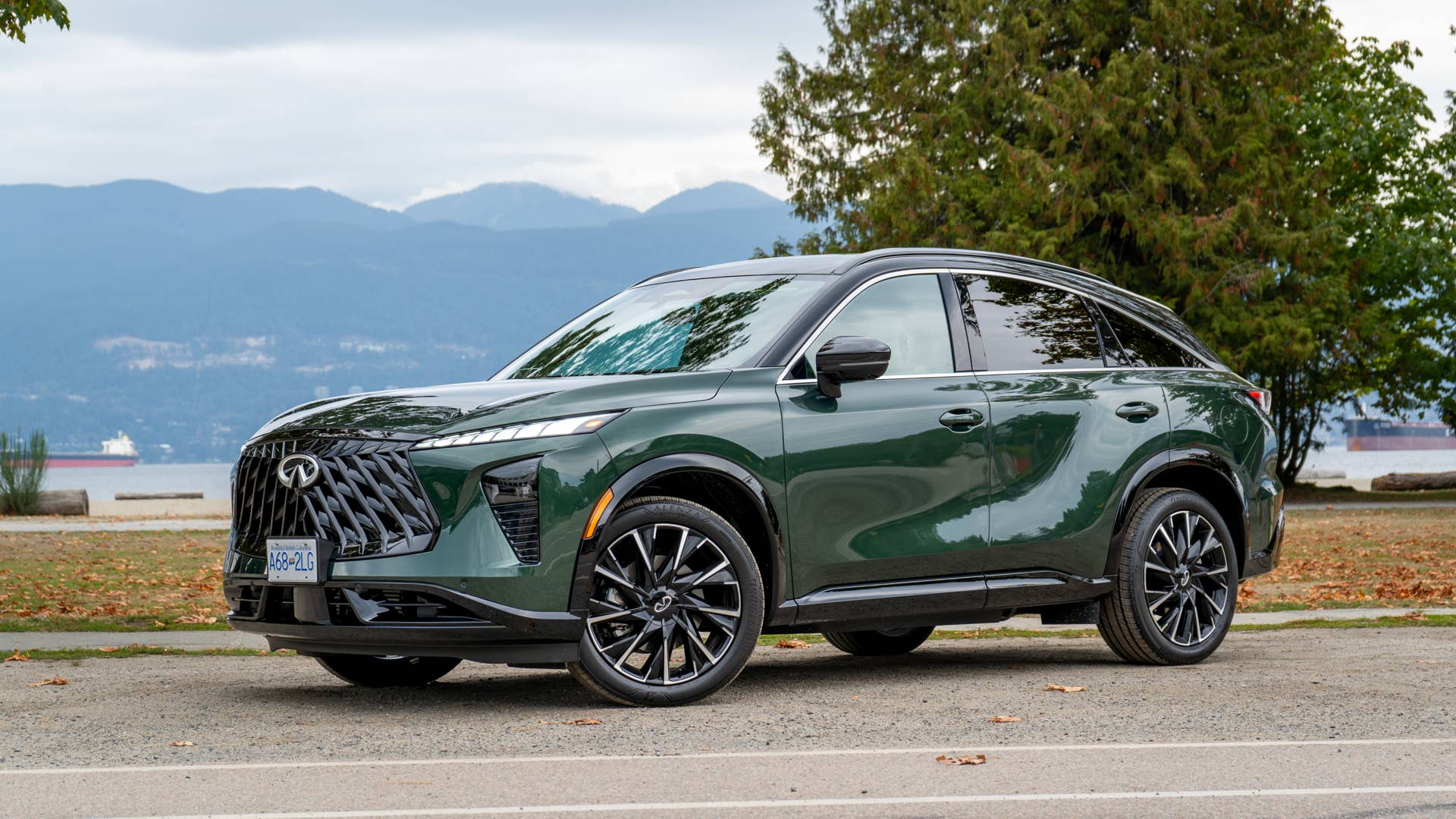
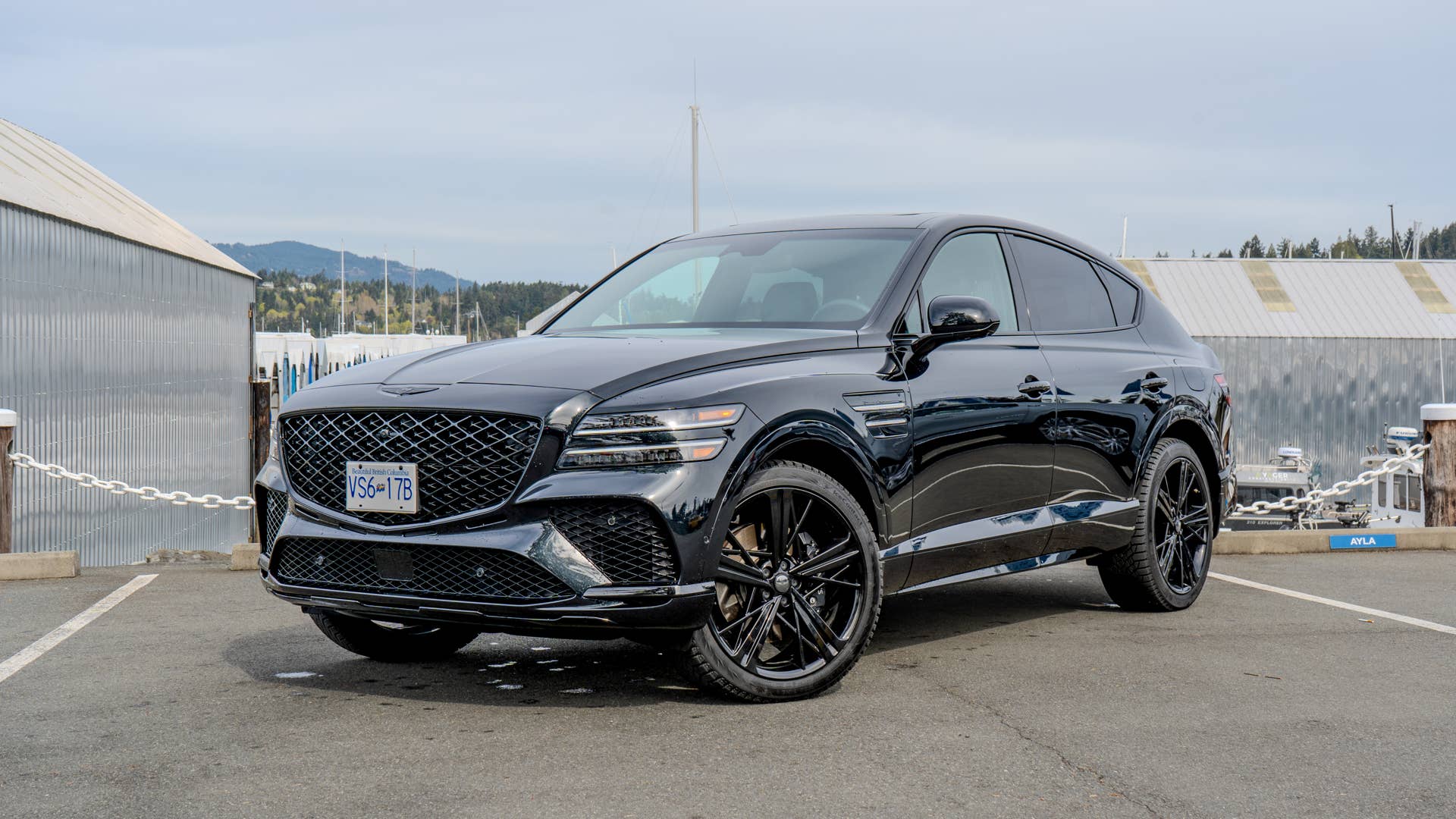
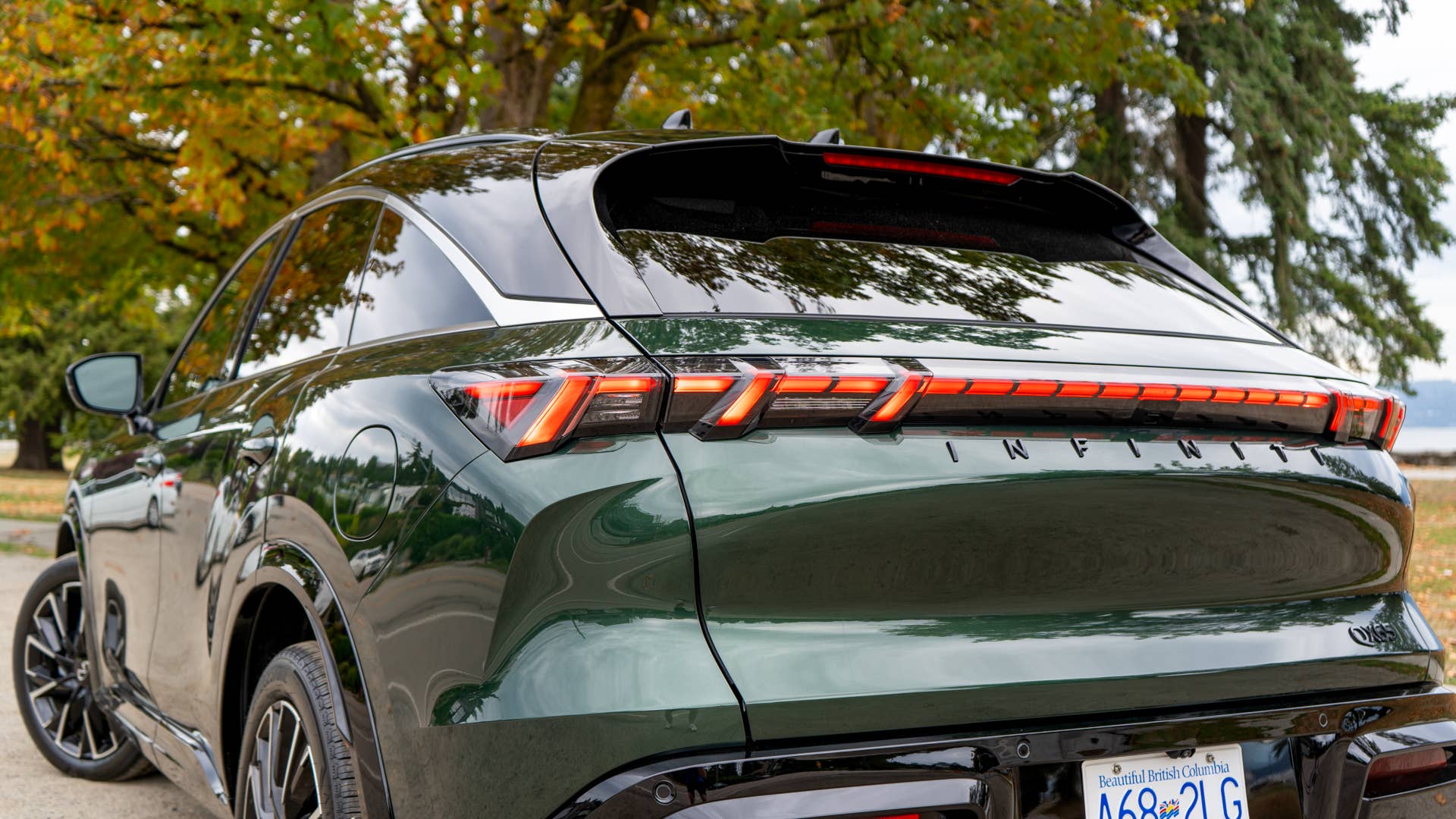
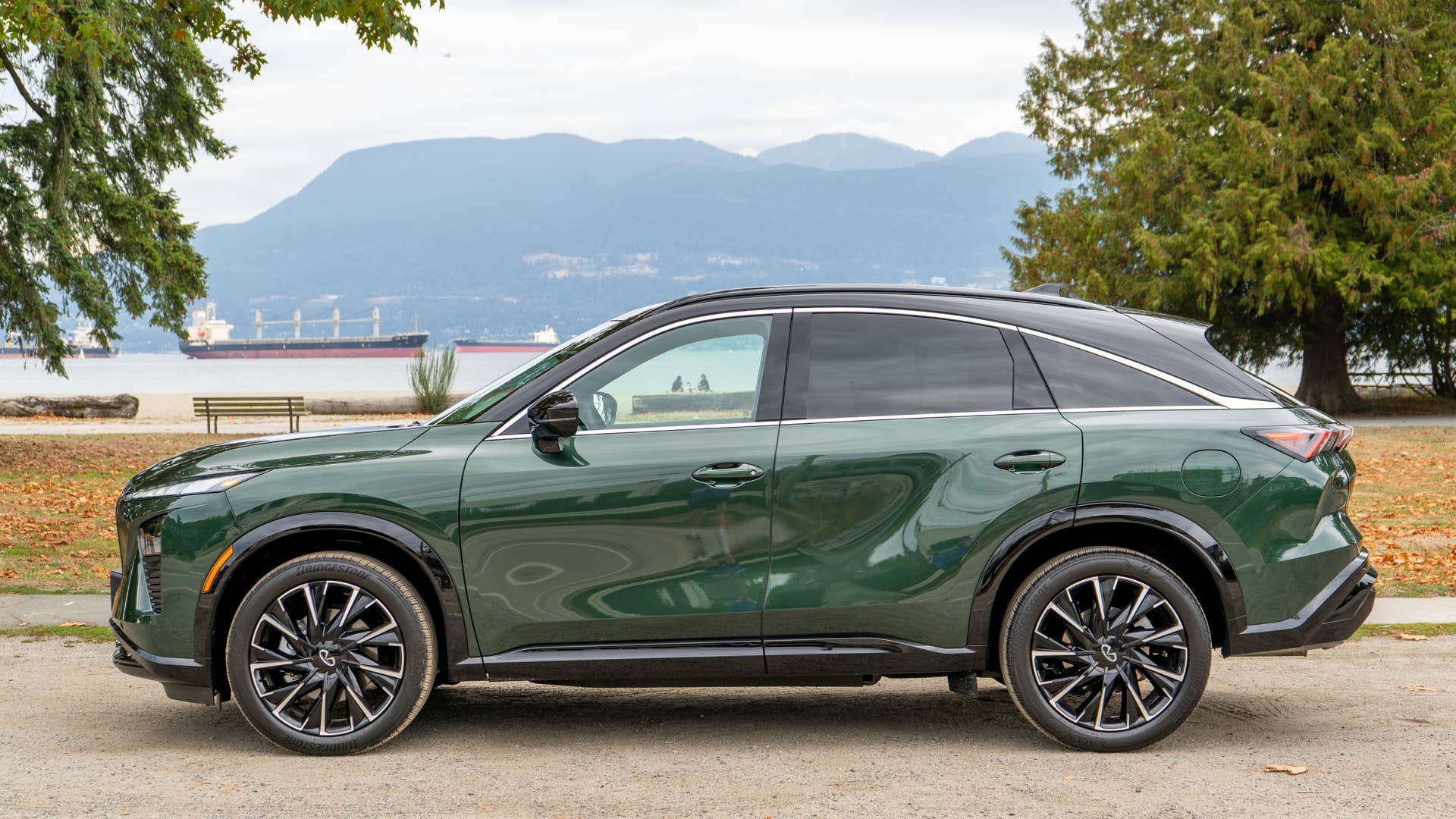
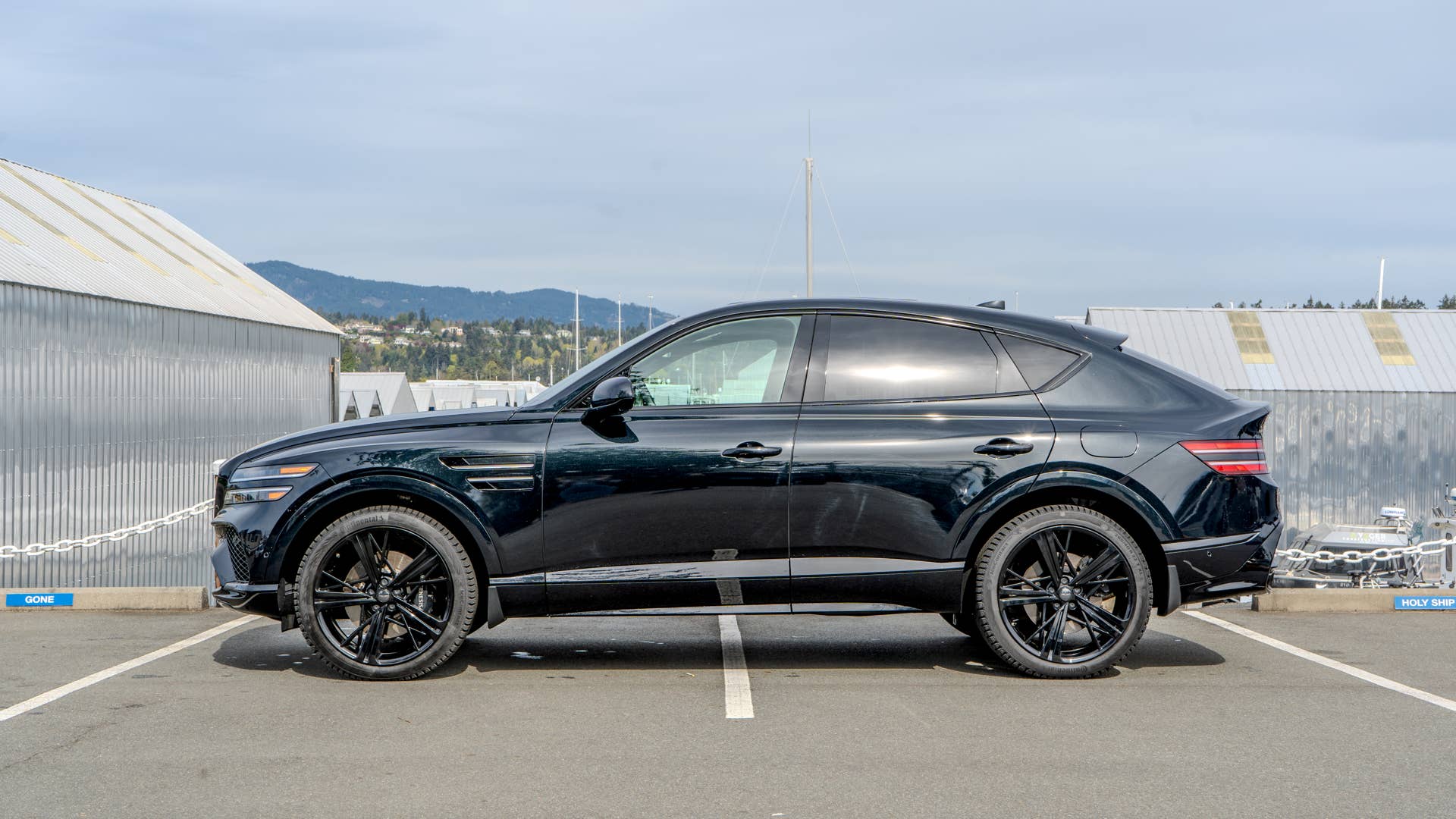
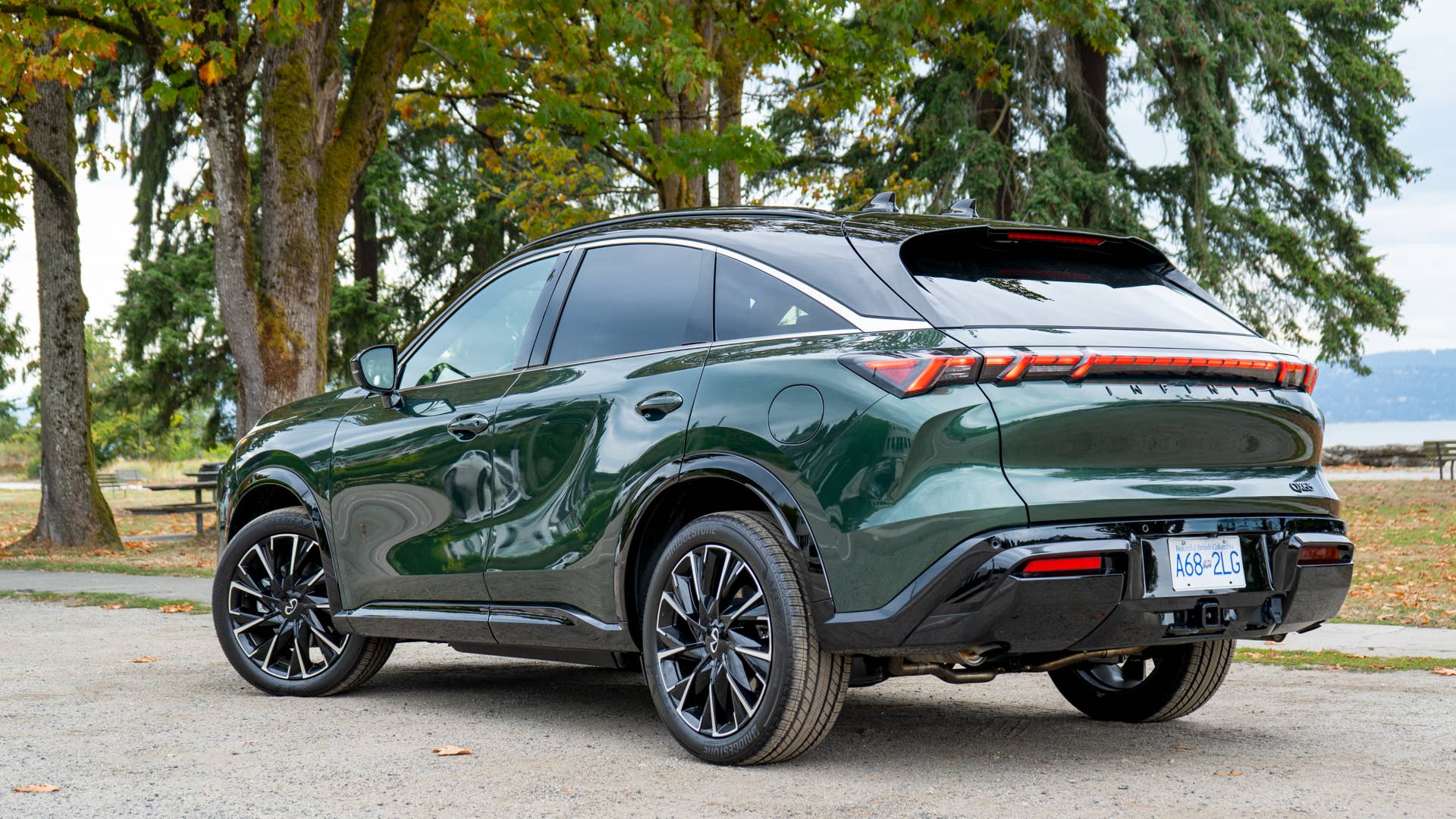
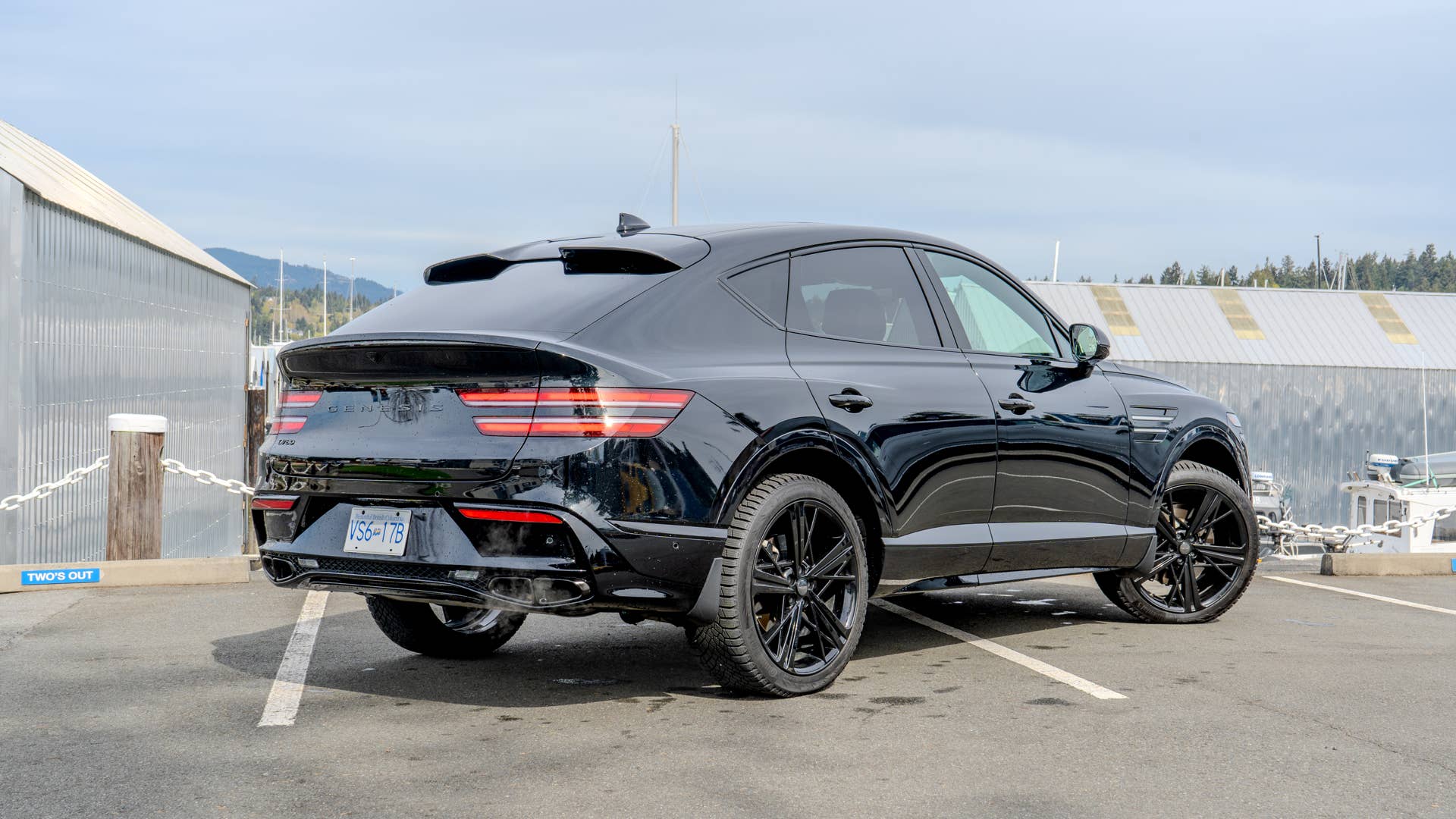
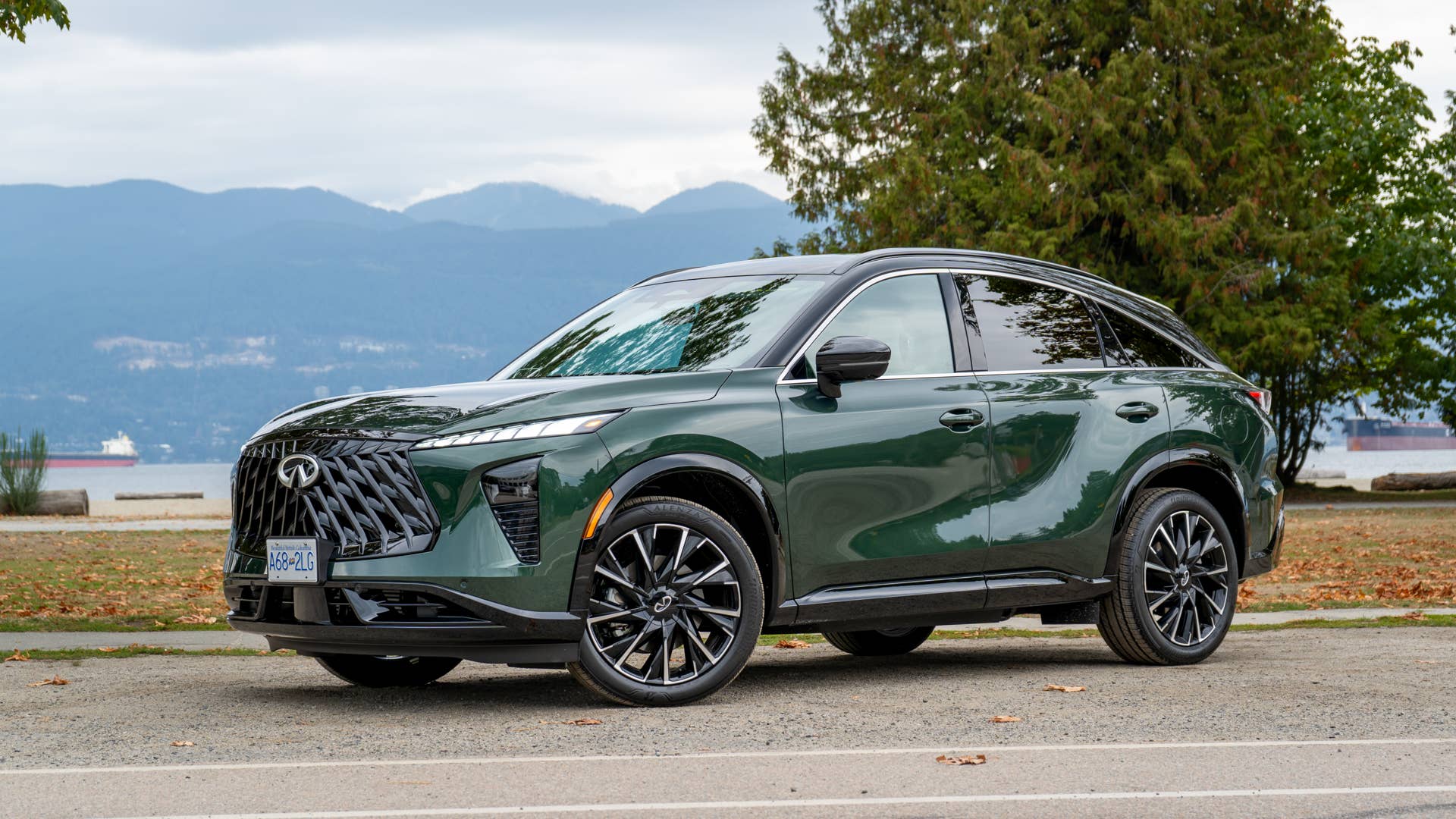
The QX65 wins out here, not because the Genesis is unsuccessful in its stylish appeal, but because the Infiniti makes a stronger visual statement. The GV80 Coupe has excellent proportions for something so large, and the Prestige Black treatment lends it an imposing, fashion-conscious presence. Its long wheelbase and rear-biased architecture allow the roof to descend gradually rather than collapse toward the rear. Although the Genesis may appear more confident, the Infiniti makes the greater design leap. It shares its structure and mechanical package with the three-row QX60, yet it avoids looking like a QX60 with a hurried roof chop. The QX65 has its own visual identity, from the bamboo-inspired grille to the unusually sharp rear lighting and the muscular surfacing around its rear haunches.
Cole Attisha
My two-tone green Autograph also used color more effectively than the black-on-black Genesis. During the day, subtle green hues revealed themselves across the bodywork; after dark, the lighting made the QX65 look more expensive and exotic than its price suggested. The Genesis attracted interest from people who already understood what it was, but the Infiniti was more likely to prompt someone to ask. The distinction ultimately comes down to the roles these designs play: the GV80 Coupe confidently extends an established and already successful Genesis identity, whereas the QX65 gives Infiniti a much-needed identity of its own.
Cole Attisha
Interior Quality: The Genesis Separates Luxury From Decoration
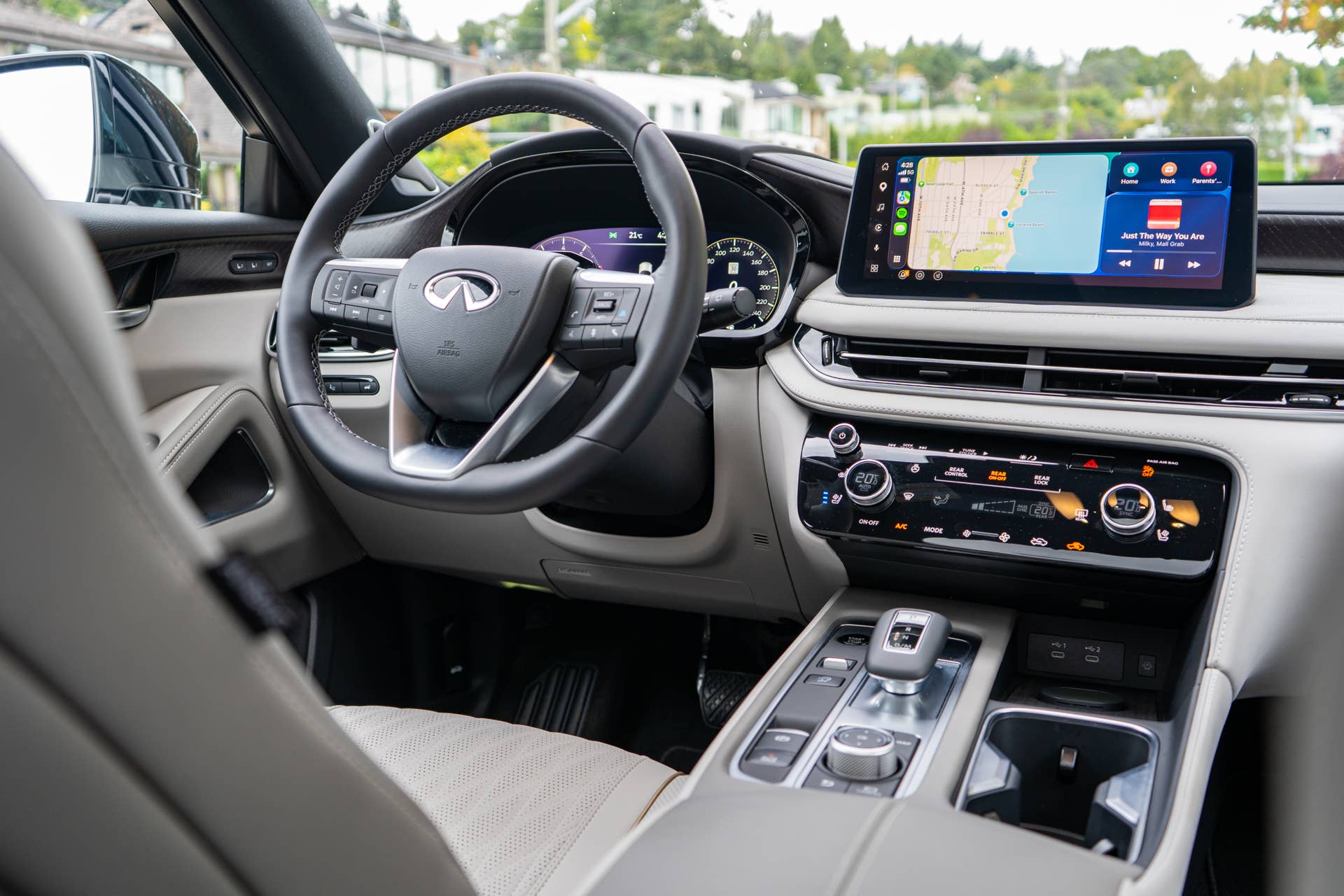
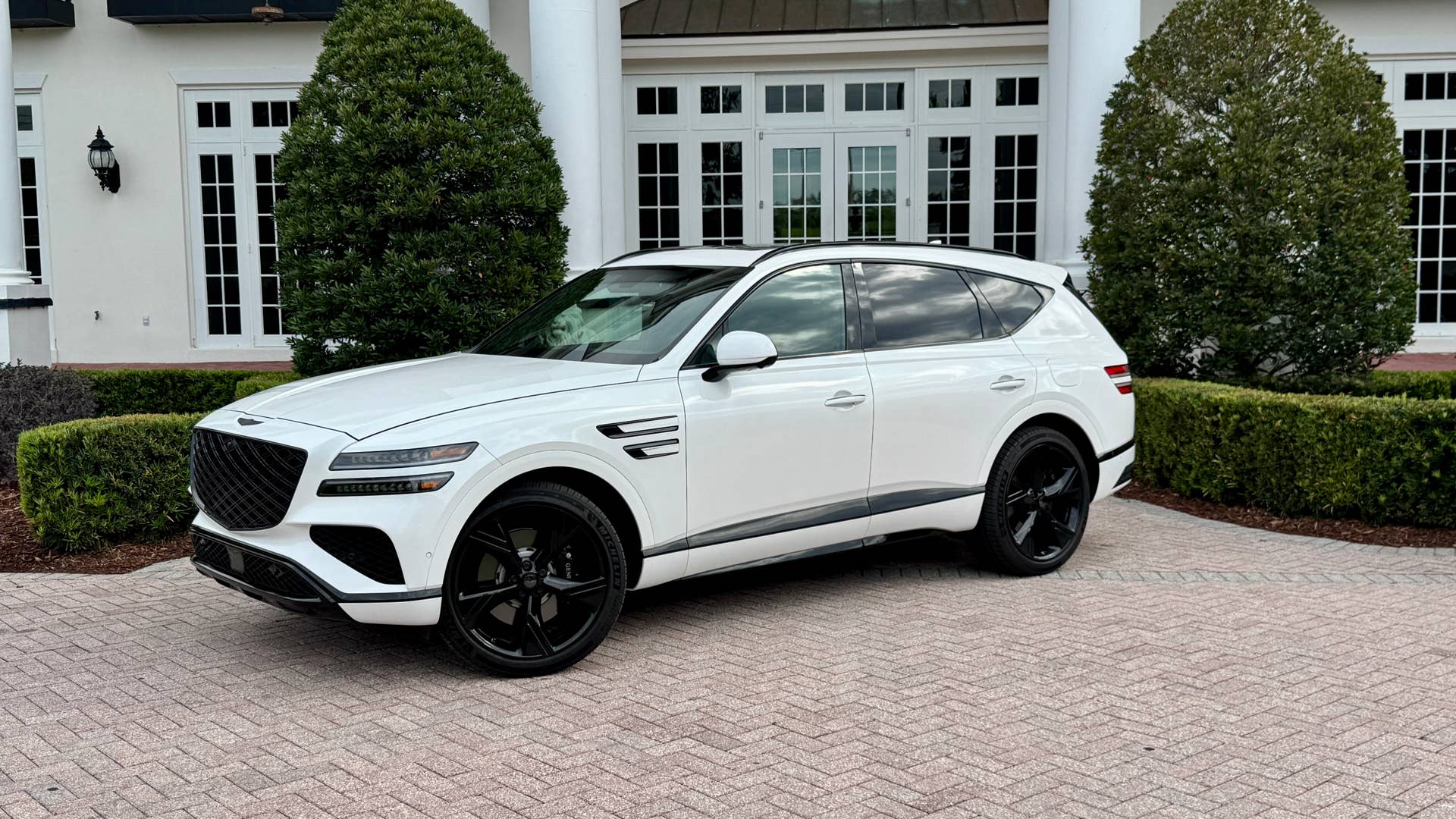
Open their doors, especially at night, and both cabins initially uphold the promises made outside. The QX65 Autograph combines semi-aniline leather, open-pore wood, warm metallic trim, and extensive ambient lighting. Its light-colored interior felt inviting and suitably ceremonial, while its comfortable front seats included heating, ventilation, and massage. The problem emerged as I spent more time touching things. Some buttons and switches looked familiar from Nissan products, the steering wheel lacked distinction, and cheaper plastics appeared on the lower doors. The rear-seat adjustment latches felt ordinary. Individually, these are minor complaints. Collectively, they expose the difference between decorating a cabin luxuriously and engineering one to feel luxurious throughout.
Cole Attisha
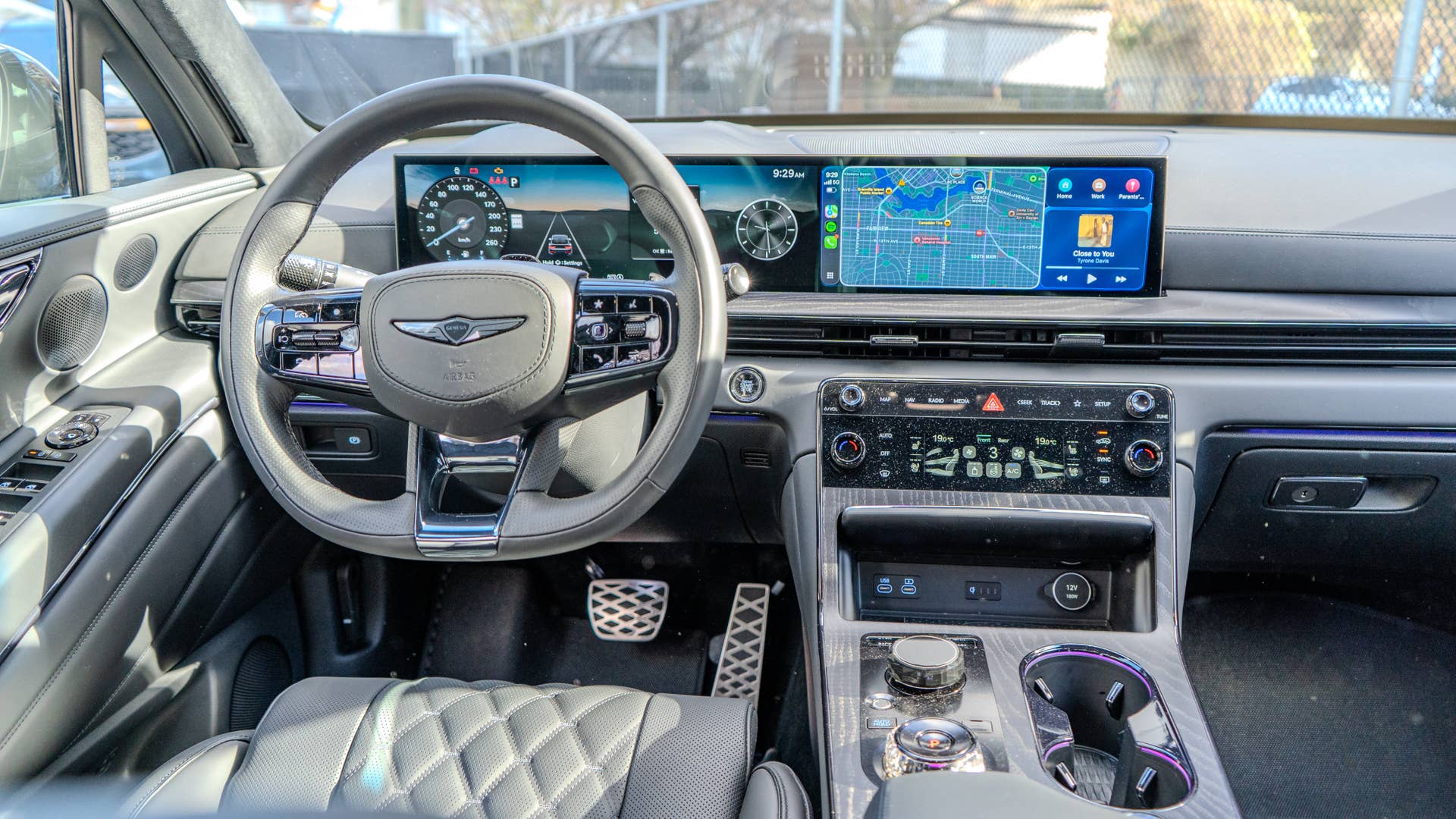
Genesis understands that distinction better. The GV80 Coupe’s quilted Nappa leather, open-pore ash wood, metallic bezels, glass switchgear, soft-close doors, and carefully weighted controls are far more cohesive. Prestige Black makes the interior extremely dark, but the materials are just as convincing when the sun comes up. The QX65 is most persuasive when its ambient lighting distracts from the smaller details; the Genesis doesn’t need the darkness to protect the illusion. The GV80 also feels more substantial—its rear-drive-based proportions, broad dashboard, and dense-feeling construction create a sense that you are sitting in an expensive vehicle rather than an especially elaborate version of a mainstream one. That difference—not the extra horsepower—is the strongest justification for spending more.
Shopping for a new car? Click here to get a great deal on your next vehicle. Powered by Carvana, no haggle pricing, 100% online.
Cole Attisha
Technology: More Screens Don’t Automatically Mean More Polish
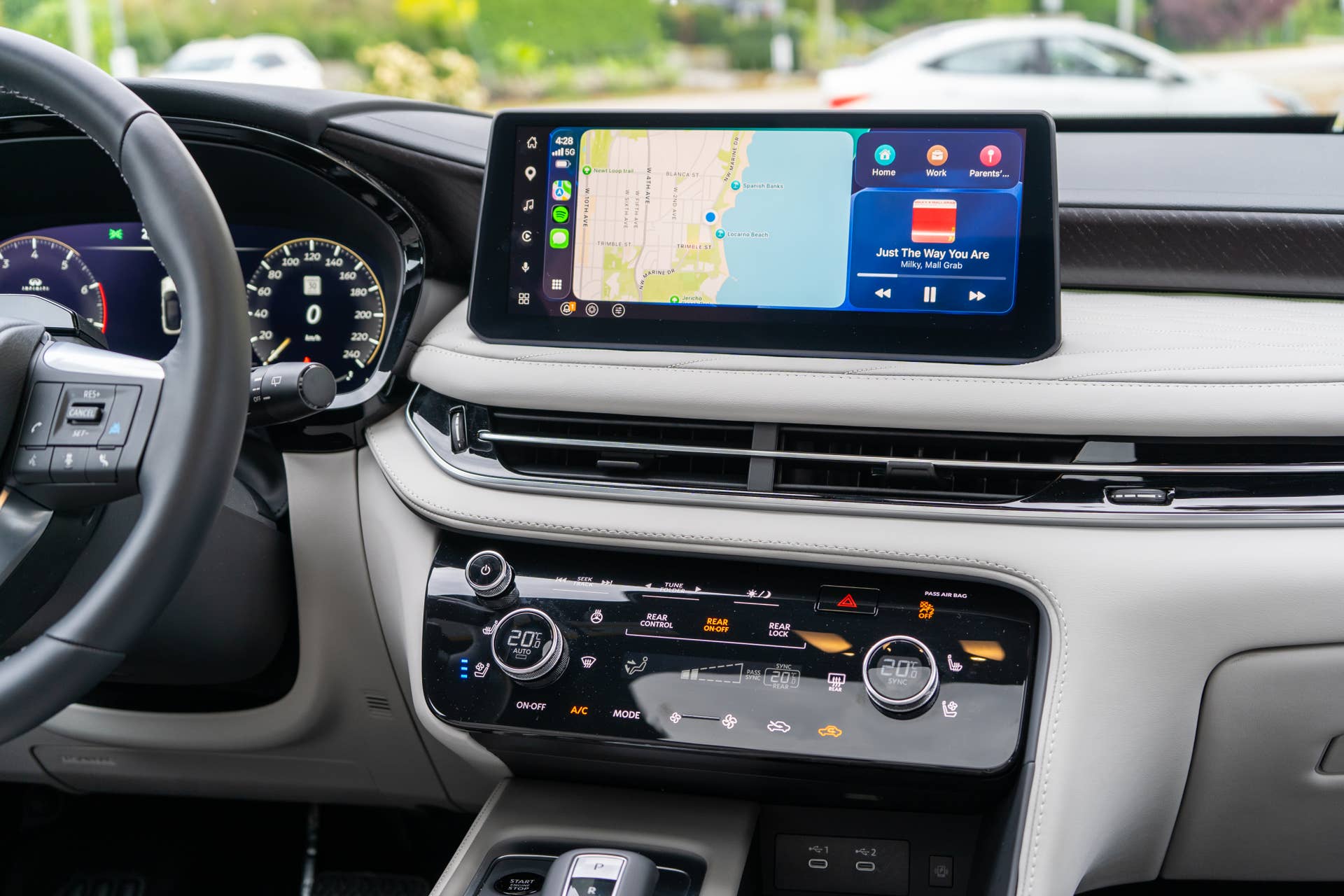
Infiniti equips the QX65 Autograph generously. It has a 12.3-inch instrument display, a separate 12.3-inch touchscreen with Google built-in, wireless Apple CarPlay and Android Auto, a head-up display, a digital rearview mirror, and an excellent surround-view camera system. Even its ventilated wireless phone charger worked consistently, which shouldn’t feel like a notable achievement, but often does. Its interface nevertheless appears dated beside its exterior, and the 20-speaker Klipsch system didn’t leave a particularly memorable impression, despite its visually shouty headrest speakers. The fussy automatic brake-hold system was more troublesome. It sometimes held the vehicle while the engine revved, and on other occasions, it failed to catch as consistently as expected.
Jared Rosenholtz/Autoblog
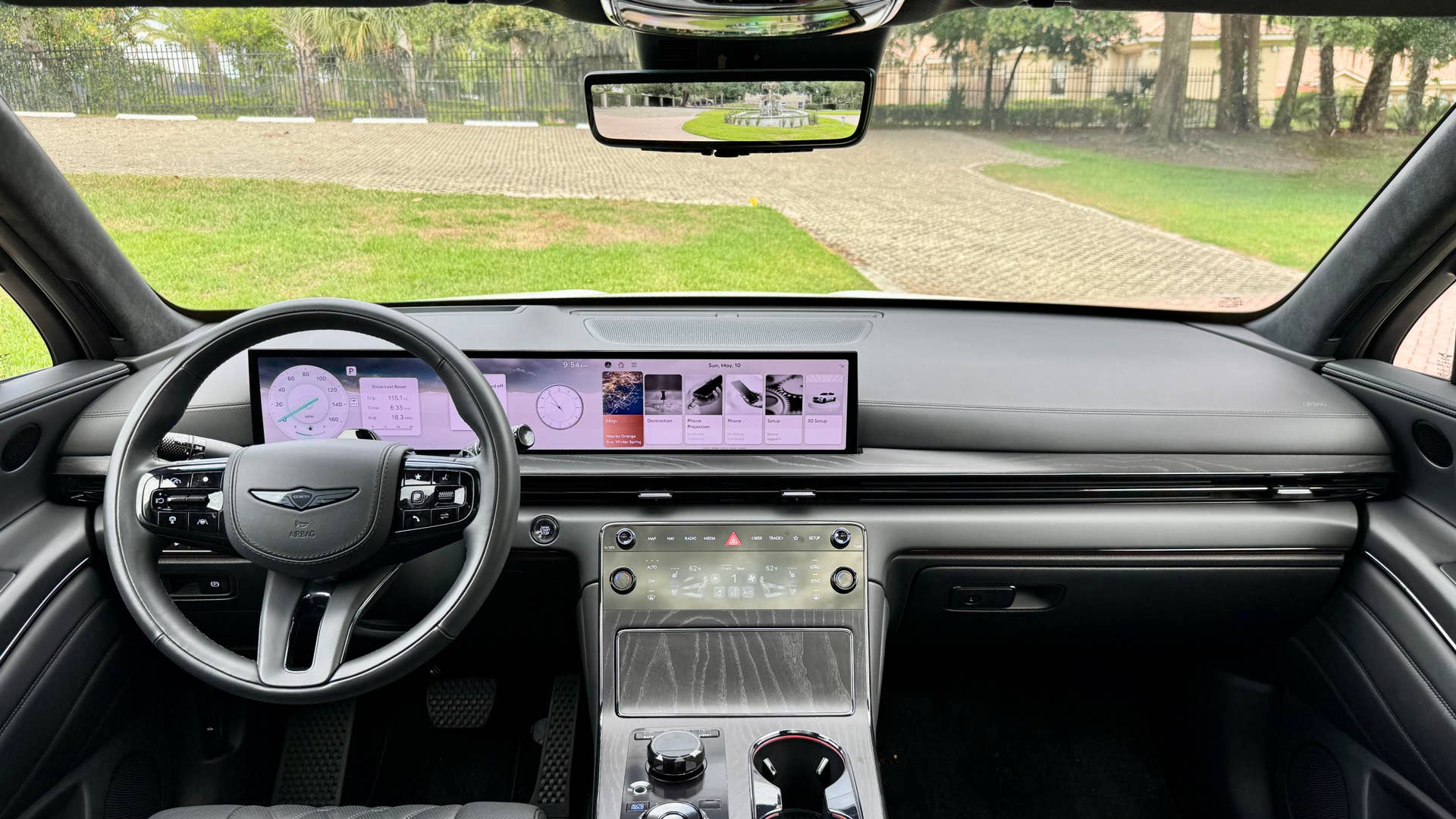
The Genesis’s 27-inch OLED display looks more contemporary without turning the entire cabin into a touchscreen. Physical climate controls remain where they belong, wireless smartphone integration worked seamlessly, and the system generally stayed out of my way. Genesis pairs its stronger visual presentation with better cohesion between software, switchgear, and interior architecture. Both vehicles offer plenty of equipment, but only the Genesis makes it all feel thoroughly integrated into a modern luxury product.
Cole Attisha
Driving Experience: One Feels Expensive, The Other Tries To Feel Exciting
Neither SUV has perfect throttle tuning. That similarity initially sounds helpful to the Infiniti, but the nature of their flaws differs. The QX65’s default calibration is overly sensitive at the beginning of the pedal. It lunges forward eagerly enough to imply performance, yet the acceleration that follows can’t support the opening act. Its nine-speed automatic then works against the engine by chasing tall gears and low revs. Sport mode only sharpened the same artificial response, so unexpectedly, Eco became my preferred setting because it softened the accelerator and encouraged smoother shifts. Driven gently, the Infiniti became quiet, comfortable, and agreeably wafty. The suspension, steering, and noise insulation are all competent. Unfortunately, the drivetrain repeatedly interrupts that composure.
Cole Attisha
The GV80 Coupe can surge at low speeds, too. In my 409-hp tester, there was an awkward transition between modest response and the e-supercharger, mild-hybrid assistance, and twin-turbo V6 arriving together. Once moving, though, the Genesis had the effortless reserve that the Infiniti lacked. Highway acceleration was immediate, passing required less planning, and the eight-speed automatic generally made better decisions when left alone. The Genesis isn’t a secret sports car beneath its surface. Its roughly 5,200-pound curb weight is always obvious, particularly through transitions, and Comfort mode suits it better than the heavier steering of its sport settings. But its mass also contributes to the expensive-feeling solidity with which it travels. The GV80 rides beautifully, suppresses noise effectively, and feels like a legitimate grand tourer rather than a crossover attempting to imitate one with twiddled throttle calibration. Fuel consumption is the consolation prize for the Infiniti—I averaged approximately 19.6 mpg in the QX65, compared with a slightly shocking 15.9 mpg in the e-supercharged Genesis.

Cole Attisha
Practicality: The Infiniti Handles Cargo Better, But Genesis Takes Better Care Of Its Rear Occupants
| Measurement | Infiniti QX65 | Genesis GV80 Coupe |
|---|---|---|
| Seating capacity | Five | Five |
| Cargo volume behind the second row | 35.8 cu-ft | 29.3 cu-ft |
| Maximum cargo volume | 67.7 cu-ft | 61.1 cu-ft |
| Rear headroom | 36.9 inches | 37.6 inches |
| Rear legroom | 35.7 inches | 38.7 inches |
| Maximum towing capacity | 6,000 lb | 6,000 lb |
The QX65 provides substantially more cargo volume despite being the smaller vehicle. I fit one bicycle behind its folded seats without difficulty and later carried two stacked together. Its wide cargo area makes it easier to treat as an everyday crossover, even despite its “SUV Coupe” form factor. The Infiniti’s biggest compromise, however, is rear headroom. At five-foot-10, my head only narrowly cleared the roof, and passengers over six feet will want to test the second row personally. The seatbacks recline, but asking taller passengers to lean away from the headliner is a workaround, not a triumph of packaging.
Cole Attisha
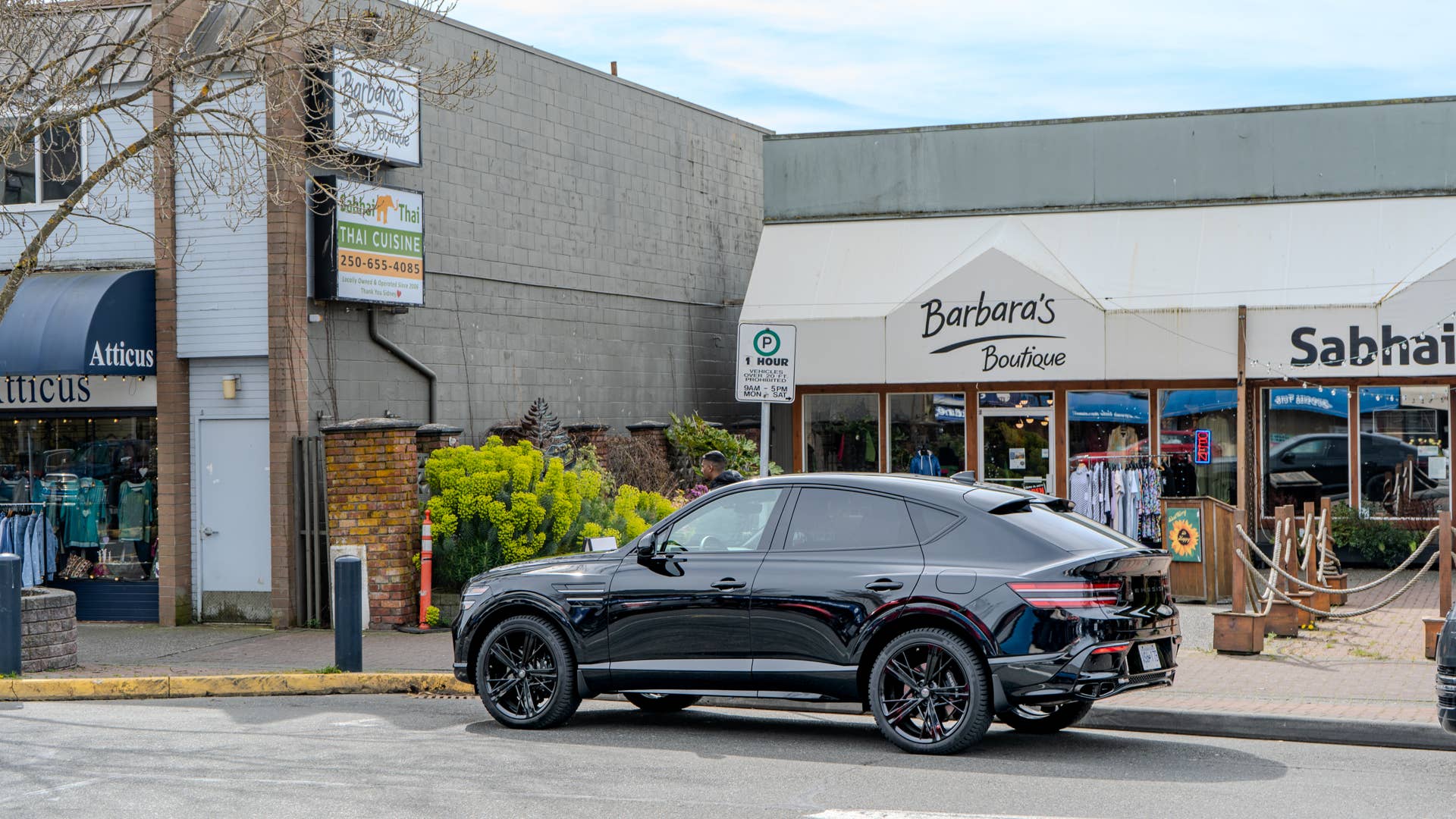
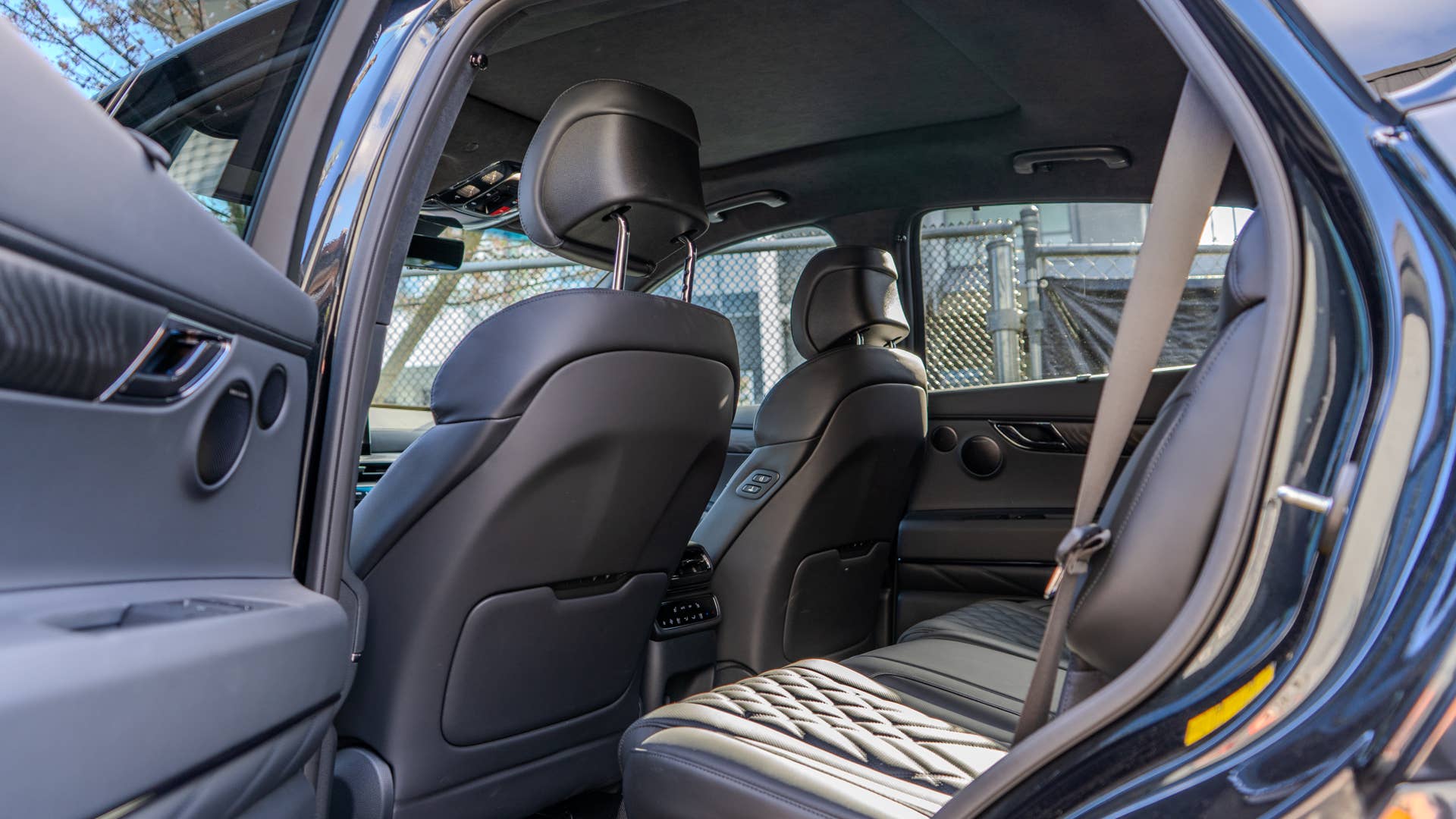
The GV80 Coupe can carry less cargo but accommodates passengers much more comfortably. I transported five occupants’ luggage, camera equipment, and a tray of cupcakes during a four-day Vancouver Island trip without folding the second row or sacrificing rearward visibility. It also provides noticeably better rear headroom than the Infiniti. Infiniti wins by the numbers and offers a more useful load floor, but Genesis wins for rear-passenger accommodations. Different buyers will, of course, have different priorities.
Cole Attisha
Value: The Answer Depends On Whether The Sloping Roof Is Mandatory
At $64,860 including destination, the QX65 Autograph delivers considerable visual appeal for its price. It’s nearly $20,000 less than the entry-level GV80 Coupe before destination charges, yet it comes with attractive leather, massage seats, advanced camera technology, excellent cargo capacity, standard all-wheel drive, and one of the segment’s most distinctive designs. That clearly makes the Infiniti the value winner if the shopping list specifically requires an SUV coupe. There simply is not another similarly sized, similarly dramatic model that brings the format down to the mid-$60,000 range with this level of standard equipment.
Jared Rosenholtz/Autoblog
The difficulty is that buyers don’t have to purchase the Genesis with a sloping roof, though that’s also true of the Infiniti, which can be had as a three-row QX60 instead—the QX60 itself still feels less comparable here, as it misses much of the added luxury of the all-new QX65 and similarly has no six-cylinder powertrain option. The regular GV80 2.5T AWD starts at $59,850, produces 300 horsepower, and brings much of the same interior craftsmanship, 27-inch display, and underlying refinement that make the Coupe persuasive. It isn’t mechanically identical to the six-cylinder GV80 Coupe I drove, and it lacks the younger visual attitude, but it is a more honest powertrain-and-price comparison for the QX65.
That regular GV80 exposes the Infiniti’s central problem. The QX65 is inexpensive relative to the Genesis Coupe, but not relative to a comparably powered Genesis. Buyers must weigh whether the Infiniti’s styling is enough to justify accepting a less-polished drivetrain and less-consistent cabin quality. The QX65 therefore wins the narrower value comparison between these two coupe-shaped models, but Genesis wins the more general luxury-value argument when both SUV lineups are considered collectively.
Cole Attisha
Verdict: The QX65 Looks Ready To Challenge The Genesis, But It Doesn’t Yet Feel Ready
Ultimately, the 2027 Infiniti QX65 was the more surprising vehicle, for better or for worse. It transforms familiar QX60 foundations into something genuinely distinctive, preserves useful cargo space, and costs dramatically less than the Genesis GV80 Coupe. It’s the one I would rather photograph, and perhaps the one I would rather arrive in after dark. Infiniti deserves some serious credit for producing a vehicle with enough presence to make this comparison seem plausible in the first place. But the 2026 Genesis GV80 Coupe is still the one I would rather own.
Its victory is not simply the product of its larger engine or higher price tag. The regular GV80 2.5T demonstrates that Genesis can deliver a stronger luxury foundation without a V6 or an $80,000 window sticker. The Coupe builds on that foundation with greater style, performance, and exclusivity, while the Prestige Black treatment pushes the presentation even further. The Genesis feels expensive in daylight, at night, from the driver’s seat, and from the second row. Its technology appears newer, its materials withstand scrutiny, and its powertrain provides the effortless response expected of an upscale grand tourer. It asks for much more money, but you can identify where pretty much all of that money goes.
The Infiniti isn’t a failure. It’s a legitimately compelling first attempt at restoring some of the brand spirit once associated with the original FX, and its combination of price, equipment, design, and practicality will be enough for some shoppers. Yet its strongest qualities remain concentrated near the surface. The styling announces an aspirational luxury vehicle, but the drivetrain and smaller interior details don’t consistently support that impression. That leaves the QX65 where my week with it originally placed it: one confident step in the right direction for a brand that needed to take three. The GV80 Coupe shows what those additional steps could accomplish.
Autoblog aims to feature only the best products and services. If you buy something via one of our links, we may earn a commission.
About the author

Cole Attisha
Staff Writer, Autoblog