
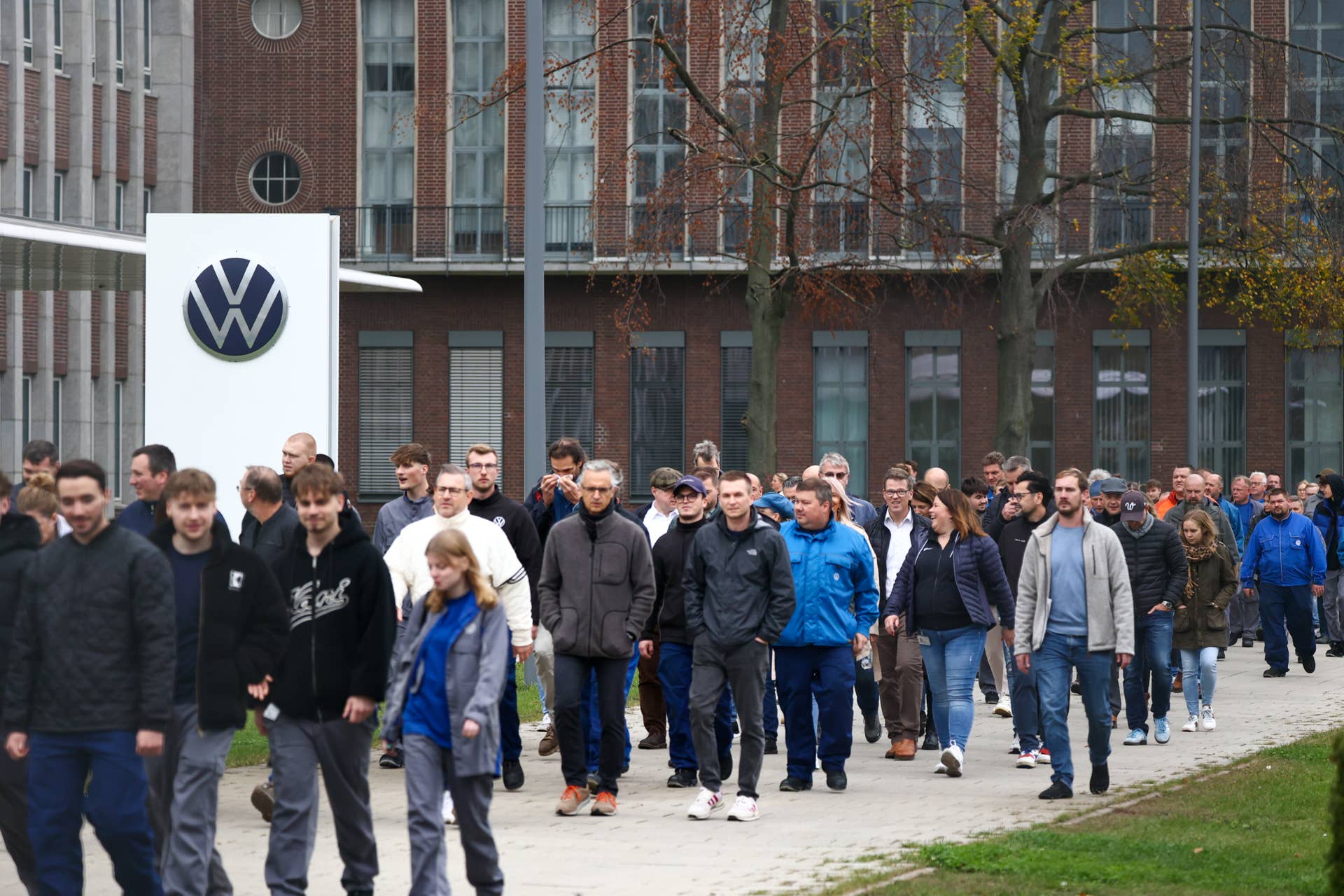
It’s no secret that Volkswagen isn’t doing so well this year. The company was forced to take drastic measures to cut over $4.3 billion in spending in one fell swoop. Some of those measures include cutting employee wages and potentially closing three of the manufacturer’s German production facilities. In response, nearly 100,000 workers have joined VW strikes following management’s rejection of their most recent proposal.
Representatives voted for limited strikes beginning in December
Labor representatives voted for limited strikes at Volkswagen’s German production facilities beginning December 1st following a failure to reach an agreement with VW management. True to their word, nearly 100,000 workers participated in walkouts in protest of plans to cut wages and close factories. The limited strikes took place in a two-hour window on morning shifts and early walkouts during evening shifts.
Last week, the union proposed cost-cutting measures that would save Volkswagen $1.58 billion and eliminate any bonuses for 2025 and 2026. Volkswagen management declared the proposition unrealistic.
“This was the first, powerful impact of a winter of protest. Volkswagen should come to its senses and finally shelve its nightmare plans, otherwise, our colleagues will find the right answer,” Thorsten Groeger, IG Metall chief negotiator, told Reuters.
While the initial limited strikes are taking place over a few hours, that won’t be the end of it. Union members can vote to escalate to 24-hour strikes if needed. The last VW workers’ strike occurred in 2018 when more than 50,000 union members participated in walkouts over pay. A fourth round of negotiations will take place on December 9th.
Volkswagen continues to face economic pressure
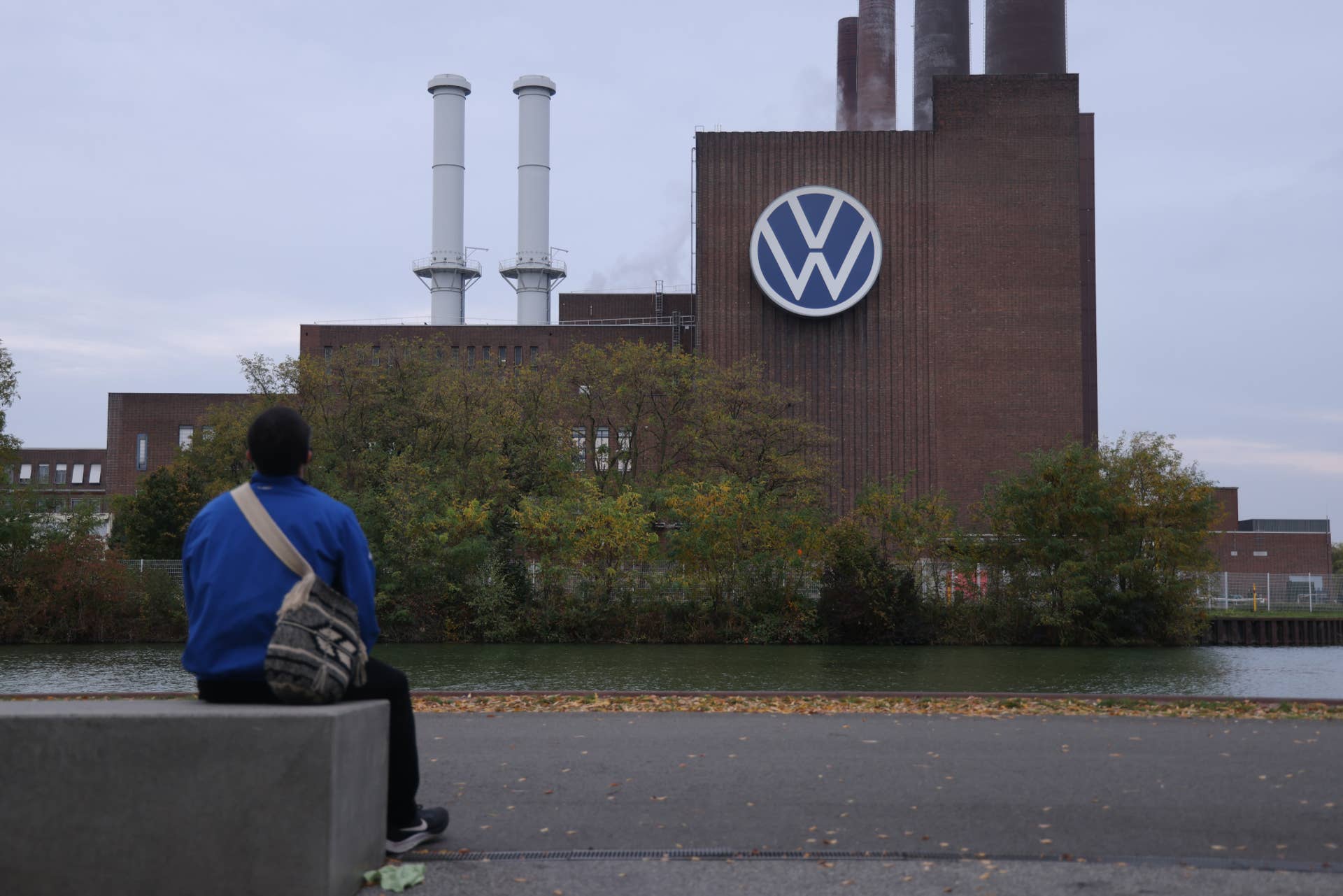
Volkswagen Group employed just over 684,000 workers as of 31 December 2023, with nearly 300,000 of them based in Germany. That means roughly a third of VW’s total German workforce has proven they are ready and willing to strike.
Meanwhile, Northvolt, an EV battery manufacturer that both Volkswagen and BMW had invested in, has gone bankrupt. On top of that, the incoming Trump administration is talking hefty tariffs on imports from Mexico and Canada.
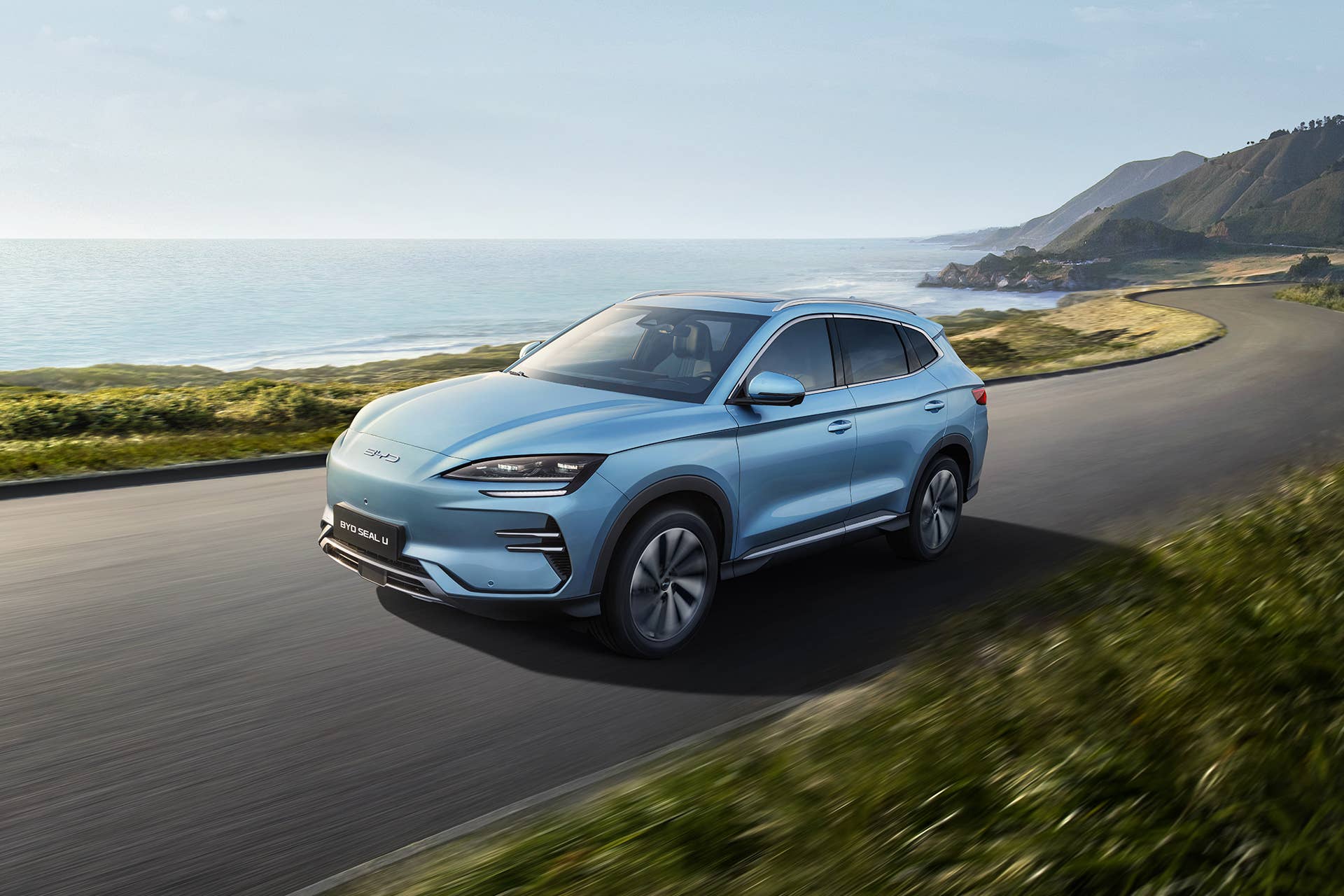
The cause of VW’s financial woes largely lies in China, the German automaker’s single largest market until recently. A surge of Chinese vehicles has put VW in a tough spot, and management is struggling to adjust.
BYD
“As management, we’re not operating in a fantasy world. We are making decisions in a rapidly changing environment,” said Oliver Blume, Volkswagen Group CEO.
Hubertus Heil, German Labor Minister, encouraged both sides to reach a resolution that didn’t include forced layoffs and facility closures. Unfortunately, VW management didn’t seem willing to make concessions to come to an agreement with workers.
“That will mean compromises. Concessions too. Things that you don’t like and that sometimes hurt you one way or another. But that has to apply to all sides,” said Daniela Cavallo, leader of VW’s labor council. “Otherwise it’s not a compromise.”
Final thoughts
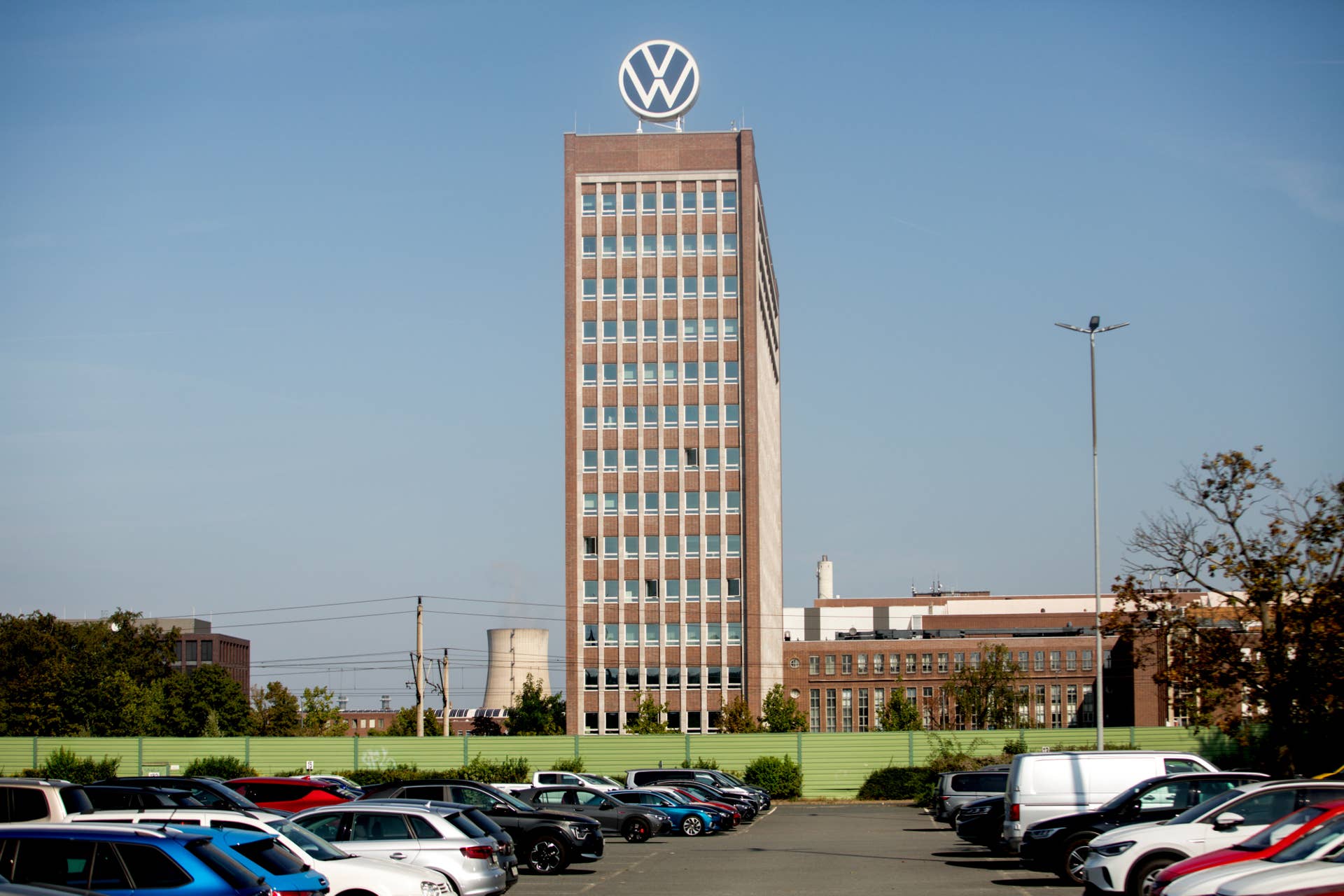
A surge in Chinese competition clearly caught Volkswagen off guard, and now the German automaker is struggling to right the ship. Taking drastic measures means making tough choices, and I’m certain VW isn’t making light of closing production facilities on its home turf for the first time in its 87-year history.
On the other hand, having one-third of their German workforce ready to take part in open-ended strikes isn’t something to take lightly either. Volkswagen management will need to make compromises with their employees, otherwise, their stubbornness could very well sink the German automaker for good.
About the author

Joseph Pudlewski
Contributing Writer, Autoblog