
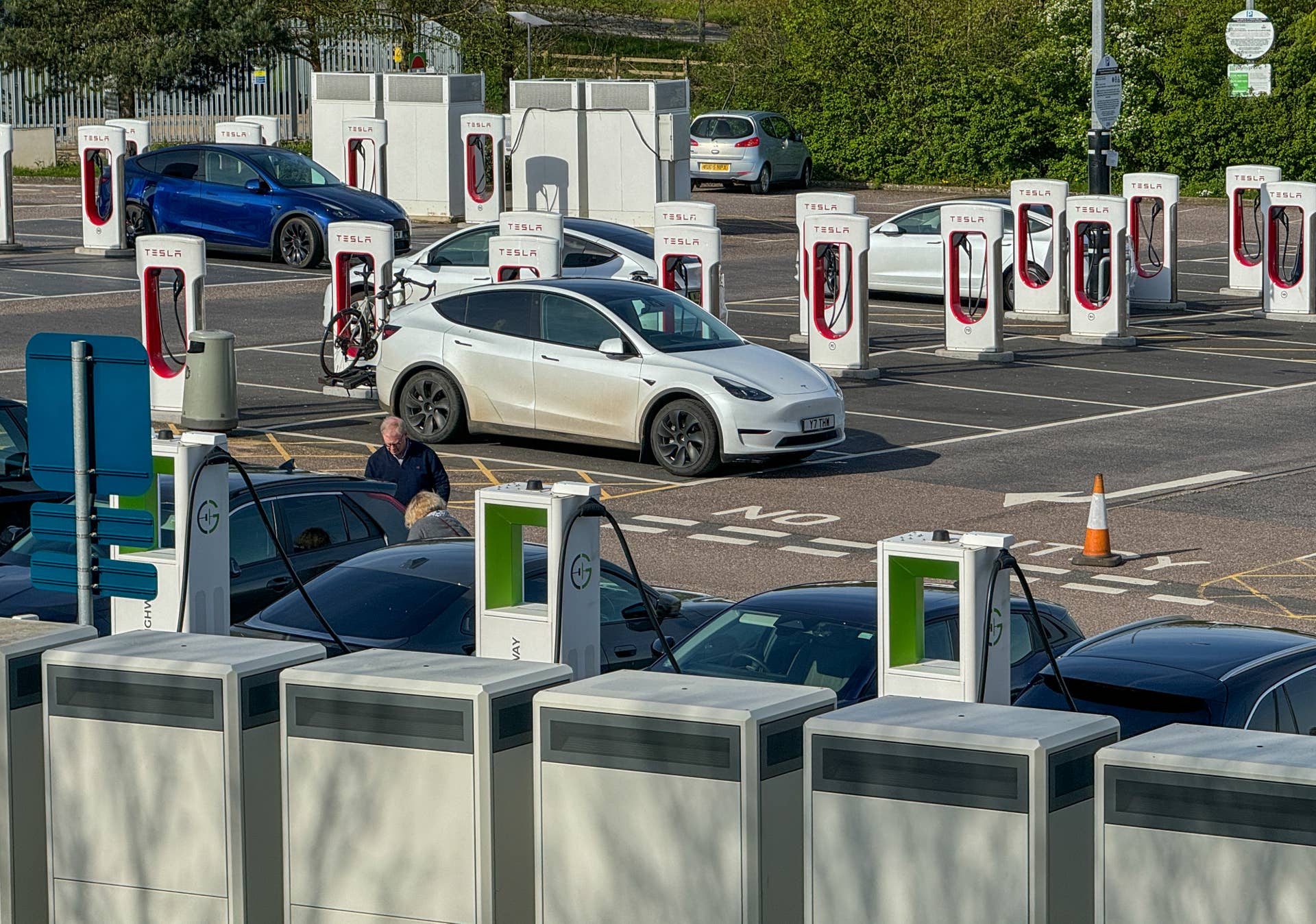
The UK government is all ears to automaker grievances over its EV sales mandate. Companies have eight weeks to submit comments to the government on its zero-emission vehicle sales quotas, which many automakers have struggled to hit.
The mandate is set to eliminate the sale of all ICE vehicles by 2030, with incremental EV sales quotas leading up to the deadline to try and smooth the transition. This year, 22% of new cars and 10% of new vans sold this year are to be electric, but automakers are already falling short of the government’s goals.
Industry pushback on EV targets
Despite heavy discounting, electric vehicles accounted for just 18.7% of UK car sales from January to November. Automakers warn that without changes, the mandate could stifle growth and lead to job losses. Credits for hybrid sales have helped companies meet targets, but executives argue that consumer adoption of EVs remains slow.
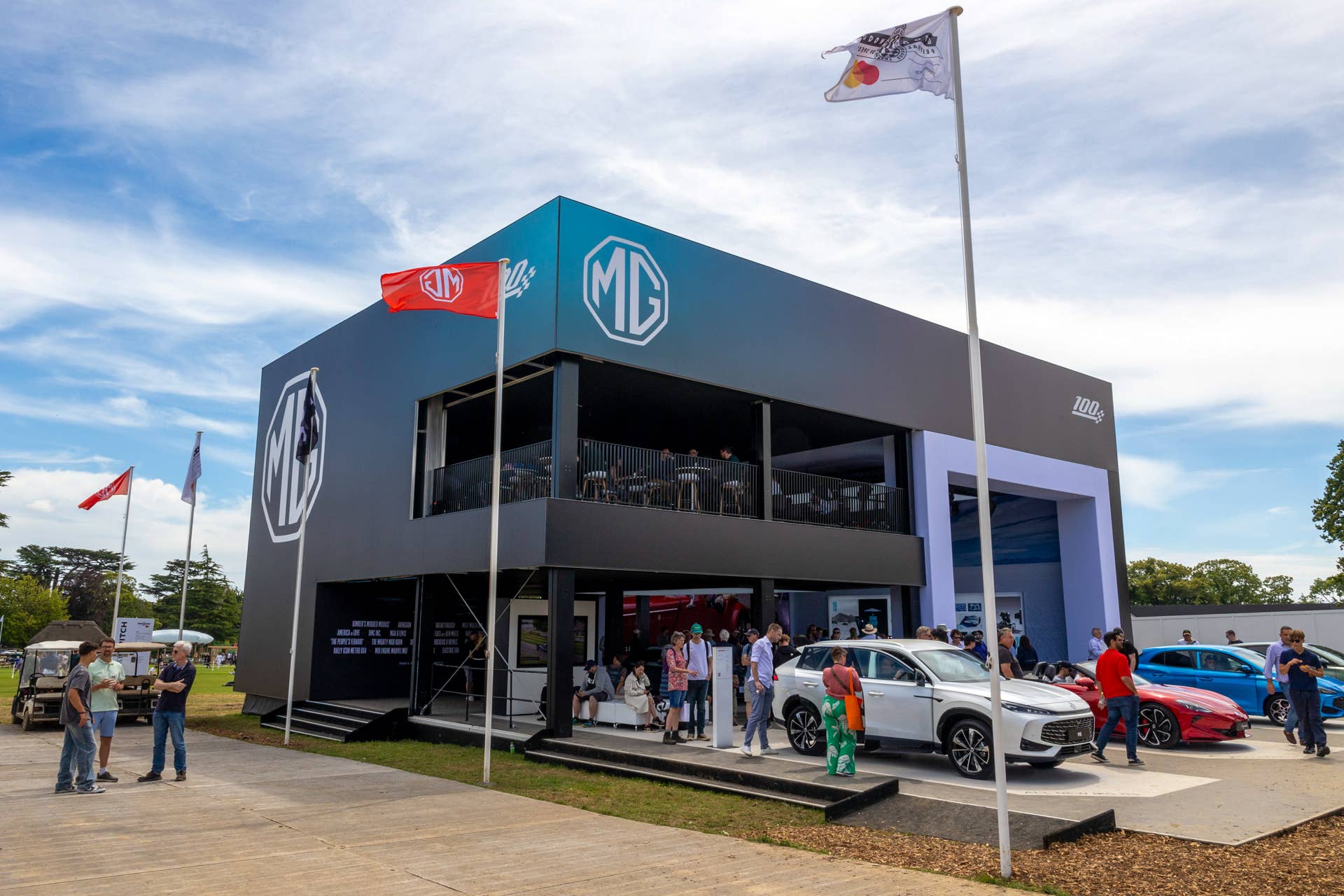
“The fact is, we are building them, but they aren’t coming in sufficient numbers to buy,” said Mike Hawes, CEO of the Society of Motor Manufacturers and Traders.
Vauxhall-owner Stellantis recently announced plans to close its van factory in Luton, affecting 1,100 jobs. The company cited EV regulations as a factor, shifting production to its Ellesmere Port facility. Ford has also reduced its UK workforce, pointing to lackluster EV sales as a key driver.
Revisiting the 2030 goal
The government remains committed to phasing out the sale of new gasoline and diesel vehicles by 2030. However, it is reviewing support measures for manufacturers and considering adjustments, such as extending the sales window for some hybrids until 2035.
Transport Secretary Heidi Alexander said the consultation aims to provide the auto industry with clarity and support. “Over the last few years, our automotive industry has been stifled by a lack of certainty and direction,” Alexander said in a statement. “This government will change that.”
Consumer reluctance to embrace EVs
Automakers have spent billions on discounts, yet consumers remain hesitant. Analysts point to concerns over charging infrastructure, vehicle range, and affordability. The Energy and Climate Intelligence Unit estimates that meeting future targets will require an unprecedented surge in EV adoption.
Through November of this year, EV registrations have increased by nearly 18% in the United Kingdom, far better than the average across Europe, according to the European Automobile Manufacturers’ Association. But, it appears even above-average growth isn’t enough to meet the government’s current sales quotas.
Final thoughts
Although the UK government hasn’t yet made any changes to its current sales quotas, the consultation is a clear concession that its current goals may not be aligned with market realities. As the country strives to balance ambitious climate goals with consumer preferences, the outcome will shape the future of EV adoption and industrial growth.
The consultation closes on Feb. 18, 2025, leaving automakers limited time to make their case for a revised path forward.
About the author

Elijah Nicholson-Messmer
Contributing Writer, Autoblog