
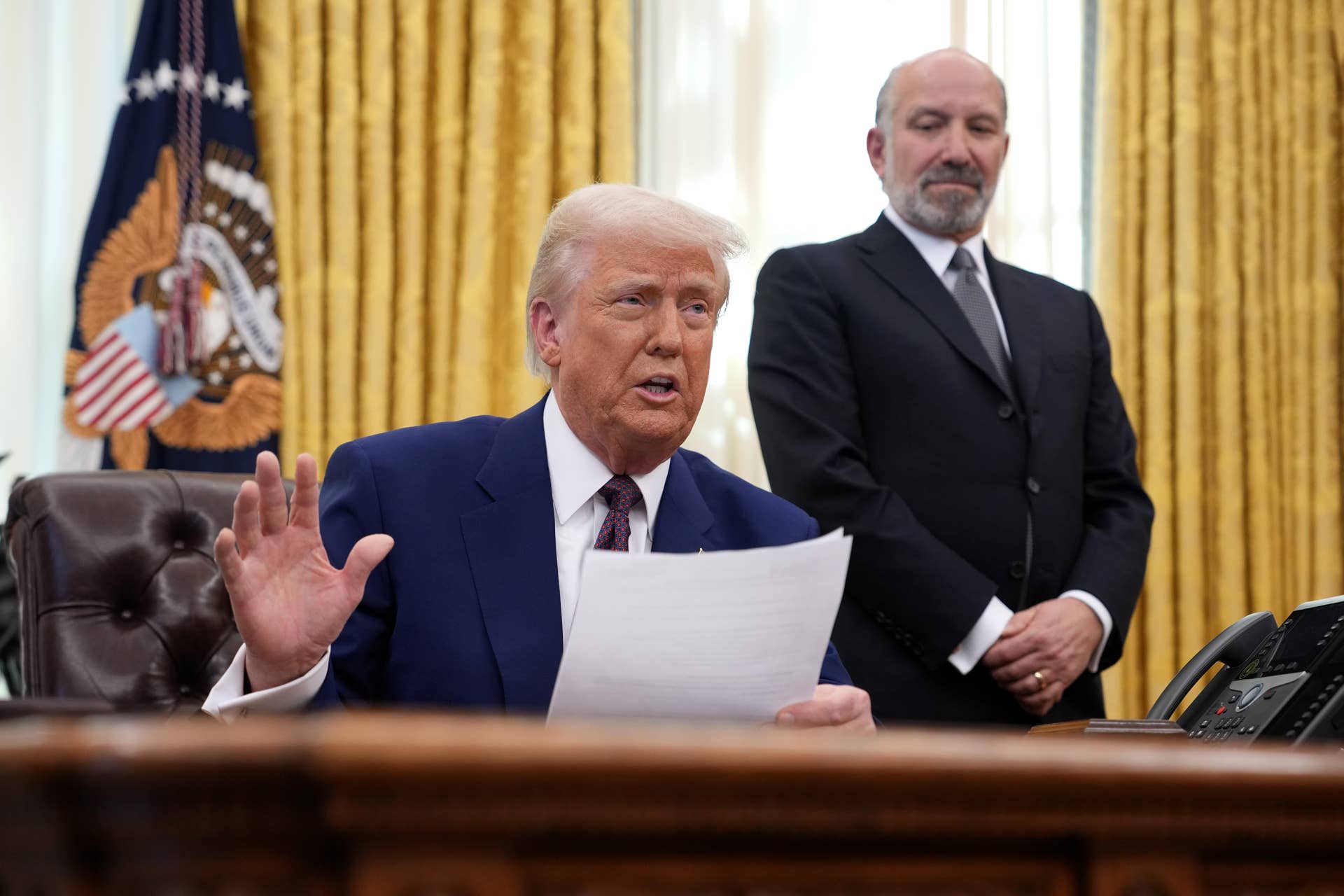
President Trump confirmed on Friday that tariffs on foreign cars will be imposed starting on Apr. 2. While the specifics regarding the size of the tariffs and the countries affected have not been disclosed, this announcement is expected to shake up the auto industry. Trump had initially hinted at an Apr. 1 launch date but later chose Apr. 2, citing superstitions surrounding April Fools’ Day.
Trump’s move to impose these tariffs comes amid a broader series of trade measures that could deeply affect the automotive sector. He previously proposed tariffs on raw materials, including steel and aluminum, and has been negotiating with Canada, Mexico, and China over additional trade measures.
The global impact on auto manufacturers
The global nature of the automotive industry means that any tariff decision has far-reaching consequences. For years, auto manufacturers have depended on an interconnected web of supply chains, with parts, materials, and finished products crossing borders between nations. The U.S. borders with Canada and Mexico see billions of dollars worth of goods related to car manufacturing each week. Additionally, countries like China are key suppliers of essential auto components.
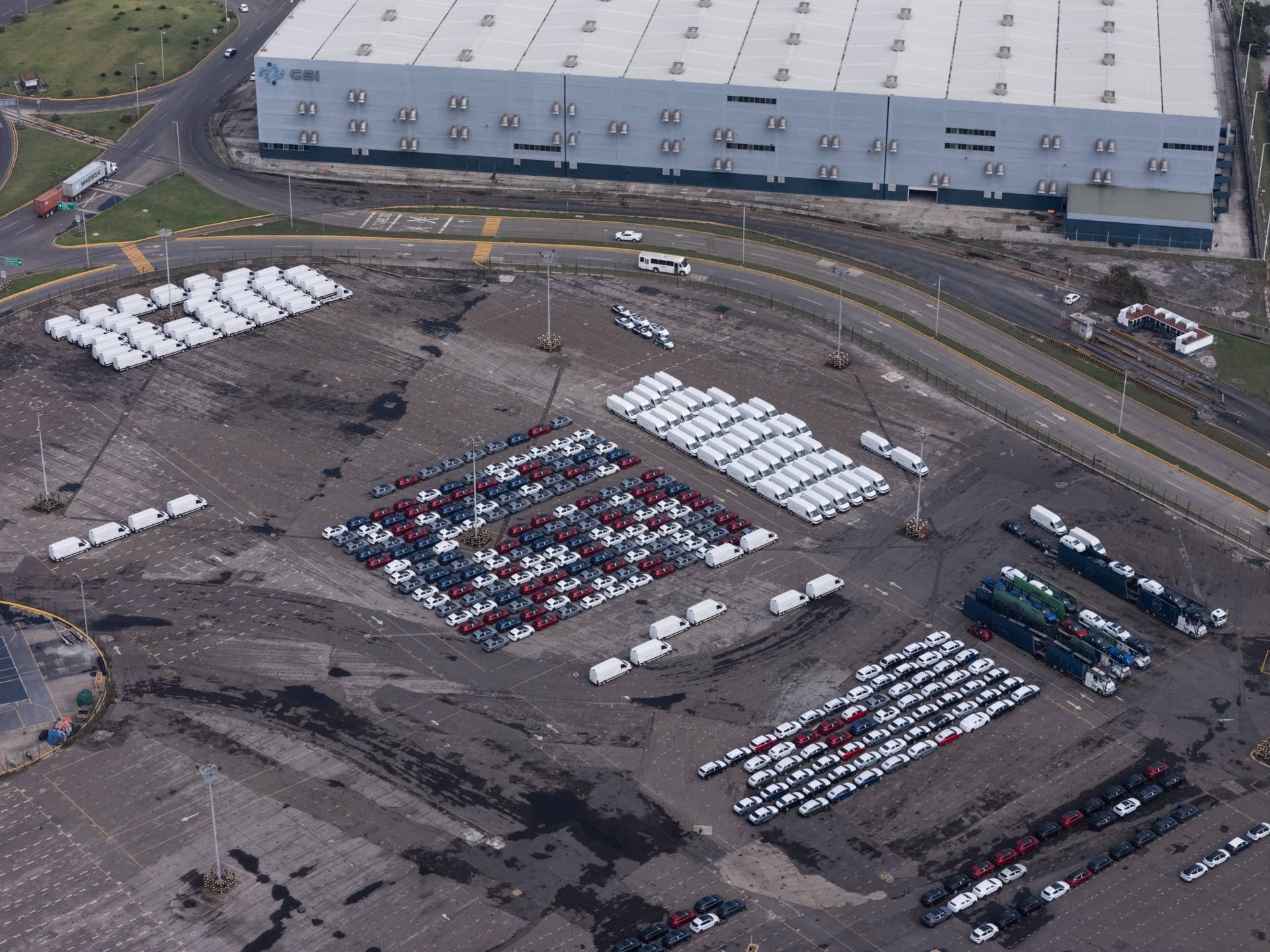
As a result, any tariff imposed on foreign cars could disrupt these established supply chains, leading to a potential rise in production costs. Major automotive companies have already voiced concerns about how these tariffs will impact their operations, particularly the potential for significant job losses across the U.S. manufacturing sector.
Reciprocal tariff plans and European tensions
Another significant aspect of Trump’s trade strategy is his plan for a “reciprocal tariff” system. Under this system, the U.S. will impose new tariffs on countries based on how the U.S. is treated in terms of tariffs, taxes, and other trade-related policies.

Trump has been particularly vocal about the European Union’s 10% tariff on American-made cars, which is much steeper than the U.S.’s 2.5% tariff on European cars. However, the U.S. also imposes a much steeper 25% tariff on light pickup trucks from Europe.
This imbalance has led to increased tensions and a desire from the president to even the playing field. This disparity in tariff rates on different vehicle types adds complexity to the negotiations, with the potential for further economic fallout if reciprocal tariffs are enacted.
The auto industry’s reaction
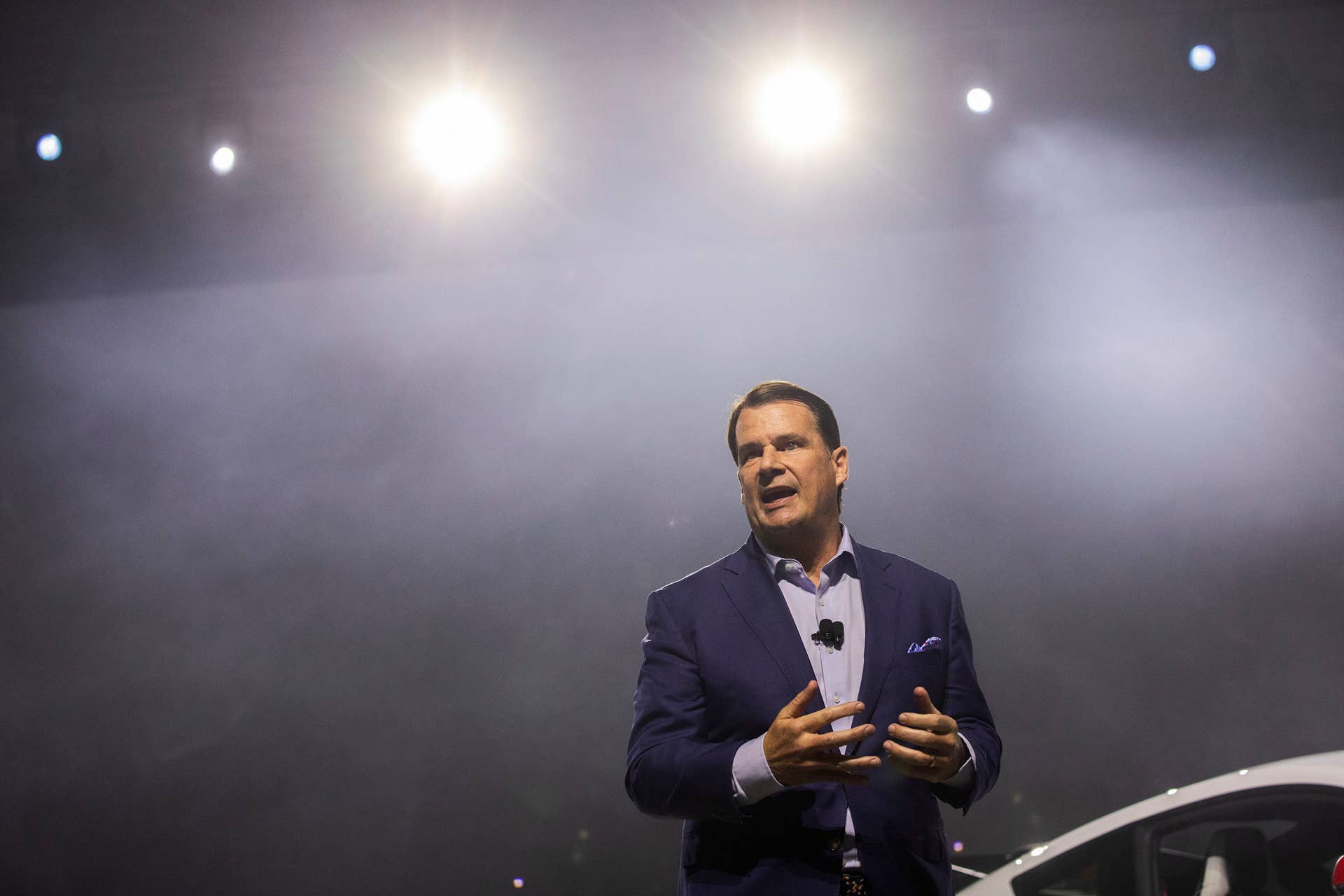
Automakers have already started bracing for the impact of these upcoming tariffs, fearing both production disruptions and economic consequences. Ford’s CEO, Jim Farley, recently warned that a 25% tariff on Canadian and Mexican auto products would “blow a hole” in the U.S. industry. Many industry experts share his concerns, predicting that these tariffs could lead to massive layoffs and lost revenue.
The uncertainty surrounding the scope and targets of these tariffs only adds to the anxiety felt by U.S. automakers. Companies have long advocated for a more predictable and stable trade environment to facilitate investment and long-term planning. Without clarity on how these tariffs will be implemented, manufacturers face a challenging road ahead.
Final thoughts
President Trump’s upcoming decision to impose auto tariffs could significantly disrupt the automotive industry. While the full impact remains unclear, the potential for job losses, higher production costs, and strained international relations looms large over automakers and workers.
As manufacturers await further details, the industry remains on edge, hoping for more clarity on the size of the tariffs and the countries that will be most affected.
Love reading Autoblog? Sign up for our weekly newsletter to get exclusive articles, insider insights, and the latest updates delivered right to your inbox. Click here to sign up now!
About the author

Elijah Nicholson-Messmer
Contributing Writer, Autoblog