
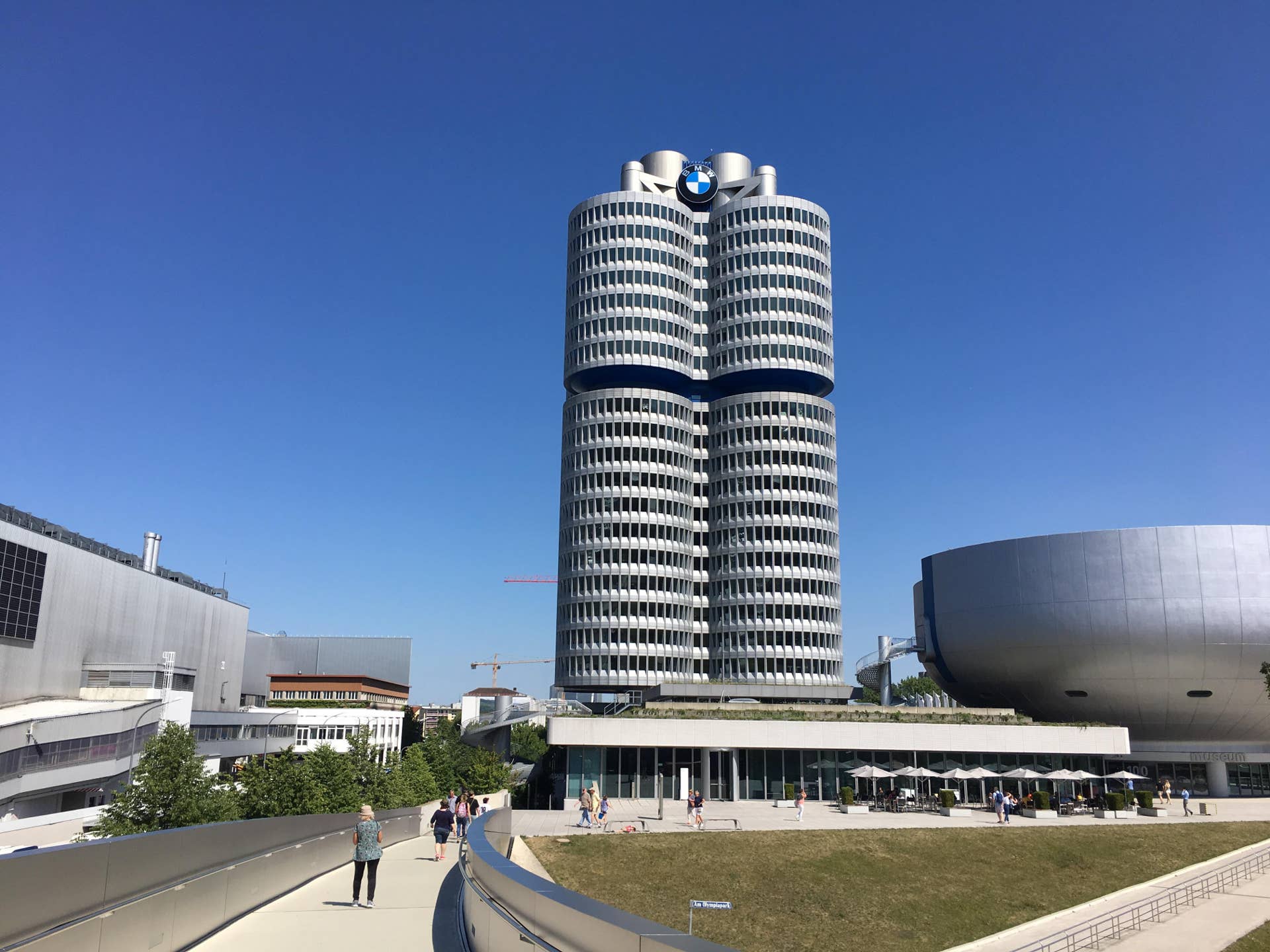
BMW has revised its 2025 financial outlook downward, citing weaker growth in China, delayed tariff reimbursements, and rising import costs. The automaker now expects group pre-tax earnings to decline slightly compared to 2024, with the automotive division’s return on capital falling to between 8 and 10 percent, down from the previous 9 to 13 percent range.
Free cash flow guidance for the automotive segment has been halved, from above €5 billion to just over €2.5 billion. The downgrade arrives only days after the brand highlighted a U.S. sales upswing. The contrast underscores how global demand gaps, particularly in China, continue to offset strength in North America.
Shares fell around 3 percent after the announcement as investors reacted to the weaker forecast. Analysts said the scale of the free-cash-flow cut caught the market off guard, even though slower Chinese sales were already expected.
BMW
Tariffs and Refund Delays Add Pressure
BMW said a key reason for the downgrade is a delay in receiving hundreds of millions of euros in customs refunds from both U.S. and German authorities. Those payments are now expected in 2026, reducing near-term liquidity. The company also faces higher costs from U.S. tariffs on European vehicle imports.
Despite these challenges, BMW plans to maintain its dividend payout ratio of 30–40 percent of net income and continue share buybacks. Still, profitability in its core automotive division is being squeezed by pricing pressure and cost headwinds.
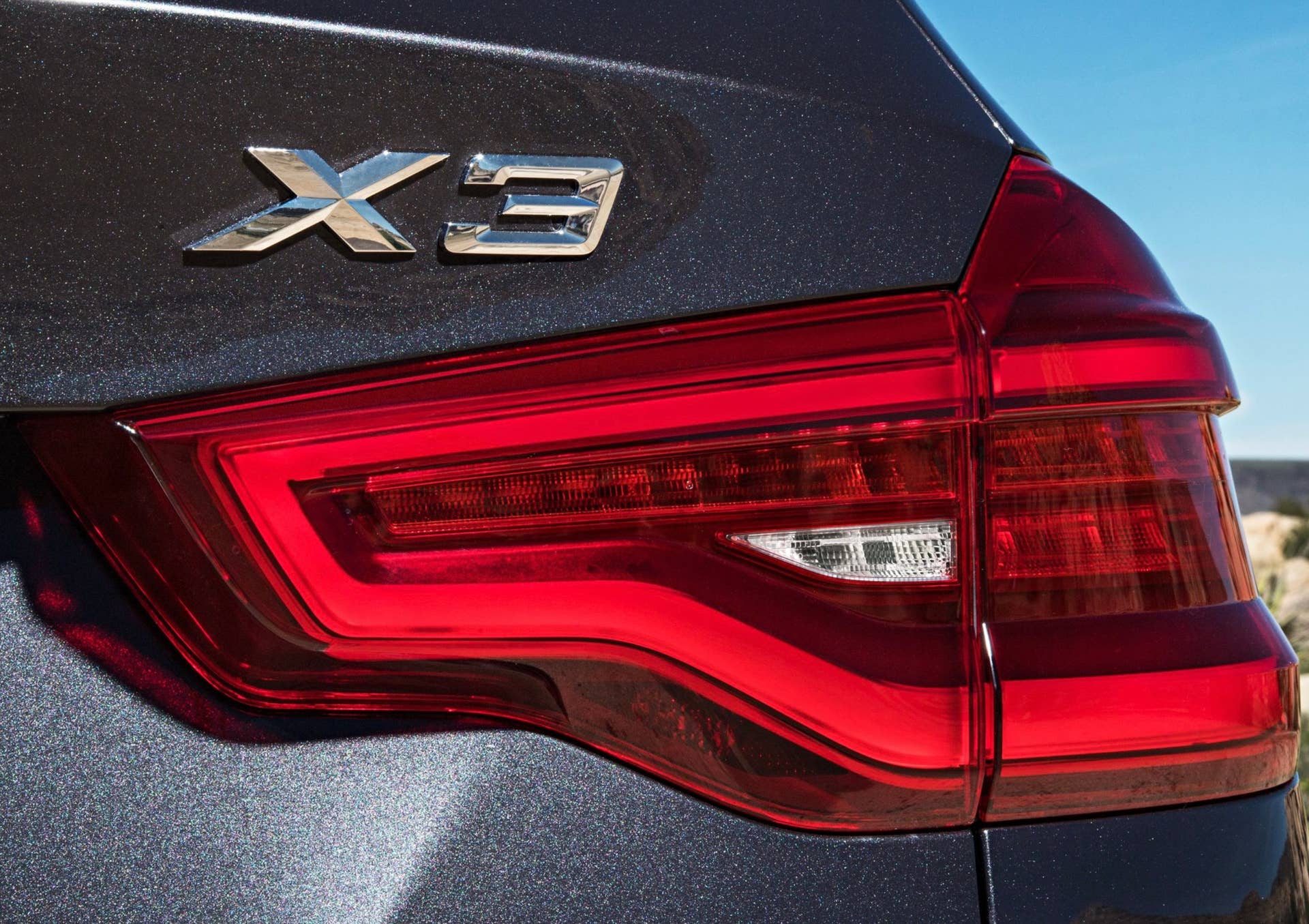
The automaker’s EBIT margin is now forecast between 5 and 6 percent, at the lower end of its previous guidance. BMW said its performance in the U.S. and Europe remains robust, supported by ongoing promotions such BMW’s 2026 X3 lease deals for October, which aims to keep showroom traffic steady through the final quarter.
BMW
Broader Industry Context
BMW’s struggles in China mirror a broader trend among European premium brands as domestic EV competitors intensify pricing wars. With local brands offering high-tech electric crossovers at lower prices, BMW’s margins have come under pressure.
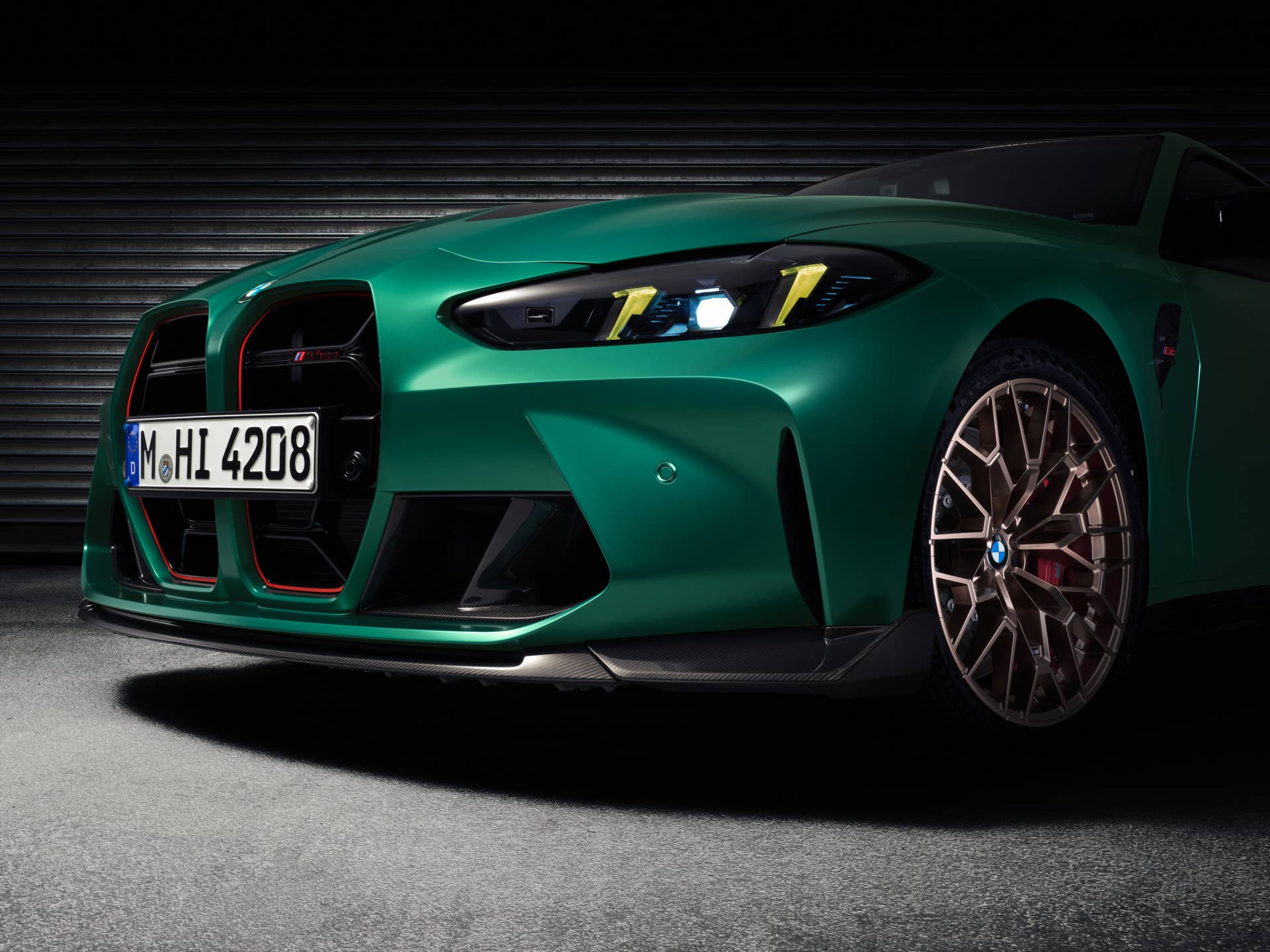
The company is also juggling multiple priorities, expanding its electric lineup while keeping legacy combustion products profitable. That balance explains why the BMW M4 will still be shown in showrooms for the foreseeable future; BMW is spacing out product cycles to manage development costs as it transitions toward electrification.
Why It Matters
For investors, BMW’s trimmed guidance raises questions about how quickly it can pivot to electric mobility without sacrificing profit. For customers, it signals potential shifts in pricing, incentives, and model availability over the next year as the company prioritizes volume in its most stable markets.
If tariff pressures ease and Chinese demand steadies, BMW expects a rebound in 2026, aided by deferred refunds and continued U.S. growth. Until then, the automaker’s message to shareholders is one of caution, the road to a fully electrified lineup may test the brand’s financial resilience before it rewards it.