
Most people would assume that winter is a risky driving season for teen drivers, given the potential for ice and slick roads. But more teens die in car crashes during the summer months than any other season, safety experts say.
AAA says seven of the top 10 deadliest days for teen driving happen during the summer months, when kids are out of school and spending time hanging out with friends.
“Summer can be a fun season for teens, but it can also have the highest fatality rates,” said Michelle Chaka, a safety researcher with Ford. The automaker’s research shows 358 teens died in the summer months of 2011, compared with 271 for the winter months.
Ford released a survey Tuesday showing that teens often mimic their parents’ behavior behind the wheel. So if you text and drive or chat on the phone and drive, you pretty much should assume Junior is doing the same thing when he’s out of your eyesight.
Ford used the survey results to tout its MyKey technology, which allows parents to restrict some of their teen’s driving even when they are not around. The car will refuse to play the radio until the front seatbelts are fastened, for instance. It can also limit the radio sound levels, set a top speed for the car, and will prevent teens from shutting off active safety assistance like collision warning and parking assist.
A ton of non-profit groups which focus on teen driving safety have issued press releases in the past month alerting the public that the dangerous months are coming. Some groups try to scare teens into being more responsible behind the wheel, by hosting gruesome role playing events that show the aftermath of a fatal accident. Some businesses want parents to buy their gadget – an app that blocks texting, for example, or a GPS unit that tracks where your teen is driving.
While there is no silver bullet that can guarantee your teen will stay safe behind the wheel, parental involvement makes a huge difference. This is what AAA suggests:
Restrict driving and eliminate joy rides: For the first year of driving, parents should limit their teen’s solo drives to essential trips only, and only with parental permission. No matter how much they protest, the first year after the get their license should still be considered a training period.
Limit the number of passengers and time as a passenger: The number of crashes that happen with a large posse of kids in the car is staggering. And when there’s a large group of kids in a car and something goes wrong, a bad situation can turn exponentially more tragic. Fatal crashes for teens increase five-fold when there are two or more teen passengers in the car.
The nation was shocked earlier this year when a car full of teens from Ohio died in a crash. The same sad situation happened just weeks ago in California. It is likely to happen again this summer.
Restrict night driving: The risk of a fatal teen crash doubles at night. More than half of night time crashes occur between 9 p.m. and midnight. Just because your teen has his or her license doesn’t mean you should abdicate your role as chauffer. Either plan on continuing to pick up and drop off when your teen is out, or plan for more sleepovers.
Establish a driving agreement: Set clear consequences when your teen violates the rules, and stick to the plan. AAA offers a sample teen driving agreement at TeenDriving.AAA.com.
Whatever you do, don’t assume that because the state has issued your child a driver’s license that he or she is now a safe driver. There is no such thing as a safe teen driver – they are inexperienced behind the wheel and need years of practice before they can truly be considered safe. The best thing parents can do is monitor their children and educate them as they use their teen years to practice essential driving skills.
Featured Gallery
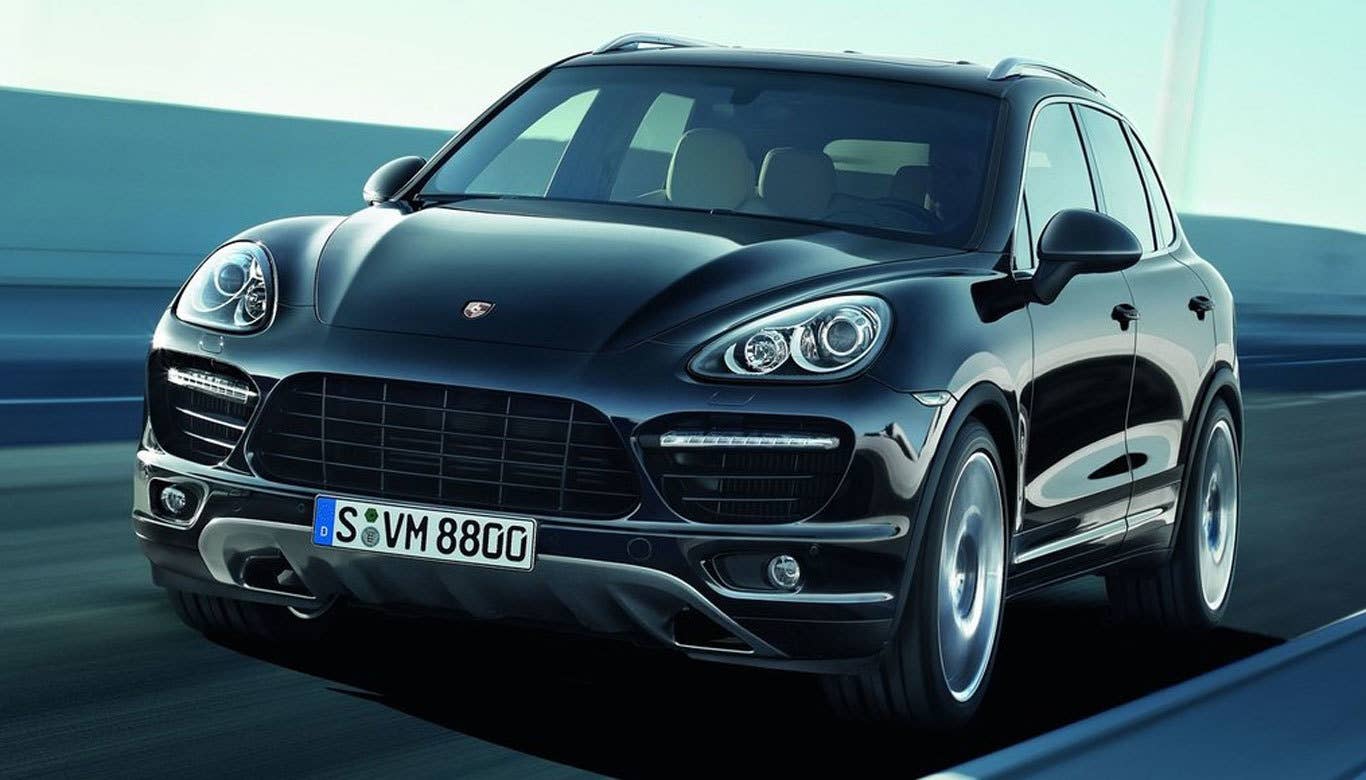
Insure.com recently released results of a study that evaluated passenger safety in more than 750 vehicles. The study analyzed insurance rates for Personal Injury Protection (PIP) and Medical Payments (MedPay) – coverage that pays for injuries to your passengers in a crash. Simply put: The lower the rates, the safer the car for passengers.
Though the study doesn’t get into the nitty-gritty details about what makes some of the cars perform badly, all in all, the results showed that bigger is better when it comes to this type of safety.
“It’s not just the size, but also that there’s more room between the occupants and what they will interact with,” said Pete Leiss, head of crash practice at Lancaster, Pa.-based Robson Forensic.
Though small cars often perform well in crash tests, Insure.com said, sheer size of your car will ultimately go further in protecting your passengers. Click on through to see which vehicles are the best for passenger safety, and which are the worst.

Sticker Price: $46,335 – $65,680
Invoice Price: $43,092 – $61,082
Fuel Economy: 16 mpg City, 23 mpg Highway
Completely redesigned for the 2015 model year, theGMC Yukon can seat a lot of people both comfortably and safely. Safety features standard on all Yukons include four-wheel anti-lock brakes, StabiliTrak stability control system with rollover mitigation, seven airbags, including a new center mounted front airbag, tire pressure monitoring system, rear vision camera and OnStar with Automatic Crash Response.
The Yukon isn’t cheap, but you get a lot for your money, including all kinds of comfort and tech features.
Research the GMC Yukon
GMC Yukon Overview
GMC Yukon Photos & Video
GMC Yukon Local Dealer Price Quote

Sticker Price: $30,035 – $47,520
Invoice Price: $27,707 – $43,837
Fuel Economy: NA
The big, burlyF-250 is one of Ford’s heavy-duty truck offerings. It boasts loads of torque and a high towing capacity, as well as numerous safety features that help to keep passengers safe.
In addition to its large size, the F-250 works to ensure its occupants safety with traction control and electronic stability control, a hill launch assist feature and side curtain airbags. Available safety features include a reverse camera system and stolen vehicle tracking system.
Research the Ford F-250
Ford F-250 Overview
Ford F-250 Photos & Video
Ford F-250 Local Dealer Price Quote
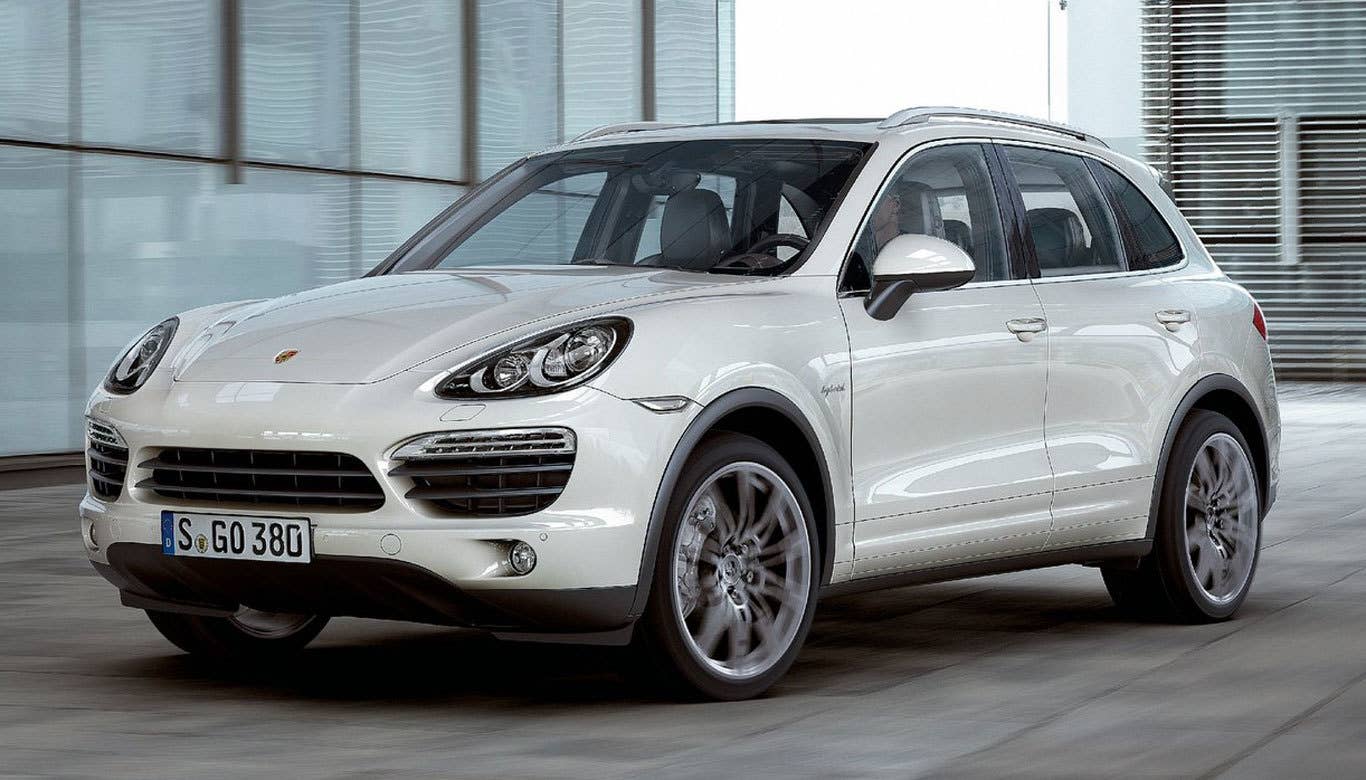
Sticker Price: $49,600 – $146,000Invoice Price: NAFuel Economy: 15 mpg City, 22 mpg Highway
Legendary Porsche driving prowess comes in SUV form with theCayenne. In addition to great driving dynamics and luxury, the Cayenne also benefits from having a wide range of safety features, including Porsche Stability Management (PSM), Porsche Active Suspension Management (PASM) and Porsche Dynamic Chassis Control (PDCC).Research the Porsche CayennePorsche Cayenne OverviewPorsche Cayenne Photos & VideoPorsche Cayenne Local Dealer Price Quote

Sticker Price: $31,565 – $53,740Invoice Price: $29,671 – $49,978Fuel Economy: NA
The big, burlySierra 2500 is available in a wide array of bed sizes, wheelbases, drive types and cab sizes, as well as a variety of trim levels. Stability control, hill start assist and a trailer sway control system are standard on the Sierra 2500 and its large size and sturdy construction make it very safe for passengers.
The Sierra is more expensive than the Chevrolet Silverado, which is a very similar truck, but it comes with a nicer interior and more features.Research the GMC Sierra 2500GMC Sierra 2500 OverviewGMC Sierra 2500 Photos & VideoGMC Sierra 2500 Local Dealer Price Quote
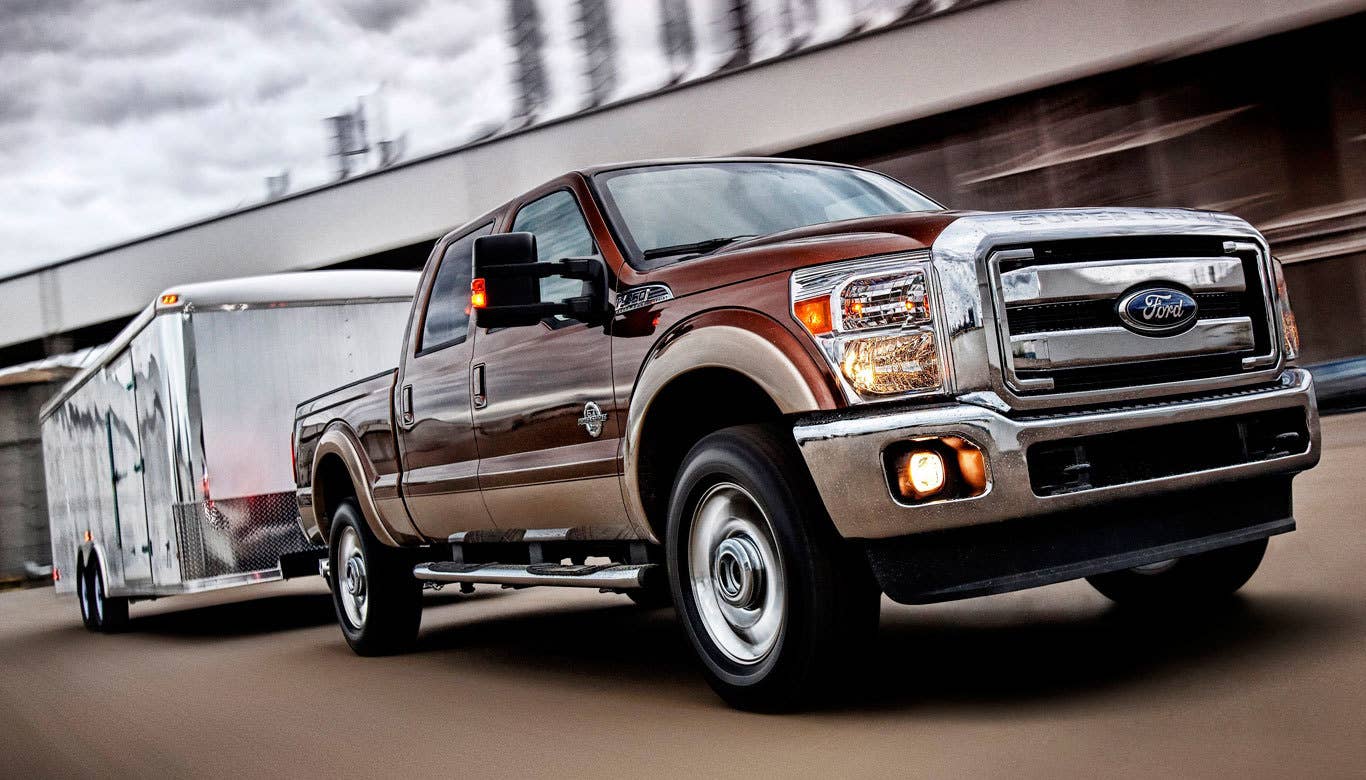
Sticker Price: $31,940 – $50,730
Invoice Price: $29,464 – $46,798
Fuel Economy: NA
The F-350, which is another Heavy Duty offering from Ford, topped the list as the safest cars for passengers, according to Insure.com. Its massive size is obviously an asset when it comes to safety, but the truck also comes numerous standard safety features (most of which can also be found on the F-250) such as traction control, electronic stability control, a hill launch assist feature and side curtain airbags.
Research the Ford F-350
Ford F-350 Overview
Ford F-350 Photos & Video
Ford F-350 Local Dealer Price Quote

Sticker Price: $11,990 – $16,890
Invoice Price: $11,703 – $16,465
Fuel Economy: 27 mpg City, 36 mpg Highway
In general, we’ve been pretty pleased with what we’ve seen from Nissan’s offering in the small sedan segment. TheVersa was recently redesigned with new styling and a new interior. Passenger safety, however, is not this car’s forte, according to Insure.com.
Research the Nissan Versa
Nissan Versa Overview
Nissan Versa Photos & Video
Nissan Versa Local Dealer Price Quote
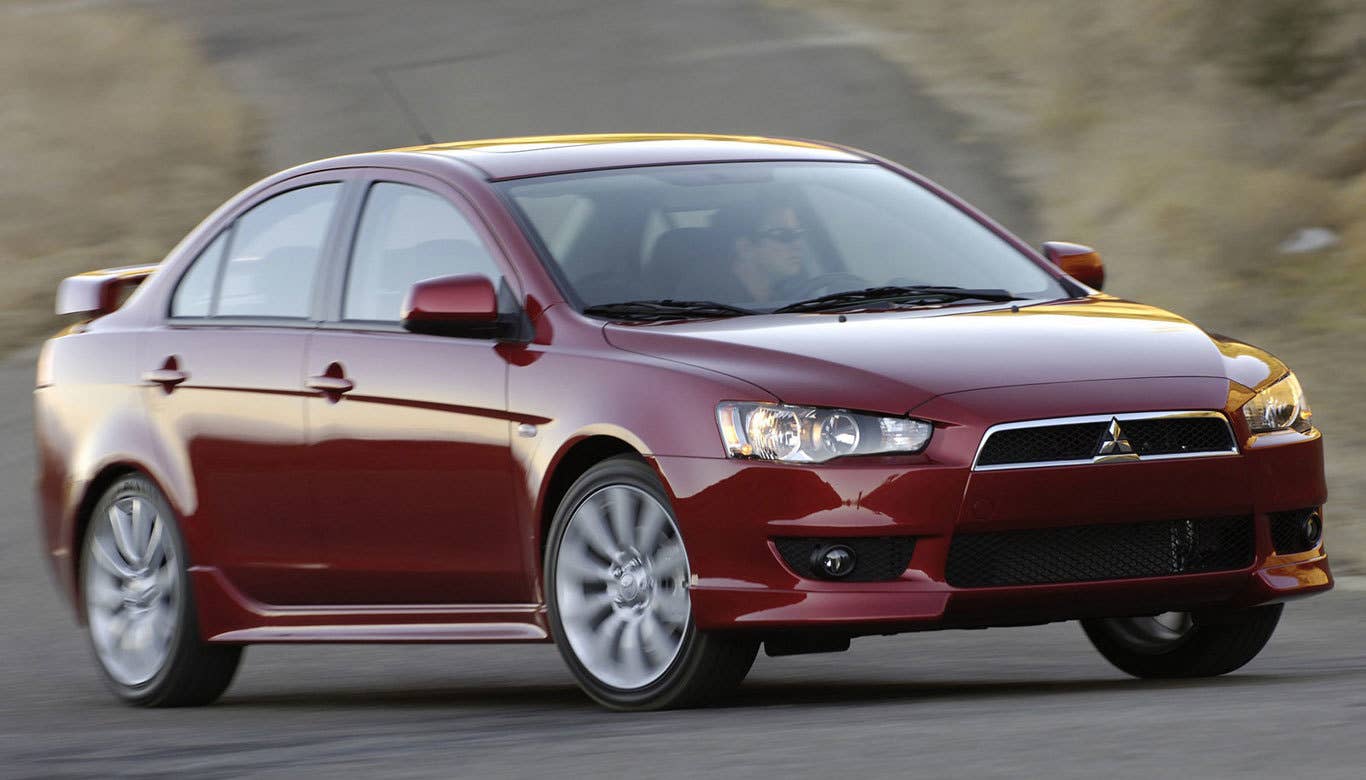
Sticker Price: $17,195 – $28,395
Invoice Price: $16,469 – $27,196
Fuel Economy: 25 mpg City, 34 mpg Highway
TheMitsubishi Lancer has hung around for quite some time now, in spite of slow sales and low name recognition. The car can be had in a couple of exciting trims and engine configurations, such as the Ralliart and Evolution, but it’s still at the bottom of the totem pole in this segment. Passenger safety is just one issue with this car.
Research the Mitsubishi Lancer
Mitsubishi Lancer Overview
Mitsubishi Lancer Photos & Video
Mitsubishi Lancer Local Dealer Price Quote
Sticker Price: $16,800 – $21,300
Invoice Price: $15,876 – $19,722
Fuel Economy: 28 mpg City, 37 mpg Highway
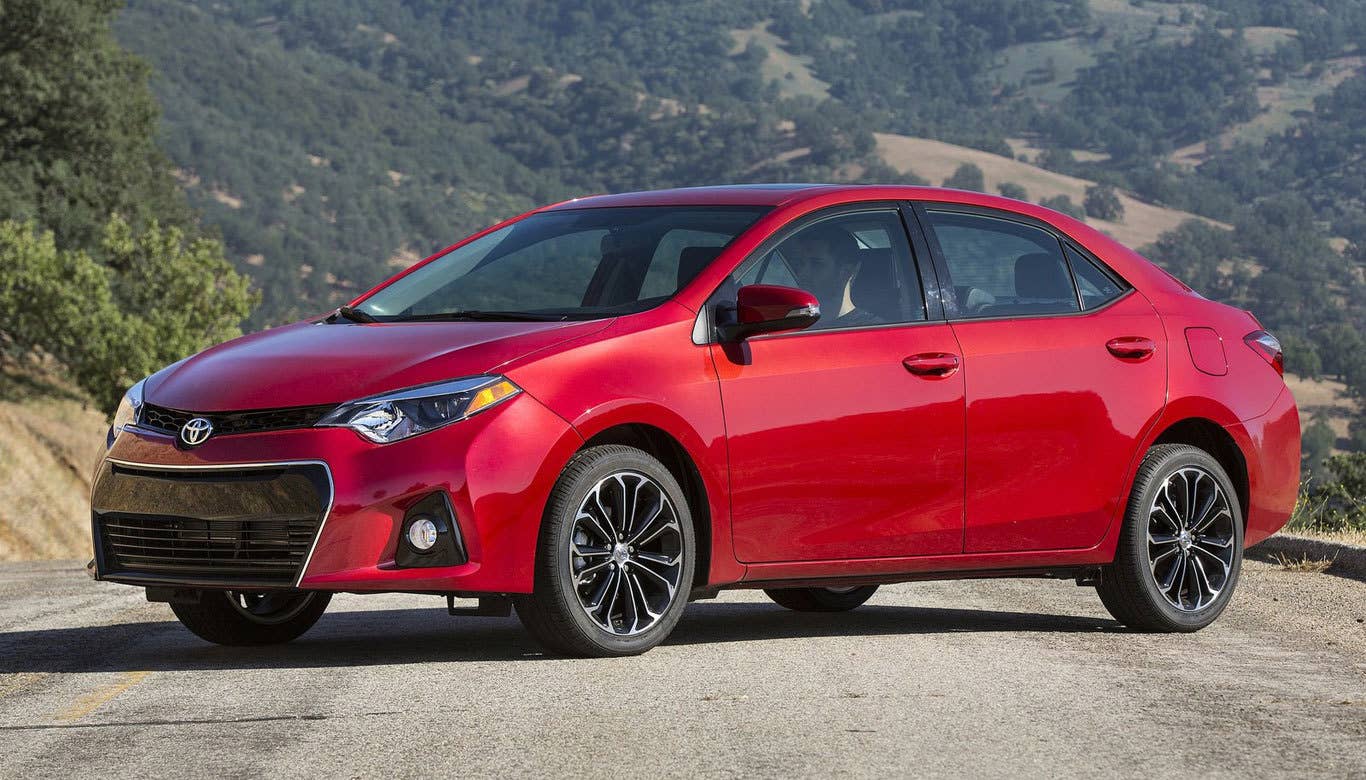
Toyota’s recent redesign of theCorolla helped its looks and its interior, but didn’t do much for passenger safety. This small sedan is the third-worst on Insure.com’s list, which is the exact same position the previous-generation Corolla was in last year.
Research the Toyota Corolla
Toyota Corolla Overview
Toyota Corolla Photos & Video
Toyota Corolla Local Dealer Price Quote

MSRP: $16,195 – $22,195Invoice: $15,801 – $21,381Fuel Economy: 31 mpg City, 40 mpg Highway
The second-worst car for passenger safety, according to the study, is theFiat 500. The little Italian hatchback boasts bold styling and great fuel economy, but passenger safety is a concern across all trim levels.
Occupants are protected by seven airbags, active front head restraints, electronic stability and traction control and a tire pressure monitoring system, but the reality is that this teeny car is going to lose almost every time it’s in a collision.Research the Fiat 500Fiat 500 OverviewFiat 500 Photos & VideoFiat 500 Local Dealer Price Quote
Sticker Price: $14,430 – $16,540
Invoice Price: $13,853 – $15,877
Fuel Economy: 30 mpg City, 37 mpg Highway
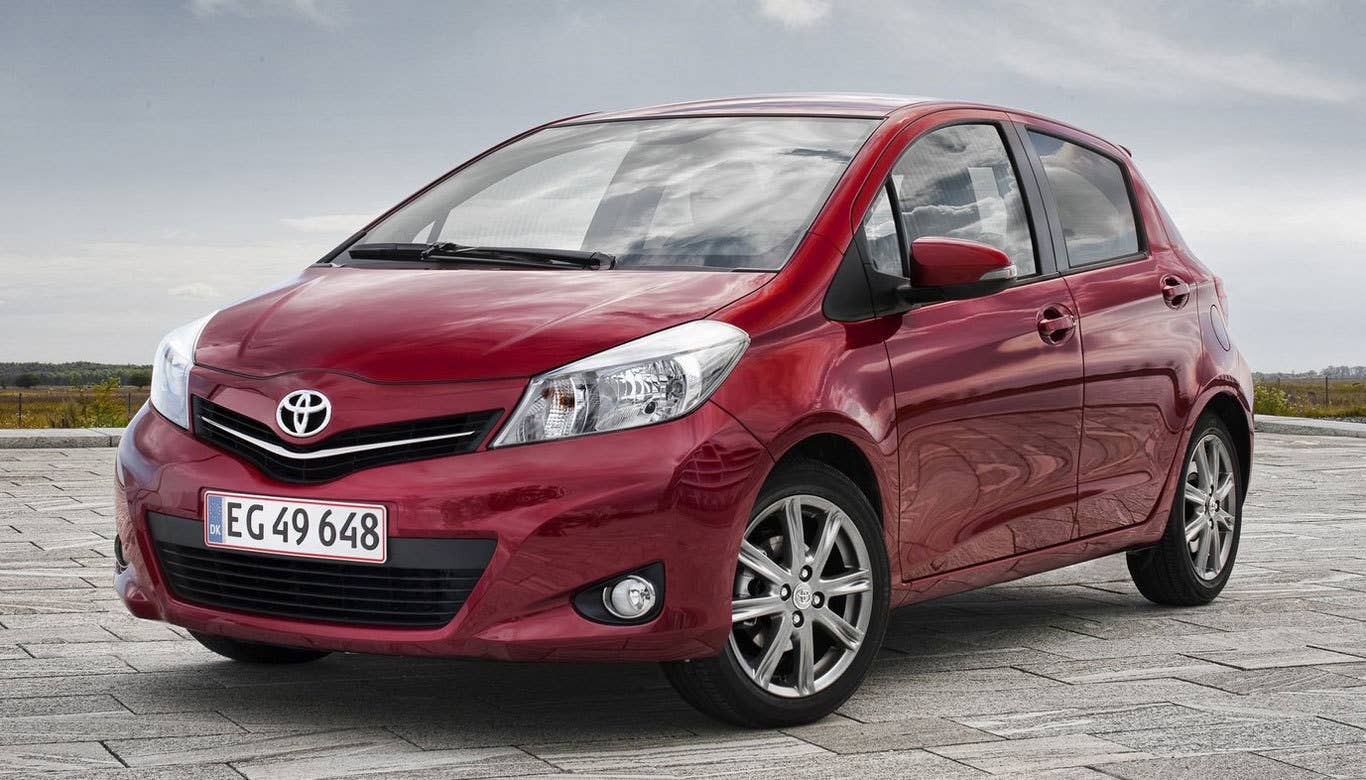
Toyota’s small hatchback is this year’s worst car for passenger safety, according to the study. TheYaris comes with safety features like anti-lock brakes with electronic brake-force distribution and brake assist, electronic stability and traction control, whiplash-lessening front seats, front seatbelt pretensioners and nine airbags. But the reality is this is a small, cramped car, much like the Fiat 500, making it a fundamentally more dangerous place to be a passenger.
Research the Toyota Yaris
Toyota Yaris Overview
Toyota Yaris Photos & Video
Toyota Yaris Local Dealer Price Quote