
Featured Gallery


There are two primary takeaways from a recent study of electric-vehicle driving habits in Germany. One: an electric vehicle with 25 percent of its battery charge left creates the same reaction in drivers as the fuel needle on “E” in a gas-powered car. Two: familiarity breeds comfort.
The study, conducted by Germany’s Technische Universität Chemnitz and funded by the German Federal Ministry for the Environment, Nature Conservation and Nuclear Safety, put some real numbers on the concept of “range anxiety.” According to Green Car Congress, that anxiety truly kicks in when there’s less than a quarter of the driving range left on an EV’s battery and the study found that a typical car’s range is “shortened” by a 20 to 25 percent “psychological safety buffer.” If we take the popular Nissan Leaf as an example, the official 84-mile single-charge range is really closer to 63 miles in the head of the driver.
The longer the driver spent in the EV, the shorter his mental buffer became.
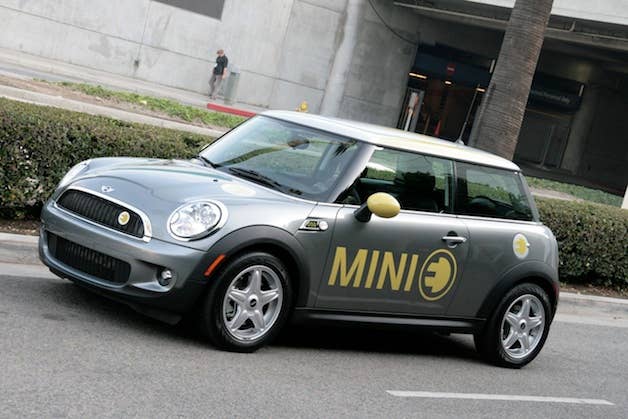
The study was culled from data involving just 79 drivers who tooled around Berlin in Mini E EVs for about six months, collectively putting a quarter-million miles on the electric vehicles. The good news is that the longer the driver spent using the EV, the shorter his mental buffer became, which meant he could comfortably get more miles from the car. So, to all you EV advocates out there, know that once drivers spend some time with an EV, they get more and more used to what the car can do. It’s a lesson we’ve learned before. Just remember that to new EV drivers, the single-charge range is a lot smaller than the one old-timers see.