

Gen 1 Rivian owners see red after latest software update
Owners of the Rivian R1T pickup truck and R1S SUV have a lot to get excited about, as the EV maker has just shared the details of its latest software update, which is version 2025.34. It’s no minor update, either, as the benefits for Rivian drivers include everything from expanded hands-free driving on highways to improved sound systems. Smarter charging will also result in potentially significant cost savings.
Unfortunately, Gen 1 Rivian owners are being shut out of some of the latest upgrades, as they have older hardware that isn’t compatible with every new feature released by the automaker.
Save Up To $900 Annually On Charging
Rivian
Rivian
Rivian
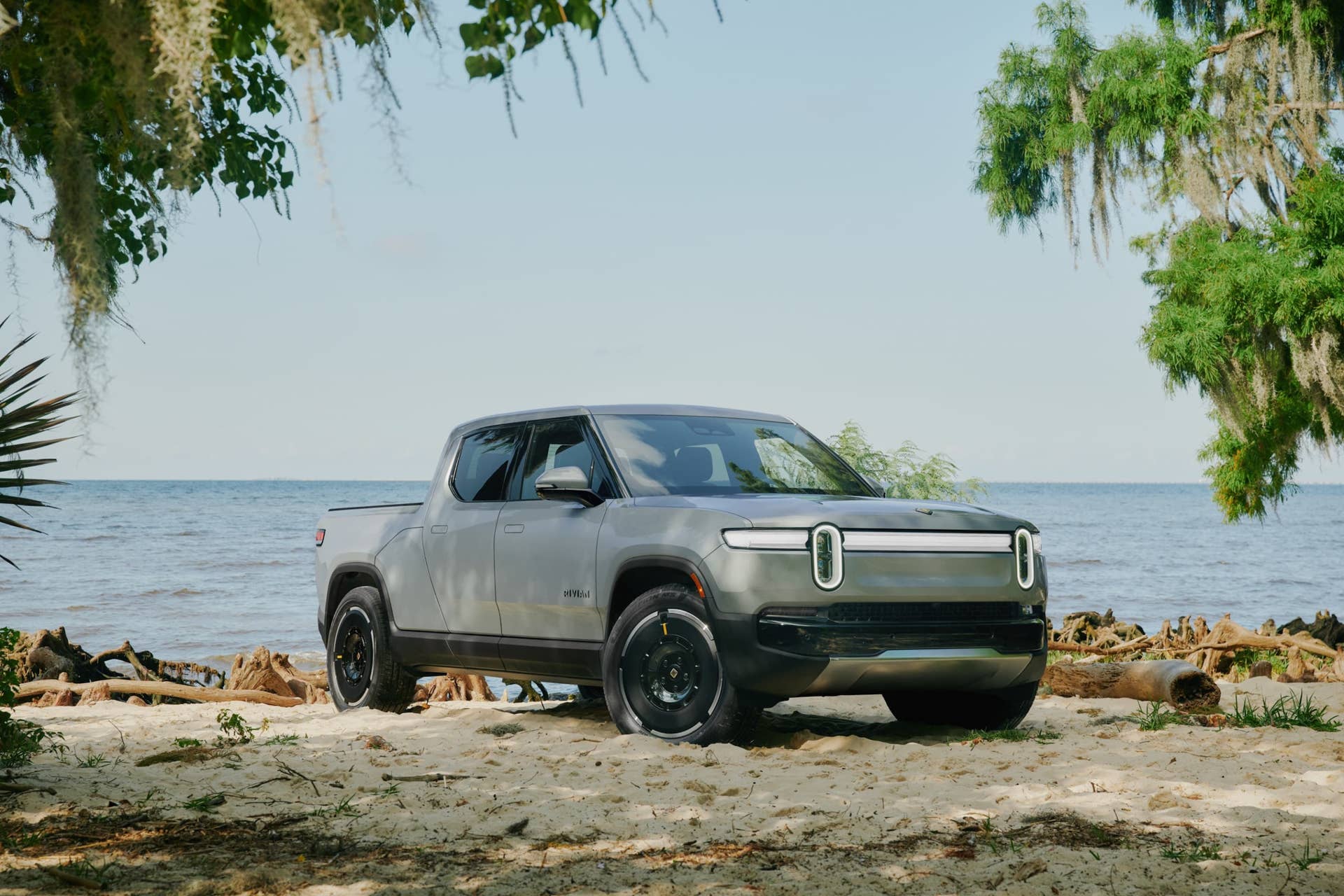
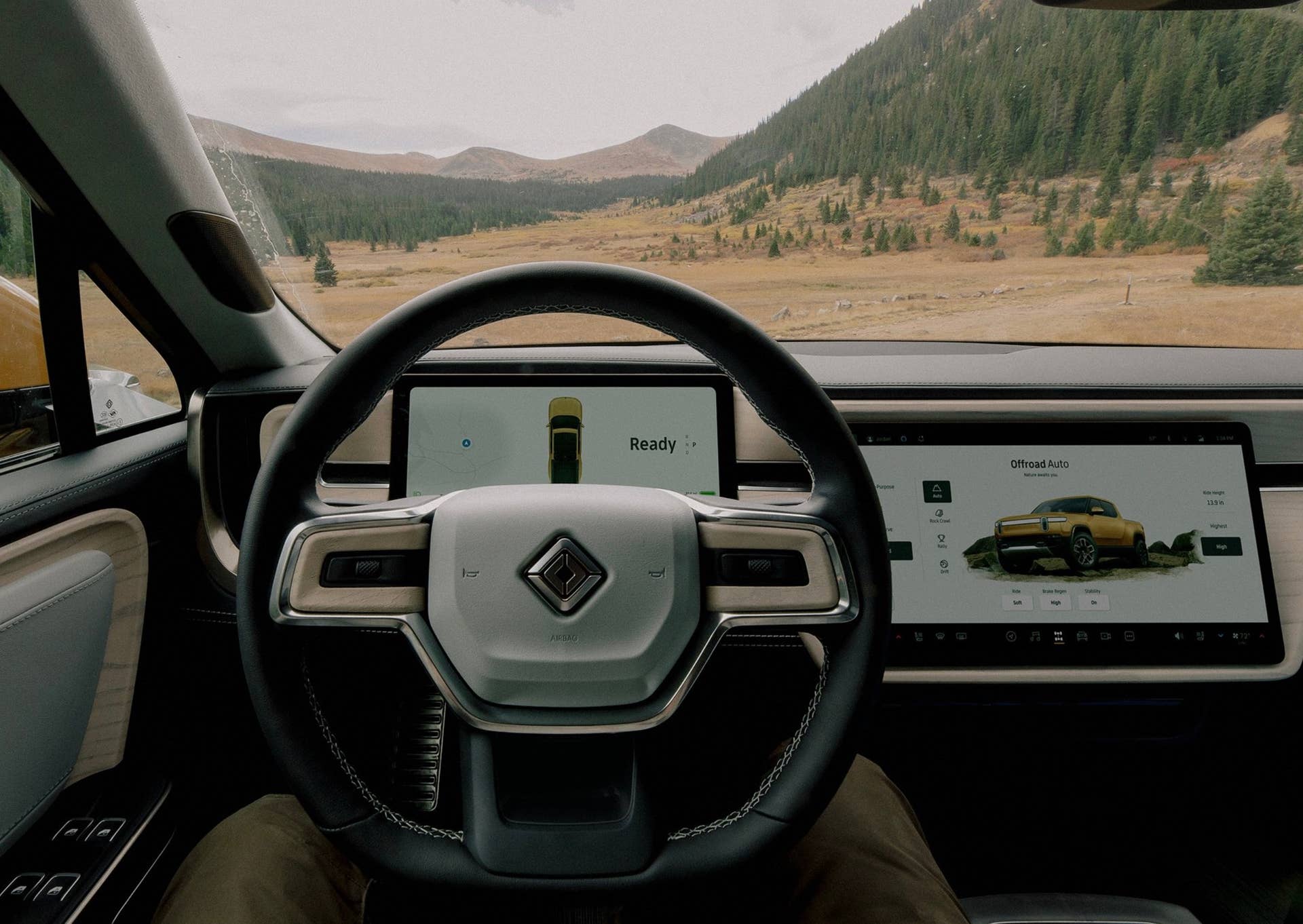
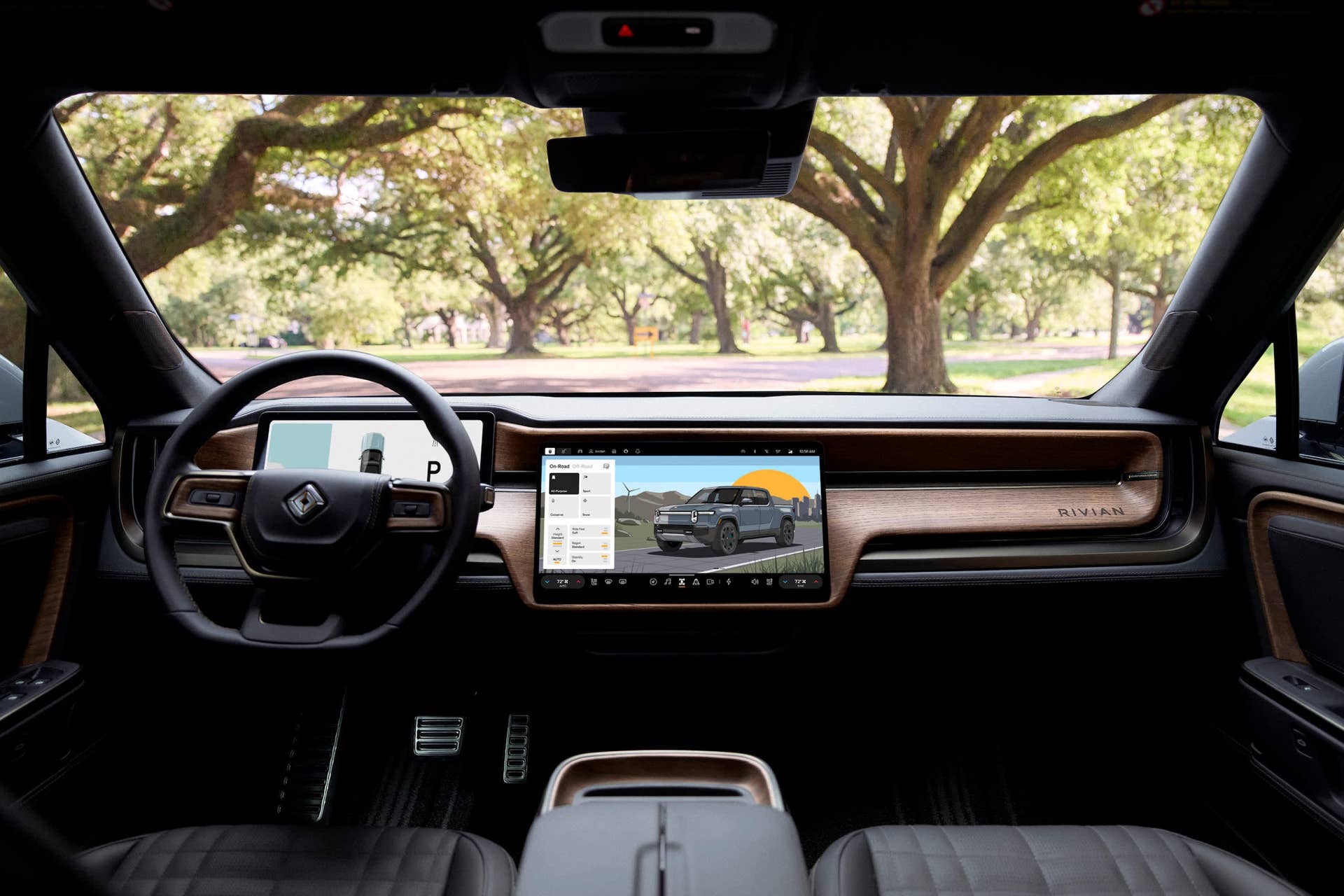
Fortunately, this particular update applies to both Gen 2 Rivians (from the 2025 model year onward) and Gen 1 models (produced through the 2024 model year). A new Schedule Recommendation function will ensure that your Rivian automatically charges during off-peak times at home, when electricity is at its most affordable.
Currently, Rivian claims over 70% of home charging sessions by Rivian owners happen outside off-peak hours. With the new function activated, annual charging costs can be cut by 20% or up to $900 annually. This does depend on where you live, though.
If more people charge during off-peak hours, it contributes to a lower chance of outages and a more stable power grid. For each owner, doing so can also increase their use of clean energy by over 10%.
This feature can be activated by confirming your location in the Rivian app.
Gen 2 Models: Co-Steer, Richer Audio, And More
Rivian
Most of the other functions are reserved for Gen 2 vehicles, which has left many Gen 1 owners upset—on X/Twitter, one such owner suggested Rivian was “abandoning” Gen 1 owners.
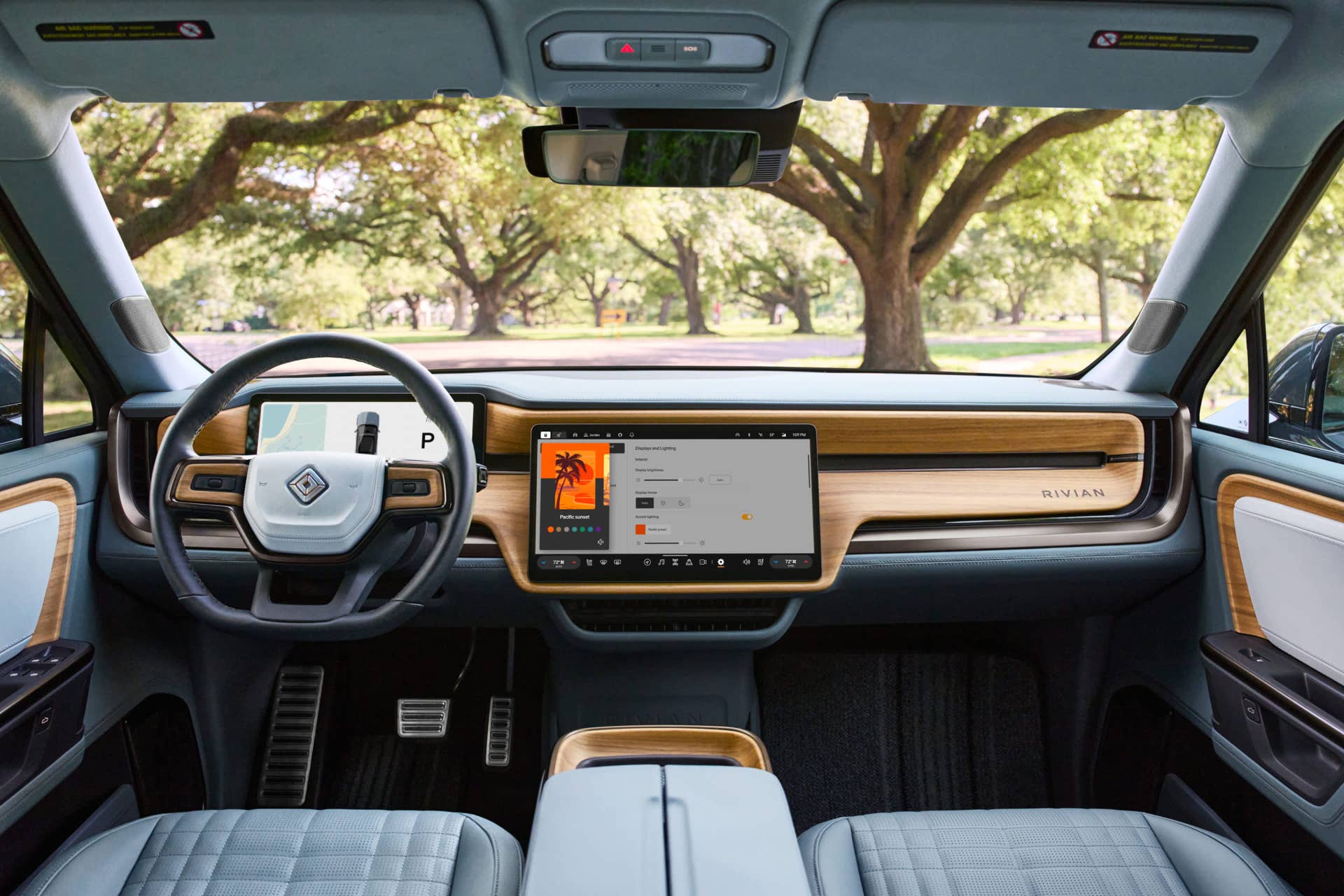
The Highway Assist feature has been improved with Co-Steer, allowing drivers to adjust their lane position without disengaging the system. This is useful if, for example, you want to move further away from a semi-truck when overtaking.
For those who enjoy hands-free driving, there’s more good news. Enhanced Highway Assist’s availability is up by over 50%, so it’s possible to enjoy hands-free driving for longer stretches. Rivian also claims its in-house perception system is better at assessing the vehicle’s environment, which improves lane centering on highways or when navigating tighter curves.
Recently, Rivian announced a recall for 24,000 EVs as their hands-free systems failed to identify other cars.
Rivian
For audiophiles, the listening experience has been improved, too. The six pre-existing equalizer profiles can now be customized by each driver, and there are two new slots that can be named. These functions are useful if your audio settings differ significantly from anyone else who drives the same vehicle.
The low-frequency response and sound stage in Gen 2 models has been updated. Rivian claims better bass control and a “richer sense of spatial separation” to the audio.
We also picked up a number of smaller fixes in version 2025.34, including:
- Improved navigation stability and responsiveness
- A fix for fluctuating trip energy and efficiency data
- More accurate battery range on arrival estimates
- Lowering of excessive blower noise when the climate control activates in mild conditions
- Better 12V battery health detection
Most of the fixes apply to Gen 1 vehicles, too. The full list of enhancements for Gen 1/Gen 2 R1T and R1S can be found here.
These software updates come shortly after Rivian announced a fix for the R1T’s powered tonneau cover, which initially frustrated owners with jamming and unusually loud operating noises. No specific fix was announced for the Rivian’s air-conditioning system, which has stopped working entirely for some owners.
Early Adopters Left Disgruntled

Unfortunately, most of the people who took a chance on Rivian when it was still a much smaller operation are now paying the price for it. Gen 1 vehicles continue to miss out on the latest features, much in the way that users of older iPhones gradually lose access to the latest software updates.
One could argue, though, that these software-defined EVs are simply a continuation of industry norms. In previous years, before software updates became commonplace, you’d have to settle for the features equipped to whatever car you purchased, knowing that future model years will add the latest gadgets. At least Gen 1 Rivians are still capable of receiving fixes for small software glitches, so they’re still getting better with time.
About the author

Karl Furlong
Senior Editor, Autoblog