
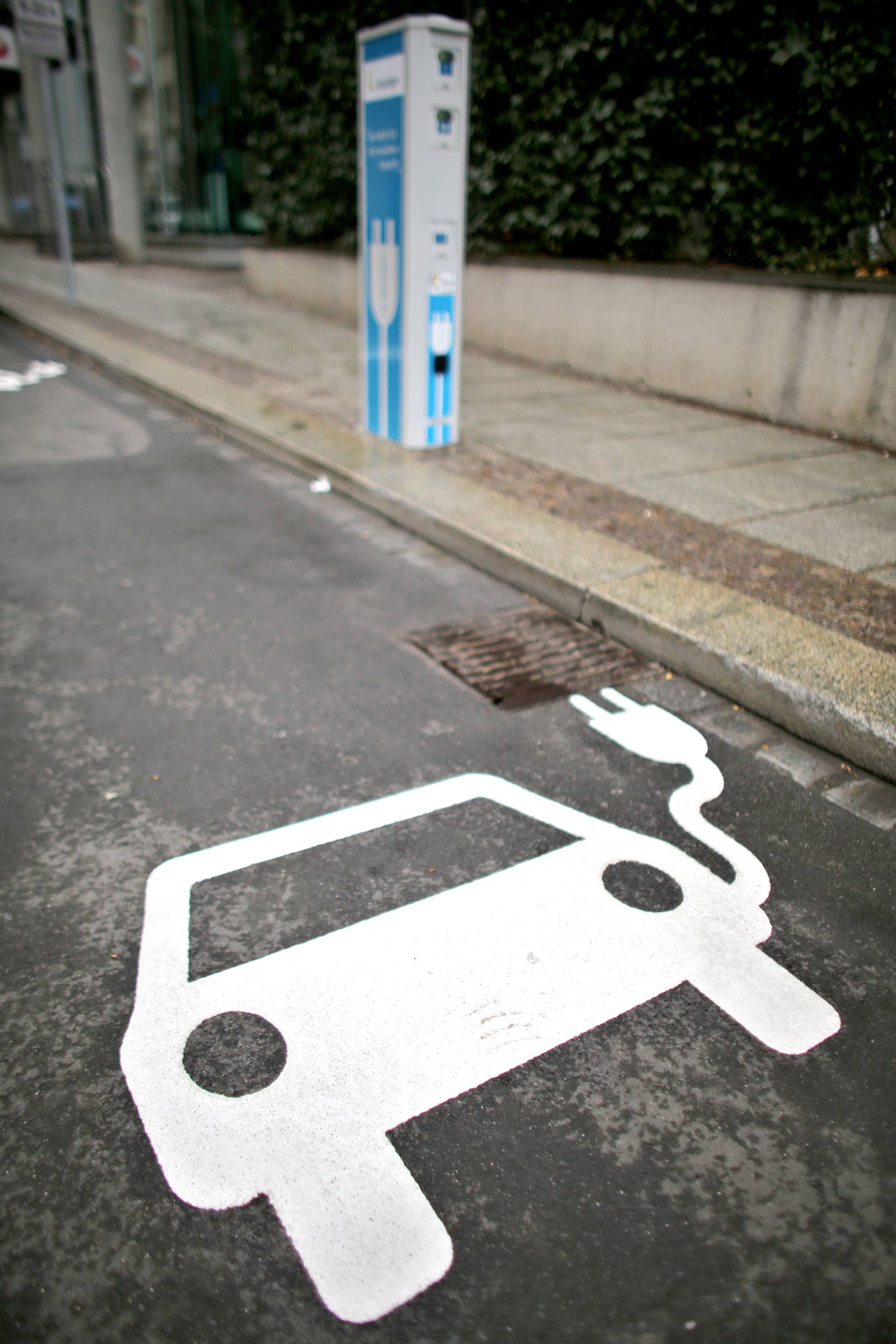
Why doesn’t everyone drive electric? Or, better put, why doesn’t 87 percent of everyone drive electric? Because that’s the percentage of “vehicle days” that an EV with
84 miles of range like that Nissan Leaf can officially handle, even without any public charging.
What that means is that 87 percent of all the days that MIT researchers looked at – and they analyzed millions of vehicle trips throughout the US, using real-world data about things like speed and ambient temperature – a Leaf that is only charged up overnight would handle the work load. In the study’s words, “We find that a large percentage of daily personal vehicle energy requirements across the US as a whole, and within major cities, can be met by a relatively inexpensive BEV on the market today.”
Of course, the real answer to our lede question (don’t say “range anxiety”) can be found in those missing 13 percent. We’ve been told that our cars are go-anywhere-at-anytime machines. That’s rarely how they’re actually used, but if you’re going to spend tens of thousands of dollars on a hunk of metal, you don’t want to use it just 87 percent of the time. This, of course, is where car sharing comes in, and we can see in places like Indianapolis (with
BlueIndy) and Atlanta with
Vision Fleet or the
Innova EV Car Share. If you’re not interested in possessing a car 100 percent of the time, you’re probably more likely to be open to electric drive. A potent counter-argument to this line of thinking comes from San Diego, where Car2go switched its electric short-term rental service over
to a gas-powered one. But setbacks like that shouldn’t stop more people from trying EVs. As the MIT study says, “the extent and pace of the transition to BEVs may determine whether the US meets its emissions reduction goals.”
Published in the journal
Nature, the article is called
Potential for widespread electrification of personal vehicle travel in the United States. It’s worth a read and you can get the PDF
here.
Related Video:
Video ID:
b1c3eff1-0efc-3b42-ba11-bf31e484d373
Playlist ID:
Autoplay:
false
Mute:
false
Continuous:
false
Ad Key:
Ad Value: