
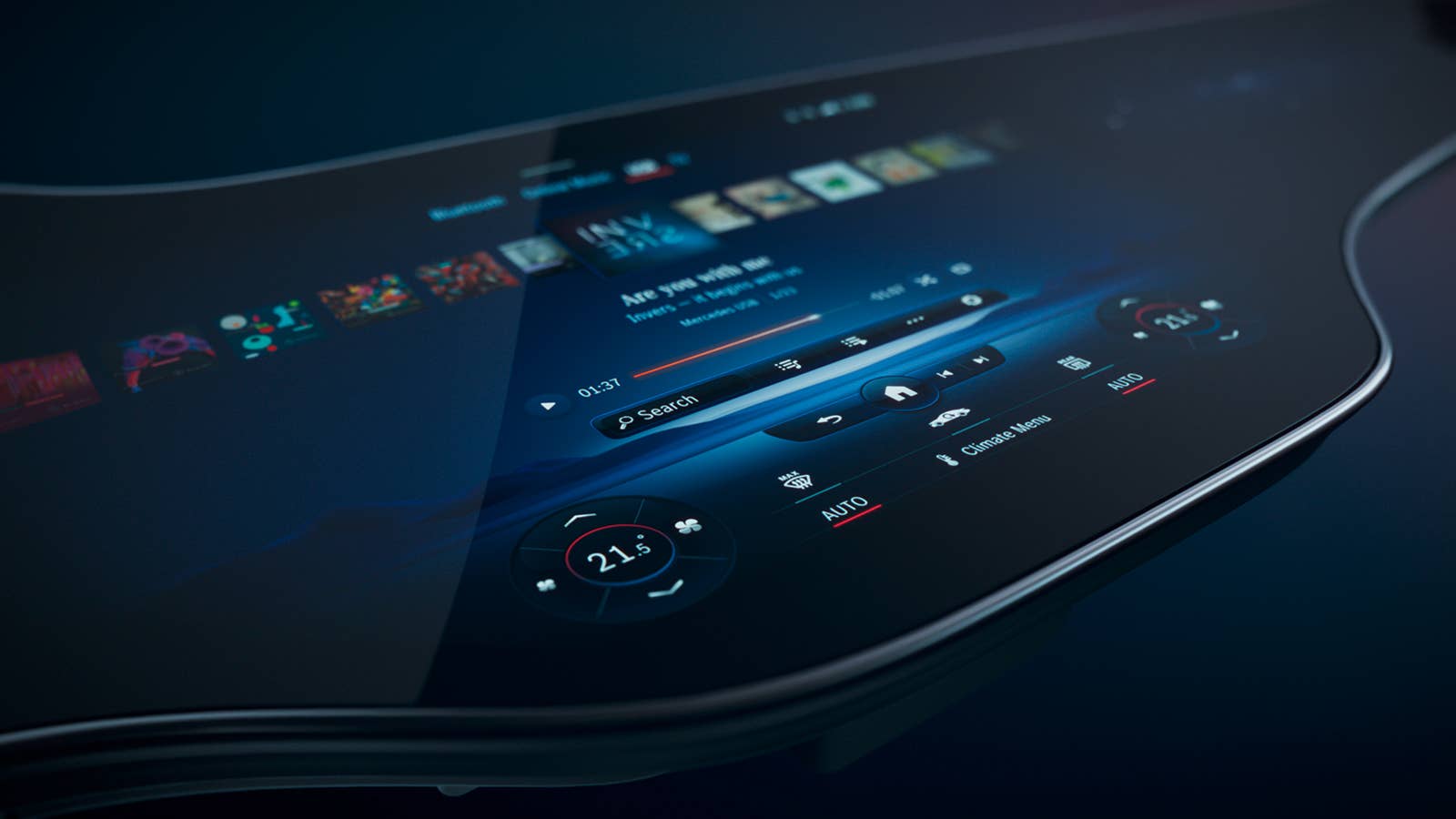
For years, luxury automakers have been caught in a relentless race to see who could pack the largest touchscreens into their dashboards. Physical buttons were aggressively phased out, replaced by massive digital slabs and minimalist interiors. But after growing frustration from drivers, Mercedes-Benz is finally changing its approach. Now, Mercedes-Benz CEO Ola Källenius has acknowledged that while massive digital displays are likely here to stay, the auto industry needs to actively address the lack of tactile and intuitive physical buttons.
Mercedes’ Button-Blackout
Mercedes-Benz
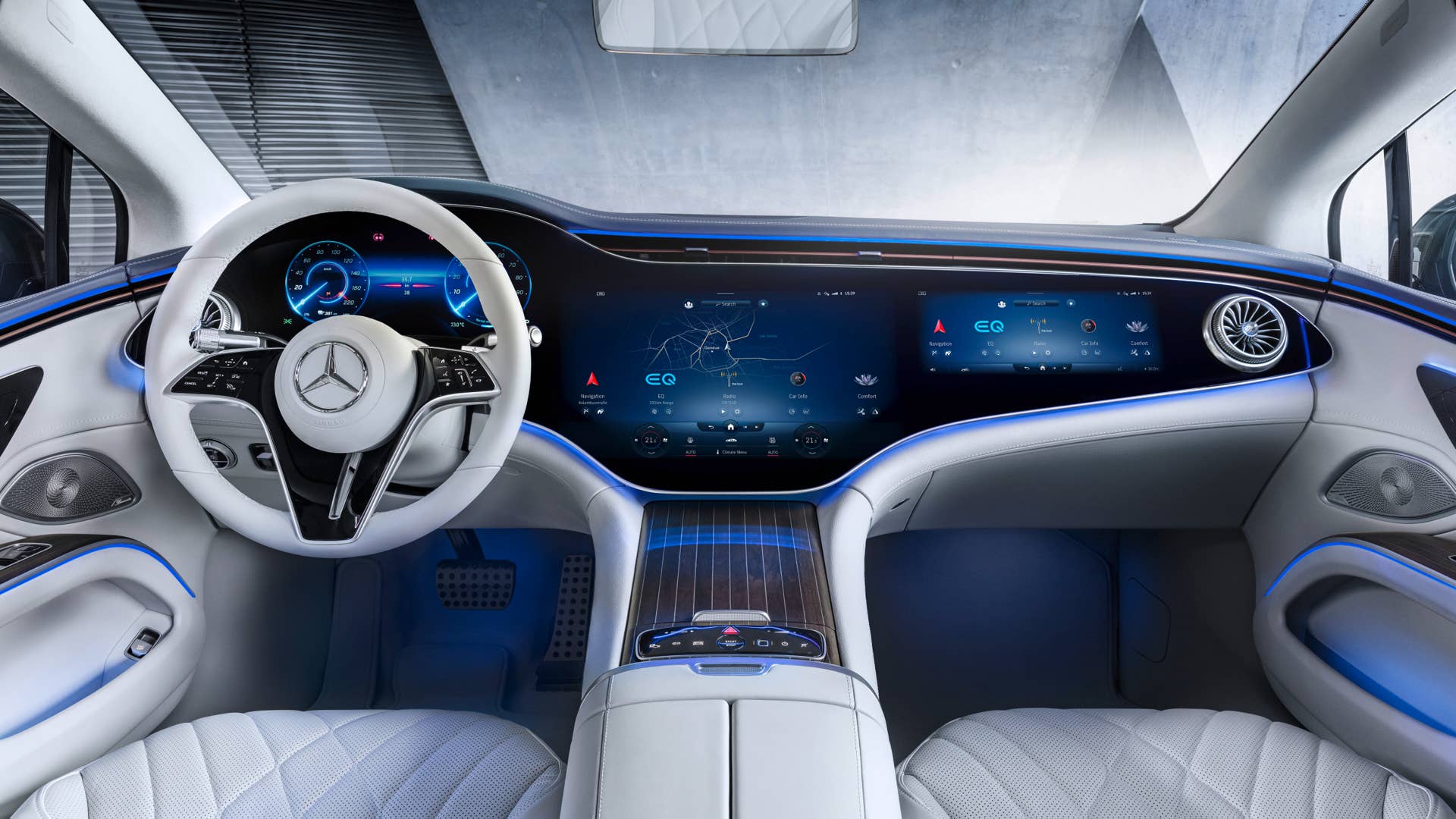
The German automaker has been one of the biggest pioneers of the digital dashboard revolution. Its signature MBUX Hyperscreen is an absolute behemoth, with its largest variants stretching 56 inches across the entire cabin. While visually stunning, this sweeping transition forced drivers to dig through complex digital menus just to adjust simple, everyday settings. Källenius admitted that the focus on a futuristic aesthetic caused Mercedes to forget about user experience. “Sometimes you get a bit ahead of yourself and do technology for the sake of technology and maybe forget a little bit about the customer,” he noted.
Listening To The Market
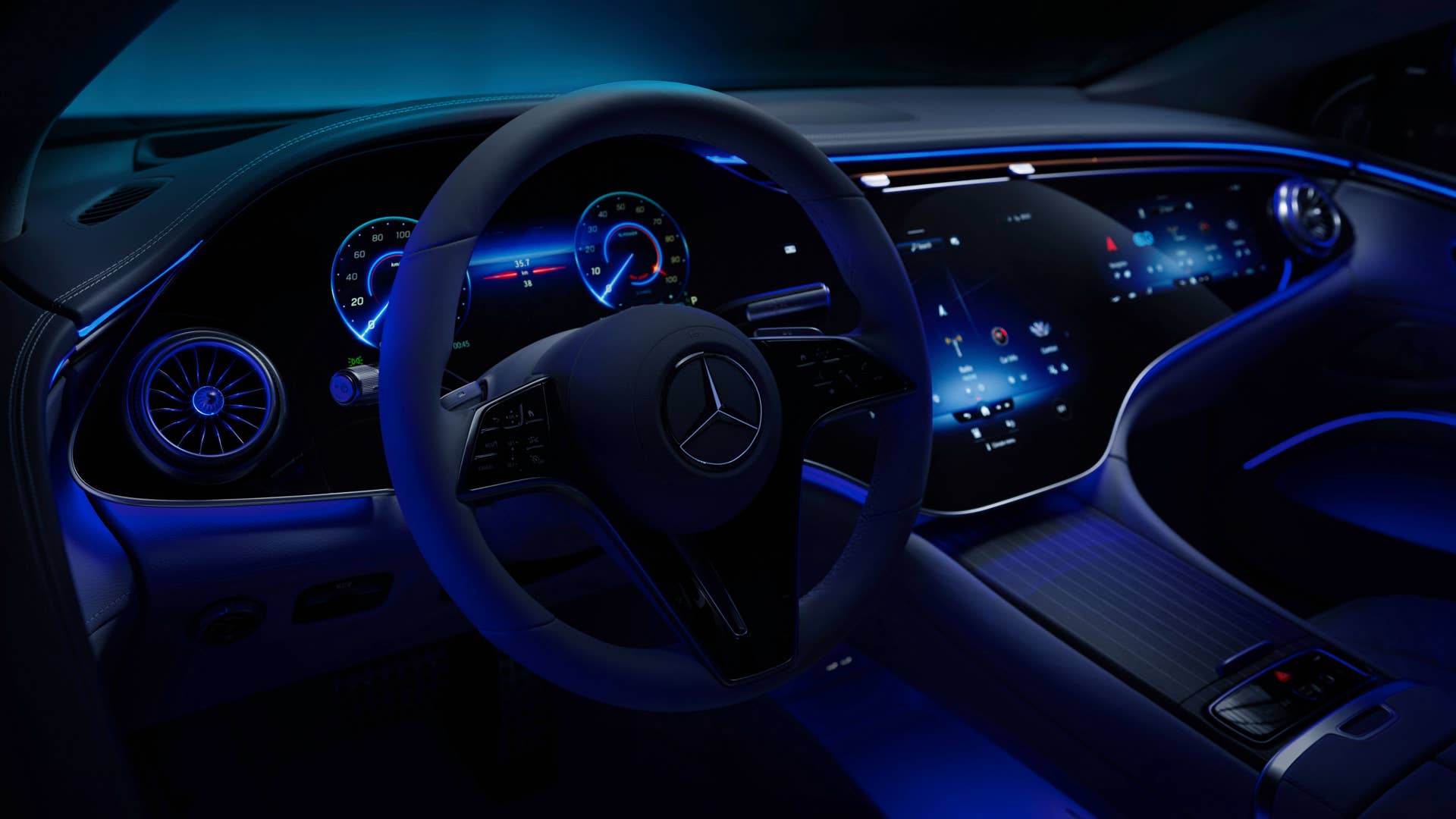
Mercedes-Benz invests heavily in user interface design, with Källenius joking in an interview with Autocar that the infotainment system must be intuitive enough for either a five-year-old child or a Mercedes board member to operate. Despite ongoing efforts to improve advanced voice control technology, overwhelming consumer feedback has sparked a practical reversal in strategy. Moving forward, Mercedes plans to strike a smarter balance by bringing back essential tactile controls. The brand has already started this shift by restoring physical buttons on its steering wheels, moving away from heavily criticized haptic touchpads. “From now on, you will see us reintroduce the most sensible buttons,” Källenius promised.
Mercedes-Benz
When asked if the automotive industry had reached “peak screen,” the CEO wasn’t completely sure, but he definitively stated, “we’re at low button.” For everyday drivers who just want to turn down the air conditioning without taking their eyes off the road, this admission is a massive win. The giant screens aren’t going anywhere, but the frustrating era of entirely buttonless cabins is officially coming to a close.
About the author

Yash Bajaj
News Editor