
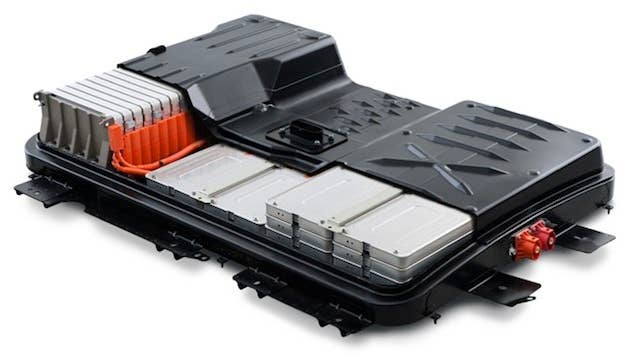
“Tonight, we’re gonna party like it’s 2020” doesn’t quite have the same ring to it, but if Navigant Research is correct, electric-vehicle advocates will have reasons to be celebratory, whether Prince is playing or not. The research company formerly known as Pike is saying that lithium-ion battery costs may fall by almost two-thirds by the end of the decade, making EVs pretty price-competitive with comparable gas-powered cars and shortening any plug-in premium payoff period, according to Plug In Cars.
Specifically, lithium-ion costs, which are tipping the scales at about $500 per kilowatt hour now, could fall to $300 by 2015 and to $180 by 2020. In addition to the old economies-of-scale factor, battery makers are finding ways to reduce the amount of expensive cobalt used in batteries, while metal, wiring and plastic costs are also on the way down. As a result, by the end of the decade, EVs may be sold for as little as a $2,000 mark-up relative to conventional vehicles, which makes the plug-in proposition more attractive. Attractive enough, in fact, for plug-ins to account for as much as 5 percent of the new-car market by 2020, up from about a half a percent now.
While such projections have been all over the map, Navigant’s is pretty close to at least one other made last summer. Last July, McKinsey & Co. put out a report saying that lithium-ion battery prices would fall from about $600/kWh to $200 by the end of the decade to a relatively thrifty $160 by 2025. We should also mention that Tesla CEO Elon Musk stated back in February of 2012 that he expected the price of cells to drop below the 200/kWh mark in the not-too-distant future.