
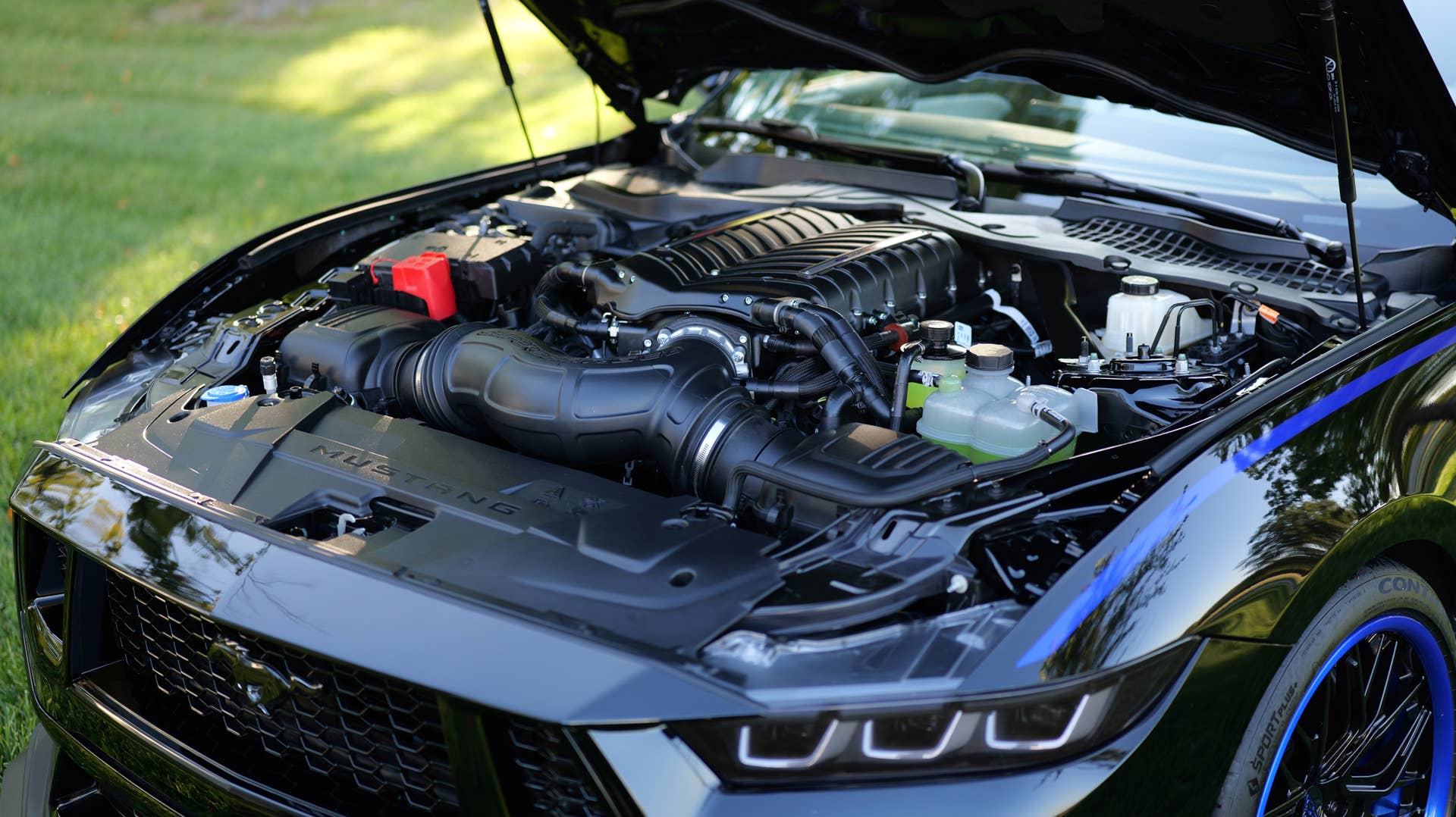
S650 Mustang ECU Lock Restricts The Performance Market
When the S650 generation Ford Mustang debuted, Ford locked down its engine control unit through its new Fully-Networked Vehicle electrical architecture. While this brought over the air updates and improved cybersecurity, it shut out the aftermarket tuning community that has been the lifeblood of Mustang culture for decades.
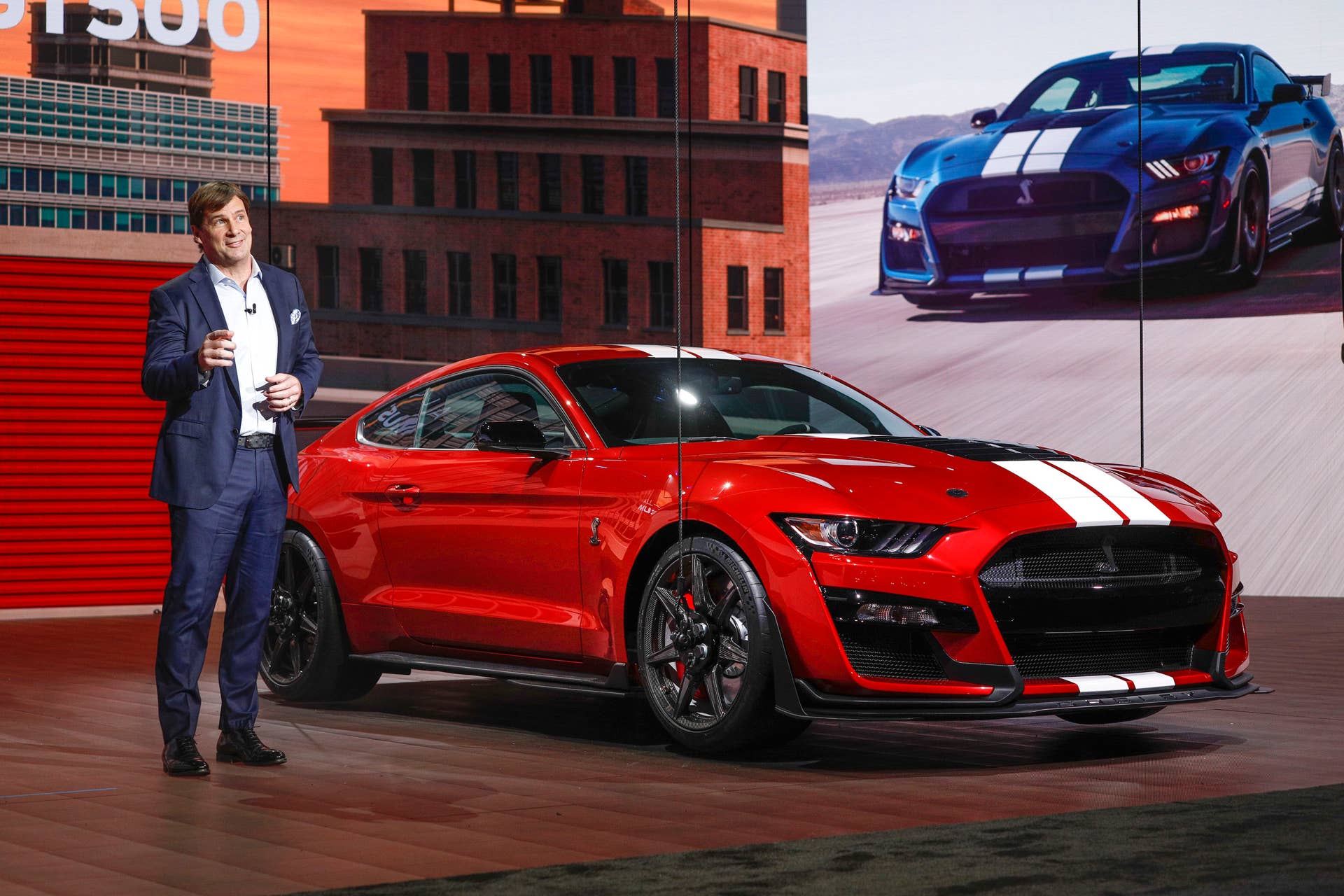
The decision is so unpopular that Ford CEO Jim Farley’s own 17 year old son bought an older generation Mustang specifically because he wanted the ability to tune it, choosing a previous model over the new S650. When your own family won’t buy the product because of your policy, that tells you everything.
Why Ford Locked Its ECUs
During a recent appearance on The Verge’s Decoder podcast, Farley explained the rationale by sharing a story about his daughter’s boyfriend. The boyfriend purchased a new F-150 and added modifications including a supercharger, pushing the engine to around 650 horsepower. After updating the ECU against Ford’s standards, the truck began throwing error codes and started destroying its camshaft, requiring thousands in repairs.
Farley framed it as a compromise between giving customers tuning freedom and maintaining reliability standards. The problem is this punishes responsible enthusiasts and professional tuners for the mistakes of inexperienced modders.

The Performance Market Ford Is Abandoning
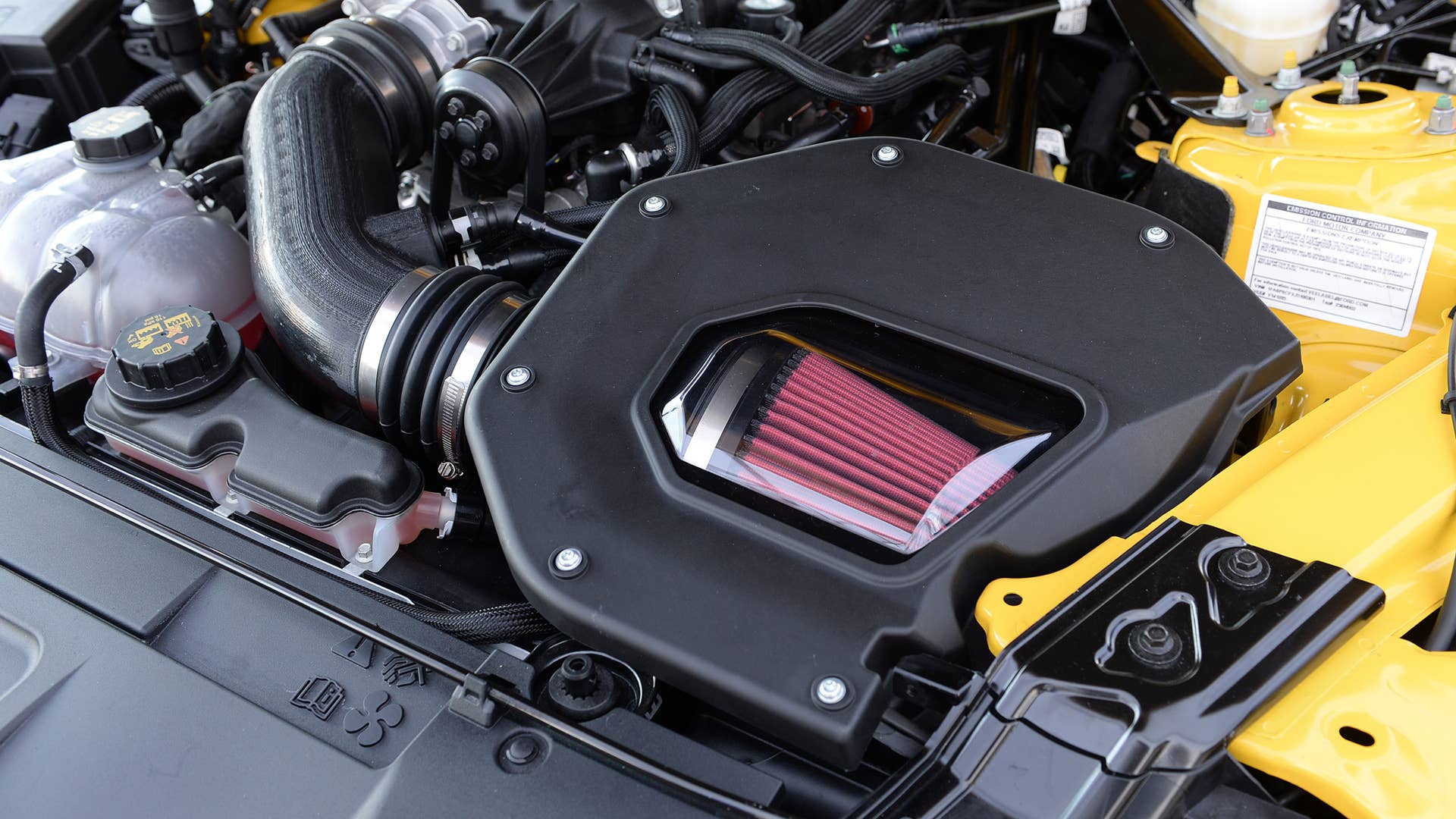
ECU tuning is the gateway to performance modifications. Cold air intakes, aftermarket exhausts, and upgraded turbos all need corresponding ECU adjustments to function properly. Without tuning access, even basic bolt on modifications become problematic.
The ECU lockdown forced tuning shops that built businesses around Ford performance to stop working on the newest models. Enthusiasts who would have bought new Mustangs and spent thousands on modifications are buying older models or switching to Dodge and Chevrolet.
Drew Phillips
Hope On The Horizon
Earlier this year, HP Tuners announced that it successfully cracked Ford’s S650 Mustang ECU and developed tuning support for models using the FNV architecture. This extends to F-150, Bronco, and other Ford models.
However, this came nearly three years after the S650 launched. Ford lost three full model years of aftermarket support and enthusiast sales. When even the CEO’s son chooses an older Mustang because of tuning restrictions, Ford should recognize that this is a fundamental misunderstanding of what makes the Mustang special to its core audience.
About the author

Simran Rastogi
Senior Editor