
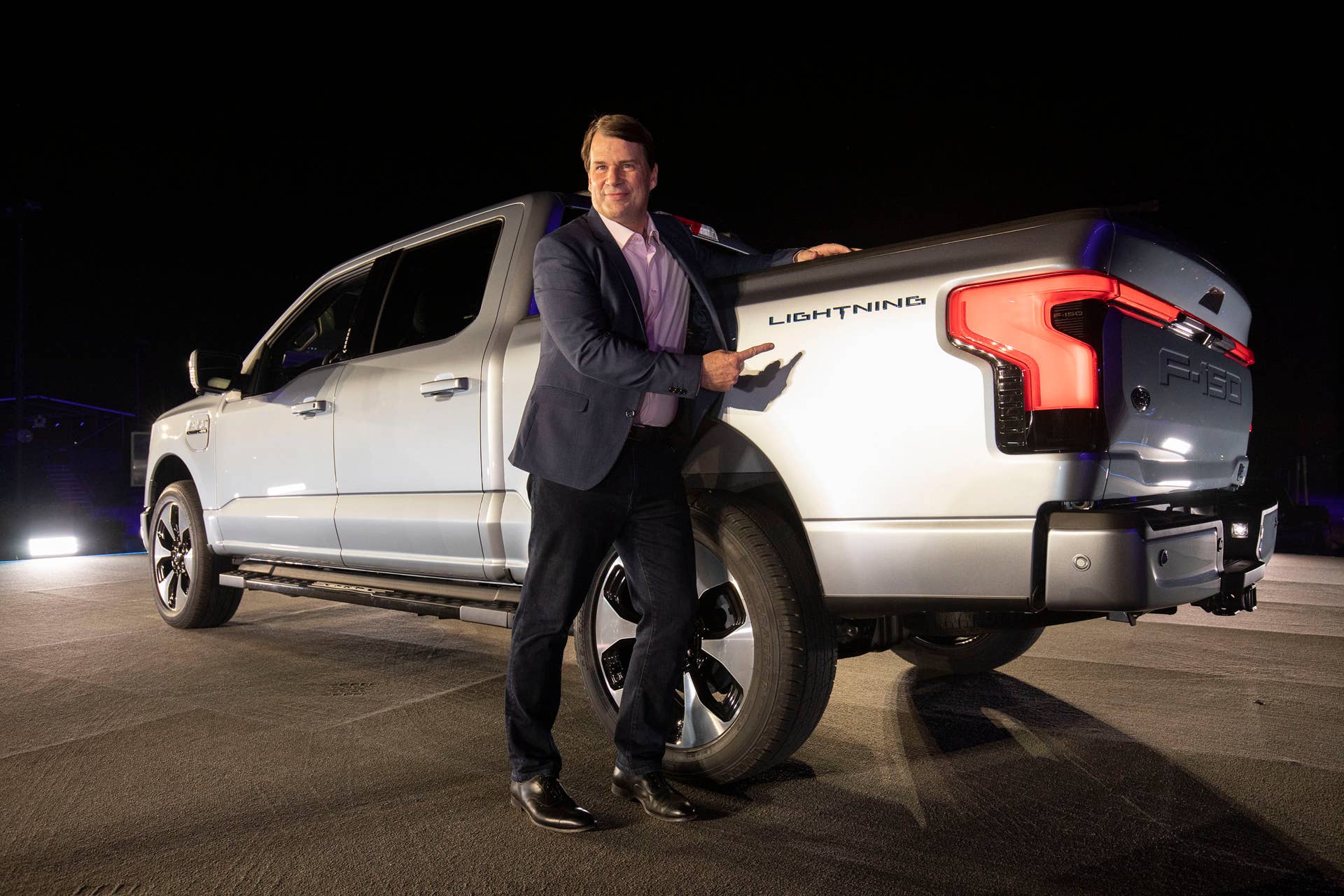
Ford is tapping the brakes on F-150 Lightning production for a six-week stretch and planning to pick things up again in early January 2025.
While this pause lines up with Ford’s usual December holiday shutdown, this move is part of a bigger play to recalibrate production, adjust to changing market demands, and tighten up Ford’s financial targets.
Ford’s all-electric F-150 Lightning meets market reality
The all-electric F-150 Lightning launched with serious buzz — it was, after all, the first all-electric version of Ford’s best-selling F-Series. But reality has set in, and sales aren’t hitting Ford’s original targets.
Lightning sales doubled to 7,100 units in Q3, but when compared to the F-Series’ total U.S. sales, the Lightning only accounts for 3.6%.
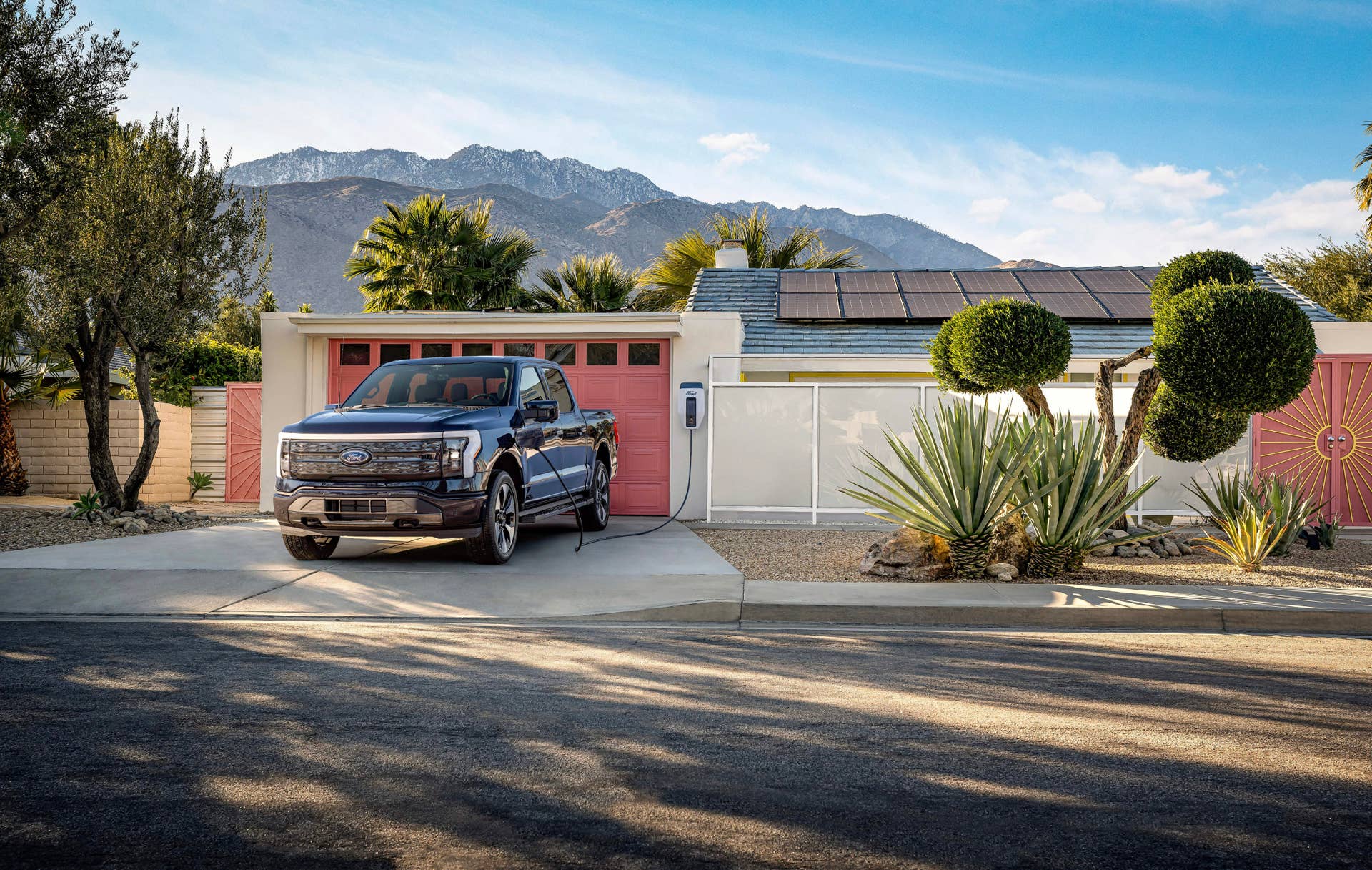
Ford’s official line is that they’re “adjusting production for an optimal mix of sales growth and profitability,” a clear sign of the company’s read on the market.
EVs are gaining ground, but hybrids are surging, with consumer demand favoring an option that doesn’t entirely cut ties with combustion engines.
A shift to hybrids as Ford finds middle ground
In August, Ford looked at its EV roadmap and hit the brakes on the much-hyped three-row electric SUV.
Instead, Ford redirected its focus to hybrids — a safer bet for consumers who aren’t ready to go fully electric.
Powertrains like the PowerBoost combine electric battery power and a turbocharged gas engine, hitting that sweet spot for a broader market.
Ford’s CEO, Jim Farley, has been frank about the need to bring down production costs to make EVs profitable.
This is less a pivot than a response to a market still figuring itself out. Right now, hybrids are catching eyes as a lower-commitment option for fuel savings and eco-consciousness — without the infrastructure demands that come with full EVs.
A $5 Billion EV hit
Ford’s EV division is on track for a $5 billion loss this year, and third-quarter earnings took a hit as net income slipped to $900 million, with a hefty charge tied to a shelved EV SUV project. Jim Farley has been clear: Ford can only afford to spend cash on EVs with a path to profit.
Final thoughts
Hybrids are the stronger bridge between Ford’s traditional lineup and its EV future, giving Ford a practical, flexible pathway to electrification while the market settles.
About the author

Kyle Edward
Editor-in-Chief, Autoblog