


Ford’s future to be ‘iconic,’ not ‘boring’
Ford CEO Jim Farley made a bombshell announcement during an interview with British-owned Car Magazine, in an event ostensibly meant to announce the arrival of the Explorer to European markets—a reverse Christopher Columbus moment, if you will.
“We’re getting out of the boring-car business and into the iconic-vehicle business,” he told Car Magazine in the interview.
We’ve been here before
This isn’t the first time Ford has slashed its lineup to focus on a small number of the most profitable (and expensive) models. While the Mondeo is one of the models on the chopping block in Europe as part of Jim Farley’s announcement, it’s actually the same car under the hood as the much-beloved Fusion, just sold under a different name. Ford stopped selling the Fusion in the U.S. in 2020.
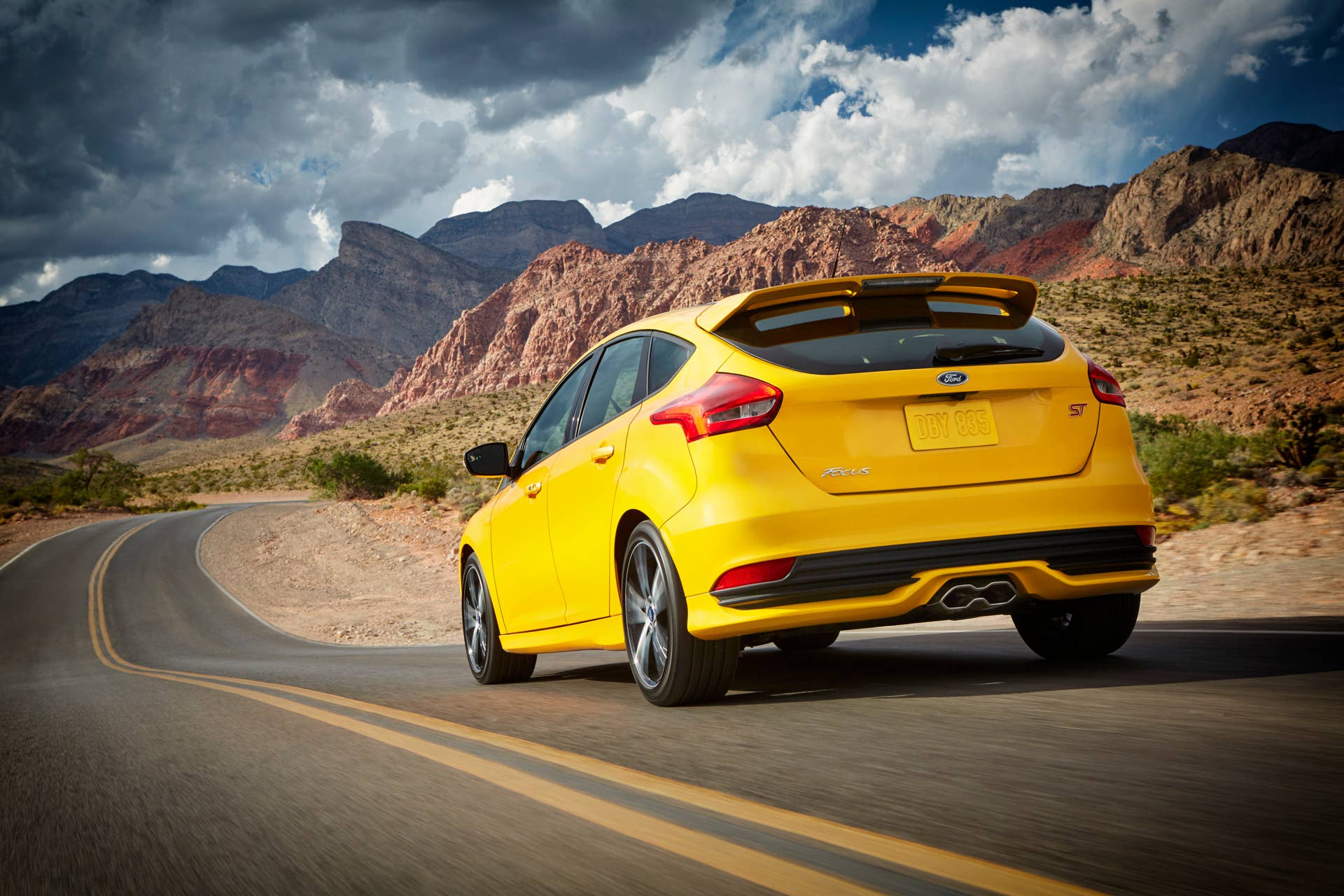
Then there is the Focus, which has been slated for years to be discontinued in 2025. The Fiesta was killed off in 2023. The Flex in 2019. The C-Max in 2018 and 2019 for the regular and hybrid models, respectively. The last Taurus rolled off the factory floor in 2019 as well.
“Boring” as a code for “affordable”
What all of these models had in common was that they were priced lower than Ford’s other offerings but still high for their market segments. Ford is no stranger to cutting its most affordable—and thus least profitable—models. It seems yet again the company is angling away from its roots as the name that brought automobiles to the masses, instead focusing on catering to wealthier clientele.

A notable exception to this trend is the Ford Maverick. While it is a pickup truck and not a car, it remains perhaps the most affordable in-class vehicle Ford offers. However, the trend is clear: bigger, faster, and costlier.
Competing with Porsche, not China
In the interview, Farley stressed that Ford’s future lies in higher-end markets, saying:
“We can take on Porsche with Mustang—it’s the best-selling sports coupe in the world. We’re going to invest in that brand and get stronger and stronger.”
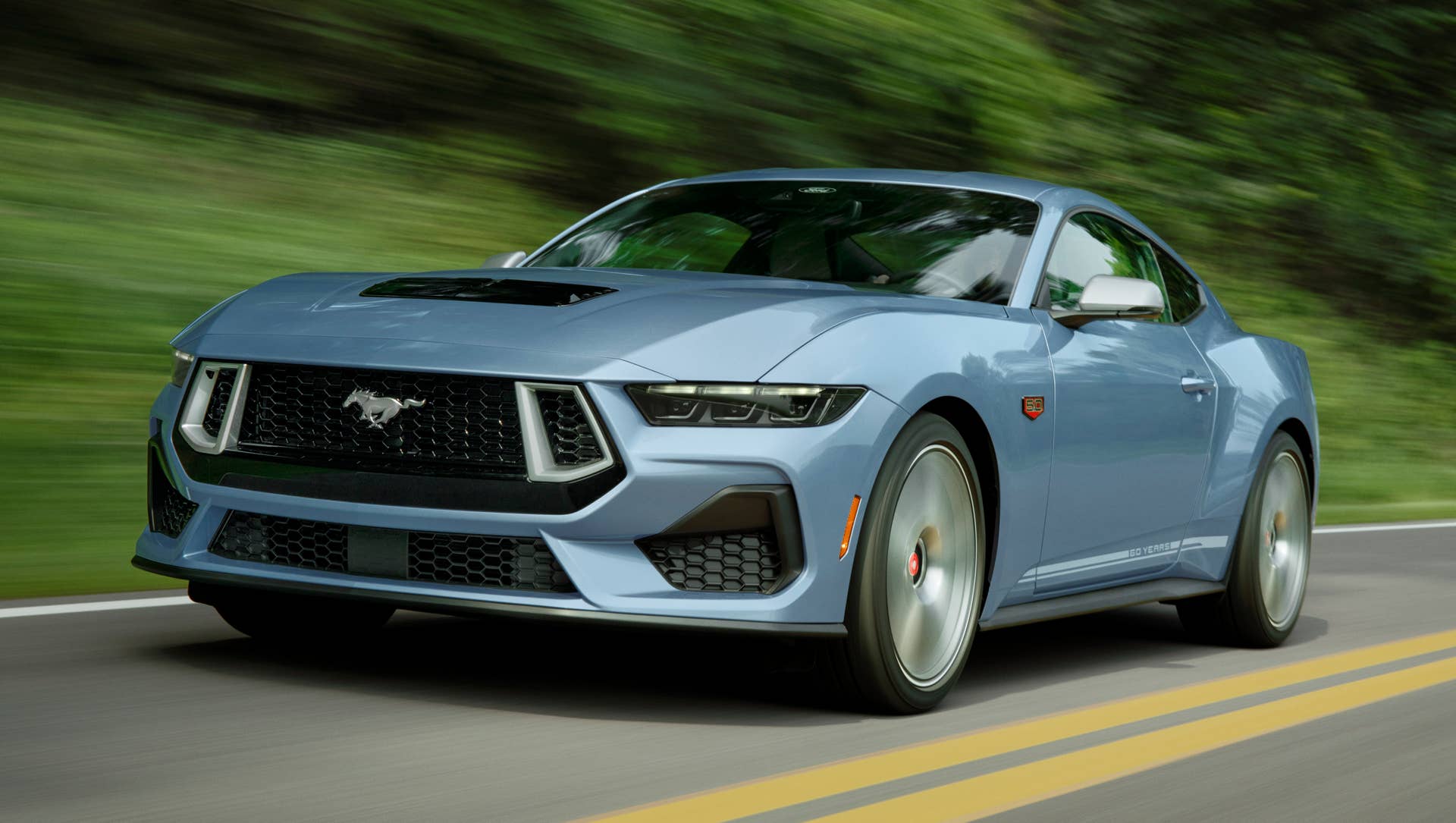
Considering his earlier dire warnings about Chinese EVs, it’s not hard to imagine Farley’s own solution to hyper-competitive Chinese cars is to… just not compete with them. Ford seems on track to leave the less profitable and soon-to-be crowded cheap car markets entirely and focus exclusively on the wealthy.
Raptor’s success story a model for the future
Jim Farley highlighted the success Ford has had with the Raptor truck as indicative of where he would like to see the brand go as a whole. Introduced in 2010 as the premium performance version of Ford’s iconic F-150, Raptor has gone on to wild success across the U.S. and Europe. With more capabilities and a higher price tag to match, Raptor is considered by many a runaway success.
“The Raptor story is a great example of where I think our passenger cars should go,” says Farley.
Is Ford setting itself up for failure with unrealistic expectations?
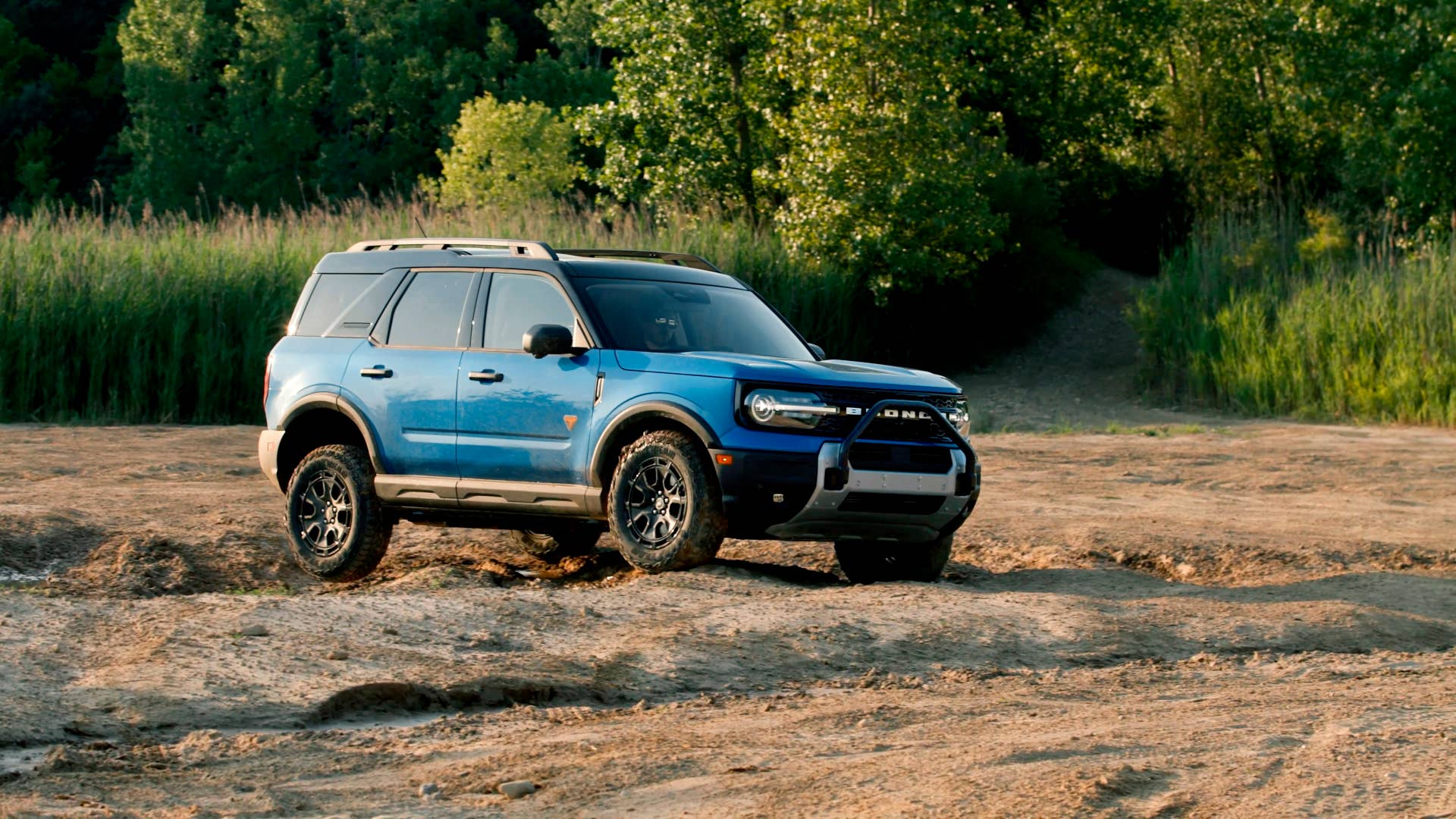
Raptor, Mustang, Bronco, and EVs are being prioritized in the hopes that they will continue to perform. But as we’ve already reported, the European EV market has been on somewhat shaky ground of late, and EV sales have also been sluggish in the U.S.
While Chinese EVs don’t yet have a foothold in the U.S., they are gaining one in Europe. However, there is no shortage of luxury brands already established on both sides of the Atlantic. Ford is trying to transition from a brand for the everyman to a brand for the wealthy thrill seeker, and may find itself straddling the precarious line between both if it is unable to make enough of a splash.
Final Thoughts
Meteoric growth is difficult to predict, and replicate. It’s even harder when there are so many rivals trying to do the same thing. It may be that Ford, under Jim Farley’s leadership, can ride that line and win big… but perhaps these ambitions will prove to be harder to achieve than initially hoped if Ford is unable to produce winner after winner as they seem to expect.