
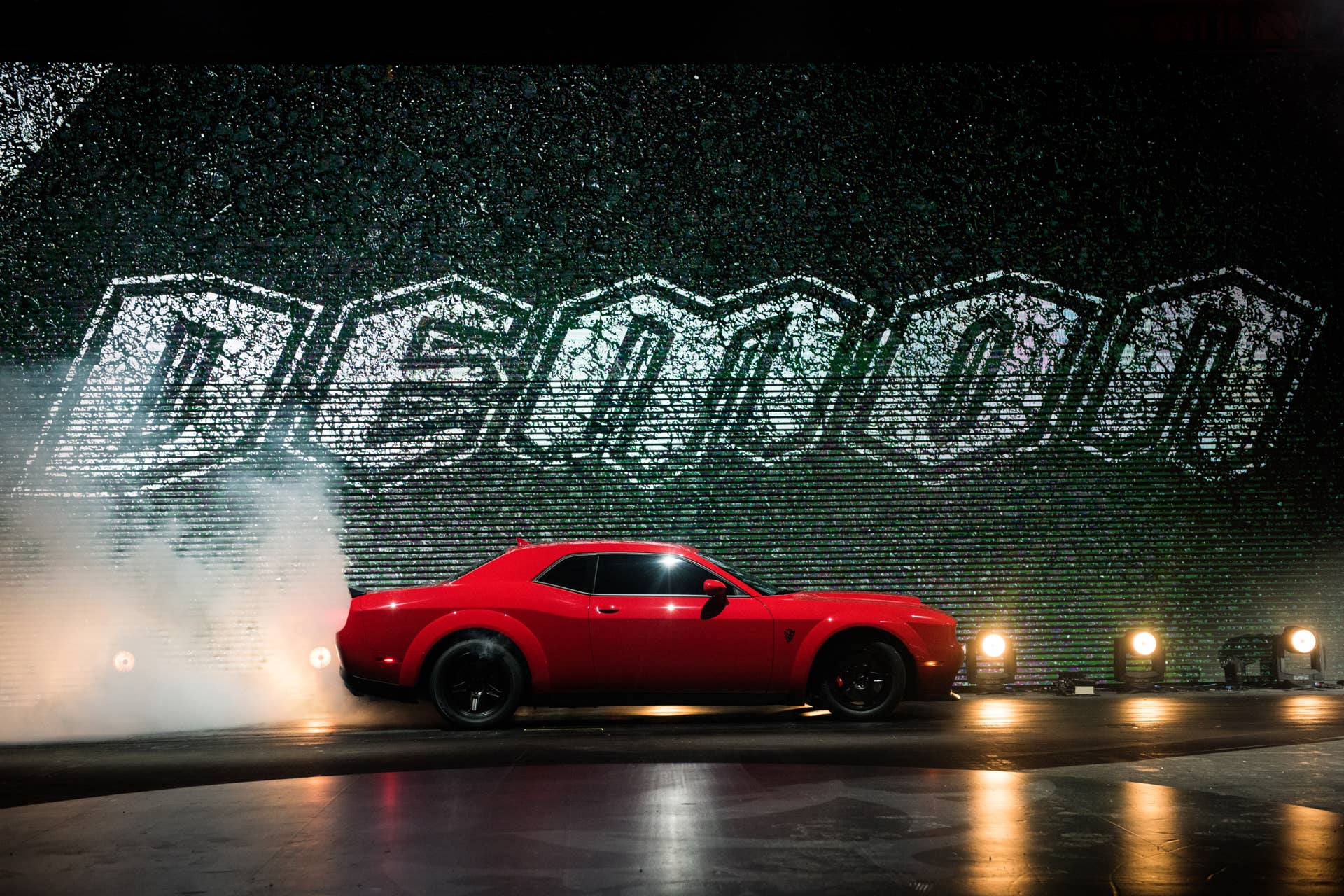
Carlos Tavares, the former CEO of Stellantis, had a reputation for cost-cutting and profitability at all costs. While his tenure saw efforts to streamline operations and boost margins, it also left the automaker facing significant challenges, particularly in the U.S. market. A notable casualty of his leadership style? The beloved Hemi V8 engine.
Tavares’s abrupt departure earlier this month came as no surprise to insiders, many of whom described his management style as “arrogant” and dismissive of U.S. market dynamics. “If you think you know everything, you’re not going to listen to anybody else,” an anonymous source told CNBC.
Killing the Hemi was not a popular move
One of the most contentious decisions under Tavares’s leadership was the elimination of the Hemi V8, a hallmark of Stellantis’s Dodge and Jeep brands. While the decision aligned with a push for greener, electrified vehicles under the company’s Dare Forward 2030 plan, it alienated loyal customers and employees alike.
“Everybody wanted to keep [Hemi],” said one source. “But it was, ‘You need to be greener’” and there was little to nothing they could do to change the decision.” The pressure to cut emissions led to the phasing out of this iconic engine, despite its popularity and the role it played in the company’s performance-focused identity.
A clash of cultures leads to internal disgruntlement
Tavares’s leadership faced criticism for its European-centric approach, which many U.S. employees felt ignored local market realities. U.S. leaders, who were regularly pulled into meetings in the middle of the night to accommodate time zone differences, were often dismissed when they tried to advocate for more gas-powered U.S. model vehicles, sources said. Tavares also micromanaged the budgets of U.S. leaders, leaving them with the feeling of having their hands tied behind their backs, sources said.
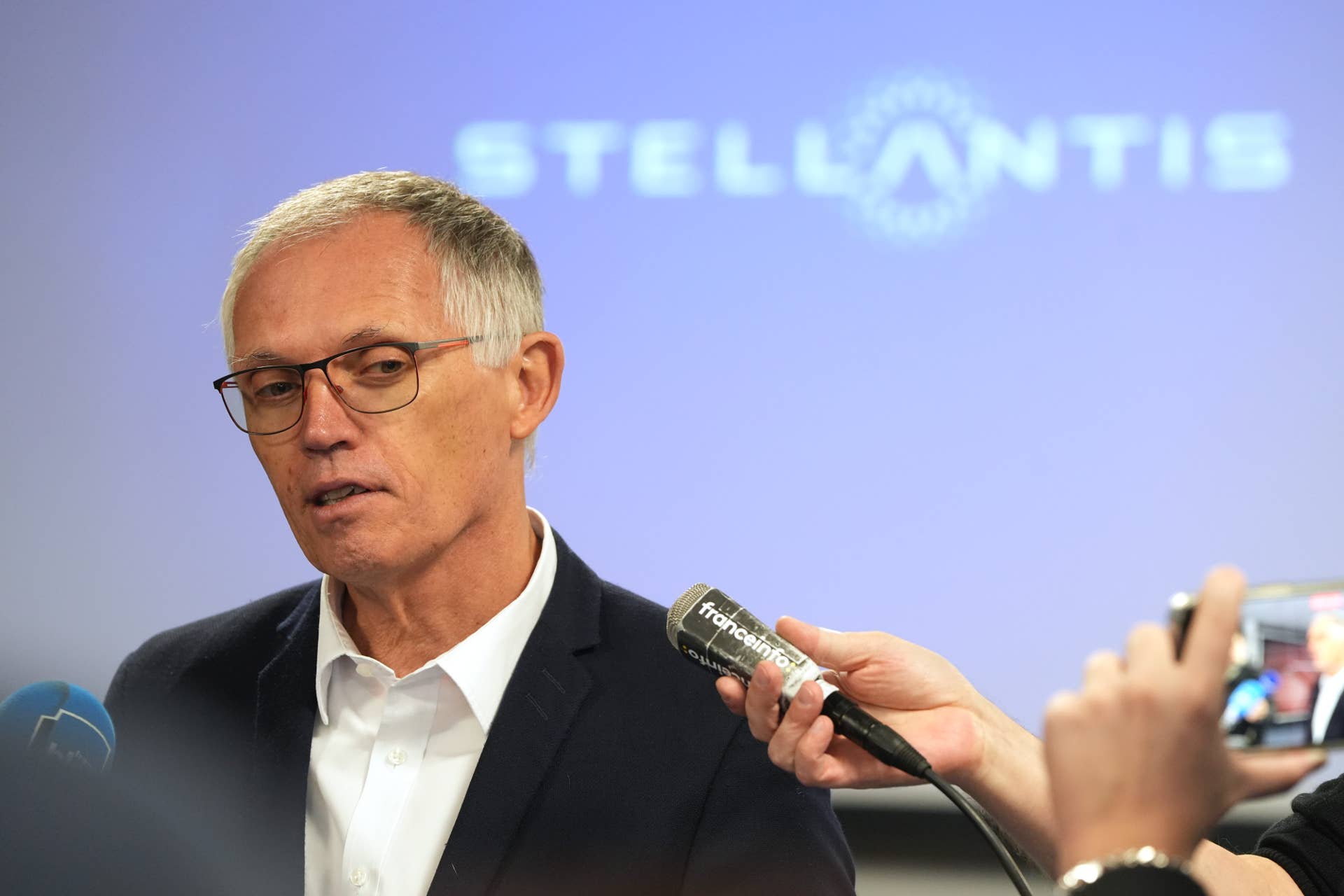
“When Tavares started, he said the center of the company is somewhere in the Atlantic … but it became very clear to us that the center of the company was in France,” a former Stellantis executive told CNBC.
Under Tavares, Stellantis also increased pricing on models like the Jeep Grand Cherokee while simplifying features, a move that alienated core customers. These changes, combined with reduced support for sales and product launches, led to a bloated vehicle inventory and declining market share.
Final thoughts
Tavares’s resignation marks a turning point for Stellantis, which must now reconcile relationships with suppliers, employees, and dealers. The company’s next leader will face the challenge of balancing long-term electrification goals with the needs of traditional customers who value Stellantis’s legacy products.
As Stellantis pivots to a new chapter, the question remains: can it rebuild trust and regain its footing in the competitive U.S. market? The fate of the Hemi V8 may serve as a cautionary tale of what happens when cultural and market misalignments collide.
About the author

Elijah Nicholson-Messmer
Contributing Writer, Autoblog